Pest Control

Bugs That Look Like Ladybugs But Aren't: ID Guide & Solutions

George Schulz Published:
Bugs That Look Like Ladybugs But Aren't: ID Guide & Solutions

Have you spotted what looks like a ladybug in your home, but something seems off? You’re not alone. In my four years as a registered technician, I’ve helped countless homeowners in the DC metro area correctly identify bugs that look like ladybugs but aren’t actually the beneficial insects they appear to be.

These imposters can cause real problems. Some bite, others damage fabrics, and many become serious nuisances when they invade homes by the hundreds. The key is knowing what you’re really dealing with before you decide how to handle them.

Our family business has been serving the DMV for over 50 years, and we’ve seen every type of ladybug lookalike you can imagine. Let me walk you through the most common culprits and show you exactly how to tell them apart.

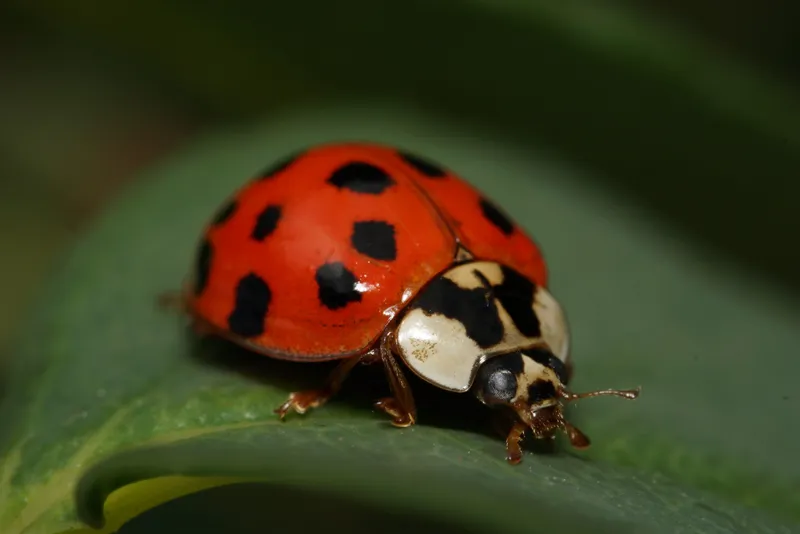
Close-up of ladybug lookalike showing distinct spot patterns
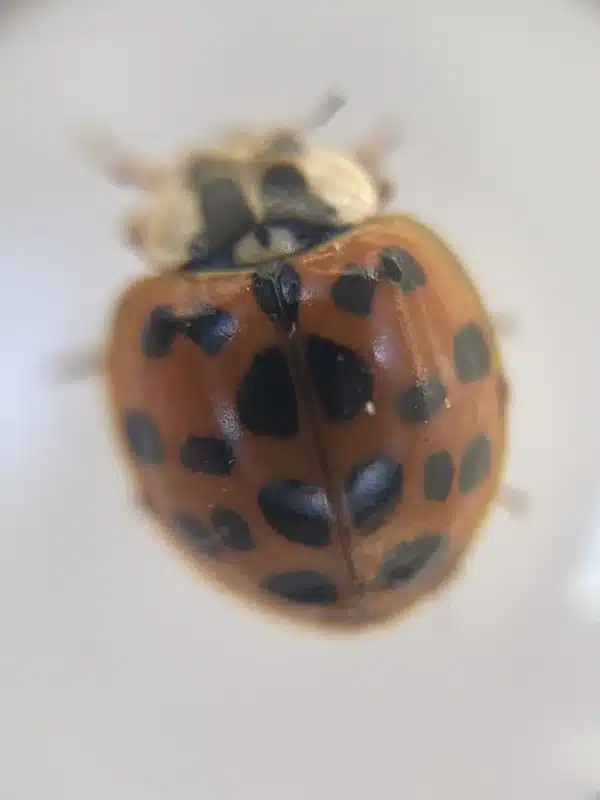
Many beetles share the rounded, spotted appearance of ladybugs, making proper identification crucial for effective treatment

How to Tell Real Ladybugs from Imposters

Before we dive into specific bugs that look like ladybugs but aren’t, let’s establish what true ladybugs actually look like. Real ladybugs have short, clubbed antennae and smooth, dome-shaped bodies. They’re typically red or orange with black spots, though some species are yellow or even black.

The imposters often give themselves away through subtle differences. Look for longer antennae, different body shapes, or unusual markings on the area behind their head (called the pronotum). Additionally, pay attention to where you find them and what they’re doing.

True ladybugs are beneficial predators that help control garden pests. If the insects you’re seeing are causing damage to plants, fabric, or becoming a major indoor nuisance, they’re probably not real ladybugs.

ComparisonTrue LadybugsAsian Lady BeetlesMexican Bean Beetles
Key IdentifierBlack head, clubbed antennaeM or W mark on pronotum16 spots in 3 rows
BehaviorStays outdoorsInvades homes in fallAttacks bean plants
ImpactBeneficial predatorNuisance pestCrop destroyer

Asian Lady Beetles: The Most Common Imposters

The multicolored Asian lady beetle is by far the most problematic of all bugs that look like ladybugs but aren’t welcome in your home. These invasive insects were originally introduced to control crop pests, but they’ve become a major nuisance for homeowners across the Mid-Atlantic region.

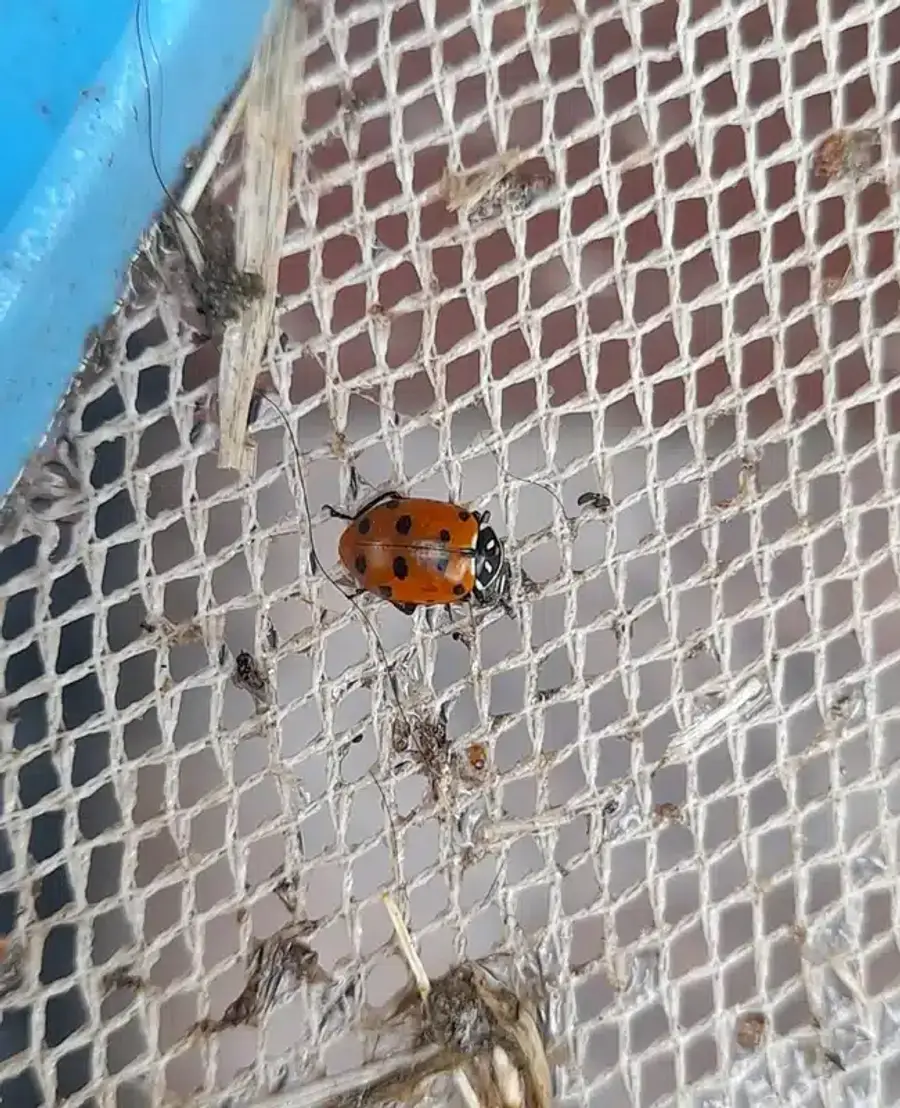
Red beetle with black spots on mesh surface
Asian lady beetles often gather on screens and building surfaces during their fall invasion period

Identifying Asian Lady Beetles

Asian lady beetles measure about 5-8 mm and range from mustard yellow to deep orange or red. They can have anywhere from 0 to 20 spots. The key identifier is a straw-colored area behind their head with a distinctive M- or W-shaped black mark.

These beetles live 2-3 years and produce multiple generations annually. Unlike true ladybugs, they aggressively seek indoor shelter every fall.

What does the science say? 🔬

According to University of Maryland Extension, the multicolored Asian lady beetle (Harmonia axyridis) was deliberately introduced to North America multiple times between 1916 and 1990 as a biological control agent for aphids and scale insects.

The research shows these beetles can live 2-3 years and produce 1-5 generations annually depending on climate conditions. Their overwintering aggregation behavior is triggered by decreasing day length and temperature, causing them to seek protected sites in large groups - a behavior that didn’t evolve with North American architecture in mind.

Why Asian Lady Beetles Are Problematic

These beetles become serious nuisances when they invade homes in large numbers during October and November. They release a yellow, foul-smelling fluid when disturbed or crushed. This “reflex bleeding” stains surfaces and can trigger allergic reactions in sensitive individuals.

Some people experience asthma-like symptoms around large populations of Asian lady beetles. They can also deliver small bites when handled, though they’re not aggressive like wasps or other stinging insects.

Getting Rid of Asian Lady Beetle Invasions

Prevention works better than treatment for these persistent invaders. Seal gaps around siding, windows, and roof lines before their peak flight period in late September. Focus especially on the sunny sides of your home where they prefer to gather.

If they’re already inside, vacuum them up using a stocking or pantyhose as a bag inside your vacuum. This prevents the beetles and their odor from getting into your vacuum’s internal components. Empty the bag outside immediately.

Important Removal Tip

Never crush Asian lady beetles with your hands or paper towels. They release a yellow defensive fluid that stains surfaces and can trigger allergic reactions. Always use the vacuum and stocking method for safe, odor-free removal.

Mexican Bean Beetles: Garden Destroyers

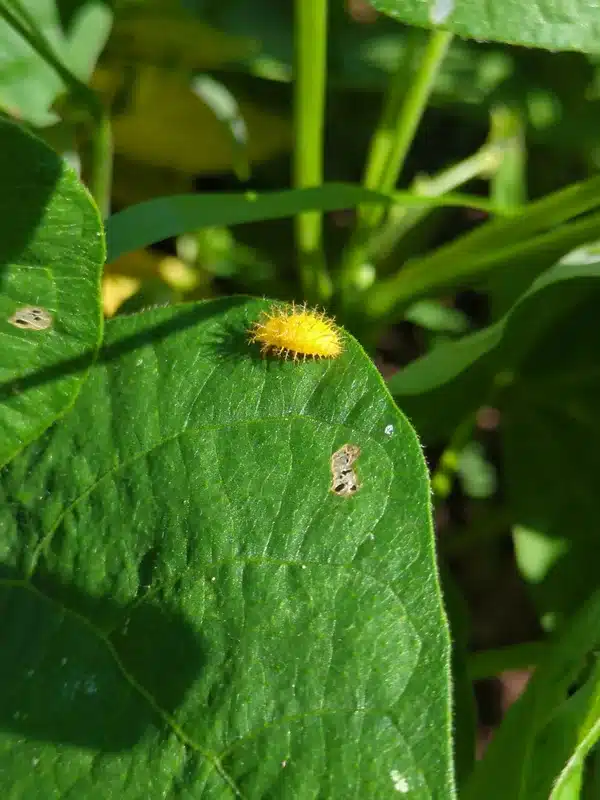
Mexican bean beetles represent another category of bugs that look like ladybugs but aren’t beneficial at all. These copper-colored pests specifically target bean plants and can devastate vegetable gardens throughout the DMV area.

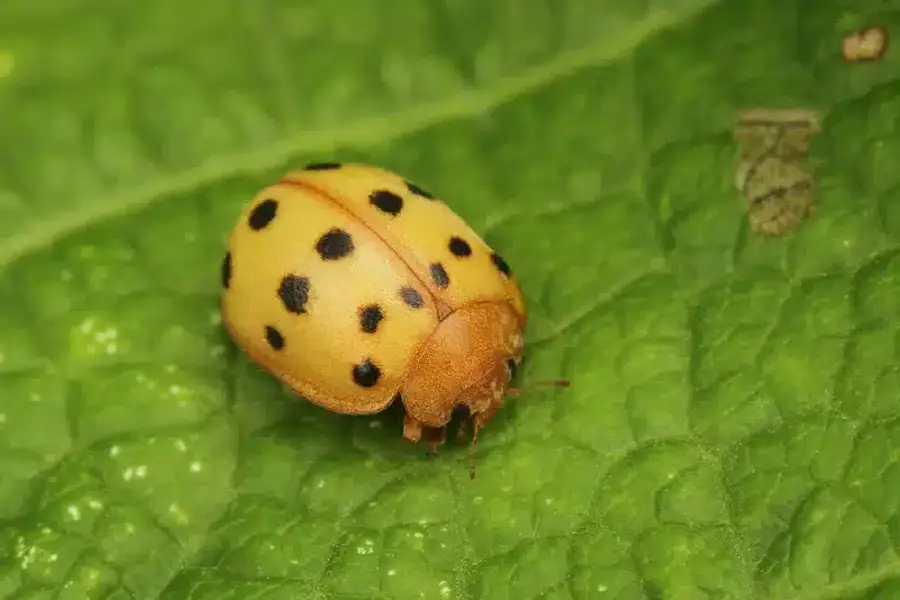
Yellow beetle with black spots on green leaf
Mexican bean beetles have a distinctive copper-tan coloration
Fuzzy yellow larva on green leaf
Bean beetle larvae are spiny and yellow, causing significant plant damage

Spotting Mexican Bean Beetles

These beetles measure 6-7 mm and display a distinctive copper-tan to yellow color. They have exactly 16 black spots arranged in three neat rows across their wing covers. Unlike true ladybugs, their heads aren’t black.

Mexican bean beetles specifically target legume plants. If you find these insects on your snap beans, lima beans, or soybeans, you’ve definitely found the pest responsible for the skeletonized leaves in your garden.

Protecting Your Bean Crops

These destructive beetles overwinter in leaf litter and emerge in late May throughout our region. Piedmont Master Gardeners recommend several management strategies for home gardeners.

Cultural controls include delaying planting until after peak adult emergence and using reflective mulches. Mechanical controls like floating row covers work well for small gardens. Hand-picking adults and eggs provides immediate relief.

For severe infestations, biological control using parasitoid wasps has shown 80-100% effectiveness in reducing crop losses. Chemical controls should be reserved for heavy infestations when other methods aren’t sufficient.

Carpet Beetles: Indoor Fabric Pests

Among the bugs that look like ladybugs but aren’t outdoor insects, carpet beetles cause some of the most confusion for homeowners. These tiny dome-shaped beetles often appear at windows and get mistaken for beneficial ladybugs.

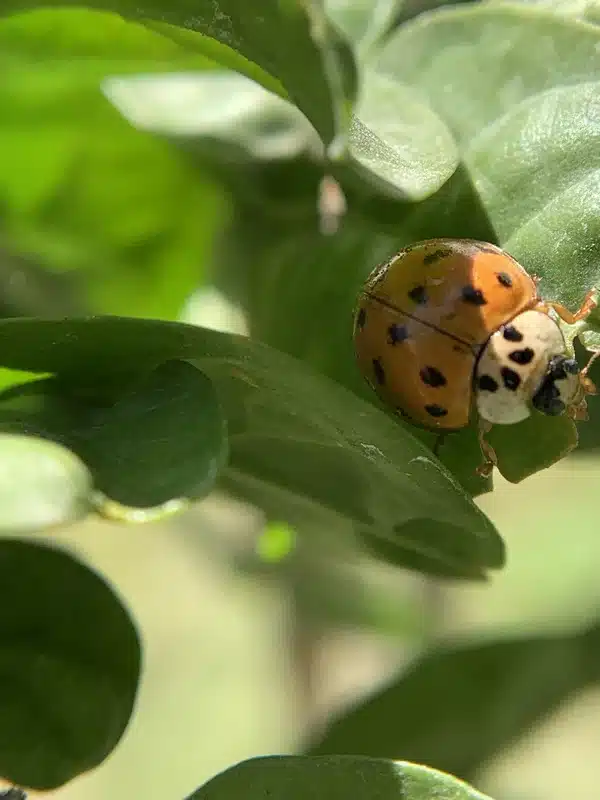
Pale orange beetle with dark spots on leaf
Carpet beetles display varied coloration patterns that can resemble ladybugs to untrained eyes

Recognizing Carpet Beetle Adults

Adult carpet beetles measure only about 3 mm and have mottled patterns of red, brown, yellow, and white scales. They’re attracted to lights and flowers, which explains why they often appear at windows or get brought in on bouquets.

The adults don’t actually damage fabrics. Instead, it’s their larvae that feed on wool, silk, and other natural fibers. Larvae development varies significantly based on environmental conditions.

What does the science say? 🔬

According to University of Florida IFAS research, carpet beetle larvae (Anthrenus and Attagenus species) can take anywhere from 3 months to 2 years to develop, depending on temperature, humidity, and food availability.

The larvae possess specialized digestive enzymes that allow them to break down keratin, the protein found in wool, feathers, and animal hair. This capability makes them particularly destructive to natural fiber textiles, museum specimens, and stored materials.

Managing Carpet Beetle Problems

Focus your efforts on sanitation and exclusion. Vacuum thoroughly around baseboards, in closets, and especially near heating vents where larvae often develop. Regular cleaning of wool garments and proper storage in sealed containers prevents most problems.

If larvae persist despite good sanitation, targeted treatments with residual insecticide dusts in wall voids may be necessary. Professional heat treatment offers another option for severe infestations in valuable collections.

Tortoise Beetles: The Golden Mimics

Tortoise beetles represent some of the most visually striking bugs that look like ladybugs but aren’t true members of the ladybug family. These fascinating insects can actually change color when disturbed or after death.

Identifying Tortoise Beetles

These beetles measure 5-10 mm and have distinctive shield-like flanges that extend over their head and legs. Golden tortoise beetles can appear mirror-like gold, while argus tortoise beetles display red coloration with black spots that closely mimics ladybugs.

According to Britannica, these beetles feed on morning glory, sweet potato, and milkweed plants. Their larvae carry a “fecal shield” for protection, making them easy to distinguish from ladybug larvae.

Dealing with Tortoise Beetles

Tortoise beetles rarely cause enough damage to justify treatment. Hand-picking affected leaves or the beetles themselves usually provides adequate control. These insects are more interesting than problematic for most gardeners.

Spotted Cucumber Beetles: The Green Imposters

Some homeowners call spotted cucumber beetles “green ladybugs,” making them unique among bugs that look like ladybugs but aren’t red or orange. These elongated beetles can cause significant problems in vegetable gardens.

Distinguishing Cucumber Beetles

Spotted cucumber beetles have bright yellow-green wing covers with 12 black spots. Their most distinctive feature is their long, thread-like antennae - completely different from the short, clubbed antennae of true ladybugs.

These beetles pose serious risks as disease vectors for bacterial wilt in cucumbers, melons, and squash. They can destroy entire crops when present in sufficient numbers.

Protecting Cucumber Family Crops

Scout seedlings regularly and use yellow sticky traps to monitor adult populations. Row covers work well until plants begin flowering and need pollination. Crop rotation helps break the beetles’ life cycle.

Treatment thresholds vary by crop, but generally one beetle per plant before blooming or five beetles per plant after blooming justifies intervention in commercial settings.

Seasonal Patterns for DC-Area Homeowners

Understanding when different bugs that look like ladybugs but aren’t become active helps with both identification and management. Each species follows predictable seasonal patterns in our Mid-Atlantic climate.

Spring Activity (March-June)

Early spring brings carpet beetle adults to windows as they emerge from heating vents. Overwintered Asian lady beetles begin leaving wall voids in March and April. Mexican bean beetles start laying eggs on emerging bean plants in late April through June.

Summer Peak (July-August)

Tortoise beetle feeding reaches its peak on ornamental morning glories and sweet potato vines. Second-generation Mexican bean beetles appear, often causing more damage than spring populations. Cucumber beetles become active in vegetable gardens.

Fall Invasion (September-November)

Asian lady beetle aggregation flights begin in early September and peak in October. These massive swarms seeking winter shelter cause the most homeowner complaints. Second-generation cucumber beetles and adult Mexican bean beetles search for overwintering sites.

Winter Dormancy (December-February)

Most activity stops, but carpet beetle larvae continue developing in warm homes. Asian lady beetles may become active on unusually warm winter days, appearing at windows when indoor temperatures rise.

Professional Treatment Options

When bugs that look like ladybugs but aren’t become serious problems, professional treatment often provides the most effective solution. Our approach varies significantly depending on the specific pest and situation.

Pest control professional using backpack sprayer outside home
Professional treatment for ladybug imposters often focuses on exterior perimeter applications and exclusion methods

Asian Lady Beetle Management

For Asian lady beetles, we focus primarily on exclusion techniques. Our technicians seal entry points around siding, windows, and soffits before peak invasion periods. We may apply targeted treatments to exterior aggregation sites, but indoor treatments are usually unnecessary.

The key is timing - treatments work best when applied before beetles begin seeking shelter, typically in early October. Once they’re inside walls, exclusion becomes the primary management tool.

Carpet Beetle Treatment

Carpet beetle management requires a comprehensive approach targeting both adults and larvae. We identify breeding sites through thorough inspection, then apply targeted treatments to void areas where larvae develop.

Our treatments include residual insecticide dusts in wall voids and crack-and-crevice treatments around potential development sites. We also provide detailed sanitation recommendations to prevent future infestations.

Garden Pest Control

For Mexican bean beetles and cucumber beetles damaging vegetable crops, we offer targeted treatments that protect edible plants. Our pest control pricing reflects the specialized knowledge required for food crop protection.

Pest control worker treating eaves with pole duster outside house
Exterior treatments around eaves and entry points help prevent invasive beetles from entering homes

Prevention Strategies That Actually Work

The most effective approach to managing bugs that look like ladybugs but aren’t beneficial involves preventing problems before they start. These strategies work for multiple pest species and save homeowners significant frustration.

Exclusion Techniques

Essential Prevention Steps

  • Pre-Season Sealing: Seal gaps around windows, doors, and siding joints before late September when beetles begin seeking shelter.
  • Utility Penetrations: Focus especially on cable, phone, and electrical entry points where small beetles easily access your home.
  • Sunny Side Priority: Pay extra attention to south and west-facing walls where beetles prefer to congregate.
  • Quality Materials: Use exterior-rated caulks and weatherstripping designed to withstand temperature changes.

Seal all potential entry points before peak invasion seasons. Focus on gaps around windows, doors, siding joints, and roof lines. Use appropriate caulks and weatherstripping rated for exterior use.

Pay special attention to areas where utilities enter your home. Cable, phone, and electrical penetrations often provide easy access for small beetles seeking winter shelter.

Landscape Management

Remove leaf litter and debris where overwintering beetles might shelter. Keep vegetation trimmed back from your home’s foundation to reduce beetle congregation sites.

For garden pests, practice crop rotation and choose resistant varieties when available. Early detection through regular scouting prevents small problems from becoming major infestations.

Indoor Sanitation

Regular vacuuming eliminates both beetles and their food sources. Pay attention to areas around heating vents, stored woolens, and pet bedding where carpet beetles often develop.

Store susceptible fabrics in sealed containers and clean them regularly. Cedar products provide minimal protection and shouldn’t be relied upon as the primary prevention method.

When to Call for Professional Help

Some situations with bugs that look like ladybugs but aren’t easily managed require professional intervention. Recognizing these scenarios early saves time and prevents property damage.

Large-scale Asian lady beetle invasions overwhelming your home’s defenses need professional exclusion work. These projects require specialized equipment and knowledge of beetle behavior patterns.

Persistent carpet beetle problems despite good sanitation indicate hidden breeding sites that require professional detection and treatment. Our registered technicians can identify development areas that homeowners typically miss.

Garden pest infestations threatening valuable crops benefit from professional treatment programs. We can provide targeted interventions that protect your harvest while minimizing environmental impact.

Additionally, if you’re dealing with multiple pest issues simultaneously, our comprehensive pest control programs address various problems with coordinated treatment strategies.

Don’t let bugs that look like ladybugs but aren’t what they seem continue causing problems in your home or garden. Our family has been helping DMV-area homeowners identify and manage these imposters for over 50 years. Whether you’re dealing with invasive Asian lady beetles, destructive garden pests, or mysterious insects appearing at your windows, we can help you get the situation under control.

Call us at 703-683-2000 for a detailed consultation about your specific pest situation, or email us at info@bettertermite.com. Our registered technicians will help you identify exactly what you’re dealing with and create a targeted treatment plan that works for your home and family.

Frequently Asked Questions

How can I tell if the beetles in my house are ladybugs or Asian lady beetles?

+

Look for the M- or W-shaped black mark behind the head on a straw-colored background. Asian lady beetles also tend to be larger and more variable in color than true ladybugs. They typically invade homes in large numbers during fall, while true ladybugs rarely enter homes in significant quantities.

Are the bugs that look like ladybugs dangerous to my family?

+

Most ladybug imposters pose minimal direct health risks. Asian lady beetles can cause allergic reactions in sensitive individuals and may deliver small bites when handled. The main concerns are usually nuisance issues like staining, odors, and the stress of dealing with large populations invading your home.

Why do Asian lady beetles invade my house every fall?

+

Asian lady beetles naturally seek protected spaces for winter survival. Your home provides ideal conditions - warm, dry, and protected from predators. They're particularly attracted to light-colored buildings and sunny exposures where they can warm themselves before finding entry points.

Can I prevent beetles from entering my home?

+

Yes, exclusion is the most effective prevention method. Seal gaps around windows, doors, siding, and utility penetrations before peak invasion periods in early fall. Focus especially on south and west-facing walls where beetles prefer to gather. Regular maintenance of caulks and weatherstripping significantly reduces beetle entry.

What should I do if I find hundreds of beetles in my house?

+

Vacuum them up using a stocking or pantyhose as a disposable bag inside your vacuum cleaner. This prevents beetles and their odor from contaminating your vacuum's internal components. Empty the collection bag outside immediately and dispose of it in outdoor trash. Avoid crushing beetles, as this releases their defensive odor.

Are Mexican bean beetles the same as ladybugs?

+

No, Mexican bean beetles are plant pests that specifically target bean family crops. While they're related to ladybugs and look similar, they feed on plants rather than insects. They have 16 spots arranged in three rows and display copper-tan coloring rather than the bright red of beneficial ladybugs.

Do carpet beetles really look like ladybugs?

+

Adult carpet beetles share the small, dome-shaped appearance of ladybugs but are much smaller (about 3mm) and have mottled coloring rather than distinct spots. They're often mistaken for tiny ladybugs when they appear at windows. The key difference is that carpet beetle larvae cause fabric damage, while ladybug larvae are beneficial predators.

When should I call a professional for beetle problems?

+

Consider professional help for large-scale invasions that overwhelm DIY efforts, persistent problems despite good prevention practices, or when beetles are damaging valuable crops or stored items. Professional exclusion work and targeted treatments often provide more effective long-term solutions than repeated DIY attempts.

George Schulz
About the Author
George Schulz

With five years of hands-on experience in the pest control industry, George Schulz is a registered technician with the Virginia Pest Management Association and a proud third-generation professional in a family business that’s been protecting homes for over 57 years. He manages and trains a team of service pros while also leading internal research efforts—recently spearheading a deep-dive review of thousands of documents on pest control materials to hand-pick the most kid and pet friendly, most effective solutions tailored specifically for homes in the DC metro area.