You flick on the kitchen light at midnight and watch a brown blur dart behind the refrigerator. Your stomach sinks. Now you’re asking yourself the question every homeowner dreads: “Why do I have roaches?”
Cockroaches don’t invade homes randomly. They’re attracted by specific conditions that provide what they need to survive. After working in pest control since 2015, I’ve helped hundreds of homeowners across the DC metro area. In my experience, understanding why roaches choose your home is the first step toward getting rid of them.
In my experience, German, Oriental, and American roaches are very common in the DC metro area. Each species has slightly different preferences, but they all share the same basic needs: water, food, warmth, and shelter. Let me walk you through the main reasons these pests might be showing up in your home.
The 7 Main Reasons You Have Cockroaches
Cockroaches are survival experts. They’ve existed for over 300 million years because they’re incredibly adaptable. When roaches enter your home, it’s because you’re unknowingly providing something they need. Here are the seven most common reasons.
Reason 1: Excess Moisture and Water Sources
Moisture is the number one attractant for cockroaches. These pests can survive up to a month without food, but they’ll die within a week without water. This explains why you’ll often find roaches in bathrooms, kitchens, basements, and laundry rooms.
Common moisture problems that attract roaches include:
- Leaky pipes under sinks or behind walls
- Dripping faucets that provide a steady water source
- Condensation on pipes or air conditioning units
- Standing water in pet bowls, plant saucers, or clogged drains
- High humidity in basements or crawl spaces
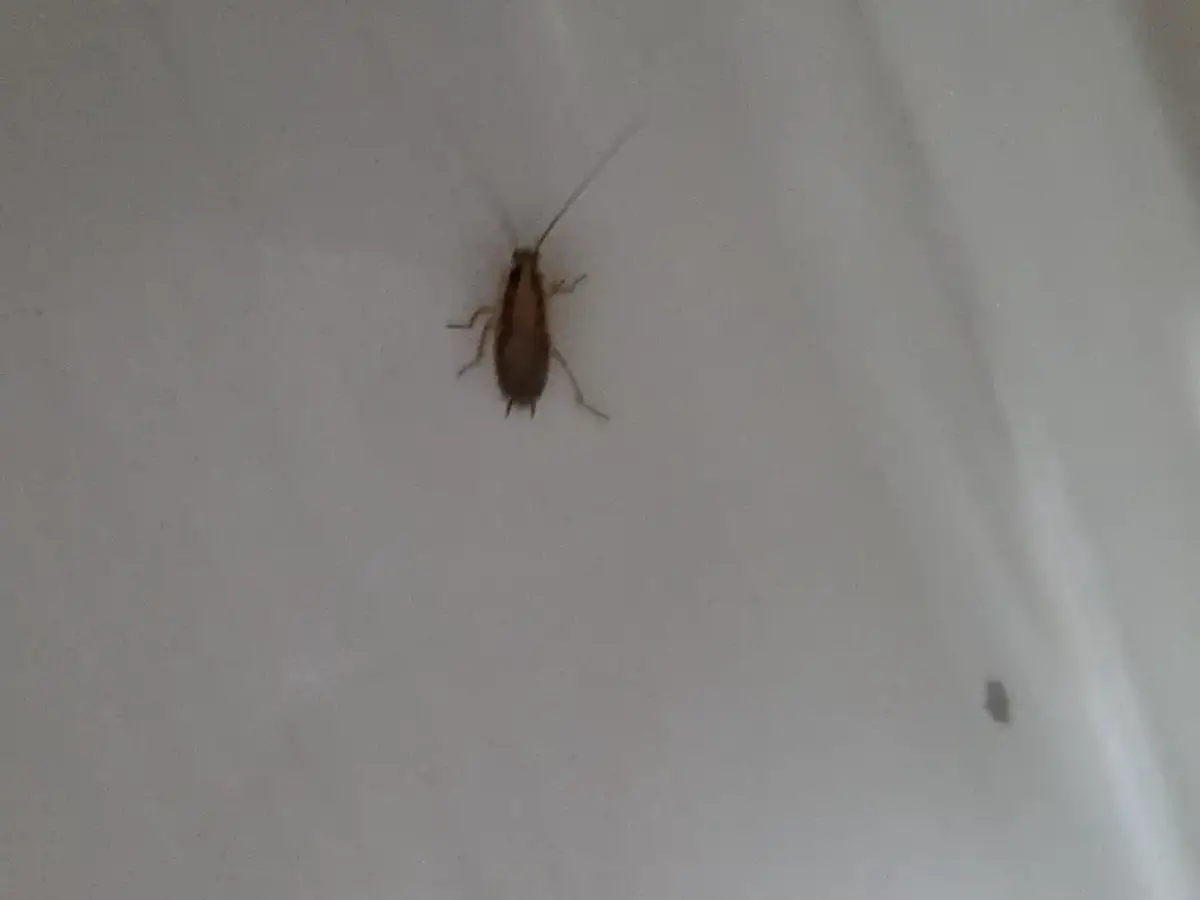
Oriental cockroaches, which we commonly see in Bethesda and surrounding areas, are particularly attracted to moisture. They’re often called “water bugs” because they thrive in damp environments like sewers, basements, and drains.
Reason 2: Available Food Sources
Cockroaches are opportunistic feeders. They’ll eat almost anything organic, including foods you might not consider roach-friendly. Even small amounts of accessible food can sustain a growing population.
Foods that attract cockroaches include:
- Crumbs on counters, floors, and behind appliances
- Grease buildup on stovetops and range hoods
- Pet food left in bowls overnight
- Unsealed pantry items like cereal, flour, and sugar
- Garbage that isn’t properly contained
- Food residue on dirty dishes left in the sink
According to research from the University of Kentucky’s entomology department, German cockroaches can survive on remarkably small food quantities. A single mated female can produce thousands of offspring in a year, and this growing population can sustain itself on food sources most homeowners would never notice, like grease splatters behind the stove or crumbs trapped in appliance crevices.
Reason 3: Easy Entry Points
Cockroaches only need a gap of about 1/16th of an inch to squeeze into your home. Their flat bodies allow them to slip through incredibly small openings that most homeowners overlook.
Common entry points include:
- Gaps around pipes where plumbing enters walls
- Cracks in foundations or exterior walls
- Spaces under doors without proper weatherstripping
- Openings around windows and utility lines
- Dryer vents and exhaust fans without proper covers
- Sewer connections and floor drains
In older homes throughout Alexandria and Fairfax, we frequently find entry points where aging caulk has cracked or where pipes pass through walls. These small openings provide perfect access for roaches seeking shelter.
Reason 4: Clutter and Hiding Spots
Cockroaches are nocturnal and spend most of their time hiding in dark, protected spaces. Clutter provides exactly what they need: warmth, protection, and places to lay egg cases.
Cardboard boxes and newspapers are especially problematic. Roaches love hiding in them, breeding in them, and even eating the glue that holds them together. If you have stacks of boxes in your garage, basement, or storage areas, you might be providing perfect roach habitat.
Other clutter that attracts roaches:
- Piles of paper or magazines
- Stacked plastic bags
- Unused appliances or equipment
- Dense storage areas that aren’t regularly disturbed
- Items stored directly on basement floors
Reason 5: Hitchhiking Into Your Home
Sometimes roaches don’t find their way to your home, they get a ride. This is one of the most common ways German cockroaches, in particular, spread to new locations.
Roaches can hitchhike in:
- Grocery bags and boxes, especially from stores with infestations
- Used furniture or appliances purchased secondhand
- Luggage after traveling or staying in hotels
- Deliveries and shipping boxes
- Potted plants from nurseries or garden centers
- Backpacks and bags from infested schools or workplaces
Reason 6: Neighboring Infestations
If you live in an apartment, townhouse, or any building with shared walls, your neighbor’s roach problem can quickly become yours. Cockroaches travel easily between units through:
- Shared plumbing and pipe chases
- Electrical conduits and wall voids
- Gaps around heating and cooling ducts
- Gaps under doors in hallways
- Shared laundry facilities
This is especially common in densely populated areas throughout the DC metro region. When one unit gets treated for roaches, the insects often migrate to neighboring apartments seeking new food and water sources.
In my experience helping customers in apartment buildings and townhomes, successful roach control often requires coordinated treatment across multiple units. When only one apartment gets treated, roaches simply relocate through wall voids and return once treatment residue fades. Building-wide treatment programs show significantly better results than treating individual units alone.
Reason 7: Warm, Sheltered Environments
Cockroaches are cold-blooded and prefer temperatures between 70-85°F. Your climate-controlled home offers ideal conditions year-round, especially during cold Virginia winters when outdoor species seek warmth inside.
Heat-producing appliances are particularly attractive:
- Refrigerator motors and compressors
- Dishwashers and their warm, moist environments
- Water heaters and surrounding areas
- Stoves and ovens
- Electronics like gaming consoles and routers
American cockroaches, which can grow up to 1.5 inches long, often enter homes during temperature swings. You might see them more frequently in Annandale and other areas during fall when nighttime temperatures drop.
Common Cockroach Species in the DC Metro Area
Understanding which type of roach you’re dealing with helps determine where they’re coming from and how to eliminate them. Here are the three most common species we encounter:
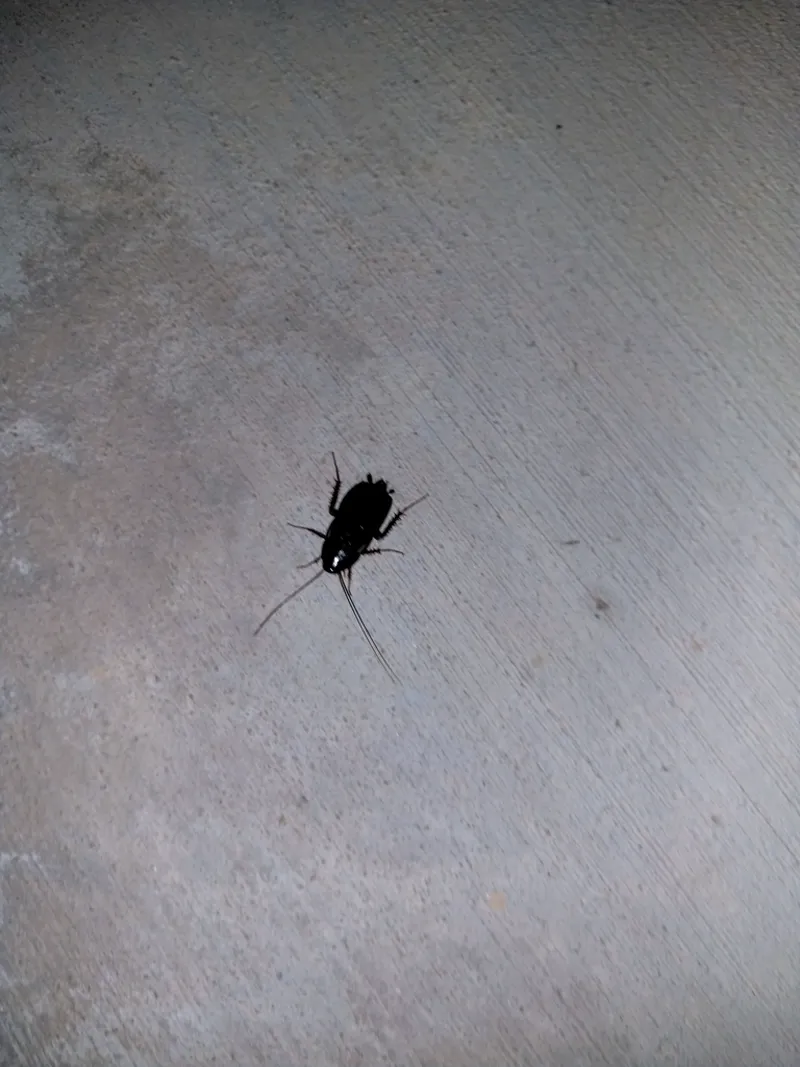

German Cockroaches
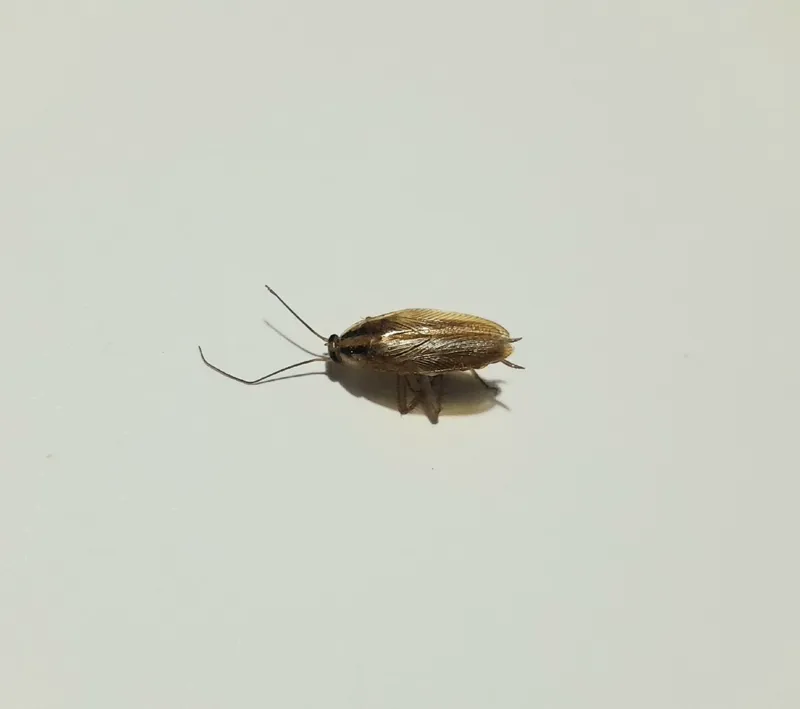
German cockroaches are the most common indoor species and the most difficult to eliminate. They’re light brown, about 1/2 inch long, and have two distinctive dark stripes running down their back. These roaches reproduce rapidly, with a single female producing thousands of offspring in her lifetime.
You’ll find German cockroaches in:
- Kitchens near appliances and sinks
- Bathrooms around plumbing fixtures
- Near any consistent water source
If you’re seeing small, tan-colored roaches in your kitchen, German cockroaches are the most likely culprit.
American Cockroaches
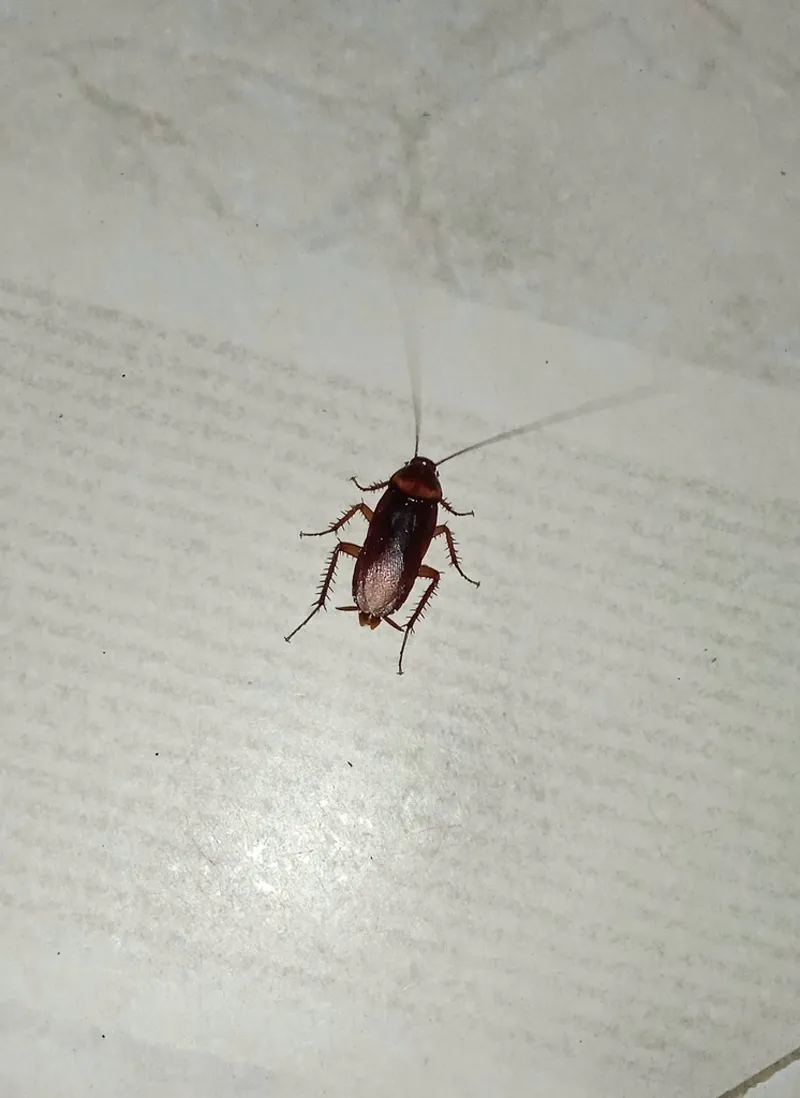
American cockroaches are the largest common species, growing up to 1.5 inches. They’re reddish-brown with a yellowish figure-8 pattern behind the head. Unlike German cockroaches, they typically live outdoors but enter homes seeking food, water, or shelter from extreme weather.
American cockroaches prefer:
- Basements and crawl spaces
- Sewer systems and drains
- Dark, moist areas with little disturbance
Oriental Cockroaches
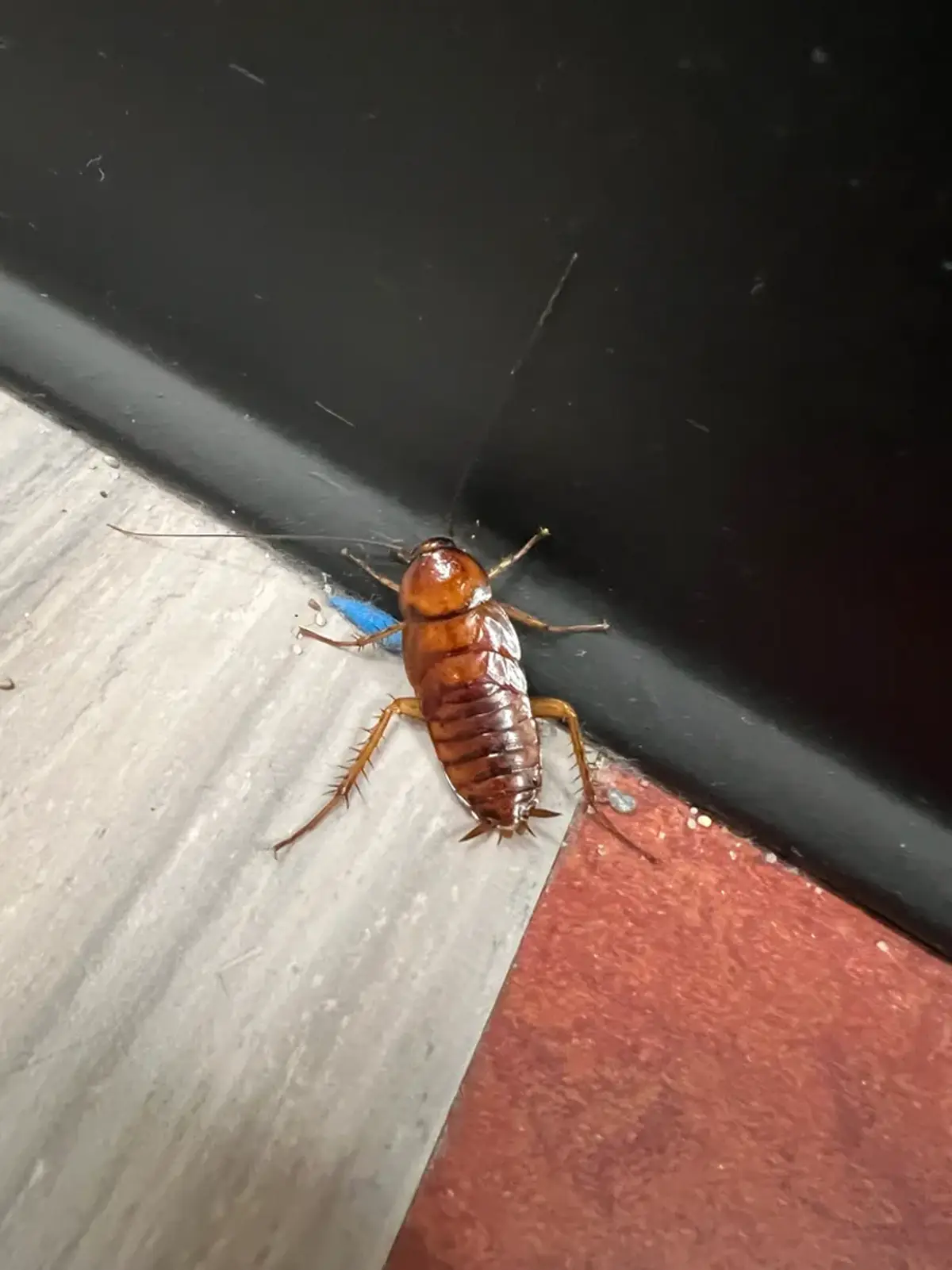
Oriental cockroaches are shiny black or dark brown, about 1 inch long. They’re sometimes called “water bugs” because they love moisture. These roaches are considered especially filthy because they often feed on garbage and decaying organic matter.
Oriental cockroaches thrive in:
- Damp basements and cellars
- Floor drains and sewer connections
- Mulch beds and leaf litter near foundations
Why Clean Houses Still Get Roaches
One of the most frustrating things I hear from homeowners is: “But my house is clean!” Having roaches doesn’t necessarily mean your home is dirty. According to the National Pesticide Information Center, cockroaches can establish themselves in clean homes when other conditions favor them.
Here’s why clean houses can still attract cockroaches:
Moisture trumps cleanliness. A spotless home with a leaky pipe under the sink provides exactly what roaches need. Even tiny amounts of condensation can sustain a population.
Roaches need very little food. They can survive on crumbs you can’t see, grease residue behind appliances, or even the glue on cardboard boxes. A clean home simply slows their population growth, it doesn’t eliminate their food sources entirely.
Entry points matter more than mess. If gaps exist around pipes, doors, or foundations, roaches will find their way inside regardless of how clean your home is.
You might have inherited them. Previous occupants may have left behind egg cases that are now hatching. Roach eggs can remain viable for months.
Research from Oregon State University confirms that cockroaches can survive in environments most people would consider clean. They’ve evolved to find food and water in tiny quantities, which is why sanitation alone rarely eliminates an established infestation. Effective control requires addressing moisture, entry points, and harborage areas alongside improved cleaning practices.
Health Risks of Cockroach Infestations
Beyond being unpleasant, cockroaches pose real health risks, especially for children and those with respiratory conditions. Understanding these risks highlights why prompt treatment matters.
Asthma and Allergies
Cockroach allergens are a major trigger for asthma and allergic reactions. According to the American Lung Association, roach body parts, saliva, and droppings all contain proteins that cause allergic responses in sensitive individuals.
Studies show that:
- 63% of U.S. homes have detectable cockroach allergen levels
- Children exposed to high roach allergen levels experience more hospitalizations, missed school days, and sleep disruption
- Even homes without visible infestations can have significant allergen levels
Disease Transmission
Cockroaches can carry and spread various pathogens. They travel through sewers, garbage, and decaying matter before entering your home, which means they can bring bacteria to your food prep surfaces.
Research has linked cockroaches to the spread of:
- Salmonella and E. coli
- Various fungi and parasites
- Organisms that can cause diarrhea and food poisoning
How to Prevent Cockroaches
Prevention is always easier than elimination. Based on EPA pest management guidelines, here are the most effective ways to make your home less attractive to roaches:
Eliminate Moisture
- Fix all leaking pipes and faucets promptly
- Use dehumidifiers in damp basements
- Improve ventilation in bathrooms and kitchens
- Empty drip trays under refrigerators and AC units
- Don’t leave standing water in sinks overnight
Remove Food Sources
- Store food in sealed containers
- Clean up crumbs and spills immediately
- Wipe down counters and stovetops after cooking
- Take garbage out regularly and use sealed containers
- Don’t leave pet food out overnight
- Clean behind and under appliances regularly
Seal Entry Points
- Caulk gaps around pipes where they enter walls
- Install door sweeps on exterior doors
- Repair damaged weatherstripping around windows
- Cover floor drains with screens
- Seal cracks in foundations and exterior walls
Reduce Clutter
- Replace cardboard boxes with plastic storage containers
- Keep storage areas organized and accessible
- Dispose of old newspapers and magazines
- Don’t store items directly on basement floors
- Regularly clean and declutter storage spaces
When to Call a Professional
While prevention and DIY methods can help with minor roach problems, professional treatment is often necessary for established infestations. Consider calling a pest control company when:
- You see roaches during daylight hours (indicates severe overcrowding)
- DIY treatments haven’t worked after 2-3 weeks
- You’re finding roaches in multiple rooms
- You live in a multi-unit building with shared roach problems
- You’re seeing baby roaches, which indicates active breeding
At Better Termite & Pest Control, we’ve been helping families throughout Virginia, Maryland, and DC eliminate cockroach problems for over 57 years. Our licensed technicians focus on finding and eliminating the source of infestations, not just treating visible roaches. We combine sanitation guidance, exclusion, and targeted treatments for lasting results.
Professional treatments typically include:
- Thorough inspection to identify species, harborage areas, and entry points
- Targeted baiting placed in cracks and crevices where roaches hide
- Residual treatments applied to areas roaches travel
- Follow-up visits to ensure complete elimination
- Prevention recommendations to reduce future risk
Our team combines 300+ years of combined experience with modern treatment methods. We focus on understanding why roaches chose your home in the first place, then address those conditions alongside direct treatment. This integrated approach delivers longer-lasting results than pesticide-only treatments. We’re proud members of the National Pest Management Association, Virginia Pest Management Association, and Maryland Pest Management Association.
Get Help With Your Cockroach Problem
If you’re dealing with roaches in your home, you don’t have to figure it out alone. Understanding why cockroaches are attracted to your home is the first step, but eliminating an established infestation often requires professional help.
Our team at Better Termite & Pest Control has helped over a million homes across the DC metro area with pest problems. Whether you’re in Fairfax, Burke, Germantown, or anywhere else in our service area, we can help identify why you have roaches and create a plan to eliminate them.
Call us at 703-683-2000 with any questions or to schedule an inspection. You can also email us at info@bettertermite.com. We’re here to help you take back your home from these unwanted guests.