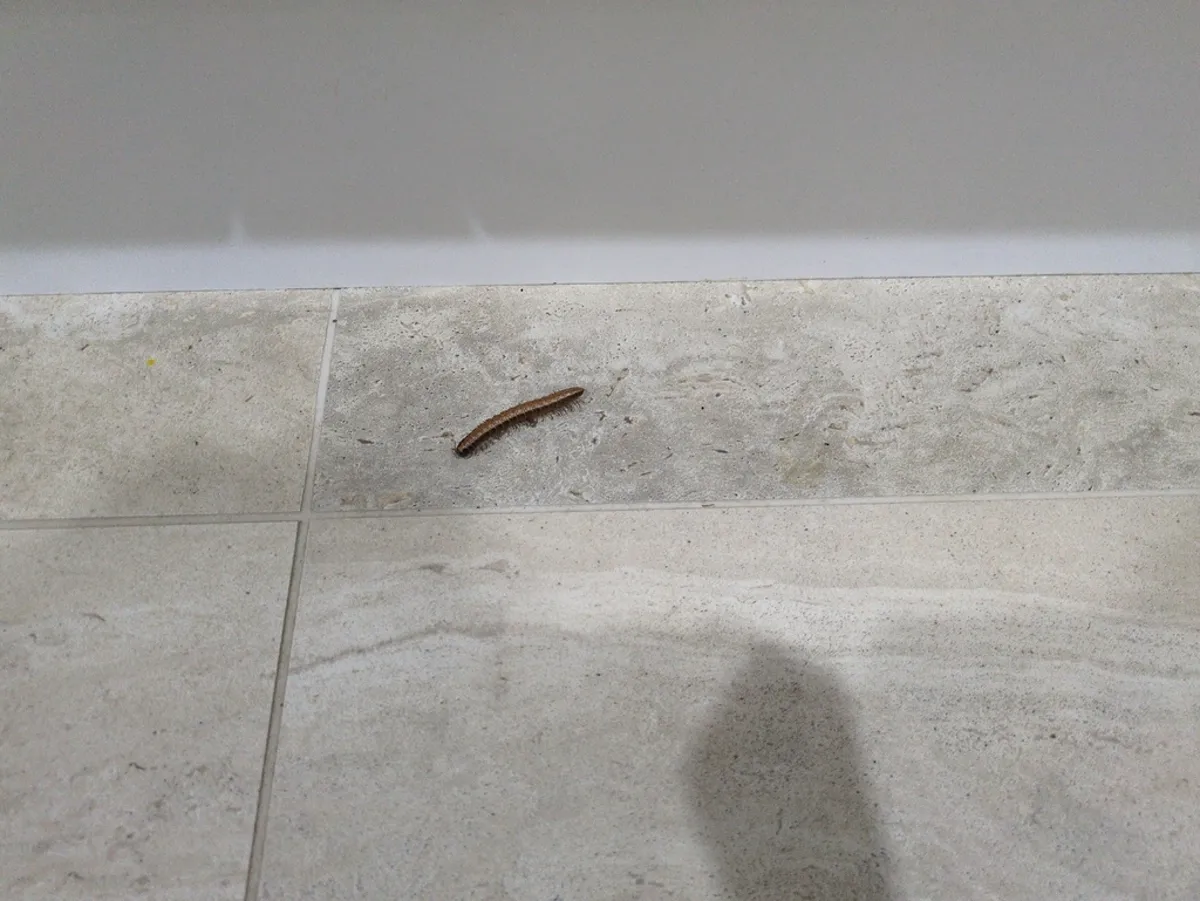

Finding dozens of many-legged bugs on your basement floor is alarming. If you’re asking why are there millipedes in my house, you’re not alone. These slow-moving bugs are one of the most common pests we see in the DC metro area. With over 57 years in business and 1,000+ five-star reviews, we’ve helped many homeowners solve millipede problems.
The short answer? Millipedes come inside because of moisture. They need damp spots to live. When it gets too wet, too dry, or too hot outside, they move toward your home. The good news is that millipedes are harmless. They usually die fast indoors. Knowing what draws them in can help you stop future problems.
Why Millipedes Enter Your Home
Millipedes need moisture to live. They can’t last in dry places. NC State Extension says their movement depends on weather. When it’s very dry outside, they look for moist places. When it’s very wet, they move to drier spots.
Big invasions usually happen when it gets too hot and dry. Millipedes then move around looking for moisture. After heavy rains, thousands may come out of their hiding spots to breathe. They look for drier places to live. This is when large home invasions happen.
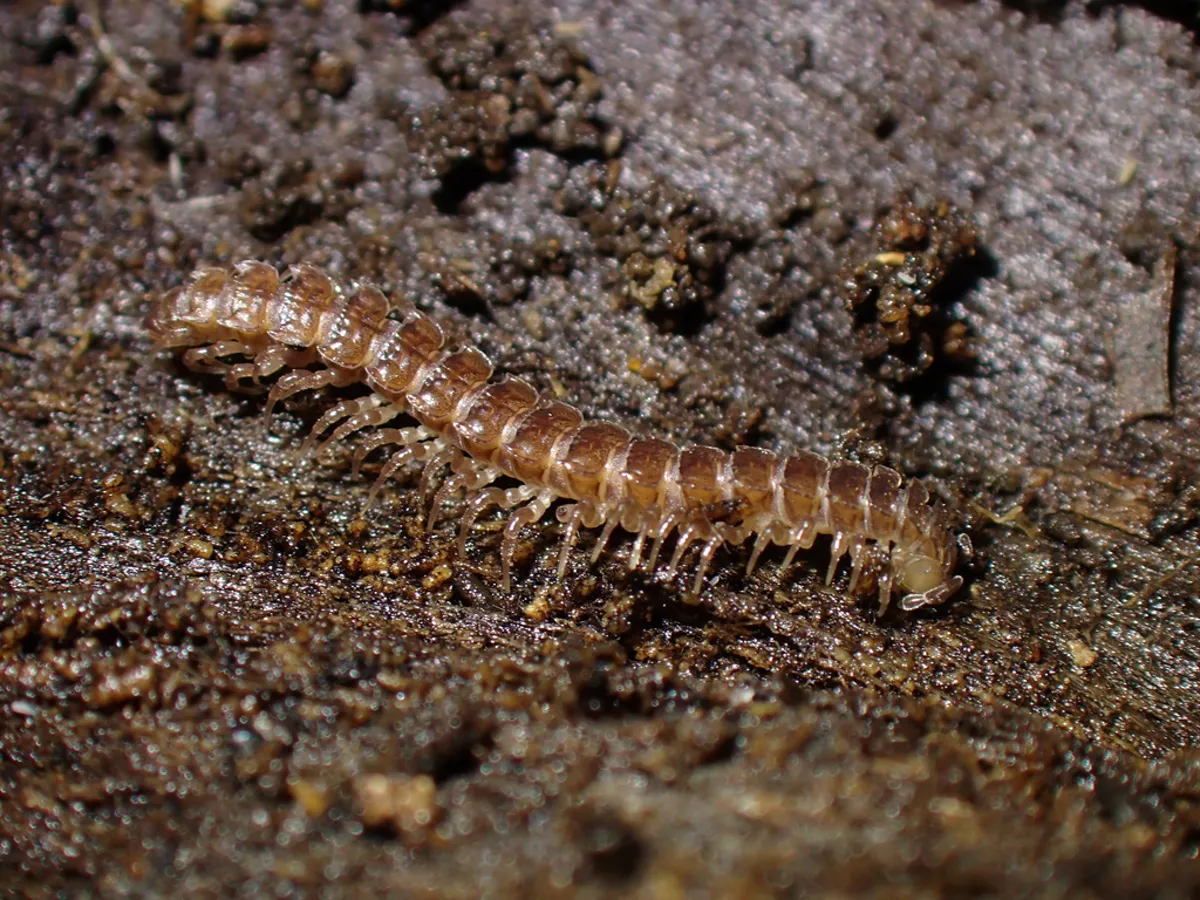
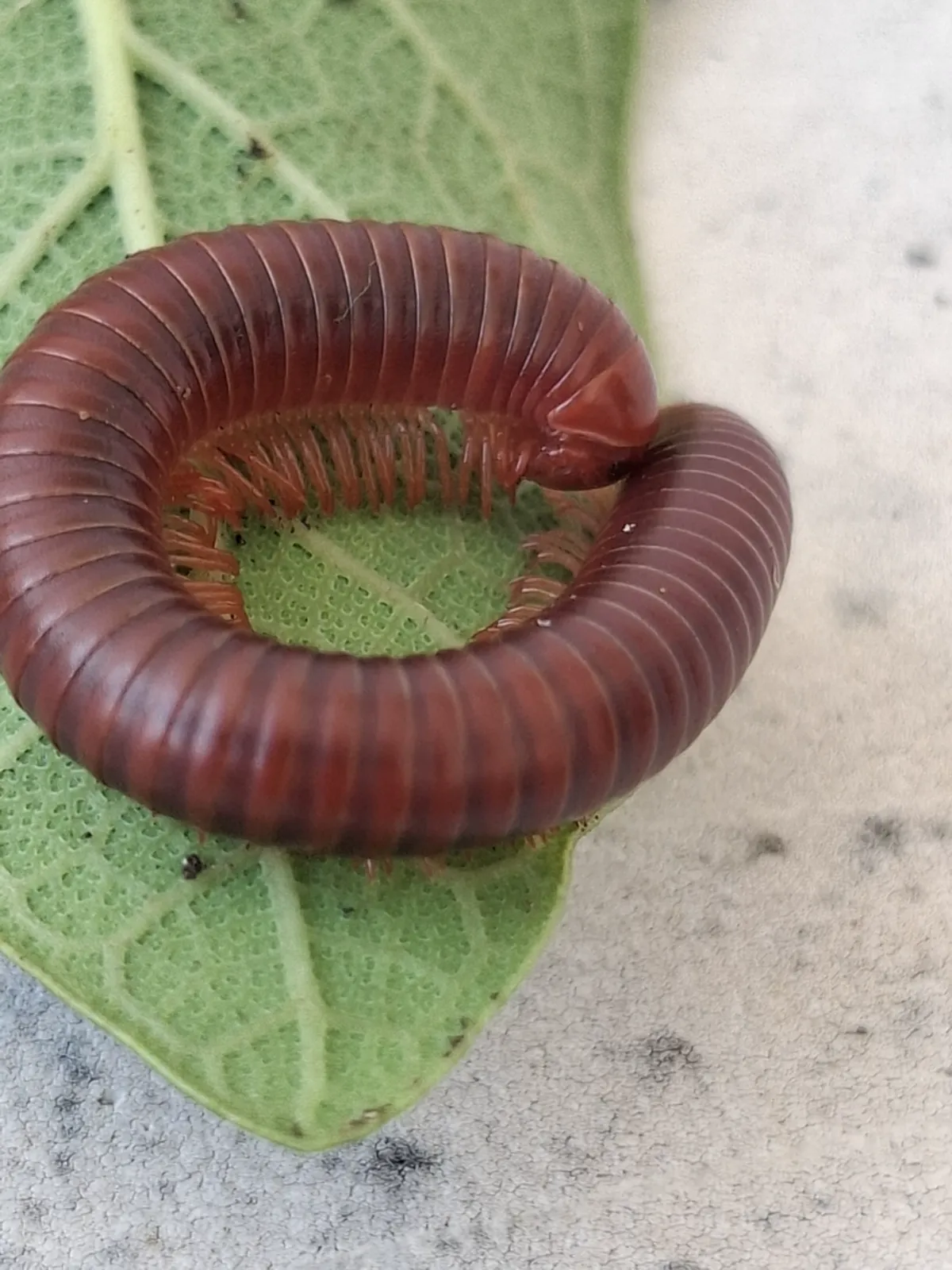
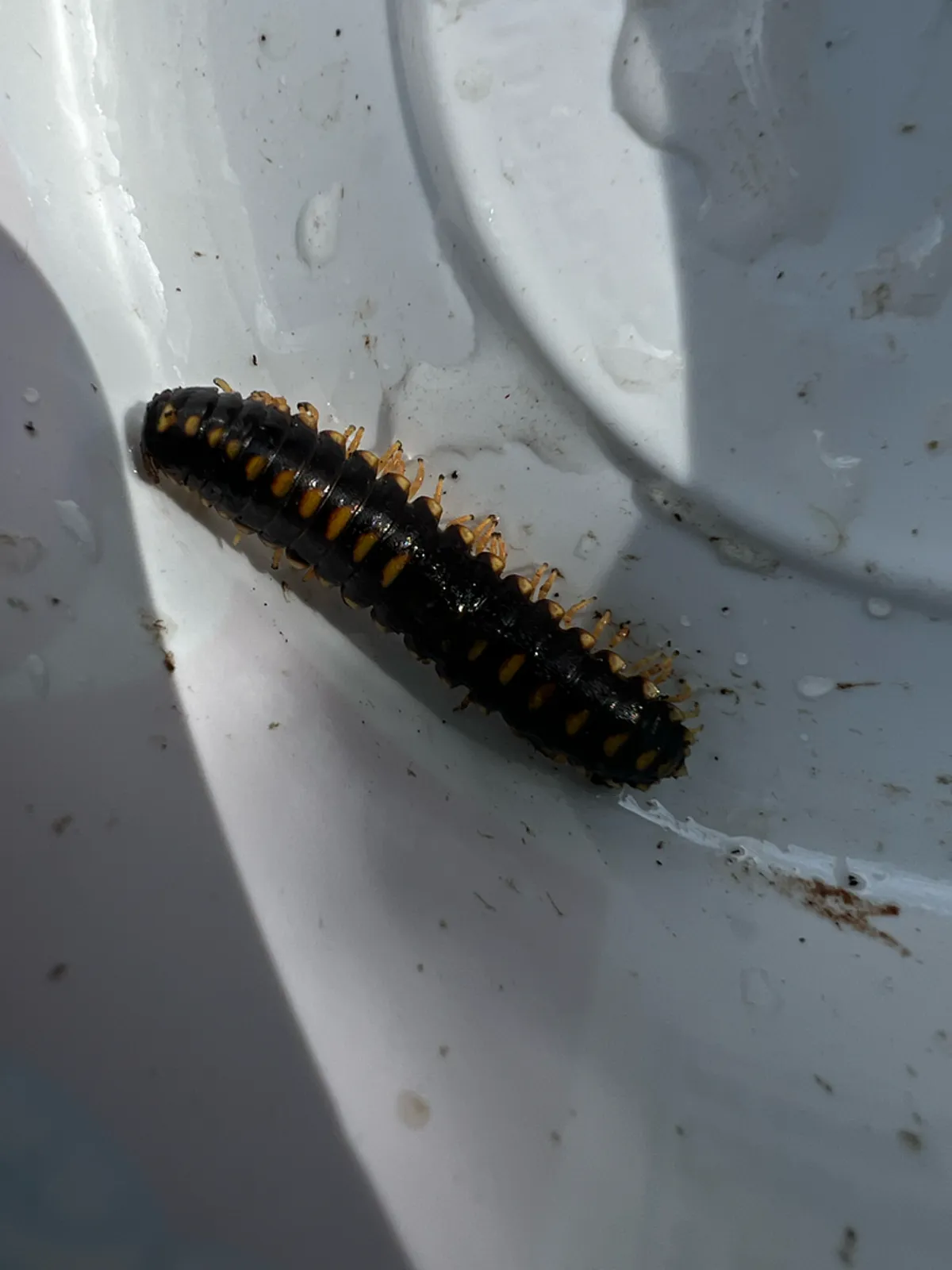

Here are the three main reasons millipedes get inside. Knowing these will help you figure out where to focus.
Too Much Moisture Around Your Foundation
The top reason for millipedes in your house is too much moisture near your base. Thick mulch beds, ground cover plants, and leaf litter make great millipede homes right next to your walls. These same spots attract slugs, garden snails, and earwigs. When their numbers grow outside, some find their way inside.
Areas that trap moisture near your base include:
- Heavy mulch placed too close to walls
- Leaf litter piled up against the house
- Poor drainage that lets water pool near the foundation
- Clogged gutters that cause water overflow
- Dense ground cover plants touching the base
Weather Changes and Seasonal Patterns
Why are there millipedes in my house all of a sudden? Weather shifts are usually the cause. Millipedes are most active during mild weather. They react strongly to moisture changes. In our work across Northern Virginia and Maryland, we see the biggest spikes after long rainy stretches followed by sudden dry spells.
Research from Alabama Cooperative Extension shows that weather changes often trigger large millipede moves. Heavy rain followed by dry, hot weather creates the perfect setup for invasions. The millipedes come out to breathe after flooding. Then they seek shelter as things dry out.
Entry Points They Use
Millipedes don’t need much space to get inside. Common entry points include:
- Door gaps (especially sliding glass doors and garage doors)
- Base cracks and joints
- Gaps around windows and basement windows
- Pipe and wire holes where they enter the house
- Block wall gaps
- Weep holes in brick walls
The most missed entry point is the gap under outside doors. Put good door sweeps on all entry doors. Apply caulk along the bottom outside edge of door frames to block these tiny pests.
Identifying Millipedes vs. Centipedes
Many homeowners mix up millipedes and centipedes. But they’re quite different. Knowing which pest you have matters because their habits and treatments differ. The easiest way to tell them apart is by their legs. The Carnegie Museum of Natural History says millipede legs point down, while centipede legs spread outward.
Millipede Traits
- Two pairs of legs per body segment placed right under their body
- Rounded, worm-like body shape
- Slow, steady movement
- Curl into a ball when scared
- Cannot bite humans or pets
- Feed on rotting plant matter only
Centipede Traits
- One pair of legs per segment placed on the sides
- Flatter body profile
- Fast, darting movements
- Will bite if cornered (millipedes cannot)
- Have venomous fangs for catching prey
- Are predators that hunt insects and spiders
Are Millipedes Dangerous?
We often get asked if millipedes in the house are a health risk. The answer is no. Millipedes are harmless to humans and pets. Texas A&M AgriLife Extension says they don’t have venom glands. They can’t bite or sting.
What millipedes don’t do:
- Bite humans or pets
- Spread diseases
- Damage wood or fabric
- Get into food
- Breed indoors
The only real concern with millipedes is how annoying they are when they show up in large numbers. They can also stain light-colored surfaces if crushed.
Most millipede problems we see come back to moisture. Here’s an example that shows how this works:
One homeowner had a constant millipede problem in her basement. After a check, we found that wet soil around her home was the cause.
The soil stayed wet all the time because of poor grading. Water flowed toward the base instead of away from it. She also had thick mulch piled right against the basement walls. We fixed the drainage, pulled mulch back 12 inches, and sealed basement window gaps. The invasions stopped within a few weeks.
Millipede Removal Solutions
Getting rid of millipedes in your house takes two steps. First, remove the ones inside. Then stop new ones from getting in.
Remove Existing Millipedes
The simplest fix is to vacuum or sweep them up. Penn State Extension says a wet/dry vacuum is the fastest way to remove them. Put what you collect in a sealed plastic bag. Throw it in an outdoor trash can.
The good news? Millipedes won’t last long inside your home. NC State Extension says they usually die indoors within a few days because it’s too dry. Unless your home has very damp areas, they won’t live long.
Seal Entry Points
Keeping millipedes out of your house means blocking their way in. Focus on:
- Base cracks - Fill with outdoor caulk
- Door gaps - Add door sweeps and weather strips
- Window frames - Caulk around basement and ground-level windows
- Pipe and wire holes - Seal gaps around them
- Joints - Apply flexible sealant
Reduce Moisture and Habitat
The best long-term fix is to cut the moisture that draws millipedes in.
Around your base:
- Remove or thin mulch within 6-12 inches of walls
- Clear leaf litter and grass clippings
- Fix drainage so water flows away from the house
- Keep gutters clean and point downspouts away from the base
- Trim ground cover plants back from the base
Inside your home:
- Fix any leaking pipes or fixtures
- Use a dehumidifier in damp basements
- Make sure crawl spaces have good airflow
- Fix any standing water issues
Research from NC State shows that millipedes rarely cross bare soil or loose matter. Placing an 18-24 inch strip of coarse gravel around your base cuts down on millipede movement toward your home. Make this strip widest on south and west-facing sides. Millipedes are most drawn to warm surfaces on those sides.
Professional Millipede Treatment Options
DIY methods work for small invasions. But you may need pro help when millipedes in your house get out of hand or keep coming back. Our licensed team at Better Termite & Pest Control uses a proven approach for stubborn problems.
Perimeter Treatment
We apply EPA-approved products around the outside of your base. This creates a barrier that millipedes must cross to get inside. Alabama Cooperative Extension says treatments work best when applied to entry points. These include cracks, weep holes, pipe holes, vents, doors, windows, and visible gaps.
Habitat Changes
Beyond treatment, we help find moisture issues that attract millipedes. Sometimes the fix involves drainage work. Other times, we suggest yard changes or point out missed entry points.
When to Call a Professional
Think about pro millipede control when:
- Invasions are large (dozens of millipedes per day)
- Problems keep happening despite DIY efforts
- You can’t find entry points
- Moisture issues are hard to fix
- You want fast, lasting results
With 300+ years of combined team know-how and membership in the National Pest Management Association, we’ve built proven methods for pests like millipedes.
Preventing Future Millipede Invasions
Once you’ve dealt with an active problem, stopping them from coming back is the focus. Here’s a seasonal plan to keep millipedes out of your house:
Spring (March-May)
- Clear winter debris from foundation areas
- Check and fix door sweeps
- Apply fresh caulk to foundation cracks
- Thin mulch near walls
Summer (June-August)
- Keep things dry around the base
- Keep gutters clear during storms
- Watch basement moisture levels
- Trim plants away from the house
Fall (September-November)
- Rake fallen leaves promptly
- Check weather strips before winter
- Seal any new cracks or gaps
- Think about a barrier treatment
Staying on top of seasonal upkeep goes a long way. Even small steps like clearing leaves in the fall or checking door sweeps in the spring can make a big difference.
Get Help With Millipedes in Your Home
If you’re dealing with millipedes in your house and want expert help, we’re ready. With 57 years serving the DC metro area, including Alexandria, Fairfax, Bethesda, and Burke, we’ve helped thousands of homeowners solve pest problems.
Call us at 703-683-2000 or email info@bettertermite.com for a free quote. We’ll find out why millipedes are getting in and make a plan to keep them out.