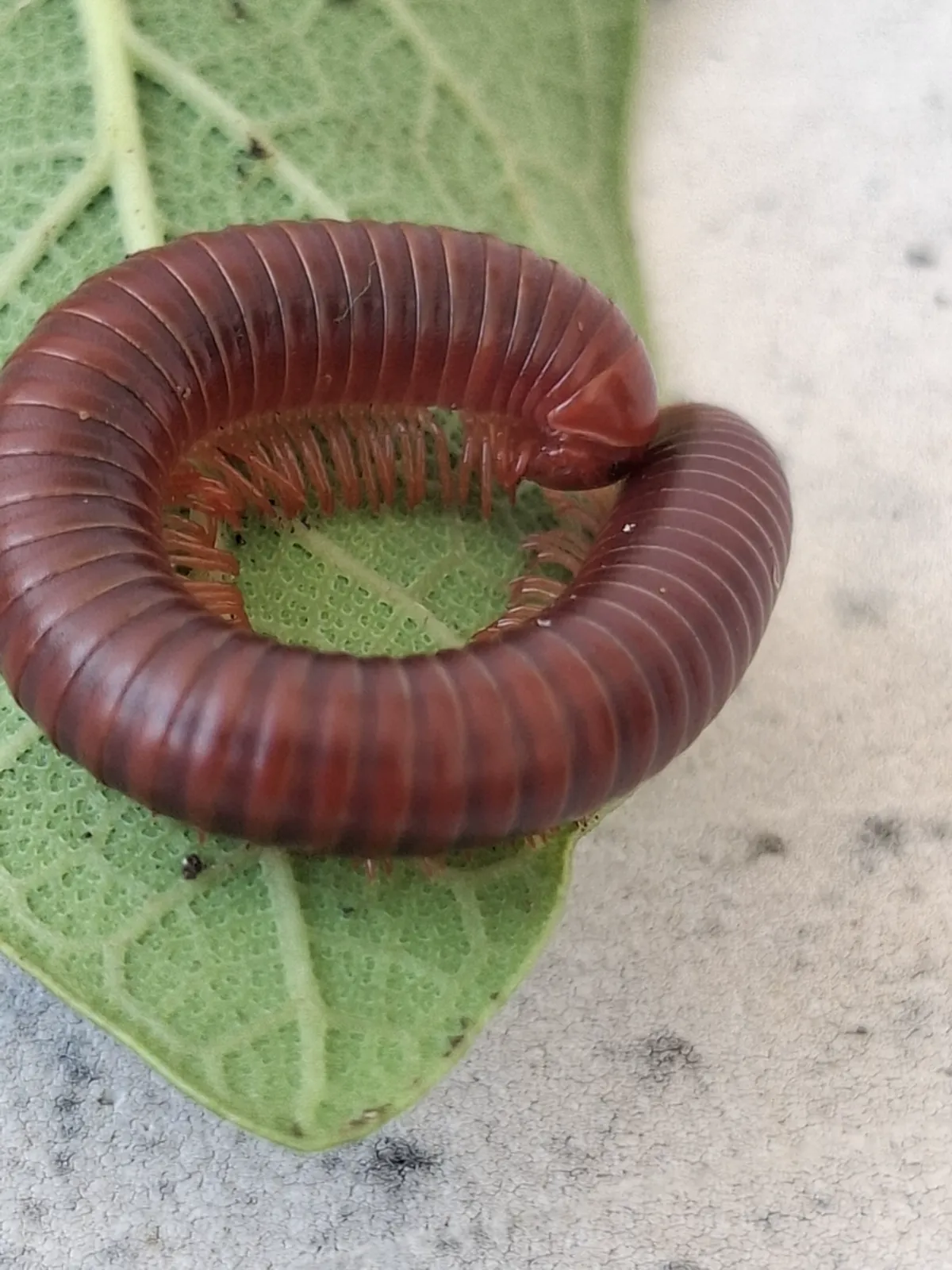

Found a long, many-legged bug on your basement floor? You’re likely asking what millipedes eat and why they came inside. As a licensed tech with Better Termite & Pest Control, I hear this a lot from homeowners in Northern Virginia and the DC metro area.
The short answer? Millipedes mostly eat dead leaves, rotting wood, and other dead plant matter. But there’s more to their diet that can help you stop a problem.
What Do Millipedes Eat in the Wild?
Outdoors, millipedes break down dead plant matter. The Clemson University Home & Garden Info Center calls millipedes “recyclers” that help break apart dead plants.
Here’s what millipedes commonly eat outdoors:
- Dead leaves and leaf litter (their top food source)
- Rotting wood and bark from trees like oak and maple
- Dead roots and stems found in moist soil
- Fungi and mushrooms
- Moss and lichens on damp surfaces
- Fallen fruits and vegetables in gardens
Millipedes have mouths built for chewing plant matter. They use their jaws to break off small pieces. Then they release a liquid that softens the food before they swallow it.
Millipedes have glands in their mouths that release a liquid to soften food. The food then passes to their stomach where enzymes and fungi help break it down. This is why millipedes need moist places. The damp air helps them digest food faster. They usually feed at night when it’s cooler and wetter.
What Do Millipedes Eat Inside Your Home?
When millipedes come indoors, their diet stays about the same. They look for whatever dead matter they can find. Inside homes, this usually includes:
- Dead insects, including their own shed skins
- Damp cardboard and paper products
- Mold and mildew (common in basements and bathrooms)
- Potted plant soil and decaying roots
- Pet food left out in damp areas
- Organic debris in floor cracks
One homeowner had millipedes all over her basement. After we checked, we found the soil around her home was too wet. The thick mulch beds gave the millipedes plenty of food. When it rained hard, they moved inside to find drier ground. Once we cut the moisture and pulled the mulch away from the base, the problem went away.
The good news is that millipedes don’t eat wood framing, padding, or fabric. They won’t touch your chairs, clothes, or pantry food. They only want damp dead matter.
Do Millipedes Eat Living Plants?
Most millipedes like dead matter much more than living plants. But there are a few cases where this isn’t true.
The Greenhouse millipede (Oxidus gracilis) is one type that eats fresh plants. These millipedes may harm:
- Seedlings and young transplants
- Soft fruits like strawberries on the ground
- Tender roots in potted plants
- Greenhouse crops in humid spots
For most gardeners in the DC metro area, millipedes aren’t a garden threat. They mostly eat dead matter. Unless you see them feeding on healthy plants, they aren’t the cause of the damage.
Now that you know what millipedes do and don’t eat, let’s look at how to use that to keep them out of your home.
Why Knowing Millipede Diet Helps with Prevention
Millipedes need dead plant matter and moisture to live. Take those away, and your yard becomes much less inviting to them.
The Alabama Cooperative Extension System says the best long-term fix is to cut down on moisture and hiding spots near your base.
How to Remove Millipede Food Sources
- Remove leaves, grass clippings, and debris from next to the house
- Keep mulch beds thin (2-3 inches max) and at least 6 inches from the base
- Clear away wooden boards, stones, and boxes on the ground
- Remove rotting wood, old stumps, and dead landscape timbers
- De-thatch your lawn to improve air flow
- Water in the morning so grass dries before night
- Rake up fallen leaves often, especially in fall
- Turn compost piles regularly and keep them away from the house
- Fix any leaky pipes or faucets
- Use a dehumidifier in damp basements
- Improve air flow in bathrooms and laundry rooms
- Move cardboard boxes off basement floors
The key idea behind all of these steps is the same: take away moisture. Without it, millipedes can’t survive.
The NC State Extension notes that millipedes can’t last long in dry spots. They breathe through small pores on their body and need moisture to digest food. Dry out an area and millipedes can’t survive there, even if some dead plant matter is still around.
When Millipedes Become a Problem
Millipedes usually stay outside. But certain conditions can push hundreds or thousands toward your home:
- Heavy rain floods their underground hiding spots
- Long dry spells push them to look for water
- Fall weather changes make them seek shelter
- New construction disturbs their habitat
When this happens, millipedes can enter homes in large numbers. They don’t harm the structure of your home. But finding dozens in your basement is no fun.

Professional Millipede Control Options
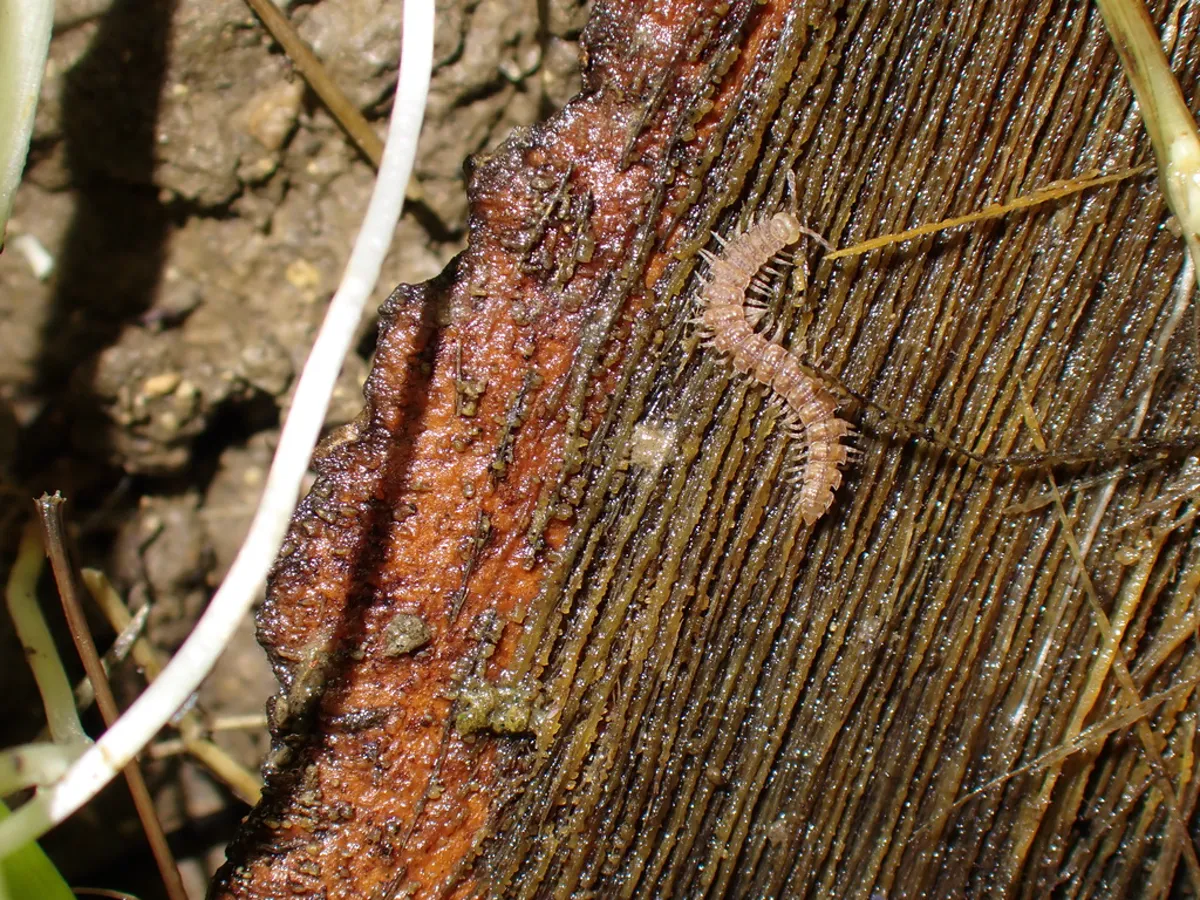
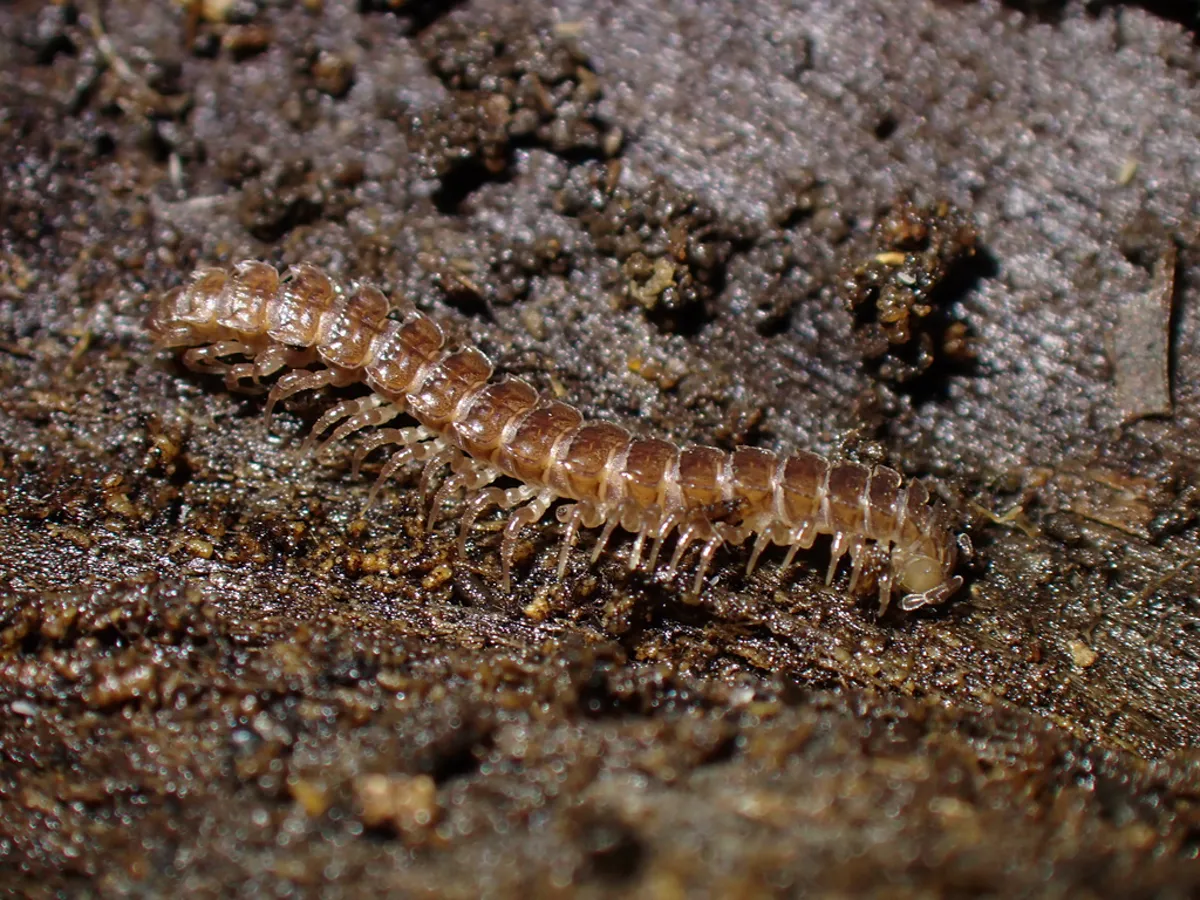
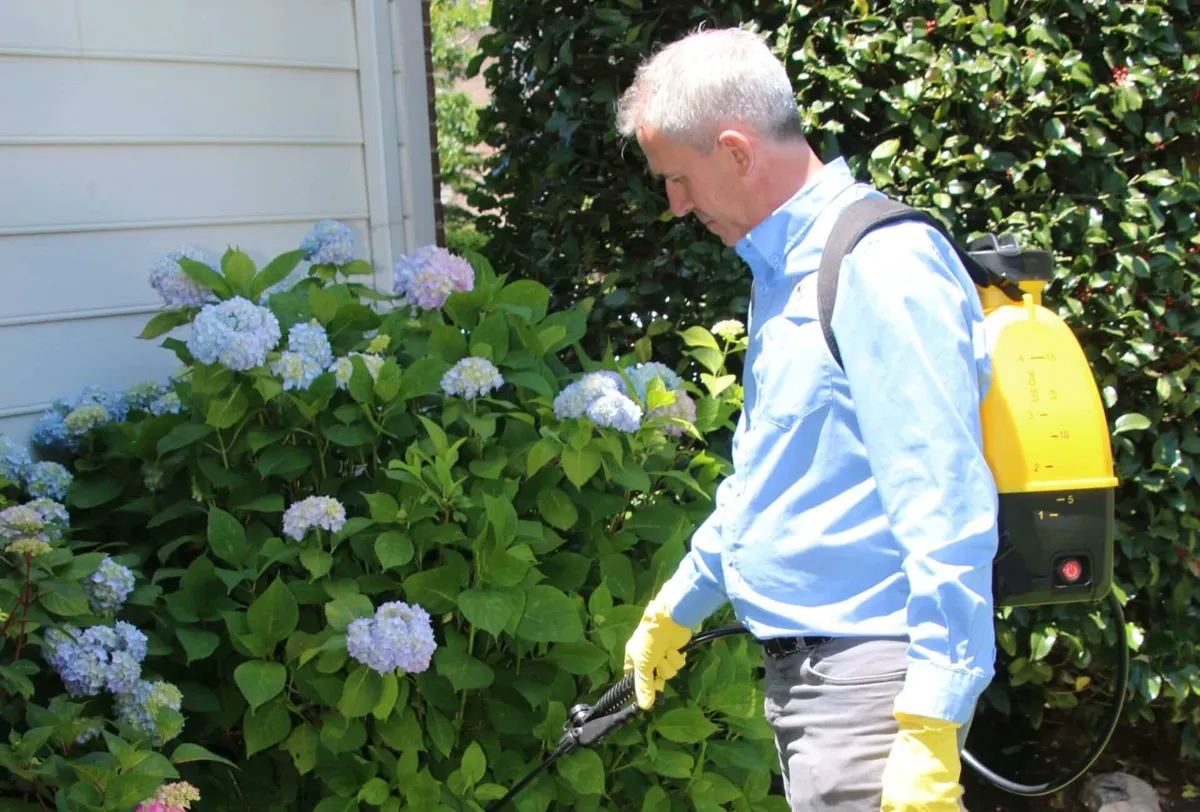
If you have a big millipede problem, pro pest control services can help. Iowa State University Extension notes that sprays alone often fall short. Millipedes move in from areas far from where products are applied.
But barrier treatments can cut down on millipedes getting inside during peak times. At Better Termite & Pest Control, we use EPA-listed products that form a barrier around your base. These are products our licensed techs would use in their own homes.
The best approach combines three things:
Clear mulch, leaf litter, and debris from your base. Fix drainage and cut moisture in your basement and crawl space.
Seal cracks in your base, gaps around pipes, and spaces under doors. Millipedes can squeeze through tiny holes.
A licensed tech applies products to entry points and your home’s perimeter. This stops millipedes that get past the other steps.
With over 57 years in pest control and more than 1,000 five-star reviews, we’ve helped many homeowners in the DC metro area deal with millipedes. We focus on lasting fixes, not quick patches.
Millipedes vs. Centipedes: A Quick Comparison
People often mix up millipedes with centipedes. Their diets are quite different.
- Diet: Dead leaves, rotting wood, fungi, and other decaying matter
- Movement: Slow and steady
- Body shape: Round, tube-like
- Legs: Two pairs per body segment
- Danger: Harmless to people
- Diet: Live insects, spiders, and other small creatures
- Movement: Fast and darting
- Body shape: Flat
- Legs: One pair per body segment
- Danger: Can bite (painful but not dangerous)
Centipedes are hunters that chase live prey. Millipedes move slowly and only eat dead matter. If you see fast, flat bugs in your home, those are likely centipedes. They have a very different diet and behavior.
Get Help with Millipede Problems
Now you know what millipedes eat and why they show up. Remove their food (dead plant matter) and cut moisture near your home. They’ll have no reason to stick around.
If you need help with a millipede problem, our team is ready. We serve homeowners in Northern Virginia, Alexandria, Bethesda, and the rest of the DC metro area.
Call us at 703-683-2000 or email info@bettertermite.com to set up a visit. We’ll find what’s drawing millipedes in and build a plan to keep them out.