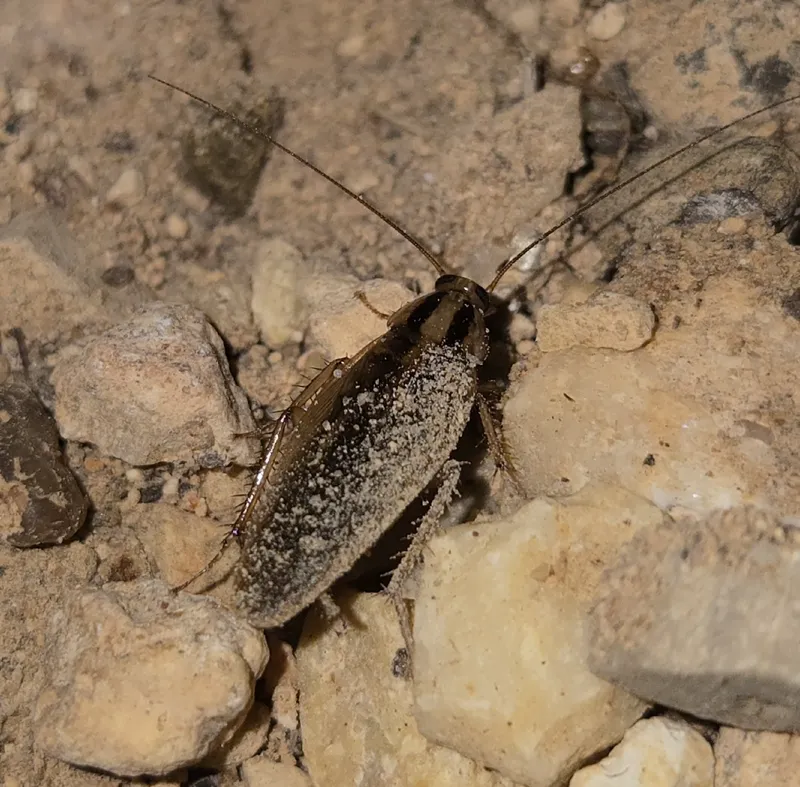

If you’ve spotted a cockroach scurrying across your kitchen floor, you’re probably wondering what attracted it in the first place. I’ve worked in pest control since 2015. In that time, I’ve seen firsthand what draws roaches into homes across the DC metro area. German, oriental, and American roaches are especially common here. They all share similar preferences when choosing where to live.
Understanding what attracts cockroaches is the first step toward keeping them out. The good news? Most of the factors that bring roaches into your home are things you can control. Let’s break down exactly what these pests are looking for and how to make your home less inviting.
The 3 Main Things That Attract Cockroaches
Cockroaches need three basic things to survive: food, water, and shelter. According to Purdue University Extension, these facilitating factors must be present for cockroaches to thrive. Remove any one of them, and you significantly reduce your risk of infestation.
Factor 1: Food Sources
Food is the number one thing that attracts cockroaches to your home. These pests have an incredibly acute sense of smell thanks to highly sensitive receptors on their antennae. They can detect even faint food odors from considerable distances.
Foods that especially attract cockroaches include:
- Starchy foods like bread, cereals, pasta, and crackers
- Sugary substances including spilled juice, candy, and fruit
- Greasy foods and cooking residue
- Meat and protein sources (including pet food)
- Crumbs and food scraps left on counters or floors
Factor 2: Water and Moisture
Moisture is crucial for cockroach survival. German cockroaches, the most common indoor species, require more water than other species and are typically found in kitchens and bathrooms where water is readily available.
Common water sources that attract roaches:
- Leaky pipes under sinks
- Condensation on cold water pipes
- Standing water in plant saucers
- Damp areas around dishwashers
- Wet towels or sponges left out
- Dripping faucets
Factor 3: Shelter and Warmth
Cockroaches prefer warm, dark hiding spots where they can reproduce undisturbed. They’re naturally drawn to tight spaces where their bodies can touch surfaces on both sides—a behavior called thigmotaxis.
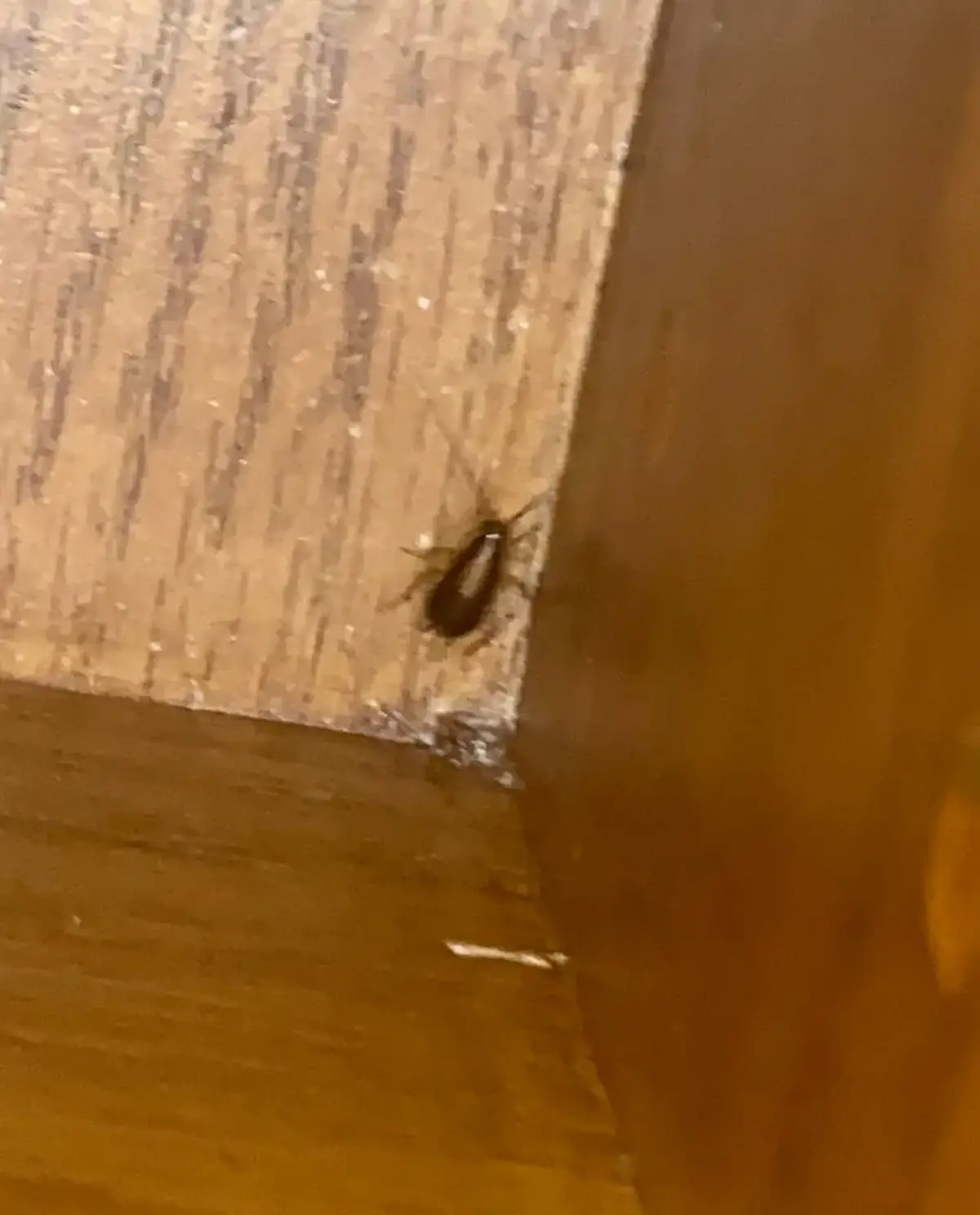
Popular cockroach hiding spots include:
- Behind refrigerators and stoves
- Under sinks and in cabinet corners
- Inside wall voids and cracks
- Around plumbing penetrations
- In cardboard boxes and clutter
What Attracts Different Types of Cockroaches
Not all cockroaches are attracted to the same things. Here in Northern Virginia and the DC metro area, we commonly deal with three species, each with slightly different preferences.
German Cockroaches
German cockroaches are the most common indoor species and the hardest to control. They’re smaller (about half an inch) with two dark stripes behind their head. These roaches are almost exclusively indoor pests that hitchhike into homes via grocery bags, packages, and used furniture.
What attracts German cockroaches:
- Warm, humid environments (70-75°F ideal)
- Kitchen and bathroom areas
- Moisture sources
- Starchy and sugary foods
According to a 2025 NC State University study, German cockroach infestations don’t just bring creepy crawlers—they fill homes with allergens and bacterial toxins that can trigger asthma and allergies. The study found that kitchens contained more endotoxins than bedrooms because they provide abundant food sources for cockroaches.
American Cockroaches
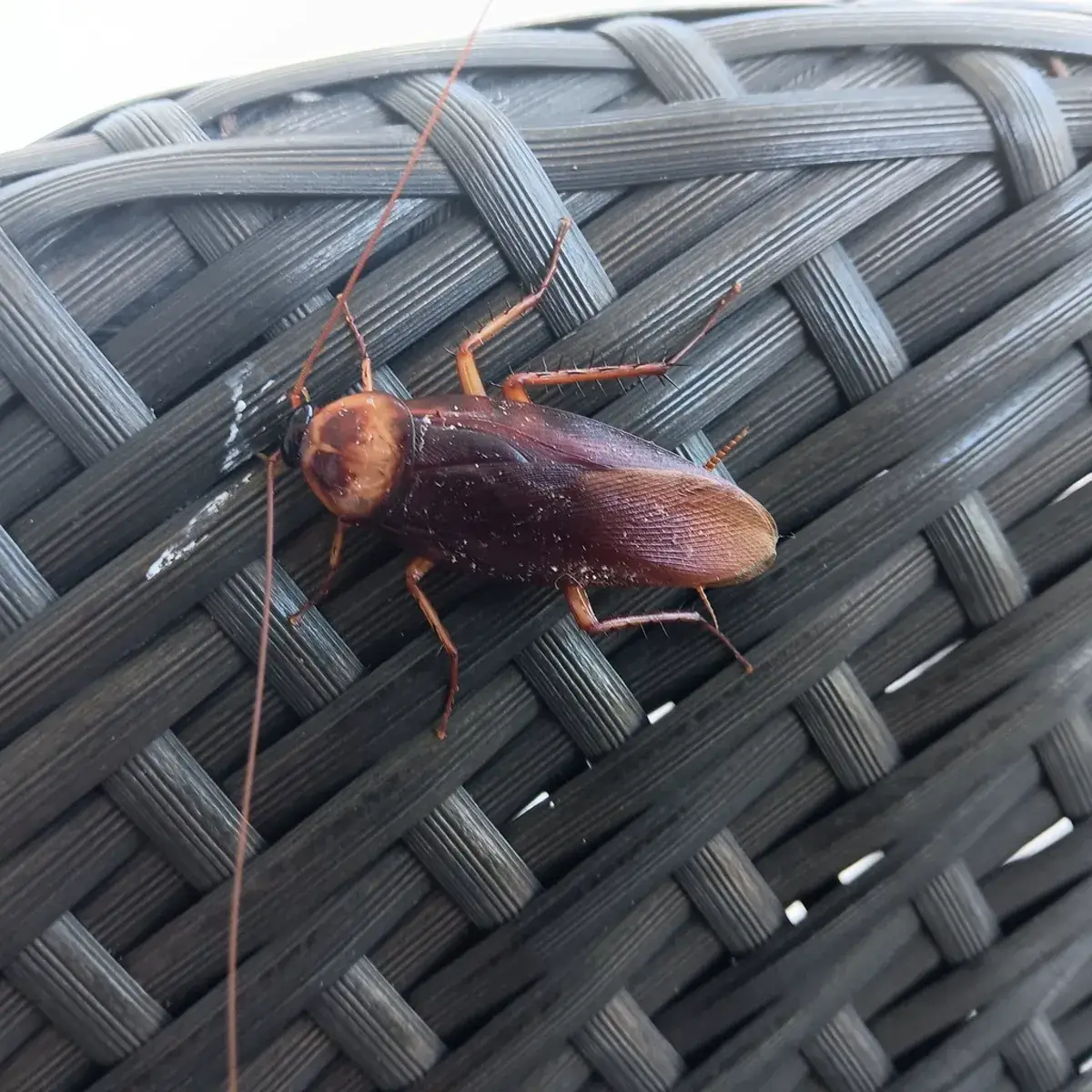
American cockroaches are much larger (up to 2 inches) and reddish-brown in color. They’re often called “water bugs” or “palmetto bugs” and prefer warm, damp environments. Unlike German roaches, American cockroaches often live outdoors and enter homes seeking food or water.
What attracts American cockroaches:
- Sewer and drain systems
- Basements and crawl spaces
- Damp, warm areas
- Decaying organic matter
Oriental Cockroaches
Oriental cockroaches are dark brown to black and have a shiny appearance. They’re sometimes called “water bugs” because of their love for extremely moist environments. They’re most often found in basements, crawl spaces, and around floor drains.
What attracts Oriental cockroaches:
- High moisture environments
- Cool, damp areas (unlike other species)
- Decaying organic material
- Sewers and drains
Surprising Things That Attract Cockroaches
Beyond the basics, several less obvious factors can draw cockroaches to your home.
Cardboard and Paper
Cockroaches use chemical pheromones to communicate with each other. According to pest control research, roaches prefer porous surfaces like cardboard and wood because these materials absorb their scent trails. This is why breaking down cardboard boxes and removing paper clutter is so important for prevention.
Dead Cockroaches
Here’s something most homeowners don’t know: killing a cockroach can actually attract more. When roaches die, they release oleic acid, which signals to other cockroaches and can draw them to the area. This is one reason why DIY cockroach control often fails—you might kill a few, but you’re inadvertently attracting others.
Pheromone Trails
Cockroaches leave behind pheromone trails that help other roaches find food and shelter. Even after you’ve cleaned an area, these invisible chemical signals can persist and continue attracting roaches. Professional treatments address this by using products that break the cycle.
In my years as a licensed technician, I’ve seen countless homeowners frustrated because they keep finding roaches despite keeping a clean house. The truth is, cockroaches aren’t just attracted to “dirty” homes—they’re attracted to any home that offers food, water, and shelter. Even a spotless kitchen can have hidden moisture issues or small crumbs behind the stove that sustain a population. This is why a thorough inspection is always the first step in effective cockroach control.
How Cockroaches Get Into Your Home
Understanding entry points is just as important as knowing what attracts cockroaches. These pests can compress their bodies to fit through incredibly small gaps—sometimes as thin as a quarter.
Common entry points include:
- Cracks in the foundation
- Gaps around doors and windows
- Spaces around plumbing and utility lines
- Vents without proper screens
- Gaps under garage doors
Cockroaches also commonly hitchhike their way inside. They can hide in:
- Grocery bags and boxes
- Secondhand furniture
- Shipped packages
- Luggage and bags
How to Make Your Home Less Attractive to Cockroaches
The EPA recommends an Integrated Pest Management (IPM) approach that focuses on removing the conditions cockroaches need to survive. Here’s a practical checklist:
Kitchen Prevention
- Store food in airtight containers
- Clean up crumbs and spills immediately
- Don’t leave dirty dishes in the sink overnight
- Empty garbage regularly and use bins with tight lids
- Clean behind and under appliances monthly
- Wipe down counters before bed
Moisture Control
- Fix leaky pipes and faucets promptly
- Use a dehumidifier in damp areas like basements
- Don’t let water stand in plant saucers
- Dry out sinks and bathtubs before bed
- Ensure proper ventilation in bathrooms
Shelter Elimination
- Seal cracks and crevices with caulk
- Install door sweeps on exterior doors
- Replace damaged weatherstripping
- Screen vents and openings
- Eliminate clutter, especially cardboard
- Organize storage areas
When to Call a Professional
While prevention goes a long way, sometimes you need professional help. Here are signs it’s time to call a pest control company:
- Seeing roaches during the day (indicates a large population)
- Finding roach droppings or egg cases
- Noticing a musty odor in certain areas
- DIY treatments aren’t working
- You have a sensitive household member with allergies or asthma
At Better Termite & Pest Control, we’ve served the DC metro area for over 57 years. Our team of registered technicians uses targeted, EPA-approved products. We focus on a comprehensive approach that addresses the root causes of infestation—not just the visible roaches.
If you’re dealing with cockroaches in Alexandria, Bethesda, Fairfax, or anywhere in our service area, we can help identify what’s attracting them and develop a customized treatment plan.
Take Action Today
Cockroaches aren’t just a nuisance—they can carry bacteria that cause health issues and trigger allergies and asthma, especially in children. The sooner you address what’s attracting them, the easier it is to keep them out.
Start with the prevention tips above. If you’re seeing signs of an infestation, don’t wait for it to get worse. Call us at 703-683-2000 or email info@bettertermite.com for a thorough inspection. We have over 1,000 five-star reviews and 300 years of combined team experience. We’re here to help you reclaim your home from these pests.