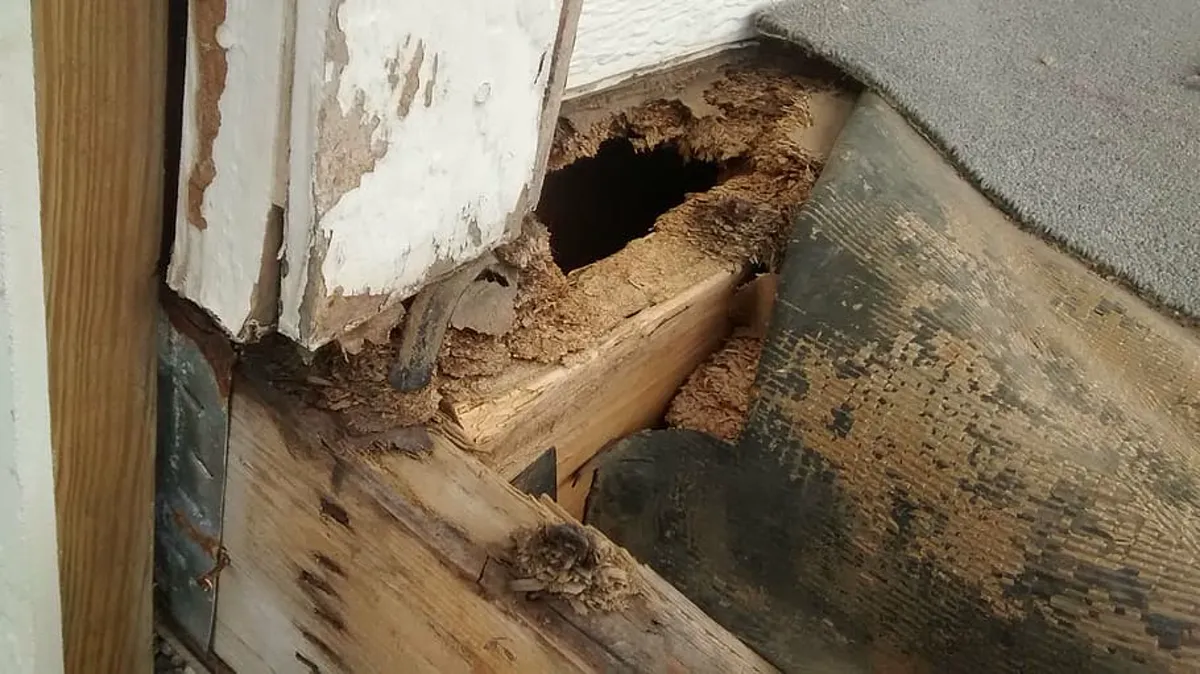

Finding termite damage in your home can feel overwhelming. These silent destroyers work around the clock, and by the time you notice the signs, there’s often significant damage hidden behind walls and under floors. The good news? Most termite damage can be repaired, and your home can be fully restored.
I’ve been in the pest control business since 2015 and have personally helped over 100 customers with termite-related issues. In my experience, understanding the full picture—from assessing damage to choosing the right repair approach—makes all the difference in getting your home back to normal without overspending.
This guide covers termite damage repair costs, repair methods, and when you need professional help.
How Serious Is Termite Damage?
Termites cause billions of dollars in property damage across the United States every year. According to the National Pest Management Association, termites are responsible for an estimated $6.8 billion in property damage annually when adjusted for inflation.
Here in the Alexandria and Northern Virginia area, subterranean termites are the most common species we encounter. These termites need soil contact and moisture to survive, which is why homes with crawl spaces are particularly vulnerable.
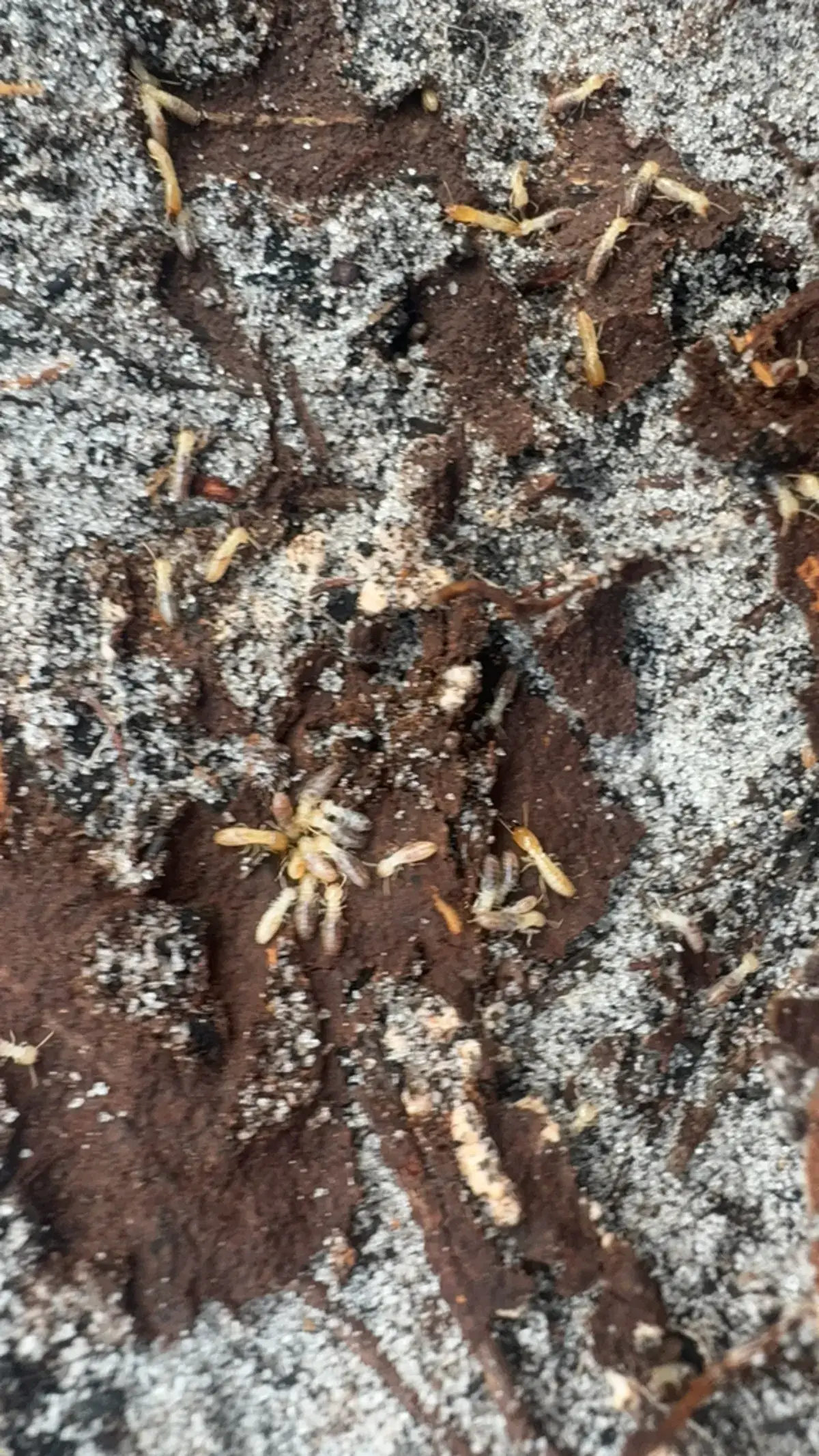
How bad the damage gets depends on how long the colony has been feeding. Here’s a case that shows why early detection matters so much.
One situation I always think about from my training involved a house in Alexandria, just a few blocks from our company owner’s home. The homeowners had no idea anything was wrong until they noticed a small bulge in a window sill near an addition. That bulge was actually termites that had eaten up to the paint and were starting to break through.
When we entered the crawl space, we found years of termite feeding damage. There were tunnels running up the interior walls, and they had caused extensive damage that was difficult and expensive to repair. This is why I always tell homeowners: the earlier you catch termites, the less costly the repairs.
Signs You Need Termite Damage Repair
Before you can repair termite damage, you need to identify it. Here are the warning signs that indicate damage may already exist:
Hollow-Sounding Wood
When termites consume wood, they eat from the inside out, leaving the outer surface mostly intact. If you tap on a wooden beam, floor, or wall stud and hear a hollow sound, termites may have hollowed out the interior. This is one of the most reliable signs of termite damage.
Sagging or Buckling Floors
When termites damage floor joists and subflooring, you may notice:
- Rising spots where tunnels are being established
- Sinking areas where support structures have been eaten away
- Squeaky floors that weren’t squeaky before
- Soft spots when you walk across certain areas
Doors and Windows That Stick
Termite damage can cause structural shifting, which makes doors and windows difficult to open or close. If a door suddenly won’t shut properly, it could be a sign of damage to the surrounding framing.
Visible Tunnels or Galleries
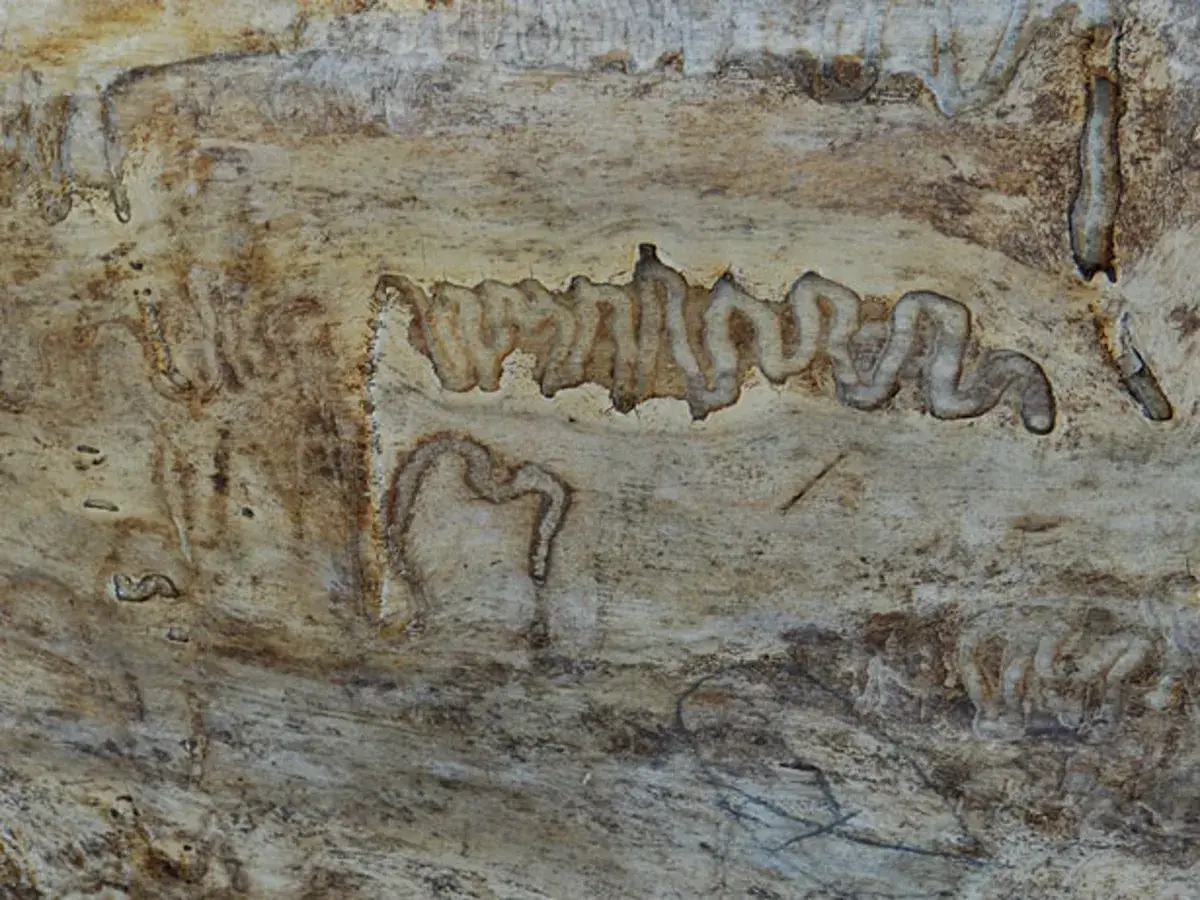
If you can see the inside of damaged wood, you’ll notice a honeycomb-like pattern of tunnels. Termites eat along the grain, creating parallel galleries with bits of mud and soil lining the walls.
Termite Damage Repair Costs in 2025
Understanding repair costs helps you budget appropriately and recognize when a contractor’s estimate is reasonable. Here’s what you can expect to pay:
Average Repair Costs by Severity Learn more in our pest library.
| Damage Level | Typical Cost Range | What’s Involved |
|---|---|---|
| Minor/Cosmetic | $300 - $2,000 | Filling holes, patching drywall, repainting |
| Moderate | $2,000 - $5,000 | Replacing trim, door frames, window sills |
| Major Structural | $5,000 - $15,000+ | Sistering joists, replacing beams, subfloor repair |
The average homeowner spends around $3,000 to repair termite damage. However, costs can climb significantly higher if structural members like floor joists or support beams need replacement.
Standard homeowners insurance policies do not cover termite damage because insurance companies classify it as a preventable maintenance issue. According to the National Pest Management Association, only 31% of homeowners take preventive measures against termites—even though every home is at risk. This is why proactive prevention with systems like Sentricon can save you thousands in potential repair costs.
Factors That Affect Repair Costs
Several factors can push your repair costs higher or lower:
- Accessibility: Crawl space repairs typically cost more due to difficult working conditions
- Location of damage: Load-bearing walls and support beams cost more to repair than trim
- Extent of infestation: Longer-term infestations cause more widespread damage
- Local labor rates: Costs in the DC metro area tend to be higher than national averages
- Materials needed: Pressure-treated or specialty lumber adds to costs
Types of Termite Damage Repair
The right repair method depends on what’s damaged and how badly. Here’s an overview of the main approaches:
Option 1: Wood Hardeners and Fillers
For minor surface damage, you can often restore wood without replacing it. This approach works best when:
- Damage is limited to the outer layer
- The wood is not structural (trim, window sills, decorative elements)
- Less than 20% of the wood’s cross-section is affected
How it works: Wood hardener (an acrylic resin dissolved in solvent) penetrates into softened wood fibers and solidifies them. After the hardener dries, you sand it smooth and apply wood filler to fill any remaining holes or grooves. The filled areas can then be painted to match.
Option 2: Sistering Damaged Joists
When termites damage floor joists but don’t completely destroy them, sistering is often the most practical repair. This technique involves attaching new lumber alongside the damaged joist to restore structural support.
The sistering process:
- Cut a new joist the same dimensions as the existing one
- Position it against the damaged joist, running the full length
- Apply construction adhesive between the boards
- Secure with 3/8” bolts spaced about 12 inches apart
- Use bolts rather than nails in damaged sections (nails won’t hold in soft wood)
According to building code experts, sistering is acceptable when the new joist spans the full length of the original. Partial-length sistering may be insufficient unless approved by a structural engineer.
Option 3: Full Replacement
When damage is too severe for sistering, the entire structural member must be replaced. This is necessary when:
- More than 30-40% of the wood’s cross-section is compromised
- The damage spans most of the member’s length
- Safety concerns exist with leaving any damaged material in place
Full replacement of floor joists requires temporarily supporting the floor above with hydraulic jacks while removing and replacing the damaged lumber. This is not a DIY project—it requires professional contractors and often a structural engineer’s involvement.
Option 4: Sill Plate Replacement
The sill plate is the wooden board that sits right on your foundation and holds up the floor system. Its contact with the foundation puts it close to soil, which makes it one of the most common targets for termites.
Replacing a sill plate involves:
- Installing temporary supports (jacks) to hold up the floor joists
- Removing the damaged sill plate sections
- Installing new pressure-treated lumber
- Ensuring proper connection to the foundation
When to Hire a Structural Engineer
Not every termite repair requires an engineer, but certain situations definitely call for one. You should hire a structural engineer when:
- Damage affects load-bearing members: Floor joists, support beams, headers, or wall studs that carry the weight of your home
- You see visible sagging: Floors, ceilings, or rooflines that have shifted or dropped
- Multiple structural members are affected: Widespread damage across several joists or studs
- You’re unsure about severity: An engineer can determine if remaining wood is strong enough to carry loads
A structural engineer will measure how much of each framing member is damaged and calculate whether the undamaged portion can still safely support the required loads. They’ll then specify the appropriate repair method—which saves you money by avoiding unnecessary work while ensuring your home is properly restored.
Structural engineers use probing tools to measure the depth of damage in wood members. They apply gentle pressure with an awl or screwdriver—any area that’s noticeably soft or penetrates beyond the surface layer indicates significant internal damage. The engineer then calculates the remaining cross-section and compares it to code requirements for the loads being carried.
DIY vs. Professional Termite Damage Repair
Understanding what you can handle yourself versus what requires a pro helps you make smart decisions about repairs.
When DIY Makes Sense
You can typically handle repairs yourself when:
- Damage is limited to non-structural trim or molding
- The wood is easily accessible
- You’re comfortable with basic carpentry
- Damage is cosmetic only (no structural concerns)
For these repairs, wood hardener and filler from your local hardware store work well. The process is straightforward: remove loose or crumbling material, apply hardener, let it cure, fill voids with filler, sand smooth, and paint.
When to Call Professionals
Leave it to the pros when:
- Any structural member is involved: Joists, beams, studs, sill plates
- The damage is widespread: Multiple areas or extensive deterioration
- You’re not certain about the extent: Hidden damage behind walls or under floors
- Permits may be required: Structural work often requires building permits
- Your safety could be at risk: Working under supported floors or in confined spaces
Preventing Future Termite Damage
Once repairs are complete, prevention becomes critical. Here’s how to protect your investment:
Moisture Control
Termites need moisture to survive—properties with high moisture levels are 70% more prone to termite infestation. To reduce moisture:
- Fix leaks immediately: Even small drips create attractive conditions
- Ensure proper drainage: Gutters and downspouts should direct water away from the foundation
- Use vapor barriers: Install in crawl spaces to block ground moisture
- Improve ventilation: Ensure crawl spaces and basements have adequate airflow
- Use dehumidifiers: Especially in damp basements or enclosed spaces
Professional Prevention Systems
In my experience, proactive prevention with systems like Sentricon has a very high success rate and is typically cheaper and lower stress than dealing with damage after the fact. We’re Certified Sentricon Specialists, and this system provides ongoing monitoring and protection.
For severe infestations or high-risk situations, liquid treatments with products like Premise or Termidor create a barrier between your home and the termite colony. These treatments can remain effective for 5+ years when properly applied.
Regular Inspections
Schedule professional inspections annually—or twice yearly in high-risk areas. A trained inspector knows where to look and what to look for, often catching activity before significant damage occurs.
The Bottom Line on Termite Damage Repair
Termite damage is serious, but it’s also fixable. The key is acting quickly once damage is discovered, getting proper treatment to eliminate the colony, and choosing the right repair approach for your situation.
For minor cosmetic damage, DIY repairs with wood hardener and filler can work well. But for anything structural—joists, beams, sill plates, or wall framing—professional contractors and potentially a structural engineer should be involved. The cost of proper repairs is always less than the cost of structural problems down the road.
At Better Termite & Pest Control, we’ve been helping homeowners in the DC metro area for over 57 years. Our team has over 300 years of combined experience, and we’re members of the Virginia Pest Management Association, NPMA, and Maryland Pest Management Association.
If you’ve discovered termite damage or want a professional inspection to assess your risk, give us a call at 703-683-2000 or email us at info@bettertermite.com. We’ll help you understand your options and get your home protected.