Western Yellowjackets Identification Guide
Vespula pensylvanica
An aggressive stinging insect native to western North America, known for its persistent foraging behavior and large underground colonies.
Taxonomy
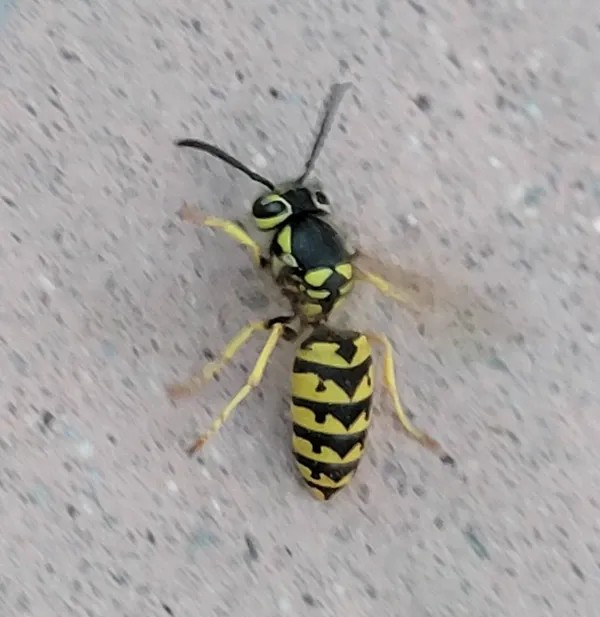
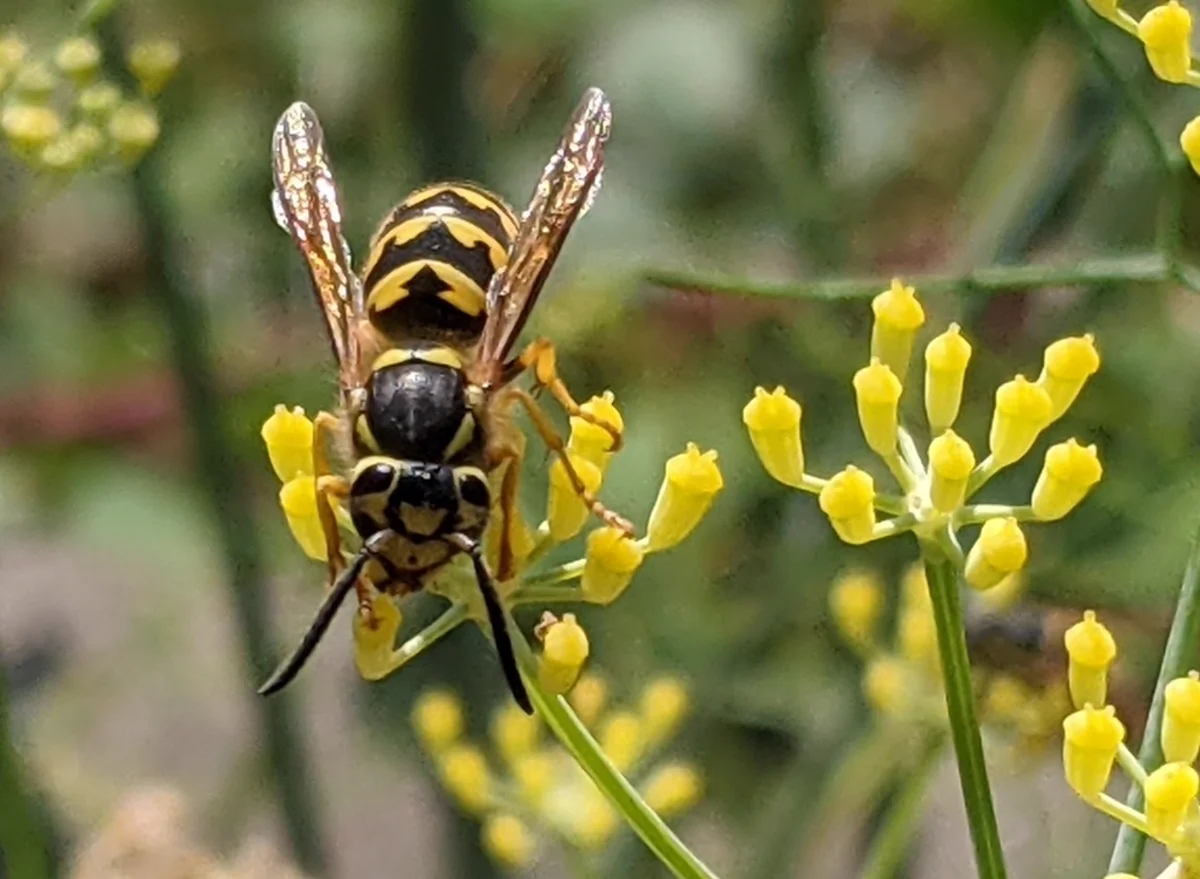
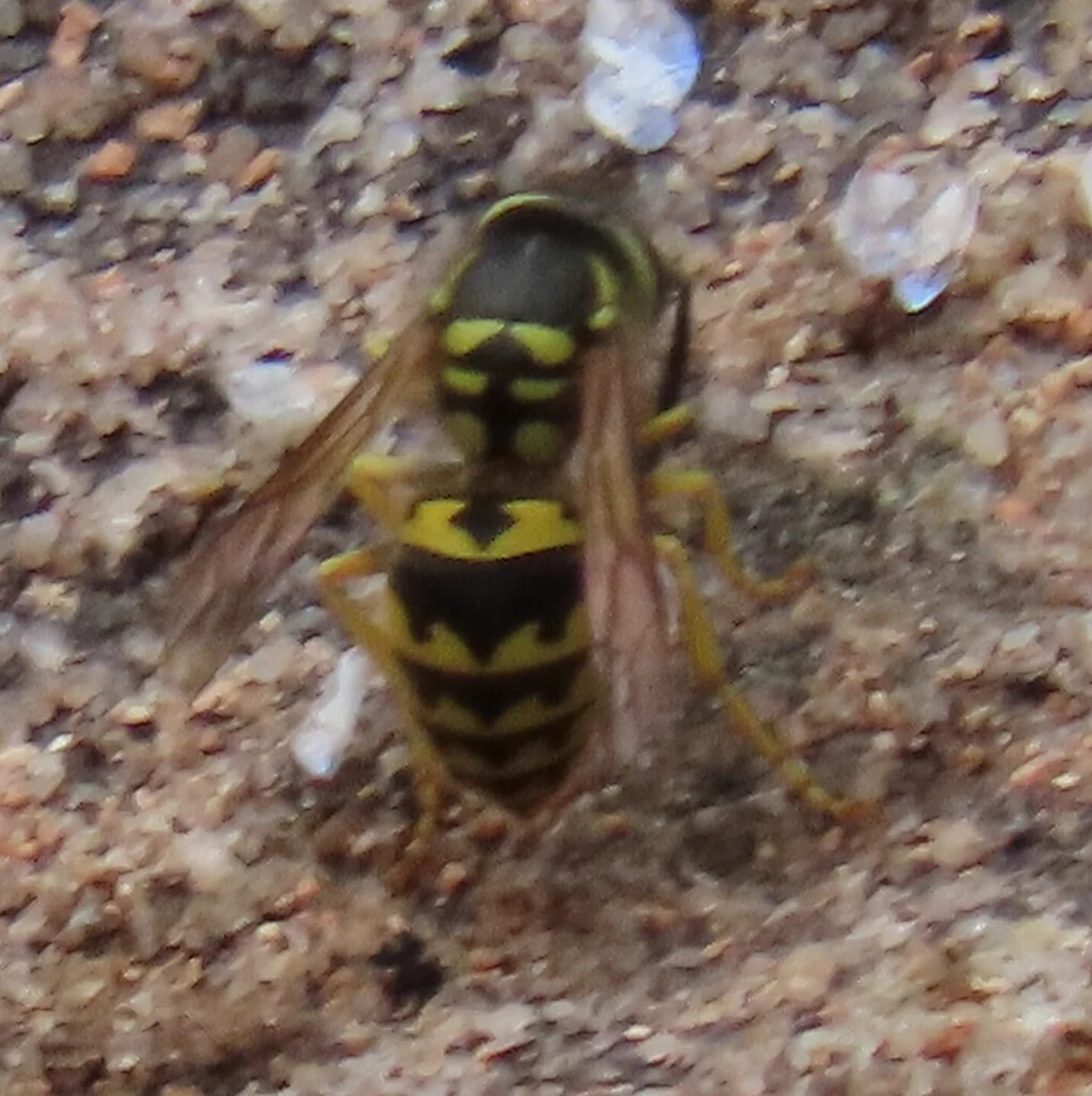
Western Yellowjackets Coloration
Common color patterns to help identify western yellowjackets
Western Yellowjackets
Seasonal Activity
When western yellowjackets are most active throughout the year
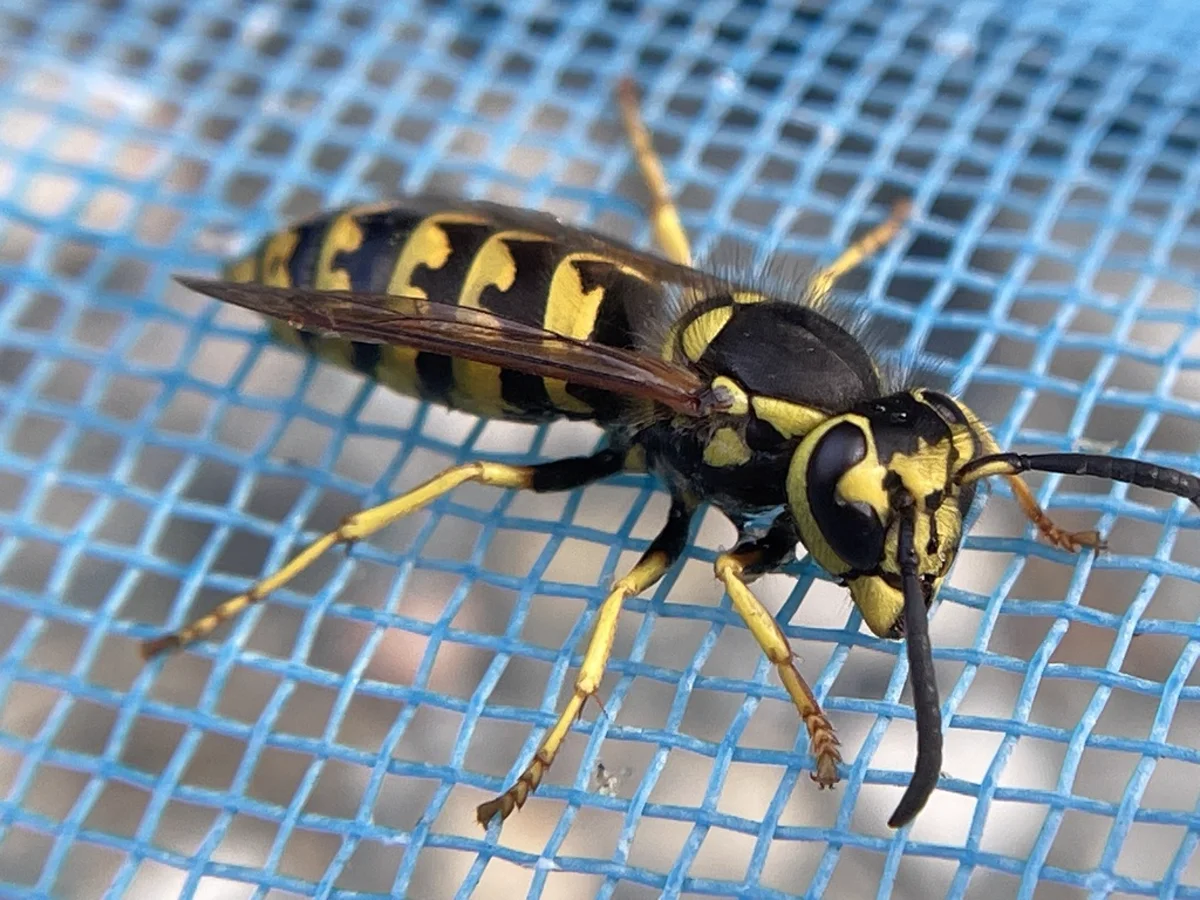
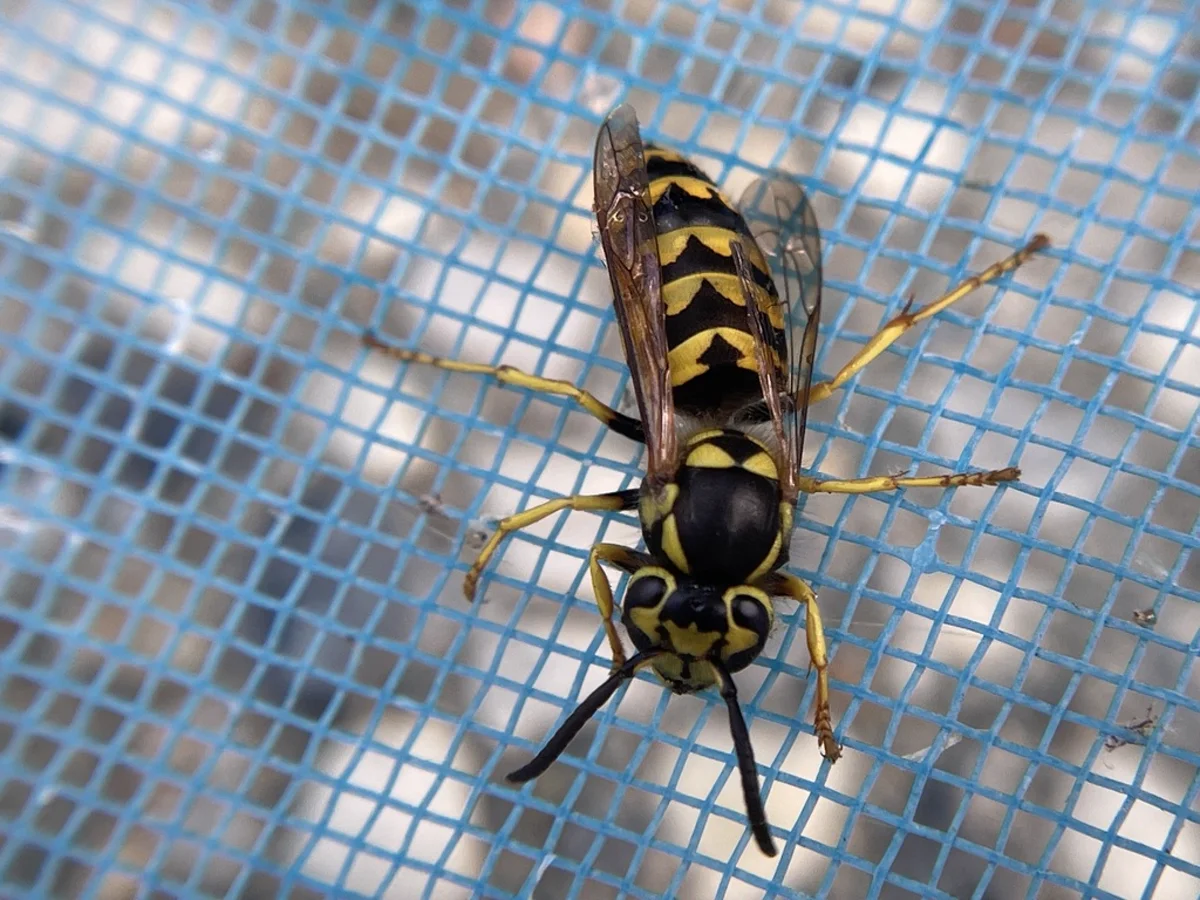
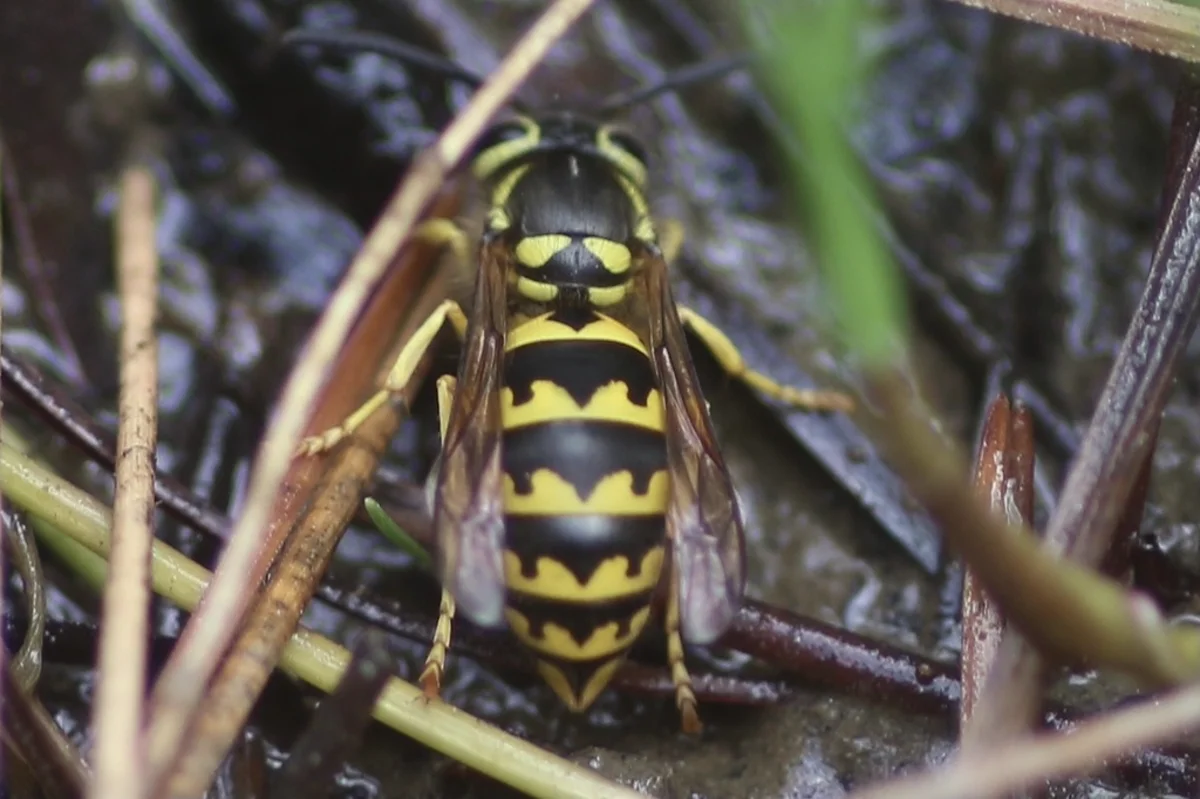

Where Western Yellowjackets Are Found
Hover over states to see their names. Green regions indicate where western yellowjackets have been reported.
Western Yellowjacket Identification Guide
Physical Characteristics
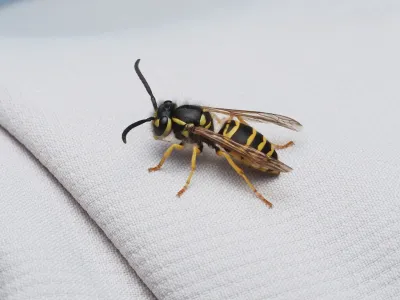
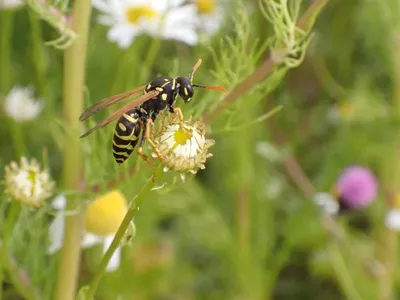
Western yellowjackets are medium-sized wasps about 10-16 mm (roughly 1/2 inch) long. They have the slim waist typical of wasps and smooth bodies with little hair. Their color pattern shows bold black and yellow bands across the belly. Each yellow band has a black diamond shape in the center with smaller black spots on the sides.
The best way to identify this species is by the yellow ring around each eye. This ring forms a complete circle, often described as looking like yellow goggles. Other yellowjacket species have broken or partial eye markings. Western yellowjackets also have yellow legs and clear wings with a slight smoky tint.
Common Species and Range
The western yellowjacket (Vespula pensylvanica) is the main pest yellowjacket in the western United States and Canada. You can find them from Alaska down through all states west of the Rocky Mountains and into northern Mexico. They have also spread to Hawaii.
Western yellowjacket numbers boom every 3-5 years when spring weather is warm and dry. In the western states, they are far more common than eastern yellowjackets and common yellowjackets. During these outbreak years, they cause major problems for people at outdoor events, on farms, and in parks.
Western Yellowjacket Behavior and Biology
Colony Life Cycle
Western yellowjacket colonies start fresh each year in most areas. Queens wake from winter sleep in late winter or early spring. The queen picks a nest site, usually an old rodent hole, and builds a small paper nest from chewed wood mixed with her saliva. She raises the first batch of workers by herself. Once enough workers hatch, they take over nest duties while she focuses on laying eggs.
Colonies grow fast through summer. Workers hunt bugs, spiders, and other small prey to feed the larvae. Adult wasps eat mostly nectar and sugary foods. By late summer, nests can hold thousands of workers. The queen then starts producing new queens and males for next year.
Nesting Habits
Western yellowjackets like to nest underground. They often move into old rodent holes, but will also dig their own holes in soft dirt. Inside, the paper nest has rows of cells stacked in tiers with paper layers around them for protection. You can spot a ground nest by looking for a single hole at ground level with a small dirt mound nearby.
Some colonies build in walls, attics, or spaces between floors. These nests cause extra trouble because they put many stinging wasps close to people inside the building.
Foraging and Defense
Western yellowjackets hunt many types of prey like flies, caterpillars, spiders, and grasshoppers. They also love to scavenge and will go after meat, pet food, and garbage. Each wasp hunts on its own since they cannot tell other wasps where food is located.
These wasps get very aggressive, especially in late summer when colonies are large and food is hard to find. Vibrations near the nest or bumping into it will set off a swarm attack. Unlike bees, yellowjackets can sting over and over. An angry colony may chase you for a long distance.
Treatment Methods for Western Yellowjackets
To control western yellowjackets, you must find and treat the nest. The right method depends on where the nest is located.
Ground Nest Treatment
For nests in the ground, pest control pros apply dust to the nest hole and down into the cavity. The dust sticks to wasps as they come and go. Workers carry the dust inside, spreading it through the whole colony. The entrance stays open at first so returning wasps pick up the product.
Treatment works best in early morning or evening when it is cool and most wasps are in the nest. Large colonies may need more than one treatment to wipe them out.
Structural Nest Treatment
Nests in walls or other building spaces are harder to treat. Dust or foam products go through the nest entrance or other openings. Never seal the entrance before the colony is dead. Trapped wasps may chew through walls to escape into your living space.
Prevention Strategies
You can reduce yellowjacket visits by removing things that attract them:
- Keep trash cans sealed tight
- Pick up fallen fruit right away
- Cover food at outdoor cookouts
- Skip sweet perfumes and bright floral clothing during peak season
Lure traps around the edges of your yard can catch some workers, but they will not get rid of a full colony. If yellowjackets keep coming back, a pro can find hidden nests you may have missed.
References
Other Wasps
Explore other species in the wasps family
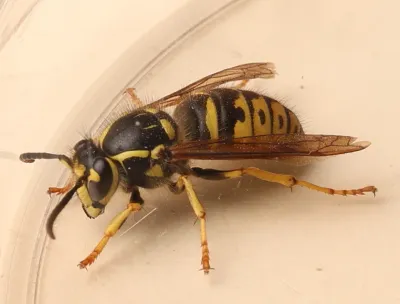
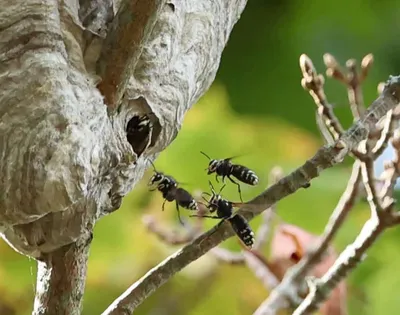
Commonly Confused With
Western Yellowjackets are often mistaken for these similar pests
Where Western Yellowjackets Are Found
Hover over states to see their names. Green regions indicate where western yellowjackets have been reported.
Common Questions about Western Yellowjackets
What is the difference between western yellowjackets and other yellowjackets?
+
Western yellowjackets have a full yellow ring around each eye that looks like goggles. They also have a black diamond shape on their first belly segment. These marks help tell them apart from other species.
Are western yellowjackets dangerous?
+
Yes. These wasps are very aggressive when guarding their nests. They can sting many times. Their stings cause pain and swelling. Some people have severe allergic reactions that need medical care.
Where do western yellowjackets build their nests?
+
Most nests are underground in old rodent holes. Some build in wall gaps, attics, or other dark spaces in and around homes.
When are western yellowjackets most active?
+
They are most active from late spring through fall. Colonies are largest in late summer. Warm, dry weather makes them more active.
Why are western yellowjackets attracted to picnics and outdoor events?
+
These wasps look for meat and sweet foods. They love garbage, fruit, soda, and grilled meat. This makes cookouts and picnics a prime target.
How large can a western yellowjacket colony get?
+
Colonies usually have 1,500 to 15,000 workers. In mild areas without hard freezes, some nests last more than one year and grow even bigger, similar to [southern yellowjackets](/pests/wasps/southern-yellowjackets/) that form perennial colonies in warm climates.
Can I remove a western yellowjacket nest myself?
+
We do not suggest DIY removal. These wasps swarm when you disturb their nest. A pest control pro is the best way to get rid of the whole colony.

With five years of hands-on experience in the pest control industry, George Schulz is a registered technician with the Virginia Pest Management Association and a proud third-generation professional in a family business that's been protecting homes for over 57 years. He manages and trains a team of service pros while also leading internal research efforts—recently spearheading a deep-dive review of thousands of documents on pest control materials to hand-pick the most kid and pet friendly, most effective solutions tailored specifically for homes in the DC metro area.