Western Cicada Killers Identification Guide
Sphecius grandis
Large solitary wasps of the western United States and Mexico that dig burrows in dry, sandy soil and hunt cicadas. Despite their imposing size, western cicada killers are docile and rarely sting.
Taxonomy
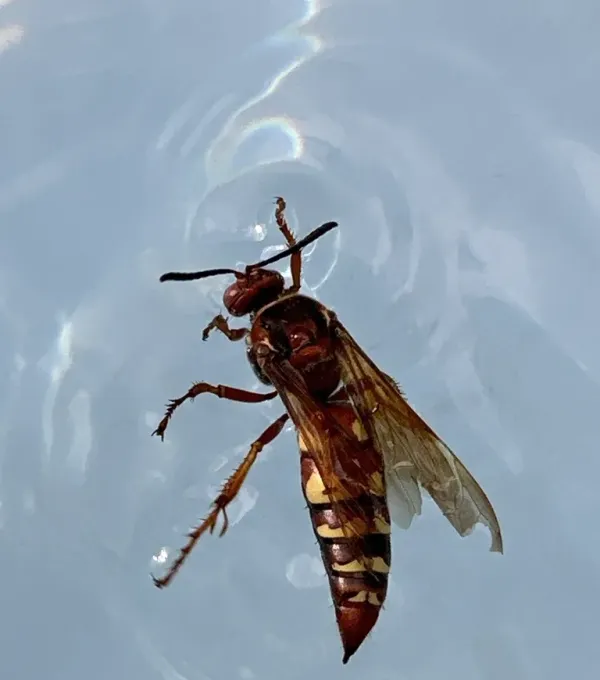
Western Cicada Killers Coloration
Common color patterns to help identify western cicada killers
Western Cicada Killers
Seasonal Activity
When western cicada killers are most active throughout the year
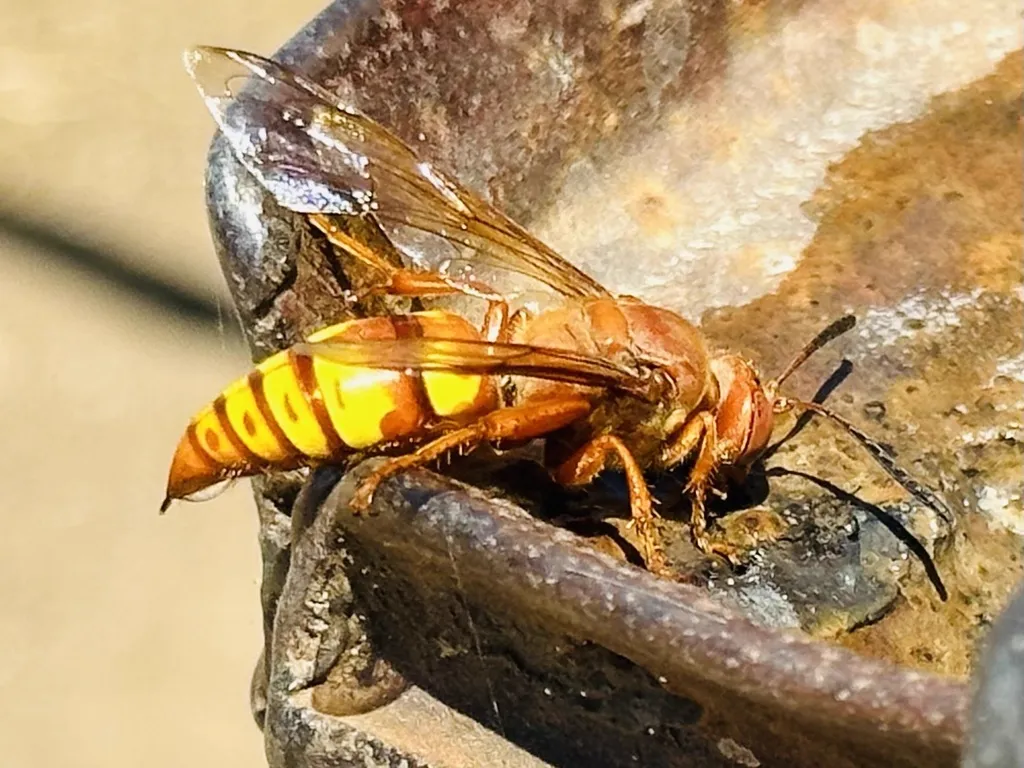
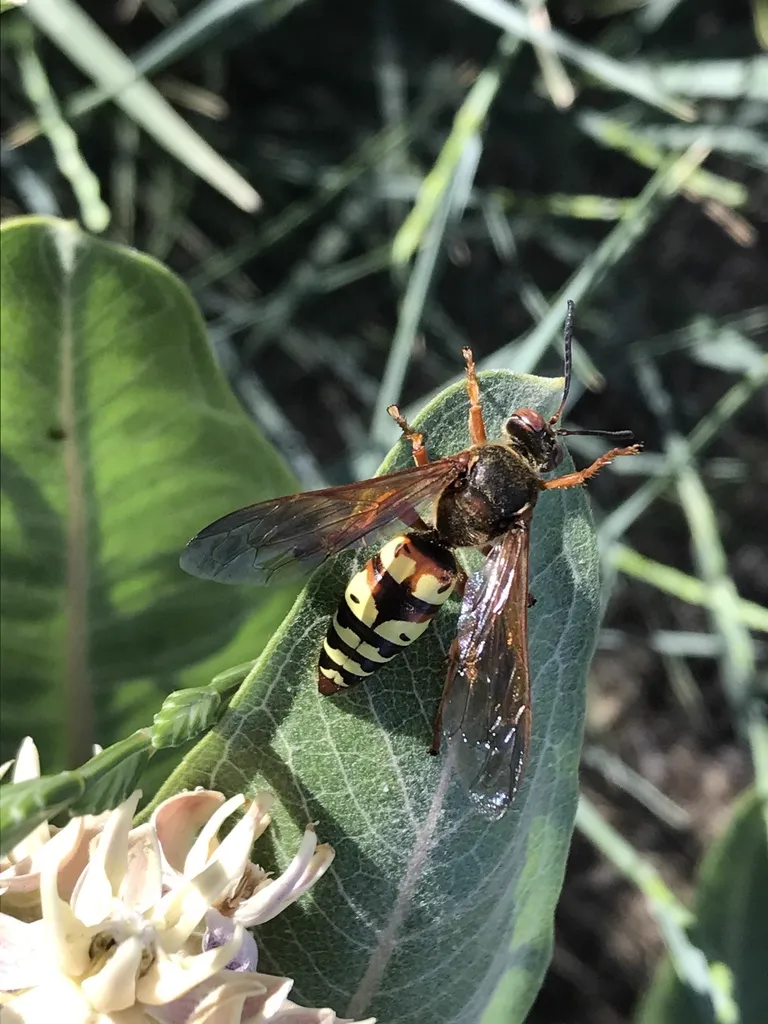
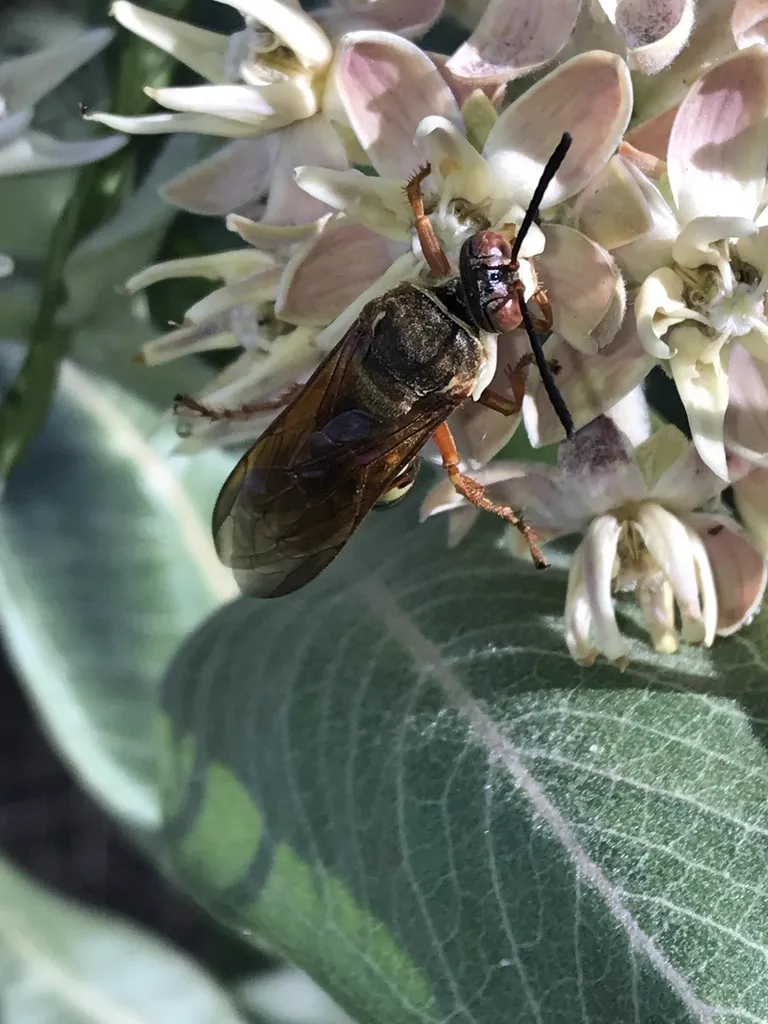

Where Western Cicada Killers Are Found
Hover over states to see their names. Green regions indicate where western cicada killers have been reported.
Western Cicada Killer Identification Guide
Physical Characteristics
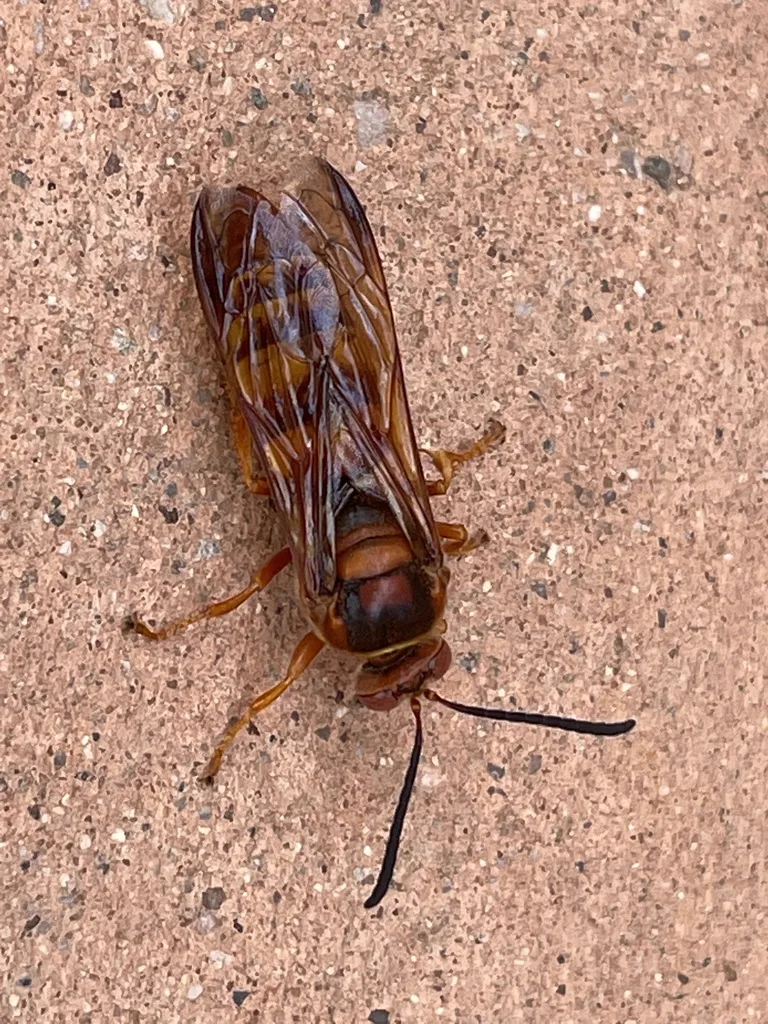
Western cicada killers are among the largest wasps in North America. They measure 1.2 to 2 inches in length. Their impressive size often causes alarm, but these wasps are remarkably docile around people.
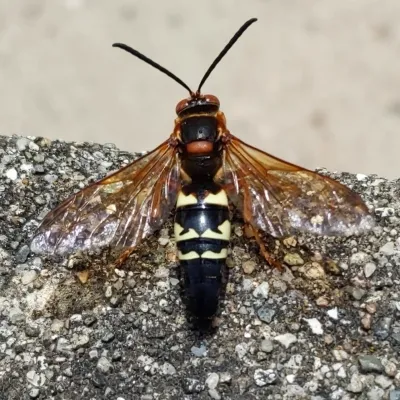
The western cicada killer has an amber-orange to rust-red color. This sets it apart from its eastern cousin. The head is small compared to the body and has round eyes. The thorax is rust-red to dark orange. The abdomen has black bands with yellow markings on five segments. Rust-colored spots appear on the first two abdominal segments. The wings are amber and large enough to carry heavy cicada prey.
Females are larger than males and have a working stinger. Males have a fake stinger that cannot pierce skin. Both have six yellow to reddish legs built for digging.
Regional Distribution
Western cicada killers live in the western United States and Mexico. Their range goes from Kansas and Oklahoma west to California and Oregon. Some populations reach into central Mexico. They live at higher elevations than other cicada killer species. They prefer dry, sandy soils on hillsides, roadsides, and open fields in states like Arizona, New Mexico, and Texas.
This species sometimes overlaps with the Eastern cicada killer and Pacific cicada killer in certain areas. At Big Bend National Park in Texas, all three species hunt and nest in the same locations, sometimes pursuing the same cicada species.
Western Cicada Killer Behavior and Biology
Western cicada killers are solitary wasps. Each female builds and stocks her own nest alone. They do not form colonies or work with other wasps. When soil conditions are good, many females may nest close together. These groups can contain dozens or even hundreds of nests. A related species, Cow Killers, shares similar characteristics.
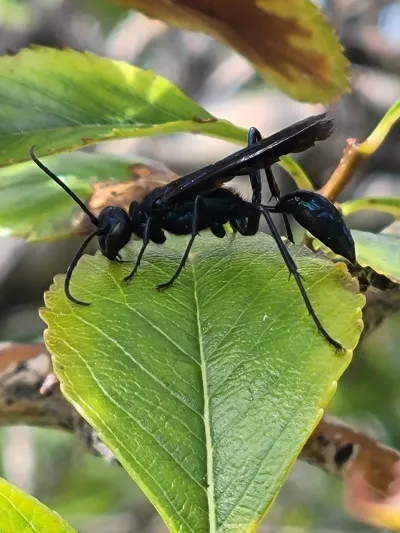
Thermoregulation and Territorial Behavior A related species, Great Black Wasps, shares similar characteristics.
Western cicada killers can control their body heat. Research shows that males keep their thorax at a high, steady temperature while patrolling. This lets them stay active during the hottest parts of summer when other insects rest in the shade.
Males show strong territorial behavior. Studies found that males return to the same perching spots day after day. They rarely sit on the ground. Instead, they prefer high spots where they can watch their territory. When anything enters their space, males check it out. They hover, dive-bomb, and fly right at intruders.
This can be startling but is harmless. Males cannot sting. Their displays are just bluffs meant to scare off rivals and threats.
Hunting and Nesting
Female western cicada killers are skilled hunters. They find cicadas using their sharp eyesight, not sound. After spotting prey on a tree, the female attacks mid-flight. She grabs the cicada and stings its abdomen to paralyze it.
The venom does not kill the cicada right away. It stops the cicada from moving while keeping it alive. This keeps the prey fresh for the growing larva. A paralyzed cicada can live for over a week underground.
Each female digs a burrow 6 to 10 inches deep in sandy, well-drained soil. She picks spots in full sunlight with thin or no vegetation. The tunnel entrance has a U-shaped mound of dug-up soil. Inside, she makes one or more cells. Each cell gets one to three paralyzed cicadas. After filling a cell, she lays a single egg on the last cicada.
Life Cycle
Western cicada killers have one generation per year. Eggs hatch in two to three days. The larva eats the paralyzed cicadas for one to two weeks. It eats everything but the outer shell. After feeding, the larva spins a cocoon and goes dormant.
The larva stays underground through fall, winter, and spring. About 90 percent of its life is spent in the soil as a larva. It becomes an adult in late spring. Adults come out in July and early August, timed with peak annual cicada and dog-day cicada season. Adults live about 60 to 75 days.
Treatment Options for Western Cicada Killers
Western cicada killers rarely sting people. The main concern for homeowners is the ugly soil mounds and clusters of burrows in lawns and gardens. Several methods can manage these wasps when they become a problem.
-
Habitat Changes: The best long-term fix makes the area less appealing for nesting. Western cicada killers prefer bare, sandy soil in full sun. Growing thick, healthy grass through overseeding and fertilizing keeps nesting females away. Adding 2 to 3 inches of mulch to bare garden beds also helps. These wasps avoid wet soil, so regular watering can deter them.
-
Physical Methods: Running sprinklers over nesting areas during the day may push females to move elsewhere. This gives short-term relief while habitat changes take effect.
-
Direct Treatment: For active nests, treatment products can go directly into burrow entrances. Evening is the best time to treat, when females have returned for the night. Dust products work well for wasps that nest in the ground. A pest control professional may be needed for large groups of nests or repeat problems.
Treatment is reasonable when burrows create tripping hazards or cause concern near play areas and patios. For nests in low-traffic areas, some homeowners may choose to wait until the end of the season when adults naturally die off.
References
- Sphecius grandis - Wikipedia
- Western Cicada Killer - Insect Identification
- Cicada Killer Wasp - Ohio State University Extension
- Cicada Killer Wasps - University of California Agriculture and Natural Resources
- Cicada Killers - Purdue University Extension Entomology
- Cicada Killer Wasps - University of Maryland Extension
Other Wasps
Explore other species in the wasps family
Commonly Confused With
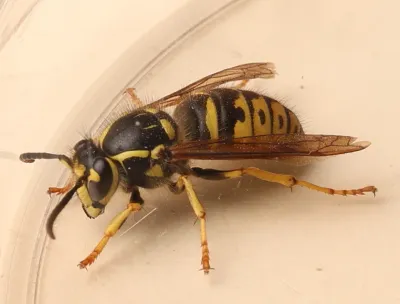
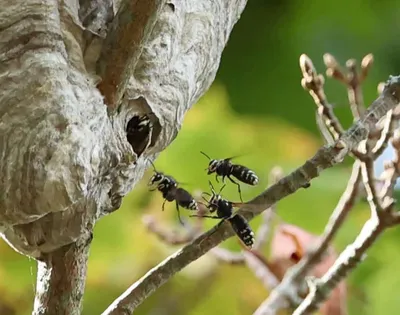
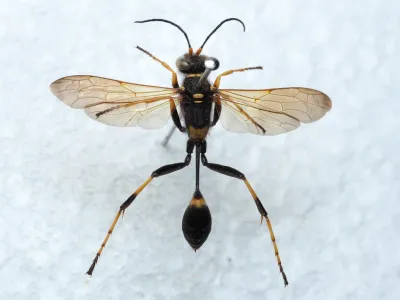
Western Cicada Killers are often mistaken for these similar pests
Where Western Cicada Killers Are Found
Hover over states to see their names. Green regions indicate where western cicada killers have been reported.
Common Questions about Western Cicada Killers
Are western cicada killers dangerous to humans?
+
Western cicada killers pose very little danger to humans. Despite their intimidating size, they are solitary wasps with a non-aggressive temperament. Males cannot sting at all. Females can sting but almost never do unless stepped on barefoot or roughly handled. Their stings are described as mild, similar to a pinprick.
How do I identify a western cicada killer?
+
Western cicada killers are large wasps measuring 1.2 to 2 inches long. They have a distinctive amber-orange to rufous coloration on the head and thorax. The abdomen has black bands with yellow markings typically visible on five segments. Their wings are amber-colored. They appear more orange overall compared to the eastern species.
Where do western cicada killers live?
+
Western cicada killers are found throughout the western United States and Mexico. Their range extends from Texas and Kansas westward to California, and from southern Oregon to central Mexico. They prefer areas with dry, sandy soil at higher elevations than other cicada killer species.
Why are western cicada killers digging holes in my yard?
+
Female western cicada killers excavate burrows in sandy, well-drained soil to create nests for their offspring. They prefer full sun, bare soil, and dry conditions. Hillsides, roadsides, sandy lawns, and areas near sidewalks are common nesting sites.
How do I get rid of western cicada killers?
+
The most effective long-term approach involves habitat modification. These wasps avoid thick, healthy turf. Overseeding thin lawn areas and maintaining proper irrigation discourages nesting. Adding mulch to bare soil and increasing ground cover also helps. For active nests, treatment products can be applied to burrow entrances in the evening.
What do western cicada killers eat?
+
Adult western cicada killers feed on flower nectar. Females hunt cicadas to provision their nests. After paralyzing a cicada with her sting, the female carries it to her burrow where her larva feeds on the still-living prey over the course of one to two weeks.
When are western cicada killers most active?
+
Western cicada killers emerge in July and August, coinciding with local cicada populations. Adults live approximately 60 to 75 days. They are most active during warm, sunny days and can regulate their body temperature to patrol territories during the hottest parts of the day.
How can I tell western cicada killers from eastern cicada killers?
+
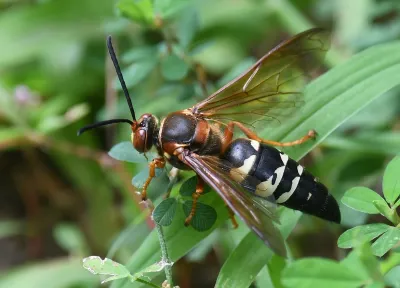
Western cicada killers have a more amber-orange or rufous hue compared to the darker reddish-brown of eastern cicada killers. Western species typically have yellow markings on five abdominal segments with rufous spots on the first and second segments. They are found west of the Great Plains and often at higher elevations.

With five years of hands-on experience in the pest control industry, George Schulz is a registered technician with the Virginia Pest Management Association and a proud third-generation professional in a family business that's been protecting homes for over 57 years. He manages and trains a team of service pros while also leading internal research efforts—recently spearheading a deep-dive review of thousands of documents on pest control materials to hand-pick the most kid and pet friendly, most effective solutions tailored specifically for homes in the DC metro area.