Spider Wasps Identification Guide
Pompilidae
Spider wasps are solitary wasps that hunt and paralyze spiders to feed their larvae. These large, long-legged wasps are found throughout North America and deliver one of the most painful insect stings.
Taxonomy
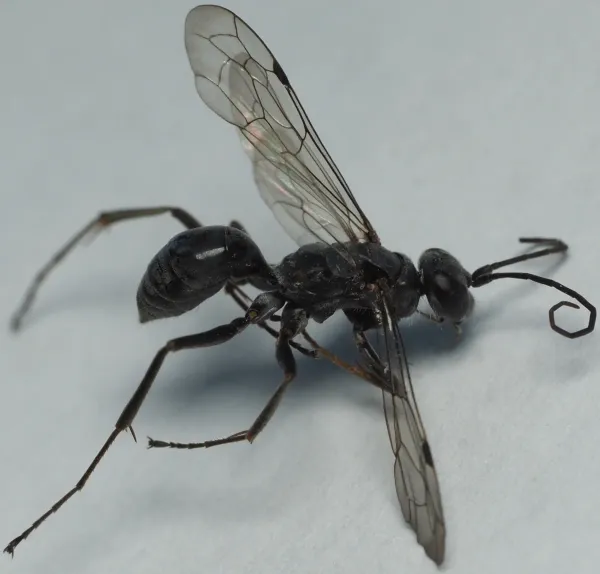
Spider Wasps Coloration
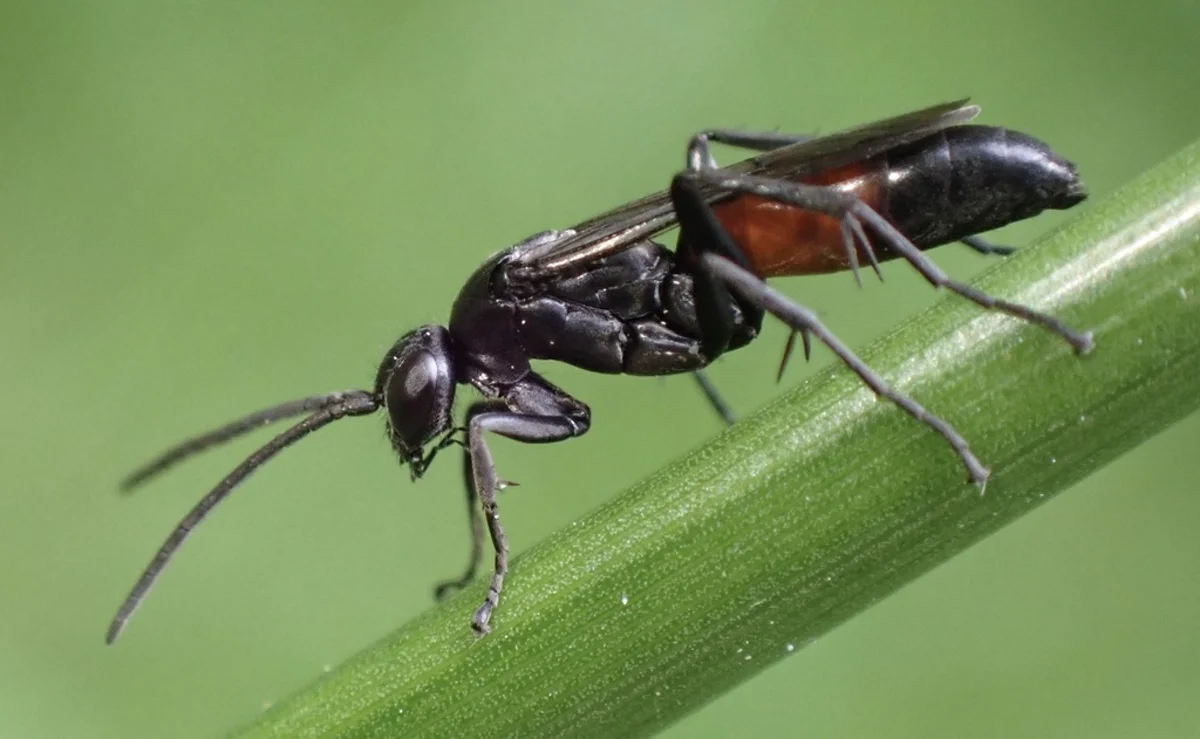
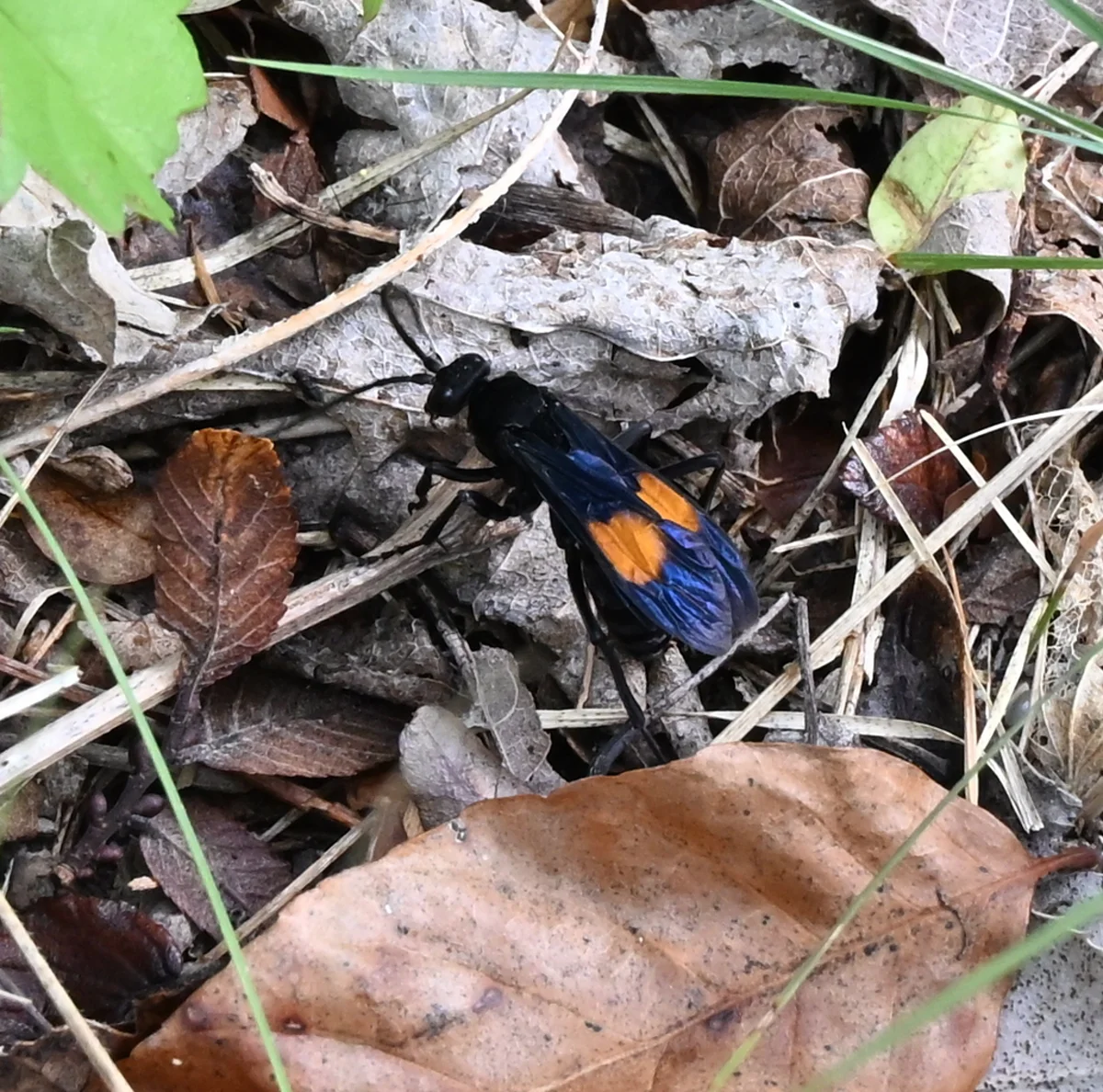
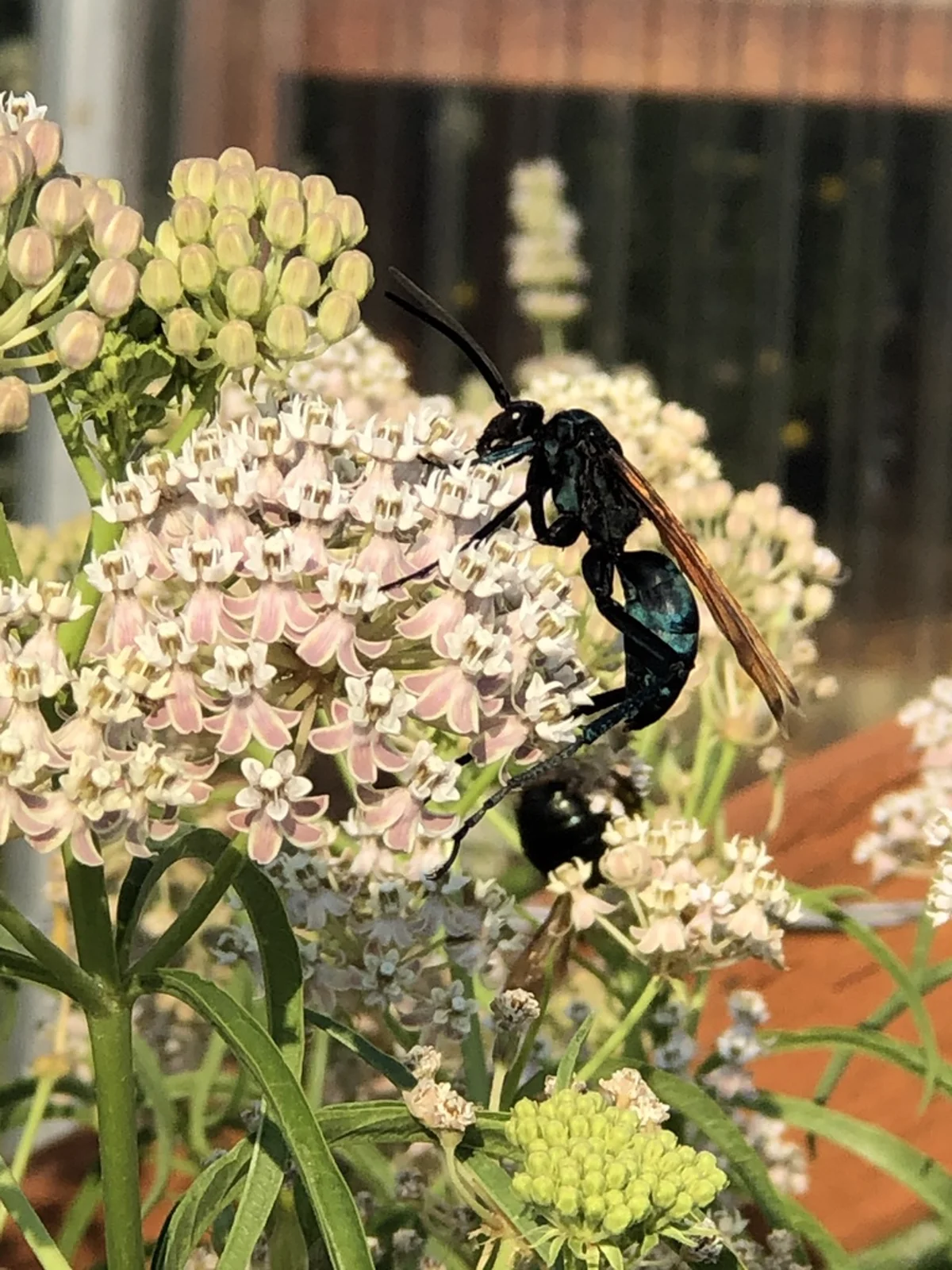
Common color patterns to help identify spider wasps
Spider Wasps
Seasonal Activity
When spider wasps are most active throughout the year

Where Spider Wasps Are Found
Hover over states to see their names. Green regions indicate where spider wasps have been reported.
Spider Wasp Identification Guide
Physical Characteristics
Spider wasps belong to the family Pompilidae, which contains over 5,000 species worldwide with approximately 300 species found in North America. These wasps range considerably in size, from small species measuring about 10 millimeters to large tarantula hawks reaching 50 millimeters or more in length.
The most distinctive feature of spider wasps is their long, spiny legs. The hind femur is often long enough to reach past the tip of the abdomen, and the tibiae of the rear legs have a conspicuous spine at their tip. The first two abdominal segments are narrow, giving the body a slender, elongated appearance.
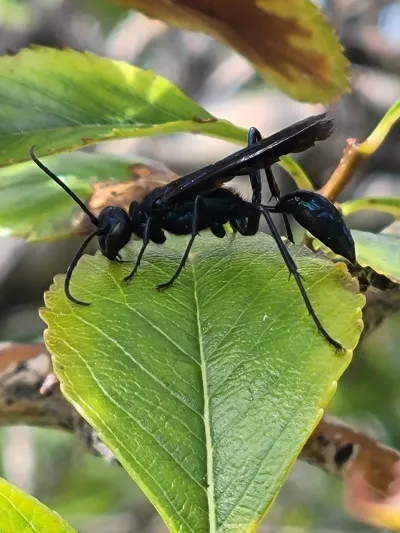
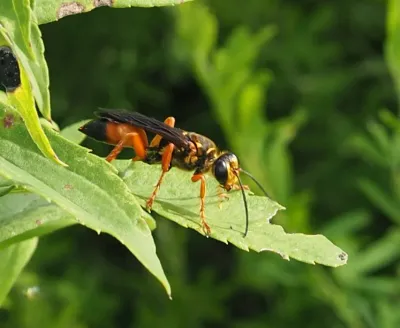
Most spider wasps display dark coloration, typically black or blue-black with metallic reflections. However, many species feature bright orange, red, or yellow markings. The wings often appear dark and oily-looking, though some species like tarantula hawks have striking bright orange wings. Unlike paper wasps and yellowjackets, spider wasps do not fold their wings accordion-style at rest. They belong to a larger group of solitary wasps that includes mud daubers and digger wasps.
Common Species in North America
Several spider wasp groups are commonly encountered:
-
Blue-Black Spider Wasps (Anoplius spp.): One of the largest genera with nearly 50 North American species. These black wasps hunt wolf spiders and can be seen nervously flicking their wings while searching the ground. Anoplius depressipes is notable for hunting fishing spiders and can walk on water.
-
Tarantula Hawks (Pepsis and Hemipepsis spp.): The largest spider wasps, found primarily in the southwestern United States. Pepsis grossa is New Mexico’s state insect. These impressive wasps have metallic blue-black bodies and bright orange wings.
-
Rusty Spider Wasps (Tachypompilus ferrugineus): A reddish-brown species that specializes in hunting wolf spiders. Females create nests in rock piles and cracks in stone walls or foundation stones.
Spider Wasp Behavior and Biology
Spider wasps are solitary insects. Each female works independently to hunt prey and provision her nest. They do not form colonies or defend territory communally like social wasps such as yellowjackets or paper wasps.
Hunting and Reproduction
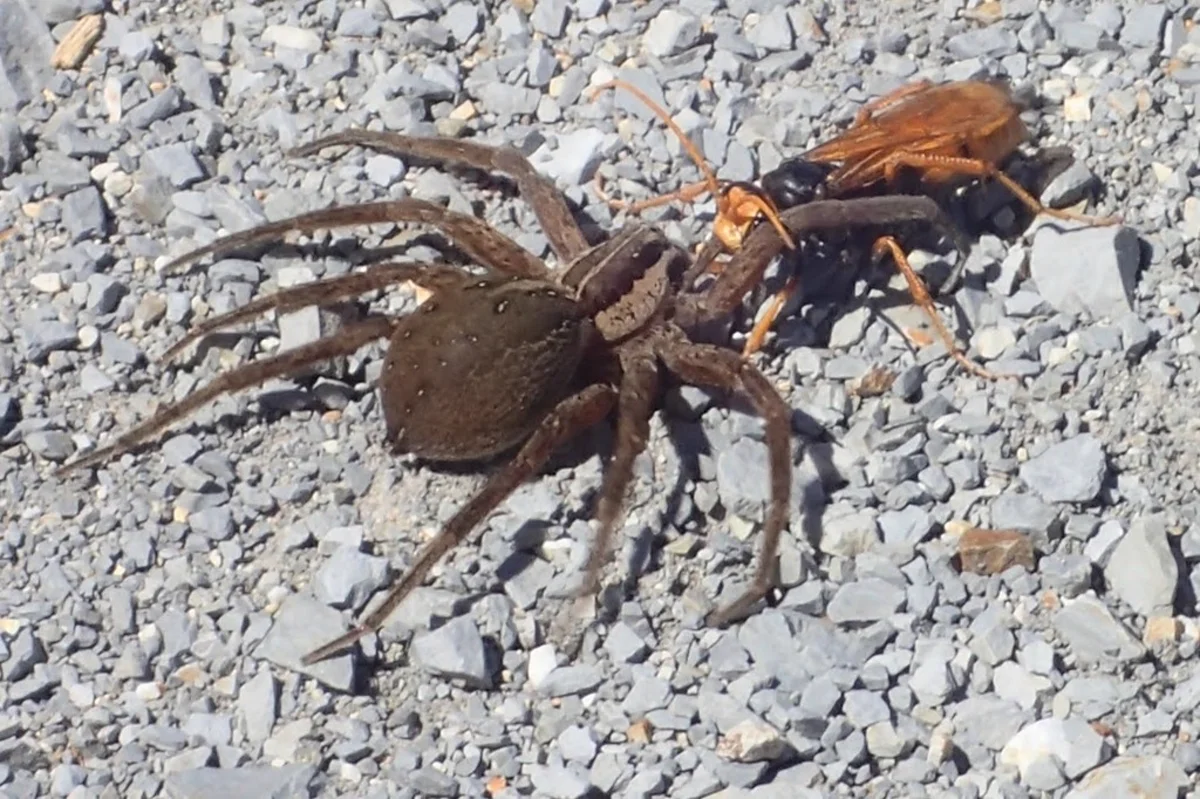
The hunting behavior of spider wasps is remarkable for its precision. Female spider wasps actively search for spiders, often hunting on the ground with characteristic nervous wing-flicking. When a suitable spider is located, the wasp approaches carefully and delivers a paralyzing sting near a major nerve center.
The wasp’s venom contains powerful neurotoxins called pompilidotoxins that prevent the spider from moving while keeping it alive. The paralyzed spider is then dragged to a nesting site. Unlike some other wasps that excavate burrows first, spider wasps typically capture their prey before digging.
The female constructs a shallow burrow, drags the paralyzed spider inside, and lays a single egg on the spider’s abdomen. She then seals the burrow. When the egg hatches, the larva feeds on the spider, carefully consuming non-vital organs first and saving the heart and nervous system for last. This strategy keeps the spider alive and fresh for as long as possible.
Diet
Adult spider wasps primarily feed on flower nectar. They serve as pollinators when visiting flowers for food. The spider prey is collected exclusively to feed larvae, not for adult consumption.
Seasonal Activity
Spider wasps are most active during warm months from late spring through early fall. They emerge when temperatures warm sufficiently and remain active throughout summer. Some species can overwinter as larvae in their cocoons within sealed burrows. In hot, arid regions of the Southwest, certain species remain active year-round when conditions permit.
Spider Wasp Sting Information
Spider wasp stings are notorious for their pain. Entomologist Justin O. Schmidt, creator of the Schmidt Sting Pain Index, rated the tarantula hawk sting as a 4 out of 4, the highest pain level on his scale. He described it as causing immediate, excruciating pain that completely shuts down the ability to do anything except scream.
Despite this fearsome reputation, spider wasp stings are not medically significant for most people. The intense pain typically subsides within 3 to 5 minutes, leaving no lasting effects. The venom is designed to paralyze spiders, not harm vertebrates. People with allergies to insect stings should exercise caution, but severe reactions are uncommon. If you experience symptoms beyond localized pain after a sting, such as difficulty breathing, swelling in areas away from the sting site, or dizziness, seek medical attention immediately. This information is not medical advice, and you should always consult a healthcare provider for concerns about insect stings.
Spider wasps are not aggressive toward humans. They will sting only if directly handled, stepped on, or trapped against skin. They do not guard food sources or actively pursue people like yellowjackets might. Walking near a hunting spider wasp or even near a burrow entrance rarely provokes a sting.
Spider Wasps Around the Home
Spider wasps occasionally cause concern for homeowners when nesting activity occurs in lawns, gardens, or near structures. Their presence often indicates a healthy spider population in the area.
Signs of Spider Wasp Activity
- Small holes or burrows in bare soil or sandy areas
- Large wasps hunting on the ground with nervous wing movements
- Wasps dragging paralyzed spiders across patios or walkways
- Adult wasps visiting flowers in garden areas
Benefits of Spider Wasps
Spider wasps provide natural spider control. A hunting female can remove many spiders from an area during a nesting season. For homeowners concerned about spider populations, spider wasps offer free pest management services.
Treatment Approaches for Spider Wasps
Spider wasps are generally considered beneficial insects and rarely require control. Their solitary nature and non-aggressive behavior mean they pose minimal risk to people going about normal outdoor activities.
When spider wasp activity becomes problematic, such as burrows appearing in high-traffic lawn areas or near play spaces, targeted treatments can discourage nesting. Insecticidal dust applied to burrow entrances in the evening when wasps are less active can eliminate individual nests. Treating the underlying spider population that attracts the wasps may also reduce activity.
Prevention Strategies
To discourage spider wasp nesting in specific areas:
- Maintain dense turf grass to reduce bare soil areas suitable for burrowing
- Apply mulch to garden beds where nesting is unwanted
- Address spider populations that may be attracting the wasps
- Avoid disturbing hunting wasps, which typically move on after finding prey
References
Other Wasps
Explore other species in the wasps family
Commonly Confused With
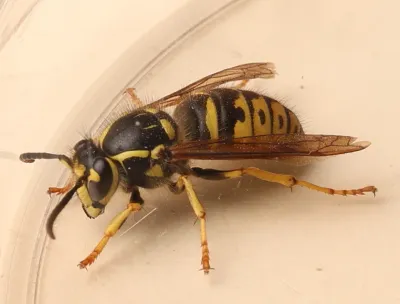
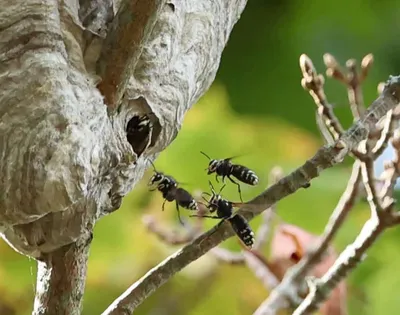
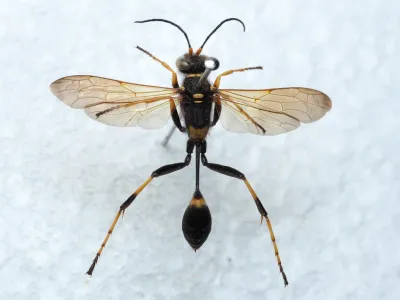
Spider Wasps are often mistaken for these similar pests
Where Spider Wasps Are Found
Hover over states to see their names. Green regions indicate where spider wasps have been reported.
Common Questions about Spider Wasps
Are spider wasps dangerous to humans?
+
Spider wasps are not aggressive toward people and rarely sting unless directly handled or threatened. However, their sting is extremely painful. The tarantula hawk's sting is rated among the most painful insect stings in the world, though the pain typically subsides within minutes.
Do spider wasps actually hunt spiders?
+
Yes, spider wasps are specialized spider predators. Female spider wasps hunt and paralyze spiders with their venom, then drag them to burrows where they lay eggs on the paralyzed prey. The wasp larvae feed on the living but immobilized spider.
What is a tarantula hawk?
+
Tarantula hawks are the largest spider wasps, belonging to the genera Pepsis and Hemipepsis. Found primarily in the southwestern United States, they can reach up to 2 inches in length and specifically hunt tarantulas to provision their nests.
Why do spider wasps have such a painful sting?
+
Spider wasp venom contains powerful neurotoxins called pompilidotoxins designed to paralyze spiders. While this venom is not dangerous to humans, it causes intense pain that typically lasts only a few minutes before subsiding.
Should I kill spider wasps in my yard?
+
Spider wasps are generally beneficial insects that help control spider populations. They are solitary and non-aggressive, posing little threat unless disturbed. Most homeowners can safely coexist with spider wasps unless nesting activity occurs in problematic locations.
How can I identify a spider wasp?
+
Spider wasps have distinctively long, spiny legs with the hind legs often reaching past the tip of the abdomen. Most species are dark black or blue-black, sometimes with metallic reflections. They characteristically flick their wings nervously while hunting on the ground.
Where do spider wasps build their nests?
+
Spider wasps typically dig shallow burrows in the ground for nesting. They capture and paralyze a spider first, then excavate a burrow nearby, drag the spider inside, lay an egg on it, and seal the burrow. Some species use existing cavities or even mud structures.

With five years of hands-on experience in the pest control industry, George Schulz is a registered technician with the Virginia Pest Management Association and a proud third-generation professional in a family business that's been protecting homes for over 57 years. He manages and trains a team of service pros while also leading internal research efforts—recently spearheading a deep-dive review of thousands of documents on pest control materials to hand-pick the most kid and pet friendly, most effective solutions tailored specifically for homes in the DC metro area.