Southern Yellowjackets Identification Guide
Vespula squamosa
A large, aggressive yellowjacket species known for building massive underground colonies that can persist year-round in warm climates.
Taxonomy
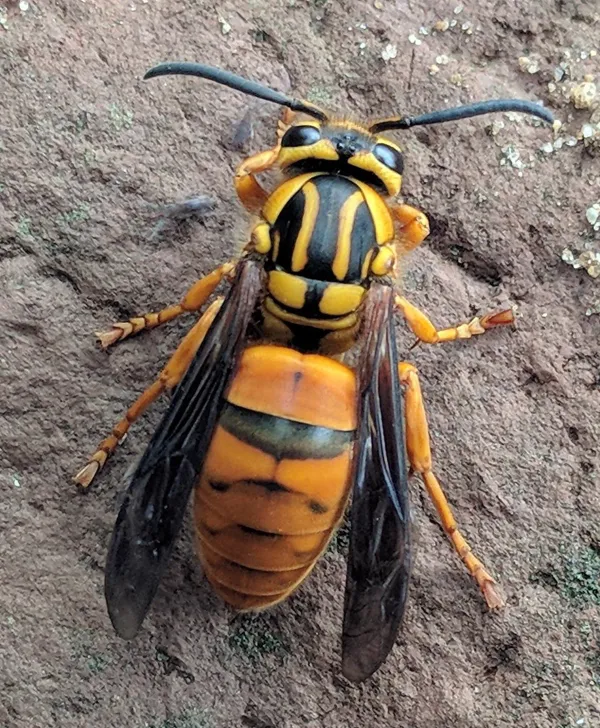
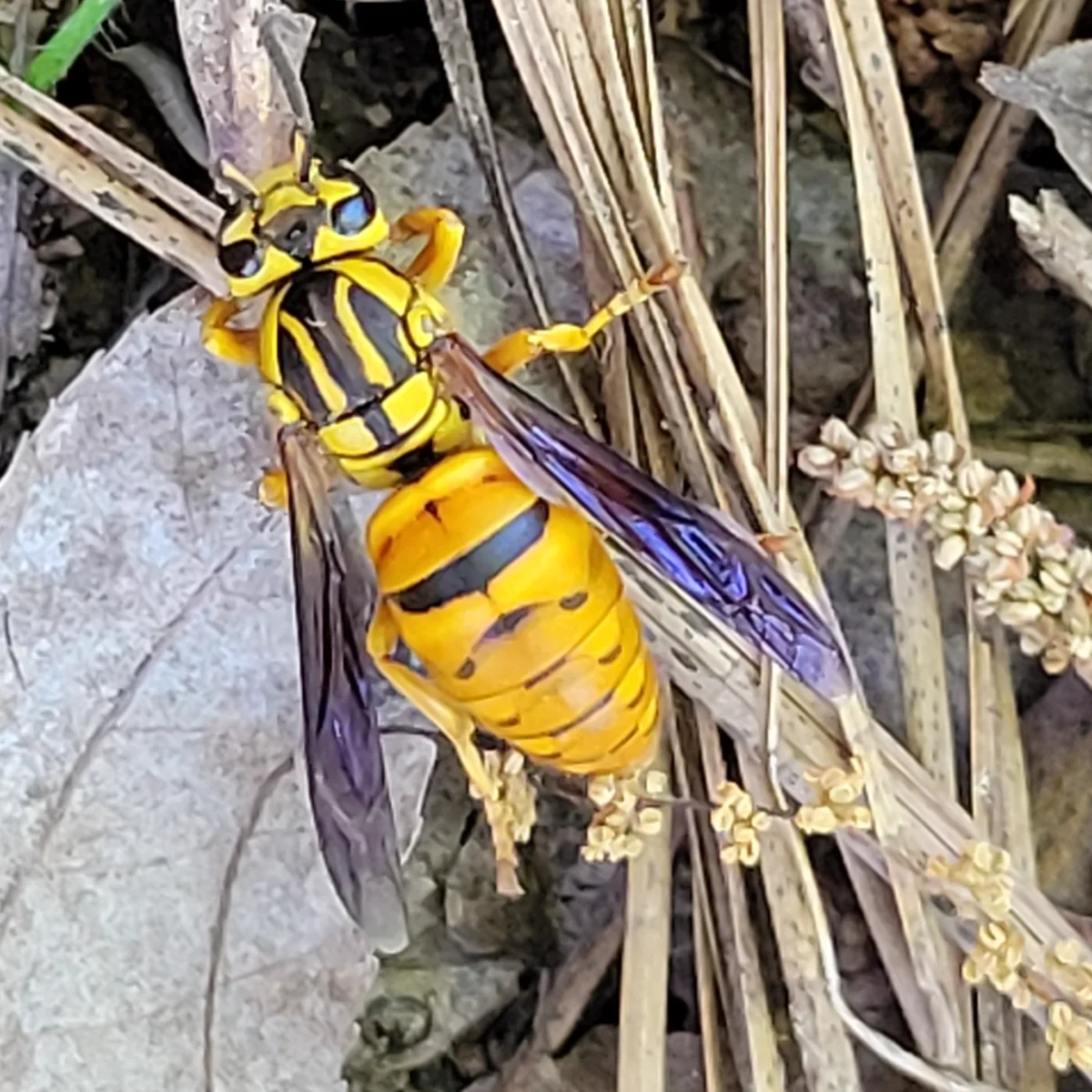
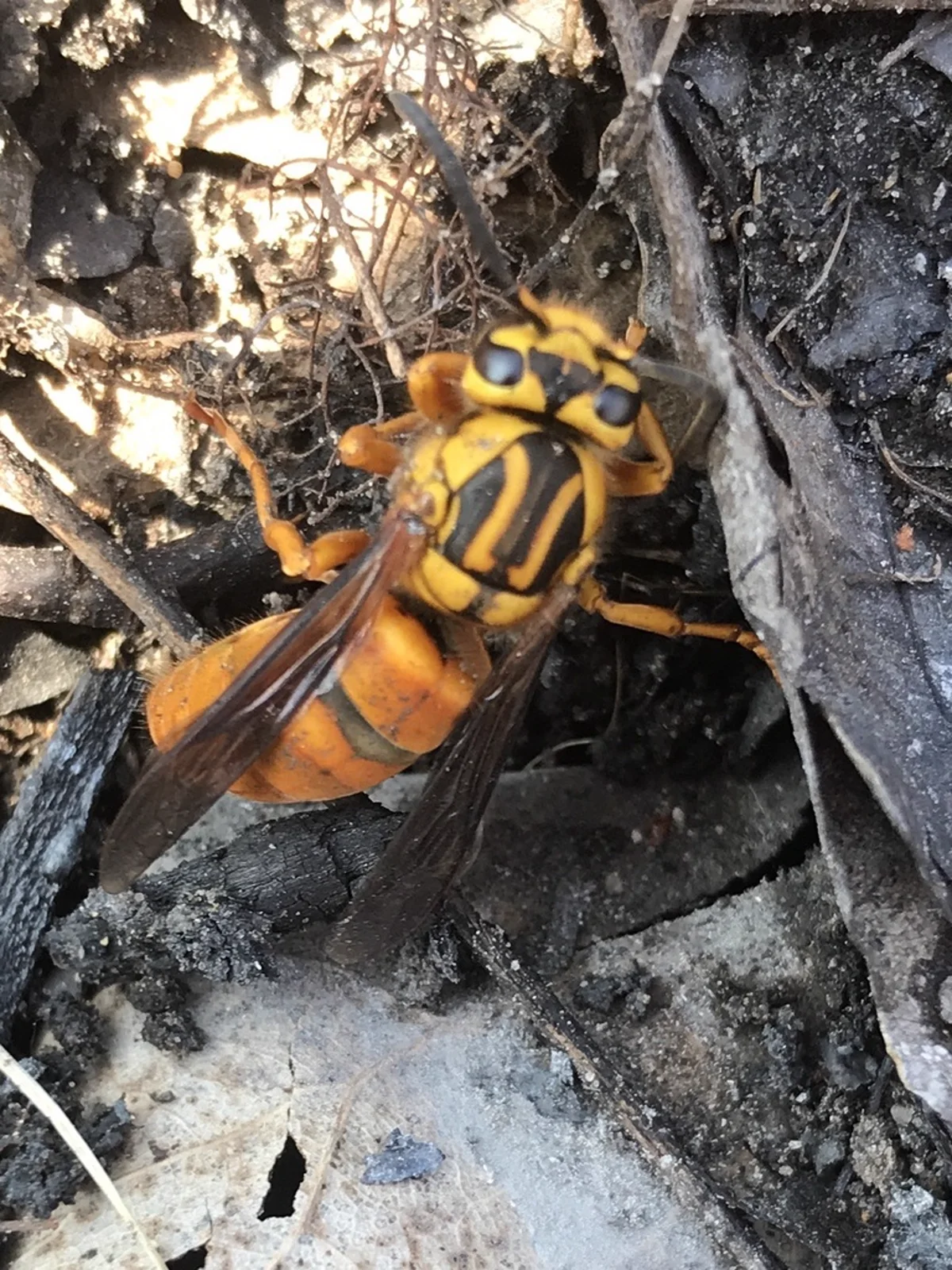
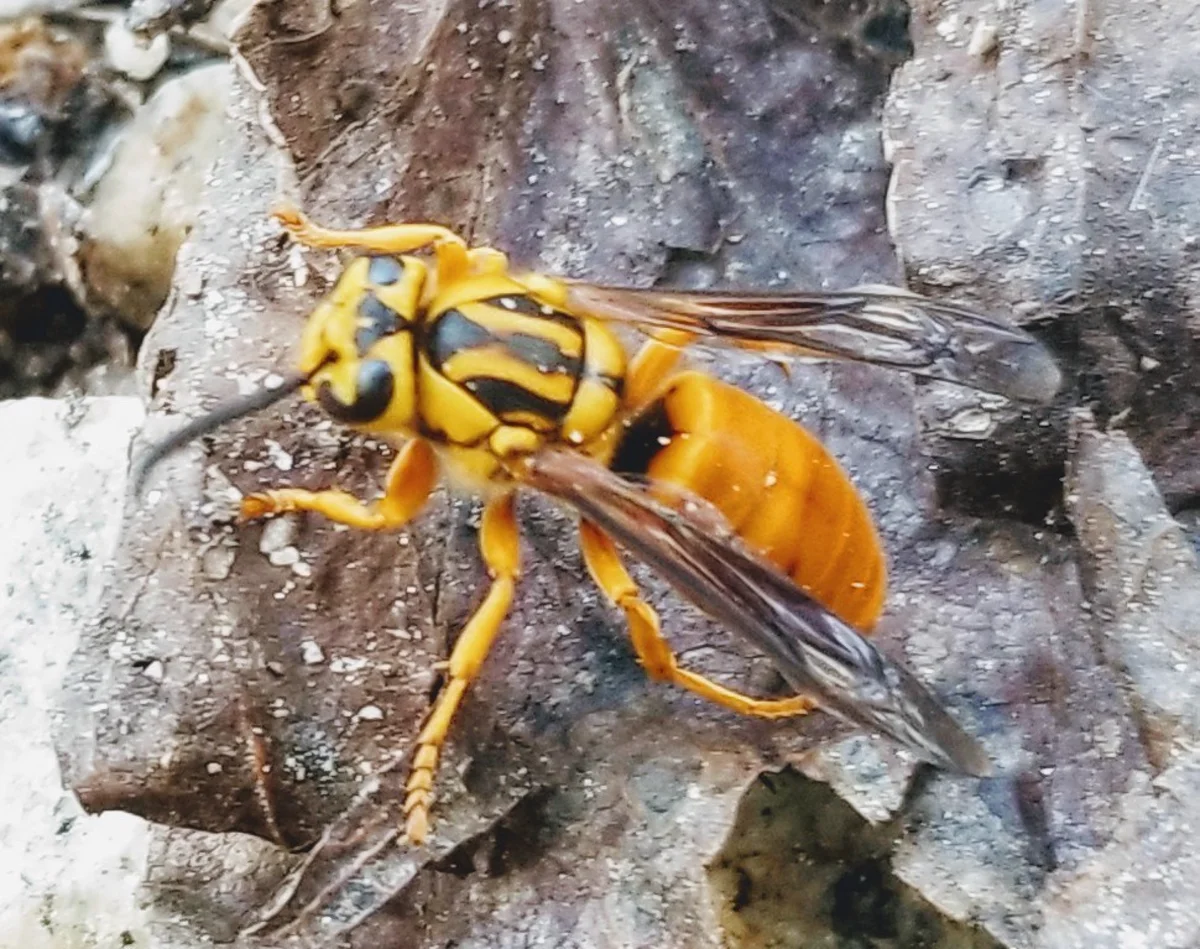
Southern Yellowjackets Coloration
Common color patterns to help identify southern yellowjackets
Southern Yellowjackets
Seasonal Activity
When southern yellowjackets are most active throughout the year

Where Southern Yellowjackets Are Found
Hover over states to see their names. Green regions indicate where southern yellowjackets have been reported.
Southern Yellowjacket Identification Guide
Physical Characteristics
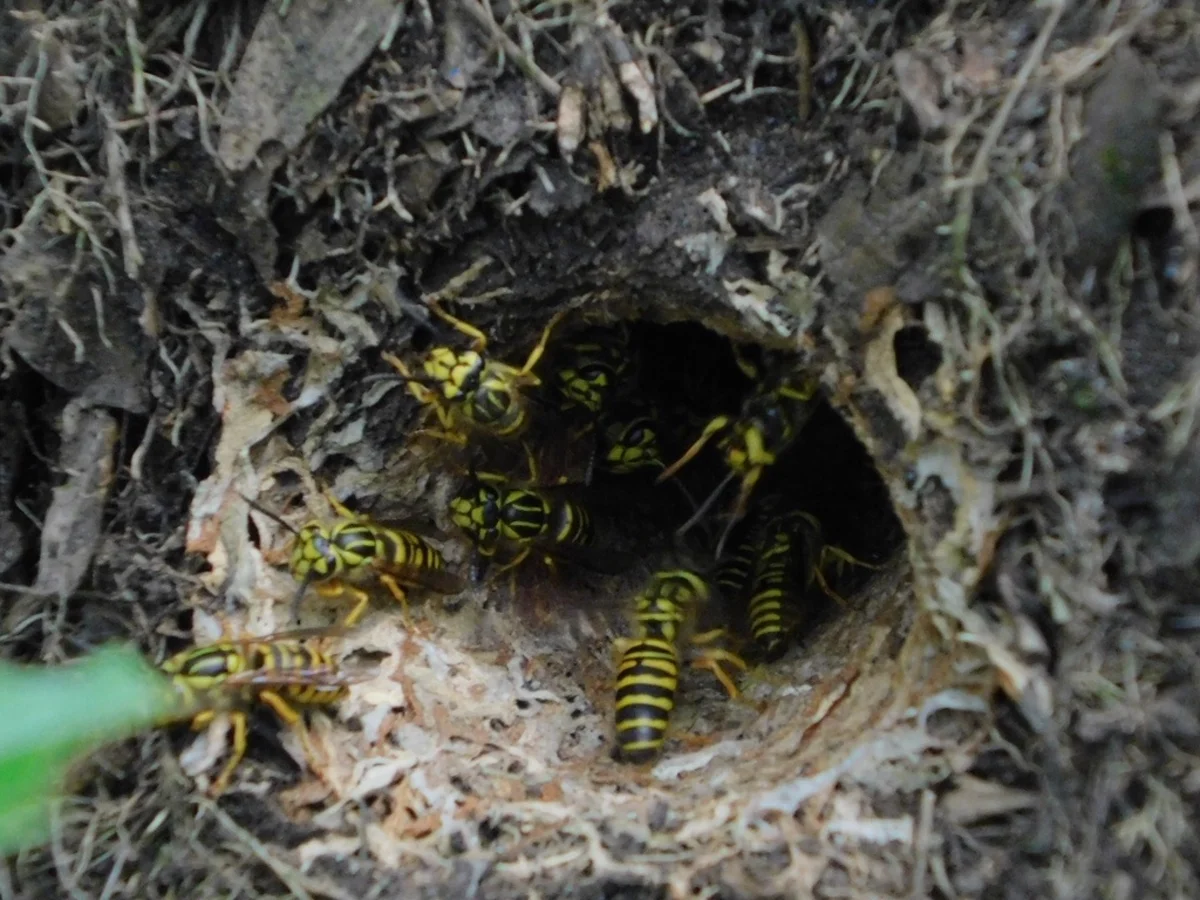
Southern yellowjackets (Vespula squamosa) have a key trait that makes them easy to spot. The queens look very different from the workers. This size gap is larger than in most other yellowjacket species.
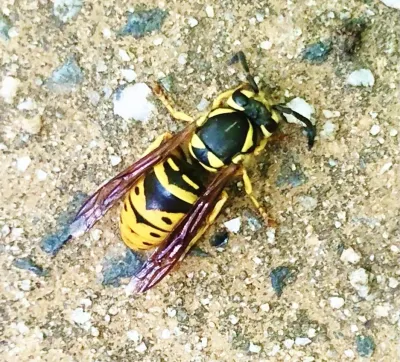
Queens are big. They measure 18-19mm long. Their bodies are mostly orange, not yellow like other yellowjackets. The orange color on the thorax sets them apart from workers. If you see an orange queen, you likely have a southern yellowjacket colony.
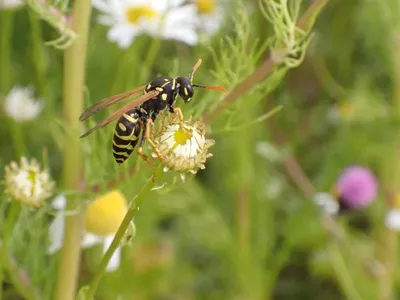
Workers are smaller at 12-16mm. They look more like typical yellowjackets with black and yellow bands on their bodies. Their clear wings fold lengthwise when at rest. Males look like workers but have longer antennae and no stingers. All southern yellowjackets have smooth bodies and a narrow waist.
Distinguishing Features
- Queens: Large with orange coloring instead of yellow
- Workers: Black and yellow bands, typical yellowjacket look
- Males: Look like workers but have longer antennae, no stinger
- Wings: Clear with a purple tint in bright light
Southern Yellowjacket Behavior and Biology
Habitat and Nesting
Southern yellowjackets live across the eastern United States. Their range runs from Connecticut to Florida and west to Texas. They also live in parts of Mexico and Central America. You will find them in yards, parks, roadsides, and pine forests. Homeowners dealing with Southern Yellowjackets may also encounter Wasp, which can appear in similar environments.
Most nests are built underground. Workers pick sites in old animal burrows or root hollows. They may also dig their own holes. Some colonies build nests in wall voids or attach them to tree limbs. They make their paper nests by chewing wood fibers and mixing them with saliva. A related species, Cow Killers, shares similar characteristics.
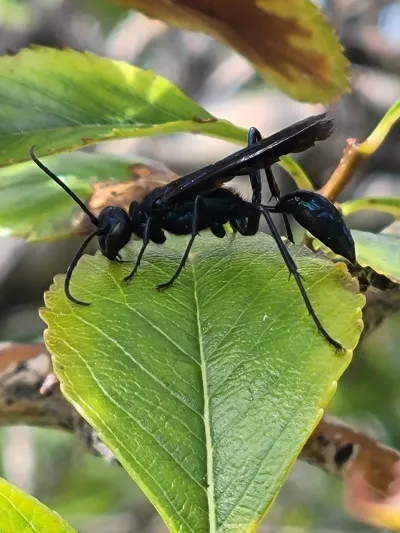
These colonies can grow very large. Annual nests hold between 1,000 and 5,000 workers at their peak. In Florida and other warm areas where nests survive winter, the numbers can top 100,000 workers. One nest found near Gainesville, Florida, had 14 comb levels and more than 120,000 cells. A related species, Great Black Wasps, shares similar characteristics.
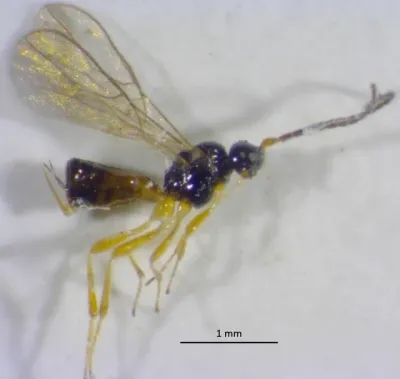
Social Parasitism A related species, Ichneumon Wasps, shares similar characteristics.
Southern yellowjackets have an odd link with eastern yellowjackets (Vespula maculifrons). In spring, southern queens sometimes invade nests built by eastern queens. The larger southern queen kills or chases out the eastern queen. She then takes over the nest. The eastern workers end up raising southern yellowjacket young. This is called social parasitism. A related species, Potter Wasps, shares similar characteristics.
This trick lets southern queens skip the risky early phase of starting a colony alone. It also explains why southern yellowjackets are often found near eastern yellowjackets.
Perennial Colonies
Southern yellowjackets can form colonies that last for years in warm climates. Most yellowjacket species die off each winter. Only new queens survive to start fresh nests in spring. But southern yellowjacket colonies in Florida and the Gulf Coast can live year after year.
These long-lasting nests have many queens laying eggs at once. Some nests have more than 100 queens. With many queens and no winter die-off, these nests grow huge. The largest one on record stood about 8 feet tall and had over 50 comb layers.
Defense and Aggression
Southern yellowjackets will attack if you disturb their nest. When they sense a threat, they release chemicals that tell other workers to attack. Workers fly out and sting anything near the nest. Unlike honey bees, they can sting over and over without dying.
The danger grows with the size of the colony. A small nest with a few thousand workers is risky. A large nest with tens of thousands of workers can sting you hundreds of times. This makes southern yellowjackets one of the most dangerous stinging wasps in North America.
How We Treat for Southern Yellowjackets
We use the same careful steps for southern yellowjackets as we do for other yellowjacket species. Finding the nest comes first.
-
Nest Location: We look for wasps flying in and out of a hole in the ground, a gap in a wall, or another entry point. Southern yellowjacket nests are usually underground but can also be in walls or attached to structures.
-
Underground Nest Treatment: We apply insecticide into the nest entrance and the soil around it. Dust goes deep into the colony and stays active as workers move through treated areas.
-
Wall Void Treatment: For nests inside walls, we apply dust into the entrance and any other openings. Foam products can fill voids and reach the insects. Follow-up visits are often needed because of the colony size.
-
Treatment Timing: We treat in the early morning or evening when wasps are less active. Most workers stay inside the nest at these times. We never seal nest entrances because this can push yellowjackets to chew through walls and enter your home.
-
Customer Guidance: After treatment, we suggest sealing entry points and removing food sources from outdoor areas.
We offer free callbacks if the issue returns between services. Large colonies may need follow-up visits for full control.
References
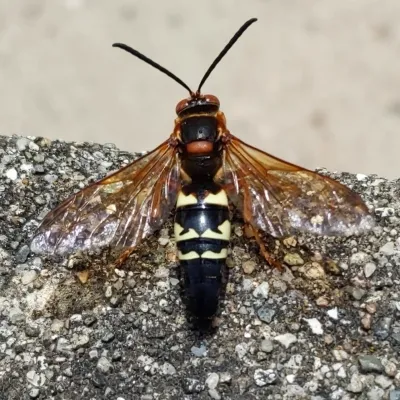
Other Wasps
Explore other species in the wasps family
Commonly Confused With
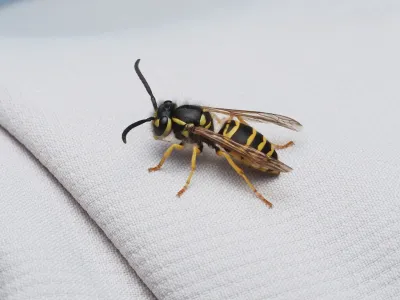
Southern Yellowjackets are often mistaken for these similar pests
Where Southern Yellowjackets Are Found
Hover over states to see their names. Green regions indicate where southern yellowjackets have been reported.
Common Questions about Southern Yellowjackets
How do I identify a southern yellowjacket?
+
Southern yellowjackets have black and yellow bands like other yellowjackets, but their queens are distinctly different. Queens are much larger and have predominantly orange coloring instead of yellow. Workers are 12-16mm long with typical yellowjacket markings. The species shows extreme size differences between queens and workers.
Where do southern yellowjackets build their nests?
+
Southern yellowjackets build nests primarily underground in disturbed areas like yards, parks, and roadsides. They may also nest in wall voids or above ground. Their nests can grow extremely large, with some reaching over 8 feet in height and containing more than 50 combs.
Are southern yellowjackets dangerous?
+
Yes. Southern yellowjackets are highly aggressive nest defenders. They can sting multiple times and use alarm pheromones to coordinate mass attacks. Their colonies can contain over 100,000 workers in warm climates, making disturbed nests extremely dangerous.
Do southern yellowjackets have perennial nests?
+
Yes, in warm southern climates. Unlike most yellowjacket species where colonies die each winter, southern yellowjacket colonies can survive year-round in Florida and the Gulf Coast. These perennial nests grow much larger and can have over 100 queens.
What makes southern yellowjackets different from eastern yellowjackets?
+
Southern yellowjackets have larger, orange-colored queens compared to the more typical yellowjacket coloring of eastern yellowjackets. Southern yellowjackets are also social parasites that sometimes take over eastern yellowjacket nests. They can form perennial colonies in warm climates while eastern yellowjacket colonies are strictly annual.
When are southern yellowjackets most active?
+
Southern yellowjackets are active year-round in warmer climates. In areas with cold winters, they follow a typical pattern with peak activity from late summer through fall. Colonies reach their largest size in September and October.
What do southern yellowjackets eat?
+
Adults feed on nectar and sweet substances. Workers hunt insects and scavenge protein sources to feed their larvae. They are attracted to picnics and outdoor gatherings where they seek out sugary drinks and meats.

With five years of hands-on experience in the pest control industry, George Schulz is a registered technician with the Virginia Pest Management Association and a proud third-generation professional in a family business that's been protecting homes for over 57 years. He manages and trains a team of service pros while also leading internal research efforts—recently spearheading a deep-dive review of thousands of documents on pest control materials to hand-pick the most kid and pet friendly, most effective solutions tailored specifically for homes in the DC metro area.