Solitary Wasps Identification Guide
Sphecidae and Crabronidae families
Solitary wasps are non-aggressive hunting wasps that live alone rather than in colonies. Despite their size, these beneficial insects rarely sting and help control pest insect populations.
Taxonomy
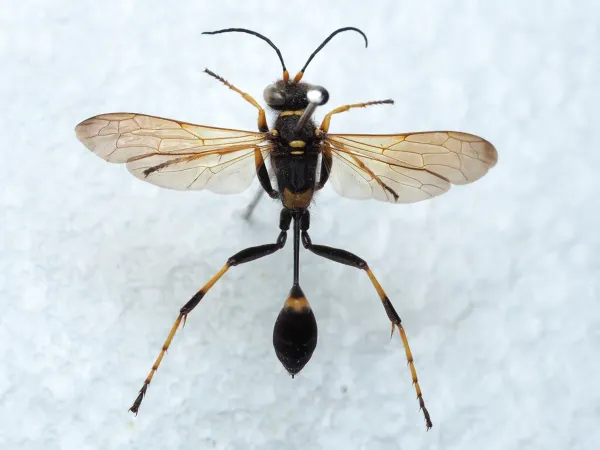
Solitary Wasps Coloration
Common color patterns to help identify solitary wasps
Solitary Wasps
Seasonal Activity
When solitary wasps are most active throughout the year

Where Solitary Wasps Are Found
Hover over states to see their names. Green regions indicate where solitary wasps have been reported.
Solitary Wasp Identification Guide
Physical Characteristics
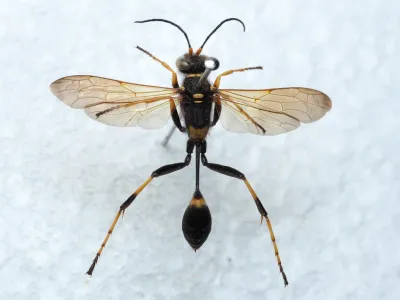
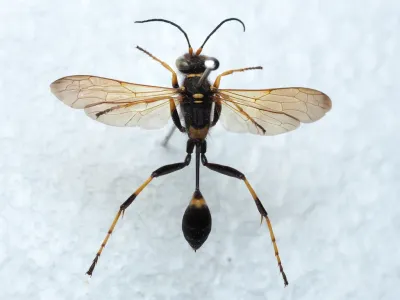
Solitary wasps vary widely in size and color depending on the species. They range from half an inch to nearly two inches in length. Most share a slender body shape with a narrow waist connecting the thorax to the abdomen. This thin waist is especially dramatic in thread-waisted wasps where it appears almost like a thin stalk.
Their bodies are smooth and shiny with few hairs. This separates them from bees, which have fuzzy bodies covered in fine hairs. Solitary wasps have two pairs of wings that fold flat along their backs when at rest. Their legs are long and often hang down visibly during flight.
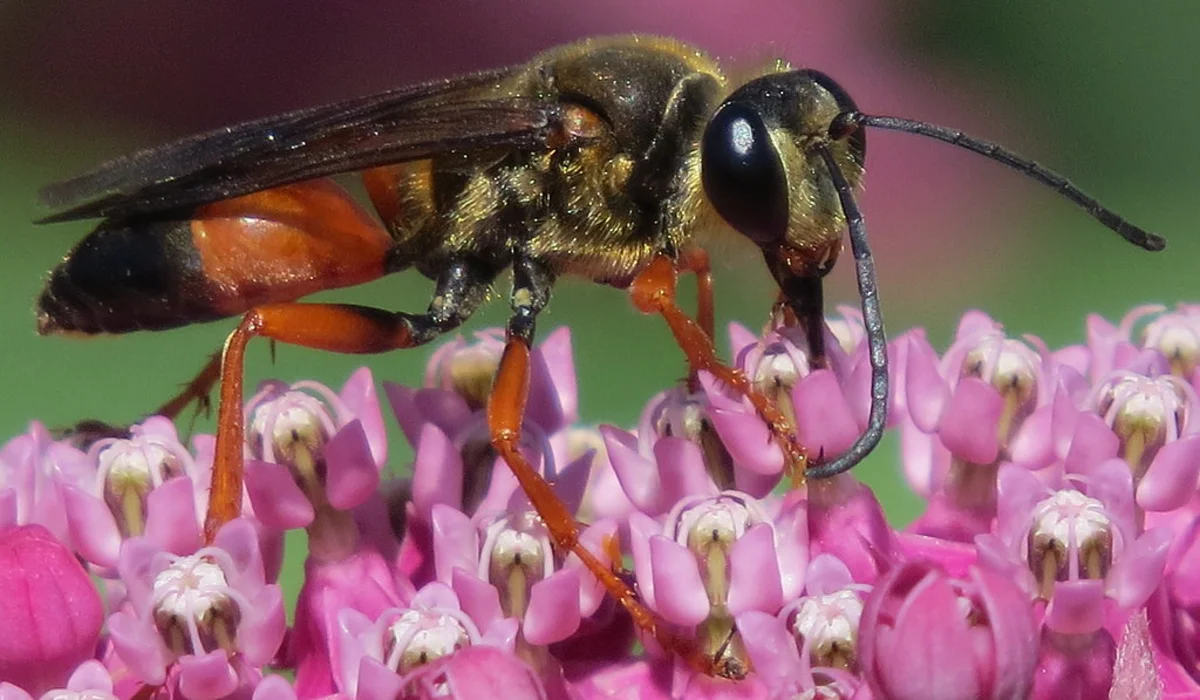
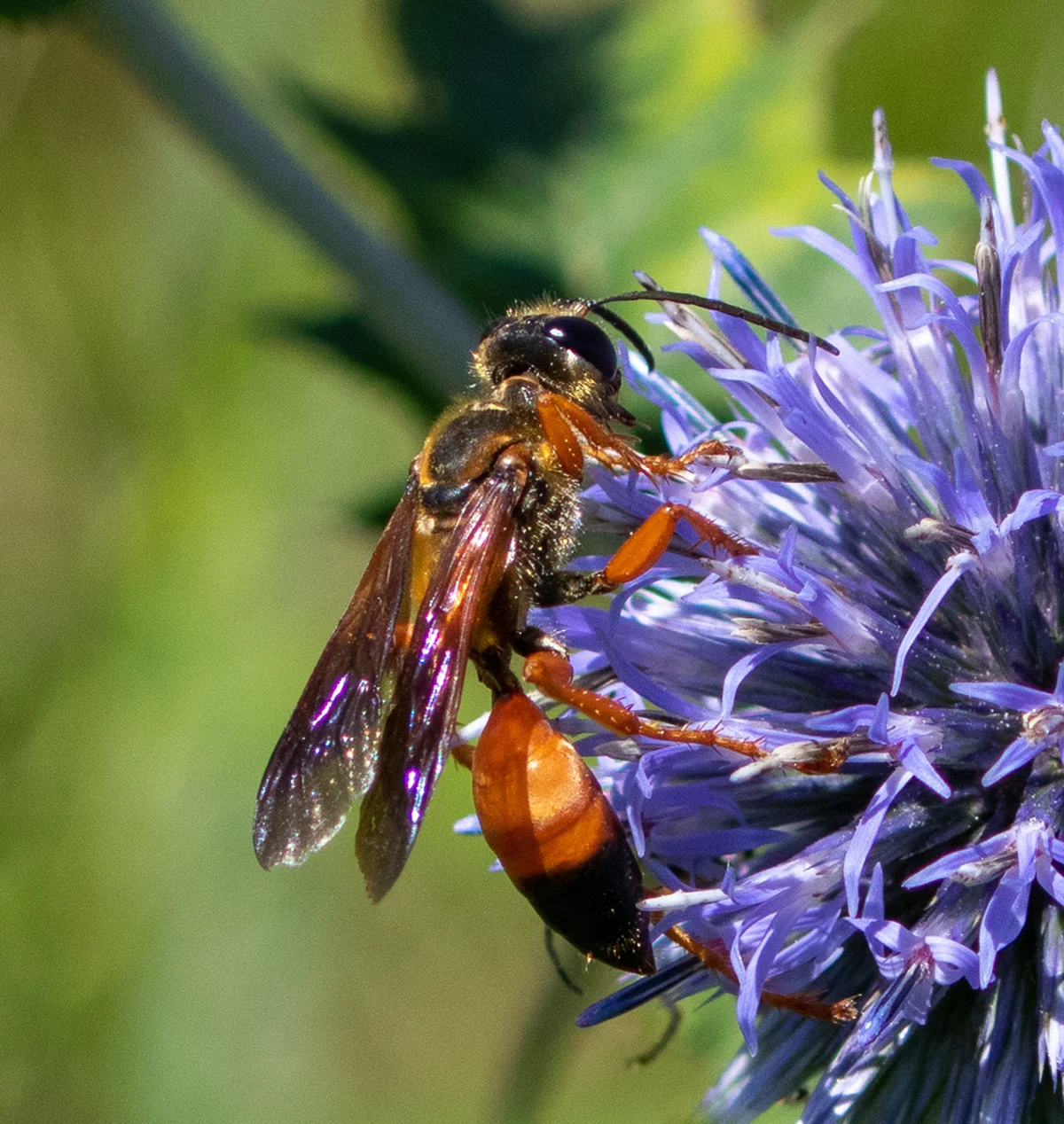
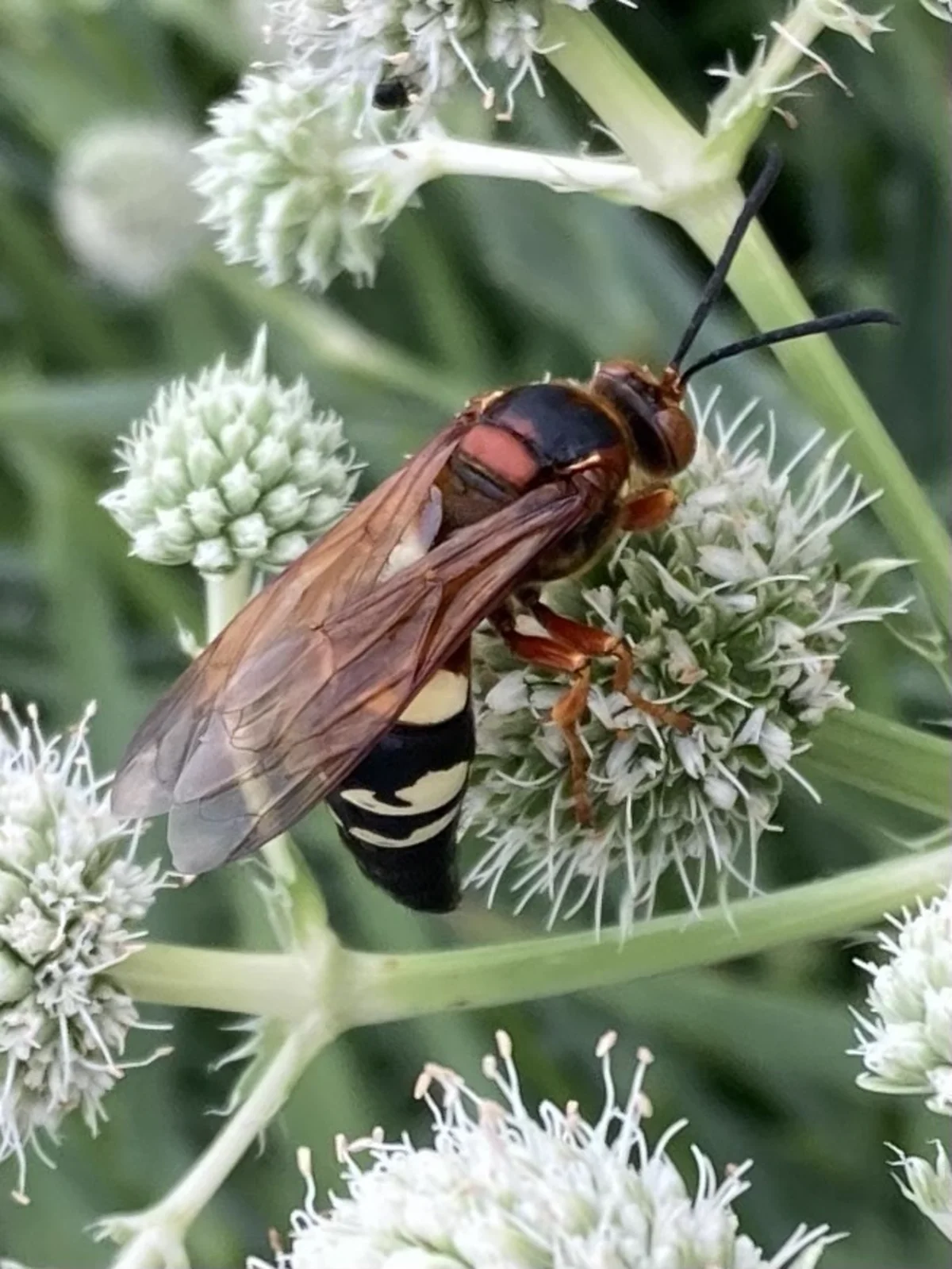
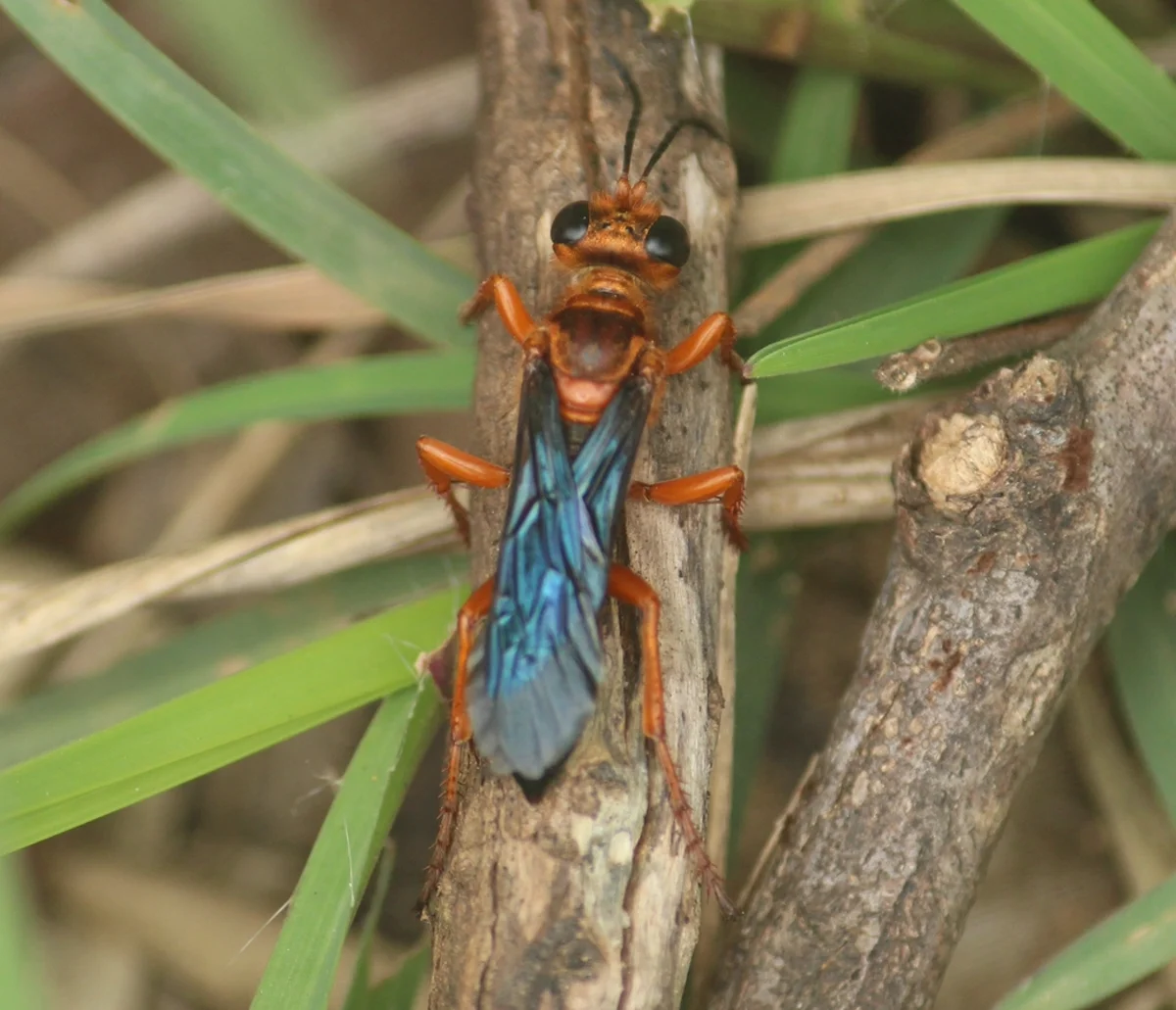
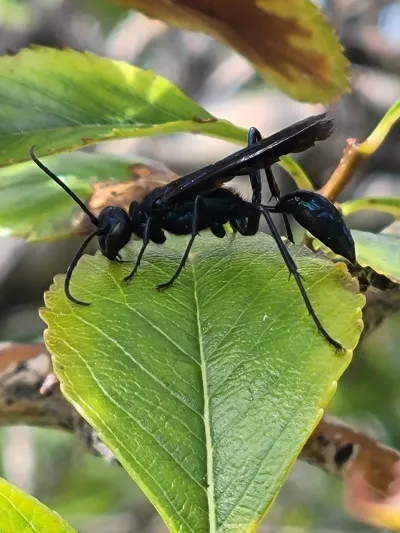
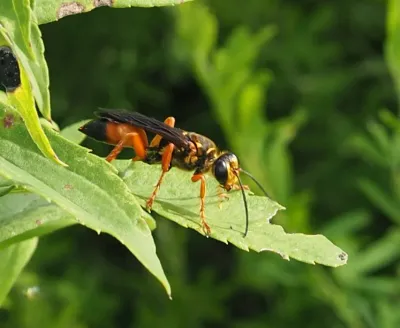
Colors vary by species. Common colors include black, yellow, orange, blue, and metallic sheens. Many have banded patterns of black and yellow or black and orange. Some species display striking iridescent blues and purples when sunlight hits their bodies.
Common Species
Several groups of solitary wasps are common across North America:
-
Mud Daubers (Sceliphron, Chalybion spp.): Slender wasps with an extremely thin waist. They build tube-shaped mud nests under eaves and in sheltered spots. Colors include black and yellow or metallic blue. They hunt spiders to provision their nests.
-
Digger Wasps (Sphex spp.): Large wasps measuring up to 1.5 inches. The great golden digger wasp has orange legs and golden hairs on its thorax. They dig burrows in sandy soil and hunt grasshoppers and crickets.
-
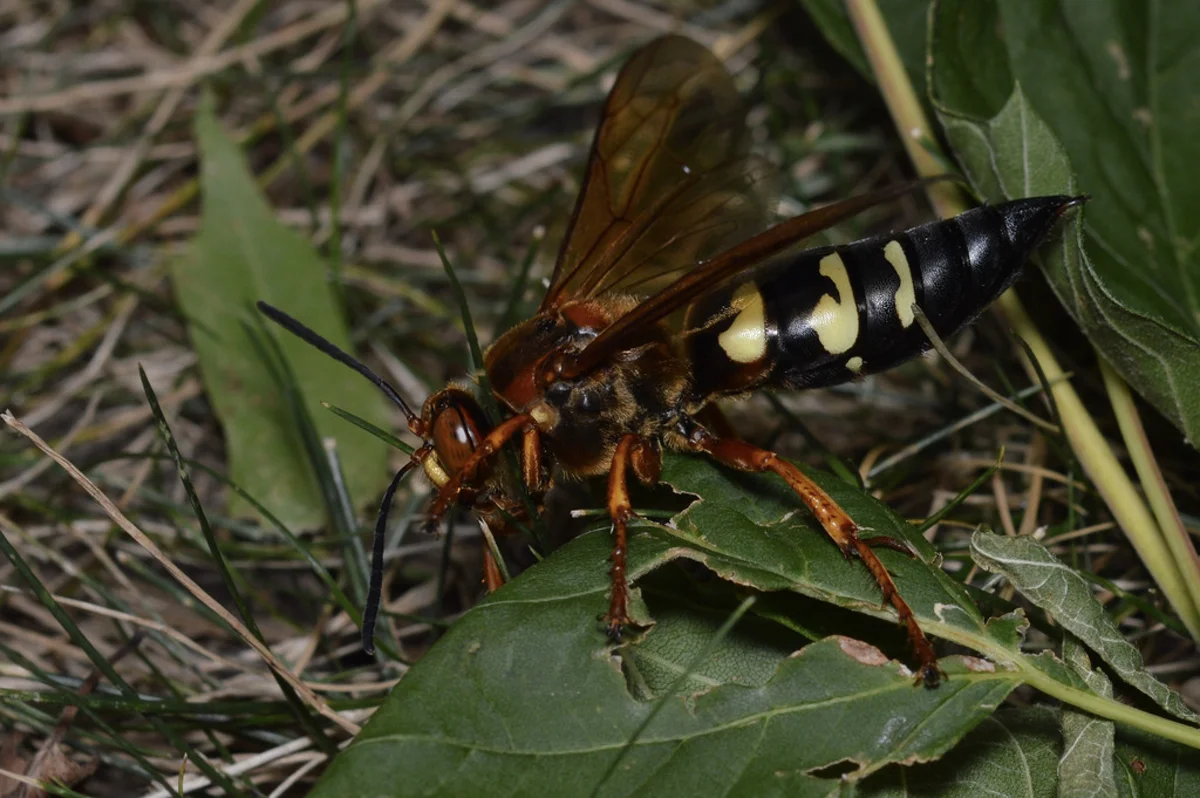
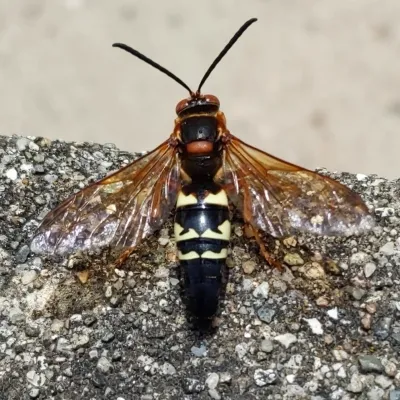
Cicada Killers (Sphecius speciosus): Among the largest wasps in North America at up to 2 inches long. They have black bodies with yellow banding similar to yellowjackets but are much larger. They hunt cicadas and nest in soil burrows.
-
Sand Wasps (Bembix spp.): Medium-sized wasps about half to three-quarters inch long. They have black bodies with white or yellow bands. They nest in sandy soil including beaches and playgrounds.
-
Potter Wasps (Eumenes spp.): Small to medium wasps that build distinctive pot-shaped mud nests. They often attach single cells to twigs or under overhangs. They hunt caterpillars and beetle larvae.
Solitary Wasp Behavior and Biology
The key trait that defines solitary wasps is their independent lifestyle. Unlike social wasps that live in colonies with queens and workers, each female solitary wasp works alone. She builds her own nest, hunts her own prey, and provisions her own eggs. There is no cooperation between individuals even when many wasps nest close together.
Nesting Habits
Solitary wasps use several different nesting strategies. Ground-nesting species like digger wasps and cicada killers dig burrows in sandy or loose soil. The female excavates a tunnel with one or more chambers at the end. Mud-nesting species like mud daubers and potter wasps construct nests from mud they gather at puddle edges. They build cells that they attach to walls, under eaves, or in sheltered spots.
A few species like mason wasps and grass carrier wasps nest in existing cavities like hollow plant stems, beetle holes in wood, or gaps in masonry. Some species use abandoned nests of other wasps or bees rather than building from scratch.
Hunting and Provisioning
Adult solitary wasps feed on flower nectar for energy. However, their larvae need protein to develop. The female wasp hunts insects or spiders specific to her species. Mud daubers specialize in spiders. Digger wasps hunt grasshoppers and crickets. Cicada killers take cicadas. Sand wasps provision their nests with flies.
The wasp stings her prey to inject paralyzing venom. The prey remains alive but immobile. She carries it back to her nest and places it in a cell. She may stock a single cell with multiple paralyzed insects. Then she lays an egg on or near the prey and seals the cell. The larva hatches and feeds on the still-living provisions.
Life Cycle
Most solitary wasps produce one generation per year. Adults emerge in late spring or early summer. Mating occurs soon after emergence. Females spend the summer building nests and provisioning them with prey. Each female may construct and provision multiple cells over her lifetime of one to two months.
Larvae develop inside sealed cells, feeding on the paralyzed prey their mother provided. After consuming their food supply, they spin cocoons and enter a dormant stage. They spend the winter as pupae inside their cells. They transform into adults the following spring and emerge to repeat the cycle.
Why Solitary Wasps Are Beneficial
Solitary wasps provide valuable pest control services. They prey on many insects that damage gardens and crops. Cicada killers help reduce cicada populations that stress trees. Digger wasps consume grasshoppers and crickets that eat vegetation. Mud daubers hunt spiders, including species like black widows.
Adult wasps also contribute to pollination while visiting flowers for nectar. While not as effective as bees, they move pollen between flowers during their feeding.
Their non-aggressive nature means they coexist easily with people. They go about their business without bothering humans. They do not defend their nests the way yellowjackets or hornets do.
When Solitary Wasps Become a Concern
Most of the time, solitary wasps can be left alone. They pose little threat and provide benefits. However, there are situations where their activity may need to be addressed:
-
High-traffic areas: Ground-nesting wasps in lawns, playgrounds, or near walkways may cause concern even though sting risk is low.
-
Large numbers: When many wasps nest in one area, the constant activity can alarm people unfamiliar with their harmless nature.
-
Mud nests on structures: While harmless, mud dauber nests on visible surfaces may be unwanted for appearance reasons.
-
Allergic individuals: People with severe sting allergies may want nesting activity reduced near their homes as a precaution.
Managing Solitary Wasp Activity
When solitary wasps nest in problem areas, several approaches can help:
-
Wait it out: The nesting season lasts only a few months. Activity naturally declines by fall. This is often the simplest solution.
-
Habitat changes: Ground-nesting wasps prefer bare, sandy soil in sunny spots. Thick grass, mulch, or regular watering makes areas less attractive for nesting.
-
Physical removal: Mud nests can be scraped off surfaces after the nesting season ends. This prevents the same spot from being reused.
-
Professional help: For nesting in high-concern areas, a pest control professional can assess the situation. They can treat individual burrows or apply products to discourage nesting in specific zones.
The goal with solitary wasps is usually management rather than elimination. Their benefits often outweigh any minor inconvenience. Understanding their harmless nature helps people coexist with these helpful insects.
References
Other Wasps
Explore other species in the wasps family
Commonly Confused With
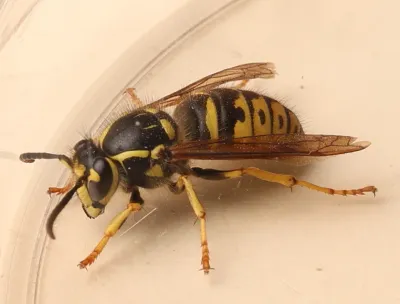
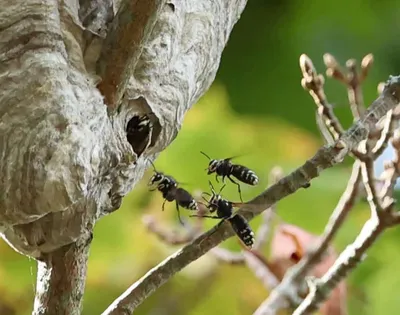
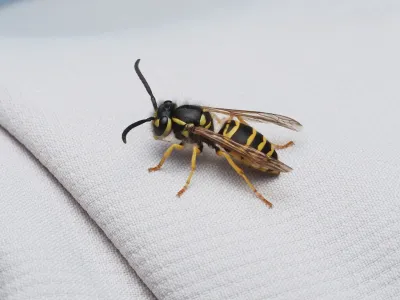
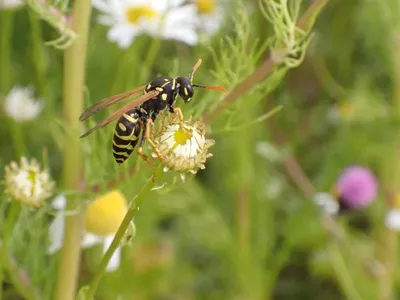
Solitary Wasps are often mistaken for these similar pests
Where Solitary Wasps Are Found
Hover over states to see their names. Green regions indicate where solitary wasps have been reported.
Common Questions about Solitary Wasps
Are solitary wasps dangerous?
+
Solitary wasps are not dangerous to people. They lack the aggressive defensive behavior of social wasps like yellowjackets. They rarely sting unless directly handled or stepped on. Their venom is mild and males cannot sting at all.
What is the difference between solitary wasps and social wasps?
+
Solitary wasps live alone with each female building her own nest. Social wasps like yellowjackets live in colonies with hundreds or thousands of workers. Solitary wasps do not defend their nests aggressively and rarely sting people.
Why are solitary wasps digging holes in my yard?
+
Many solitary wasps nest in the ground. Female wasps dig burrows in sandy or loose soil to lay eggs. They stock the burrow with paralyzed insects for their larvae to eat. The small mounds of dirt are temporary and cause no lasting damage.
Do solitary wasps sting?
+
Female solitary wasps can sting but rarely do so. They use their stingers mainly to paralyze prey insects. They only sting people when directly handled or trapped against skin. Male solitary wasps cannot sting.
Should I kill solitary wasps?
+
Solitary wasps are beneficial insects that help control pest populations. They prey on grasshoppers, crickets, spiders, and other insects. They pose little threat to people and are best left alone when possible.
What do solitary wasps eat?
+
Adult solitary wasps feed on flower nectar. They hunt insects and spiders to feed their larvae. Different species specialize in different prey. Mud daubers hunt spiders while cicada killers hunt cicadas and digger wasps hunt grasshoppers.
How can I tell solitary wasps apart from bees?
+
Solitary wasps have smooth, shiny bodies with few hairs. Bees have fuzzy, hairy bodies and legs often covered with pollen. Wasps have a narrow waist while bees have thicker waists. Wasps also have longer, more slender legs.

With five years of hands-on experience in the pest control industry, George Schulz is a registered technician with the Virginia Pest Management Association and a proud third-generation professional in a family business that's been protecting homes for over 57 years. He manages and trains a team of service pros while also leading internal research efforts—recently spearheading a deep-dive review of thousands of documents on pest control materials to hand-pick the most kid and pet friendly, most effective solutions tailored specifically for homes in the DC metro area.