Red Paper Wasps Identification Guide
Polistes carolina and Polistes rubiginosus
Red paper wasps are social stinging insects with distinctive rust-red coloring. They build open, umbrella-shaped nests in sheltered locations and can become a concern when nesting near homes.
Taxonomy
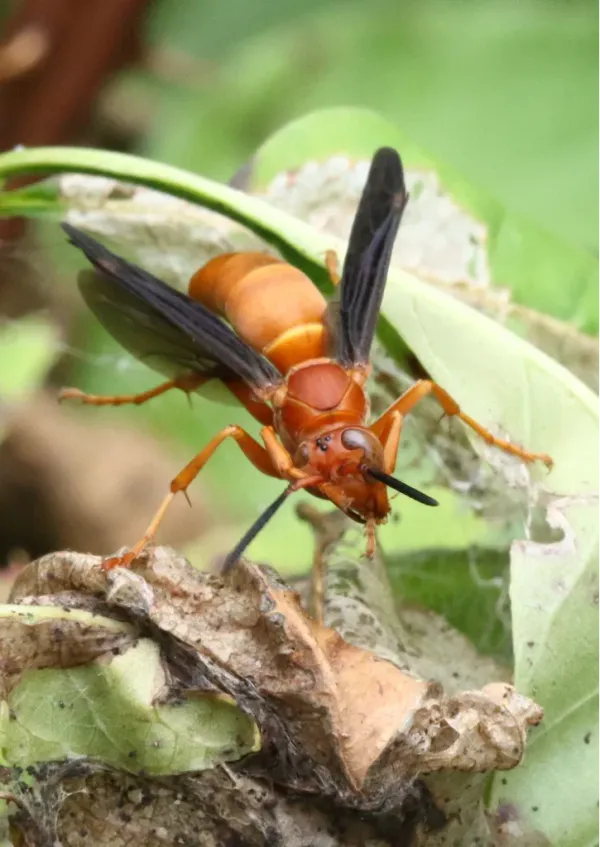
Red Paper Wasps Coloration
Common color patterns to help identify red paper wasps
Red Paper Wasps
Seasonal Activity
When red paper wasps are most active throughout the year

Where Red Paper Wasps Are Found
Hover over states to see their names. Green regions indicate where red paper wasps have been reported.
Red Paper Wasps Identification Guide
Physical Characteristics
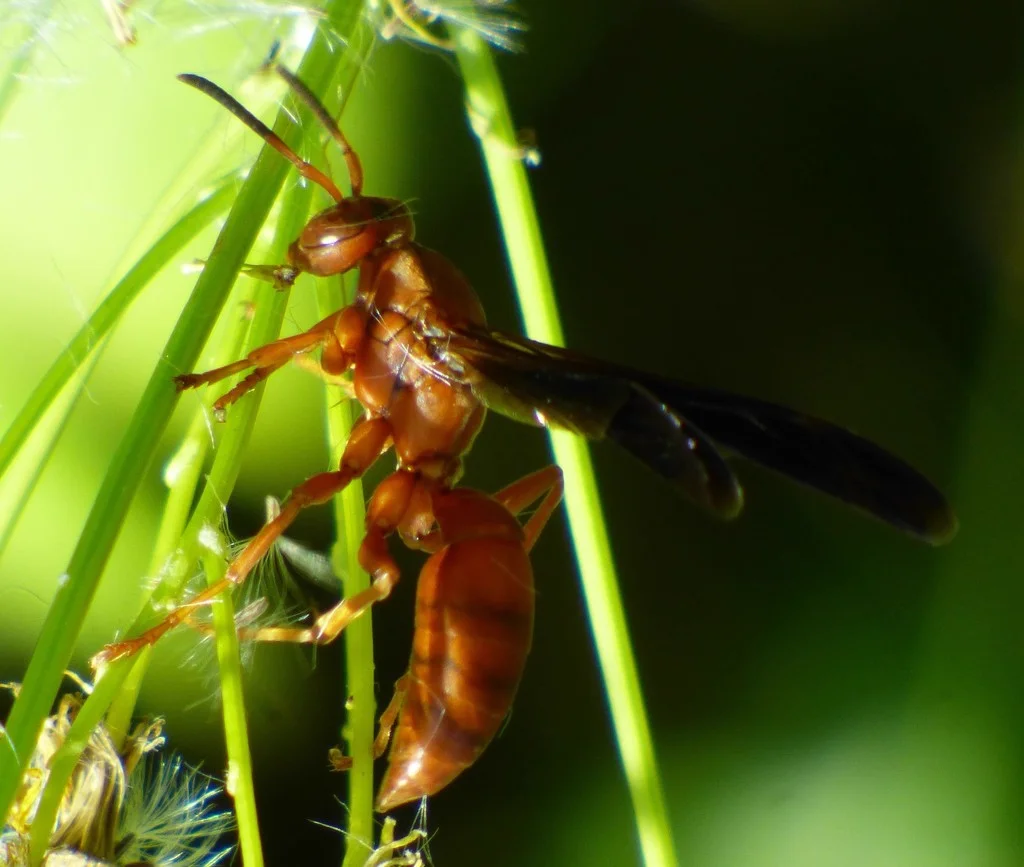
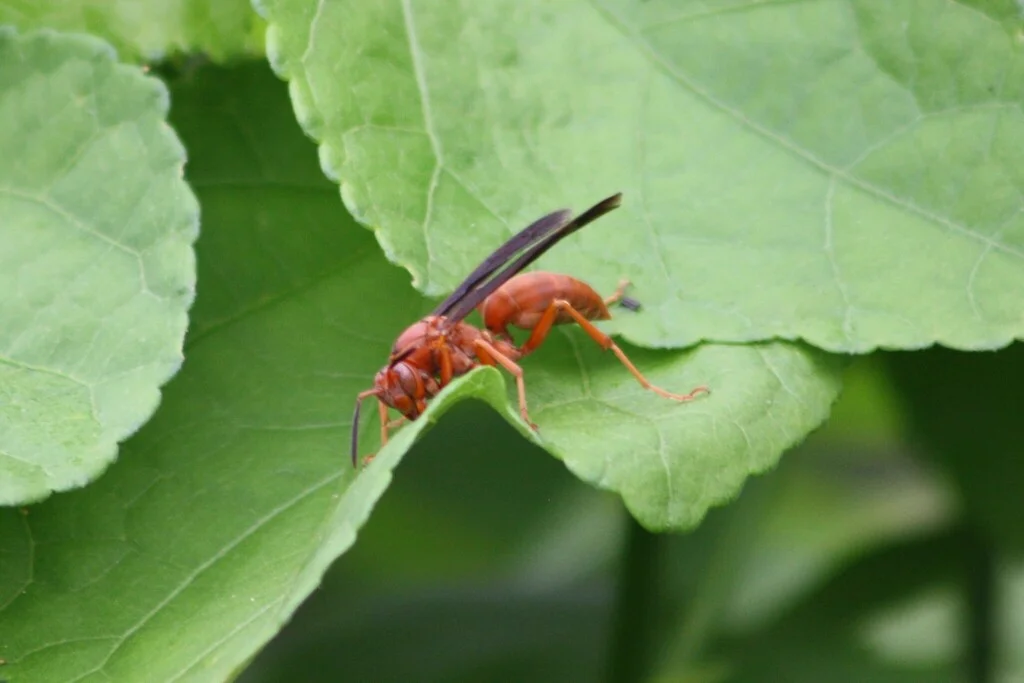
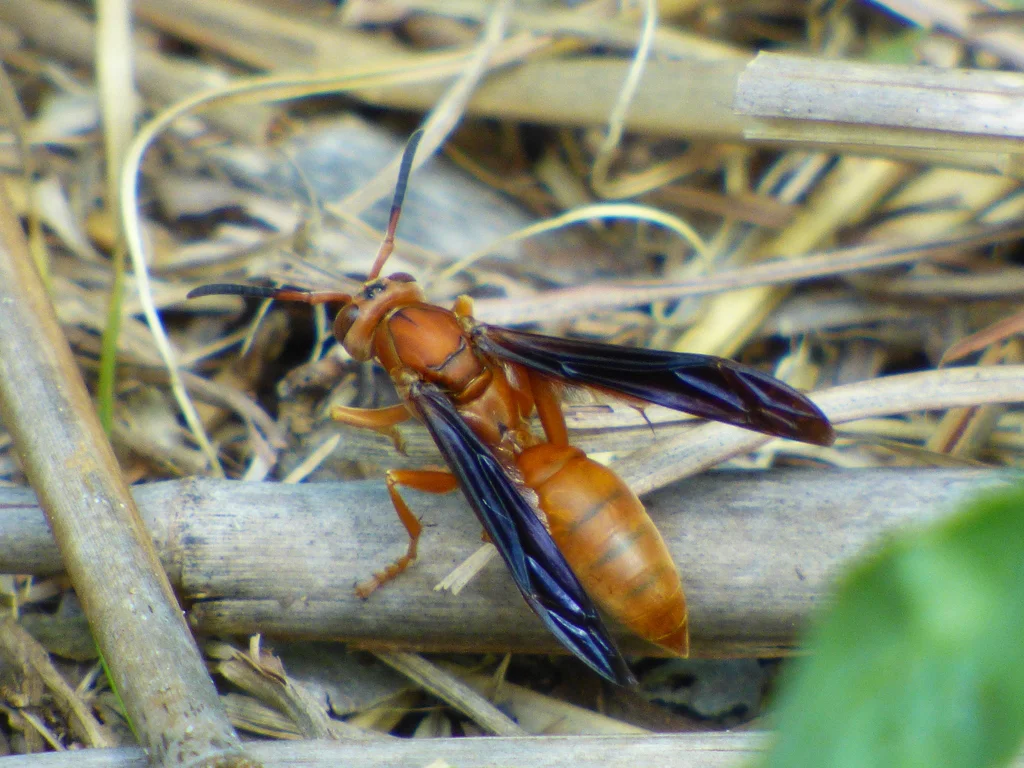
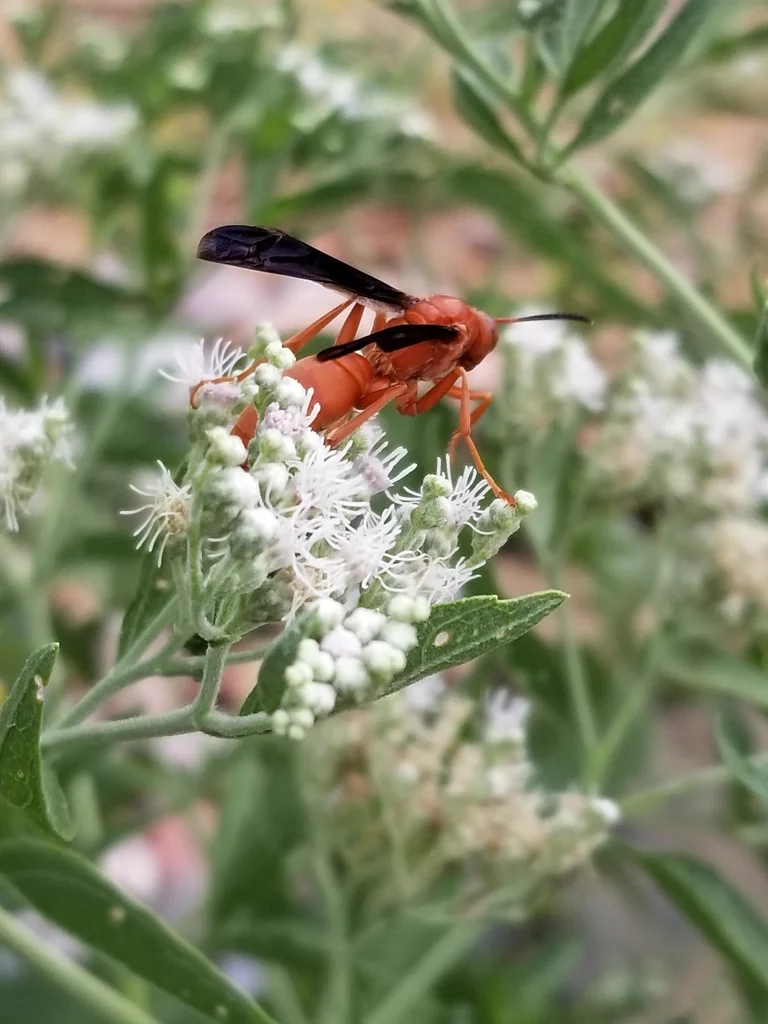
Red paper wasps are easy to spot because of their rust-red color. Adults are about 3/4 to 1 inch long. This makes them a bit larger than many other paper wasps. Their bodies are almost all rust-red or reddish-brown. This sets them apart from the more common brown and yellow paper wasps like northern paper wasps and European paper wasps.
These wasps have the typical paper wasp shape. They have a narrow waist, long abdomen, and long legs. Their wings are dark brown to purplish-black and fold flat when resting. The antennae are rust-colored at the base and turn darker at the tips. Females are usually solid red. Males often have more black markings on their faces and undersides.
Common Species
Two main red paper wasp species live in North America:
-
Polistes carolina (Fine-backed Red Paper Wasp): The more common species, found across the eastern United States. It has bare cheeks and a smoother look.
-
Polistes rubiginosus (Coarse-backed Red Paper Wasp): Looks similar but has silvery hairs on its cheeks. Both species act the same way.
People often mix these up with the Metric Paper Wasp (Polistes metricus). That species has more black markings on its body and legs instead of solid rust coloring.
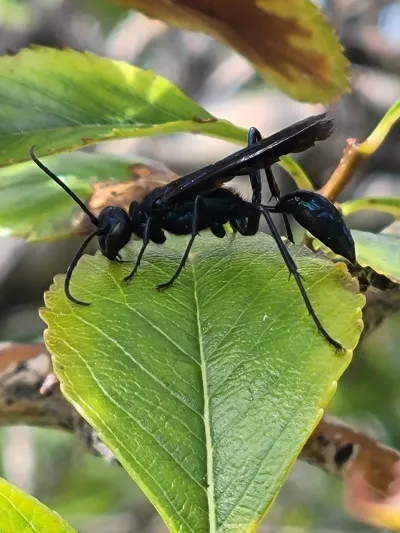
Red Paper Wasps Behavior and Biology A related species, Cow Killers, shares similar characteristics.
Red paper wasps are social insects that live in colonies. Their colonies are smaller than yellowjacket or European hornet colonies. A typical nest holds 20 to 75 wasps at its peak in late summer.
Nesting Habits
Red paper wasps build their nests from plant and wood fibers mixed with saliva. This creates the paper-like material that gives paper wasps their name. Their nests are open and umbrella-shaped. They have a single layer of cells without an outer covering. Nests hang from a central stalk, usually attached to a protected surface.
Common nesting locations include:
- Under roof eaves and overhangs
- Porch ceilings and covered patios
- Inside barns, sheds, and garages
- Hollow trees and dense bushes
- Window frames and shutters
Diet and Feeding
Adult red paper wasps feed on nectar and other sweet liquids. You will often see them visiting flowers in late summer and fall. They also hunt soft-bodied insects to feed their young. Their prey includes caterpillars, beetle larvae, flies, and even cicadas. A single colony can catch thousands of insects during the season.
Colony Cycle
The colony cycle starts in spring when queens come out of their winter hiding spots. Each queen picks a nesting site and starts building a small nest. She lays eggs and cares for the first batch of workers on her own. Once these workers grow up, they take over building the nest and finding food. The queen then focuses only on laying eggs.
Colonies grow through summer and reach full size in late summer. In fall, the colony makes new queens and males for mating. After mating, new queens find protected spots to spend the winter. The rest of the colony dies when the first hard frosts arrive.
How We Treat for Red Paper Wasps
When treating red paper wasp infestations, our technicians follow a proven approach:
-
Nest Identification: We first locate all nests on the property. Red paper wasps may have multiple nests in different locations, so thorough inspection is essential.
-
Direct Treatment: A residual insecticide is applied directly to the nest. For aerial nests under eaves or on structures, we use pressurized sprayers that allow treatment from a proper distance.
-
Nest Removal: After treatment eliminates the colony, we can remove the nest if desired. This prevents other wasps from trying to reuse the location.
-
Prevention Guidance: We advise customers on reducing attractants and sealing potential nesting sites. Keeping garbage covered, removing fallen fruit, and sealing gaps in structures can discourage future nesting.
-
Callback Coverage: Customers on ongoing service plans receive free callbacks if wasps return between visits.
References
Other Wasps
Explore other species in the wasps family
Commonly Confused With
Red Paper Wasps are often mistaken for these similar pests
Where Red Paper Wasps Are Found
Hover over states to see their names. Green regions indicate where red paper wasps have been reported.
Common Questions about Red Paper Wasps
Are red paper wasps dangerous?
+
Red paper wasps will sting if they feel threatened or their nest is disturbed. Their stings are painful and can cause allergic reactions in sensitive individuals. Unlike honey bees, they can sting multiple times.
What do red paper wasps look like?
+
Red paper wasps are mostly rust-red or reddish-brown in color with darker wings. They have slender bodies measuring 3/4 to 1 inch long, with long legs that dangle when they fly.
Where do red paper wasps build nests?
+
They prefer protected locations such as under roof eaves, porch ceilings, in barns, sheds, and hollow trees. Their nests are open, umbrella-shaped structures made of paper-like material.
How do I tell the difference between red paper wasps and yellowjackets?
+
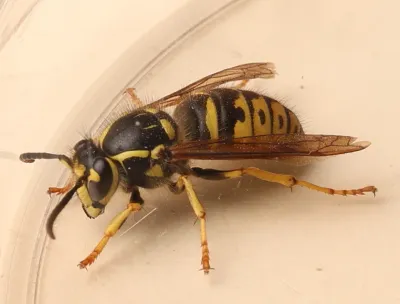
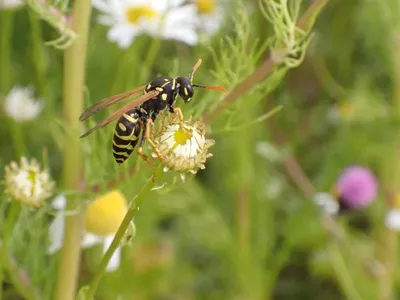
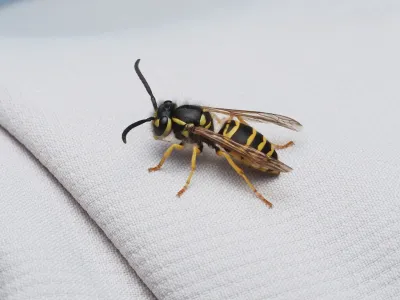
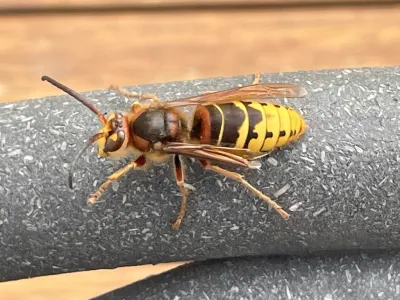
Red paper wasps are uniformly rust-colored while yellowjackets have bold black and yellow stripes. Red paper wasps also have longer legs and more slender bodies. Their nests are open and exposed, while yellowjacket nests are enclosed.
Do red paper wasps eat other insects?
+
Yes, red paper wasps hunt caterpillars, beetle larvae, and other insects to feed their young. Adults feed on nectar from flowers. Despite this, nests near homes and high-traffic areas should be removed to prevent stings.
When are red paper wasps most active?
+
Red paper wasps are most active from late spring through early fall. Queens emerge in spring to start new colonies, and activity peaks during summer months. They become less active as temperatures drop in autumn.
Should I remove a red paper wasp nest myself?
+
We recommend against DIY nest removal due to sting risk. Red paper wasps will defend their nest aggressively. Professional treatment ensures the colony is fully eliminated.

With five years of hands-on experience in the pest control industry, George Schulz is a registered technician with the Virginia Pest Management Association and a proud third-generation professional in a family business that's been protecting homes for over 57 years. He manages and trains a team of service pros while also leading internal research efforts—recently spearheading a deep-dive review of thousands of documents on pest control materials to hand-pick the most kid and pet friendly, most effective solutions tailored specifically for homes in the DC metro area.