Prairie Yellowjackets Identification Guide
Vespula atropilosa
A ground-nesting yellowjacket found in prairies and grasslands of western and midwestern North America, known for hunting live prey rather than scavenging.
Taxonomy
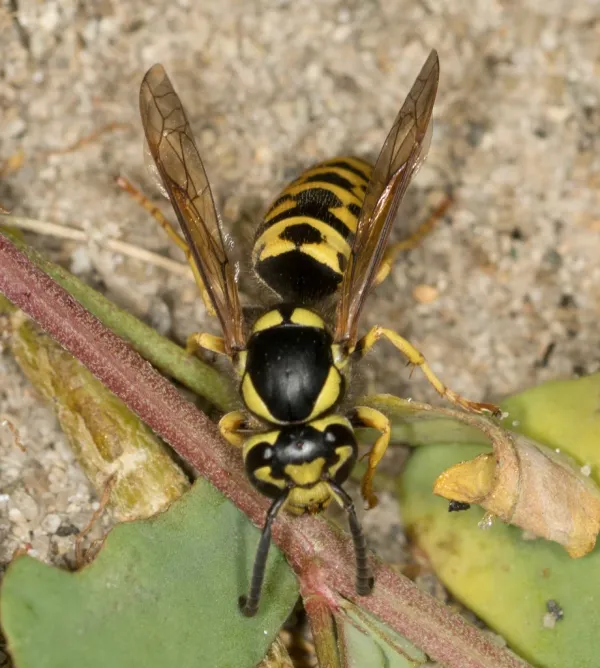
Prairie Yellowjackets Coloration
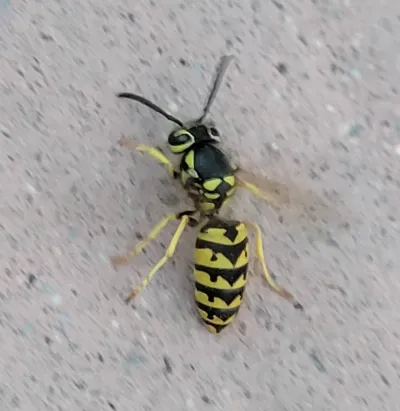
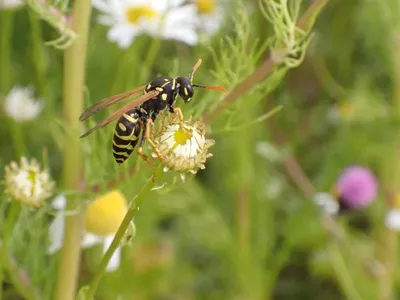
Common color patterns to help identify prairie yellowjackets
Prairie Yellowjackets
Seasonal Activity
When prairie yellowjackets are most active throughout the year
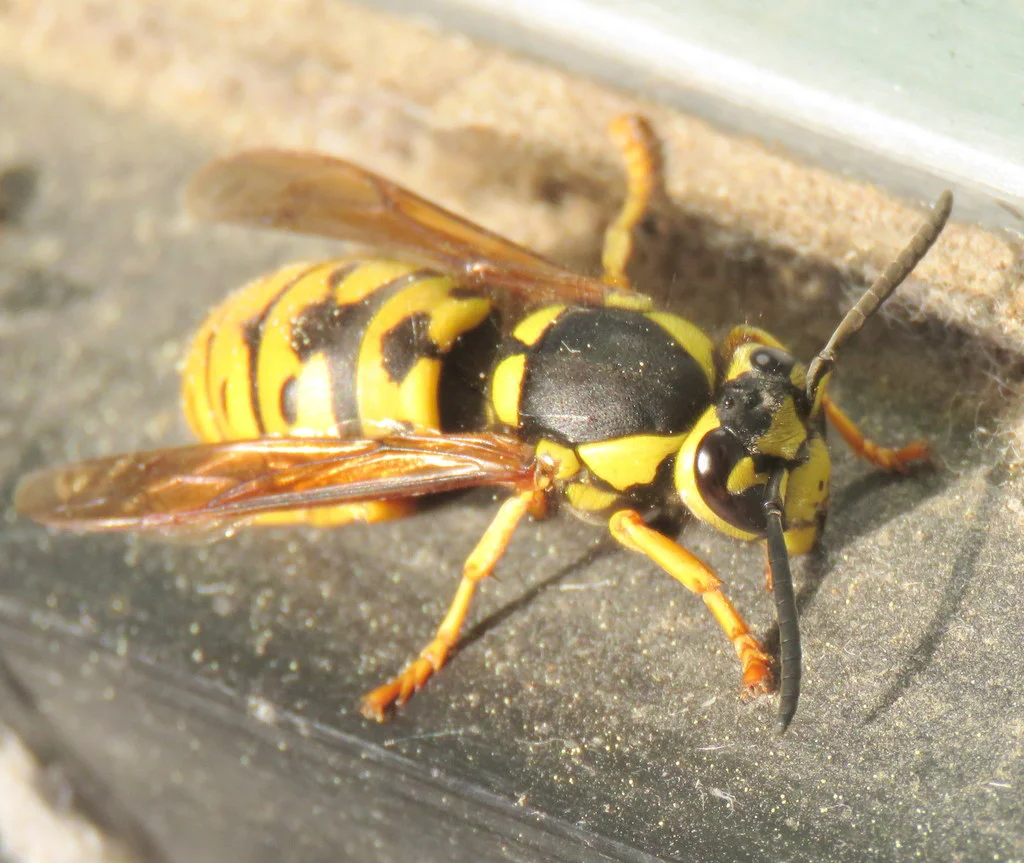
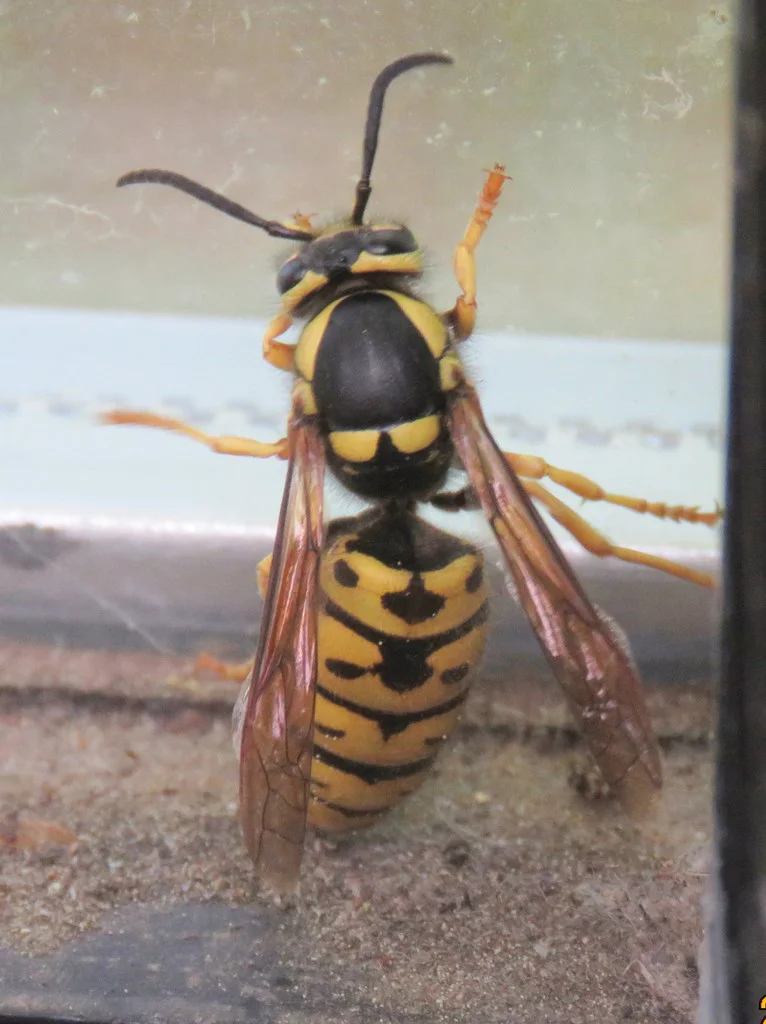
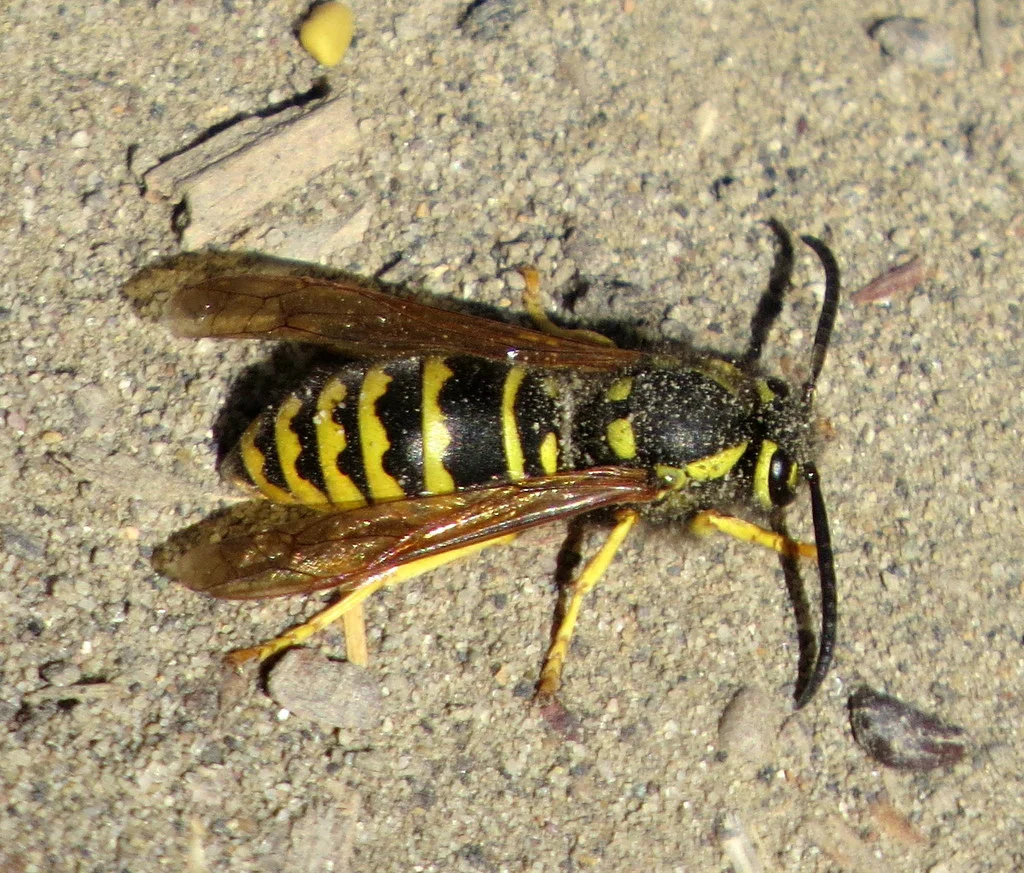

Where Prairie Yellowjackets Are Found
Hover over states to see their names. Green regions indicate where prairie yellowjackets have been reported.
Prairie Yellowjacket Identification Guide
Physical Characteristics
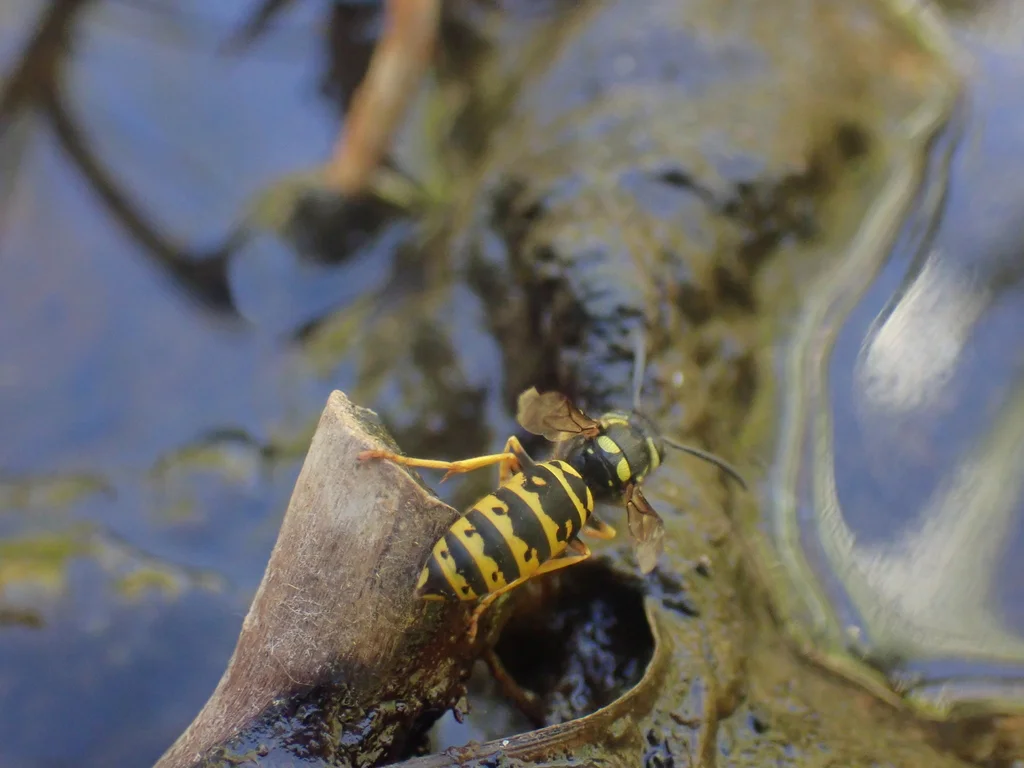
Prairie yellowjackets (Vespula atropilosa) are medium-sized social wasps. They measure 10-16mm in length. Queens are larger than workers. Like other yellowjackets, they have black and yellow bands on their abdomen. What sets them apart is the pairs of black spots below these yellow bands.
Their wings are clear with a golden tint. Prairie yellowjackets have very little body hair compared to bees. They have strong jaws used for catching prey. One unique feature is that males can be either mostly yellow or mostly black on their abdomen.
Distinguishing Features
- Workers: 10-13mm long with black and yellow banding and paired black spots
- Queens: Larger at 14-16mm with more pronounced markings
- Males: Variable coloring from yellow to black on abdomen
- Wings: Translucent with golden coloration, folded lengthwise at rest
Prairie Yellowjacket Behavior and Biology
Habitat and Distribution
Prairie yellowjackets live in open grasslands and prairies across western and midwestern North America. Their range goes from the Pacific Northwest down to Arizona. It also extends east to Wisconsin and Illinois. In Canada, they live in Alberta, British Columbia, Manitoba, and Saskatchewan.
These wasps like dry, open areas for nesting. You can find them in pastures, dry fields, lawns, and golf courses. Unlike some yellowjackets that nest in wall voids, such as German yellowjackets, prairie yellowjackets almost always nest underground.
Nesting Habits
Prairie yellowjackets nest in the ground. They often use old rodent burrows to start their colonies. Workers dig out unused tunnels to make more room as the colony grows. Nests are usually shallow, about 3-23 cm below the surface. Nests on slopes tend to be deeper than those on flat ground.
Queens pick the back edges of rodent burrows to start their nests. They build the nest from a paper-like material. They make this by chewing wood fibers and mixing them with saliva.
Colony Life Cycle
The colony cycle starts when queens come out of winter hiding in late April or May. Each queen finds a nest site and builds a small paper nest. She lays her first eggs there. The queen raises the first batch of workers on her own over about 18-20 days.
The first workers come out around mid-June. They take over all the work: growing the nest, finding food, caring for larvae, and defending the colony. The colony grows fast through summer. It reaches its largest size in July and August. A strong colony can have 1,500-3,000 workers at its peak.
In late summer, the colony makes new queens and males. After mating, males die. The mated queens find sheltered spots to spend the winter under bark, in leaf litter, or in soil. The rest of the colony dies when cold weather arrives.
Diet and Foraging Behavior
Prairie yellowjackets are different from many other yellowjackets. They do not scavenge on human food and garbage. Instead, they hunt live insects. They eat spiders, flies, caterpillars, grasshoppers, and lacebugs. They use their strong jaws to catch and kill prey.
Adult wasps also drink nectar and sweet plant juices for energy. Because they hunt live prey, prairie yellowjackets are less likely to bother you at picnics or cookouts compared to western yellowjackets that aggressively scavenge human food.
Treatment Methods for Prairie Yellowjackets
Prairie yellowjackets cause less trouble than other yellowjackets because they do not hang around food. However, their ground nests can be a problem in lawns, gardens, or play areas where someone might step on them by accident.
When you need to remove a nest, these methods work well for ground-nesting yellowjackets:
-
Nest Location: First, find the exact nest entrance. Look for wasps flying in and out of a hole in the ground. The hole is usually in an open, dry area.
-
Timing: Treat the nest in early morning or evening. The wasps are calmer then, and most workers are inside the nest.
-
Dust Application: Insecticidal dust works well when applied into the nest entrance. The dust goes deep into the colony. It sticks to workers as they move through the nest and spreads to the whole colony.
-
Avoid Sealing: Never plug or seal the nest entrance before treatment is done. This can force wasps to find other exits. They might come up inside your home.
-
Professional Treatment: Yellowjackets can sting many times and will swarm to protect their colony. We recommend professional treatment for nests near homes or in areas where people walk.
References
Other Wasps
Explore other species in the wasps family
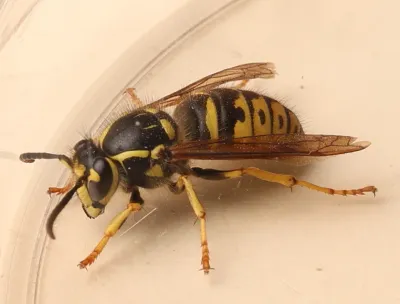
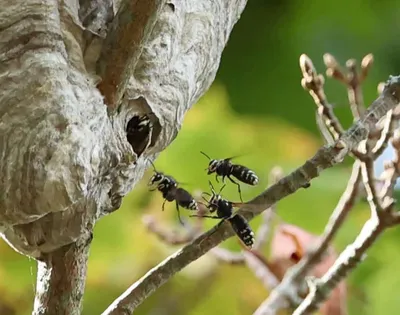
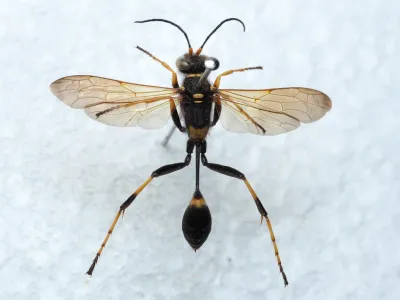
Commonly Confused With
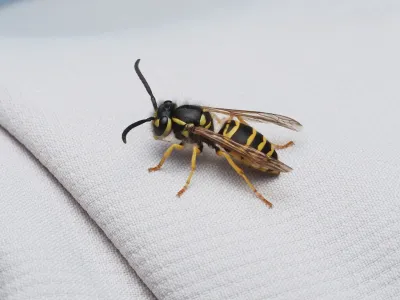
Prairie Yellowjackets are often mistaken for these similar pests
Where Prairie Yellowjackets Are Found
Hover over states to see their names. Green regions indicate where prairie yellowjackets have been reported.
Common Questions about Prairie Yellowjackets
How do I identify a prairie yellowjacket?
+
Prairie yellowjackets are 10-16mm long with black and yellow banding. They have pairs of black spots below the yellow bands on their abdomen. Their wings are clear with a golden tint. Males can be either mostly yellow or mostly dark on their abdomen.
Where do prairie yellowjackets build their nests?
+
Prairie yellowjackets build underground nests in open areas like dry fields, pastures, lawns, and golf courses. They typically use abandoned rodent burrows and continue excavating the tunnels to expand the nest. Nests are usually shallow, ranging from 3-23 cm below the soil surface.
Are prairie yellowjackets aggressive?
+
Prairie yellowjackets are generally less aggressive than some other yellowjacket species. They typically do not pose a threat to humans unless their colony is disturbed. However, like all yellowjackets, they can sting multiple times when defending their nest and will swarm if they feel threatened.
What do prairie yellowjackets eat?
+
Unlike many yellowjacket species that scavenge, prairie yellowjackets primarily hunt live prey. They feed on spiders, flies, caterpillars, grasshoppers, and lacebugs. Adult wasps also drink nectar and sweet plant juices for energy.
Where are prairie yellowjackets found?
+
Prairie yellowjackets are found throughout western and midwestern North America. Their range extends from the Pacific Northwest (Seattle area) to Arizona and eastward to Wisconsin and Illinois. They are also found in southern Canada, including Alberta, British Columbia, Manitoba, and Saskatchewan.
When are prairie yellowjackets most active?
+
Prairie yellowjackets are most active from late spring through early fall. Queens emerge in late April or May to start new colonies. Colony populations peak in mid to late summer, around July and August. Activity decreases in fall, and only mated queens survive the winter.
Do prairie yellowjackets reuse their nests?
+
No. Like other yellowjackets, prairie yellowjacket colonies are annual. The colony dies off in winter, and only newly mated queens survive by overwintering in protected locations like under bark, in leaf litter, or in soil cavities. Each spring, queens start completely new colonies.

With five years of hands-on experience in the pest control industry, George Schulz is a registered technician with the Virginia Pest Management Association and a proud third-generation professional in a family business that's been protecting homes for over 57 years. He manages and trains a team of service pros while also leading internal research efforts—recently spearheading a deep-dive review of thousands of documents on pest control materials to hand-pick the most kid and pet friendly, most effective solutions tailored specifically for homes in the DC metro area.