Northern Giant Hornets Identification Guide
Vespa mandarinia
The northern giant hornet is the world's largest hornet. Queens can grow up to 2 inches long. This invasive pest from East Asia has been found in the Pacific Northwest and threatens honeybee colonies.
Taxonomy
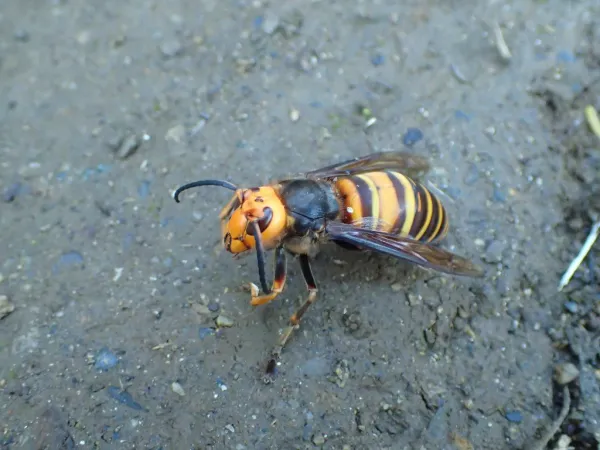
Northern Giant Hornets Coloration
Common color patterns to help identify northern giant hornets
Northern Giant Hornets
Seasonal Activity
When northern giant hornets are most active throughout the year
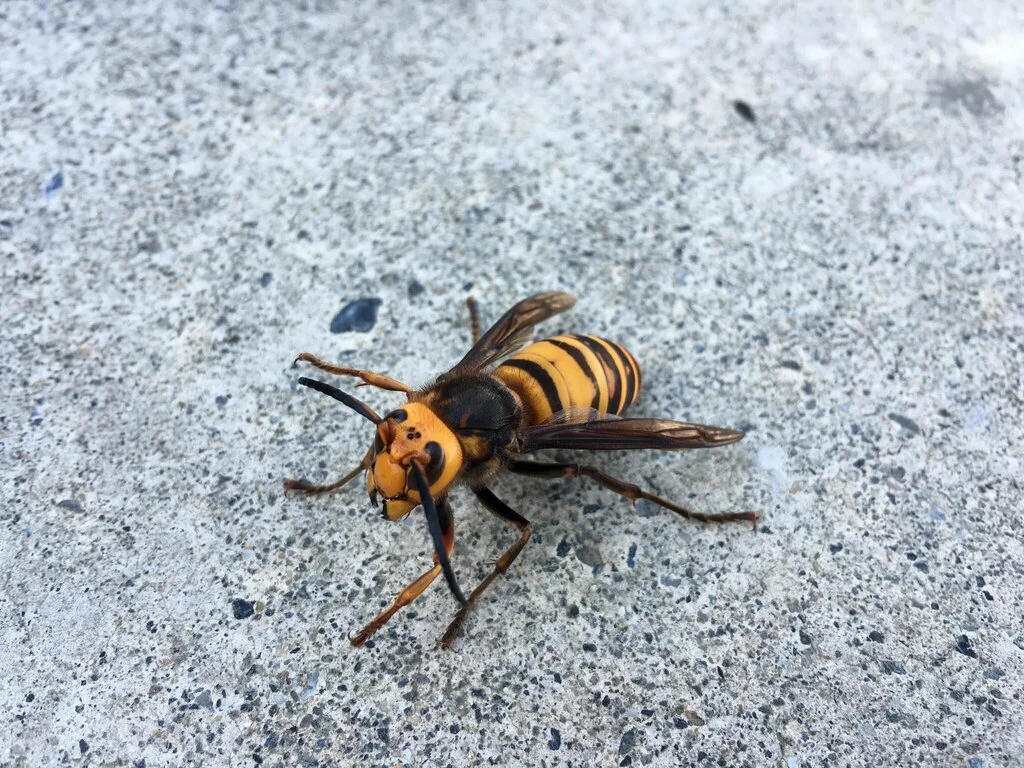
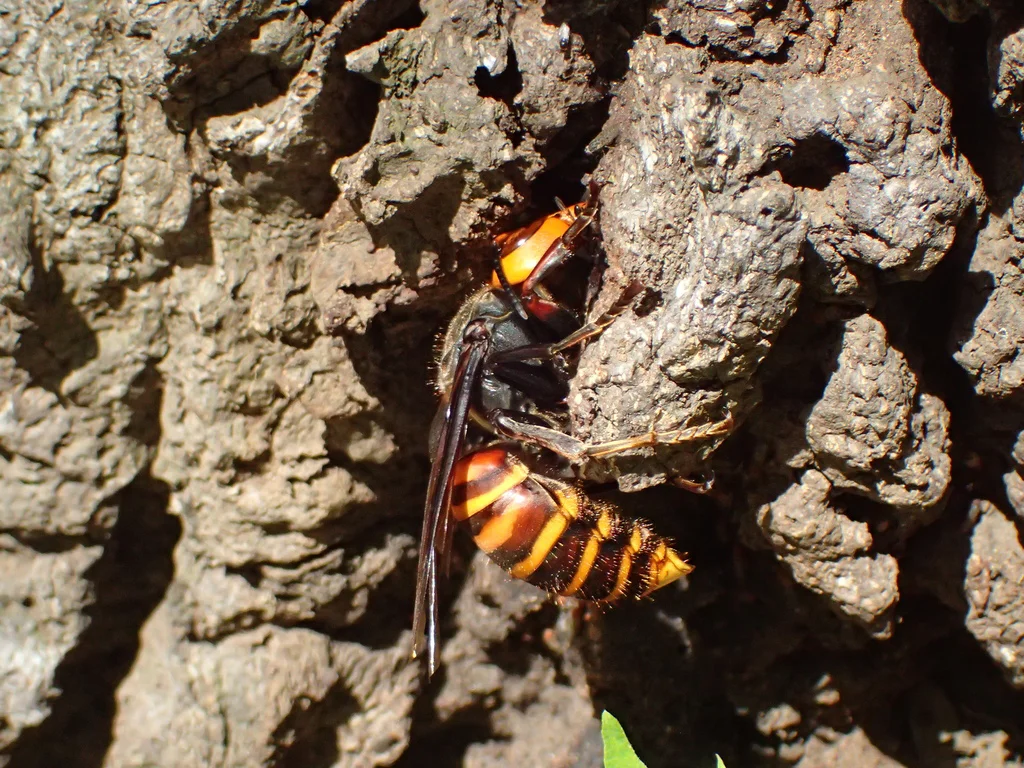
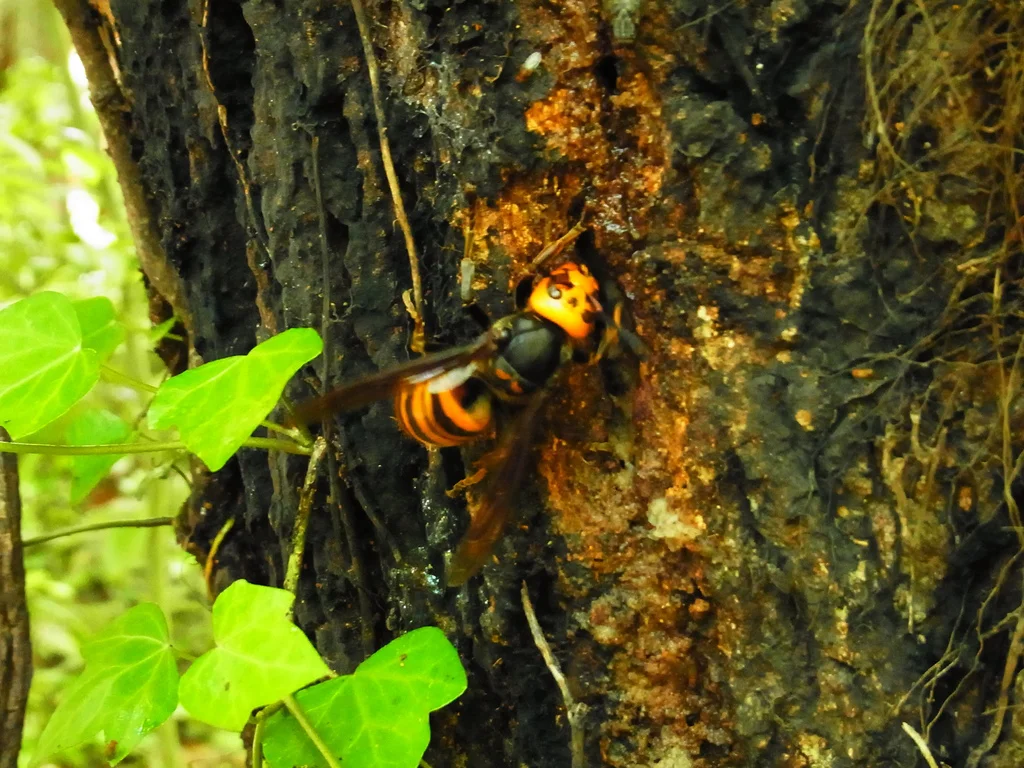

Where Northern Giant Hornets Are Found
Hover over states to see their names. Green regions indicate where northern giant hornets have been reported.
Northern Giant Hornet Identification Guide
Physical Characteristics
The northern giant hornet (Vespa mandarinia) is the world’s largest hornet. Workers measure 1 to 1.5 inches long, while queens can reach nearly 2 inches. Their wingspan is about 3 inches, and their smooth stinger is nearly half an inch long.
The most striking feature is their large, matte orange-yellow head. It is much wider than other hornet species. Their eyes are dark brown to black. They also have three small eyes on top of the head. A key identification feature is the deeply notched clypeus, the plate on the face above the jaws.
The middle body section (thorax) is dark brown to black. The abdomen has bands of yellow-orange and black or brown. The last segment is solid yellow. Their large jaws are deep orange with a black tooth used for digging and killing prey. Wings are reddish-brown and can carry them up to 5 miles in search of food.
Similar Species and Identification Tips
Northern giant hornets are often confused with several native species:
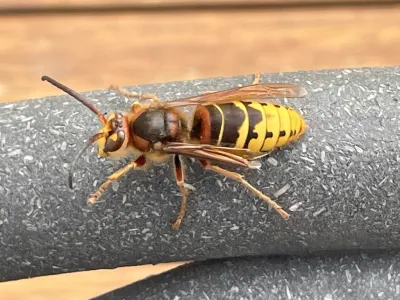
- European Hornets: About 1 inch long with reddish-brown coloring and lighter stripes
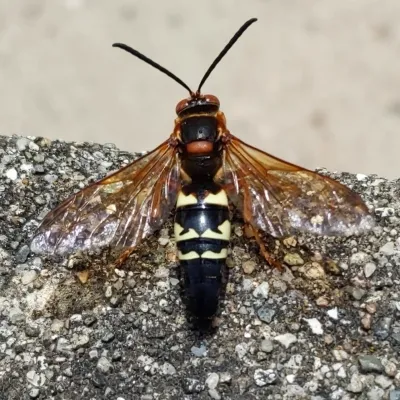
- Cicada Killers: Similar size but have yellow marks on the thorax and a more pointed abdomen
- Bald-Faced Hornets: Smaller with black and white coloring instead of orange and yellow
You can tell a northern giant hornet apart by its massive size, wide orange head, and solid yellow end segment on the abdomen.
Northern Giant Hornet Behavior and Biology
Life Cycle and Colony Development A related species, Yellow-Legged Hornets, shares similar characteristics.
Northern giant hornets follow a yearly colony cycle. Mated queens come out of underground hibernation in late April or early May. They then search for nesting sites. Unlike hornets that build nests in trees, this species almost always nests underground. They often use old rodent burrows or holes around rotting tree roots.
The founding queen builds the first nest and raises about 40 workers. As summer goes on, the colony grows fast. A full nest, finished around early August, may hold up to 3,000 cells in 4 to 12 layers. Workers grow from egg to adult in about 40 days.
New queens and males develop in late season. Mating happens at nest entrances during fall. Males die soon after mating. Newly mated queens find underground shelter for about seven months of winter. The original queen and all workers die by mid-November.
Feeding and Predatory Behavior
Early in the season, queens feed on tree sap and plant juices. Once colonies grow, workers become active hunters. They prey on large beetles, mantids, caterpillars, spiders, and other bees and wasps.
This species is famous for its brutal attacks on honey bee colonies. Groups of 10 to 20 or more hornets work together to attack a hive. They use their strong jaws to cut off the heads of worker bees. An entire colony of about 30,000 bees can be wiped out in just a few hours. The hornets then take over the hive and steal bee larvae to feed their own young.
Geographic Distribution
Northern giant hornets come from East Asia. Their native range includes Japan, China, Korea, and parts of Southeast Asia. The first North American detection came in 2019. A nest was found and destroyed in British Columbia, Canada. The first U.S. sighting followed in Washington State later that year. Between 2020 and 2022, wildlife officials found and destroyed several nests in northwestern Washington.
Right now, this species is only found in the Pacific Northwest. It has not spread to other parts of North America. Monitoring and removal efforts continue to stop it from becoming established.
Treatment Methods for Northern Giant Hornets
Northern giant hornets are an invasive species under active government removal programs. Treatment is usually handled by state or federal agriculture agencies, not private pest control companies. If you think you have found one of these hornets or a nest, contact your state or provincial agriculture department right away.
Common treatment methods for giant hornet nests include:
- Location and Tracking: Tiny radio tags may be put on captured hornets to follow them back to the nest
- Vacuum Removal: Special equipment can suck hornets from nest openings
- Nest Removal: Once the colony is killed, the entire nest is dug up and destroyed
- Monitoring Traps: Traps baited with fruit juice are set up to watch for hornet activity
For homeowners in areas where these hornets have been found, the best approach is to report sightings quickly. You can also help by picking up fallen fruit and keeping trash cans covered.
Sting Risks and Health Concerns
Northern giant hornet stings deliver much more venom than native wasp stings. This is because of their larger stinger. The venom can cause intense pain, tissue damage, and body-wide reactions. In Asia, about 40 people die each year from these stings. Most deaths result from many stings at once or severe allergic reactions.
Symptoms of a northern giant hornet sting may include:
- Severe pain and swelling at the sting site
- Possible tissue damage around the wound
- In serious cases, kidney problems or severe allergic reaction
Anyone stung by a suspected northern giant hornet should get medical help right away. This is especially true if you have symptoms beyond the sting area.
Note: This information is for educational purposes only and is not medical advice. Always consult a healthcare provider for medical concerns related to insect stings.
References and Further Reading
- Northern Giant Hornet - University of Florida IFAS Extension - Comprehensive identification and biology guide
- Vespa mandarinia - Animal Diversity Web - Detailed species information from the University of Michigan
- Washington State Department of Agriculture - Northern Giant Hornet - Current monitoring and eradication efforts
- Northern Giant Hornet - EDDMapS - Distribution mapping and reporting database
Other Wasps
Explore other species in the wasps family
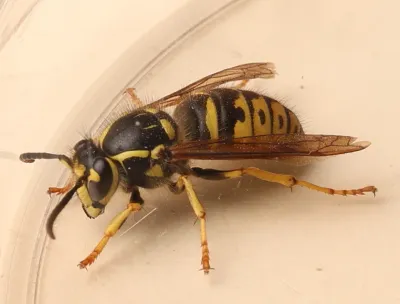
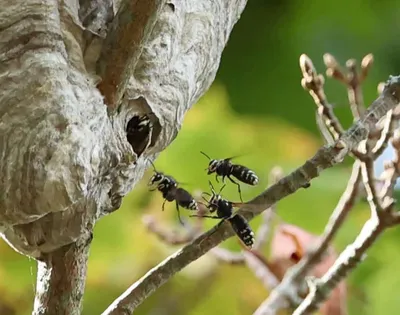
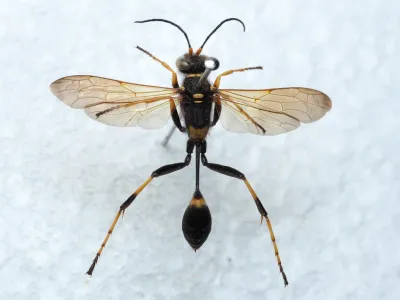
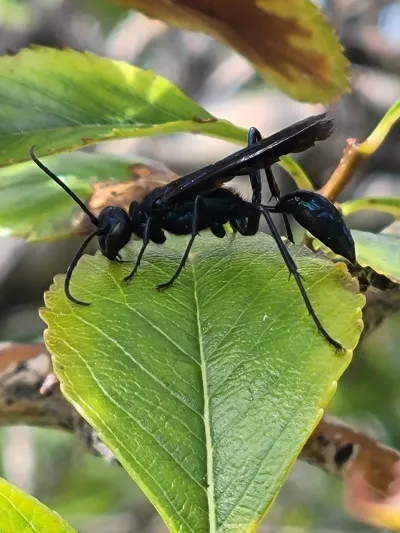
Commonly Confused With
Northern Giant Hornets are often mistaken for these similar pests
Where Northern Giant Hornets Are Found
Hover over states to see their names. Green regions indicate where northern giant hornets have been reported.
Common Questions about Northern Giant Hornets
How big are northern giant hornets?
+
Northern giant hornets are the largest hornets in the world. Workers are 1 to 1.5 inches long. Queens can reach 2 inches. Their wingspan is about 3 inches. This makes them much larger than any native North American wasp.
Are northern giant hornets dangerous to humans?
+
Yes, they can be dangerous. Their stinger is nearly half an inch long and delivers strong venom. They usually avoid people unless provoked. But many stings can cause serious problems like allergic reactions or kidney issues. In rare cases, stings can be fatal. In Asia, about 40 people die each year from their stings.
Why are northern giant hornets called murder hornets?
+
The name 'murder hornet' refers to their attacks on honeybee colonies, not their danger to people. A group of 10 to 20 hornets can wipe out a hive of 30,000 bees in just a few hours. They cut off the heads of worker bees and take bee larvae to feed their own young.
Where have northern giant hornets been found in North America?
+
They have been found in Washington State and British Columbia, Canada. The first nest was found in British Columbia in 2019. Between 2020 and 2022, several nests were found and destroyed in northwestern Washington. Efforts to track and remove them continue.
How can I tell a northern giant hornet from other large wasps?
+
They are much larger than native species. Look for a large, matte orange-yellow head that is wider than other wasps. The face has a deep notch in it. The body is dark brown to black, and the abdomen has yellow-orange bands. The last segment is solid yellow.
What should I do if I see a northern giant hornet?
+
Do not try to catch or kill it. Take a photo from several feet away and report it to your state agriculture department. Many native insects look similar, so proper identification is important.
Do northern giant hornets nest in the ground?
+
Yes, unlike most hornets, they build nests underground. They often use old rodent burrows or holes near rotted tree roots. A full nest can have up to 3,000 cells in 4 to 12 layers.

With five years of hands-on experience in the pest control industry, George Schulz is a registered technician with the Virginia Pest Management Association and a proud third-generation professional in a family business that's been protecting homes for over 57 years. He manages and trains a team of service pros while also leading internal research efforts—recently spearheading a deep-dive review of thousands of documents on pest control materials to hand-pick the most kid and pet friendly, most effective solutions tailored specifically for homes in the DC metro area.