Ground Nesting Wasps Identification Guide
Various species (Sphecidae, Crabronidae, Vespidae)
Ground nesting wasps dig burrows in soil to raise their young. Most species are solitary, but some, like yellowjackets, can be aggressive. Learn to identify different ground-nesting wasps and when treatment is needed.
Taxonomy
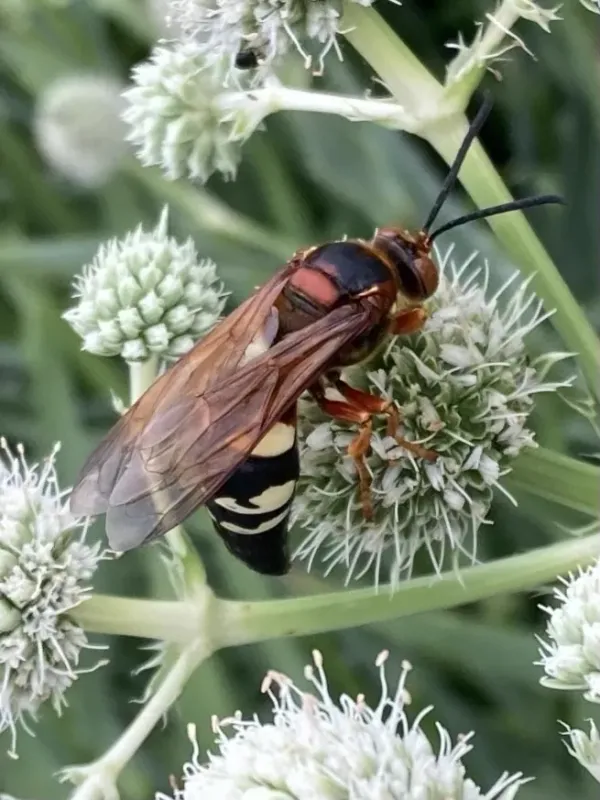
Ground Nesting Wasps Coloration
Common color patterns to help identify ground nesting wasps
Ground Nesting Wasps
Seasonal Activity
When ground nesting wasps are most active throughout the year

Where Ground Nesting Wasps Are Found
Hover over states to see their names. Green regions indicate where ground nesting wasps have been reported.
Ground Nesting Wasp Identification Guide
Ground nesting wasps include many species that dig burrows in soil to raise their young. Some are large and intimidating but harmless. Others are small, aggressive, and dangerous. Knowing which type you have helps you decide whether treatment is needed.
Physical Characteristics
Ground nesting wasps vary widely in size and color. Most have slender bodies with a narrow “waist” between the thorax and abdomen. They have two pairs of wings, six legs, and strong jaws for digging. Colors range from black and yellow to orange and white. Most have banded or striped patterns on their abdomens.
Size is a helpful identification clue. Cicada killers are 1.5 to 2 inches long and among the largest wasps in North America. Digger wasps measure 0.75 to 1.5 inches. Sand wasps are 0.5 to 1 inch. Yellowjackets are smaller at about 0.5 inches.
Types of Ground Nesting Wasps
Solitary Ground Nesters (Low Risk)
These wasps work alone and rarely sting:
-
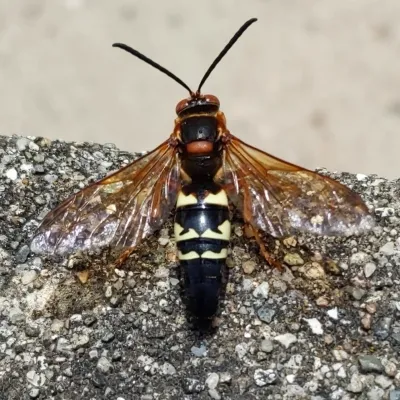
Cicada Killers: Large wasps with black and yellow banding and reddish-brown thorax. They dig burrows to stock with paralyzed cicadas. Despite their size, they are calm around people.
-
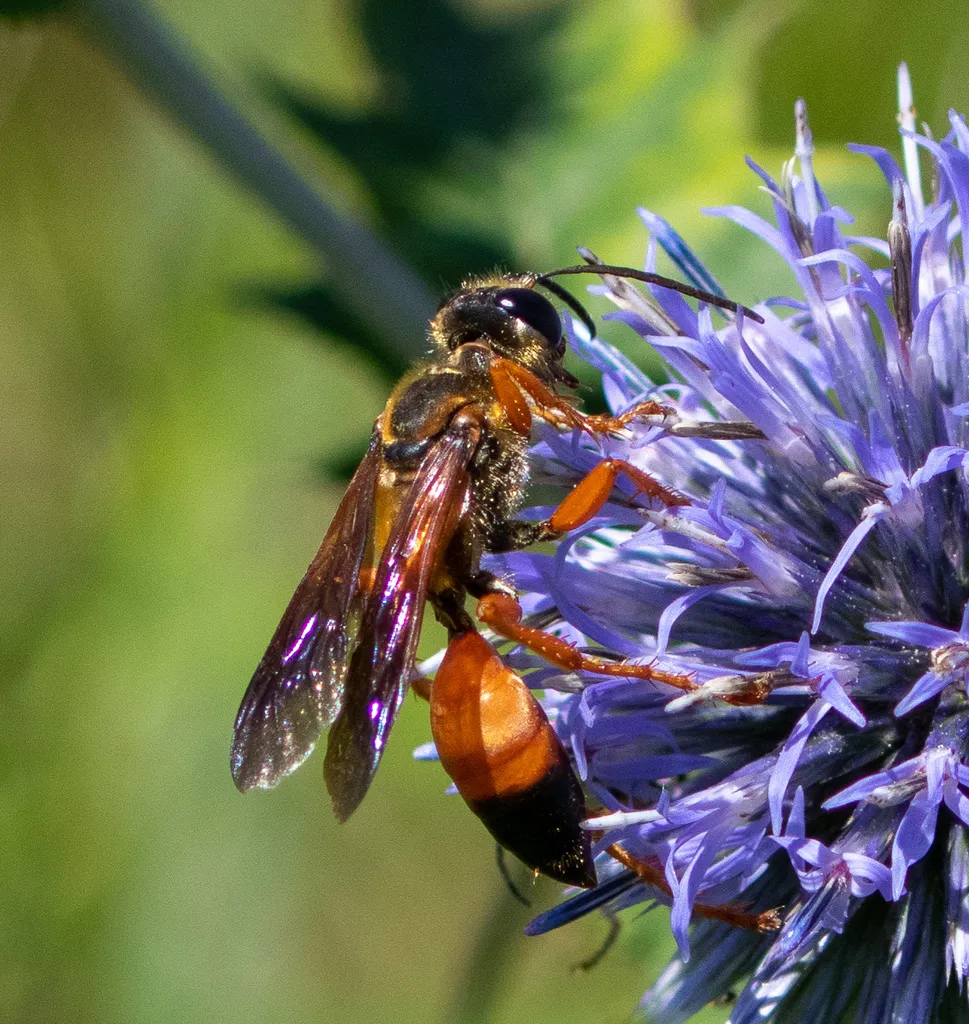
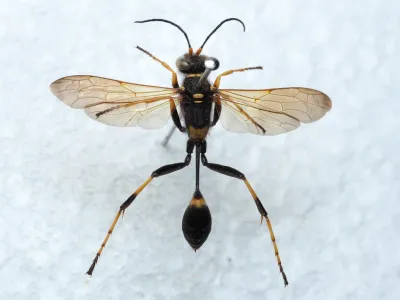
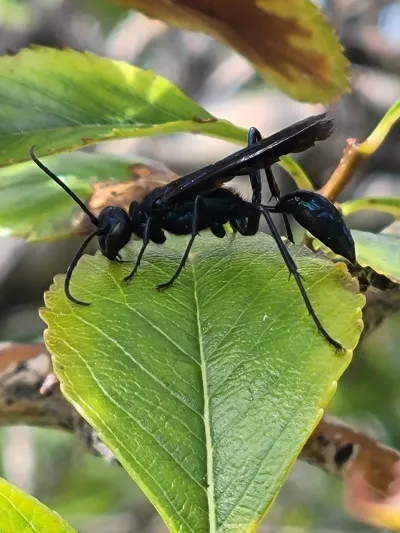
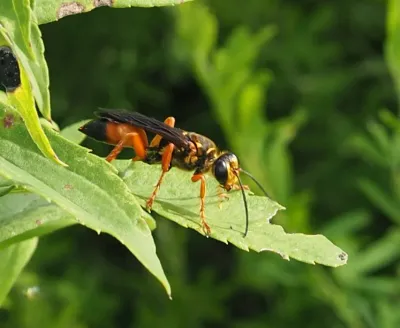
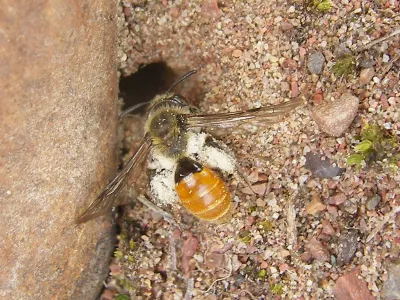
Digger Wasps: Include the great golden digger wasp and great black wasp. They have orange, black, and golden coloring. They hunt grasshoppers and crickets.
-
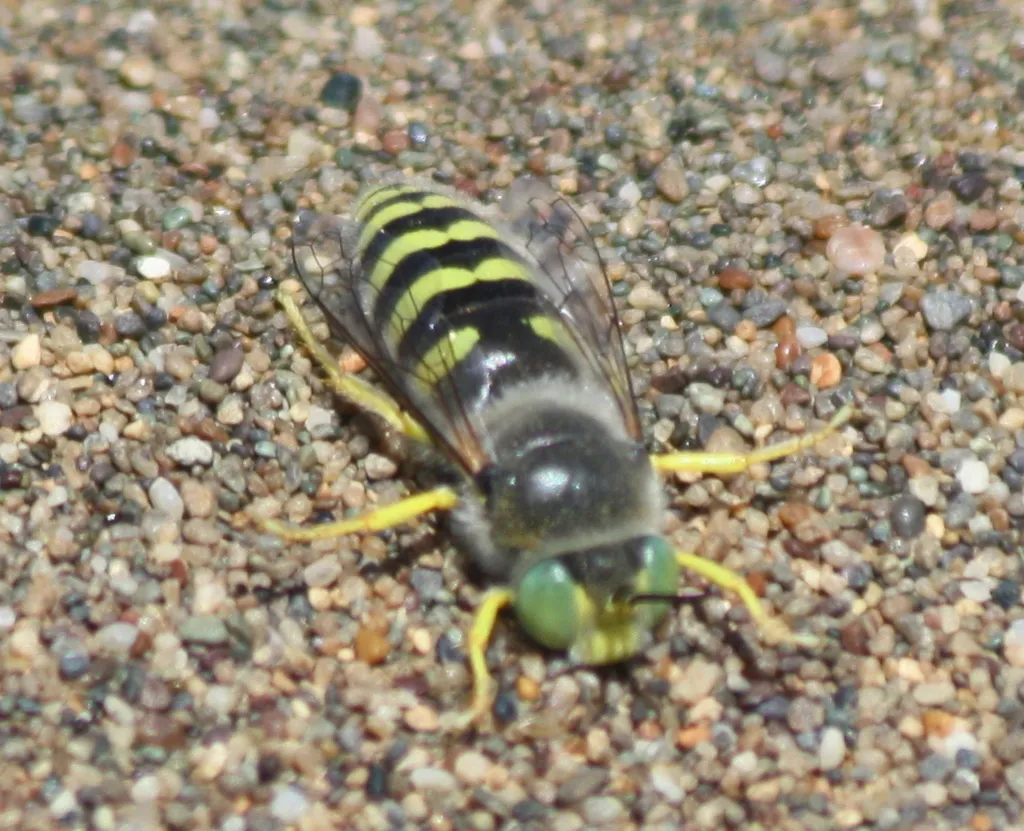
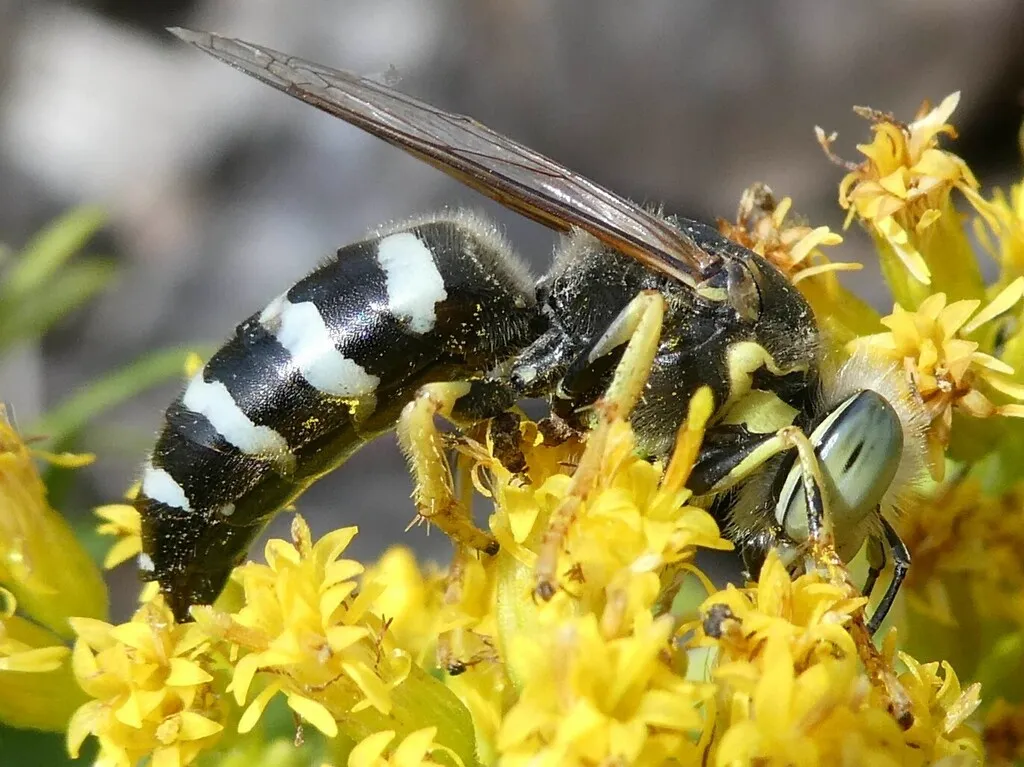
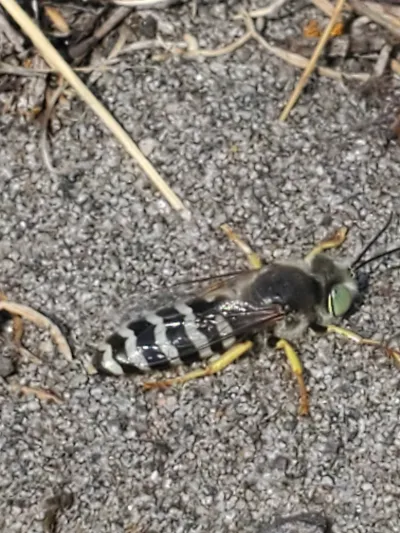
Sand Wasps: Medium-sized wasps with bright green eyes and black and white banding. They hunt flies and often hover near people while doing so. This looks threatening but is harmless.
Social Ground Nesters (High Risk)
These wasps live in colonies and can be aggressive:
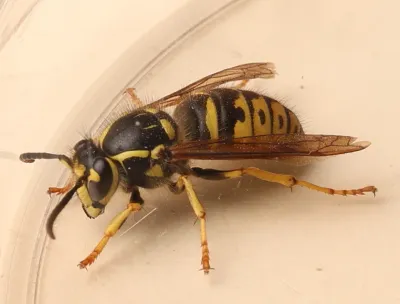
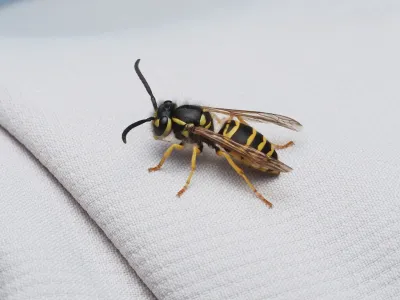
- Yellowjackets: Small wasps with bright yellow and black banding. They build large underground nests that can house thousands of workers. Highly aggressive when their nest is threatened. They are the most dangerous ground-nesting wasps.
How to Tell Them Apart
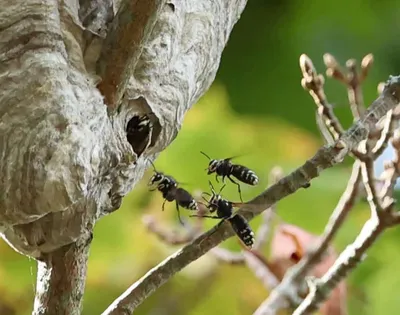
The easiest way to identify ground nesting wasps is to watch the nest entrance. Solitary wasps work alone. You will see one wasp coming and going from each burrow. Social yellowjackets live in colonies. You will see many wasps using the same entrance. Heavy traffic at a single hole signals a yellowjacket nest.
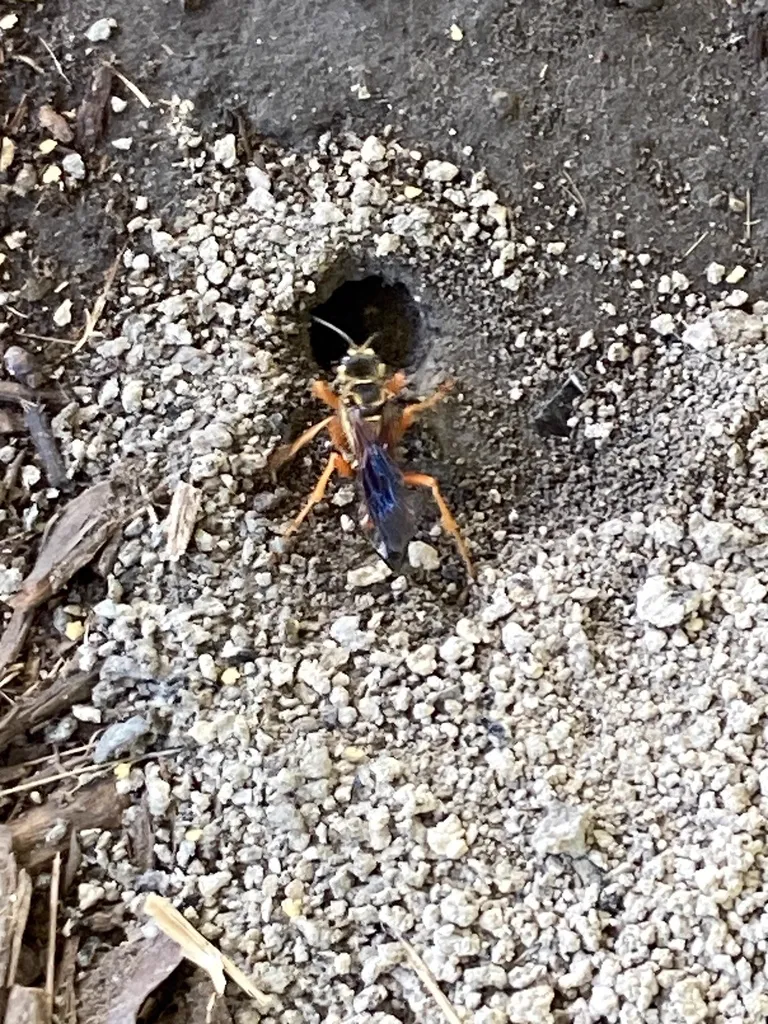
Burrow characteristics also help with identification. Cicada killers create U-shaped dirt mounds. Digger wasps make small soil piles. Sand wasps flatten their mounds to hide nest entrances. Yellowjacket nests have a single opening with high wasp traffic.
Ground Nesting Wasp Behavior and Biology
Solitary vs. Social Species
Most ground nesting wasps are solitary. Each female digs her own burrow, hunts prey, and stocks her nest alone. There is no queen, no workers, and no social structure. Solitary wasps are not defensive of their nests because they have no colony to protect.
Yellowjackets are the exception. They form large colonies with a queen and thousands of workers. Workers defend the nest aggressively. A disturbed colony can sting multiple times. This makes yellowjackets far more dangerous than other ground-nesting wasps.
Nesting Habits
Female ground nesting wasps select nesting sites carefully. Most prefer well-drained sandy or loose soil in sunny, open areas with sparse vegetation. Common sites include lawns, flower beds, sidewalk edges, playgrounds, and bare patches in yards.
Solitary wasps dig burrows 6 to 20 inches deep. They create cells at the bottom to house their young. Females stock each cell with paralyzed prey before laying an egg. The larva feeds on the prey and pupates underground. Most solitary species produce one generation per year.
Yellowjackets build large underground nests that expand throughout summer. A mature nest can hold several thousand workers. Nests are often built in abandoned rodent burrows, under porches, or in other protected cavities.
Why Ground Nesting Wasps Appear in Yards
Wasps nest where conditions suit them. Thin or sparse lawns attract nesting females. Bare patches, sandy soil, and south-facing slopes are ideal. Drought stress that leaves soil dry and compacted can increase nesting activity. Areas with lots of prey insects also attract wasps.
Many females return to areas where they emerged. If your yard had ground nesting wasps last year, you may see them again. Favorable sites can support nesting for many years unless conditions change.
How We Treat for Ground Nesting Wasps
Treatment approach depends on the species and location. Solitary wasps rarely need treatment because they pose little risk. Yellowjackets and wasps in high-traffic areas often require professional help.
Identification and Assessment
The first step is identifying the species. We locate all nesting activity and assess the risk level. A single cicada killer burrow in a back corner of the yard is different from a yellowjacket nest near a patio. We tailor our approach based on what we find.
Treatment for Yellowjackets
Yellowjacket nests require careful treatment. We apply residual insecticide to the nest entrance and surrounding soil. We may also use insecticidal dust in the nest opening. Treatment is done in early morning or evening when wasps are less active. Follow-up visits ensure the colony is eliminated.
Treatment for Solitary Wasps
For solitary wasps like cicada killers or digger wasps nesting in problem areas, we treat individual burrow entrances. We apply products directly to active burrows. This works best when wasps are causing concern in playgrounds, patios, or other high-use areas.
Long-Term Prevention
Changing the habitat offers lasting results. We recommend:
- Overseeding thin lawns to create dense turf that discourages nesting
- Regular irrigation to keep soil moist since most species prefer dry conditions
- Mulching bare soil in garden beds with 2 to 3 inches of material
- Filling bare patches and improving turf health
Combining treatment with habitat modification provides the most effective long-term control. Learn more about ground hornets and how to tell yellowjackets vs. wasps apart in our blog.
References
Other Wasps
Explore other species in the wasps family
Commonly Confused With
Ground Nesting Wasps are often mistaken for these similar pests
Where Ground Nesting Wasps Are Found
Hover over states to see their names. Green regions indicate where ground nesting wasps have been reported.
Common Questions about Ground Nesting Wasps
Are ground nesting wasps dangerous?
+
Most ground nesting wasps are solitary and not aggressive. Species like cicada killers, digger wasps, and sand wasps rarely sting unless handled. However, yellowjackets that nest in the ground are highly aggressive and will attack if their nest is disturbed. Identifying the species is important for knowing the risk level.
Why are wasps digging holes in my lawn?
+
Female wasps dig burrows in soil to create nests for their young. They prefer areas with sandy or loose soil, sparse vegetation, and full sun. Common nesting sites include lawns, garden beds, sidewalk edges, and bare patches in yards.
How do I tell if ground wasps are dangerous?
+
Look at the nest activity. Solitary wasps like cicada killers and digger wasps work alone and rarely sting. If you see many wasps entering and exiting the same hole, you likely have yellowjackets, which are aggressive and dangerous. Multiple wasps sharing one entrance is a warning sign.
Should I remove ground nesting wasp burrows?
+
For solitary wasps like cicada killers and sand wasps, removal is usually not needed since they rarely sting. For yellowjackets or wasps nesting in high-traffic areas, professional treatment is recommended.
How can I prevent wasps from nesting in my yard?
+
Improve lawn density by overseeding and fertilizing. Keep soil moist since most ground-nesting wasps prefer dry conditions. Apply 2 to 3 inches of mulch to bare soil in garden beds. Thick turf and mulch make the area less attractive for nesting.
When are ground nesting wasps most active?
+
Ground nesting wasps are most active from late spring through early fall. Peak activity occurs from June through August during mating and nesting season. Solitary species are most visible on warm, sunny days when females are digging burrows or hunting prey.
Do ground nesting wasps return to the same spot?
+
Many females return to areas where they emerged as adults. Favorable nesting sites often see recurring activity year after year. Changing the soil conditions and improving turf density can discourage them from returning.

With five years of hands-on experience in the pest control industry, George Schulz is a registered technician with the Virginia Pest Management Association and a proud third-generation professional in a family business that's been protecting homes for over 57 years. He manages and trains a team of service pros while also leading internal research efforts—recently spearheading a deep-dive review of thousands of documents on pest control materials to hand-pick the most kid and pet friendly, most effective solutions tailored specifically for homes in the DC metro area.