German Yellowjackets Identification Guide
Vespula germanica
An invasive, aggressive yellowjacket species that commonly nests in wall voids and structures, known for bold scavenging behavior around food and outdoor gatherings.
Taxonomy
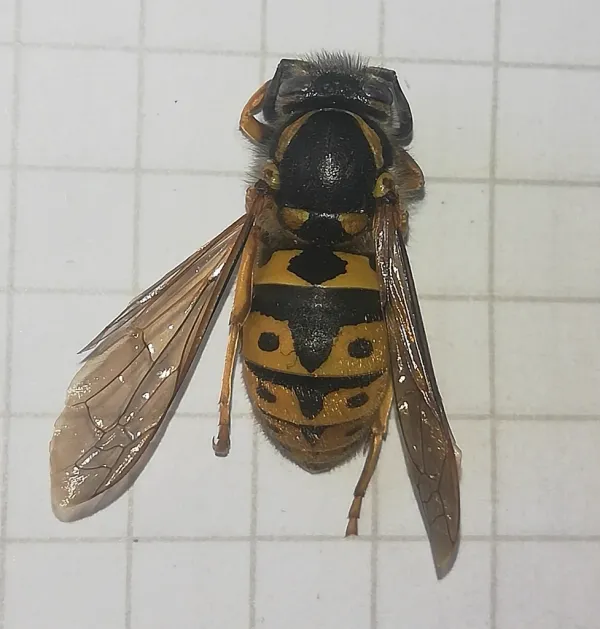
German Yellowjackets Coloration
Common color patterns to help identify german yellowjackets
German Yellowjackets
Seasonal Activity
When german yellowjackets are most active throughout the year

Where German Yellowjackets Are Found
Hover over states to see their names. Green regions indicate where german yellowjackets have been reported.
German Yellowjacket Identification Guide
Physical Characteristics
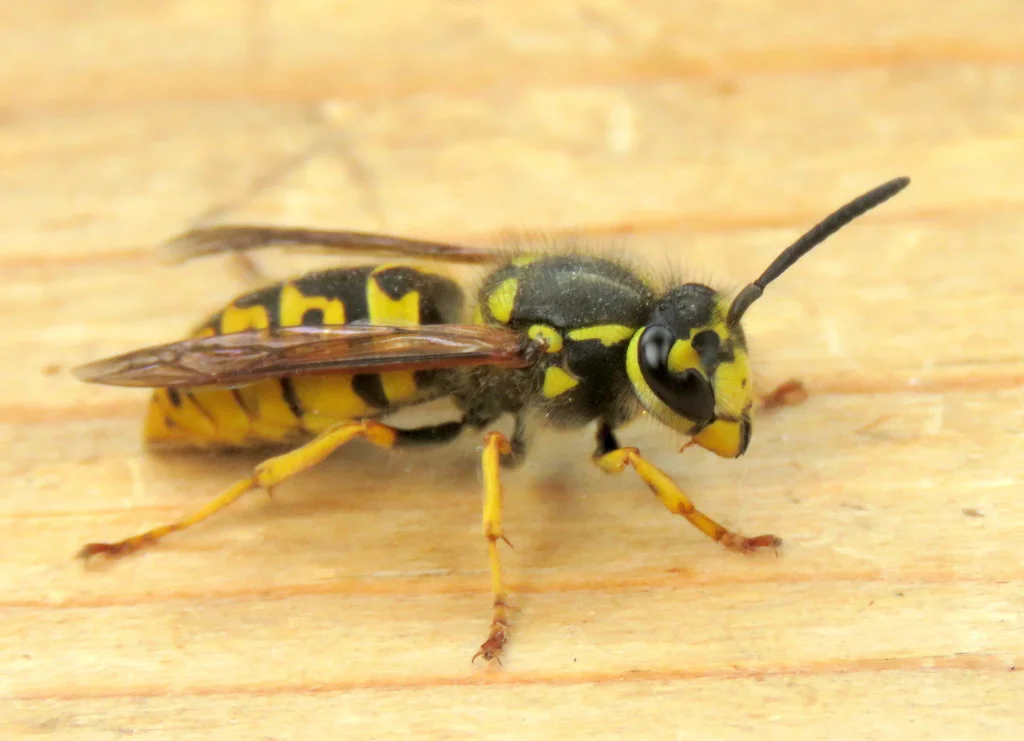
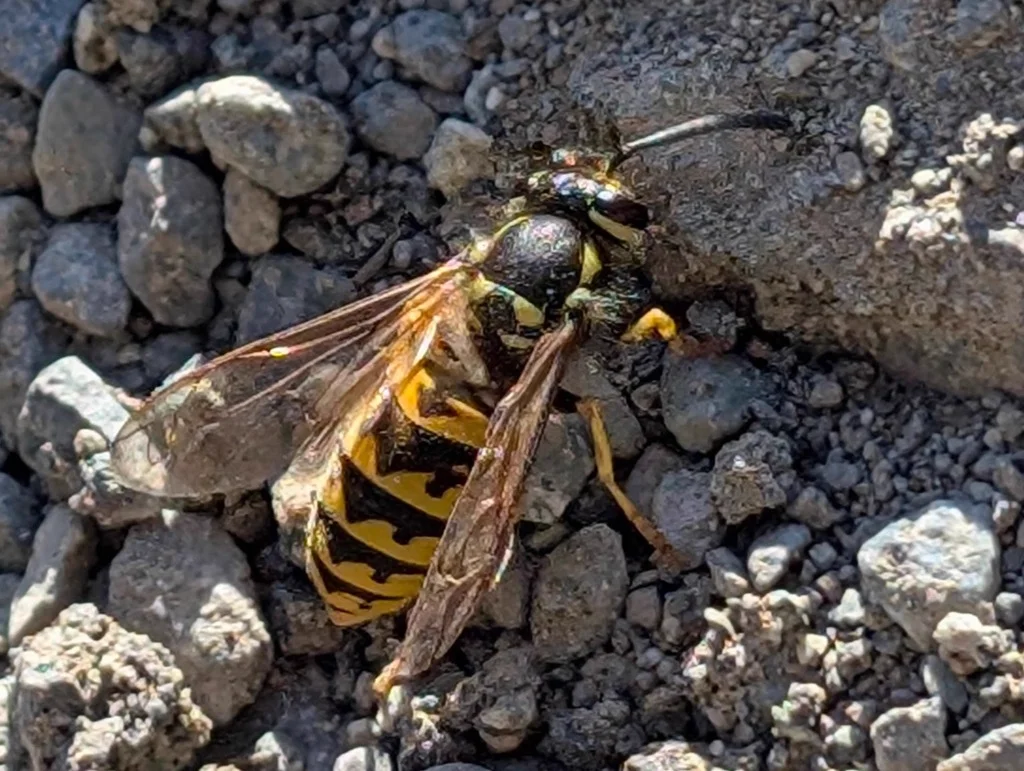
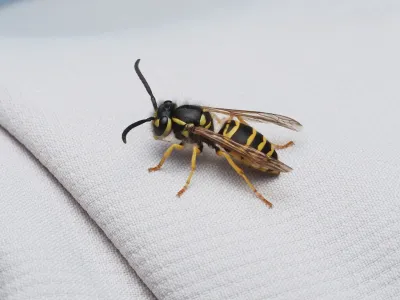
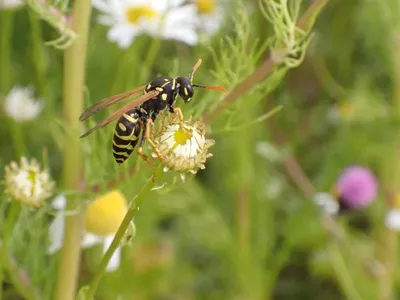
German yellowjackets are medium-sized wasps. They measure 12 to 17 mm long, with queens up to 20 mm. They have the typical black and yellow banding of yellowjackets. But a few features set them apart from native species.
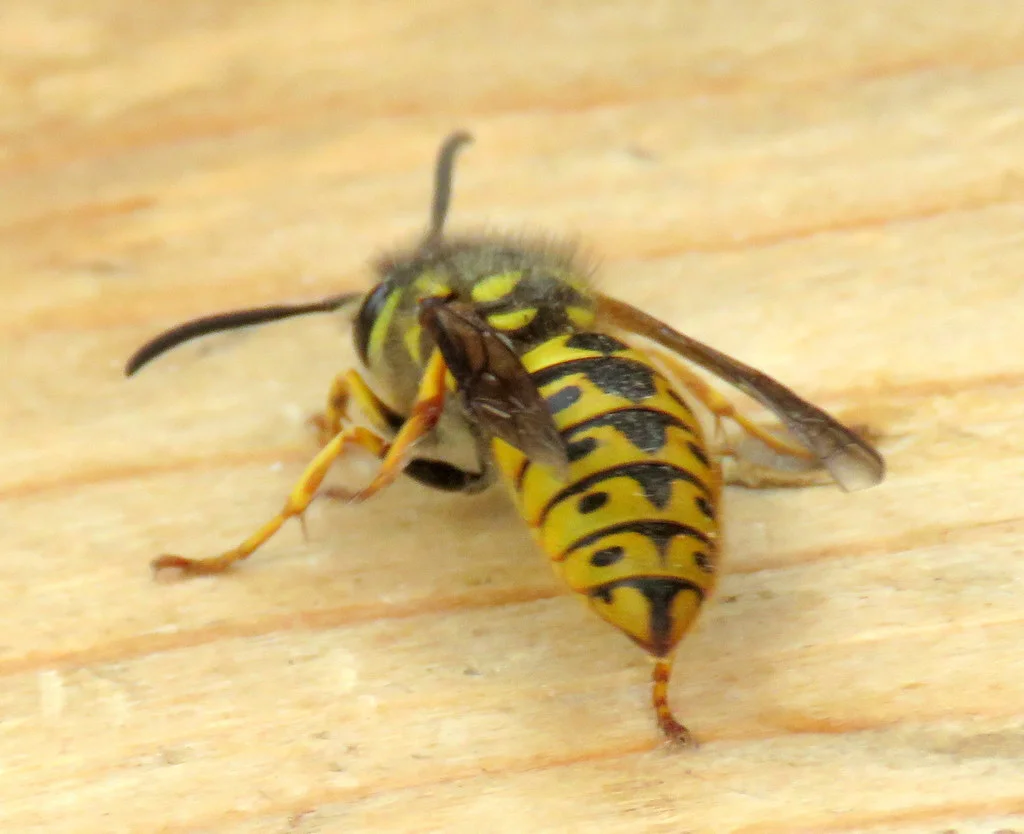
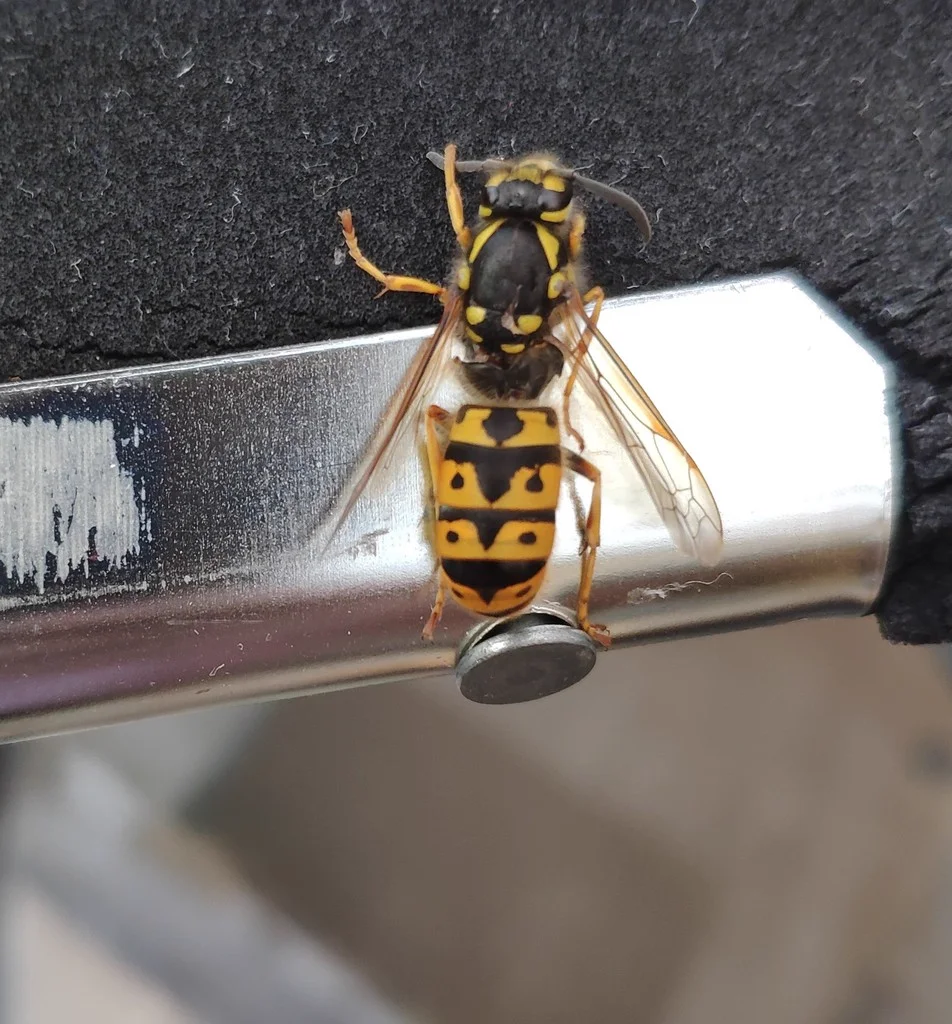
The best way to identify them is by the pattern on the abdomen. German yellowjackets have a diamond-shaped black mark on the first segment. Eastern yellowjackets have an anchor-shaped mark instead. The other segments show black bands with small, separate black dots on either side. These loose dots are a key trait of this species.
Another useful feature is the face pattern. German yellowjackets have three small black dots on the face plate between the eyes and mouth. This helps tell them apart from similar-looking wasps.
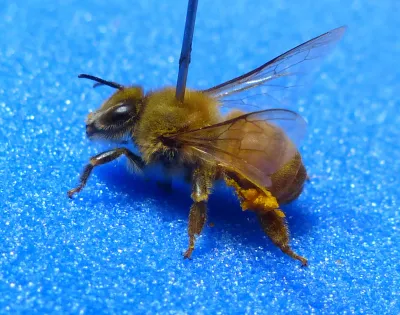
Like all yellowjackets, they have a narrow waist and clear wings that fold when at rest. They lack the fuzzy hair seen on bees. Their bodies look smooth and slightly shiny.
Origin and Distribution
German yellowjackets (Vespula germanica) come from Europe, Northern Africa, and temperate Asia. They first appeared in North America in Ohio in 1975. Since then, they have spread across much of the continent. They now live throughout the northeastern and western United States, all of Canada, and parts of Mexico.
This species is a successful invader. It often pushes out native yellowjacket populations. In many urban and suburban areas of the eastern U.S., German yellowjackets have become the main yellowjacket species. They have overtaken the native Eastern yellowjacket (Vespula maculifrons).
German Yellowjacket Behavior and Biology
Nesting Habits
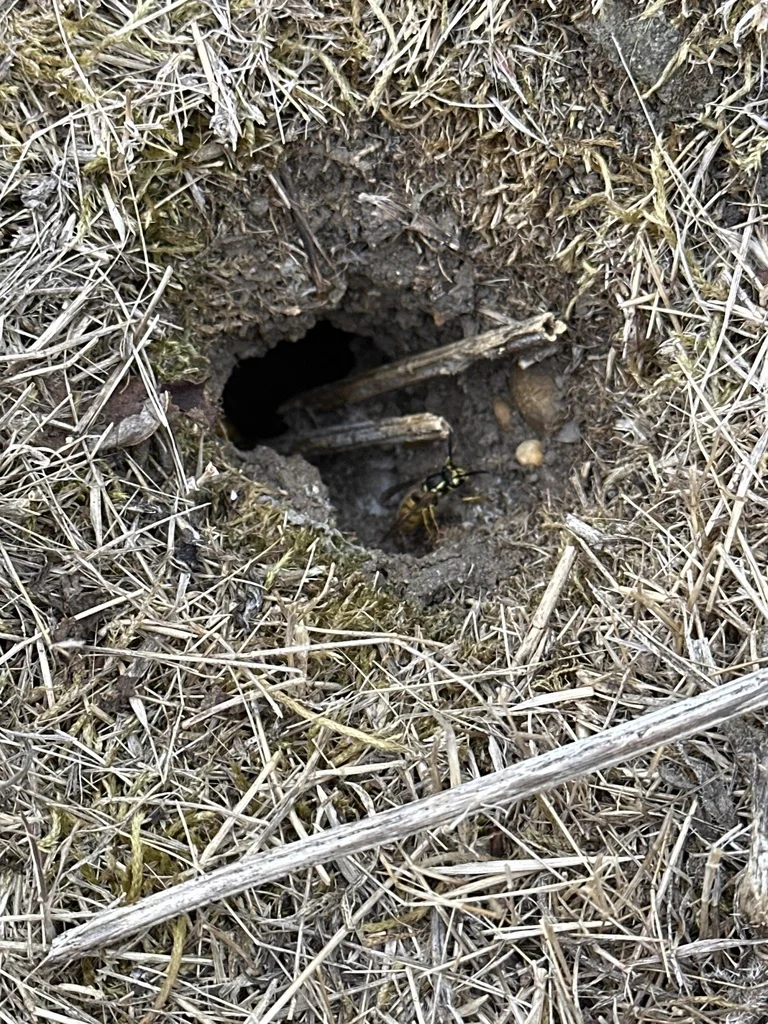
One key difference between German yellowjackets and native species is where they build nests. In their native range, they usually nest underground. But in North America, they strongly prefer nesting inside structures. Wall voids, crawl spaces, and soffits are common nest locations. A related species, Cow Killers, shares similar characteristics.
This habit of nesting in buildings raises the chance of stings. A colony hidden in a wall can go unnoticed until it grows large. At that point, wasps may start entering living spaces.
Nests are made from a paper-like material. Workers chew wood fibers and mix them with saliva. A mature colony can hold 1,000 to 3,000 workers during late summer. In mild climates or protected indoor spots, colonies sometimes survive winter and grow very large.
Foraging and Diet
German yellowjackets are both hunters and scavengers. Workers catch small insects and spiders to feed the larvae in the nest. They also gather sweet foods like fruit, honeydew from aphids, and nectar.
What makes German yellowjackets a problem is their love of human food. They scavenge from garbage, outdoor dining areas, picnic sites, and sporting events. Their pushy behavior around food makes them a common pest at summer cookouts and outdoor restaurants.
German yellowjackets will also defend food they find. This bold behavior leads to many encounters with people. They are more aggressive than most other yellowjacket species.
Aggression and Defense
German yellowjackets strongly defend their nests. When a nest is disturbed, workers release alarm scents that call more defenders. They can also mark attackers with a chemical signal. This causes other yellowjackets to join the attack on that person.
Unlike honey bees, yellowjackets have smooth stingers that do not detach. Each wasp can sting multiple times. Stings are painful and may cause serious allergic reactions in some people. German yellowjackets often nest in or near buildings. This raises the risk of bumping into a nest by accident.
Life Cycle
German yellowjacket colonies follow a yearly cycle in most of North America. In spring, a mated queen comes out of hibernation and starts building a small nest. She raises the first workers by herself. Once they mature, workers take over building the nest, finding food, and caring for young.
Colonies grow all summer. They reach their largest size in late August or September. At this time, the colony produces new queens and males. After mating, new queens find protected spots to spend the winter. The rest of the colony dies off. Only mated queens survive to start new colonies the next year.
How We Treat for German Yellowjackets
To treat German yellowjackets, we must find and access the nest. This can be tricky when the nest is inside a wall or other hidden space.
-
Finding the Nest: We first watch where the wasps are going in and out. For wall nests, we may observe traffic patterns or use listening methods to find the colony.
-
Ground Nest Treatment: For nests in the ground, we apply insecticide into the nest entrance and nearby soil. We may also use insecticidal dust in the opening for better reach.
-
Wall Void Treatment: For colonies inside walls, we apply dust or foam through entry points and openings. The goal is to reach the nest and wasps inside. Follow-up visits may be needed since hidden colonies can be hard to fully treat in one visit.
-
Aerial Nest Treatment: For nests on eaves, trees, or other exposed spots, we apply insecticide directly to the nest. We usually treat in early morning or evening when wasps are calmer.
-
Prevention Tips: After treatment, we suggest sealing entry points once the colony is gone. Fixing gaps in siding, vents, and other spots helps prevent future nests.
We offer free callbacks if the problem returns between scheduled services.
References
Other Wasps
Explore other species in the wasps family
Commonly Confused With
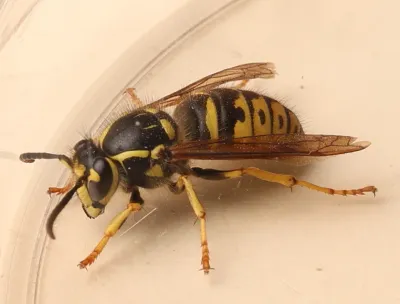
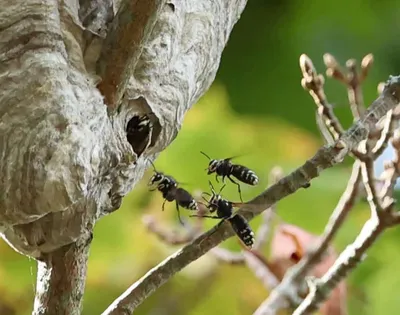
German Yellowjackets are often mistaken for these similar pests
Where German Yellowjackets Are Found
Hover over states to see their names. Green regions indicate where german yellowjackets have been reported.
Common Questions about German Yellowjackets
How can I tell a German yellowjacket from other yellowjackets?
+
German yellowjackets have distinctive diamond-shaped black markings on the first abdominal segment and small black dots (unconnected to bands) on the sides of other segments. They also have three tiny black dots on the face (clypeus). Eastern yellowjackets, in contrast, have anchor-shaped markings on the first segment.
Are German yellowjackets more aggressive than other yellowjackets?
+
Yes. German yellowjackets are considered especially bold and aggressive compared to native species. They will mark aggressors with a scent that attracts other wasps to join the attack, and they can pursue threats for significant distances.
Where do German yellowjackets build their nests?
+
In North America, German yellowjackets prefer to nest inside wall voids and other structural spaces rather than underground. However, they can also build ground nests. This preference for buildings increases the chance of human encounters.
Why are German yellowjackets attracted to my food?
+
German yellowjackets are opportunistic scavengers that feed on meat, sugary foods, and garbage. They commonly appear at outdoor events, picnics, and anywhere food is present. This scavenging behavior makes them a significant nuisance pest.
When are German yellowjackets most active?
+
German yellowjackets are most active from late spring through fall. Colonies reach peak size in late summer and early fall, which is when they become most noticeable and aggressive as they search for food to support the colony.
Are German yellowjackets invasive?
+
Yes. German yellowjackets are native to Europe, Northern Africa, and temperate Asia. They were first detected in North America in Ohio in 1975 and have since spread across much of the continent, often outcompeting native yellowjacket species.
Can German yellowjackets sting multiple times?
+
Yes. Unlike honeybees, German yellowjackets have smooth stingers that do not get stuck in skin. This allows them to sting repeatedly, making encounters with their nests particularly dangerous.

With five years of hands-on experience in the pest control industry, George Schulz is a registered technician with the Virginia Pest Management Association and a proud third-generation professional in a family business that's been protecting homes for over 57 years. He manages and trains a team of service pros while also leading internal research efforts—recently spearheading a deep-dive review of thousands of documents on pest control materials to hand-pick the most kid and pet friendly, most effective solutions tailored specifically for homes in the DC metro area.