Gall Wasps Identification Guide
Cynipidae
Gall wasps are tiny wasps that cause distinctive growths on oak trees, roses, and other plants. While the galls can look alarming, these insects rarely pose a threat to healthy, mature trees.
Taxonomy
Gall Wasps Coloration
Common color patterns to help identify gall wasps
Gall Wasps
Seasonal Activity
When gall wasps are most active throughout the year

Where Gall Wasps Are Found
Hover over states to see their names. Green regions indicate where gall wasps have been reported.
Gall Wasp Identification Guide
Physical Characteristics
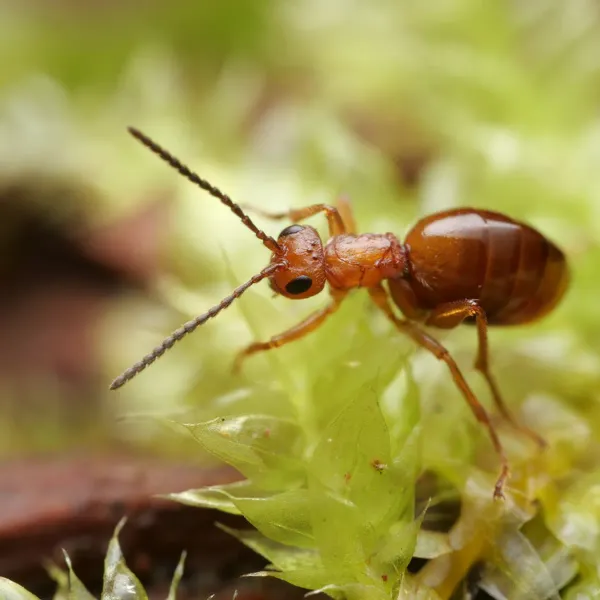
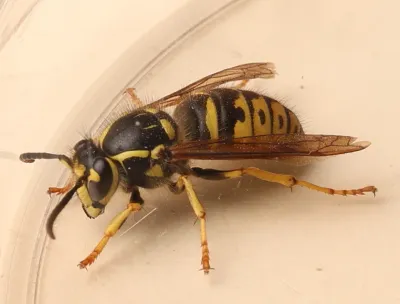
Gall wasps belong to the family Cynipidae. They are some of the smallest wasps you will ever see. Adults are only 1 to 8 millimeters long. Many species are barely visible without a magnifying glass. Their bodies are usually glossy black, brown, or reddish-brown. They have a humped middle section and a flat abdomen. Their antennae are thin, and their wings are slender. Unlike stinging wasps such as yellowjackets or paper wasps, gall wasps are harmless to people and do not sting.
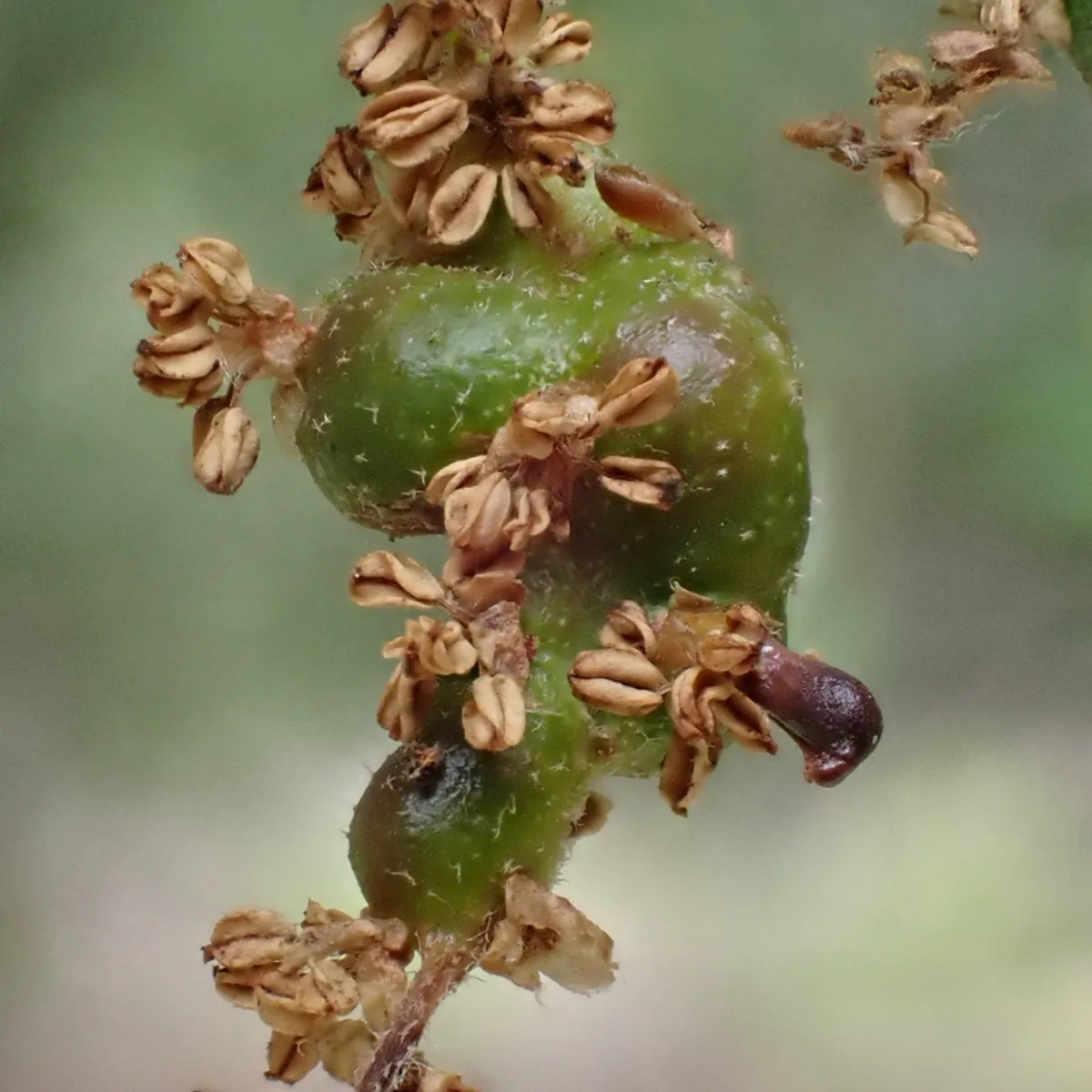
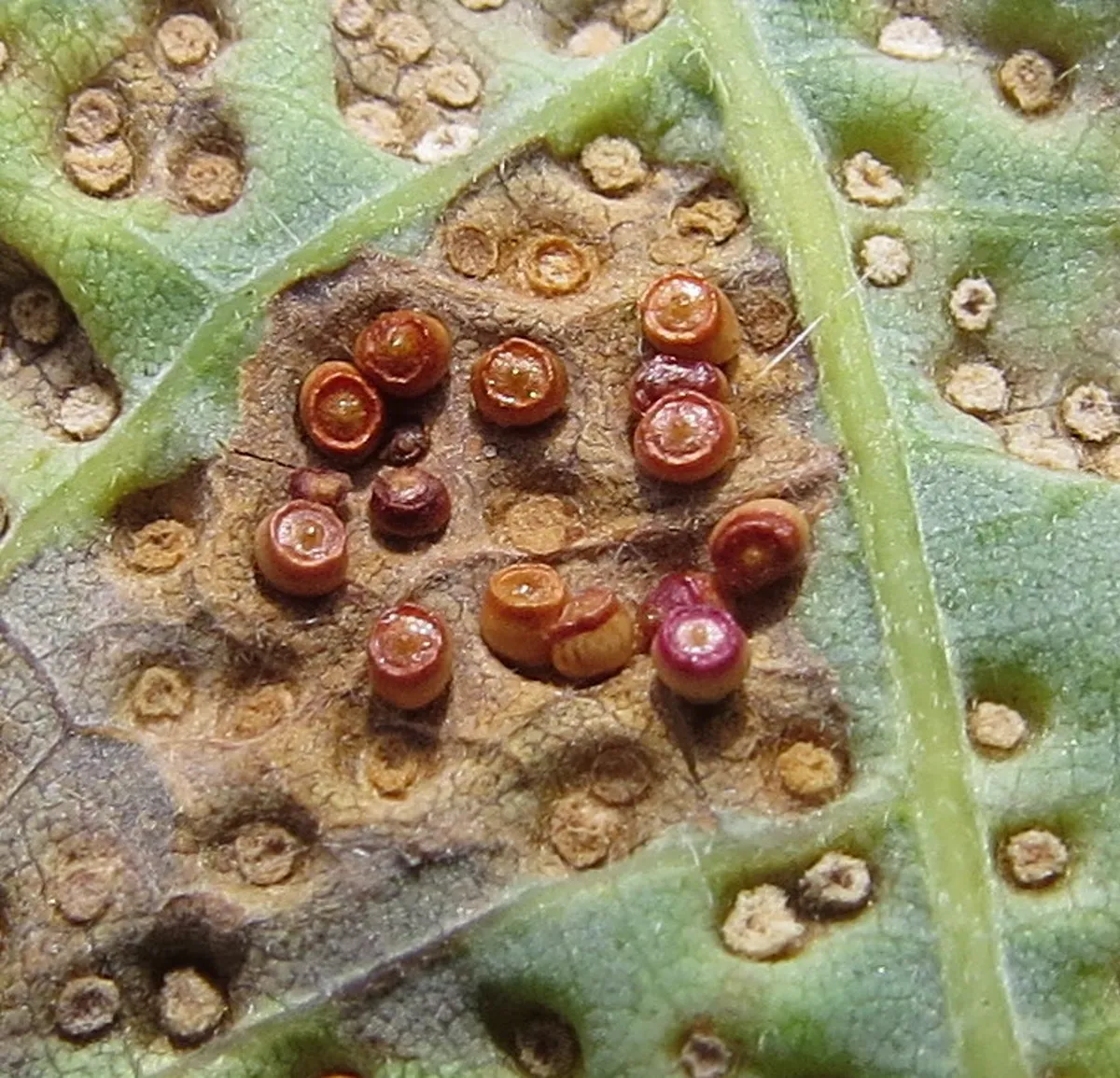
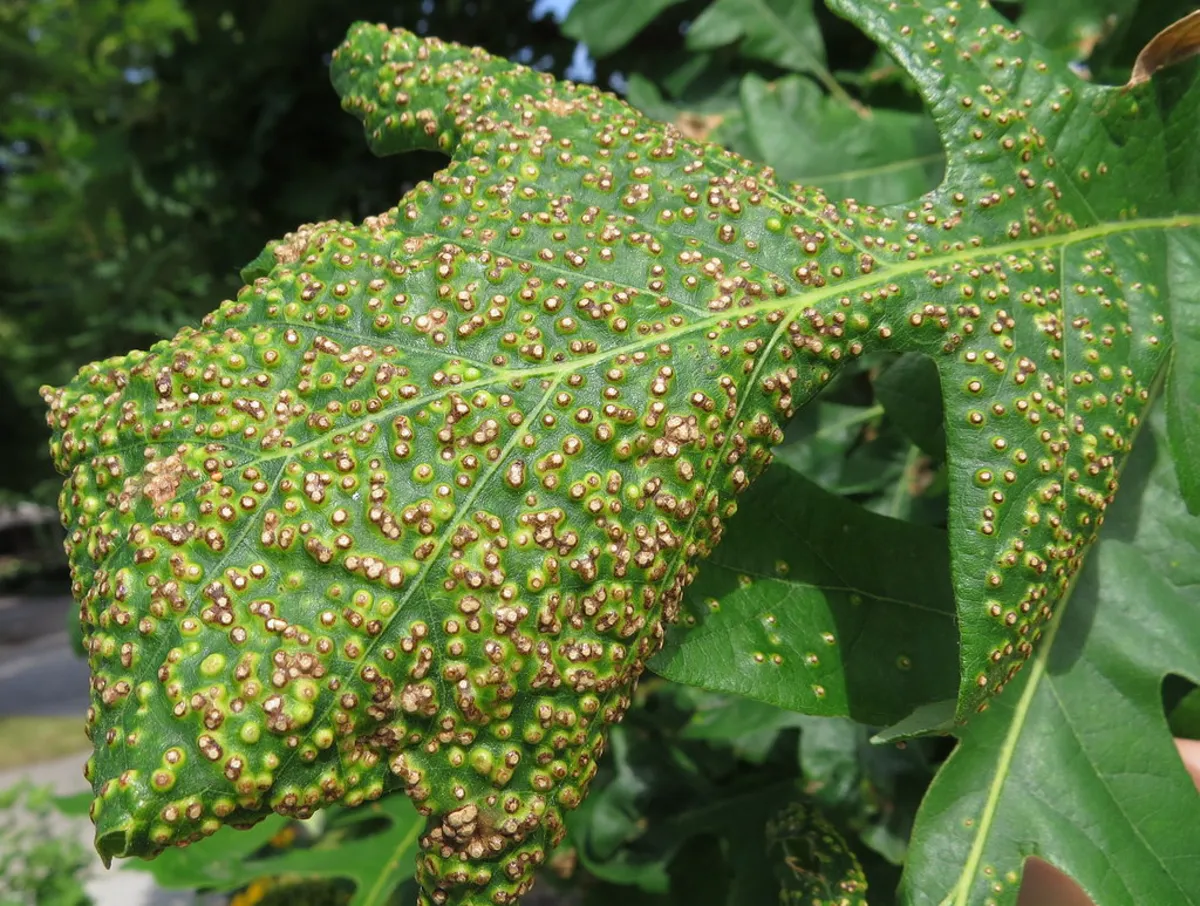
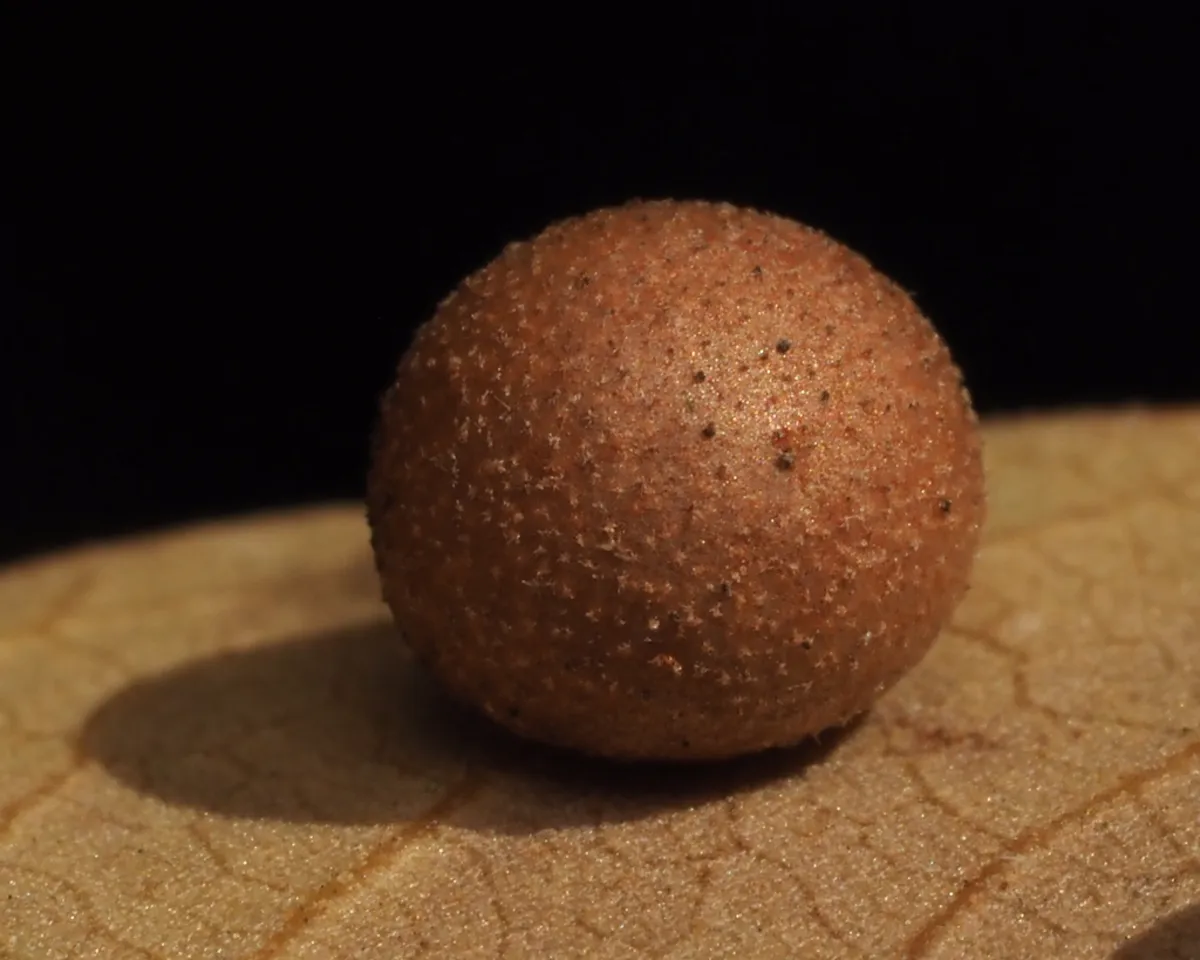
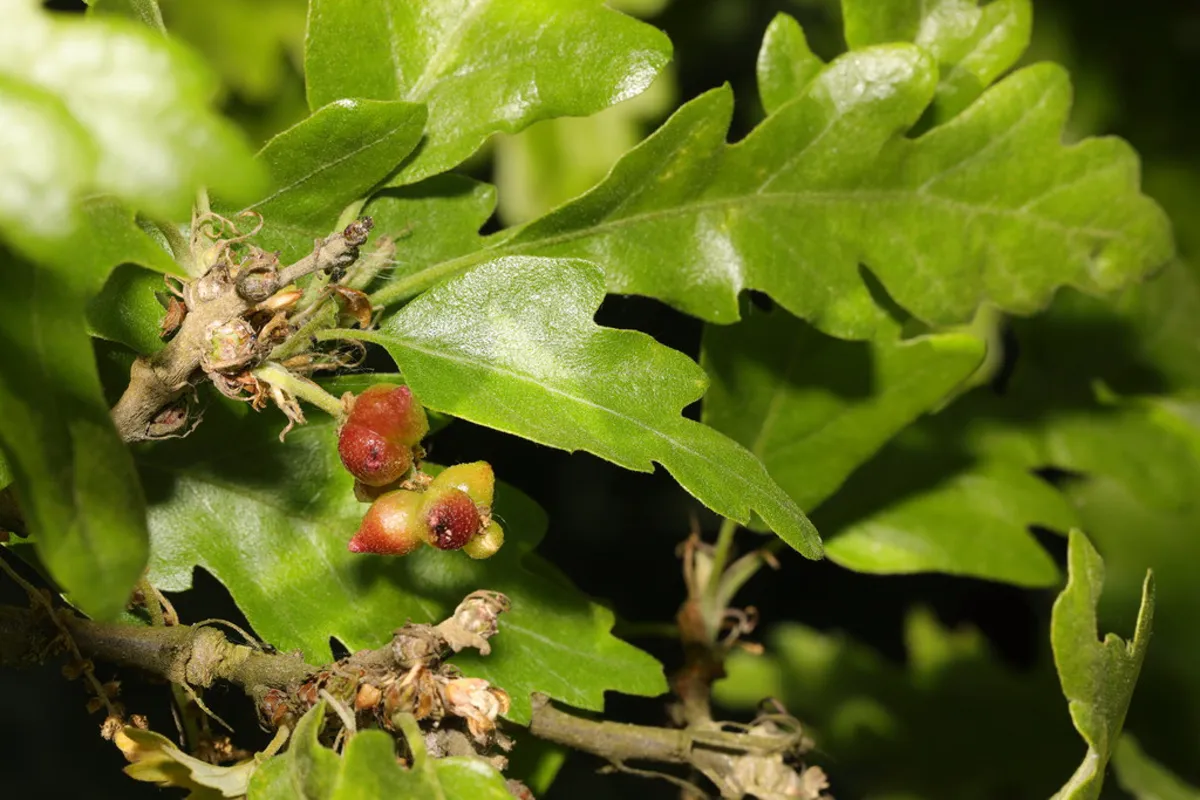
The easiest way to spot gall wasps is not by finding the adults. Instead, look for the galls they create on plants. Each species makes a unique gall shape on a specific host plant. These growths range from small, button-like bumps on leaves to large, spongy oak apples the size of golf balls.
Common Species in North America
- Oak Apple Gall Wasps (Amphibolips spp.) produce the familiar large, round, spongy galls on oak leaves and twigs. They are common throughout the eastern United States.
- Horned Oak Gall Wasp (Callirhytis cornigera) creates hard, woody galls with horn-like points on oak twigs. Found across the eastern and central United States, these twig galls can cause branch dieback during heavy outbreaks.
- Wool Sower Gall Wasp (Callirhytis seminator) produces white, woolly galls on white oak branches in spring. Common in the Mid-Atlantic and Northeast.
- Mossy Rose Gall Wasp (Diplolepis rosae) forms fuzzy, moss-like growths on wild roses. Found across North America wherever wild roses grow.
- California Gall Wasp (Andricus quercuscalifornicus) creates large oak apple galls on valley oaks and other western oak species. One of the most visible gall wasps in the western states.
Gall Wasp Behavior and Biology
Gall wasps have a unique life cycle. Females lay their eggs into plant tissue such as buds, leaves, twigs, or roots. As the larva grows, it releases chemicals that change how the plant develops around it. The plant forms a gall, an abnormal growth that gives the larva food and shelter. Each gall has one or more inner chambers. Larvae feed inside until they grow into adults.
Many oak gall wasp species switch between two types of generations. One has both males and females. The other is all female and reproduces without mating. Each generation makes a different type of gall. Sometimes these galls appear on different parts of the same tree. Early scientists were so confused by this that they thought the two generations were separate species.
Diet and Feeding
Gall wasp larvae feed only on the tissue inside their galls. Adult gall wasps live for a very short time and may sip nectar or not eat at all. Unlike predatory wasps, gall wasps depend entirely on plant tissue for food. They do not hunt other insects.
Habitat
Gall wasps live wherever their host plants grow. Most North American species feed on oaks (Quercus spp.). You can find them in forests, suburbs with mature oaks, and parks across the continent. Rose gall wasps (Diplolepis spp.) show up wherever wild and garden roses grow.
Ecological Role
Gall wasps play a notable role in nature. Their galls create small habitats that support many other insects. Parasitic wasps feed on gall wasp larvae inside the galls. Other wasps eat gall tissue without harming the host. Beetles and moths may also use empty galls for shelter. A single large oak apple gall can house dozens of insect species.
Treatment and Management Strategies
Gall wasps do not sting. Most species cause only cosmetic damage to healthy trees. Still, management may make sense when twig galls cause branch dieback or when galls hurt the look of valuable landscape trees.
The most effective strategies for managing gall wasps include:
-
Monitoring and Assessment: Most leaf galls on mature trees do not need treatment. Healthy trees handle even heavy gall loads without lasting harm. Gall numbers often drop on their own within one to three seasons.
-
Pruning and Cleanup: For twig or stem galls, cut out and destroy affected branches in late winter or early spring before adult wasps come out. This can lower the local population the next year. Bag or throw away galled material instead of composting it.
-
Keeping Trees Healthy: Water, mulch, and care for your trees to help them resist gall damage. Young or stressed trees are more likely to suffer from heavy galling.
-
Chemical Treatment Limits: Foliar sprays do not work well against gall wasps because the larvae live inside protected gall tissue. Sprays timed to match adult emergence at budbreak may reduce new galls, but results are often mixed.
-
Protecting Natural Enemies: Parasitoid wasps that prey on gall wasp larvae are one of the best long-term controls. Avoid broad-spectrum insecticides near affected trees, since these can kill the very predators that keep gall wasp numbers in check.
If you are worried about gall damage on your trees, contact a certified arborist or your local extension office for advice on your specific situation.
References
- Cynipid Gall Wasps - Utah State University Extension
- Insect and Mite Galls - Colorado State University Extension
- Cynipidae - UMass Extension Insect and Mite Guide
- Gall Wasps - U.S. Fish and Wildlife Service
- Stone, G.N. & Schonrogge, K. “The Adaptive Significance of Insect Gall Morphology.” Annual Review of Entomology, 2002. doi:10.1146/annurev.ento.47.091201.145247
Other Wasps
Explore other species in the wasps family
Commonly Confused With
Gall Wasps are often mistaken for these similar pests
Where Gall Wasps Are Found
Hover over states to see their names. Green regions indicate where gall wasps have been reported.
Common Questions about Gall Wasps
Are gall wasps harmful to my trees?
+
In most cases, no. Leaf galls are primarily cosmetic and healthy, mature trees tolerate them well. However, heavy infestations of twig or stem galls on young or stressed trees can occasionally cause branch dieback.
Do gall wasps sting people?
+
No. Despite being wasps, gall wasps do not sting humans. They are tiny, non-aggressive insects that lack a functional stinger. They pose no direct health risk to people or pets.
What are those round balls growing on my oak tree?
+
Those are galls, which are abnormal plant growths triggered by gall wasp larvae. Each wasp species creates a unique gall shape, from round oak apples to spiny horned galls. The gall serves as both shelter and food for the developing larva inside.
Can I spray to get rid of gall wasps?
+
Insecticide sprays are generally ineffective once galls have formed because the larvae are protected inside the plant tissue. Preventative treatments timed to budbreak may reduce new gall formation, but most extension experts recommend tolerance rather than chemical treatment for leaf galls.
Should I remove galls from my trees?
+
For leaf galls, removal is usually unnecessary. For twig or stem galls on young trees, pruning out galled branches in late winter or early spring (before adult wasps emerge) can help reduce future populations. Destroy pruned material rather than composting it.
When are gall wasps most active?
+
Adult gall wasps are most active in spring, typically April through May, when they emerge to lay eggs on new plant growth. Galls become visible from late spring through summer and often persist on branches into winter.
Why do I suddenly have so many galls this year?
+
Gall wasp populations can fluctuate dramatically from year to year. A heavy gall year does not necessarily mean the problem will persist. Natural parasitoid wasps and other predators often bring populations back under control within a few seasons.

With five years of hands-on experience in the pest control industry, George Schulz is a registered technician with the Virginia Pest Management Association and a proud third-generation professional in a family business that's been protecting homes for over 57 years. He manages and trains a team of service pros while also leading internal research efforts—recently spearheading a deep-dive review of thousands of documents on pest control materials to hand-pick the most kid and pet friendly, most effective solutions tailored specifically for homes in the DC metro area.