Fig Wasps Identification Guide
Agaonidae (Family)
Fig wasps are tiny pollinating insects with an ancient mutualistic relationship with fig trees. Learn how to identify these minute wasps, understand their unique biology, and know when they may appear around your home.
Taxonomy
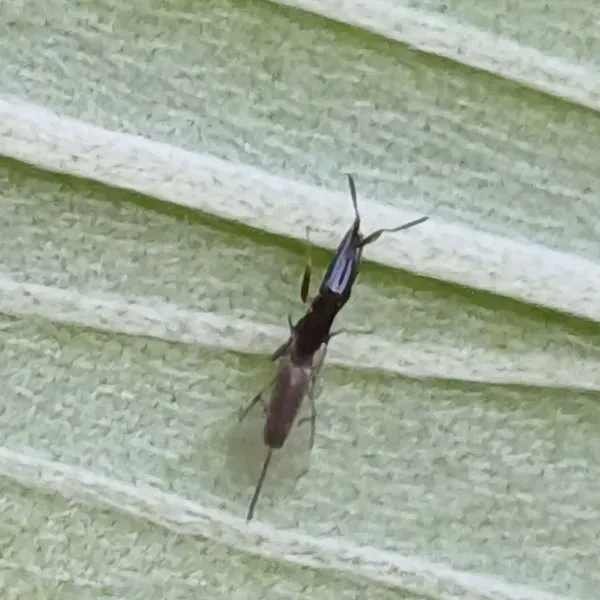
Fig Wasps Coloration
Common color patterns to help identify fig wasps
Fig Wasps
Seasonal Activity
When fig wasps are most active throughout the year

Where Fig Wasps Are Found
Hover over states to see their names. Green regions indicate where fig wasps have been reported.
Fig Wasp Identification Guide
Physical Characteristics
Fig wasps are among the smallest wasps you will ever see. Adults measure just 1 to 2 millimeters long, about the size of a pinhead. Most people would not know they are wasps without a magnifying glass.
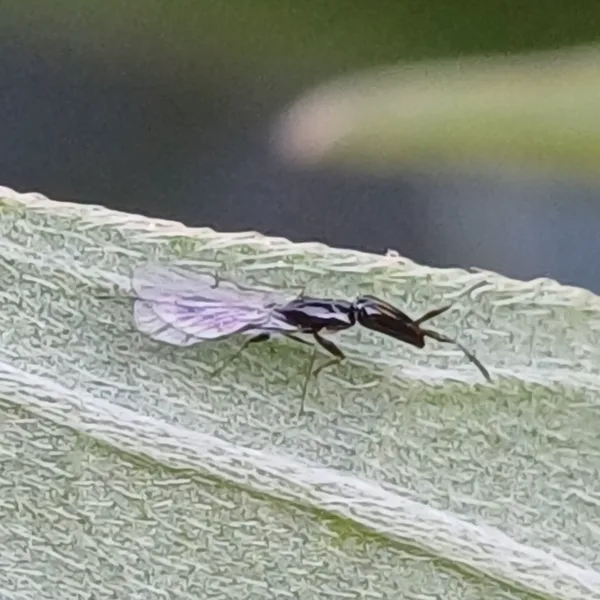
Female fig wasps have dark black to dark brown bodies with clear wings. The wings are narrow with simple vein patterns. Females have a visible egg-laying tube called an ovipositor. They use it to place eggs inside fig ovules. Their antennae pick up chemical signals from figs that are ready for pollination.
Males look very different from females. In most species, males have no wings and have smaller eyes. Their bodies tend to be lighter, ranging from amber to golden brown. Males have large jaws used for chewing exit tunnels in the fig and for fighting other males. They spend their entire lives inside the fig and cannot survive outside it.
This sharp contrast between males and females is one of the most notable features of fig wasps. If you see both sexes side by side, they look like two completely different insects.
Common Species in North America
About 750 known species of fig wasps exist worldwide. The true number likely tops 1,000. In North America, the most common species include:
-
Blastophaga psenes: The pollinator of the common fig (Ficus carica). This species was brought to California from the Mediterranean in the 1890s to help grow Smyrna-type figs. It is still found in California’s Central Valley and southern regions today.
-
Pegoscapus species: A group of New World fig wasps found in Florida and along the Gulf Coast. These wasps pollinate native American fig species like the strangler fig (Ficus aurea) and shortleaf fig (Ficus citrifolia).
-
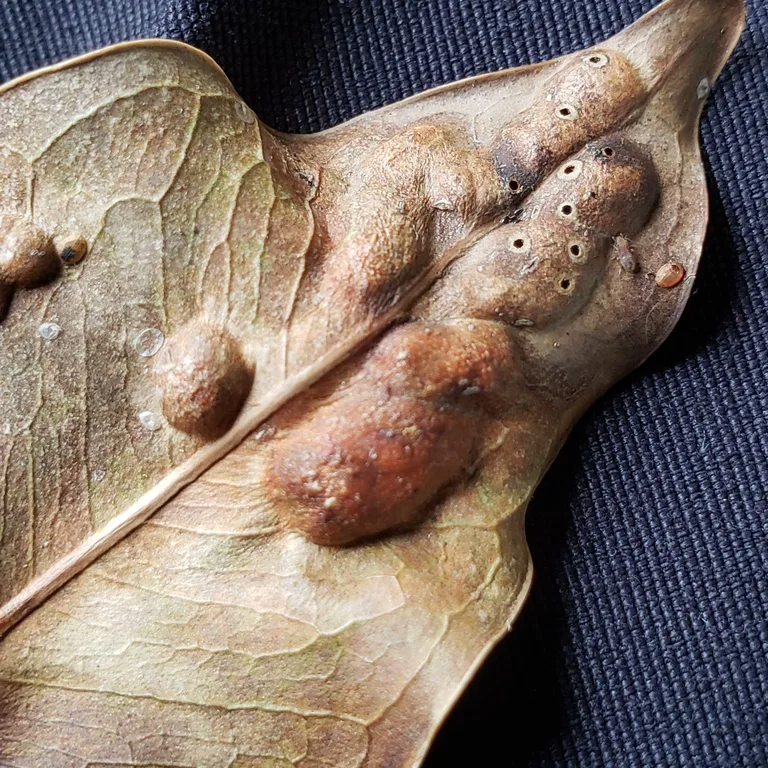
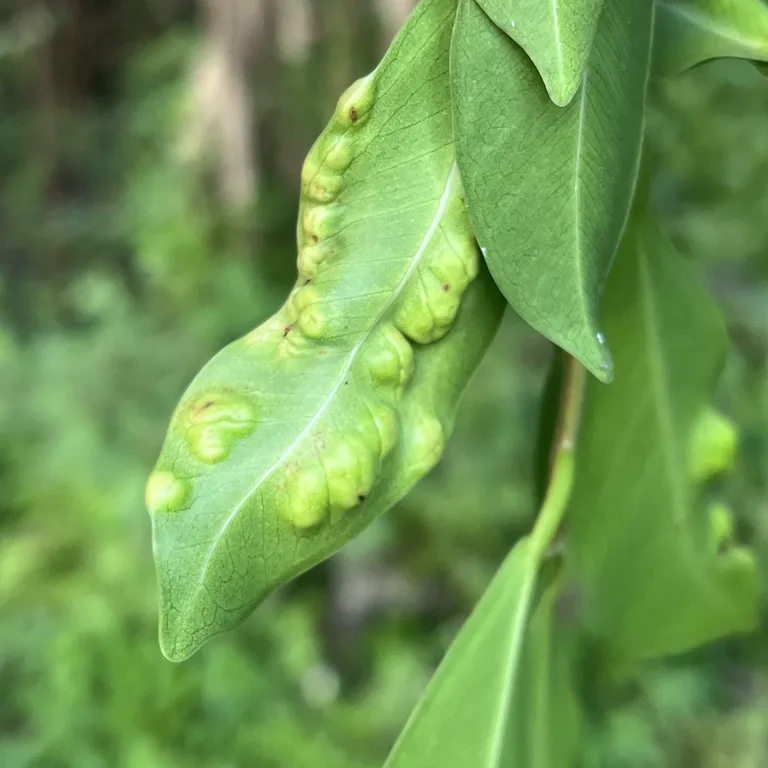
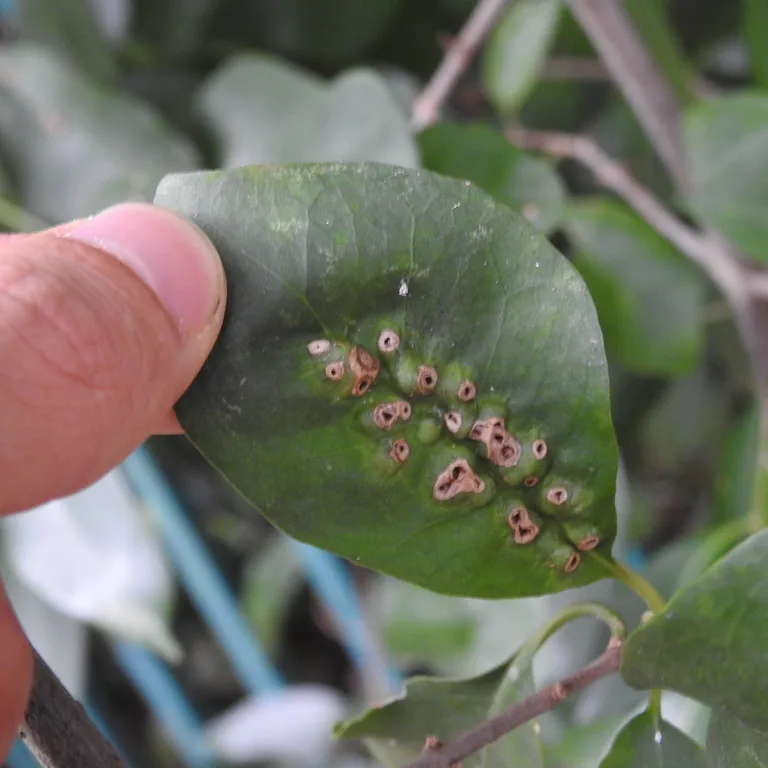
Josephiella microcarpae: The ficus gall wasp. This species does not pollinate figs. Instead, it creates visible galls on the leaves of Indian laurel fig (Ficus microcarpa), a common ornamental tree in southern states. It came from Asia and is now found in California, Florida, and Hawaii.
Fig Wasp Behavior and Biology
The Fig-Wasp Mutualism
Fig wasps and fig trees share one of the oldest partnerships in the insect world. It has lasted at least 60 to 80 million years. Nearly every one of the roughly 900 fig tree species has its own specific wasp. The fig gives the wasp a place to raise its young. In return, the wasp pollinates the fig’s flowers.
What we call a fig “fruit” is actually a syconium. It is a hollow, fleshy structure lined with hundreds of tiny flowers on the inside. These flowers can only be reached through a small opening at the bottom called the ostiole. Only the right wasp species is small enough to squeeze through this opening.
Life Cycle
The fig wasp life cycle is closely tied to the fig’s own growth cycle:
-
Entry and pollination: A mated female wasp carries pollen from the fig where she was born. She follows chemical signals to find a new fig that is ready. She squeezes through the ostiole, often losing her wings and antennae along the way. Once inside, she spreads pollen across the internal flowers and lays eggs in some of the ovules.
-
Larval development: The eggs hatch inside the ovules. These ovules grow into galls that feed the larvae. The larvae eat this gall tissue for several weeks as they grow.
-
Male emergence and mating: Wingless males come out first. They find galls with developing females and chew through to mate with them. Then the males work together to chew an exit tunnel through the fig wall.
-
Female dispersal: The newly mated females gather pollen from male flowers inside the fig. They leave through the tunnel and fly off to find another receptive fig. Females live only one to two days as adults.
-
Male death: Males usually die inside the fig after making the exit tunnel. They cannot survive outside the fig.
Diet and Feeding
Fig wasp larvae feed only on gall tissue that forms from fig ovules. This plant tissue gives them everything they need to grow from egg to adult. Adult fig wasps do not really eat. Their short adult lives focus entirely on mating and finding a new fig. Some adults may take in small amounts of nectar or pollen, but feeding is not a major part of their adult life.
Non-Pollinating Fig Wasps
Besides the pollinating species, many non-pollinating fig wasps also use fig trees. These include:
-
Gall-making wasps: Species like Josephiella microcarpae lay eggs in fig leaves or fruit from the outside using long egg-laying tubes. They never enter the fig and do not pollinate it. Their larvae form visible bumps (galls) on leaves.
-
Parasitoid wasps: Some species lay eggs inside the galls of pollinating fig wasps. Their larvae then feed on the pollinator larvae inside.
-
Cleptoparasites: These wasps take resources from the fig without helping with pollination.
Signs of Fig Wasp Activity
Most homeowners will never see a fig wasp because they are so small. However, there are signs that point to their presence:
-
Galls on fig leaves: Raised, swollen bumps on the leaves of ornamental ficus trees are a sign of non-pollinating fig wasps like Josephiella microcarpae. These galls are the most common visible clue of fig wasp activity.
-
Tiny insects near fig trees: When figs are ripening, you may spot very small, dark insects flying near the fruit. These could be female fig wasps looking for figs to enter.
-
Exit holes in figs: Small holes in ripe figs show where female wasps came out after growing inside.
-
Seeded vs. seedless figs: Figs that were pollinated by fig wasps have small, crunchy seeds. Figs from self-fruiting varieties that did not need pollination stay seedless.
Treatment Methods for Fig Wasps
Fig wasps do not sting, do not damage structures, and do not infest homes. They live only on fig trees, so treatment is rarely needed. When management is called for, it typically focuses on non-pollinating species that cause leaf galls on ornamental ficus trees.
-
Gall management on ornamental figs: For homeowners dealing with galls on ornamental ficus trees from species like Josephiella microcarpae, pruning and removing heavily galled leaves can reduce local populations. Keeping the tree healthy through proper watering and fertilization helps it tolerate gall damage.
-
Exclusion: Growers who want to keep fig wasps out of developing fruit can cover figs with fine mesh bags. Removing nearby caprifig trees (wild-type figs that support wasp populations) also cuts down on wasp numbers in the area.
-
Chemical control limitations: Broad-spectrum insecticides are generally not effective or practical for fig wasp management. These tiny insects live most of their lives inside figs, making them hard to reach with sprays. Targeted cultural methods tend to produce better results.
-
Monitoring: Checking fig trees regularly for galls or wasp activity helps homeowners decide if any action is needed. In most cases, fig wasps do not cause enough damage to justify treatment.
References
Other Wasps
Explore other species in the wasps family
Commonly Confused With
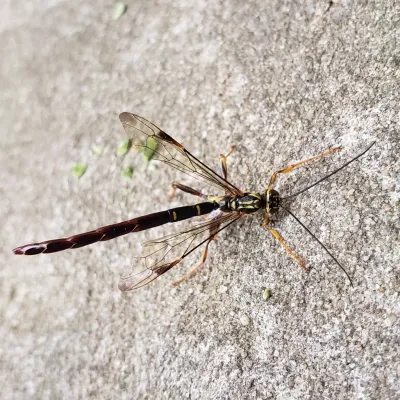
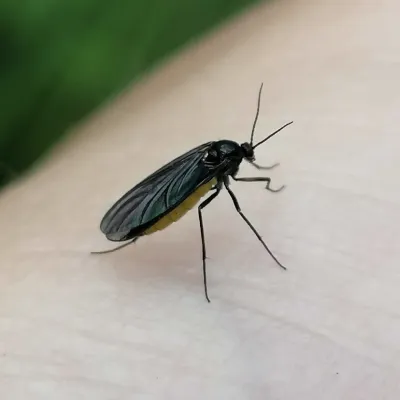
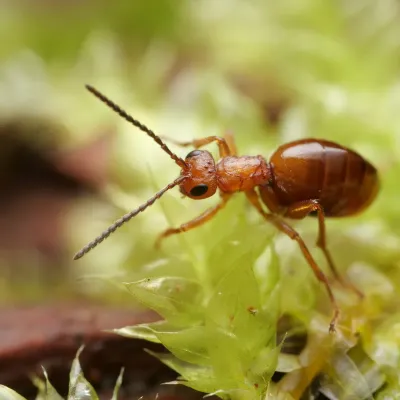
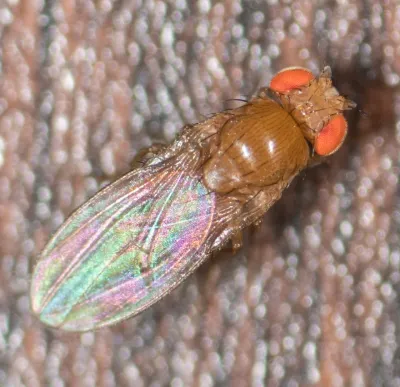
Fig Wasps are often mistaken for these similar pests
Where Fig Wasps Are Found
Hover over states to see their names. Green regions indicate where fig wasps have been reported.
Common Questions about Fig Wasps
Are there dead wasps inside my figs?
+
When a female fig wasp enters a fig to pollinate it, she often loses her wings and antennae squeezing through the tiny opening called the ostiole. She dies inside the fig after laying eggs. However, the fig produces an enzyme called ficin that breaks down the wasp's body completely. By the time you eat a ripe fig, the wasp has been fully digested by the fruit. You are not eating an intact insect.
Are fig wasps dangerous to humans?
+
No, fig wasps pose no threat to people or pets. They are far too small to sting humans. Their mouthparts and ovipositors are adapted for interacting with fig flowers, not for defense. They do not bite, do not build nests on structures, and have no interest in human food or activities.
Do all figs need fig wasps?
+
Not all figs require wasp pollination. Many common grocery store fig varieties, such as the Brown Turkey and Celeste cultivars, are parthenocarpic. This means they produce fruit without pollination. Smyrna-type figs, like the Calimyrna variety grown in California, do require pollination by the fig wasp Blastophaga psenes to develop edible fruit.
Can fig wasps infest my house?
+
Fig wasps are not household pests. They live their entire lives in association with fig trees and have no reason to enter homes. If you see a tiny wasp-like insect indoors, it is far more likely to be a fungus gnat, fruit fly, or other small insect. Fig wasps do not survive away from their host fig trees.
How do fig wasps pollinate figs?
+
A female fig wasp enters a receptive fig through the ostiole, a tiny opening at the bottom of the fruit. Inside, she deposits pollen she carried from her birth fig and lays eggs in some of the fig's tiny internal flowers. Larvae develop inside galls formed from the ovules. Males emerge first, mate with females still inside the galls, and chew exit tunnels. Newly mated females collect pollen and fly out to find another receptive fig, continuing the cycle.
Where do fig wasps live in North America?
+
In North America, fig wasps are found primarily in warm southern regions where fig trees grow. Blastophaga psenes was introduced to California in the 1890s to pollinate Smyrna-type figs for commercial production. Native New World fig wasps in the genus Pegoscapus are found in Florida and parts of the Gulf Coast, associated with native wild fig species. They are not established in cooler northern climates.
How long do fig wasps live?
+
Adult female fig wasps typically live only one to two days after emerging from their birth fig. Their sole purpose as adults is to find a new receptive fig, enter it, pollinate its flowers, and lay eggs. Males live even shorter lives. They mate inside the fig where they were born and usually die without ever leaving it. Most males are wingless and cannot survive outside the fig.

With five years of hands-on experience in the pest control industry, George Schulz is a registered technician with the Virginia Pest Management Association and a proud third-generation professional in a family business that's been protecting homes for over 57 years. He manages and trains a team of service pros while also leading internal research efforts—recently spearheading a deep-dive review of thousands of documents on pest control materials to hand-pick the most kid and pet friendly, most effective solutions tailored specifically for homes in the DC metro area.