Eastern Yellowjackets Identification Guide
Vespula maculifrons
The most common yellowjacket species in eastern North America, known for building underground nests and aggressively defending their colonies.
Taxonomy
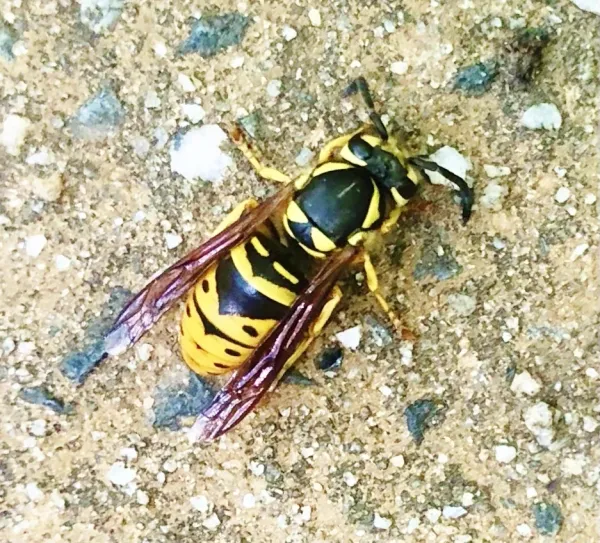
Eastern Yellowjackets Coloration
Common color patterns to help identify eastern yellowjackets
Eastern Yellowjackets
Seasonal Activity
When eastern yellowjackets are most active throughout the year
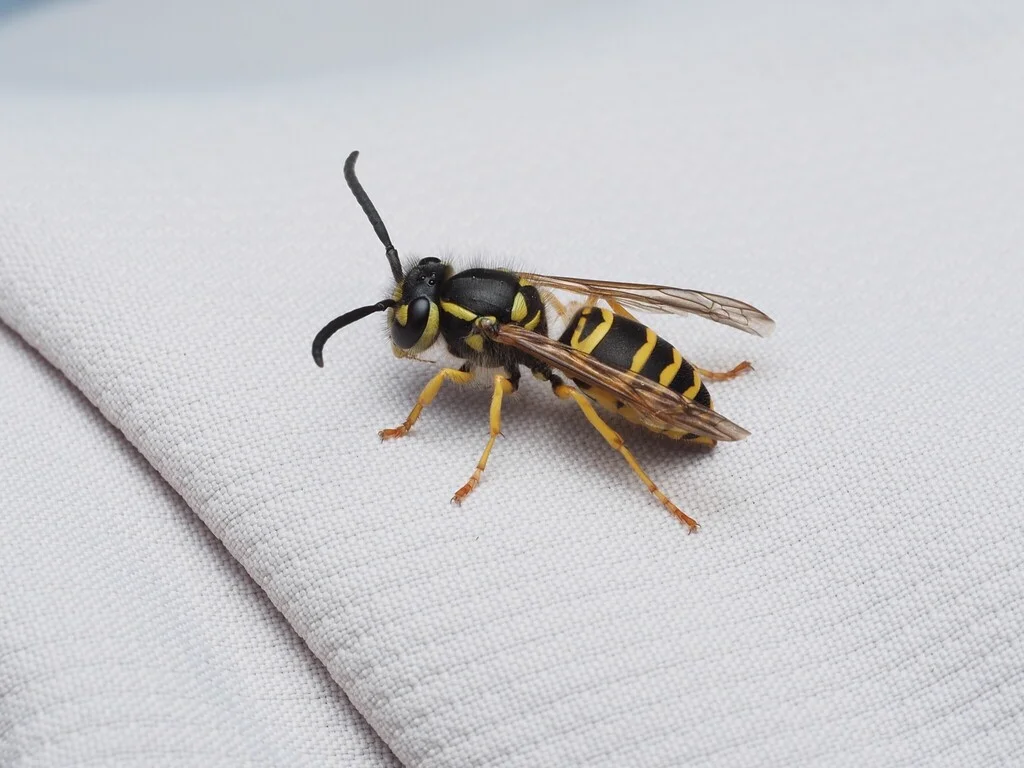
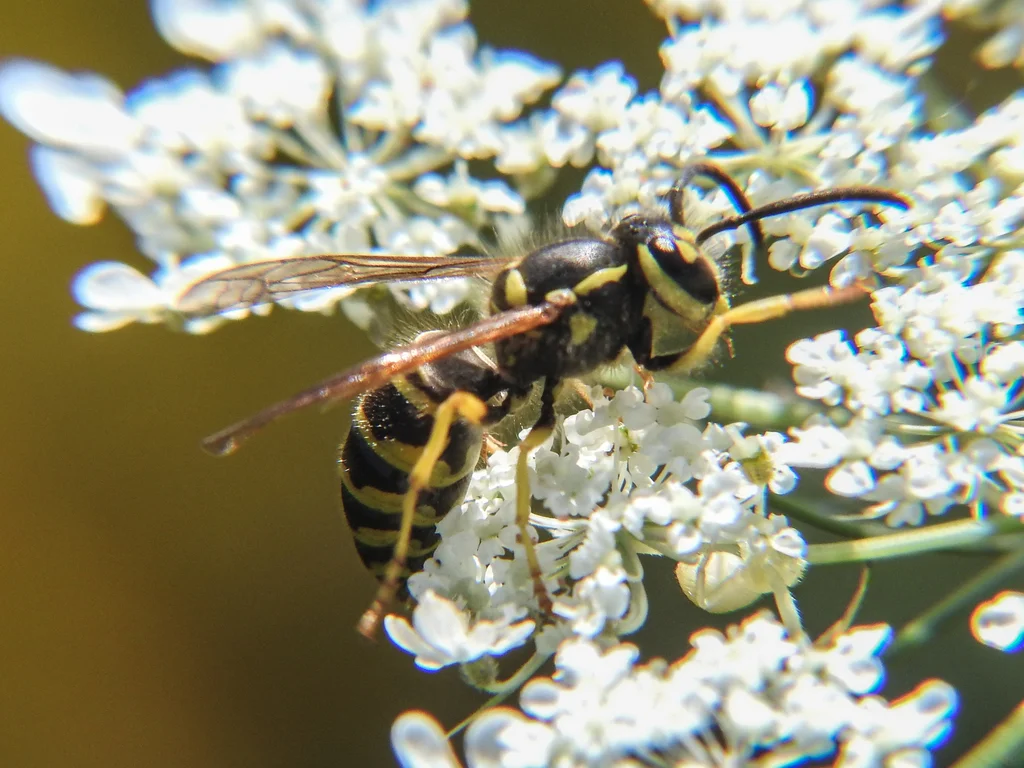
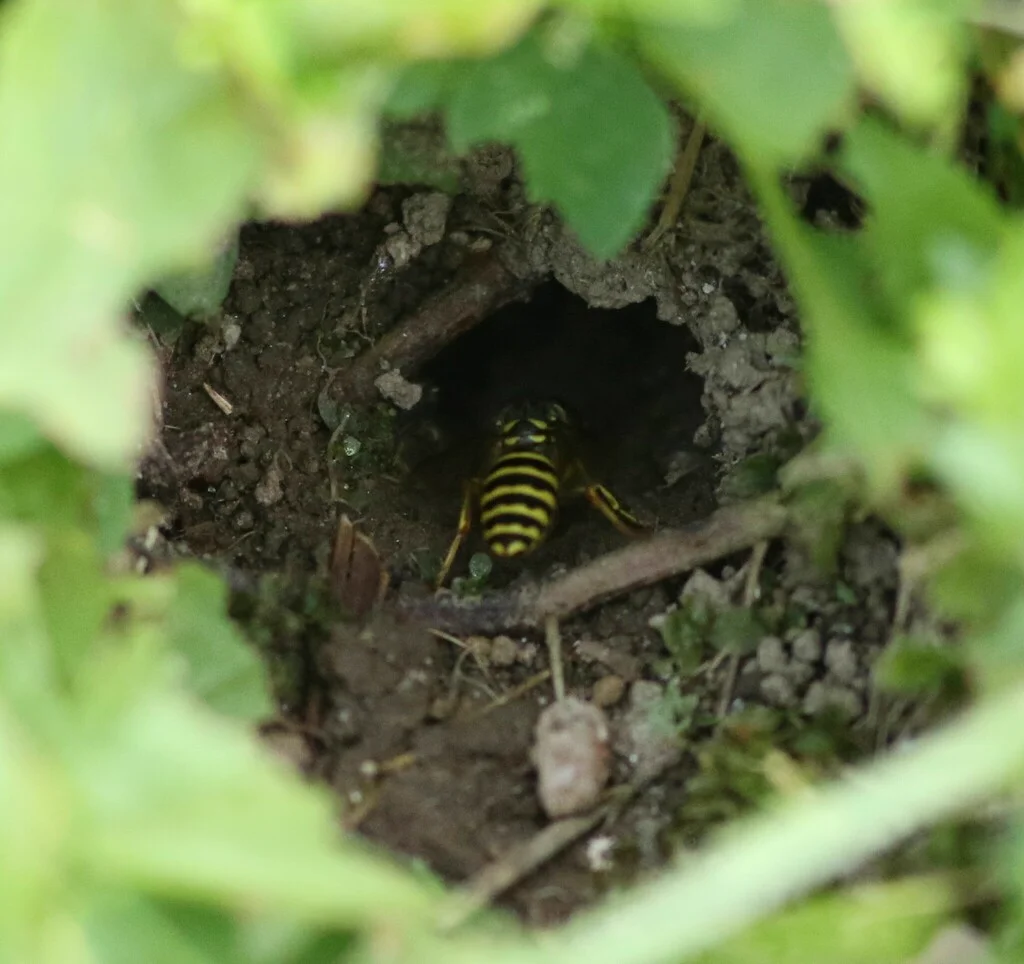
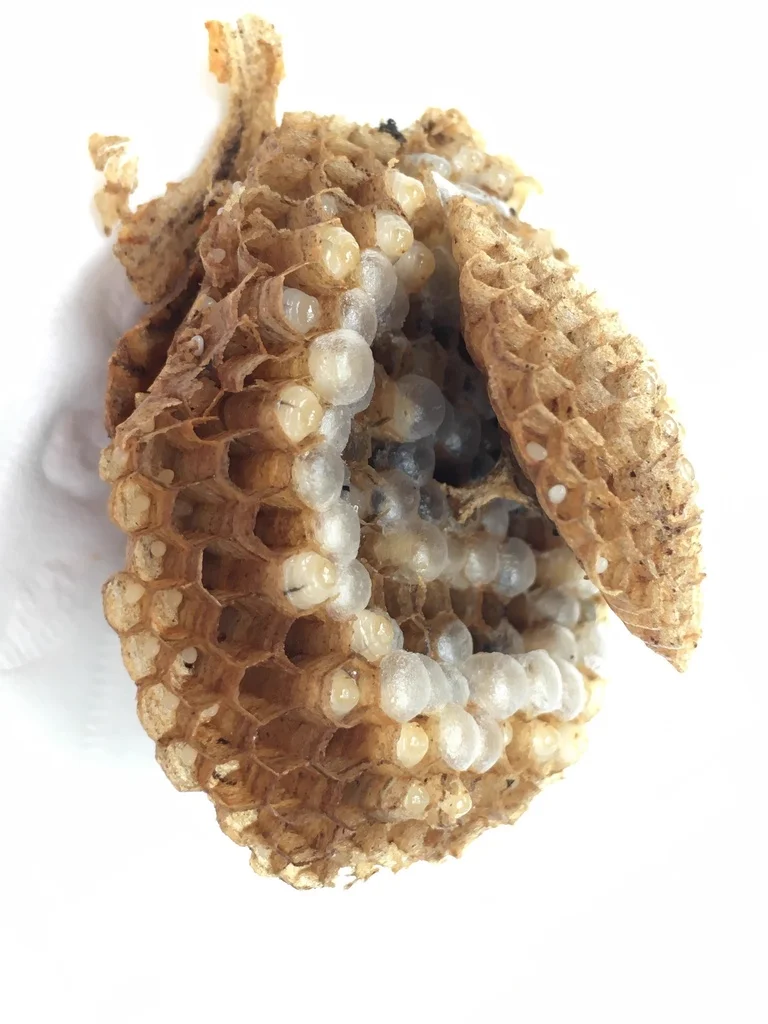

Where Eastern Yellowjackets Are Found
Hover over states to see their names. Green regions indicate where eastern yellowjackets have been reported.
Eastern Yellowjacket Identification Guide
Physical Characteristics
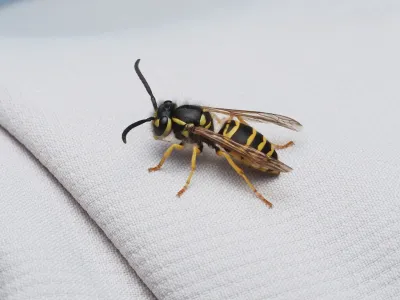
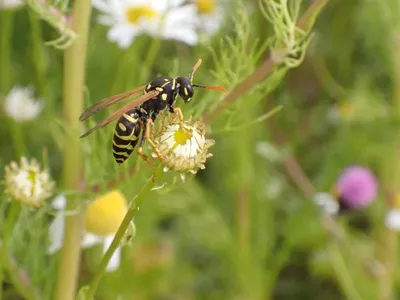
Eastern yellowjackets (Vespula maculifrons) are medium-sized wasps. They measure 12-18mm long. Queens are larger than workers. Their bodies show the classic yellowjacket pattern of black and yellow bands. Several features set them apart from other yellowjacket species.
The best way to identify them is the wide, anchor-shaped black marking on the first abdominal segment. They also have a yellow band on the cheek that does not go all the way around the eye. Workers have thick black bands with thinner yellow sections between them. Males have a single thick black band near the thorax that gets thinner toward the rear.
Like all wasps, eastern yellowjackets have a narrow waist, smooth hairless bodies, and two pairs of clear wings. Their wings fold lengthwise when at rest. They have strong mouthparts for catching prey and a tongue for drinking nectar.
Common Markings and Variations
- Workers: Approximately 12mm long with pronounced black banding
- Males: Similar size to workers with distinctive abdominal pattern variation
- Queens: Noticeably larger at 18mm with more prominent markings on the thorax
Eastern Yellowjacket Behavior and Biology
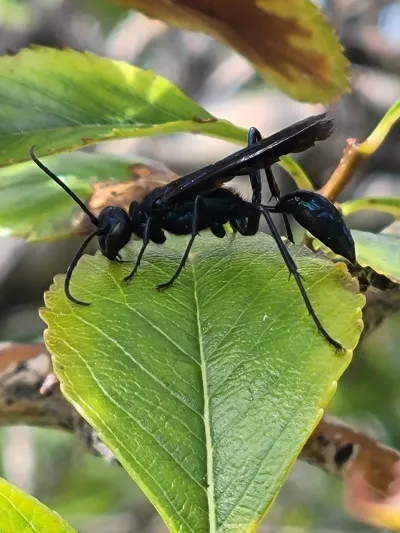
Habitat and Nesting A related species, Cow Killers, shares similar characteristics.
Eastern yellowjackets are the most common yellowjacket species in eastern North America. Their range extends from North Dakota to Texas and east to the Atlantic coast. They are mostly ground-nesting wasps. They pick sites in abandoned animal burrows, under fallen logs, in rock walls, along creek banks, and in lawns.
Their underground nests are usually shallow. Most are covered by less than 2 inches of soil. However, some nests have been found up to 10 inches deep. Workers build the nests from a paper-like material. They make it by chewing weathered wood fibers and mixing them with saliva. In urban areas, these wasps sometimes nest inside wall voids of homes and other buildings. Southern yellowjackets are known to invade eastern yellowjacket nests and take over their colonies through social parasitism.
Colony Lifecycle
The colony cycle starts when queens come out of hibernation in late April or May. Each queen finds a nest site and builds a small starter nest. She lays eggs and raises the first workers on her own. During this time, the queen must forage, build, and defend the nest by herself.
Once the first workers come out in early June, they take over all duties except egg-laying. The colony grows fast through summer. It reaches a peak of 2,800 to 5,000 wasps by late August or September. At this time, the colony produces new queens and males for mating. After mating, males die. Fertilized queens find protected spots to spend winter under bark, in leaf litter, or inside structures. The rest of the colony, including the original queen, dies with the first hard frost.
Diet and Foraging
Adult eastern yellowjackets feed on nectar, fruit juices, and other sweet substances. They also hunt insects to feed their larvae. Workers catch prey such as caterpillars, earwigs, and flies. They then chew the prey into a paste that can be fed to the developing young.
Their attraction to human food sources, especially proteins and sweets, brings them into frequent conflict with people at outdoor gatherings. This scavenging behavior is shared with German yellowjackets, an invasive species that often nests in the same areas. This is why they often become a nuisance at picnics, barbecues, and other outdoor events.
How We Treat for Eastern Yellowjackets
To control eastern yellowjackets, you must find and treat the nest directly. These wasps are aggressive and can sting many times. For this reason, we strongly suggest professional treatment.
-
Nest Location: The first step is finding where the colony is located. For ground nests, look for a steady stream of wasps entering and exiting a hole in the soil. Scout the area during daylight to plan your approach.
-
Underground Nest Treatment: We apply insecticide directly into the nest entrance. We dust the material down into the opening rather than just treating the outside. The dust goes deep into the colony and stays effective as workers move through the treated areas.
-
Wall Void Treatment: For colonies inside structures, we apply dust into the nest entrance and any visible openings. Foam products may be used to fill voids and reach insects directly. Follow-up treatments are often needed for full control.
-
Timing: Treatments work best during early morning or evening hours when yellowjackets are less active and most workers are inside the nest. Never attempt to plug or seal a nest entrance. This can cause yellowjackets to chew through interior walls and enter your living space.
-
Prevention Guidance: After treatment, we advise customers on sealing cracks and crevices around the home, removing potential food attractants, and addressing conditions that favor nesting.
We offer free callbacks if the issue returns between services to help ensure effective control. Read more about when yellowjackets come out and how to identify a yellowjacket vs. wasp.
References
Other Wasps
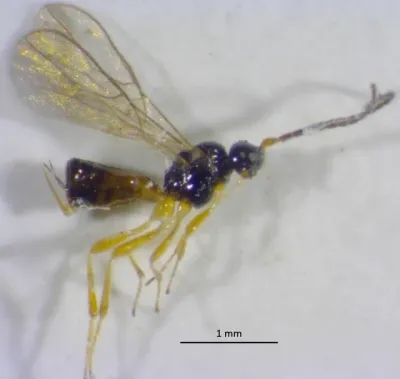
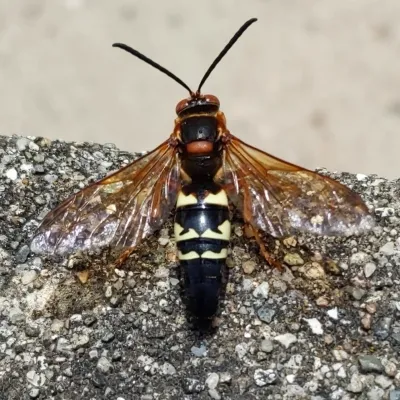
Explore other species in the wasps family
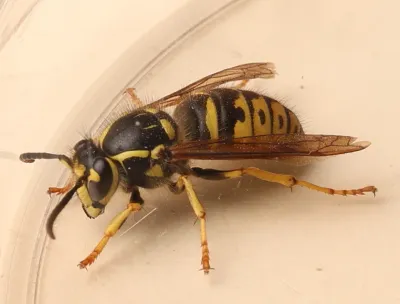
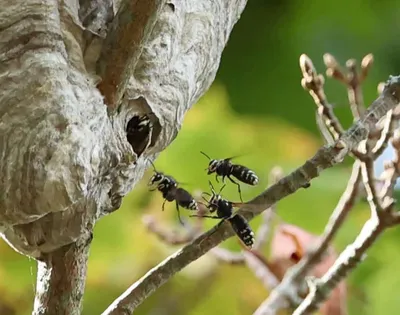
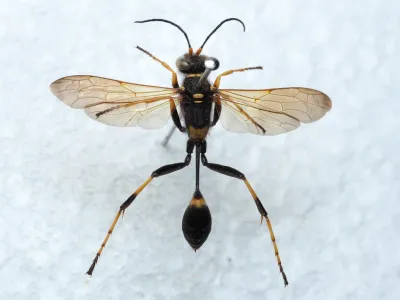
Commonly Confused With
Eastern Yellowjackets are often mistaken for these similar pests
Where Eastern Yellowjackets Are Found
Hover over states to see their names. Green regions indicate where eastern yellowjackets have been reported.
Common Questions about Eastern Yellowjackets
How do I identify an eastern yellowjacket?
+
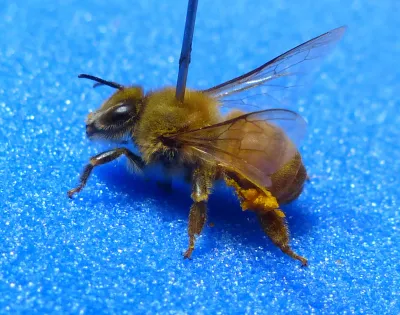
Eastern yellowjackets are 12-18mm long with black and yellow bands on their abdomen. Look for a wide, anchor-shaped black mark on the first belly segment. They also have a yellow band on the cheek that does not go all the way around the eye. Unlike fuzzy bees, they have a slender waist and smooth body.
Where do eastern yellowjackets build their nests?
+
Eastern yellowjackets are primarily ground-nesting insects. They typically build nests in abandoned rodent burrows, under logs, in rock walls, or along creek banks. Nests are usually covered by less than 2 inches of soil. In urban areas, they may also nest in wall voids of buildings.
Are eastern yellowjackets dangerous?
+
Yes. Eastern yellowjackets will defend their nests and can sting many times. Their stings are painful and can cause severe allergic reactions in some people. A colony can have 2,800 to 5,000 workers at peak season. This makes disturbing a nest very risky.
When are eastern yellowjackets most active?
+
Eastern yellowjackets are most active from late spring through early fall. Colonies reach their largest size in late summer, around August and September. This is when you are most likely to see them and when they are most aggressive. Activity drops after the first hard frost.
What do eastern yellowjackets eat?
+
Adult eastern yellowjackets feed on nectar and fruit juices. They also hunt other insects like caterpillars and earwigs to feed their larvae. Their attraction to sugary drinks and meats is why they become such a nuisance at outdoor gatherings.
Do eastern yellowjackets reuse their nests?
+
No. Colonies die off each winter. Only newly mated queens survive to start fresh colonies in spring. Old nests are never reused. However, yellowjackets may build new nests in the same good location the next year.
How can I prevent eastern yellowjackets from nesting on my property?
+
Seal potential entry points to your home, fill abandoned rodent burrows, keep trash containers sealed, avoid leaving sweet foods or drinks outdoors, and remove fallen fruit from your yard. If you find a nest, do not attempt to remove it yourself.

With five years of hands-on experience in the pest control industry, George Schulz is a registered technician with the Virginia Pest Management Association and a proud third-generation professional in a family business that's been protecting homes for over 57 years. He manages and trains a team of service pros while also leading internal research efforts—recently spearheading a deep-dive review of thousands of documents on pest control materials to hand-pick the most kid and pet friendly, most effective solutions tailored specifically for homes in the DC metro area.