Pacific Dampwood Termites Identification Guide
Zootermopsis angusticollis
Pacific dampwood termites are among the largest termites in North America. They live in moist, decaying wood along the Pacific Coast and can cause damage to homes with moisture problems.
Taxonomy
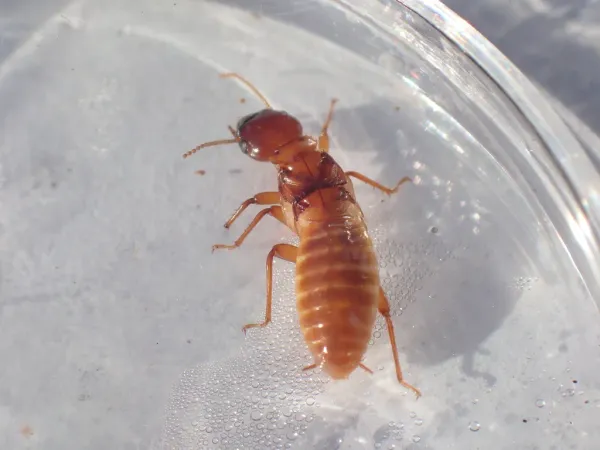
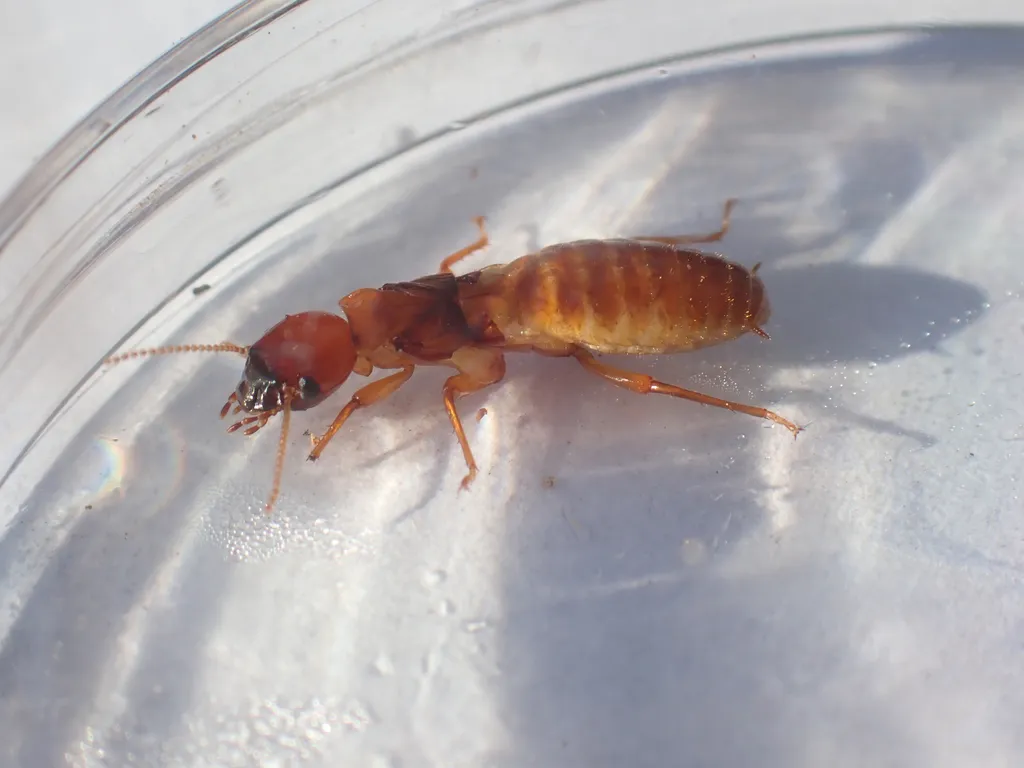
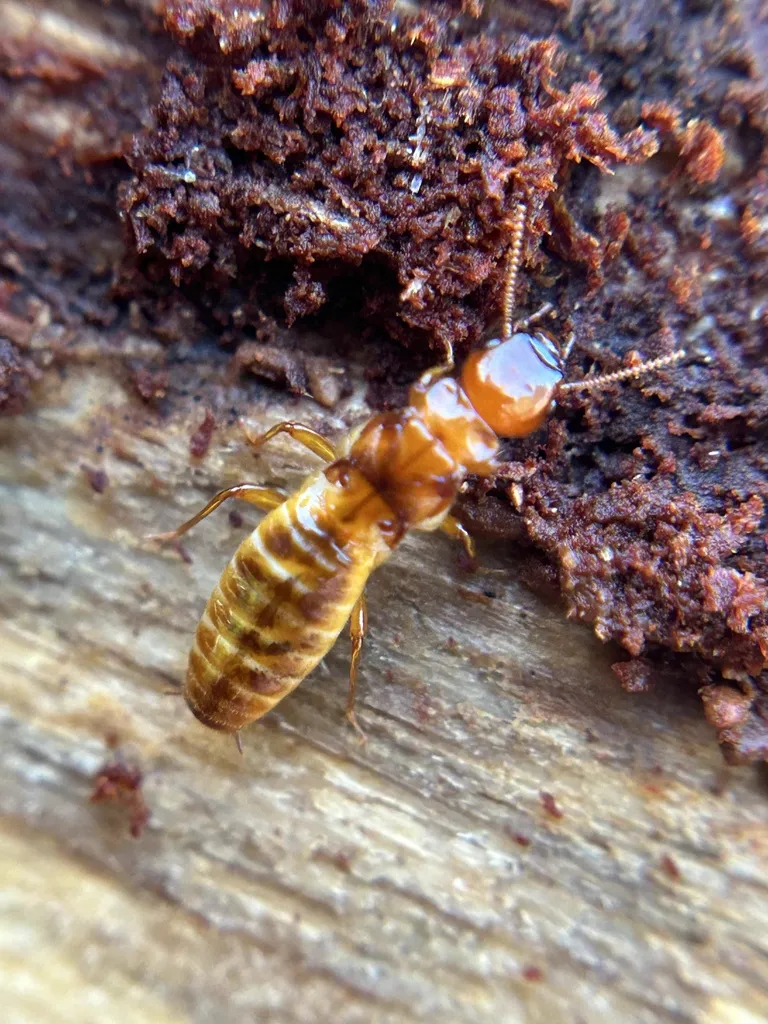
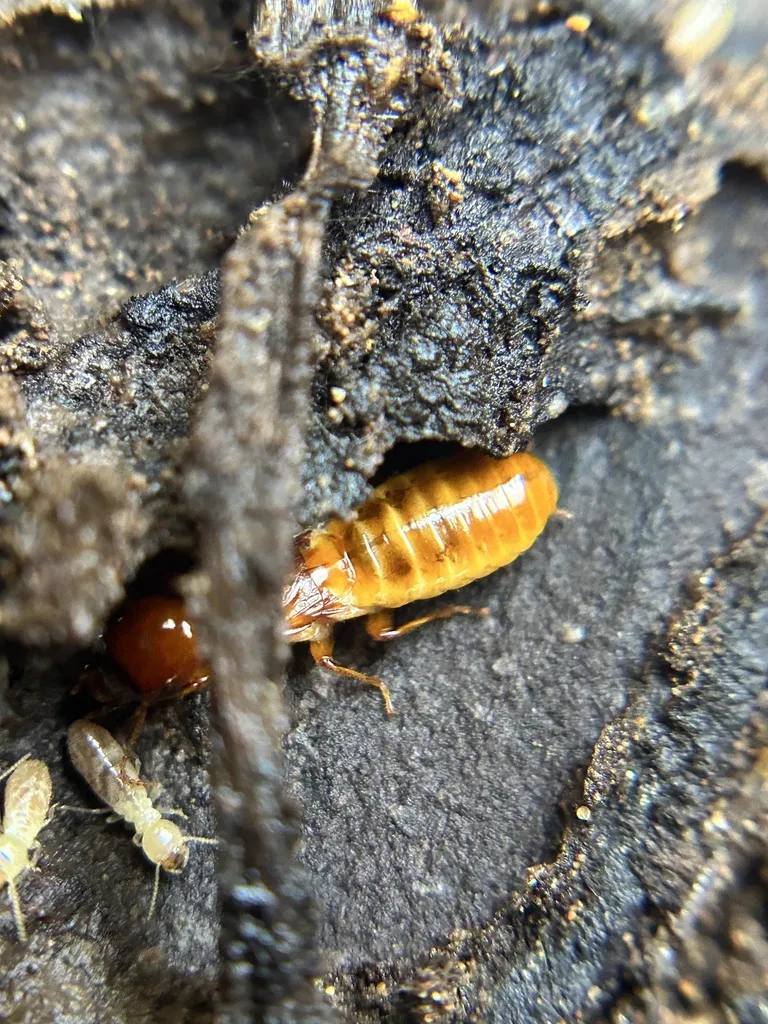
Pacific Dampwood Termites Coloration
Common color patterns to help identify pacific dampwood termites
Pacific Dampwood Termites
Seasonal Activity
When pacific dampwood termites are most active throughout the year

Where Pacific Dampwood Termites Are Found
Hover over states to see their names. Green regions indicate where pacific dampwood termites have been reported.
Pacific Dampwood Termites Identification Guide
What Are Pacific Dampwood Termites?
Pacific dampwood termites (Zootermopsis angusticollis) are some of the largest termites in North America. They are part of a group called dampwood termites. As their name tells us, these termites can only live in wood that holds a lot of water.
These termites are different from the eastern subterranean termites found in most of the United States. Pacific dampwood termites do not nest in soil. They spend their whole lives inside the wood they eat. One rotting log or stump can hold an entire colony. This sets them apart from subterranean termites that need soil and drywood termites that attack dry wood.
Physical Characteristics
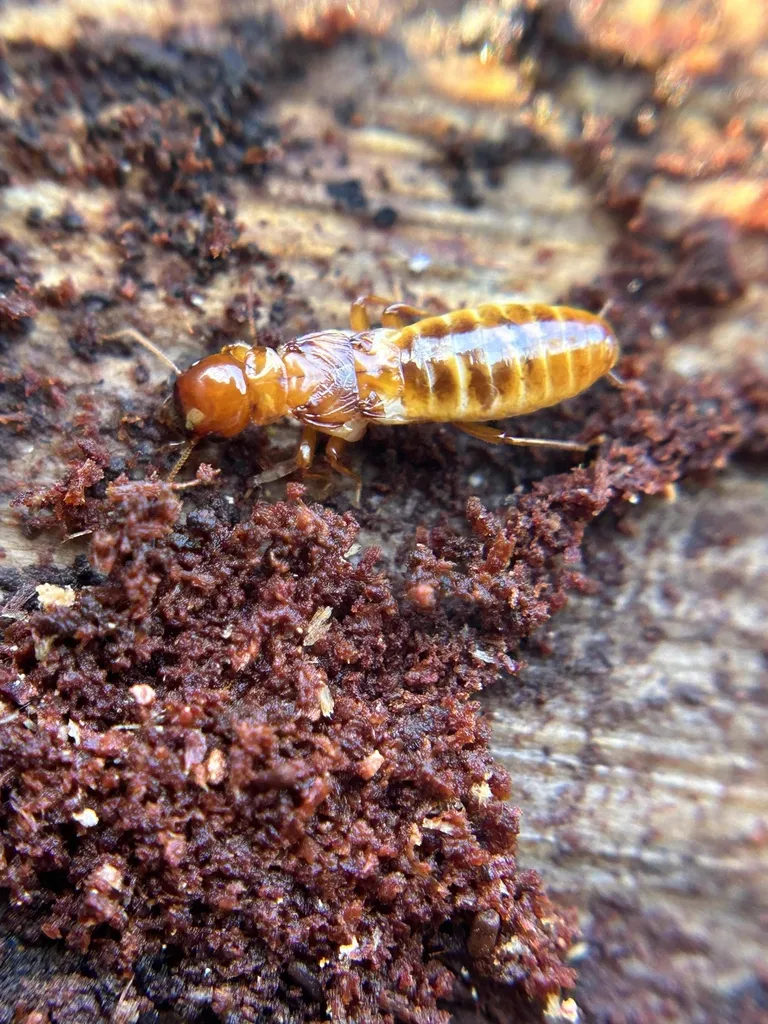
Pacific dampwood termites are easy to identify by their large size. Workers range from 15 to 20mm long. Soldiers can reach 20 to 25mm, making them giants compared to subterranean termites that only grow to about 6mm.
Here is how to spot them:
- Large body size that is three to four times bigger than subterranean termites
- Cream to tan coloring on the body with a darker head
- Reddish-brown heads on soldiers with strong, dark mandibles
- Six legs and straight, bead-like antennae
- Winged swarmers that are light brown with dark, leathery wings
Soldiers have large heads that can be one-third of their total body length. Their powerful mandibles help defend the colony against ants and other threats.
Unique Fecal Pellets
One key sign of Pacific dampwood termites is their fecal pellets. These are small, hard droppings about 1mm long. They have a six-sided shape. Subterranean termites use their waste to build mud tubes. Dampwood termites push their pellets out of small holes in the wood instead. Finding piles of these pellets near damaged wood is a clear sign of a problem.
Pacific Dampwood Termites Behavior and Biology
Colony Structure
Like all termites, Pacific dampwood termites live in groups called colonies. Each colony has different types of termites:
- Workers gather food and care for the nest
- Soldiers protect the colony from ants and other threats
- Nymphs are young termites still growing
- King and queen make new colony members
- Swarmers leave to start new colonies
When you find a colony, you will most likely see nymphs. They look like smaller adults. Workers and nymphs do most of the wood eating.
Moisture Requirements
Pacific dampwood termites need a lot of moisture to survive. According to University of California research, the wood must have at least 25-30% water content. Normal building wood only has 15-20% moisture. This is too dry for these termites.
Sources of moisture that attract them include:
- Roof leaks that wet rafters and sheathing
- Plumbing problems that dampen wall studs
- Poor drainage that keeps foundation wood wet
- Wood touching the ground that absorbs soil moisture
- Air conditioner condensation that drips onto wood
Without moisture, Pacific dampwood termites cannot survive. If the wood dries out, the colony will die.
Feeding and Habitat
These termites eat wood. They have tiny organisms in their gut that help break down the wood fibers. Scientists have studied these gut helpers for almost 100 years.
Pacific dampwood termites prefer rotting wood in forests. They help nature by breaking down fallen trees and stumps. In the wild, they cause no harm. Problems start when they move into homes that have water damage.
Communication and Defense
Colony members warn each other of danger through shaking. They hit the floor and ceiling of their tunnels by moving up and down. This makes a drumming sound that alerts others.
Pacific dampwood termites also eat their dead. The colony will consume dead or hurt members. This keeps the nest clean and returns nutrients to the living termites.
Swarming Behavior
Pacific dampwood termites swarm on warm, humid nights. This usually happens from late summer into fall. According to PestWorld, swarmers fly toward lights and can travel up to 350 meters. They are stronger fliers than most other termites.
Swarms have about 50-60 termites. After landing, a male and female pair find a small hole in wet wood. They seal themselves inside and mate within two weeks. The female becomes the queen. She starts laying eggs. A new colony begins with about 12 eggs.
The queen mates with only one male her whole life. She lays eggs in bursts with rest periods in between.
Signs of Pacific Dampwood Termite Damage
What to Look For
Pacific dampwood termite damage often goes unseen. They nest deep inside wood. Watch for these signs:
- Fecal pellets that are small, hexagonal, and found near damaged wood
- Large termites if you break open moist, decaying wood
- Soft, punky wood that feels wet or spongy
- Water damage near wood that shows signs of insect activity
- Swarmers around lights during late summer and fall
You will not find mud tubes with these termites. Pacific dampwood termites seal their tunnels with waste to hold in moisture.
Where Damage Occurs
These termites go after wood with ongoing moisture problems:
- Roof areas damaged by leaks
- Bathrooms with plumbing issues
- Basements and crawl spaces with poor ventilation
- Decks and porches where wood touches soil
- Window frames and door jambs exposed to rain
Damage stays close to the water source. It does not spread through the whole building. In higher-elevation areas, the closely related Nevada dampwood termite causes similar damage patterns.
Treatment Methods for Pacific Dampwood Termites
Moisture Control Is Key
The best way to control Pacific dampwood termites is to get rid of the moisture. According to Pests in the Home Extension, fixing the water problem often fixes the termite problem. Once the wood dries out, the termites cannot live.
Steps to reduce moisture include:
- Repair roof leaks and replace damaged shingles
- Fix plumbing problems including drips and condensation
- Improve drainage around the foundation
- Add ventilation to crawl spaces and attics
- Remove wood-soil contact by using concrete or metal barriers
- Store firewood at least 20 feet from the house
Wood Replacement
If the problem is in just one piece of wood, you can remove and replace it. This gets rid of the colony. It works best when the damage is easy to reach. Keep the new wood dry to stop future problems.
Chemical Treatments
Several chemical options can help control Pacific dampwood termites:
- Borate treatments soak into wet wood easily. The water that draws termites also helps the treatment spread deep into the wood.
- Termiticide injections go right into termite tunnels. Dusts, liquids, and foams all work. Products that termites cannot detect work best.
- Wood preservatives with copper or borate can protect new wood from future attack.
When Professional Help Is Needed
Large problems or damage that has spread may need professional treatment. A licensed pest control company can:
- Identify the extent of the infestation
- Locate hidden moisture sources
- Apply treatments correctly and effectively
- Recommend repairs to prevent future problems
In rare cases with severe damage, fumigation may be an option. But this is usually not needed for Pacific dampwood termites. Fixing the moisture problem comes first.
Prevention Tips
Stopping Pacific dampwood termites means controlling moisture:
- Schedule annual inspections to catch moisture problems early
- Keep gutters clean so water drains away from the house
- Check wood near plumbing fixtures for signs of dampness
- Ensure proper ventilation in crawl spaces and attics
- Use pressure-treated or naturally resistant wood outdoors
- Remove dead trees and stumps from near your home
- Direct sprinklers away from wood siding and foundations
Moisture barriers and better airflow can also help. These keep wood drier and less appealing to dampwood termites. For more guidance, see our termite prevention tips.
References
Other Termites
Explore other species in the termites family
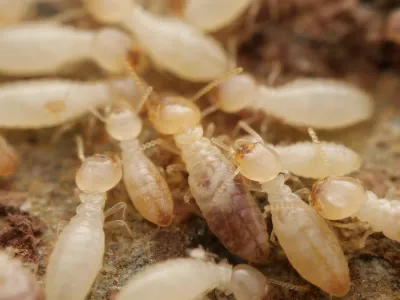
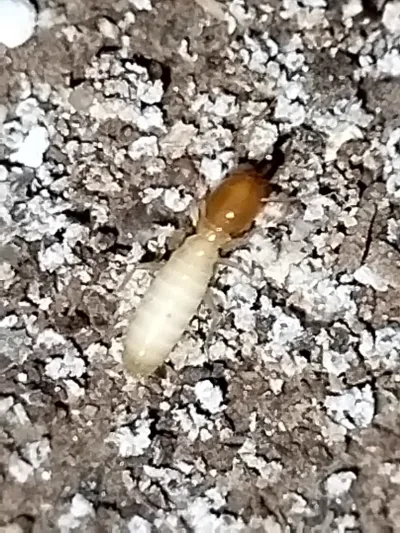
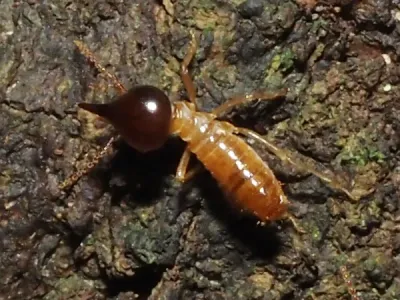
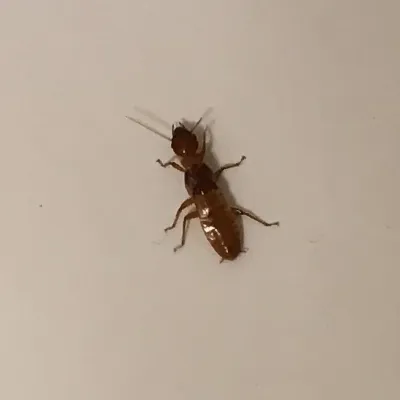
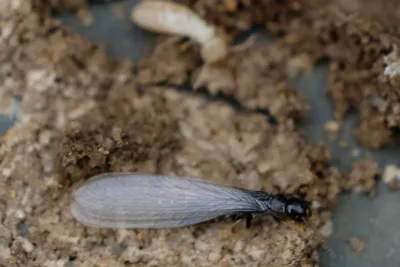
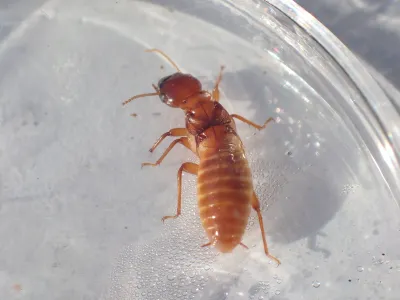
Commonly Confused With
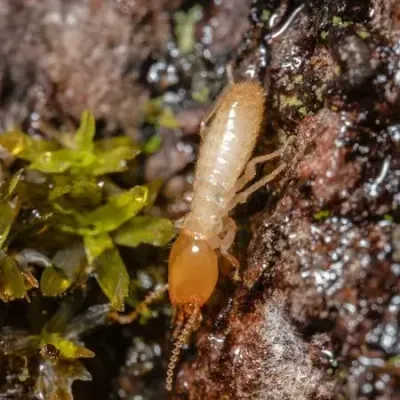
Pacific Dampwood Termites are often mistaken for these similar pests
Where Pacific Dampwood Termites Are Found
Hover over states to see their names. Green regions indicate where pacific dampwood termites have been reported.
Common Questions about Pacific Dampwood Termites
How big are Pacific dampwood termites?
+
Pacific dampwood termites are among the largest termites in North America. Workers measure 15-20mm and soldiers can reach 20-25mm. Their large size makes them easy to spot compared to the smaller eastern subterranean termites.
Where do Pacific dampwood termites live?
+
These termites live along the Pacific Coast from British Columbia to Baja California. They prefer cool, humid forests and coastal areas. Unlike subterranean termites, they nest directly in wood and do not need contact with soil.
What kind of wood do Pacific dampwood termites attack?
+
Pacific dampwood termites only infest wood with high moisture content, typically 25-30% or more. They target rotting stumps, fallen logs, and wood in homes damaged by leaks. Dry, sound wood does not attract them.
How do I know if I have Pacific dampwood termites?
+
Look for their unique fecal pellets, which are about 1mm long and slightly hexagonal. You may also find large termites in moist wood, especially near plumbing leaks, roof damage, or areas where wood contacts soil.
Do Pacific dampwood termites build mud tubes?
+
No, Pacific dampwood termites do not build mud tubes. Unlike subterranean termites, they live entirely within the wood they infest. They seal their galleries with their own fecal material to keep moisture in.
When do Pacific dampwood termites swarm?
+
Swarms typically occur during warm, humid nights from late summer through fall. Swarmers are strong fliers and can travel up to 350 meters. They are attracted to lights, so you may see them around outdoor fixtures.
How do I get rid of Pacific dampwood termites?
+
The most effective approach is to fix the moisture problem first. Repair leaks, improve drainage, and replace damaged wood. Without moisture, dampwood termites cannot survive. Chemical treatments may help but work best after addressing moisture issues.
Can Pacific dampwood termites spread to dry wood?
+
No. Pacific dampwood termites require consistently moist wood to survive. If the wood dries out, the colony will die. This is why moisture control is the key to both prevention and treatment.

With five years of hands-on experience in the pest control industry, George Schulz is a registered technician with the Virginia Pest Management Association and a proud third-generation professional in a family business that's been protecting homes for over 57 years. He manages and trains a team of service pros while also leading internal research efforts—recently spearheading a deep-dive review of thousands of documents on pest control materials to hand-pick the most kid and pet friendly, most effective solutions tailored specifically for homes in the DC metro area.