Nevada Dampwood Termites Identification Guide
Zootermopsis nevadensis
Nevada dampwood termites are large wood-destroying insects that infest moist, decaying wood in western North America. Unlike subterranean termites, they live entirely within the wood they consume and do not require soil contact.
Taxonomy
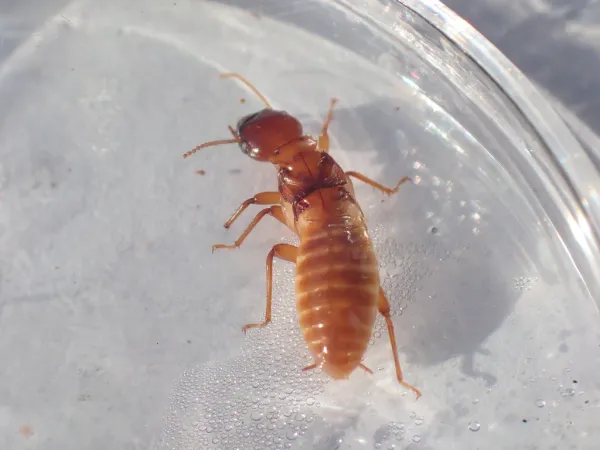
Nevada Dampwood Termites Coloration
Common color patterns to help identify nevada dampwood termites
Nevada Dampwood Termites
Seasonal Activity
When nevada dampwood termites are most active throughout the year
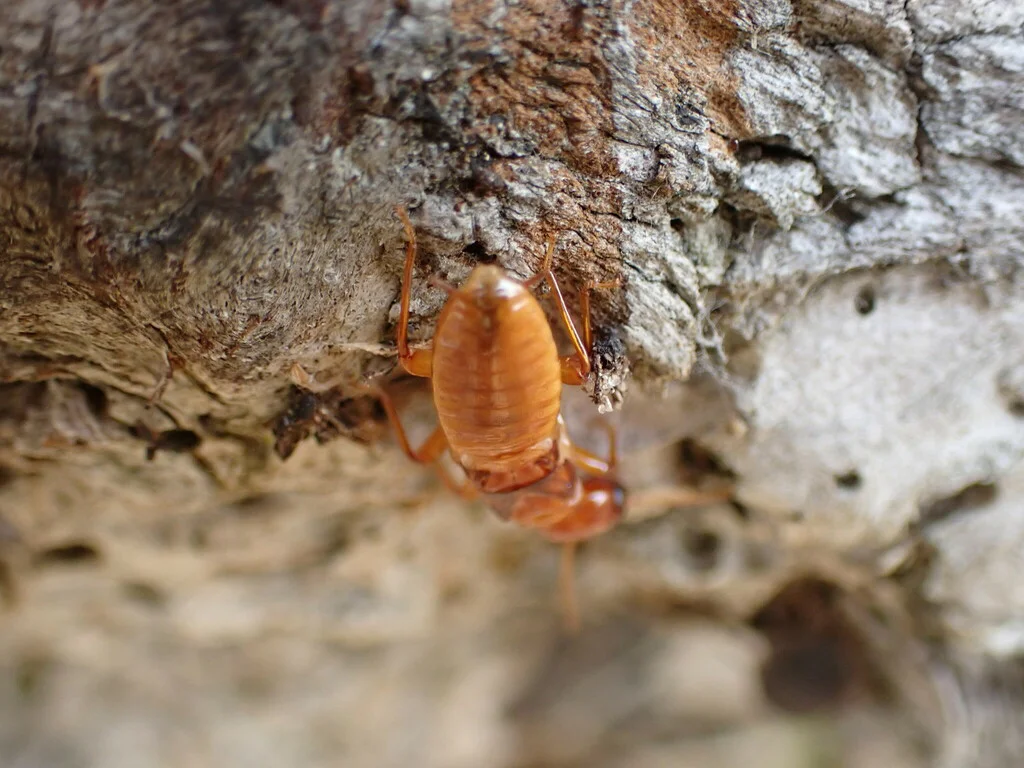

Where Nevada Dampwood Termites Are Found
Hover over states to see their names. Green regions indicate where nevada dampwood termites have been reported.
Nevada Dampwood Termite Identification Guide
Physical Characteristics
Nevada dampwood termites are some of the largest termites in North America. Workers are 15 to 20 mm long. Winged swarmers can reach 25 mm with their wings. This makes them much bigger than the subterranean termites common in the eastern United States.
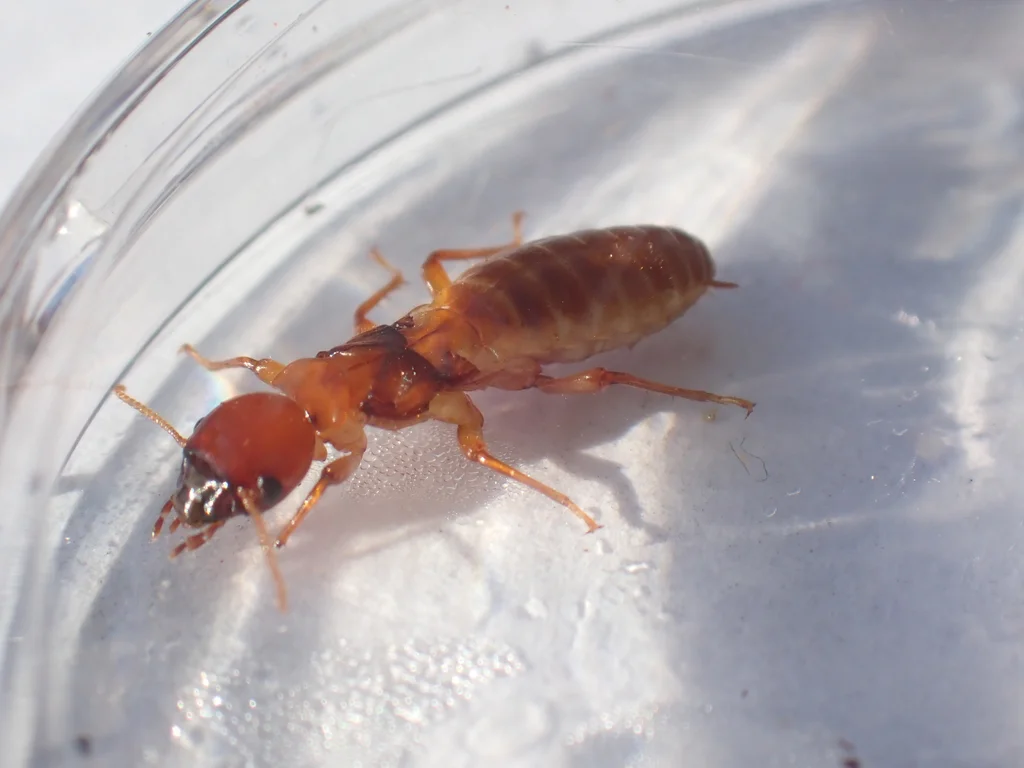
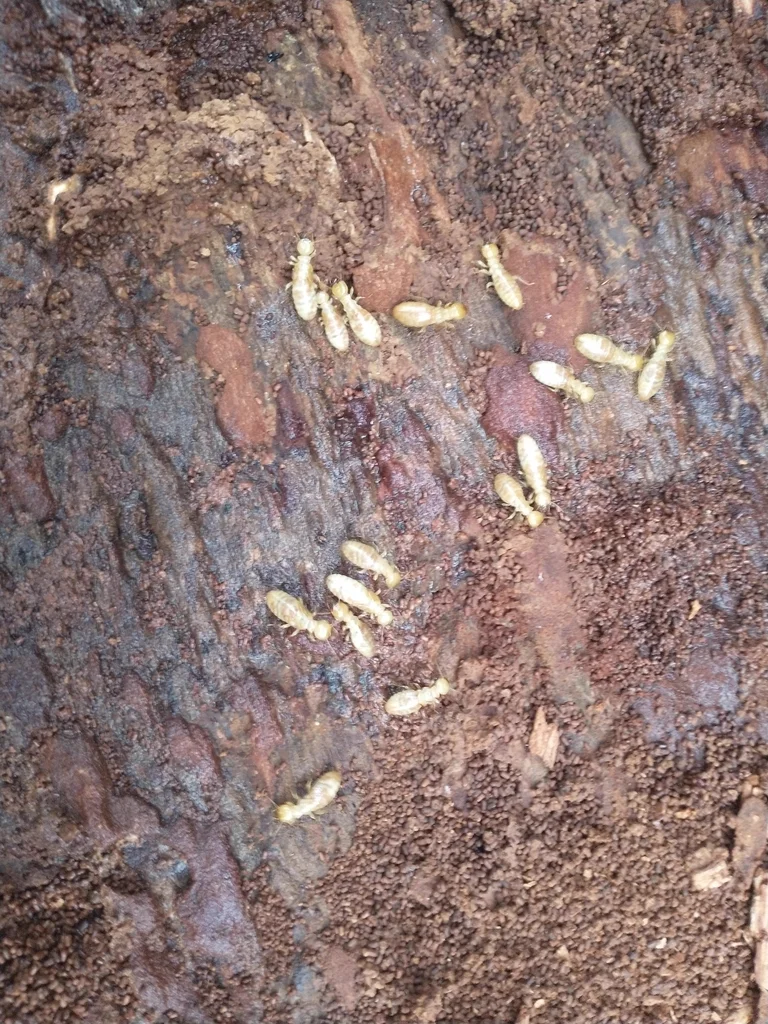
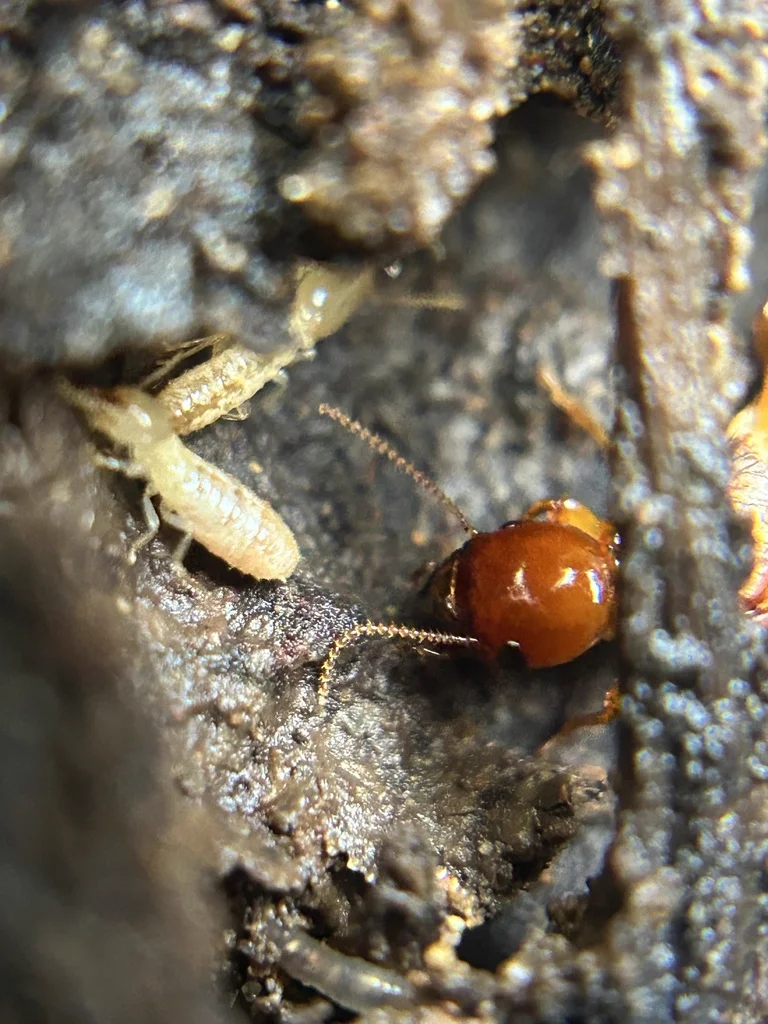
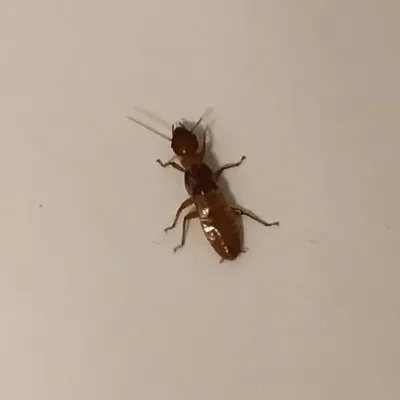
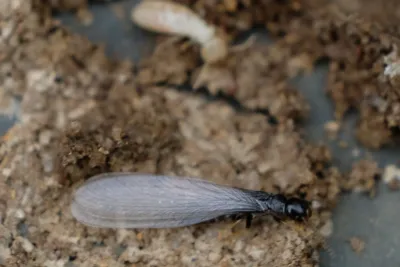
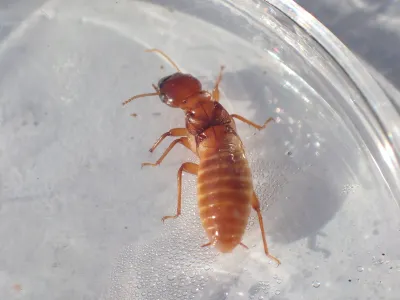
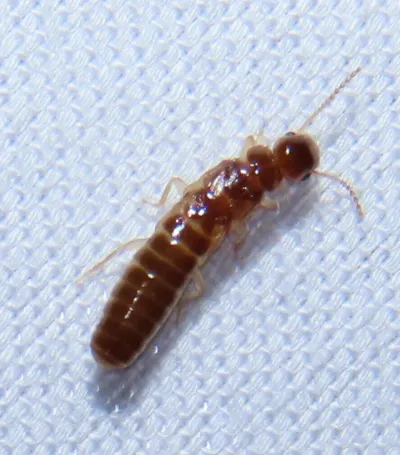
Body color depends on the termite’s role in the colony. Workers are pale cream to tan with darker heads. Soldiers look similar but have larger, boxy heads with strong jaws for defense. Their heads range from tan to dark reddish-brown. Winged termites have dark brown to black bodies. Their smoky gray wings extend past the body.
Nevada dampwood termites do not have a true worker caste like other termites. Young termites do most of the work instead. These young termites can grow into soldiers or egg-layers based on what the colony needs.
Common Species in Western North America
Three dampwood termite species live in North America. Each one likes a slightly different type of place.
-
Nevada Dampwood Termite (Zootermopsis nevadensis): Found from British Columbia to Baja California and east to Montana. Lives in cooler mountain forests from 3,000 to 8,000 feet high. Nests in dead pine trees, stumps, and fallen logs.
-
Pacific Dampwood Termite (Zootermopsis angusticollis): Lives along the Pacific Coast from British Columbia to central California. Prefers wet coastal forests near sea level. This species is most likely to get into buildings.
-
Desert Dampwood Termite (Zootermopsis laticeps): Found in the desert areas of Arizona, New Mexico, and northern Mexico. Lives in roots and buried wood near streams and washes.
Nevada Dampwood Termite Behavior and Biology
Colony Structure and Development
Nevada dampwood termite colonies are small. A full-grown colony has a few hundred to a few thousand termites. Colonies grow slowly. It can take five to seven years before they produce winged swarmers.
The king and queen lay eggs for the colony. They can live many years. Colonies can also grow backup egg-layers. These help if the main queen dies.
Soldiers make up 5 to 10 percent of the colony. They fight off ants and other predators with their large jaws. When they sense danger, soldiers make a rattling sound. They do this by shaking their bodies against the tunnel walls. This warns the rest of the colony. Learn more about what termites sound like.
Habitat and Nesting Behavior
Nevada dampwood termites need wet wood to survive. The wood must have at least 20 percent moisture. This means they only live in:
- Dead standing trees
- Fallen logs and large branches
- Tree stumps and root systems
- Wood buried in or touching wet soil
- Building wood damaged by water leaks
Unlike subterranean termites, dampwood termites do not build mud tubes. They do not need soil contact either. They live only inside the wood they eat. Their tunnels run along the wood grain and look smooth and clean. They seal their tunnels with droppings and wood bits. This gives infested wood a unique look when you cut it open.
Signs of Infestation
Dampwood termite problems are harder to spot than subterranean termite issues. Watch for these signs:
-
Droppings: Six-sided pellets build up inside tunnels. They sometimes fall from cracks. Colors range from cream to dark brown based on the wood type.
-
Swarmer activity: Large winged termites show up near lights on summer evenings. Finding wings or dead swarmers indoors means they may be nesting inside.
-
Wood damage: Tunnels run along the wood grain with smooth, clean walls. Unlike drywood termite tunnels, these contain debris and droppings.
-
Moisture damage: Look near leaks, in crawl spaces with poor drainage, or where wood touches soil. If you find damage in dry wood, it is likely a different termite type.
-
Sound: Tap on wood that might be infested. It may sound hollow. In quiet spaces, you might hear soldier termites clicking or rattling inside.
Treatment Methods for Dampwood Termites
Pest control pros should handle dampwood termites in buildings. But the best long-term fix is to solve the moisture problem that drew them in.
Moisture Control and Prevention
Dampwood termites need wet wood. Fix moisture issues and you often fix the problem:
- Repair leaks: Fix pipes, roof damage, and bad flashing around windows and doors
- Improve drainage: Slope soil away from the foundation. Install good gutters.
- Add ventilation: Put vents in crawl spaces and attics to lower humidity
- Remove wood-soil contact: Replace buried posts with concrete. Keep siding above soil level.
- Replace damaged wood: Take out infested wood. Put in dry, treated lumber. See our termite damage repair guide for help.
Professional Treatment Options
When colonies threaten building wood, treatment may include:
- Spot treatment: Injecting termite killers into infested wood and the area around it
- Wood replacement: Taking out infested beams or studs and putting in treated lumber
- Borate treatments: Applying borate products to keep termites out of wood
- Fumigation: In bad cases, tenting the building kills all termites. This is rarely needed for dampwood termites.
Natural Predators
Nevada dampwood termites have many natural enemies in the wild:
- Ants, especially carpenter ants, attack colonies and eat termites
- Ground beetles and centipedes hunt termites in rotting wood
- Woodpeckers dig into logs to eat termite colonies
- Some worms and fungi also kill termites
These natural controls are why dampwood termites rarely cause big problems unless a building has moisture issues. For more advice, check out our termite prevention tips.
References
Other Termites
Explore other species in the termites family
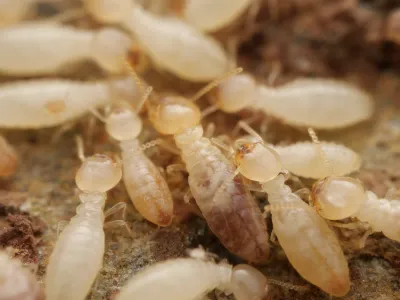
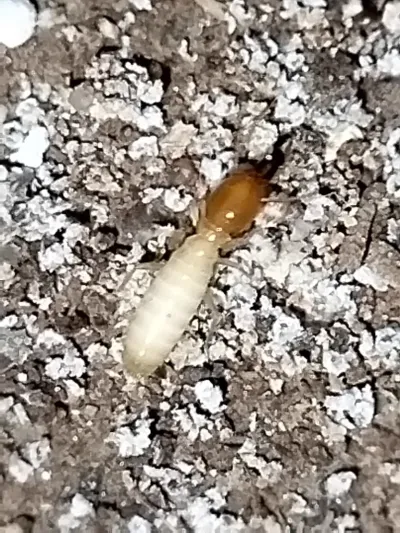
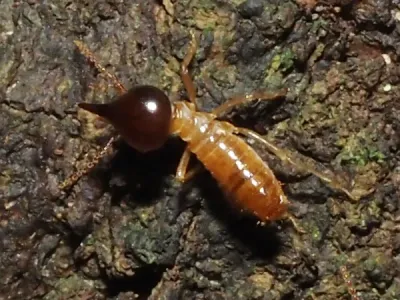
Commonly Confused With
Nevada Dampwood Termites are often mistaken for these similar pests
Where Nevada Dampwood Termites Are Found
Hover over states to see their names. Green regions indicate where nevada dampwood termites have been reported.
Common Questions about Nevada Dampwood Termites
How do I know if I have Nevada dampwood termites?
+
Look for wood that has been damaged near moisture sources such as leaky pipes, roof leaks, or areas with poor drainage. Unlike subterranean termites, dampwood termites do not build mud tubes. Their galleries appear smooth and clean, often packed with fecal pellets. You may also see large winged swarmers during summer months.
What is the difference between dampwood termites and subterranean termites?
+
Dampwood termites are much larger and live entirely within the wood they eat. They need constant moisture and do not require soil contact. Subterranean termites are smaller, live in the soil, and build mud tubes to reach wood. Subterranean termites cause more structural damage because they attack dry building lumber.
Where do Nevada dampwood termites live?
+
Nevada dampwood termites are found in the western United States, from British Columbia south to Baja California and east to Montana. They live in cool, moist forests and are common at higher elevations. They infest dead trees, stumps, fallen logs, and wood in contact with damp soil.
Do Nevada dampwood termites damage homes?
+
Yes, but they are less destructive than subterranean termites. They usually only attack wood with high moisture content. Homes with water damage, leaky roofs, plumbing problems, or wood touching wet soil are most at risk. Fixing moisture problems often solves dampwood termite issues.
How big are Nevada dampwood termites?
+
Nevada dampwood termites are among the largest termites in North America. Workers and soldiers range from 15 to 20 millimeters long. Swarmers can reach 25 millimeters including their wings. Their large size makes them easy to tell apart from smaller subterranean and drywood termites.
When do Nevada dampwood termites swarm?
+
Swarming usually happens from late spring through early fall, with peak activity in July and August. Swarms often occur in the evening and at night, especially after warm days. Swarmers are attracted to lights and you may find them near windows, doors, or outdoor light fixtures.
Can I get rid of Nevada dampwood termites myself?
+
The best way to control dampwood termites is to fix the moisture problem that attracted them. Remove and replace damaged wood, repair leaks, improve drainage, and keep wood away from soil contact. For active infestations in structural wood, professional treatment may be needed to fully remove the colony.
Are Nevada dampwood termites the same as Pacific dampwood termites?
+
No, they are different species. The Nevada dampwood termite (Zootermopsis nevadensis) lives in drier, higher-elevation forests. The Pacific dampwood termite (Zootermopsis angusticollis) is found in wetter coastal areas. Both are large and look similar, but they have different ranges and habitat preferences.

With five years of hands-on experience in the pest control industry, George Schulz is a registered technician with the Virginia Pest Management Association and a proud third-generation professional in a family business that's been protecting homes for over 57 years. He manages and trains a team of service pros while also leading internal research efforts—recently spearheading a deep-dive review of thousands of documents on pest control materials to hand-pick the most kid and pet friendly, most effective solutions tailored specifically for homes in the DC metro area.