Conehead Termites Identification Guide
Nasutitermes corniger
Conehead termites are an invasive species from the Caribbean known for their dark brown arboreal nests and distinctive cone-shaped soldier heads. Unlike most termites, they forage above ground like ants, making them spread rapidly.
Taxonomy
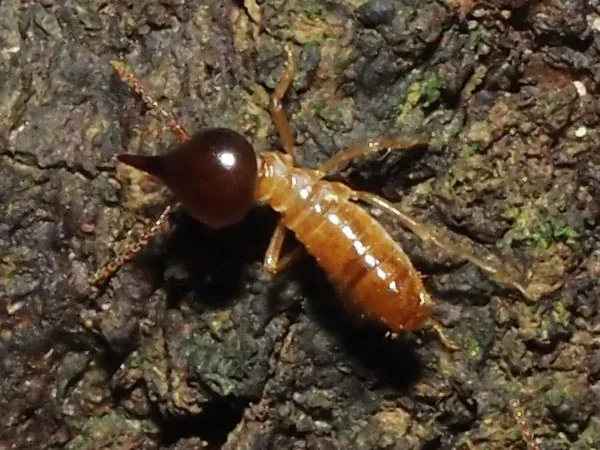
Conehead Termites Coloration
Common color patterns to help identify conehead termites
Conehead Termites
Seasonal Activity
When conehead termites are most active throughout the year

Where Conehead Termites Are Found
Hover over states to see their names. Green regions indicate where conehead termites have been reported.
Conehead Termite Identification Guide
Physical Characteristics
Conehead termites get their name from the cone-shaped head of their soldier caste. This unique feature makes them easy to identify once you know what to look for.
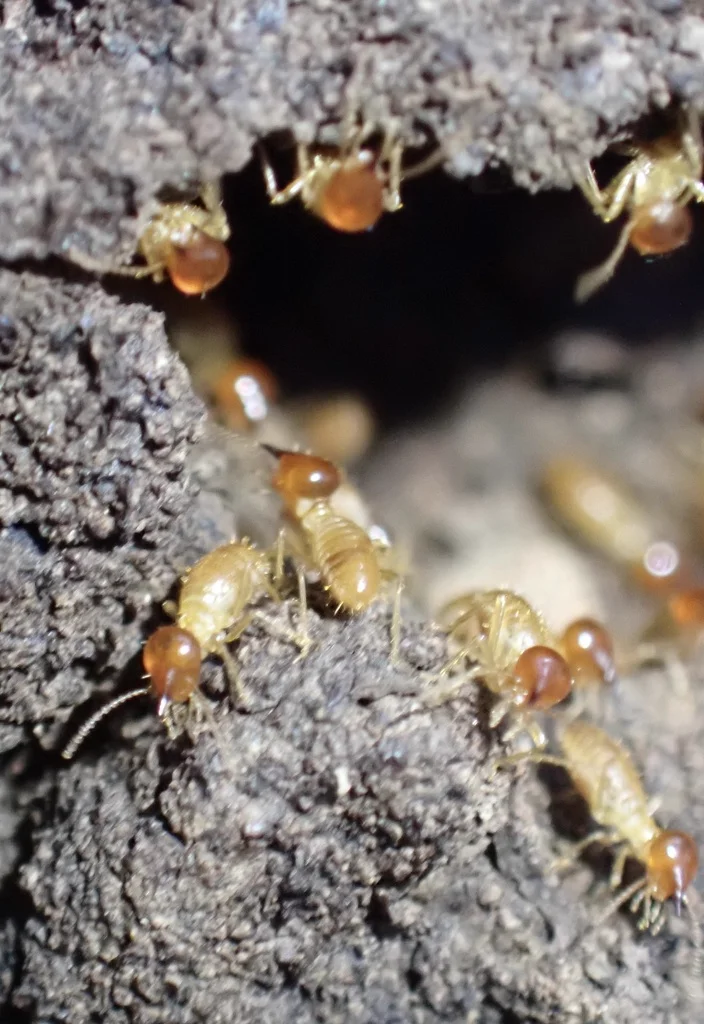
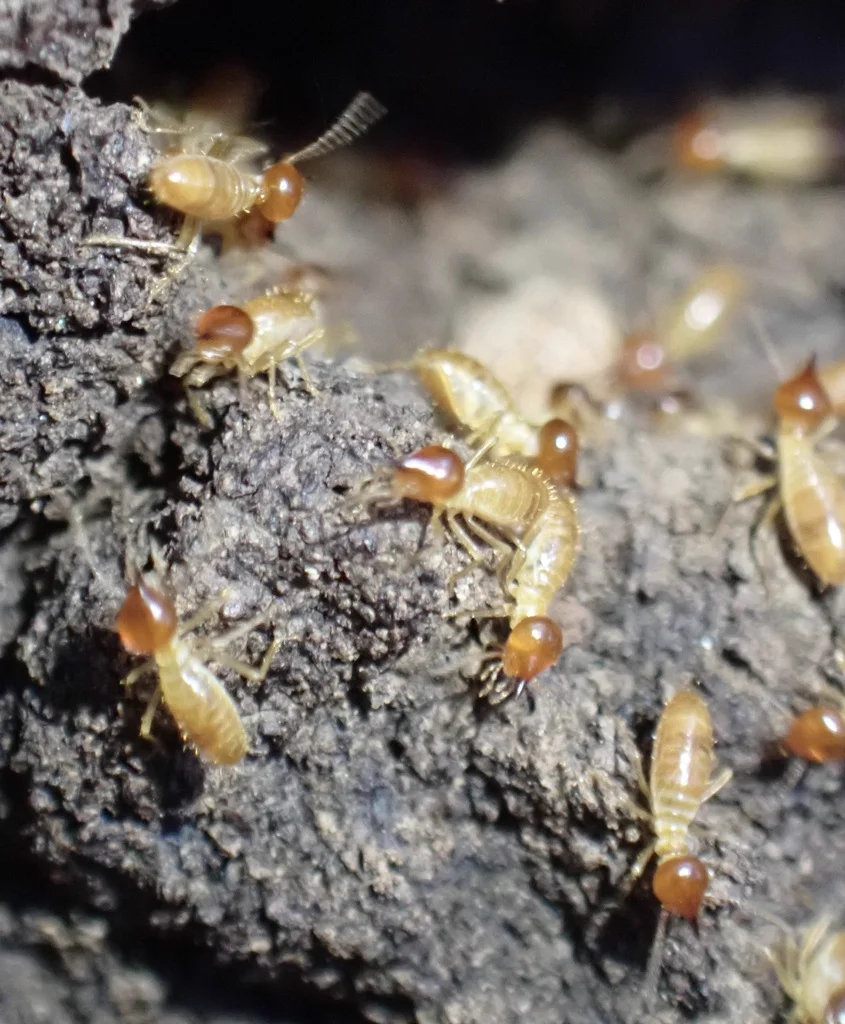
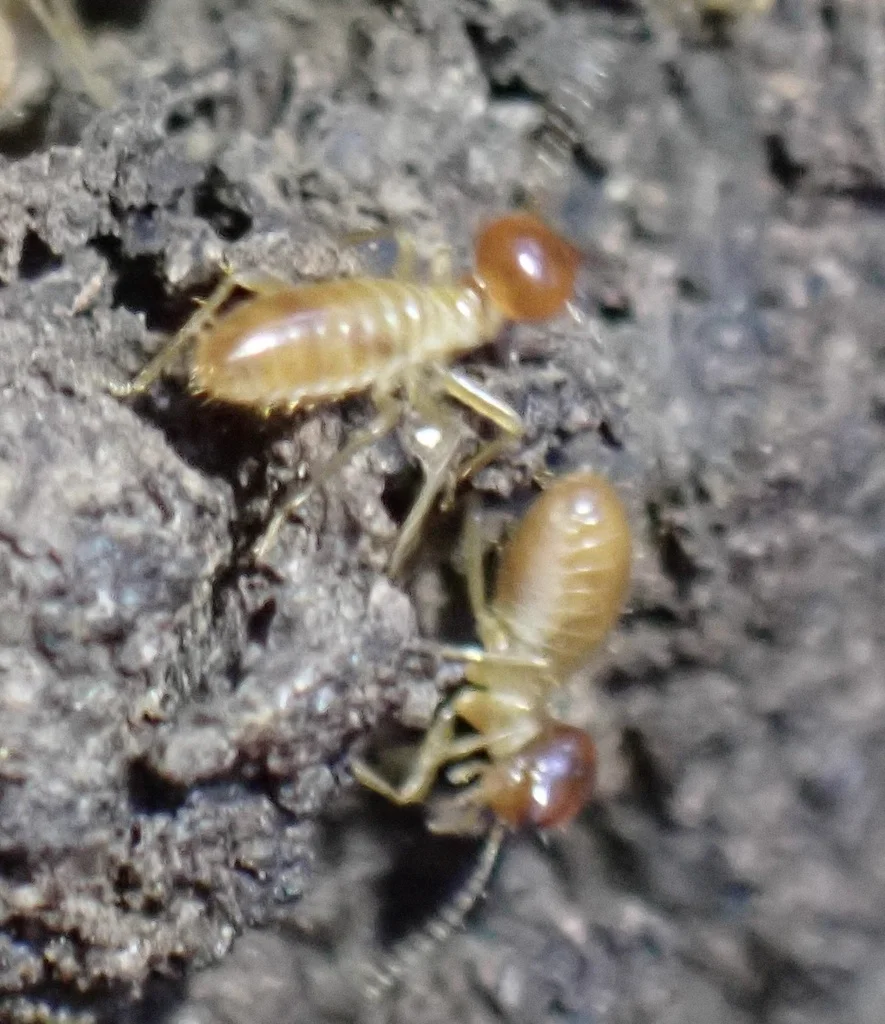
Soldiers are about 5mm (0.2 inches) long. They have dark brown to black heads with a pointed cone shape called a nasus. This cone sprays a sticky, smelly fluid when the termite feels scared. Their jaws are small compared to other termite soldiers. The rest of the body is cream-colored. Soldiers make up about 20 percent of a colony.
Workers have cream-colored bodies without the cone-shaped head. There are two sizes based on sex. Large workers are female while small workers are male. They range from 2.5mm to 5mm in length.
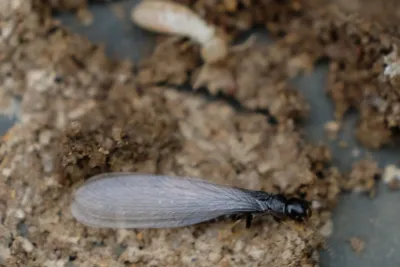
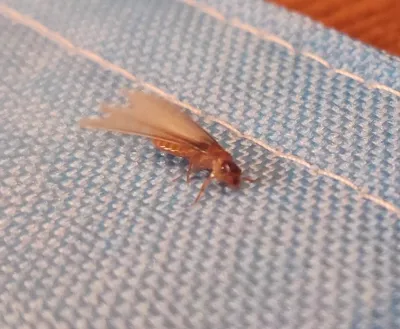
Swarmers are winged adults that leave the nest to start new colonies. They are the largest members of the colony at 15-18mm (about 5/8 to 3/4 inch) with wings. Their bodies and wings are dark brown. Two thick veins run along the front edge of each wing. Swarmers are larger than most other termite types in North America. Learn more about identifying flying termites in your house.
Common Species
- Conehead termite (Nasutitermes corniger)
This is the only conehead termite type found in the United States. It belongs to a group of termites common in tropical areas. The species is native to Central America, South America, and the Caribbean islands.
Conehead Termite Behavior and Biology
Unique Foraging Behavior
Conehead termites act differently from other termites. Instead of staying underground, they walk on the surface like ants. This lets them spread much faster. They build dark brown tunnels about half an inch wide along buildings, fences, and tree trunks. These tunnels can stretch over 100 feet from their nest.
Recent studies found that conehead termites can also nest and travel underground. Scientists in Florida found nests as deep as 22 inches below the surface. This shows they can live almost anywhere.
Nesting Habits
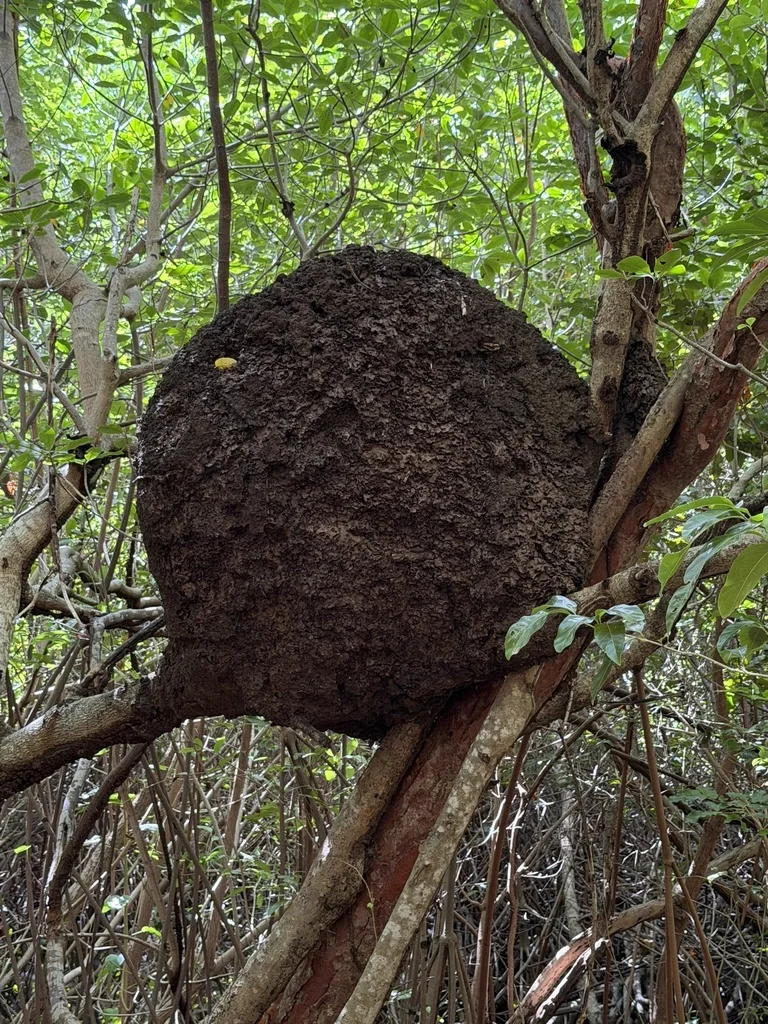
Conehead termites build nests you can see. They make them from chewed wood, soil, spit, and waste. These nests are dark brown with a bumpy texture. They look like large balls or watermelons. You can find nests at the base of trees, on trunks, high in branches, or on buildings. They have even been found in trash piles and under concrete blocks.
One property may have many nests linked by tunnels. The nests grow large as the colony gets bigger. Unlike most termites that hide underground, conehead termite nests are often easy to spot.
Colony Structure
Conehead termite colonies grow very large. A mature colony can have 800,000 to over one million termites. Each colony has three main groups: workers, soldiers, and those that reproduce.
Workers find food, build tunnels, and care for the colony. Soldiers guard the colony by spraying sticky fluid from their cone-shaped heads. This fluid can stop ants and larger animals.
These colonies can have more than one egg-laying queen. They swarm each year from May through November. After swarming, males and females pair up to start new colonies.
Feeding Habits
Conehead termites eat a lot and eat fast. They consume both dry and wet wood, including rotting wood. Unlike subterranean termites that need soil moisture or dampwood termites that need decaying wood, conehead termites attack all types of wood. Their diet includes:
- Structural lumber in buildings
- Trees and shrubs (living or dead)
- Wooden furniture and fence posts
- Cardboard and paper products
- Roots and grass
A large colony can cause serious damage to a building in a short time. They can also kill trees and bushes by eating too much of them. See termite damage pictures for examples of what severe infestations look like.
Signs of Conehead Termite Infestation
Watch for these warning signs:
- Dark brown nests - Ball-shaped lumps on trees, buildings, or at ground level
- Foraging tunnels - Dark brown tubes about half an inch wide on walls, fences, and surfaces
- Soldier termites - Small bugs with cone-shaped dark heads walking in the open
- Swarmers near lights - Large dark brown winged termites at night during warm months
- Wood damage - Hollowed-out or weak wood in buildings, trees, or fences
If you see any of these signs in Florida, call a pest control company and report it to state officials.
Treatment Methods for Conehead Termites
Conehead termites need professional pest control. Their large colonies and many nest sites make them hard to treat. Standard termite treatment methods may not work well since these termites act differently from other types.
Nest Removal and Direct Treatment
The first step is finding and destroying all nests on a property. Conehead termites often have multiple nests linked by tunnels. Missing even one nest can allow the problem to continue. Direct treatment of nests with the right products helps kill the colony.
Tunnel and Foraging Site Treatment
Tunnels and feeding sites also need treatment. Liquid products that termites cannot sense work well. Workers bring the product back to the nest and spread it to other termites.
Ongoing Monitoring
After treatment, regular checks help make sure the termites do not come back. New colonies can start from nearby swarms. Ongoing monitoring keeps your property protected.
Florida Eradication Program
Florida runs a program to wipe out conehead termites. If you own property in an affected area, work with state inspectors and report any sightings. The goal is to stop this pest from spreading to new areas.
Prevention Tips
If you live where conehead termites have been found, these steps can help protect your home:
- Keep shrubs and trees trimmed 3-5 feet away from your home
- Store firewood, lumber, and cardboard far from buildings
- Fix leaky pipes and get rid of moisture problems
- Make sure gutters send water away from your foundation
- Seal cracks in your foundation and outside walls
- Remove dead trees and stumps from your yard
- Get regular inspections from a licensed termite expert
- Report any suspected conehead termite activity to state officials
For more strategies, see our termite prevention tips and learn how to get rid of termites.
References
Other Termites
Explore other species in the termites family
Commonly Confused With
Conehead Termites are often mistaken for these similar pests
Where Conehead Termites Are Found
Hover over states to see their names. Green regions indicate where conehead termites have been reported.
Common Questions about Conehead Termites
What do conehead termites look like?
+
Conehead termite soldiers have dark brown to black cone-shaped heads with cream-colored bodies. They are about 5mm long. Workers are smaller with plain cream bodies. Swarmers are larger at 15-18mm with dark brown bodies and wings.
Where are conehead termites found in the United States?
+
Conehead termites are currently found only in Broward County, Florida. They were first discovered in Dania Beach in 2001. Florida has an active eradication program to prevent their spread to other areas.
How are conehead termites different from other termites?
+
Unlike subterranean termites that travel underground, conehead termites forage above ground like ants. They build visible dark brown nests in trees and structures. Their soldiers have a unique cone-shaped head that releases a sticky defensive secretion.
Why are conehead termites so dangerous?
+
Conehead termites spread rapidly because they travel above ground instead of through soil. Their colonies can reach over one million termites. They aggressively attack any wood source including living trees, furniture, and building structures.
What does a conehead termite nest look like?
+
Conehead termite nests are dark brown, hard structures that resemble a bumpy watermelon or large ball. They can be found at the base of trees, on tree trunks, in branches, or attached to buildings. The surface feels rough and hard.
Do conehead termites build mud tubes?
+
Yes, conehead termites build dark brown foraging tunnels about half an inch wide. These tunnels extend from their nests to food sources and can be found on walls, fences, and other surfaces. However, they also travel in the open without tunnels.
What should I do if I find conehead termites?
+
Contact a licensed pest control professional immediately. In Florida, you should also report the sighting to the Florida Department of Agriculture and Consumer Services. Do not attempt to treat them yourself as their colonies are difficult to eliminate.
Can conehead termites infest my home?
+
Yes, conehead termites can nest inside structures, in walls, under foundations, and in debris piles. They eat structural lumber, furniture, fence posts, and other wood products. Early detection and professional treatment are critical.

With five years of hands-on experience in the pest control industry, George Schulz is a registered technician with the Virginia Pest Management Association and a proud third-generation professional in a family business that's been protecting homes for over 57 years. He manages and trains a team of service pros while also leading internal research efforts—recently spearheading a deep-dive review of thousands of documents on pest control materials to hand-pick the most kid and pet friendly, most effective solutions tailored specifically for homes in the DC metro area.