Texas Brown Tarantulas Identification Guide
Aphonopelma hentzi
Large, hairy, ground-dwelling spiders found across the south-central United States. Texas brown tarantulas are the most widely distributed tarantula species in the U.S. and are best known for the dramatic fall migration of males searching for mates.
Taxonomy
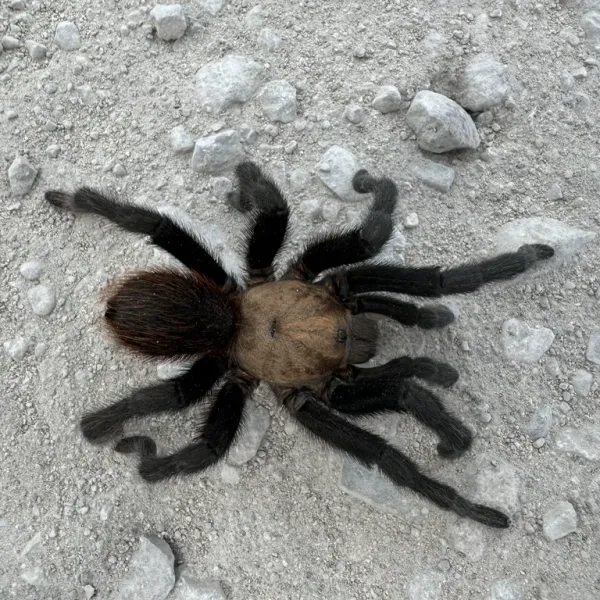
Texas Brown Tarantulas Coloration
Common color patterns to help identify texas brown tarantulas
Texas Brown Tarantulas
Seasonal Activity
When texas brown tarantulas are most active throughout the year
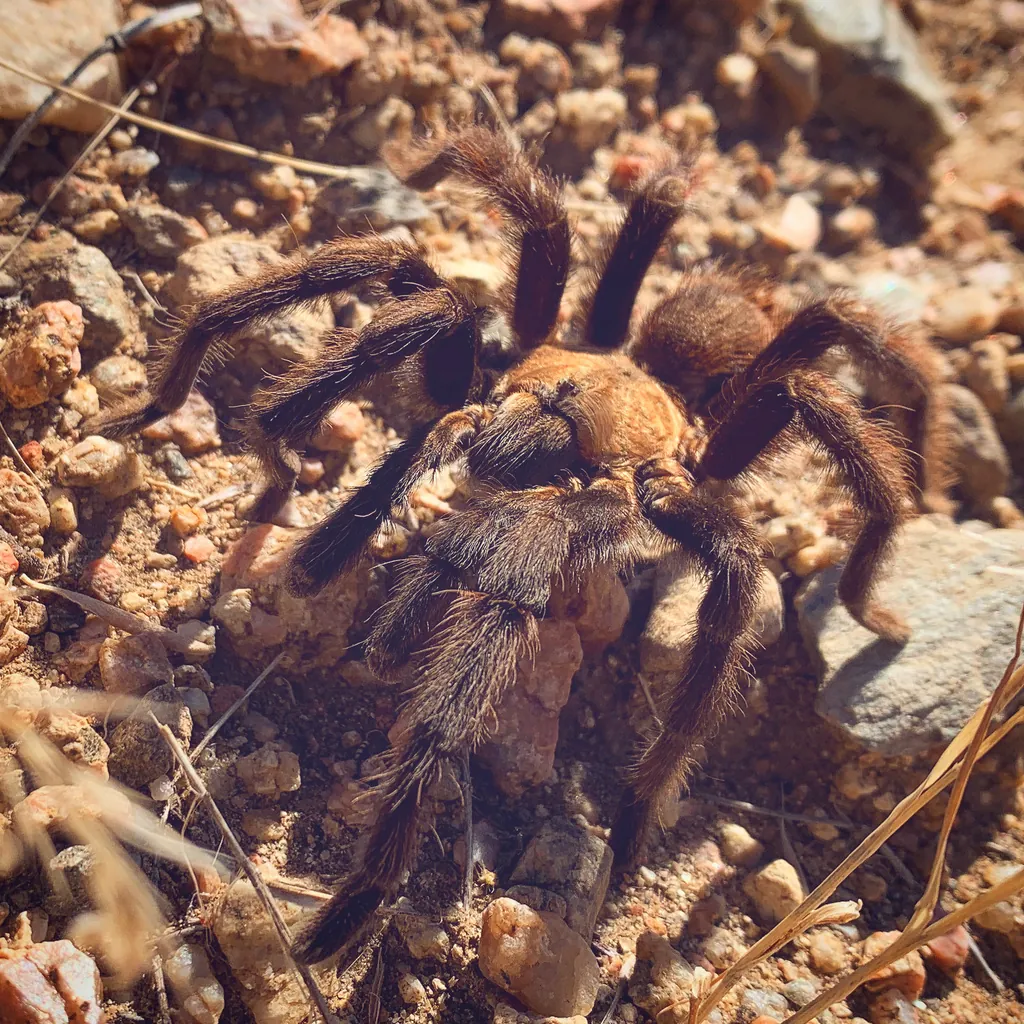
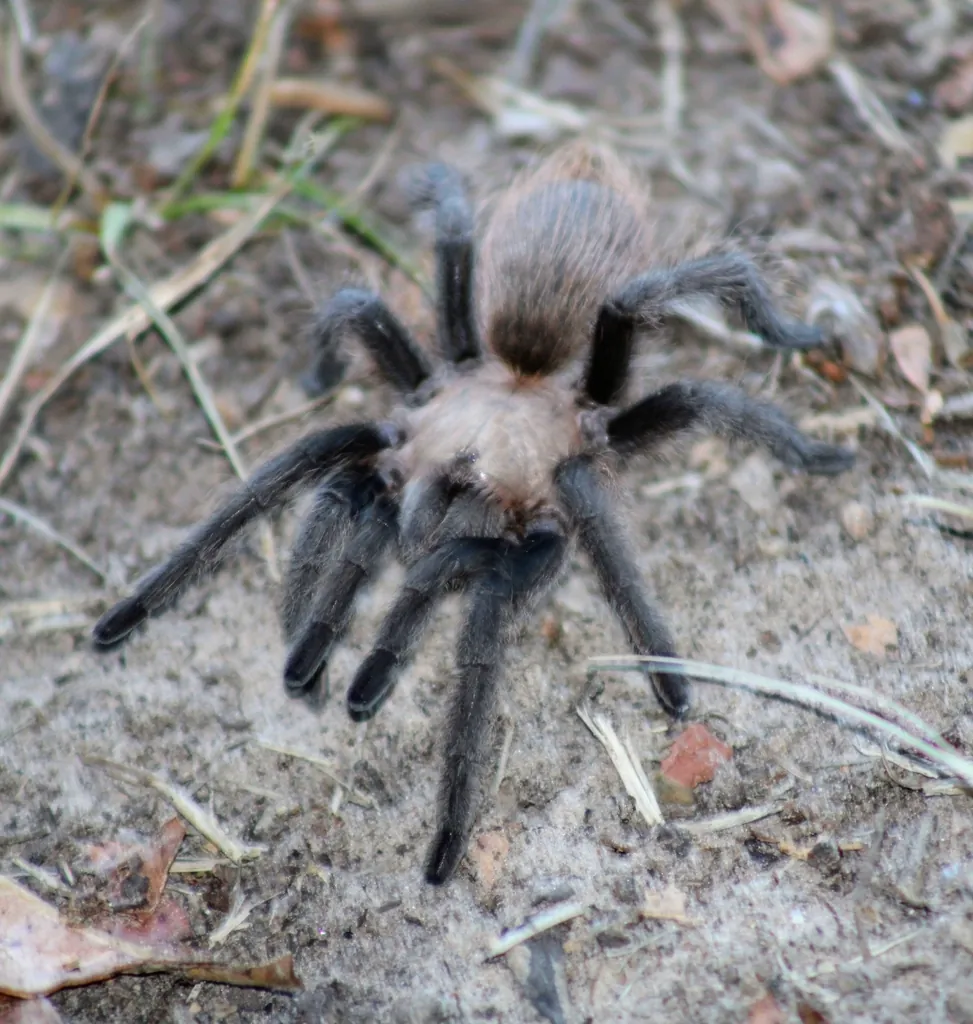
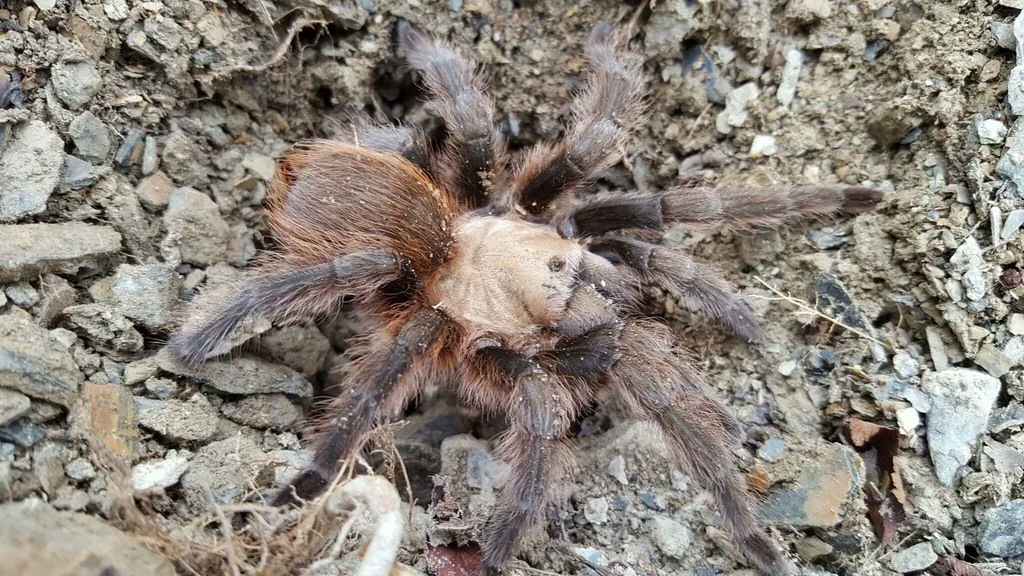

Where Texas Brown Tarantulas Are Found
Hover over states to see their names. Green regions indicate where texas brown tarantulas have been reported.
Texas Brown Tarantula Identification Guide
Physical Characteristics
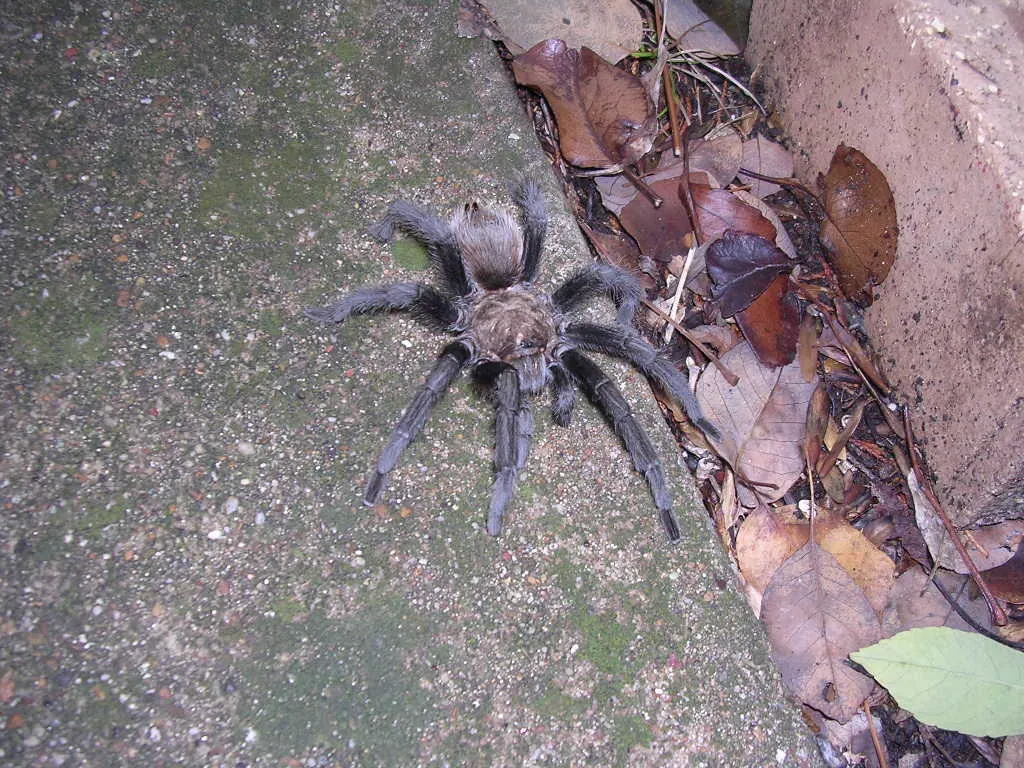
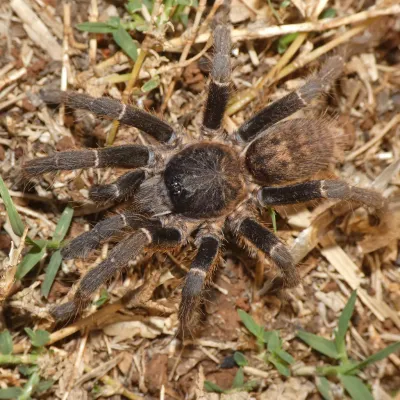
The Texas brown tarantula (Aphonopelma hentzi) is the most common tarantula in the United States and one of the largest spiders in North America. Adults have a body length of 35 to 50 mm (about 1.5 to 2 inches). With legs spread out, they can measure 3 to 5 inches across. Their stocky build and thick coat of hair make them easy to spot.
Body color ranges from dark brown to chocolate brown. You will often see reddish-brown hairs on the head area and abdomen. Males and females look different once they are fully grown. Females are heavier with even brown coloring. Males are thinner, with darker legs that can look almost black, and often have a copper-colored head plate. Both have large fangs that point downward.
Like all spiders, they have eight legs covered in thick hair. They have eight small eyes grouped together on the front of the head, but their eyesight is poor. They depend mostly on vibrations and touch to find prey and sense danger.
Common Species
Texas Brown Tarantula (Aphonopelma hentzi) is the species most people encounter across the south-central United States. It is also commonly called the Oklahoma brown tarantula, Missouri tarantula, or Arkansas chocolate tarantula depending on the region. This is the tarantula most often seen crossing roads during fall mating season.
Texas Tan Tarantula (Aphonopelma anax) is found in southern Texas and is one of the larger North American species. It has a lighter, tan-to-brown coloration and is sometimes confused with A. hentzi in areas where their ranges overlap.
Grand Canyon Black Tarantula (Aphonopelma marxi) inhabits parts of Arizona and Utah. It is darker overall and occupies rocky, arid habitats at higher elevations.
Telling tarantula species apart often takes close study under a microscope. A major 2016 study by Hamilton, Hendrixson, and Bond cut the number of known U.S. species from over 50 down to 29.
Texas Brown Tarantula Behavior and Biology
Texas brown tarantulas are solitary hunters that live alone in burrows. Females spend most of their lives in and around a single silk-lined burrow. They dig these into the soil or take over old rodent tunnels. You can spot burrow entrances by small mounds of silk and soil, often under rocks, logs, or yard debris. Females rarely move far from home.
Males live very differently once they grow up, which takes 7 to 10 years. After their final molt, males leave their burrows and start roaming in search of females. This peaks from August through November across most of their range. It creates the well-known “tarantula migration” that draws attention every fall. Males can travel long distances during this search. They are the ones most often seen crossing roads, sidewalks, and lawns. Most males die within a year after reaching adulthood, whether they find a mate or not.
They eat mostly insects like crickets, beetles, grasshoppers, and caterpillars. They wait near or inside their burrow and grab prey that wanders too close. Larger tarantulas may also eat small lizards or other small animals. Like all spiders, they inject fluids that break down prey before eating.
Females make egg sacs that hold several hundred eggs. Young spiderlings stay near the mother for a short time before leaving to dig their own burrows. Young tarantulas shed their skin often as they grow. Even adult females keep molting throughout their long lives, which can last 20 to 30 years.
When scared, Texas brown tarantulas defend themselves in two main ways. They can kick barbed hairs from their abdomen using their back legs. These hairs irritate the skin, eyes, and nose. They may also stand up on their back legs to show their fangs. Bites are rare and usually only happen when someone picks up or steps on a tarantula. The bite is about as painful as a bee sting for most people.
Geographic Distribution
Texas brown tarantulas have the widest range of any tarantula in the United States. They live from Arizona and New Mexico in the west across Texas, Oklahoma, Kansas, Colorado, Arkansas, Louisiana, and Missouri in the east. The eastern edge of their range roughly follows the Mississippi River.
They live in many types of habitat: grasslands, prairies, desert scrub, oak woodlands, and rocky hillsides. Numbers vary by area. You are most likely to see them in rural and suburban spots with loose soil for burrowing and plenty of insects to eat.
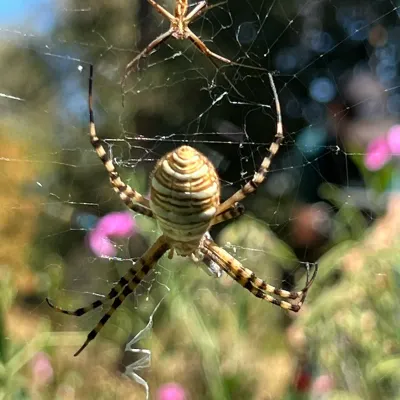
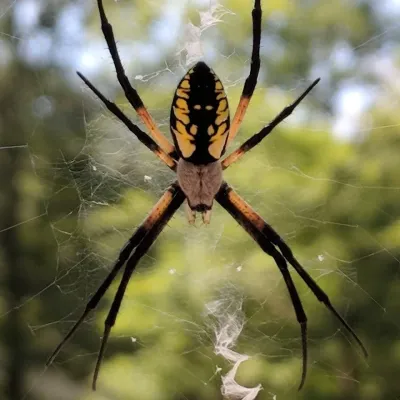
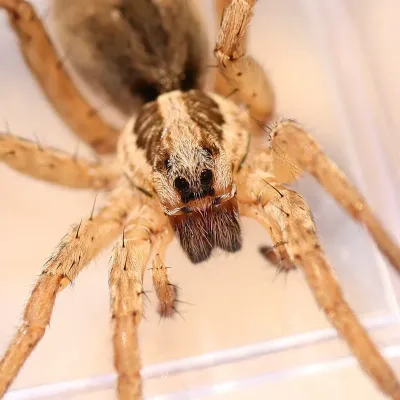
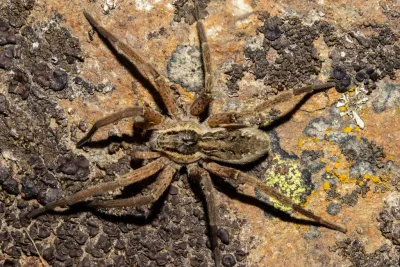
People sometimes confuse Texas brown tarantulas with wolf spiders. Wolf spiders are faster and have two large eyes that face forward. Fishing spiders can also look like tarantulas because of their size, but they have thinner legs and usually live near water. Other tarantula species overlap in parts of Texas and Arizona. Telling them apart often requires a trained eye.
Treatment Methods for Texas Brown Tarantulas
Texas brown tarantulas are not structural pests. They do not damage buildings, chew wires, or infest food. Most encounters happen by chance, especially during fall mating season when males are on the move. Pesticide treatments are not effective for tarantulas, so control focuses on exclusion and removal.
Exclusion is the best strategy for keeping tarantulas out of homes. Seal gaps around doors, windows, and foundation cracks. Install door sweeps and fix worn weather stripping. Screen foundation vents and seal openings around pipes and wires. These steps also help keep out many other pests.
Habitat Modification around the home can cut down on encounters. Clear rock piles, stacked firewood, and ground-level clutter near the foundation. Keep grass and plants trimmed close to the house. Turn off or reduce outdoor lighting that draws in insects, since insects attract spiders.
Capture and Relocation is the recommended approach when a tarantula shows up indoors. Place a large jar or plastic container over the spider and slide a stiff piece of cardboard underneath. Carry it outside and release it at least 50 feet from the house. Wear gloves to protect against irritating hairs. State wildlife agencies including the Missouri Department of Conservation and Texas Parks and Wildlife recommend relocation over killing.
Seasonal Awareness helps during fall mating season (August through November), when tarantula sightings peak. Knowing when males are most active lets homeowners take steps ahead of time, like sealing entry points and clearing debris before the season starts.
References and Further Reading
- Taxonomic Revision of the Tarantula Genus Aphonopelma - Hamilton, Hendrixson, and Bond (2016) - The definitive peer-reviewed monograph on North American Aphonopelma species, including distribution maps and identification keys.
- Texas Brown Tarantula - Missouri Department of Conservation - State natural history account with identification, behavior, and habitat information.
- Texas Brown Tarantula - Texas Parks and Wildlife Magazine - Practical guide to tarantula behavior, seasonal activity, and how to handle encounters.
- Aphonopelma hentzi - BugGuide (Iowa State University) - Community-verified identification resource with photographs and occurrence records.
- Aphonopelma hentzi - World Spider Catalog - Official taxonomic catalog entry with nomenclatural history.
Other Spiders
Explore other species in the spiders family
Commonly Confused With
Texas Brown Tarantulas are often mistaken for these similar pests
Where Texas Brown Tarantulas Are Found
Hover over states to see their names. Green regions indicate where texas brown tarantulas have been reported.
Common Questions about Texas Brown Tarantulas
Are Texas brown tarantulas dangerous to humans?
+
Texas brown tarantulas are not dangerous. Their bite is comparable to a bee sting and they rarely bite unless directly handled or provoked. Their primary defense is flicking urticating hairs from their abdomen, which can irritate skin and eyes. These spiders are docile and would rather retreat than confront a person.
Why do I see tarantulas crossing roads in the fall?
+
During late summer and fall, mature male tarantulas leave their burrows to find females. The search brings them across roads, paths, and into yards. Males may travel long distances, and sightings peak from August through November.
How long do Texas brown tarantulas live?
+
Female Texas brown tarantulas can live 20 to 30 years or longer. Males have a much shorter lifespan and typically die within a year after reaching maturity and mating. This makes them one of the longest-lived spiders in North America.
Where do Texas brown tarantulas live?
+
Texas brown tarantulas live in silk-lined burrows dug into soil, often under rocks or logs. They are found across the south-central United States including Texas, Oklahoma, Kansas, Missouri, Arkansas, Louisiana, Colorado, New Mexico, and Arizona. They prefer grasslands, prairies, and semi-arid habitats.
Should I kill a tarantula in my yard?
+
Tarantulas are not aggressive toward people and pose no real threat to your home. If one is inside, gently trap it under a container and slide a piece of cardboard underneath to carry it outside. Release it away from the house. Killing them is not needed since they do not cause damage or infest homes.
What do Texas brown tarantulas eat?
+
Texas brown tarantulas are ambush predators. They feed on crickets, beetles, grasshoppers, caterpillars, and other insects. Larger individuals may occasionally eat small lizards or other small vertebrates. They wait near or inside their burrow entrance and grab prey that wanders close.
Can Texas brown tarantulas climb walls?
+
While tarantulas can climb to some degree, Texas brown tarantulas are ground-dwelling spiders that spend nearly all their time on the ground or in burrows. They do not climb walls or ceilings like some smaller spider species. You are most likely to find them on the ground or crossing flat surfaces.

With five years of hands-on experience in the pest control industry, George Schulz is a registered technician with the Virginia Pest Management Association and a proud third-generation professional in a family business that's been protecting homes for over 57 years. He manages and trains a team of service pros while also leading internal research efforts—recently spearheading a deep-dive review of thousands of documents on pest control materials to hand-pick the most kid and pet friendly, most effective solutions tailored specifically for homes in the DC metro area.