Tarantulas Identification Guide
Theraphosidae
Large, hairy spiders belonging to the family Theraphosidae. Tarantulas are ground-dwelling ambush predators that live in silk-lined burrows and are found primarily in the southern and southwestern United States and Mexico.
Taxonomy
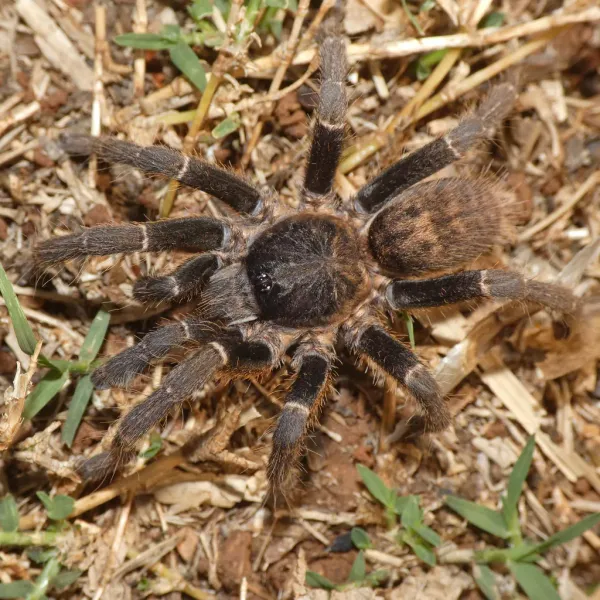
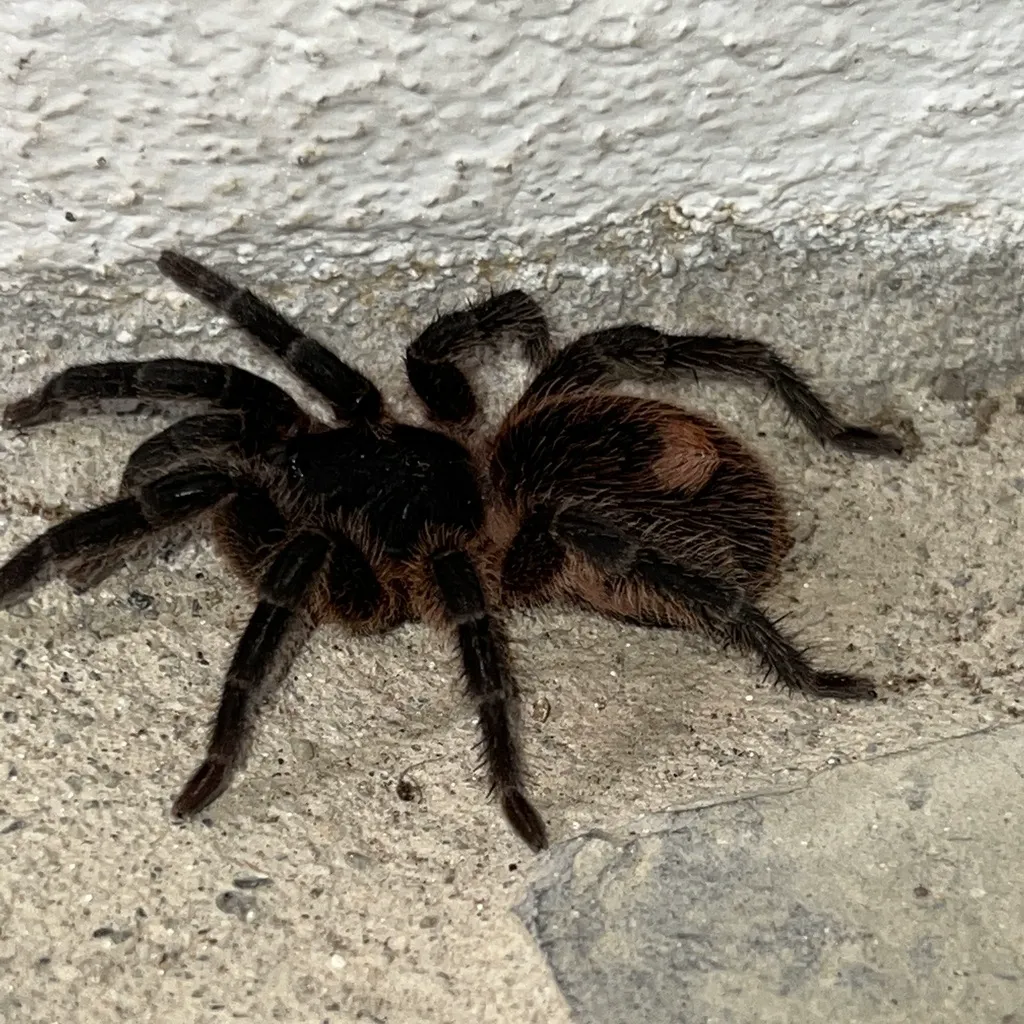
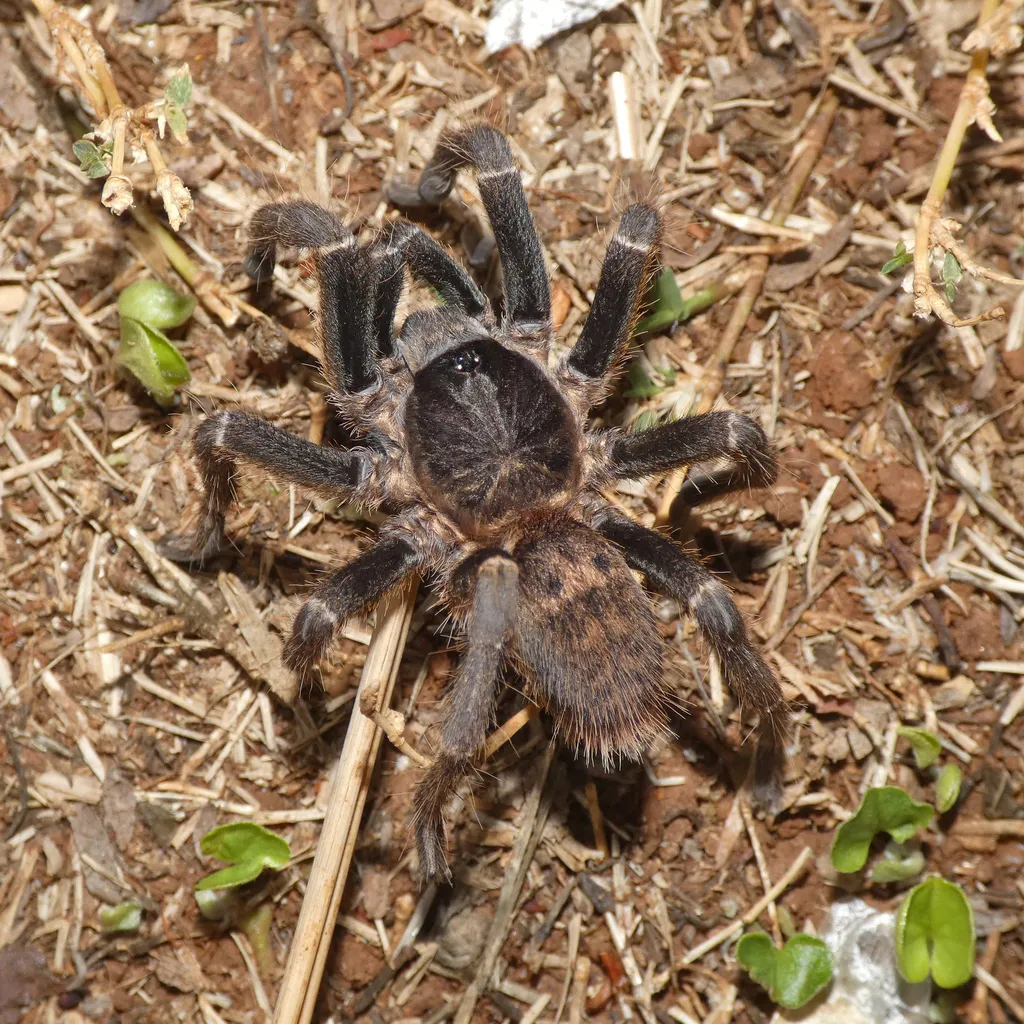
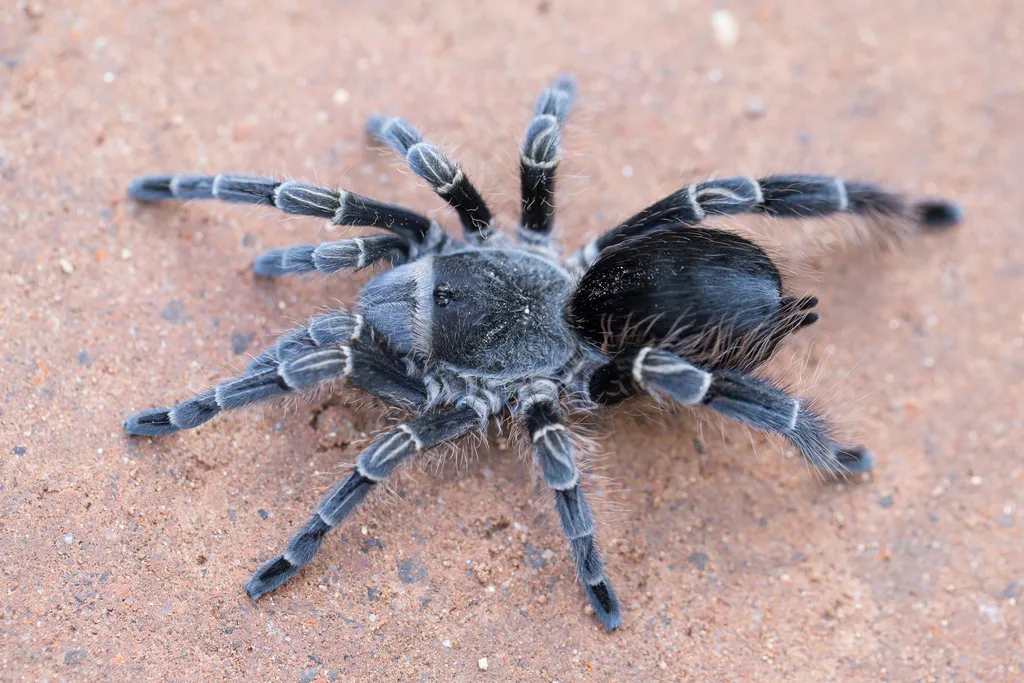
Tarantulas Coloration
Common color patterns to help identify tarantulas
Tarantulas
Seasonal Activity
When tarantulas are most active throughout the year
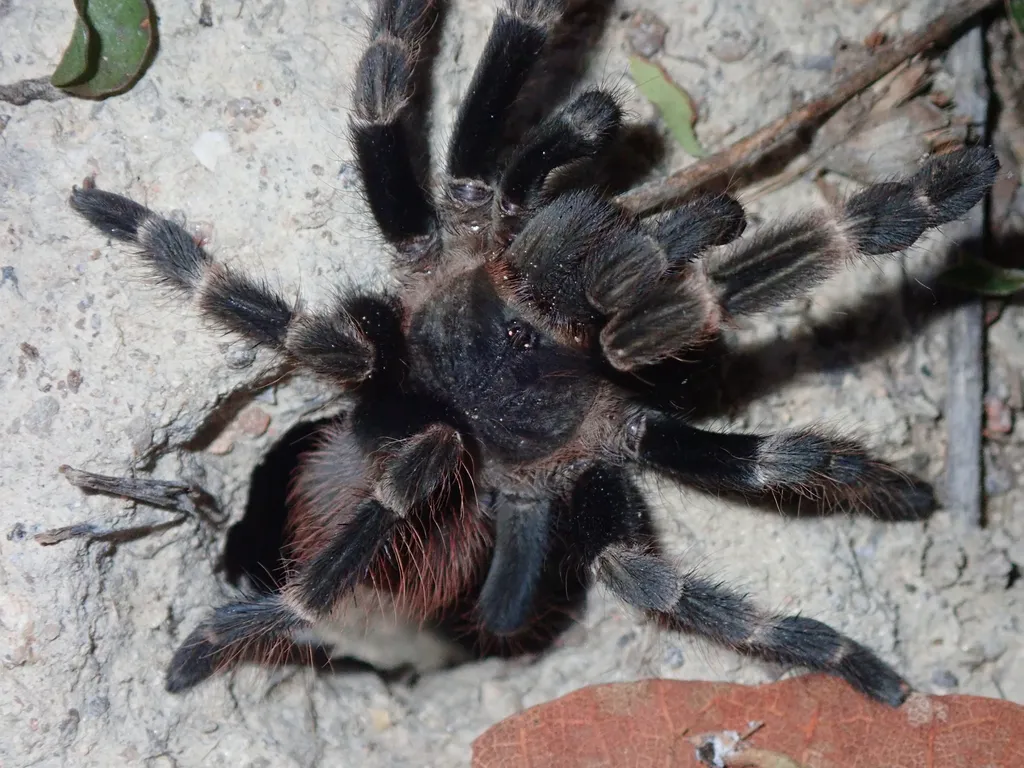

Where Tarantulas Are Found
Hover over states to see their names. Green regions indicate where tarantulas have been reported.
Tarantula Identification Guide
Physical Characteristics
Tarantulas are the largest spiders in North America. They belong to the family Theraphosidae. Their fangs point downward instead of crossing like most other spiders. Adults range from 25 mm to over 130 mm in body length. Leg spans reach 3 to 6 inches for most North American species.
Their most obvious feature is the dense hair that covers their entire body and legs. These hairs, called setae, give tarantulas a fuzzy look. Colors range from tan and light brown to dark brown, black, and reddish-brown. Some species have color bands on their legs or patches of orange and golden hairs on their abdomen.
Tarantulas have eight small eyes grouped close together on the front of the head. Their eyesight is poor. They find prey and sense danger by picking up vibrations through the hairs on their legs. Their legs are thick and strong compared to other spiders. This gives them a stocky, powerful build. Tarantulas found in the Americas also have urticating hairs on top of their abdomen. They can flick these barbed hairs at threats to defend themselves.
Common Species in North America
Texas Brown Tarantula (Aphonopelma hentzi) is the most common tarantula in the United States. It lives from Texas through Oklahoma, Kansas, Arkansas, Missouri, and Louisiana. Adults are dark brown to black with a leg span of about 4 to 5 inches. This species is the one most often seen crossing roads in the fall.
Desert Tarantula (Aphonopelma chalcodes) lives across Arizona, New Mexico, and parts of southern California. It has a tan or blonde head area and darker legs. It is one of the most common tarantulas in the Sonoran Desert.
Grand Canyon Black Tarantula (Aphonopelma marxi) lives in rocky desert areas of Arizona and Utah. Adults are all black and a bit smaller than other common species.
Mexican Red-Knee Tarantula (Brachypelma hamorii) is native to the Pacific coast of Mexico. It is known for its bright red-orange knee patches on a black body. It is one of the most popular tarantulas in the pet trade.
Tarantula Behavior and Biology
Tarantulas are solitary spiders that spend most of their lives in or near their burrows. They dig tunnels in dry soil and line them with silk. Some species move into old rodent burrows or gaps under rocks and logs. A silk “trip line” often runs from the burrow entrance to help them feel when prey walks by.
These spiders hunt at night using an ambush style. They do not build webs to catch food. Instead, they wait near their burrow and strike at insects, beetles, and other bugs that come too close. Larger species can also catch small lizards, frogs, and mice. Tarantulas use their fangs to inject venom that stops prey from moving. They then release digestive fluids to break down the tissue before eating it.
Females produce an egg sac with 500 to 1,000 eggs. The mother guards the sac in her burrow for several weeks until the babies hatch. Young tarantulas shed their outer shell many times as they grow. Females can live 20 to 30 years in some species. Males live much shorter lives. They reach maturity after several years and then live only a few months as they search for a mate.
The most visible tarantula activity is the yearly mating season. In the Southwest, this happens from July through October when males leave their burrows and travel long distances looking for females. Large groups of males on the move at the same time creates what people call a “tarantula migration.” This is when homeowners are most likely to see tarantulas crossing roads, paths, and yards.
When threatened, tarantulas may rear up on their back legs to show their fangs. Species found in the Americas can also kick barbed hairs from their abdomen using their hind legs. These hairs cause itching and rashes. They can be a bigger problem if they get into the eyes or lungs. Biting is a last resort for tarantulas.
Treatment Methods for Tarantulas
Managing tarantulas focuses on keeping them out of living spaces. Exclusion and habitat changes are the most effective strategies. Chemical treatments do not work well against burrowing spiders, so prevention is key.
-
Exclusion and Sealing: Seal gaps under doors with door sweeps and weather stripping. Close holes around pipes, wires, and vents. Screen crawl space vents and garage openings during peak activity months in summer and fall.
-
Habitat Changes: Remove rock piles, brush, and woodpiles near your foundation. These give tarantulas shelter and attract the insects they eat. Fill holes and burrows in the yard near walkways and entry points. Keep plants trimmed back from the house.
-
Lighting Changes: Turn down outdoor lights near doors and windows in summer and fall. Bright lights draw in flying insects, which then attract tarantulas. Use yellow or sodium vapor bulbs that attract fewer bugs.
-
Capture and Relocation: If a tarantula gets inside your home, place a large container or bucket over it. Slide a stiff piece of cardboard underneath and carry it outside. Release it away from the home. Do not handle tarantulas with bare hands to avoid contact with urticating hairs.
-
Professional Help: For homes in areas with regular tarantula activity, a pest control professional can check for entry points and seal them up. Standard pest sprays do not work well on burrowing spiders like tarantulas, so sealing up the home is the main focus.
Medical Considerations
Disclaimer: The information below is for educational purposes only. It is not medical advice. If you experience a tarantula bite or urticating hair exposure with serious symptoms, seek medical attention right away.
North American tarantula bites are not life-threatening for most healthy adults. The bite hurts and feels like a bee sting, but the venom rarely causes serious problems beyond the bite area. You may see redness, swelling, and soreness at the bite spot.
The bigger concern is urticating hairs. When these barbed hairs touch the skin, they cause itching, redness, and a rash that can last several days. If they get into the eyes, they can cause pain, tearing, and swelling. In some cases, stuck hairs may need to be removed by a doctor.
If bitten:
- Wash the bite area with soap and water
- Apply a cold compress to reduce swelling
- Take over-the-counter pain relievers as needed
- Monitor for signs of allergic reaction and seek medical care if symptoms worsen
If urticating hairs contact your eyes:
- Flush eyes with clean water for at least 15 minutes
- Do not rub your eyes
- Seek ophthalmology evaluation if pain or vision changes persist
If urticating hairs contact your skin:
- Use adhesive tape to gently remove visible hairs
- Wash the area with soap and water
- Apply hydrocortisone cream or take an oral antihistamine for itching
References and Further Reading
- Britannica - Tarantula - General tarantula biology, identification, and natural history overview.
- National Geographic - Tarantulas - Overview of tarantula species, behavior, and size records.
- Tarantula Spider Bites - Mayo Clinic - Medical information on spider bite symptoms and treatment.
- Spiders - National Pest Management Association - General spider identification and pest management guidance from the NPMA.
Other Spiders
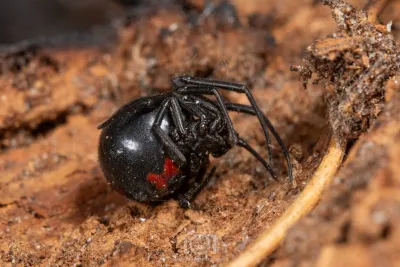
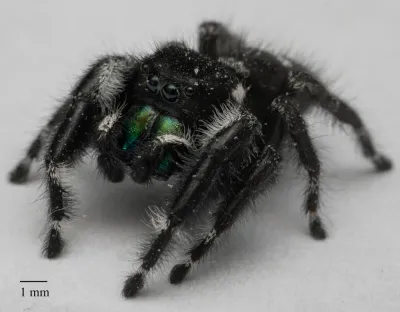
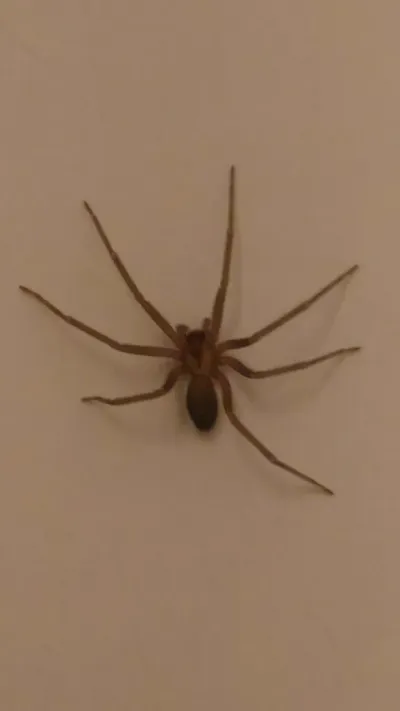
Explore other species in the spiders family
Commonly Confused With
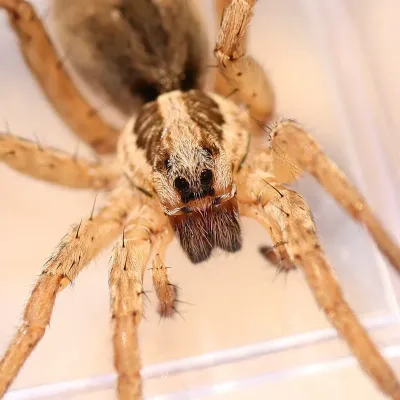
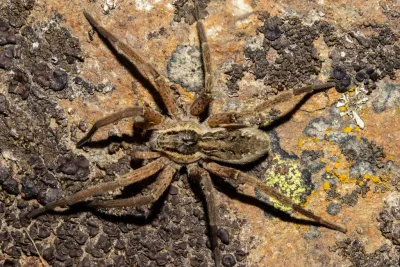
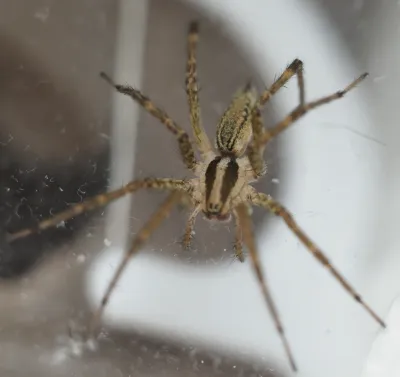
Tarantulas are often mistaken for these similar pests
Where Tarantulas Are Found
Hover over states to see their names. Green regions indicate where tarantulas have been reported.
Common Questions about Tarantulas
Are tarantulas dangerous to humans?
+
Tarantulas found in North America are not considered medically dangerous. Their bites are painful but comparable to a bee sting and rarely cause serious harm. New World tarantulas can flick urticating hairs from their abdomen, which may cause skin irritation, itching, or eye discomfort. Seek medical attention if hairs contact your eyes or you experience an allergic reaction.
Why are tarantulas in my yard?
+
If you live in the southwestern United States, tarantulas are a natural part of the local ecosystem. They dig burrows in dry, well-drained soil and prefer areas with minimal disturbance. You are most likely to spot them during late summer and early fall when males leave their burrows to search for mates.
How long do tarantulas live?
+
Female tarantulas can live 20 to 30 years or more in some species. Males have much shorter lifespans and typically live only a few years after reaching maturity. After their final molt, males focus on finding a mate and usually die within months.
What do tarantulas eat?
+
Tarantulas are ambush predators that feed on insects, beetles, grasshoppers, and other arthropods. Larger species may also eat small lizards, frogs, and mice. They do not build webs to catch food. Instead, they wait near their burrow entrance and pounce on passing prey.
Should I kill a tarantula I find near my home?
+
If you find a tarantula near your home, the best approach is to relocate it. Place a container over the spider, slide a piece of cardboard underneath, and release it in a suitable area away from your home. Tarantulas help control insect numbers in the areas where they live.
Do tarantulas come inside houses?
+
Tarantulas occasionally wander into homes, garages, or sheds, especially during the fall mating season when males are actively searching for females. Sealing gaps under doors, around windows, and along the foundation can help prevent them from entering. Reducing outdoor lighting also helps by attracting fewer insects that tarantulas follow as prey.
What is a tarantula migration?
+
Tarantula migrations refer to the seasonal phenomenon where large numbers of mature male tarantulas leave their burrows at the same time to search for mates. This typically occurs between July and October in the southwestern United States. It is not a true migration but rather a synchronized dispersal driven by breeding instinct.

With five years of hands-on experience in the pest control industry, George Schulz is a registered technician with the Virginia Pest Management Association and a proud third-generation professional in a family business that's been protecting homes for over 57 years. He manages and trains a team of service pros while also leading internal research efforts—recently spearheading a deep-dive review of thousands of documents on pest control materials to hand-pick the most kid and pet friendly, most effective solutions tailored specifically for homes in the DC metro area.