Spotted Orbweavers Identification Guide
Neoscona crucifera
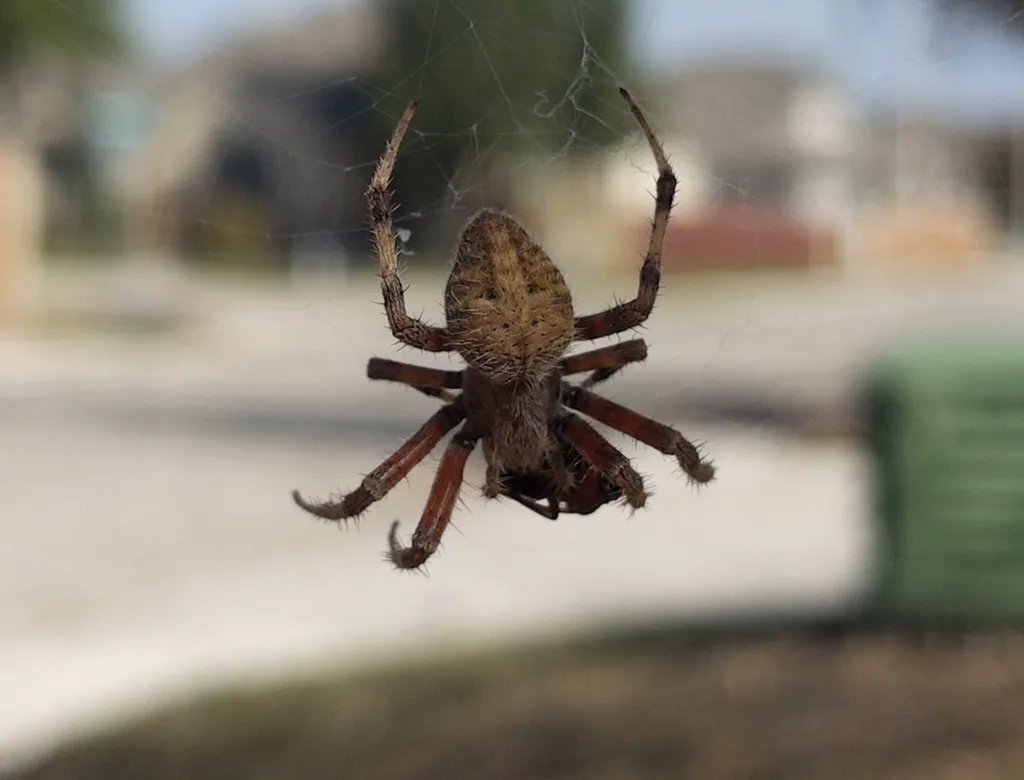
Spotted orbweavers are large nocturnal orb-weaving spiders recognized by their tan to reddish-brown abdomens covered in darker spots. Also called Hentz orbweavers, they build sizable wheel-shaped webs on porches, eaves, and between plants during late summer and fall across much of North America.
Taxonomy
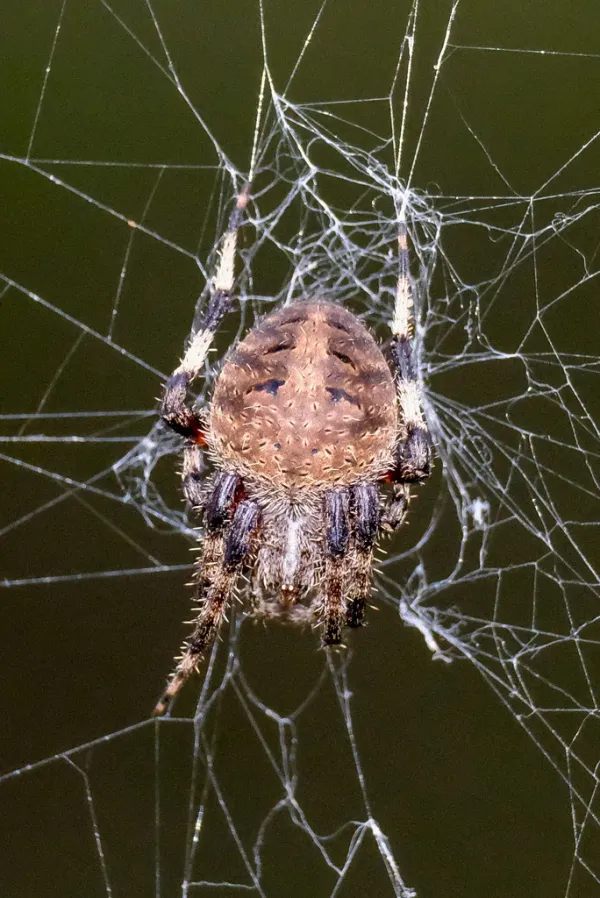
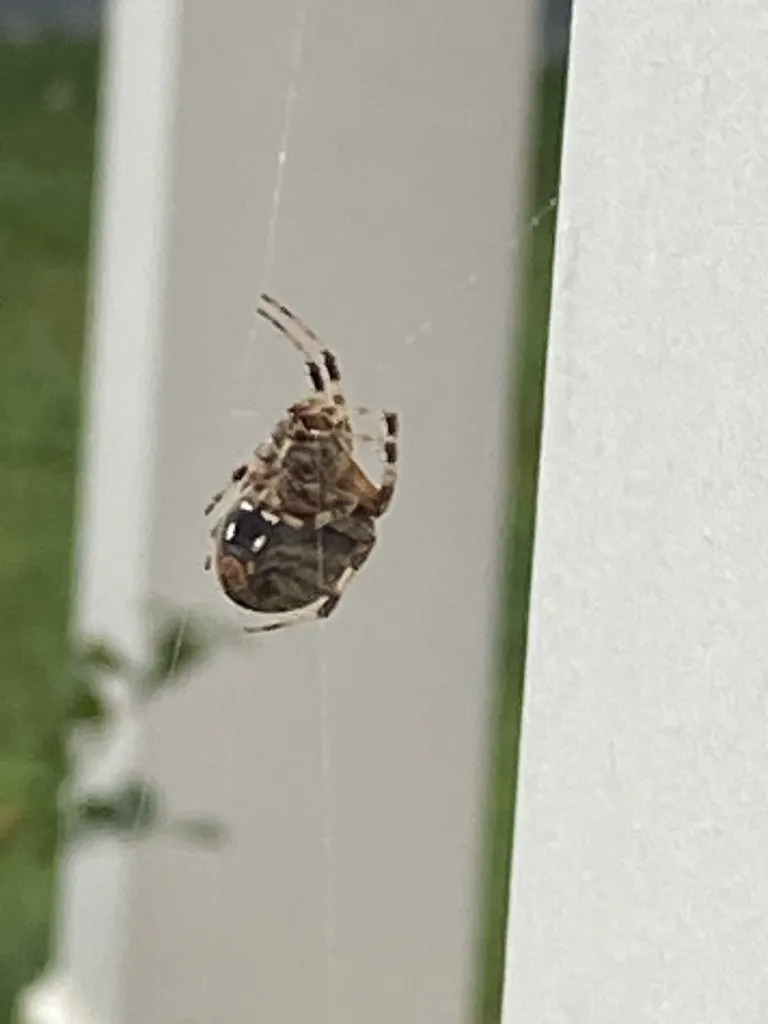
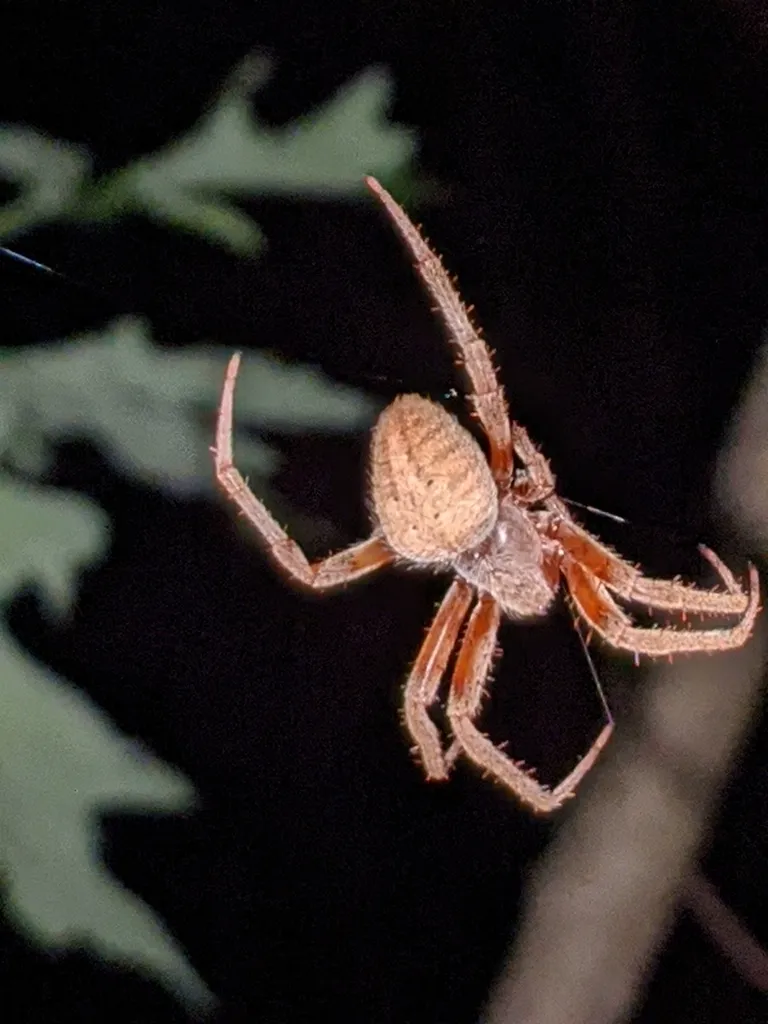
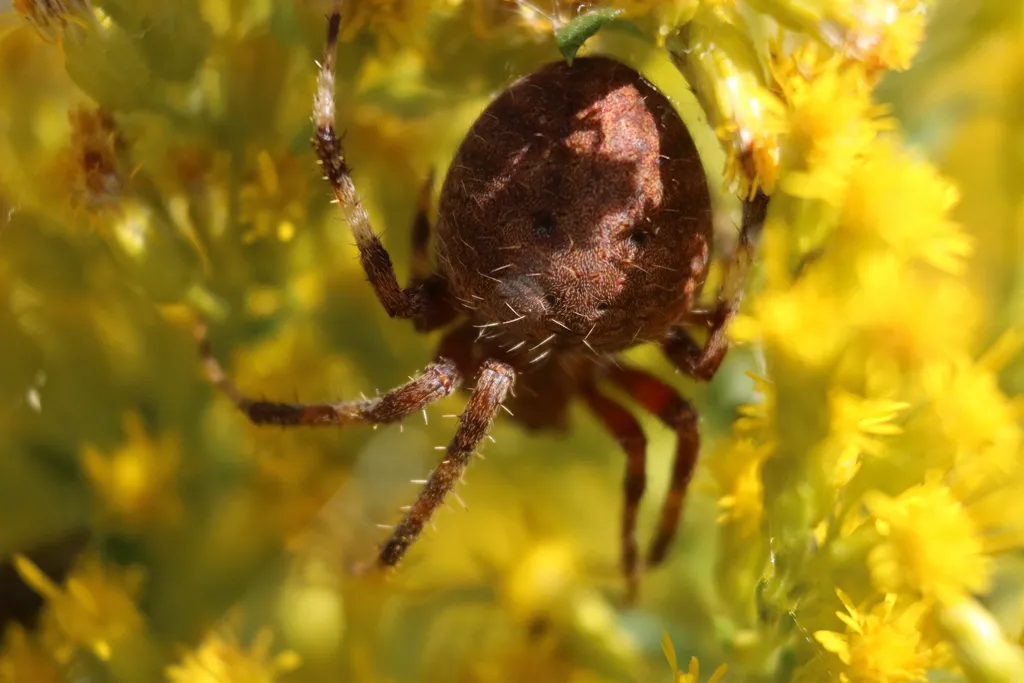
Spotted Orbweavers Coloration
Common color patterns to help identify spotted orbweavers
Spotted Orbweavers
Seasonal Activity
When spotted orbweavers are most active throughout the year

Where Spotted Orbweavers Are Found
Hover over states to see their names. Green regions indicate where spotted orbweavers have been reported.
Spotted Orbweaver Identification Guide
Physical Characteristics
The spotted orbweaver (Neoscona crucifera) is one of the most common orb-weaving spiders found around homes in the eastern and central United States. You may also hear it called the Hentz orbweaver. Some people call it a barn spider, but that name is also used for other species, so it can cause mix-ups.
Females are much larger than males. Female bodies are 9.5 to 19 mm (about 0.37 to 0.75 inches) long, not counting legs. Males are smaller at about 7 to 12 mm (0.28 to 0.47 inches). The abdomen is oval and round with a tan, cream, or reddish-brown base color covered in darker brown spots. Many show a faint cross-shaped pattern on the top of the abdomen. This is where the species name crucifera comes from.
The legs are long with bands of light and dark color. The front body section is covered in fine, pale hairs. Color varies a lot from one spider to the next. Some are pale golden-tan while others are deep reddish-brown. On the underside, the abdomen often has a dark area framed by white L-shaped marks. This can help with identification if you get a close look.
Common Look-Alikes in North America
Several other orb-weaving spiders are commonly confused with the spotted orbweaver:
- Barn Spider (Araneus cavaticus): Also builds large orb webs near buildings. Barn spiders have a different back pattern with bolder markings and a slightly different body shape.
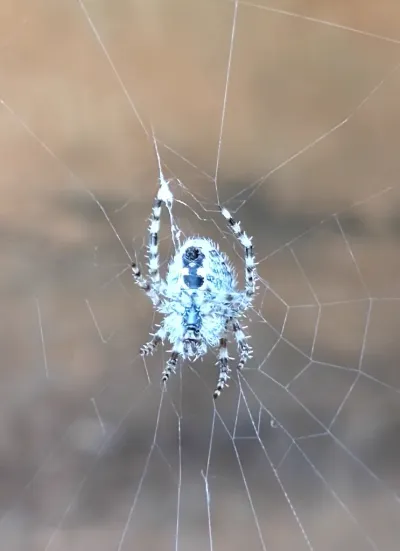
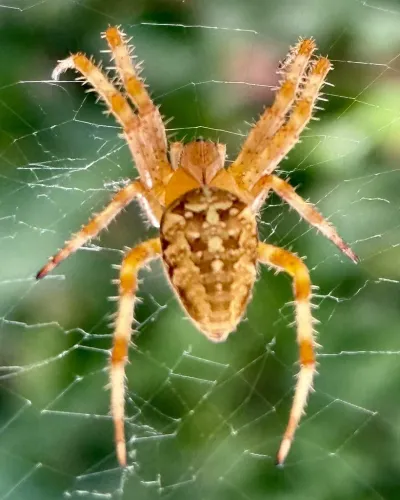
- Cross Orbweaver (Araneus diadematus): Has a bold white cross made of dots on the top of the abdomen. The spotted orbweaver’s cross pattern is much fainter.
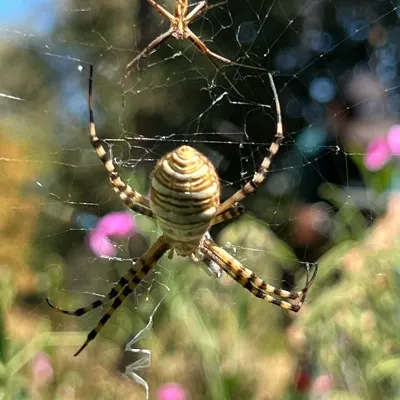
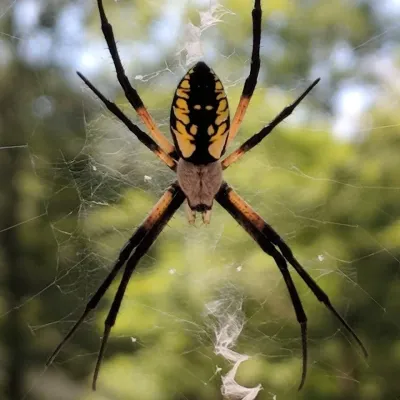
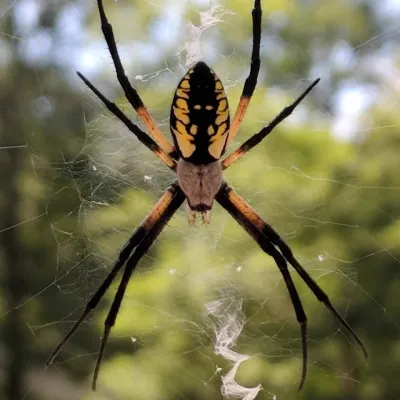
- Garden Spider (Argiope aurantia): Much larger with bold black and yellow stripes. Garden spiders also weave a zigzag pattern in the center of their web.
- Arabesque Orbweaver (Neoscona arabesca): Very similar size and shape with more detailed banding on the back. Telling these two apart often takes a close look at the back pattern and leg color.
Spotted Orbweaver Behavior and Biology
Habitat Preferences
Spotted orbweavers are active at night. They like sheltered outdoor spots with plenty of flying insects. Around homes, they often build webs in:
- Porch corners and under eave overhangs
- Near exterior light fixtures that attract moths and other insects at night
- Between shrubs, garden trellises, and ornamental plants
- Along fence lines and deck railings
- Window frames and doorway edges
- Forest edges, hedgerows, and wooded lot margins
These spiders anchor their webs between structures or plants at heights of 3 to 8 feet. Unlike some orb weavers that sit at the web center during the day, spotted orbweavers hide nearby. They tuck themselves into a rolled leaf, a crack under an eave, or a small gap. They come out at dusk to tend their web.
Diet and Feeding Habits
Spotted orbweavers catch a wide range of flying insects in their sticky webs:
- Moths and small butterflies
- Flies, gnats, and mosquitoes
- Small beetles and other flying insects
- Midges and other nocturnal fliers
Because they build their webs at night, spotted orbweavers mostly catch insects that fly after dark. When an insect hits the sticky threads, the spider feels the shaking and rushes over to wrap it in silk. A single spider can catch dozens of insects each week.
Reproduction and Lifecycle
The spotted orbweaver follows a one-year lifecycle tied to the seasons.
Spring (March through May): Baby spiders hatch from egg sacs that lasted through winter. The tiny spiders spread by “ballooning.” They release silk threads that catch the wind and carry them to new spots. This is why spotted orbweavers can show up in areas where none were seen the year before.
Summer (June through July): Young spiders grow, building bigger webs and shedding their skin several times. By mid-summer, they start to show adult color patterns and are easier to spot.
Late Summer and Fall (August through October): This is peak season. Adult females build their largest webs and are most visible around homes. Males leave their own webs to find females. They pluck the web threads to signal their presence. After mating, males usually die within a few days.
Egg Laying and Winter (November through February): Females make one or more egg sacs. Each sac holds hundreds of eggs wrapped in fluffy silk. The sacs are placed in sheltered spots like under bark, in leaf piles, or in cracks near the web. Adult females die after the first hard frost. The eggs last through winter and hatch the next spring.
Nocturnal Web-Building Behavior
One of this spider’s most notable habits is building a new web every night. Many spotted orbweavers take down their old web each evening. They sometimes eat the old silk to reuse the protein, then spin a fresh web at dusk. You may notice a new web in the same spot each night. This daily rebuild keeps the web sticky and good at catching prey.
How We Treat for Spotted Orbweavers
When spotted orbweaver webs build up around doorways, porches, or outdoor living areas, professional spider control can help. Here is our approach to managing orbweavers around your home.
Inspection and Assessment
We start with a full inspection to find where spiders are most active and what draws them in. Common factors include:
- Bright exterior lights that draw flying insects at night
- Sheltered overhangs and eave lines where spiders anchor webs
- Dense vegetation close to the house that provides hiding spots
- Moisture problems that attract other insects, which then attract spiders
Web Removal and Barrier Treatment
Our treatment approach includes:
- Web removal: We knock down webs from eaves, porches, window frames, and entry areas. Taking webs down on a regular basis makes spiders less likely to rebuild in the same spots.
- Exterior barrier treatment: We apply a targeted spray to surfaces where spiders build webs. This includes eave lines, window frames, door casings, and porch ceilings. The treatment creates a zone that reduces spider activity for several weeks.
- Spot interior treatment: If spiders are getting inside through gaps, we treat around entry points with spot applications. Broad indoor spraying does not work well for web-building spiders.
Prevention Tips
These steps help reduce spotted orbweaver activity around your home:
- Switch exterior lights to yellow “bug lights” or sodium vapor bulbs that attract fewer flying insects
- Close blinds at night so indoor light does not draw insects to your windows
- Trim shrubs and tree branches back from the house to remove web anchor points
- Seal gaps around windows, doors, and utility penetrations
- Clear woodpiles, leaf litter, and debris near the foundation that shelter spiders and their prey
Ongoing Maintenance
Triannual exterior treatments (three times per year) as part of a general pest control program keep the barrier in place. Each visit includes web removal. Knocking down webs between visits with a broom or long-handled duster also helps. Steady upkeep is the key to long-term spider control. A single treatment rarely gives lasting results for web-building spiders.
References
For more information about spotted orbweavers, see these resources:
- Spotted Orbweaver (Neoscona crucifera) - BugGuide species page with photos, distribution maps, and identification notes
- Neoscona crucifera Species Account - Detailed life history, behavior, and morphology reference
- Neoscona crucifera on SpiderID - Seasonal sighting data and identification tips
- Spider Management Action Plan - Texas A&M spider control guidance covering exclusion, habitat changes, and treatment methods
- Spiders in and Around the Home - Washington State University Extension guide to spider identification and management
- GBIF: Neoscona crucifera - Global Biodiversity Information Facility taxonomic record
Other Spiders
Explore other species in the spiders family
Commonly Confused With
Spotted Orbweavers are often mistaken for these similar pests
Where Spotted Orbweavers Are Found
Hover over states to see their names. Green regions indicate where spotted orbweavers have been reported.
Common Questions about Spotted Orbweavers
Are spotted orbweavers dangerous to humans?
+
Spotted orbweavers are not dangerous. They are shy spiders that avoid contact with people. If handled roughly, they can bite, but the bite is mild and similar to a mosquito bite. Their venom is not medically significant to humans.
Why do spotted orbweavers build webs on my porch?
+
Porches and eaves provide sheltered spots for web building, and exterior lights attract the flying insects that spotted orbweavers eat. The combination of shelter from wind and a steady food supply makes porches an ideal location. Switching to yellow bug lights can reduce the number of insects drawn to your home and discourage web building.
Do spotted orbweavers come inside houses?
+
Spotted orbweavers rarely enter homes. They need open outdoor spaces to build their large orb webs, which can span over a foot across. If one ends up indoors, it got in by accident through an open door or window and will not survive long inside.
When are spotted orbweavers most active?
+
Spotted orbweavers are most visible from August through October, when adult females reach full size and build their largest webs. They are primarily nocturnal, building fresh webs at dusk and sitting on them through the night. During the day, they hide in a rolled leaf or crevice near the web.
How can I tell a spotted orbweaver from a barn spider?
+
Spotted orbweavers have a tan to reddish-brown abdomen covered in darker spots or blotches, and they often show a faint cross-like pattern on their back. Barn spiders have a different dorsal pattern with more prominent markings and stronger leg banding. Both build similar orb webs near structures, but close attention to the abdominal pattern is the best way to tell them apart.
How long do spotted orbweavers live?
+
Spotted orbweavers live for about one year. Eggs overwinter in silk sacs and hatch in spring. Young spiders grow through summer and reach adult size by late summer. Females lay eggs in fall and die after the first hard frost. Only the eggs survive winter to start the cycle again.
Should I remove spotted orbweaver webs from my yard?
+
If webs are in doorways, walkways, or play areas, removing them with a broom or long-handled duster is fine. Webs in garden areas or along fences away from foot traffic can be left alone, since these spiders help control flying insect populations. If webs keep coming back in the same problem areas, a pest control professional can set up a maintenance plan.

With five years of hands-on experience in the pest control industry, George Schulz is a registered technician with the Virginia Pest Management Association and a proud third-generation professional in a family business that's been protecting homes for over 57 years. He manages and trains a team of service pros while also leading internal research efforts—recently spearheading a deep-dive review of thousands of documents on pest control materials to hand-pick the most kid and pet friendly, most effective solutions tailored specifically for homes in the DC metro area.