Red Widow Spiders Identification Guide
Latrodectus bishopi
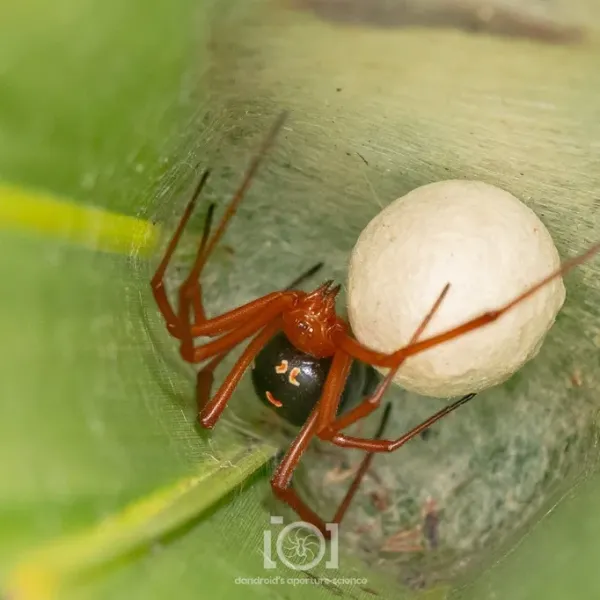
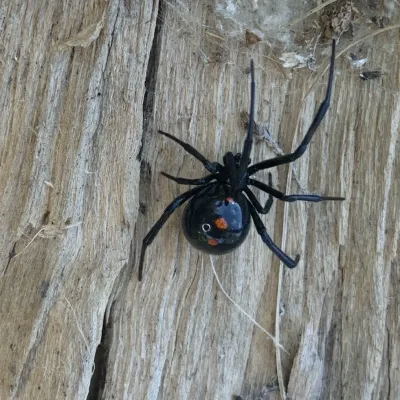
A rare widow spider found only in the sand-pine scrub of central and southern Florida. Red widows stand out with their bright red-orange head, legs, and a black abdomen marked with rows of red spots.
Taxonomy
Red Widow Spiders Coloration
Common color patterns to help identify red widow spiders
Red Widow Spiders
Seasonal Activity
When red widow spiders are most active throughout the year

Where Red Widow Spiders Are Found
Hover over states to see their names. Green regions indicate where red widow spiders have been reported.
Red Widow Spider Identification Guide
Physical Characteristics
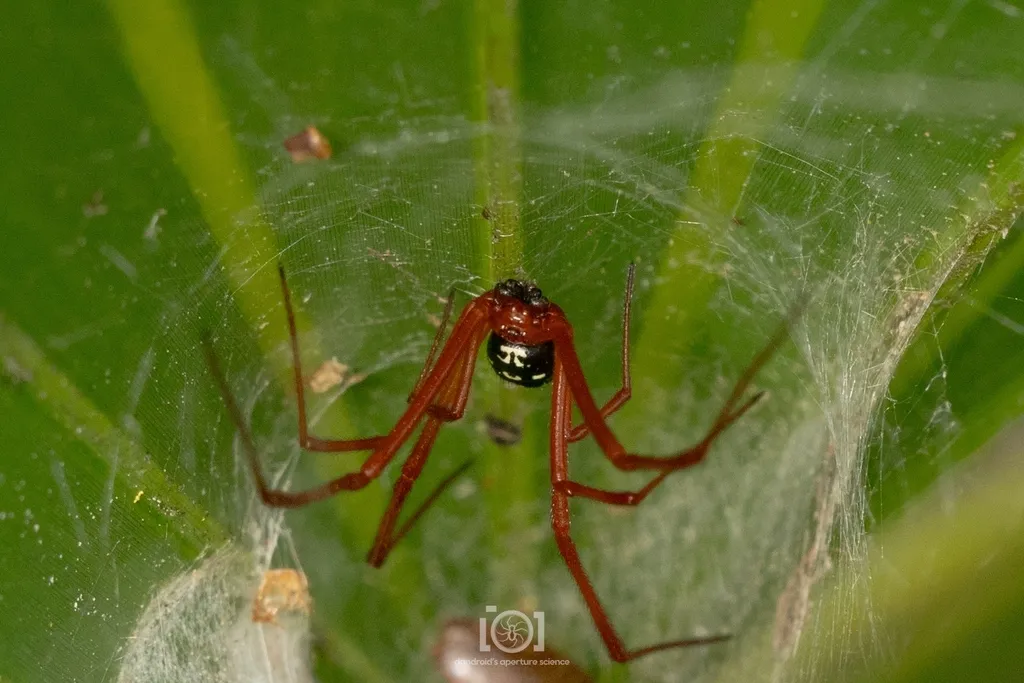
The red widow spider (Latrodectus bishopi) is easy to spot thanks to its bold two-tone colors. Unlike the black widow and brown widow, this spider has bright red-orange legs and head. Its shiny black abdomen creates a sharp contrast.
Adult females are about 12 to 15 mm (roughly 0.5 inches) in body length. Their legspan can reach 1.5 to 2 inches. Males are much smaller, about one-third the size of females, at around 4 to 6 mm long. The female’s abdomen is round and black with one or more rows of red-orange spots. Each spot is outlined in pale yellow or cream. This spotted pattern is the best way to identify the species in the field.
One key difference from other widows is the underside marking. Most black widow spiders have a clear red hourglass shape on their belly. The red widow usually has a smaller, incomplete marking instead. It may look like a single triangle, a small bar, or it may be nearly absent. This is important to check, since people often confuse red widows with black widows.
The eight legs are smooth and long, similar to other widow spiders. Young red widows are smaller and may show different patterns as they grow and molt. However, they still have the red-orange leg color that sets them apart from other widow species at every stage of life.
Common Species
The red widow is a single species, Latrodectus bishopi, with no recognized subspecies. It is one of five Latrodectus species found in North America:
- Red Widow (Latrodectus bishopi): Only found in Florida sand-pine scrub. Has red-orange legs and head with a black spotted abdomen.
- Southern Black Widow (Latrodectus mactans): Common across the southeastern United States. Glossy black with a complete red hourglass on the underside.
- Northern Black Widow (Latrodectus variolus): Found in the northeastern and midwestern United States. Often has a broken or split hourglass marking.
- Western Black Widow (Latrodectus hesperus): The main widow spider in western North America. Very similar to the southern black widow.
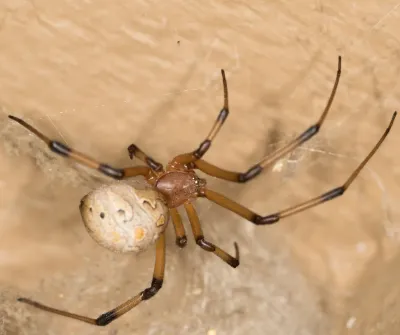
- Brown Widow (Latrodectus geometricus): Found in warmer regions around the world. Mottled brown and tan with an orange hourglass.
Red Widow Spider Behavior and Biology
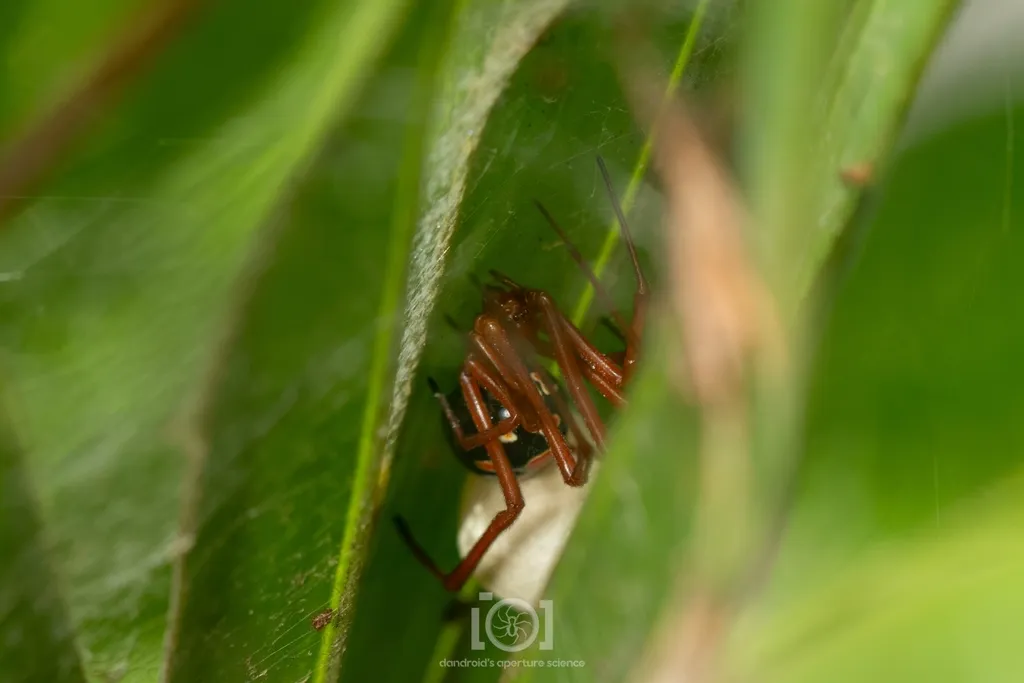
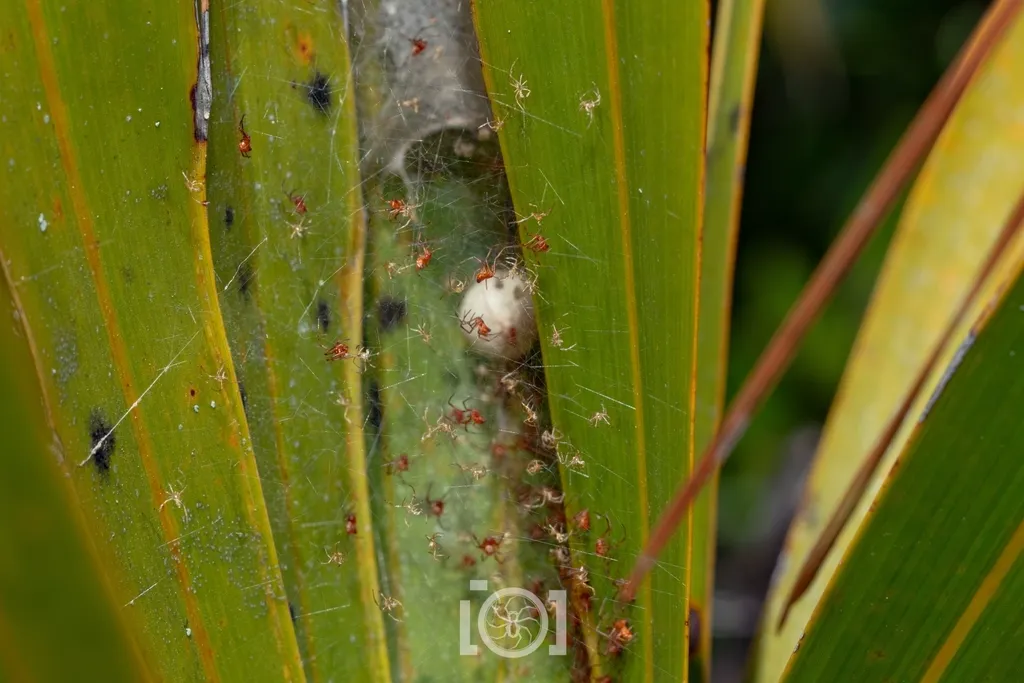
Red widow spiders only live in Florida’s sand-pine scrub and palmetto habitats. They build messy, tangled webs inside the curled or closed fronds of saw palmetto (Serenoa repens) and scrub palmetto (Sabal etonia). The spider hides in a funnel-shaped spot inside the web during the day. These spots sit about 1 to 1.5 feet off the ground in the palmetto leaves.
The web is made of strong, sticky silk threads that trap insects moving through the low plants. Females stay on or near their web most of their lives, coming out mainly at night to catch prey. Research at the Archbold Biological Station in Highlands County, Florida found that red widows feed heavily on scarab beetles native to Florida scrub. These beetles make up a large share of the spider’s diet by weight.
Females make egg sacs and keep them inside their palmetto frond hideout. Young spiders spread to new areas by “ballooning.” They release silk threads that catch the wind and carry them away. Researcher James Carrel studied red widow numbers over many years. He found that their populations rise and fall in cycles based on habitat quality and weather.
The red widow has one of the smallest ranges of any North American spider. Known populations are found in:
- Ocala National Forest in Marion County, central Florida
- Lake Wales Ridge in Highlands and Polk counties
- Archbold Biological Station near Lake Placid in Highlands County
- Atlantic Coastal Ridge areas in Martin and Palm Beach counties
Red widows only show up near homes that sit next to scrub preserves. Both NatureServe and the U.S. Fish and Wildlife Service list this spider as a species of concern. The biggest threat to the red widow is the loss of Florida scrub habitat to building and farming.
Treatment Methods for Red Widow Spiders
Red widow spiders live in Florida scrub habitats and rarely come into contact with people. Most homeowners will never encounter one. For the rare cases where red widows show up near homes or buildings next to scrub preserves, the following approaches can help control widow spiders:
- Clean up the area around your home: Remove debris, woodpiles, and thick vegetation near your foundation. Trim palmetto fronds and shrubs that touch exterior walls. This cuts down on hiding spots that let spiders move from scrub habitat toward your home.
- Seal entry points: Close cracks and gaps in foundations, window frames, and door thresholds. Fix damaged screens and add door sweeps to keep spiders out of living spaces.
- Reduce outdoor lighting: Bright lights attract flying insects, which draw spiders in to feed. Close blinds at night so indoor light does not pull insects (and spiders) toward your windows and doors.
- Remove webs and egg sacs: Use a long-handled broom or vacuum to take down webs. Wear gloves when working near areas where widow spiders might hide, and never reach into spaces you cannot see.
- Set up monitoring traps: Place sticky traps along baseboards, in garages, and in storage areas to catch early signs of spider activity. Check likely hiding spots on a regular basis.
- Professional treatment: When needed, a licensed pest control company can apply targeted residual insecticides to areas where spiders are active. A professional can also identify the species and recommend the right approach.
Note about this species: The red widow is a protected species with a very limited range. Collecting or killing them in natural scrub areas may be regulated by state or federal authorities. If you find red widows in protected scrub habitat, check with local land managers or the Florida Fish and Wildlife Conservation Commission for guidance.
Medical Considerations
Disclaimer: The information below is provided for educational purposes only and is not intended as medical advice. If you are bitten by any widow spider or experience concerning symptoms, seek professional medical attention immediately and consult with a qualified healthcare provider.
The red widow has venom that affects the nervous system, much like black widow venom. However, red widow bites on people are extremely rare. There are very few confirmed cases in medical records. This is mostly because the spider lives in remote scrub areas and stays away from people.
If a widow spider bite does happen, take these steps:
- Wash the bite with soap and water and apply a cold pack
- Do not use a tourniquet or try to suck out venom
- Get medical attention, especially if symptoms spread beyond the bite area
- Call Poison Control at 1-800-222-1222 for guidance
Widow spider bite symptoms can include pain at the bite site, muscle cramps (often in the stomach and back), sweating, nausea, and high blood pressure. Doctors typically treat bites with pain medicine and muscle relaxants. Antivenom is available for severe cases but is only used in a hospital setting.
References and Further Reading
- Red Widow (Latrodectus bishopi) - U.S. Fish and Wildlife Service: Federal species profile with conservation status and habitat details.
- Carrel, J.E. and Deyrup, M. (2014). “Red Widow Spiders (Araneae: Theridiidae) Prey Extensively on Scarab Beetles Endemic in Florida Scrub.” Florida Entomologist, 97(1), 130-137.
- Carrel, J.E. (2001). “Population dynamics of the red widow spider (Araneae: Theridiidae).” Florida Entomologist. Long-term monitoring study from Archbold Biological Station.
- Latrodectus Envenomation - StatPearls/NCBI: Clinical overview of widow spider bite symptoms and treatment.
- National Poison Control Center: Call 1-800-222-1222 for poison emergency guidance.
- Spider Management Guidelines - UC Davis: Guidance for controlling spiders in and around homes.
Other Spiders
Explore other species in the spiders family
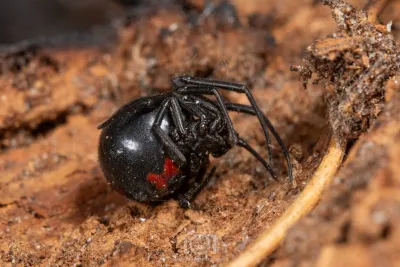
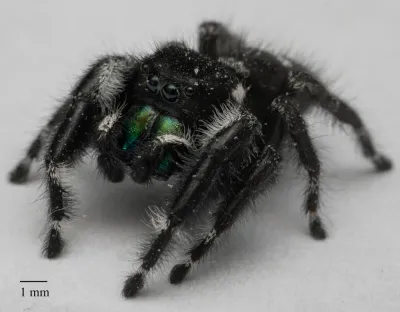
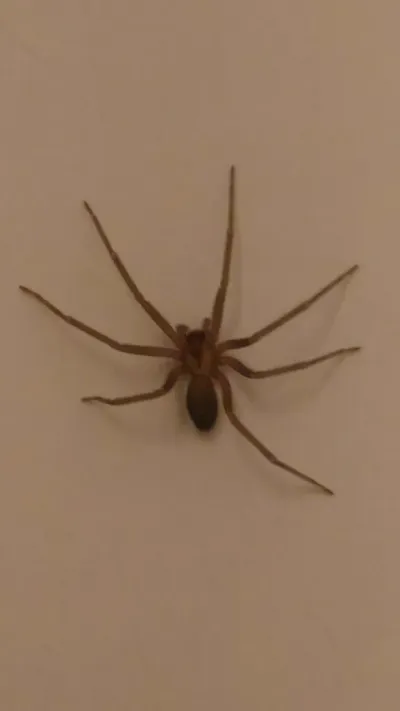
Commonly Confused With
Red Widow Spiders are often mistaken for these similar pests
Where Red Widow Spiders Are Found
Hover over states to see their names. Green regions indicate where red widow spiders have been reported.
Common Questions about Red Widow Spiders
Where are red widow spiders found?
+
Red widow spiders are found exclusively in the sand-pine scrub habitats of central and southern Florida. They are strongly associated with saw palmetto and scrub palmetto plants, where they build their webs inside rolled or unopened fronds. They do not occur outside of Florida.
Are red widow spiders dangerous to humans?
+
Red widows belong to the Latrodectus genus and possess neurotoxic venom similar to other widow spiders. However, documented bites on humans are extremely rare because the species lives in remote scrub habitats with very limited human contact. If bitten, seek medical attention and call Poison Control at 1-800-222-1222.
How do I tell a red widow apart from a black widow?
+
Red widows have a distinctly red-orange cephalothorax (head region) and legs, while black widows are entirely glossy black. The red widow's abdomen is black with rows of red-orange spots outlined in yellow or cream, and it typically lacks the full red hourglass marking found on black widows. Instead, it may have a reduced triangular mark or small bar on its underside.
Are red widow spiders endangered?
+
Red widows are considered a species of conservation concern due to their highly restricted range. They depend entirely on Florida's sand-pine scrub habitat, which has been significantly reduced by development. The U.S. Fish and Wildlife Service monitors this species, and habitat loss remains the primary threat to their survival.
What do red widow spiders eat?
+
Red widows are specialized predators that feed heavily on scarab beetles endemic to Florida scrub, along with other insects that become trapped in their webs. Research from Archbold Biological Station found that scarab beetles make up a significant portion of their diet by weight.
Can red widow spiders survive outside of Florida?
+
There are no established populations of red widow spiders outside of Florida. They are habitat specialists that depend on the specific conditions found in sand-pine scrub ecosystems, including saw palmetto plants for web construction and shelter. They cannot sustain populations outside this narrow ecological niche.
What should I do if I find a red widow spider?
+
If you encounter a red widow in Florida scrub habitat, keep your distance and do not try to handle it. Red widows are a protected species of conservation concern, so collecting or killing them in natural areas may be regulated. If one is found near a home or building in Florida, contact a local pest control professional for proper identification and removal.

With five years of hands-on experience in the pest control industry, George Schulz is a registered technician with the Virginia Pest Management Association and a proud third-generation professional in a family business that's been protecting homes for over 57 years. He manages and trains a team of service pros while also leading internal research efforts—recently spearheading a deep-dive review of thousands of documents on pest control materials to hand-pick the most kid and pet friendly, most effective solutions tailored specifically for homes in the DC metro area.