Leopard Slugs Identification Guide
Limax maximus
Leopard slugs are large, spotted gastropods that often appear in gardens and damp areas around homes. Their size can startle homeowners who find them indoors or around foundations.
Taxonomy
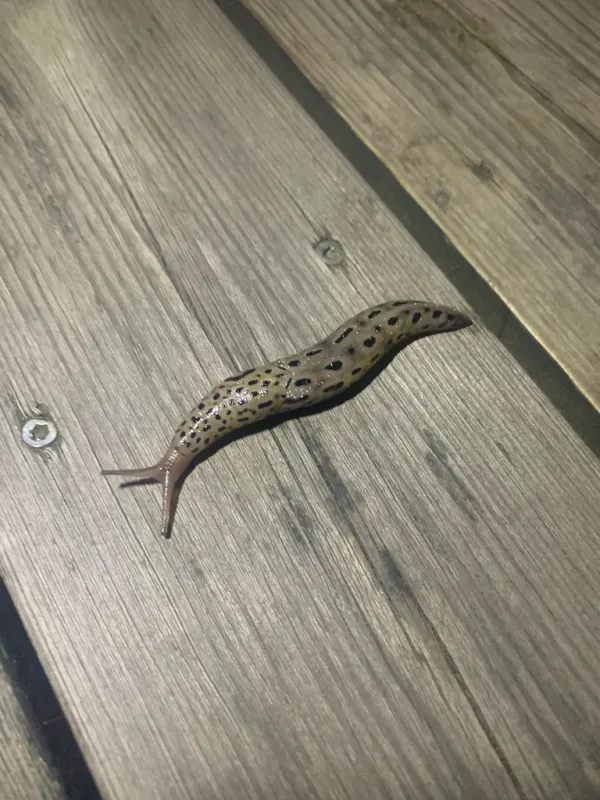
Leopard Slugs Coloration
Common color patterns to help identify leopard slugs
Leopard Slugs
Seasonal Activity
When leopard slugs are most active throughout the year

Where Leopard Slugs Are Found
Hover over states to see their names. Green regions indicate where leopard slugs have been reported.
Leopard Slug Identification Guide
Physical Characteristics
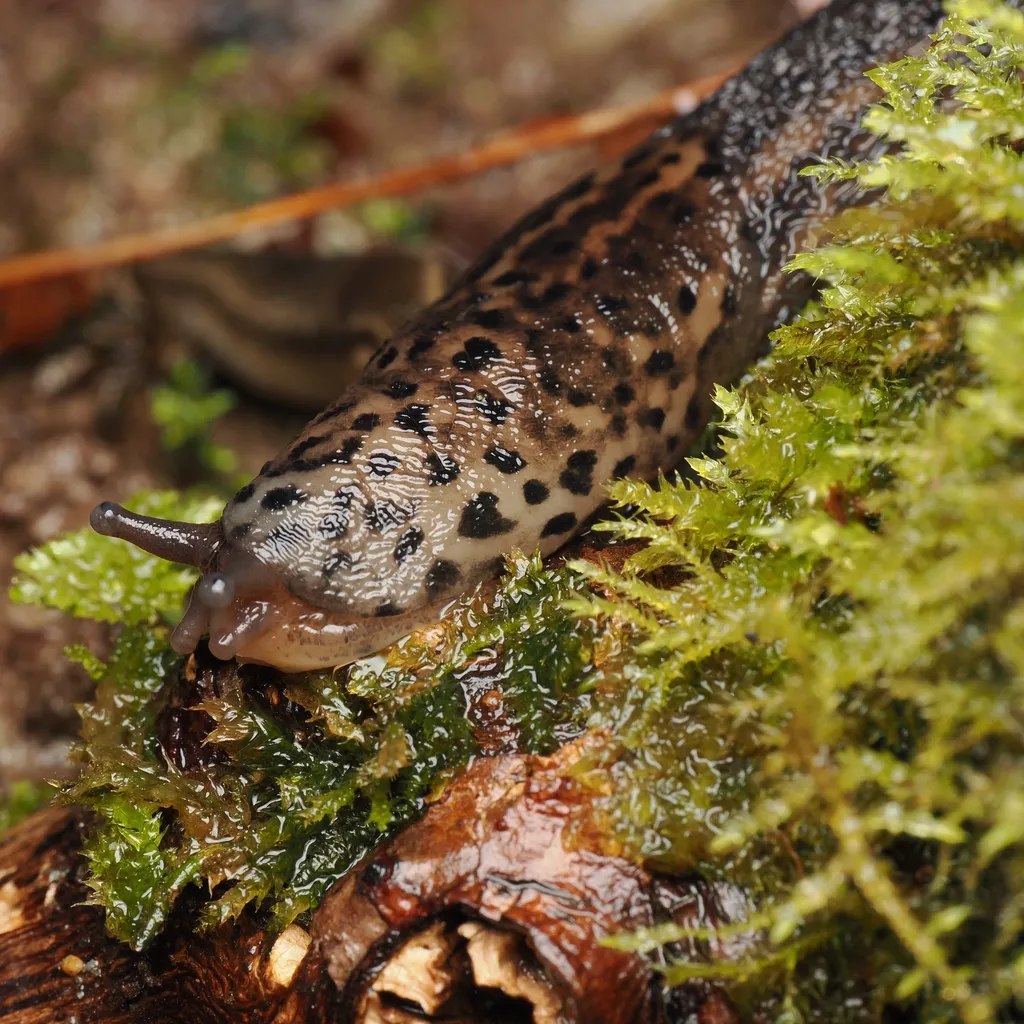
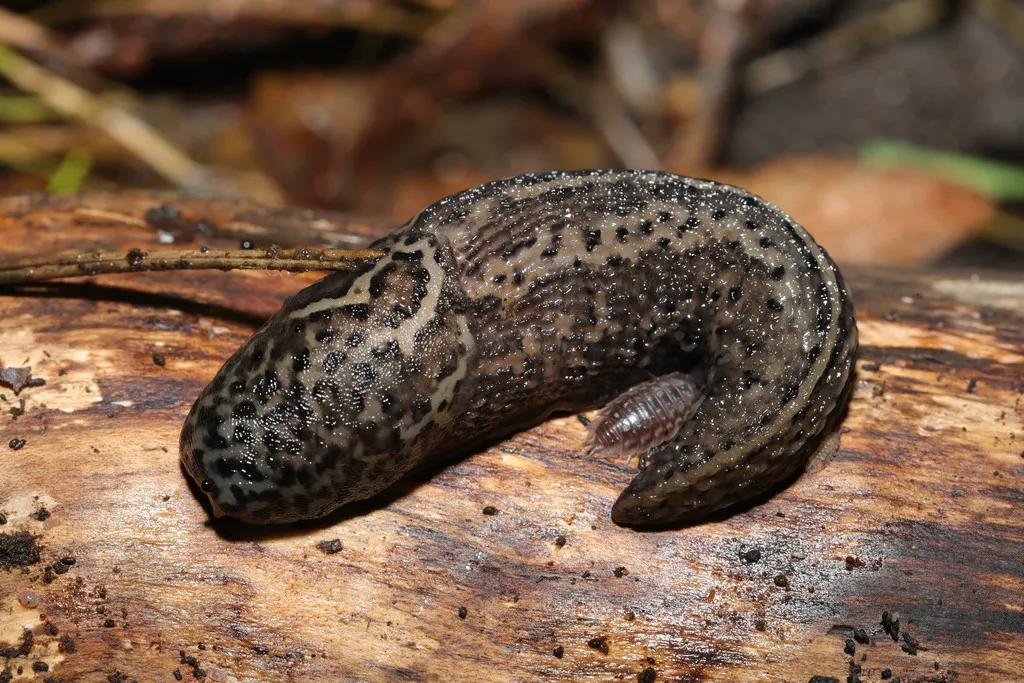
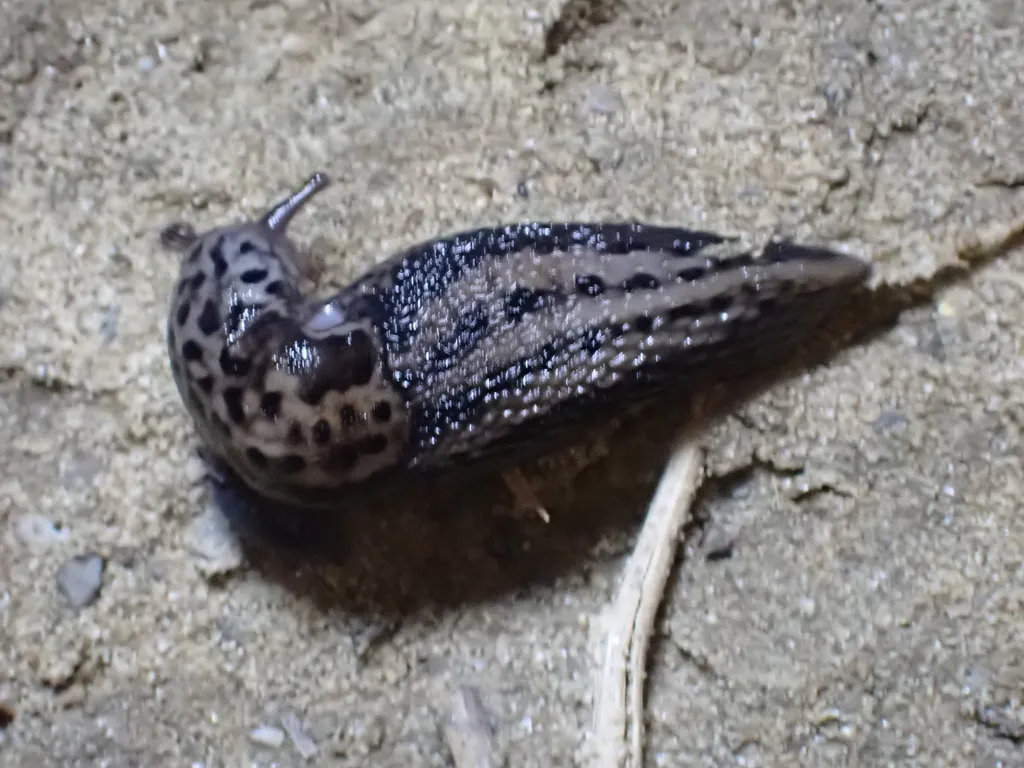
Leopard slugs are one of the largest slug species in North America. They measure 4 to 8 inches long when fully stretched out. Their spotted pattern looks like a leopard’s coat, which is how they got their name. The body color is usually gray, tan, or light brown with dark brown or black spots.
The mantle is the fleshy shield that covers the front part of the body. This area shows the most spots. Behind the mantle, dark stripes run toward the tail. Like all slugs, they have two pairs of tentacles on their head. The top pair has eyes at the tips. The bottom pair helps them smell and taste.
You can also spot a breathing hole on the right side of the mantle. This pore opens and closes when the slug breathes. The bottom of the slug is whitish, which helps tell it apart from other species.
Similar Species
Leopard slugs look like several other large slug species:
- Great Gray Garden Slug (Limax cinereoniger): Darker color with a pale line down the back
- Spotted Garden Slug (Limax valentianus): Smaller with more even spotting
- Ash-Black Slug (Limax cinereoniger): Same size but no leopard-print pattern
Leopard Slug Behavior and Biology
Habitat and Movement
Leopard slugs come out at night and hide during the day. They like cool, damp places. You may find them under logs, rocks, leaf litter, flowerpots, or in cracks around buildings. They come out at night or when it rains to look for food. They are most active when it is humid. Homeowners dealing with Leopard Slugs may also encounter Spittlebugs, which can appear in similar environments.
These slugs move by squeezing muscles along their body. They leave a slime trail as they go. This mucus helps them move and keeps them from drying out. They also use the slime to find their way back to hiding spots. Learn more about this pest family in our Slug guide.
Diet and Feeding
Leopard slugs eat many types of food:
- Dead and rotting plants
- Fungi and mushrooms
- Algae on surfaces
- Pet food left outside
- Other slugs
They will hunt and eat smaller slugs. This includes slugs that damage garden plants. Garden snails share many of the same food sources and habitats.
Reproduction
Leopard slugs have an unusual mating habit. Each slug has both male and female parts. When they mate, two slugs hang from a slime thread. They twist around each other in the air and swap sperm.
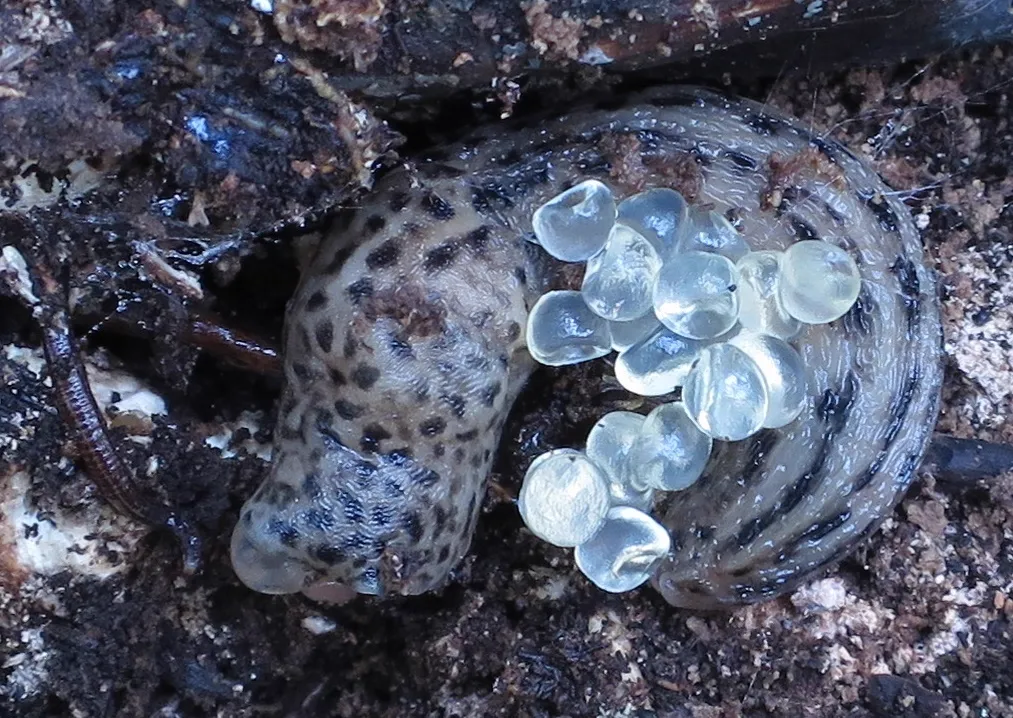
After mating, each slug can lay up to 200 eggs. They put them in moist soil or under debris. The clear, jelly-like eggs hatch in about a month. The baby slugs look like tiny adults. Leopard slugs can live 2 to 3 years.
Seasonal Activity
Leopard slugs are most active in spring and fall. They like mild temps and higher moisture. They slow down in hot, dry summers. In winter, they may go dormant. In areas with mild weather, they may stay active all year.
Managing Leopard Slugs Around Your Home
Prevention Strategies
Finding slugs indoors can be a nuisance. The best approach is to make your home less inviting to them:
- Reduce moisture: Fix leaky faucets, improve drainage, and use dehumidifiers in damp basements. These same moisture fixes help deter earwigs, millipedes, and pillbugs
- Remove hiding spots: Clear debris, leaf litter, and woodpiles from near your foundation
- Seal entry points: Caulk gaps around windows, doors, pipes, and foundation cracks
- Adjust landscaping: Keep mulch away from the foundation and trim plants that create damp, shaded areas
Physical Removal
For slugs already inside, you can remove them by hand:
- Look for slugs at night with a flashlight when they are moving
- Wear gloves and drop slugs into a container of soapy water
- Check under flowerpots, boards, and other hiding spots during the day Like other pests in this group, Aphids are sometimes found in the same habitats.- Set traps using boards or damp newspaper that slugs will hide under
Control Methods
Several methods can help control slug activity:
- Copper barriers: Copper tape or mesh around raised beds creates a surface slugs avoid
- Iron phosphate baits: These slug baits are approved for use around pets and wildlife
- Dry borders: Gravel or crushed eggshell borders create terrain that slugs dislike
- Beer traps: Shallow containers of beer attract and drown slugs
When to Seek Professional Help
Most leopard slug problems can be handled with the prevention and removal methods above. However, if you have a large number of slugs around your foundation or they keep getting indoors despite your efforts, a pest control professional can assess the situation. They can identify entry points and moisture issues that may be attracting slugs to your property. For more information on slug species and control methods, see our main slugs identification guide.
References
Where Leopard Slugs Are Found
Hover over states to see their names. Green regions indicate where leopard slugs have been reported.
Common Questions about Leopard Slugs
Are leopard slugs harmful to humans?
+
No, leopard slugs are not harmful to humans. They do not bite or sting and are not venomous. However, like all slugs, they can carry parasites, so you should wash your hands after handling them and never eat them raw.
Do leopard slugs damage gardens?
+
Leopard slugs mostly feed on dead plant material, fungi, and other slugs rather than live plants. They also eat other slug species. However, their presence indoors or in large numbers around foundations may still warrant control measures.
Why are leopard slugs in my house?
+
Leopard slugs enter homes seeking moisture and shelter, especially during dry or cold weather. They are attracted to damp basements, garages, and areas with high humidity. Reducing moisture and sealing entry points can help keep them out.
How do I get rid of leopard slugs?
+
Removing attractants is key. Eliminate damp hiding spots, reduce mulch near foundations, fix drainage issues, and seal gaps around doors and windows. Physical removal at night when they are active is also effective.
What do leopard slugs eat?
+
Leopard slugs eat decomposing plant material, fungi, and algae. They also prey on other slug species. They will eat pet food left outdoors and may feed on seedlings in some cases.
How big do leopard slugs get?
+
Leopard slugs are among the largest land slugs in North America, reaching lengths of 4 to 8 inches (100-200mm) when fully extended. Their large size often surprises homeowners who encounter them.
Are leopard slugs invasive?
+
Yes, leopard slugs are native to Europe and were introduced to North America. However, they are considered relatively benign compared to other invasive species because they often prey on more destructive slug species.

With five years of hands-on experience in the pest control industry, George Schulz is a registered technician with the Virginia Pest Management Association and a proud third-generation professional in a family business that's been protecting homes for over 57 years. He manages and trains a team of service pros while also leading internal research efforts—recently spearheading a deep-dive review of thousands of documents on pest control materials to hand-pick the most kid and pet friendly, most effective solutions tailored specifically for homes in the DC metro area.