Garden Snails Identification Guide
Cornu aspersum
Garden snails are common mollusks that feed on plants and can become serious pests in gardens and landscapes, leaving behind slime trails and damaging foliage, fruits, and vegetables.
Taxonomy
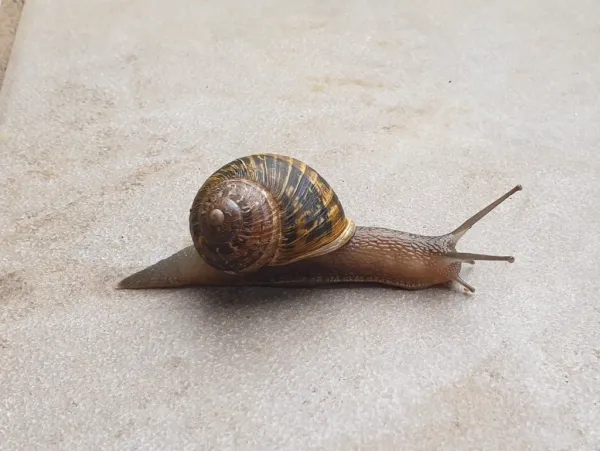
Garden Snails Coloration
Common color patterns to help identify garden snails
Garden Snails
Seasonal Activity
When garden snails are most active throughout the year



Where Garden Snails Are Found
Hover over states to see their names. Green regions indicate where garden snails have been reported.
Garden Snail Identification Guide
Physical Characteristics
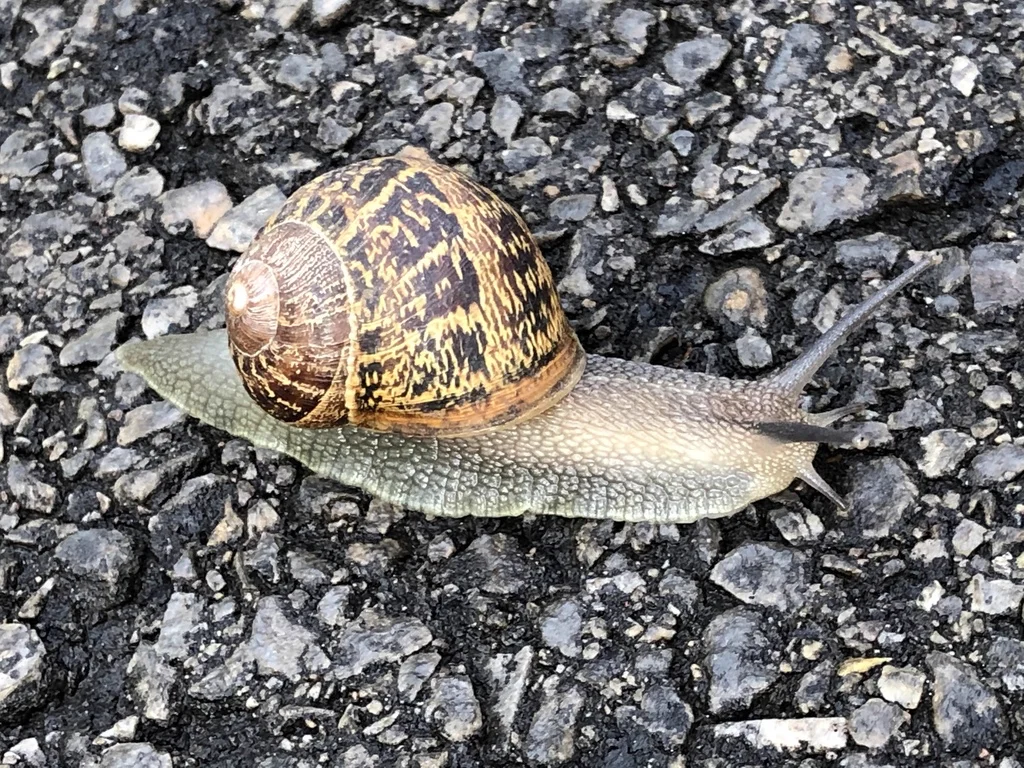
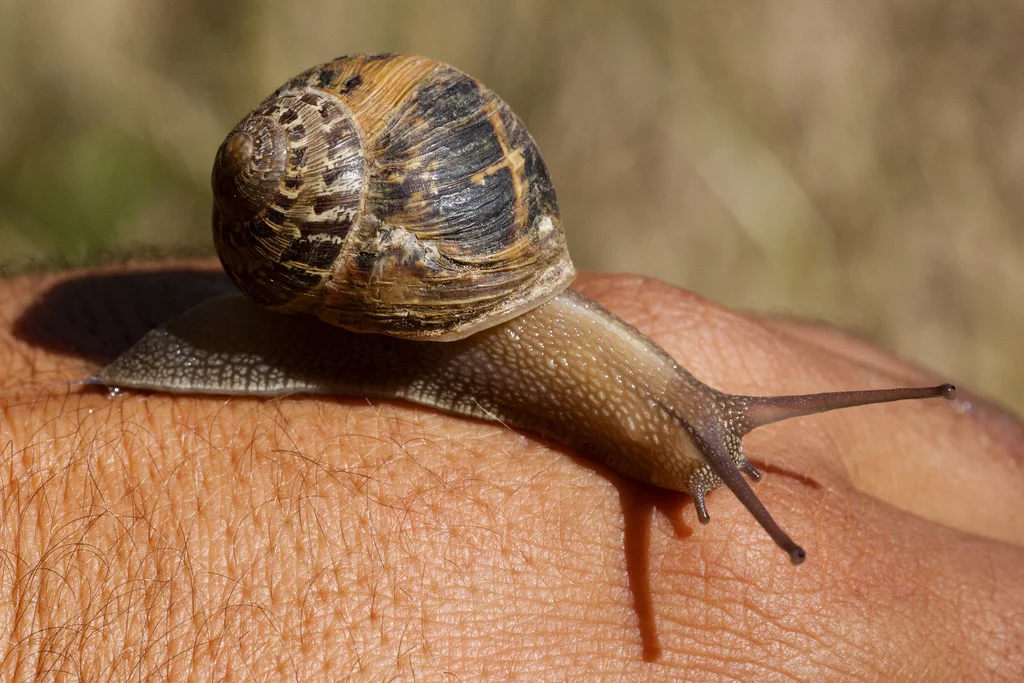
Garden snails are closely related to slugs but are easy to spot thanks to their coiled shells and soft, slimy bodies. The shell is usually 25 to 45 mm across, about the size of a golf ball. It has a wrinkled texture with brown and tan bands in a mixed pattern. This wrinkled surface sets garden snails apart from other large snail types.
The soft body is gray-brown and can stretch 5 to 6 cm when the snail moves. Garden snails have two pairs of tentacles on their head. The longer upper pair has eyes at the tips. The shorter lower pair is used for touch and smell. When scared, snails pull back into their shells. They seal the opening with dried mucus to stay moist.
Common Species
The most common garden snail in North America is Cornu aspersum, also called the brown garden snail. People brought this species to California in the 1850s as food. Since then, it has spread across much of the continent.
Other snail types found in North American gardens include:
- White Garden Snail (Theba pisana): Smaller with a pale shell, mostly in coastal California
- White-lipped Snail (Cepaea hortensis): From Europe, sometimes found in eastern North America
- Vineyard Snail (Cernuella virgata): Another species from Europe, found in mild climate areas
Garden Snail Behavior and Biology
Garden snails are most active at night and when it is humid, especially after rain, much like leopard slugs and other gastropods. In hot, dry weather, they go dormant and seal up inside their shells to save water. They also sleep through winter. Their blood has special traits that help them survive cold down to 23 degrees Fahrenheit.
Snails move by flexing muscles in their flat foot. This foot makes slime to help them glide over rough ground. The slime trail they leave behind is a clear sign of snail activity.
Garden snails have both male and female parts. When they mate, which happens at night, two snails swap sperm. This takes several hours. During mating, snails shoot a small dart into their partner. This dart has chemicals that help the sperm survive.
After mating, each snail can lay 30 to 120 eggs in a hole dug in moist soil. The small white eggs are about 3 mm wide. They hatch in about two weeks when warm. Young snails grow to full size in 1 to 2 years.
Signs of Garden Snail Activity
You can spot a snail problem by looking for these signs:
- Slime trails: Shiny, dried trails on walkways, patios, walls, and plants
- Leaf damage: Ragged holes in leaves where snails have eaten, with large veins left behind
- Fruit damage: Holes chewed into ripe fruits and vegetables
- Droppings: Small dark pellets on plant surfaces
- Live snails: Often hiding under boards, rocks, thick plants, or pots during the day
Treatment Methods for Garden Snails
Garden snails can be controlled using several methods. These include changing the habitat, adding barriers, and using baits.
Habitat Changes
Reducing places where snails hide is one of the best long-term fixes. Clear away debris, boards, and thick ground cover that give snails shade during the day. Water your garden in the morning so the soil dries out before snails come out at night. Use less water overall and keep mulch thin near plants you want to protect. These habitat changes also help reduce other moisture-loving pests like earwigs, millipedes, and pillbugs.
Physical Barriers
Copper strips can keep snails away. Contact with copper causes a bad reaction in their slime. Place copper tape or mesh around raised beds or tree trunks for protection. Rough materials like diatomaceous earth also work since snails avoid crossing them. However, these lose power when wet.
Manual Removal
Picking snails by hand at night or early morning can cut their numbers fast. Put boards or upside-down flower pots in the garden to give snails a hiding spot. Then collect them from these traps each day. Dispose of caught snails in sealed bags or drown them in soapy water.
Bait Applications
Commercial snail baits with iron phosphate work well and are a popular choice for yards with pets. These baits make snails stop feeding and die within a few days. Baits with metaldehyde are also sold but need careful use since they can harm pets and children.
Predator Snails
In some western states, a predator snail called Rumina decollata has been used to control garden snails. This snail eats garden snails and their eggs. But it is not legal to release in all areas. Check your local rules before trying this option.
Combined Methods
The best results come from using several methods at once. Reduce hiding spots and moisture. Put barriers around plants you value. Apply bait in problem spots. Pick snails by hand on a regular basis. Stay consistent over time. Snails can bounce back fast from eggs still in the soil. Ground beetles are natural predators that help keep snail populations in check. Gardens dealing with snails often also host other garden pests like aphids and whiteflies that thrive in the same moist, planted environments.
References
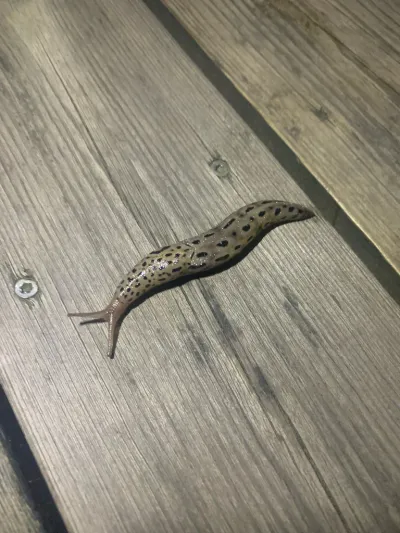
Commonly Confused With
Garden Snails are often mistaken for these similar pests
Where Garden Snails Are Found
Hover over states to see their names. Green regions indicate where garden snails have been reported.
Common Questions about Garden Snails
Are garden snails harmful to humans?
+
Garden snails are not directly harmful to humans. They do not bite or sting. However, they can carry parasites and bacteria, so it's best to wash hands after handling them and thoroughly wash any produce from gardens where snails are present.
What do garden snails eat?
+
Garden snails are herbivores that feed on a wide variety of plant material. They prefer tender leaves, fruits, and vegetables but will also consume dead plant matter, fungi, and even paper or cardboard. In gardens, they commonly damage lettuce, cabbage, strawberries, and ornamental plants.
Why do I see snails after it rains?
+
Snails are most active during humid conditions and at night because they need moisture to survive. Their bodies can lose water rapidly in dry conditions. Rain creates ideal conditions for snails to move around and feed, which is why they emerge in large numbers after rainfall.
How long do garden snails live?
+
Garden snails typically live 2 to 5 years in the wild, though some can live longer under ideal conditions. They reach maturity in about 1 to 2 years. During their lifetime, a single snail can lay hundreds of eggs.
Can garden snails damage my house?
+
Garden snails do not cause structural damage to homes. However, they can leave unsightly slime trails on sidewalks, patios, and exterior walls. In gardens, they primarily damage plants rather than structures.
What attracts snails to my yard?
+
Snails are attracted to moisture, shelter, and food sources. Gardens with regular irrigation, mulch, ground cover plants, and dense vegetation provide ideal habitat. Removing debris, reducing watering frequency, and eliminating hiding spots can help reduce snail populations.
Are garden snails the same as slugs?
+
Garden snails and slugs are both gastropod mollusks, but snails have an external spiral shell while slugs do not. Both leave slime trails and cause similar plant damage. Control methods for both pests are generally the same.

With five years of hands-on experience in the pest control industry, George Schulz is a registered technician with the Virginia Pest Management Association and a proud third-generation professional in a family business that's been protecting homes for over 57 years. He manages and trains a team of service pros while also leading internal research efforts—recently spearheading a deep-dive review of thousands of documents on pest control materials to hand-pick the most kid and pet friendly, most effective solutions tailored specifically for homes in the DC metro area.