Woodland Jumping Mouse Identification Guide
Napaeozapus insignis
The woodland jumping mouse is a distinctive North American rodent known for its white-tipped tail and remarkable jumping ability. These forest-dwelling mice can leap up to 10 feet when startled and spend up to eight months hibernating each year, making them one of the longest-sleeping mammals in North America.
Taxonomy
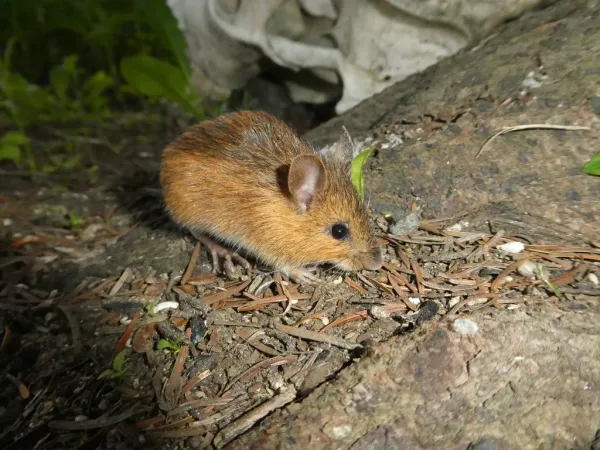
Woodland Jumping Mouse Coloration
Common color patterns to help identify woodland jumping mouse
Woodland Jumping Mouse
Seasonal Activity
When woodland jumping mouse are most active throughout the year

Where Woodland Jumping Mouse Are Found
Hover over states to see their names. Green regions indicate where woodland jumping mouse have been reported.
Woodland Jumping Mouse Identification Guide
Physical Characteristics
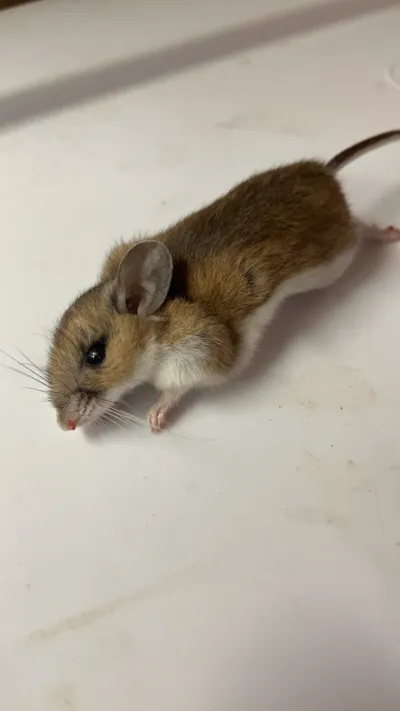
The woodland jumping mouse (Napaeozapus insignis) is a medium-sized rodent that is easy to identify. Adults measure 8 to 10 inches in total length. The tail makes up about 60% of that length (4.5 to 6.3 inches). Body weight ranges from 17 to 26 grams during summer months. Before hibernation, they can weigh as much as 35 grams.
The most recognizable identifying features include:
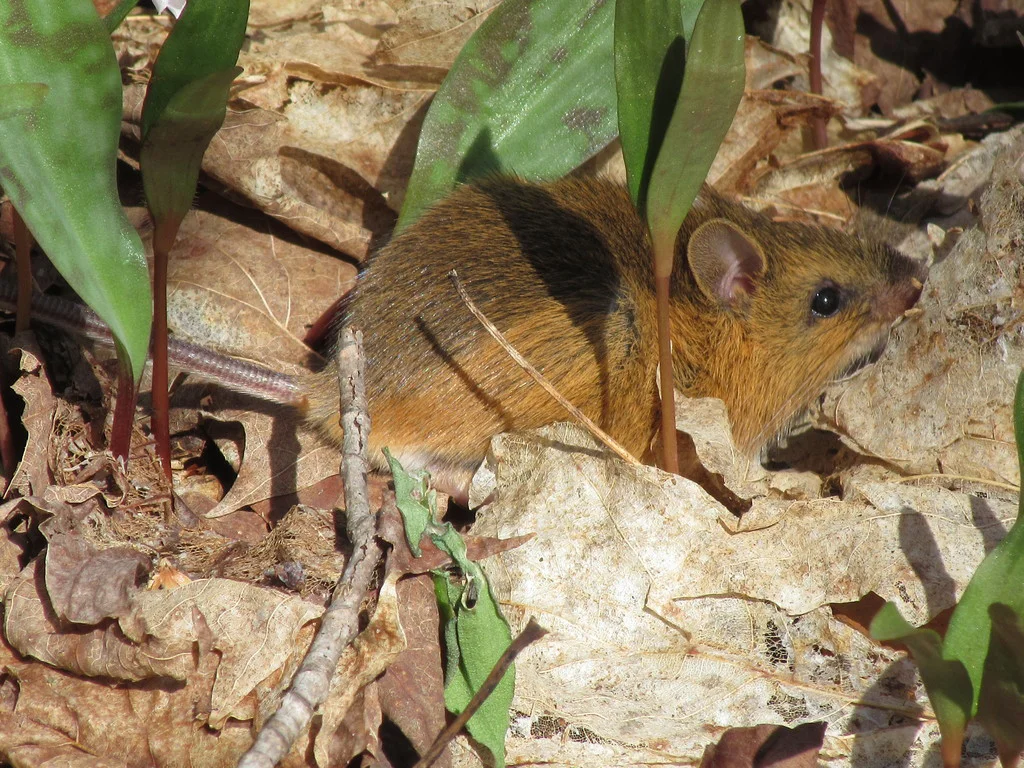
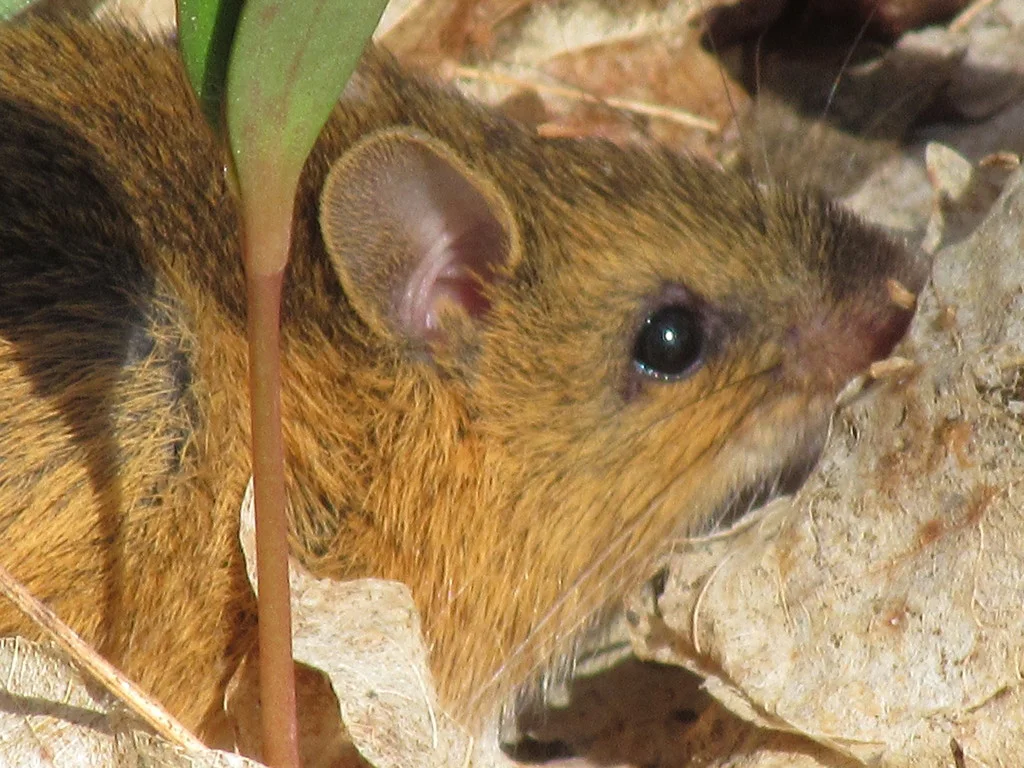
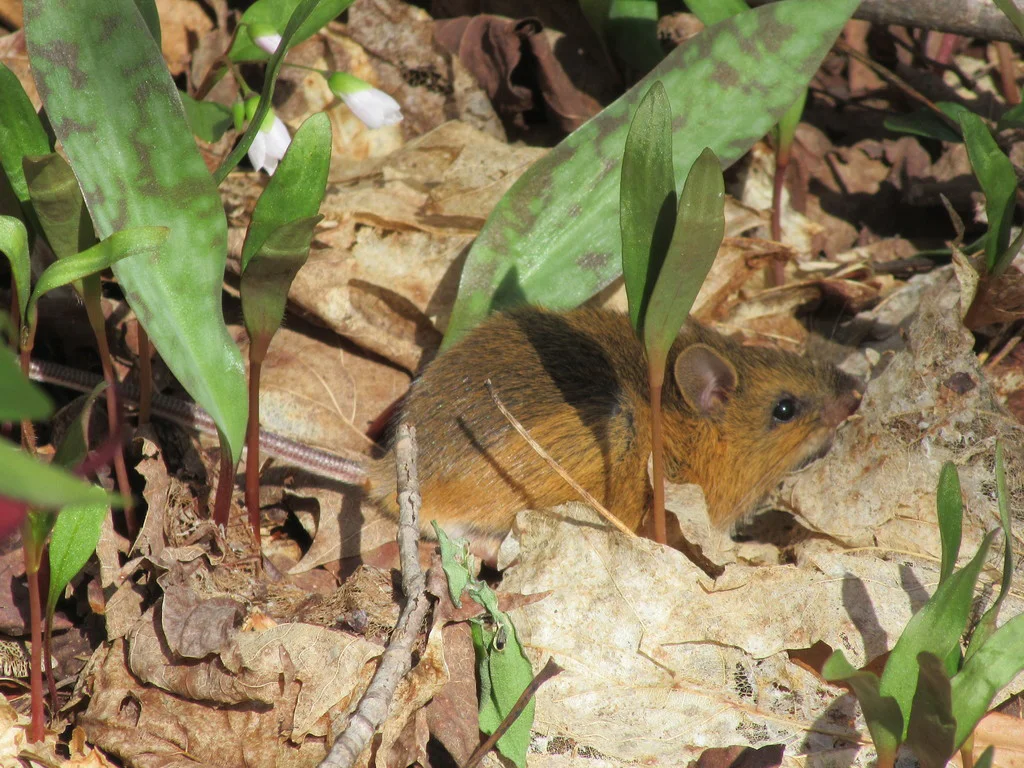
- Tricolored fur pattern: White or cream underside, yellowish-orange sides with black guard hairs, and a dark brown back stripe
- White-tipped tail: The long tail ends in white. This is the key feature that separates this species from meadow jumping mice.
- Long hind legs and feet: Built for jumping, measuring about 28-32 mm
- Large ears: Rounded ears that stand out compared to body size
- Large, dark eyes: Set on the sides of the head for wide-angle vision
- Short front legs: This gives them a kangaroo-like look when sitting upright
Northern populations are about 12% larger than southern ones. Color also varies by region. Northern and eastern mice look more yellowish. Southern mice show more reddish-orange tones.
Distinguishing from Similar Species
Woodland jumping mice can be confused with several other small rodents. Here is how to tell them apart:
Woodland Jumping Mouse vs. Meadow Jumping Mouse: The easiest way to tell them apart is the tail. Woodland jumping mice have a white tip on their tail. Meadow jumping mice do not. Woodland jumping mice are also slightly larger with brighter colors. They live in different places too. Woodland jumping mice prefer forests. Meadow jumping mice favor open grasslands and wet meadows.
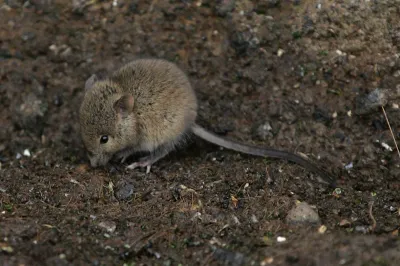
Woodland Jumping Mouse vs. House Mouse: House mice are smaller. They have one-color tails, small hind feet, and gray-brown fur. House mice lack the tricolored pattern. House mice live in human buildings. Woodland jumping mice avoid developed areas.
Woodland Jumping Mouse vs. Deer Mouse: Deer mice are smaller with larger eyes and ears. Deer mice also have two-tone fur: brown above and white below. But they lack the yellowish-orange sides. Deer mouse tails are shorter and do not have a white tip.
Woodland Jumping Mouse vs. White-footed Mouse: White-footed mice are smaller. They lack the long hind feet that jumping mice have. Their tails are much shorter. They also cannot make the long leaps that jumping mice are known for.
Woodland Jumping Mouse Behavior and Biology
Habitat Preferences
Woodland jumping mice are strict forest dwellers found across northeastern North America. They live from southeastern Manitoba and central Quebec down through the Great Lakes area. Their range follows the Appalachian Mountains to northern Georgia. They live from sea level up to about 6,600 feet (2,013 meters).
These mice strongly prefer cool, moist forest habitats including:
- Spruce-fir forests
- Hemlock-hardwood forests
- Mixed conifer stands
- Boreal forest edges
- Areas near streams, logs, and moss-covered rock piles
- Dense undergrowth with herbaceous vegetation
Studies show that northern boreal forests have more woodland jumping mice than other forest types. They do best in areas with thick undergrowth. This gives them cover from predators and access to food.
Unlike the meadow jumping mouse, woodland jumping mice avoid open areas. You will rarely find them in grasslands, meadows, or farm fields. They need forest cover to survive.
Activity Patterns
Woodland jumping mice are mainly nocturnal. However, they may be active during the day when it is cloudy or rainy. Research shows that these mice are more active on colder nights. This differs from many other small rodents that prefer warmer nights.
During their active season (late April through September or October), woodland jumping mice:
- Forage on the forest floor among leaf litter and fallen logs
- Use burrows they dig or burrows left by other small mammals
- Seek shelter under shrubs, logs, and rock piles
- Travel through a home range of about 1 to 9 acres
When scared, woodland jumping mice can leap 6 to 10 feet to escape threats. After jumping, they freeze in place. Their camouflage coloring helps them hide. They also produce little scent, which helps them avoid predators. A related species, Pack Rats, shares similar characteristics.
Nesting and Shelter A related species, Thirteen-Lined Ground Squirrel, shares similar characteristics.
During the active season, woodland jumping mice construct simple nests of grass and plant materials. These nests are typically located:
- In burrows below the soil surface
- Under logs or fallen trees
- Within dense vegetation
- Beneath rock piles or root systems
Hibernation nests are more complex. They are built in underground burrows. These nests are deep enough to stay insulated from freezing temperatures throughout winter.
Hibernation
Woodland jumping mice have one of the longest hibernation times of any North American mammal:
- Entry into hibernation: Late September to October
- Emergence from hibernation: Late April to May
- Duration: Approximately 6 to 8 months
- Normal body temperature: 37 degrees Celsius (98.6 degrees Fahrenheit)
- Weight loss during hibernation: Up to 35% of pre-hibernation body weight
Before entering hibernation, woodland jumping mice must build up substantial fat reserves. Unlike many rodent species, they do not cache food for winter use. This makes their fall feeding critical for survival. Mice that fail to store enough body fat may not survive the long winter sleep.
When each mouse enters hibernation depends on its fat reserves. Not all mice start hibernating at the same time. Young mice need more time to build fat stores. They often enter hibernation later than adults.
Diet and Feeding
Woodland jumping mice have an unusual diet compared to other small rodents.
Primary foods include:
- Underground fungi (especially Endogone species): This fungus can make up 40% of what they eat. This makes woodland jumping mice one of the most fungus-dependent small mammals.
- Seeds from various plants
- Berries and small fruits
- Above-ground fungi and mushrooms
- Insects and other invertebrates
- Green plant materials
This heavy reliance on Endogone fungi sets woodland jumping mice apart from other small mammals. Studies from North Carolina, Tennessee, New York, and New Hampshire all found this fungus to be their most common food.
Because they do not store food, woodland jumping mice must eat enough during summer and fall. They need to meet daily energy needs and build fat reserves for winter hibernation.
Reproduction
Breeding happens after mice wake from hibernation, usually from May through September. Males come out of hibernation slightly before females. They are ready to mate when females appear.
Key reproductive facts include:
- Breeding season: May through September
- Litters per year: 1 to 2, occasionally 3
- Gestation period: 23 to 29 days
- Litter size: 1 to 6 young, averaging 4 to 5
- Birth weight: Approximately 0.8 to 1 gram
- Eyes open: Around 26 days of age
- Weaning: Approximately 34 days after birth
- Sexual maturity: Following first hibernation period
Young woodland jumping mice are born blind, hairless, and helpless. They grow more slowly than house mice. By weaning age, they can jump. Juveniles born late in the season face challenges. They must build enough fat reserves to survive their first winter.
Communication
Woodland jumping mice communicate in several ways:
- Tail drumming: Adults vibrate their tails against surfaces when disturbed
- Vocalizations: Adults make soft clucking sounds when alarmed. Young mice squeal.
- Scent marking: They use scent to mark territory and identify other mice
Signs of Woodland Jumping Mouse Activity
Woodland jumping mice are hard to spot. They live deep in forests and sleep for most of the year. Signs of their presence may include:
Tracks
In soft soil or mud near streams, look for distinctive tracks showing the elongated hind feet. The long tail often leaves a drag mark between footprints. Tracks are most likely found along forest edges near water.
Burrow Entrances
Small holes in forest floor substrate, particularly in moist areas near logs and rocks. Burrow entrances are typically hidden under vegetation or leaf litter.
Sightings
Woodland jumping mice may occasionally be seen hopping through forest undergrowth during twilight hours in undisturbed areas. Their jumping locomotion and white-tipped tail make identification easier if observed.
Ecological Role
Woodland jumping mice play several important roles in forest ecosystems:
Fungal Spore Dispersal
Their heavy dependence on underground fungi makes woodland jumping mice important dispersers of fungal spores. Many forest trees depend on mycorrhizal fungi for nutrient uptake. The spores spread by jumping mice help maintain these fungal populations throughout the forest.
As Prey
These mice serve as food for many forest predators including:
- Owls (especially barred owls and great horned owls)
- Hawks
- Snakes
- Bobcats
- Weasels and mink
- Skunks
- Foxes
Seed Dispersal
By consuming and transporting seeds, woodland jumping mice contribute to plant dispersal and forest regeneration.
Control Considerations
Woodland jumping mice rarely require any control measures because they:
- Almost never enter buildings or homes
- Live exclusively in forest habitats away from human dwellings
- Cause no damage to gardens, crops, or structures
- Hibernate during the months when other rodents are most problematic indoors
- Are not known to carry diseases of concern to humans
Habitat Considerations
If you see small rodents near your wooded property and are unsure what they are, it is worth getting them identified. Woodland jumping mice pose no threat. But other rodents like deer mice or house mice may need management.
Key differences to note:
- Woodland jumping mice have a distinct white tip on their tail
- They display tricolored fur with yellowish-orange sides
- They are found only in forested areas with dense undergrowth
- They are absent during fall through spring due to hibernation
When to Contact Professionals
If you see small rodents entering your home or causing damage, it is unlikely to be woodland jumping mice. A professional inspection can identify the species and determine if treatment is needed. Common household rodent pests include house mice and deer mice. Both look and act very different from woodland jumping mice. See our mouse vs vole guide for help telling small rodents apart.
Conservation Status
The woodland jumping mouse is listed as Least Concern by the IUCN. They remain common where suitable forest habitat exists. However, they may be affected by:
- Forest fragmentation and habitat loss
- Climate change affecting hibernation timing and food availability
- Loss of old-growth forest features
Keeping forests connected with diverse undergrowth helps support woodland jumping mouse populations.
References
Other Rodents
Explore other species in the rodents family



Commonly Confused With
Woodland Jumping Mouse are often mistaken for these similar pests
Where Woodland Jumping Mouse Are Found
Hover over states to see their names. Green regions indicate where woodland jumping mouse have been reported.
Common Questions about Woodland Jumping Mouse
How do I identify a woodland jumping mouse?
+
Woodland jumping mice have tricolored fur with white or cream undersides, yellowish-orange sides streaked with black guard hairs, and a dark brown stripe along the back. Their most distinctive feature is a white-tipped tail that is longer than their body. Adults measure 8 to 10 inches total length, with the tail making up about 60% of that measurement.
What is the difference between woodland and meadow jumping mice?
+
Woodland jumping mice are slightly larger than meadow jumping mice and have a distinctive white tip at the end of their tail, which meadow jumping mice lack. Woodland jumping mice also have brighter, more vivid coloration. The two species prefer different habitats, with woodland jumping mice living in forests and meadow jumping mice favoring open grasslands.
How far can woodland jumping mice jump?
+
Woodland jumping mice can jump impressive distances of 6 to 10 feet when fleeing from predators. Their normal movement consists of shorter hops of a few inches to a foot. Their elongated hind legs and feet are specially adapted for this leaping locomotion.
Do woodland jumping mice enter homes?
+
Woodland jumping mice very rarely enter homes or buildings. They strongly prefer dense forest habitats with abundant undergrowth and typically avoid developed areas. Unlike house mice that thrive in human dwellings, woodland jumping mice are wild animals that require specific forest habitat conditions.
How long do woodland jumping mice hibernate?
+
Woodland jumping mice hibernate for 6 to 8 months each year, typically from late September or October until late April or May. This is one of the longest hibernation periods of any North American mammal. They may lose up to 35% of their body weight during hibernation.
What do woodland jumping mice eat?
+
Woodland jumping mice have an unusual diet. They are heavily dependent on underground fungi called Endogone, which can make up 40% of their diet. They also eat seeds, berries, other fungi, and insects. Unlike many rodents, woodland jumping mice do not cache food for winter.
Are woodland jumping mice harmful?
+
Woodland jumping mice pose virtually no risk to humans or property. They do not infest homes, damage structures, or contaminate food supplies. They are wild animals that live in forested areas and help disperse fungal spores and seeds throughout the forest.
Where do woodland jumping mice live?
+
Woodland jumping mice inhabit cool, moist forests throughout northeastern North America. They prefer areas with dense herbaceous vegetation and woody undergrowth, often near logs, moss-covered rocks, and stream banks. They are commonly found in spruce-fir forests, hemlock-hardwood forests, and mixed conifer stands.

With five years of hands-on experience in the pest control industry, George Schulz is a registered technician with the Virginia Pest Management Association and a proud third-generation professional in a family business that's been protecting homes for over 57 years. He manages and trains a team of service pros while also leading internal research efforts—recently spearheading a deep-dive review of thousands of documents on pest control materials to hand-pick the most kid and pet friendly, most effective solutions tailored specifically for homes in the DC metro area.