Southern Flying Squirrel Identification Guide
Glaucomys volans
Southern flying squirrels are small rodents that come out at night. They can glide through the air using a skin flap between their legs. While cute in the wild, they can become pests when they get into homes looking for warmth.
Taxonomy
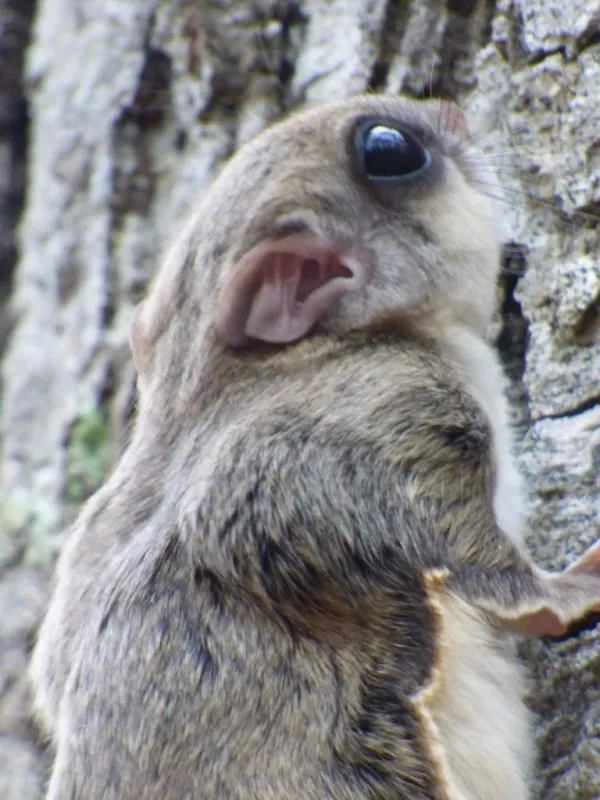
Southern Flying Squirrel Coloration
Common color patterns to help identify southern flying squirrel
Southern Flying Squirrel
Seasonal Activity
When southern flying squirrel are most active throughout the year

Where Southern Flying Squirrel Are Found
Hover over states to see their names. Green regions indicate where southern flying squirrel have been reported.
Southern Flying Squirrel Identification Guide
Physical Characteristics
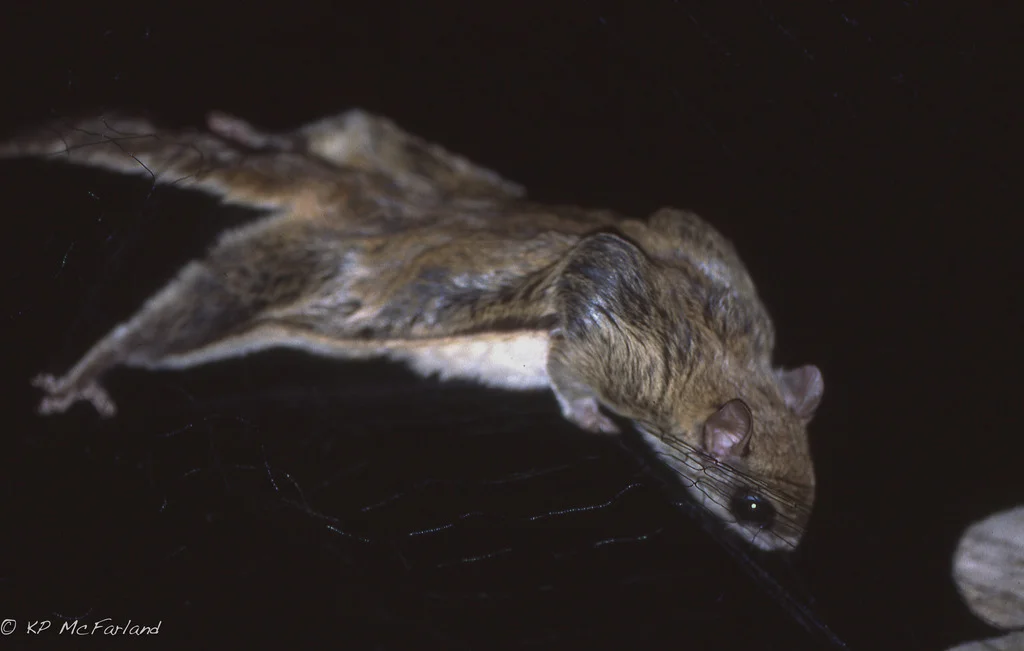
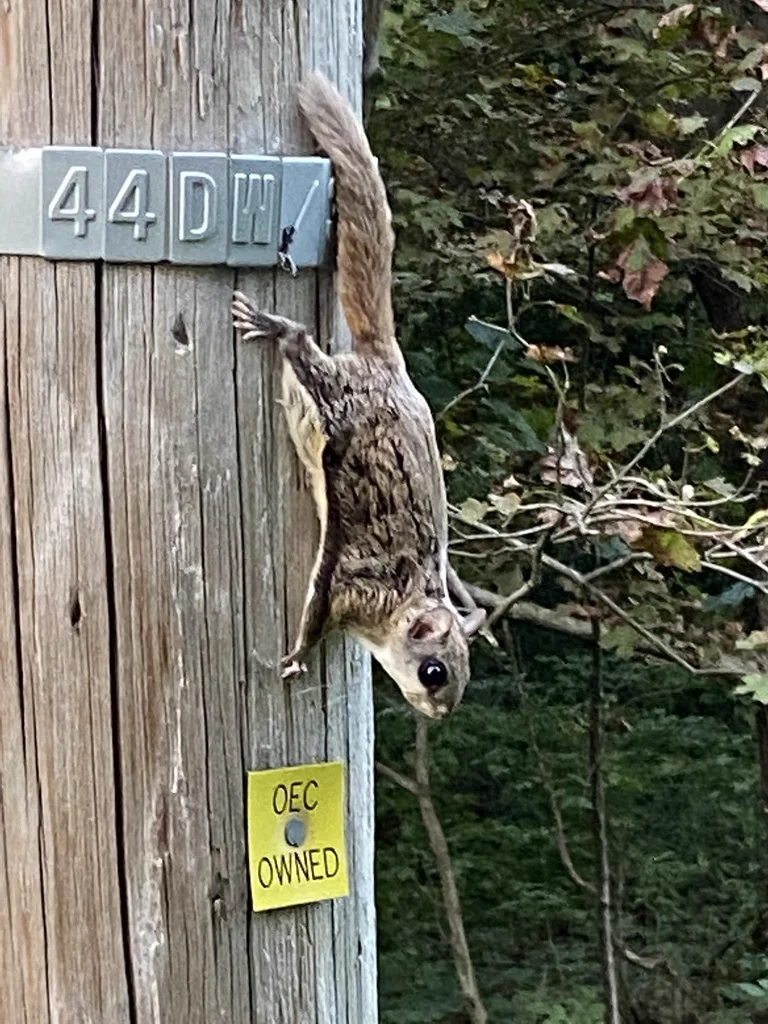
The southern flying squirrel (Glaucomys volans) is the smallest tree squirrel in North America. These tiny rodents weigh just 2 to 4 ounces and measure 8 to 10 inches long, including their tail. Their most notable feature is the patagium. This furry skin flap stretches from their front legs to their back legs. It lets them glide through the air like a living paper airplane.
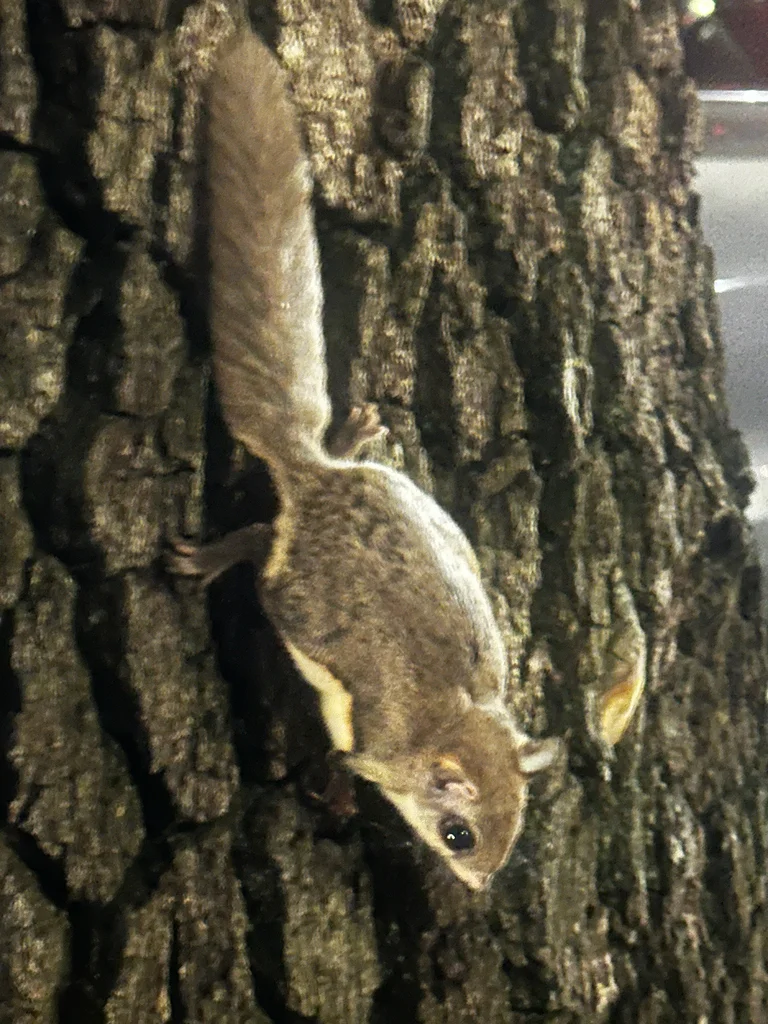
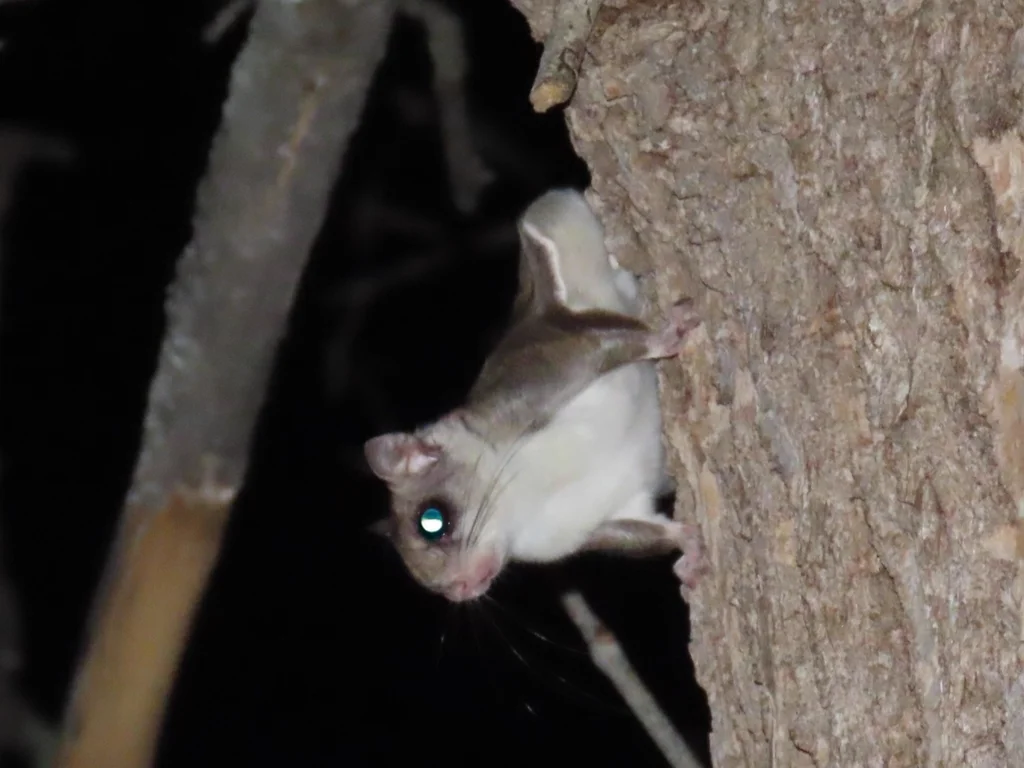
These squirrels have gray-brown fur on top with darker sides and a bright white belly. Their eyes are very large compared to their body size. This helps them see well at night since they only come out after dark. They also have flat, feathery tails that help them steer while gliding.
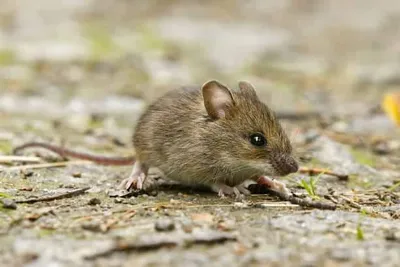
How to Tell Them Apart from Mice and Rats
People sometimes mistake flying squirrels for mice or young rats. Here are the key differences:
- Size: They measure 8-10 inches long, bigger than mice but smaller than adult rats
- Skin flap: The loose skin between their legs is unique to flying squirrels
- Eyes: Much larger eyes than mice or rats
- Tail: Flat and feathery, not round like a mouse or rat tail
- Belly color: Bright white or cream (northern flying squirrels have gray bellies)
Southern Flying Squirrel Behavior and Biology
Where They Live
Southern flying squirrels live in forests across the eastern half of North America. Their range stretches from southeastern Canada down to Florida, and west to Minnesota and eastern Texas. They prefer older forests with large oak, hickory, maple, and beech trees. These trees give them both food and places to nest.
In nature, they make their homes in tree holes, old woodpecker nests, and hollow trees. They build soft nests using shredded bark, dried leaves, moss, feathers, and fur. Young squirrels stay close to home, roaming about 1.5 acres. Adults travel much farther, covering 6 to 40 acres.
Active at Night and Gliding
Southern flying squirrels are active only at night. They come out after dark to find food and spend time with other squirrels. Their gliding skills are impressive. They can travel up to 80 yards in a single glide by jumping from high spots and spreading their skin flaps like a parachute.
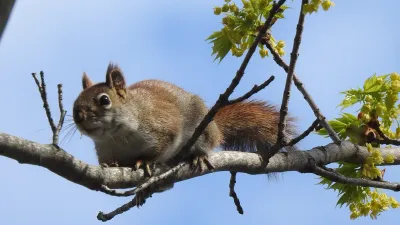
Before they jump, they often lean out and look around. This helps them judge how far they need to go. Right before landing, they lift their front legs and drop their tail. This slows them down like an air brake. They can also turn and change direction while gliding. Daytime tree squirrels like fox squirrels and red squirrels do not glide but are more commonly seen since they are active during the day.
What They Eat
These squirrels eat many different foods:
- Nuts: Acorns, hickory nuts, and beechnuts (they store these for winter)
- Seeds and berries: Tree seeds and wild fruits
- Mushrooms: An important food source, especially in fall
- Insects: Moths, beetles, and other bugs
- Bird eggs: They sometimes raid nests for eggs or baby birds
- Tree sap and buds: Mostly eaten in early spring
Breeding and Social Life
Southern flying squirrels have babies twice a year. The first litter comes in early spring (February to March). The second comes in summer (May to July). Mothers carry their babies for about 40 days before giving birth to 2 to 6 young. Most litters have 2 or 3 babies. The young drink milk for about 65 days and can have their own babies within a year.
These squirrels are very social, especially in winter. Groups of 10 to 20 squirrels often sleep together in the same nest to stay warm. This group behavior is why finding one flying squirrel in your home usually means there are many more nearby.
Signs of Flying Squirrel Activity in Homes
Southern flying squirrels look for shelter in walls and other hidden spaces, especially when it gets cold. Like eastern gray squirrels that enter attics during the day, flying squirrels target the same spaces at night. Since they only come out at night and live in groups, you might not notice them until they cause damage.
Common Signs to Look For
- Sounds at night: Scratching, running, and soft thumping noises after dark
- Chirping sounds: Bird-like chirps and high-pitched “tseet” calls
- Droppings: Small, dark pellets that look like mouse droppings but are a bit bigger
- Chew marks: Gnawed wood, wires, and stored items
- Nesting material: Shredded insulation, leaves, and bark
- Entry holes: Small gaps about the size of a coin near rooflines, vents, or soffits
Damage They Can Cause
- Fire risk: Chewing on wires can cause electrical shorts
- Ruined insulation: Their urine and droppings make insulation less effective
- Structural damage: They chew on wood supports and make holes in your home
- More pests: The holes they make can let other animals and insects inside
Treatment Methods for Flying Squirrels
Getting rid of flying squirrels takes special wildlife control methods. Here are the most effective ways to handle them:
Exclusion (Keeping Them Out)
The best approach is to seal all entry points except one or two main exits. Then install one-way doors that let the squirrels leave but stop them from getting back in. This works well because they need to go outside for food and water.
Live Trapping
If exclusion does not work on its own, live cage traps can help. Bait them with peanut butter, seeds, or nuts. Keep in mind that flying squirrels live in groups. Trapping them all can take several weeks or even months.
Making Your Home Less Appealing
You can prevent flying squirrels with these steps:
- Trim trees: Cut back branches within 8 to 10 feet of your roof so they cannot glide onto it
- Seal gaps: Close openings with hardware cloth, metal flashing, or steel wool
- Cap chimneys: Install screened caps on all chimneys
- Cover vents: Secure roof, soffit, and gable vents with hardware cloth
These steps are similar to the exclusion techniques used for mice and rats in attics.
When to Call a Professional
Flying squirrels live in groups and are protected in some states. For these reasons, wildlife control experts are usually the best choice. They can figure out how many squirrels you have, remove them humanely, clean up the mess, and fix the damage to keep them from coming back.
References
Other Rodents
Explore other species in the rodents family
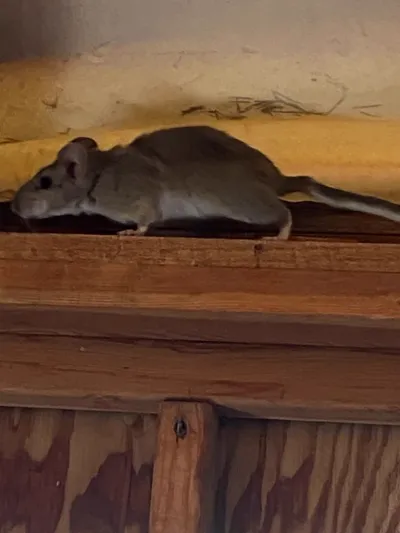
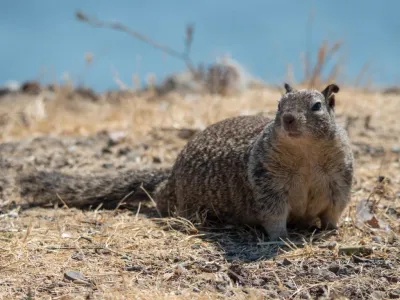
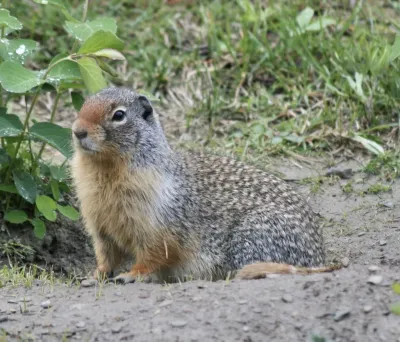
Commonly Confused With
Southern Flying Squirrel are often mistaken for these similar pests
Where Southern Flying Squirrel Are Found
Hover over states to see their names. Green regions indicate where southern flying squirrel have been reported.
Common Questions about Southern Flying Squirrel
Do flying squirrels actually fly?
+
No, they do not truly fly. They glide using a skin flap that stretches between their front and back legs. They can glide up to 80 yards by jumping from trees and using their flat tail to steer.
How do I know if I have flying squirrels?
+
Look for scratching or running sounds at night, droppings that look like mouse droppings but are a bit bigger, chew marks, and nesting materials like shredded insulation. You may also hear bird-like chirping sounds.
Are southern flying squirrels dangerous?
+
They are not aggressive toward people. But they can cause damage by chewing on wires, which creates fire risk. They also make a mess with their urine and droppings, and create holes that let other pests inside.
What is the difference between southern and northern flying squirrels?
+
The main difference is belly color. Southern flying squirrels have white or cream bellies. Northern flying squirrels have gray bellies. Southern flying squirrels are also a bit smaller.
When are flying squirrels most active in homes?
+
They are most likely to enter homes in fall and winter when looking for warmth. They like to live in groups of 10 to 20, so finding one usually means there are more.
How do flying squirrels get into homes?
+
They only need a small hole to get in. Common entry points include open chimneys, gaps in rooflines, unscreened vents, rotting wood near the roof, and gaps around utility lines.
Can I trap flying squirrels myself?
+
Live trapping is possible, but flying squirrels are protected in some states. Since they live in groups, catching one or two will not solve the problem. Professionals are usually the best choice.

With five years of hands-on experience in the pest control industry, George Schulz is a registered technician with the Virginia Pest Management Association and a proud third-generation professional in a family business that's been protecting homes for over 57 years. He manages and trains a team of service pros while also leading internal research efforts—recently spearheading a deep-dive review of thousands of documents on pest control materials to hand-pick the most kid and pet friendly, most effective solutions tailored specifically for homes in the DC metro area.