Roof Rat Identification Guide
Rattus rattus
Roof rats are agile climbers that prefer elevated spaces like attics, ceilings, and upper levels of buildings. Also known as black rats or ship rats, they are smaller and sleeker than Norway rats and pose significant health and property risks.
Taxonomy
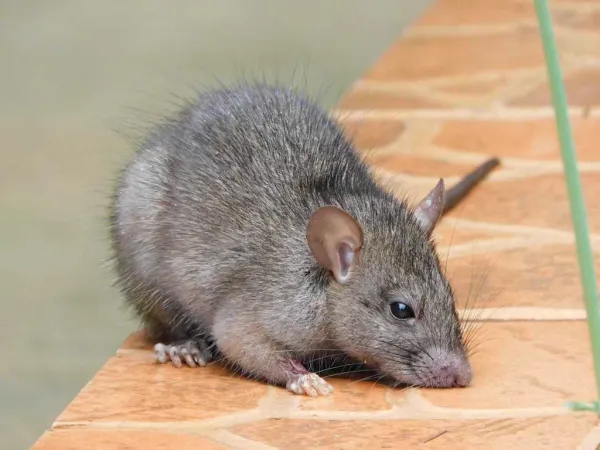
Roof Rat Coloration
Common color patterns to help identify roof rat
Roof Rat
Seasonal Activity
When roof rat are most active throughout the year
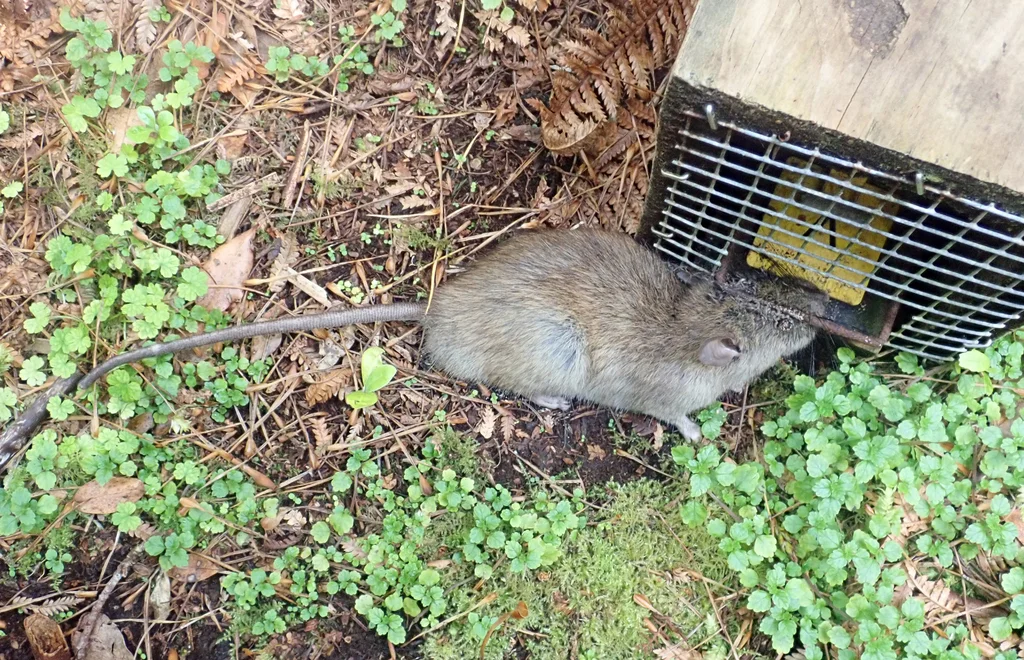

Where Roof Rat Are Found
Hover over states to see their names. Green regions indicate where roof rat have been reported.
Roof Rat Identification Guide
Physical Characteristics
Roof rats (Rattus rattus) are medium-sized rodents with slim bodies. They look different from the bulkier Norway rat. For a side-by-side comparison, see our guide on roof rat vs Norway rat. Adults are usually 6-8 inches long (body only). Their tails add another 7-10 inches, making the tail longer than the body.
Look for these features to identify a roof rat:
- Color: Dark brown to black fur on top with a lighter gray or white belly
- Ears: Large, thin, and almost hairless. They reach the eyes when folded forward.
- Snout: Pointed and narrow, unlike the blunt nose of Norway rats
- Eyes: Large compared to head size
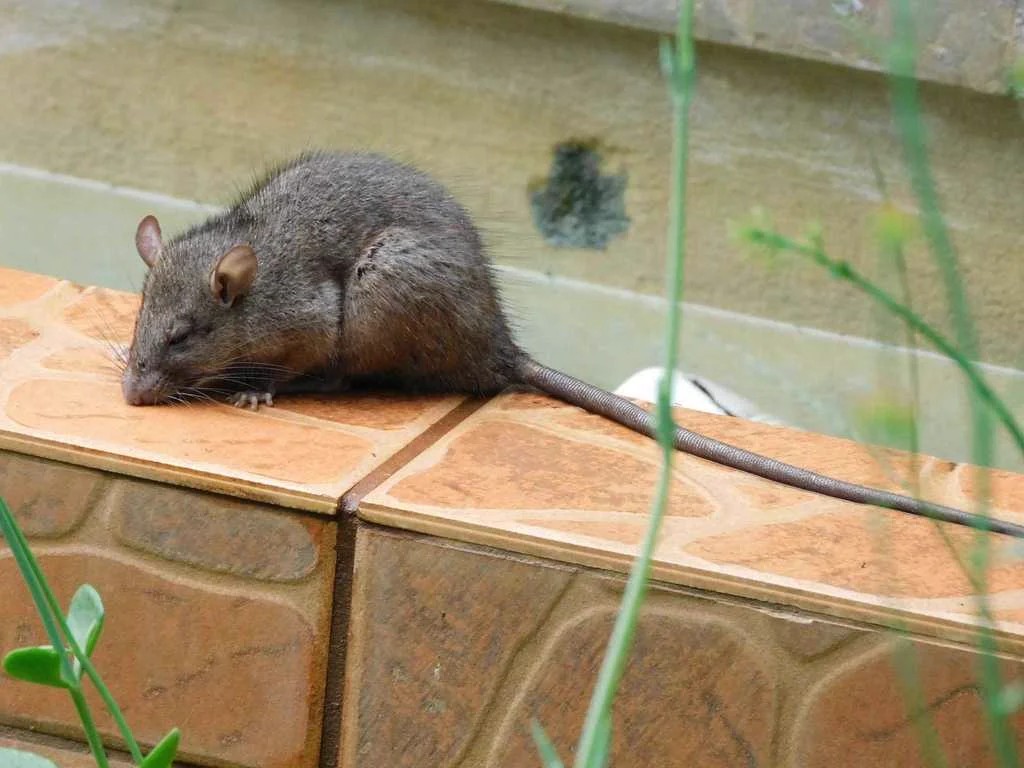
- Tail: Scaly, dark all over, and longer than the head and body together
- Droppings: Shaped like spindles with pointed ends, about 1/2 inch long
Common Names and Species
Roof rats have several other names based on their habits and history:
- Black Rat: Named for their dark color
- Ship Rat: They spread across continents by traveling on ships
- Fruit Rat: They love to eat fruit and other plant foods
- Citrus Rat: Common in areas that grow citrus, where they damage crops
Roof Rat Behavior and Biology
Habitat Preferences
True to their name, roof rats are excellent climbers. They prefer high nesting spots. While Norway rats dig burrows in the ground, roof rats look for:
- Attics and ceiling spaces
- Dense bushes and vine-covered fences
- Trees, especially palms and citrus
- Woodpiles and storage areas off the ground
- Wall spaces in upper floors
- Garage rafters and sheds
Roof rats are active at night. They move around most about 30 minutes after sunset and again before dawn. They are careful animals and use the same paths over and over. This leaves greasy rub marks along walls and beams.
Diet and Feeding Habits
Roof rats eat both plants and animals, but they prefer plant-based foods. They eat:
- Fruits, especially citrus, avocados, and peaches
- Nuts and seeds
- Vegetables from gardens
- Grains and cereals
- Bird eggs and snails
- Pet food and garbage
They usually stay within 100-300 feet of their nest when looking for food. They eat about 1/2 to 1 ounce of food per day. Roof rats need water to drink, unlike some other rodents. They drink about 1 ounce daily.
Reproduction and Lifecycle
Roof rats can breed all year when conditions are good. Here are the key facts:
- Sexual maturity: 2-3 months old
- Litters per year: 3-5 on average
- Pups per litter: 5-8
- Pregnancy length: 21-23 days
- Lifespan: About 1 year in the wild
Because they breed so fast, a small problem can become a big one within months. That’s why early detection and treatment matter so much. Learn more about rat reproduction timelines in our article on how long rats live.
How We Treat for Roof Rats
We use a 4-step rodent protocol designed for these climbing pests:
Step 1: Thorough Inspection
Every treatment starts with a full inspection of your property. We look at:
- Rooflines and high areas to find entry points and signs of nesting
- Trees and bushes near your home that rats could use to get in
- Inside hot spots like storage areas and utility spaces
- Signs of activity such as droppings, gnaw marks, and grease trails
Step 2: Bait Station Placement
We set up tamper-proof rodent bait stations in key spots:
- Around the outside of your home near areas with activity
- In elevated spots like rafters and upper-level access points
- Snap traps inside to avoid odor problems from rats dying in walls
For roof rats, we put bait stations along their travel paths and near nests. We often place them up high where roof rats like to go.
Step 3: Follow-Up Visits
We come back, usually at 1 and 3 weeks, to:
- Check if bait is being eaten and if traps are working
- See if the rat population is going down
- Move stations if needed
- Look for any new entry points or activity
Step 4: Long-Term Prevention
Keeping rats away takes ongoing effort. We suggest:
- Tri-annual service (three times per year) for most homes
- More visits for homes with ongoing problems
- Sealing entry points once we get the population under control
- Changes to your yard to make it less attractive to rats
What You Can Do
You can help by:
- Trimming tree branches so they are at least 4 feet from your roof
- Picking up fallen fruit and keeping garbage sealed
- Storing pet food in closed containers
- Clearing thick ground cover near your foundation
- Sealing holes bigger than a quarter-sized coin
If you are hearing scratching sounds in the ceiling or attic, our post on rats in the attic has targeted advice for that situation. For a broader look at rat species, see our guide on different types of rats. You can also learn about all rodent species we treat.
Health and Property Risks
Roof rats create serious problems that need professional control:
Disease Risks
Roof rats spread diseases in two ways. They can spread them directly through bites, scratches, and their waste. They also spread them through the fleas, ticks, and mites they carry. Diseases linked to roof rats include:
- Leptospirosis: A bacterial infection that harms the kidneys and liver
- Salmonellosis: Food poisoning from dirty surfaces
- Rat-bite fever: Spread through bites or scratches
- Murine typhus: Spread by rat fleas
- Plague: Rare today, but once spread by roof rat fleas
Note: This information is for educational purposes only. If you think you may have been exposed to a rodent-related illness, please see a doctor.
Property Damage
Roof rats cause major damage by chewing. They gnaw on:
- Electrical wires: This creates fire hazards
- Insulation: They soil and compress it
- Wood: They damage rafters, joists, and wall studs
- Pipes and ducts: This leads to leaks and HVAC problems
- Stored items: They destroy belongings in storage areas
References
- CDC - Controlling Wild Rodent Infestations - Disease prevention and health information
- University of California - Roof Rats - Control guidelines and biology
- University of Arizona Extension - Roof Rats - Identification and biology information
- EPA - Identify and Prevent Rodent Infestations - Prevention tips and guidelines
- National Pest Management Association - Rodents - Educational resources on rodent control
Other Rodents
Explore other species in the rodents family



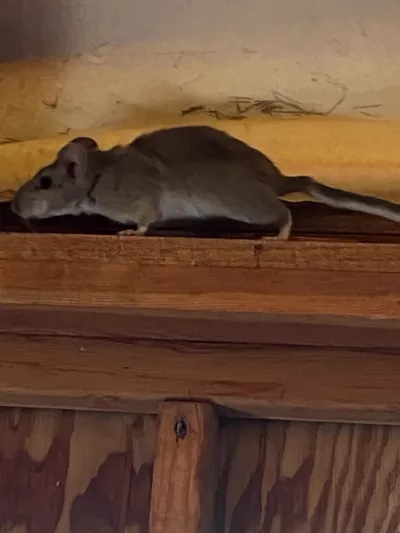


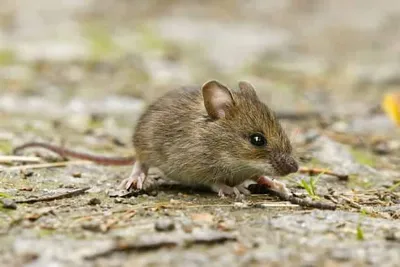
Commonly Confused With
Roof Rat are often mistaken for these similar pests

Where Roof Rat Are Found
Hover over states to see their names. Green regions indicate where roof rat have been reported.
Common Questions about Roof Rat
How can I tell roof rats apart from Norway rats?
+
Roof rats are smaller with slim bodies, big ears, pointed noses, and tails longer than their bodies. Norway rats are bulkier with small ears, blunt noses, and shorter tails. Roof rats are also darker, usually black or dark brown.
Why are they called roof rats?
+
They got this name because they are great climbers and like high places. They nest in attics, ceilings, trees, and upper floors. Norway rats prefer to burrow in the ground.
Are roof rats dangerous?
+
Yes. Roof rats can spread diseases like leptospirosis and salmonella. They carry fleas that spread illness too. Their chewing on wires also creates fire risks.
What attracts roof rats to my home?
+
Food sources draw them in, like fruit trees, bird feeders, pet food, and open garbage. They also look for shelter when it gets cold. Homes with trees near the roof or thick bushes are easier for them to enter.
How do roof rats get into my attic?
+
Roof rats are skilled climbers. They get in through gaps in the roofline, vents, where utility lines enter, and tree branches that touch the house. They fit through holes as small as a quarter coin.
What are signs of a roof rat problem?
+
Look for spindle-shaped droppings about 1/2 inch long, gnaw marks, greasy rub marks on walls, scratching sounds at night, hollowed-out fruit on trees, and shredded material nests in high spots.
How fast do roof rats breed?
+
A female can have 3-5 litters per year with 5-8 babies each. Young rats can breed at just 2-3 months old. This means numbers grow fast if not treated.

With five years of hands-on experience in the pest control industry, George Schulz is a registered technician with the Virginia Pest Management Association and a proud third-generation professional in a family business that's been protecting homes for over 57 years. He manages and trains a team of service pros while also leading internal research efforts—recently spearheading a deep-dive review of thousands of documents on pest control materials to hand-pick the most kid and pet friendly, most effective solutions tailored specifically for homes in the DC metro area.