Richardson's Ground Squirrel Identification Guide
Urocitellus richardsonii
Richardson's ground squirrel, also known as the flickertail or dakrat, is a burrowing rodent native to the northern Great Plains. These prairie-dwelling animals can damage lawns, gardens, and agricultural fields with their extensive tunnel systems.
Taxonomy
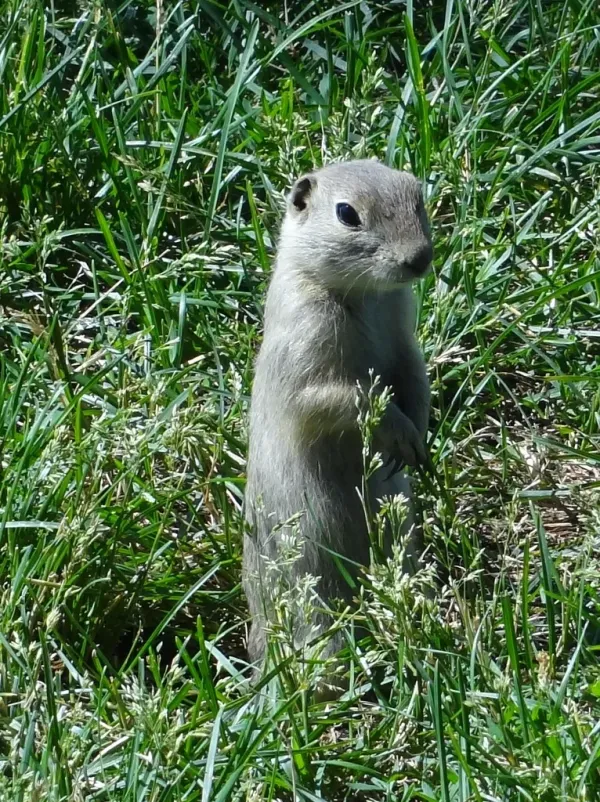
Richardson's Ground Squirrel Coloration
Common color patterns to help identify richardson's ground squirrel
Richardson's Ground Squirrel
Seasonal Activity
When richardson's ground squirrel are most active throughout the year
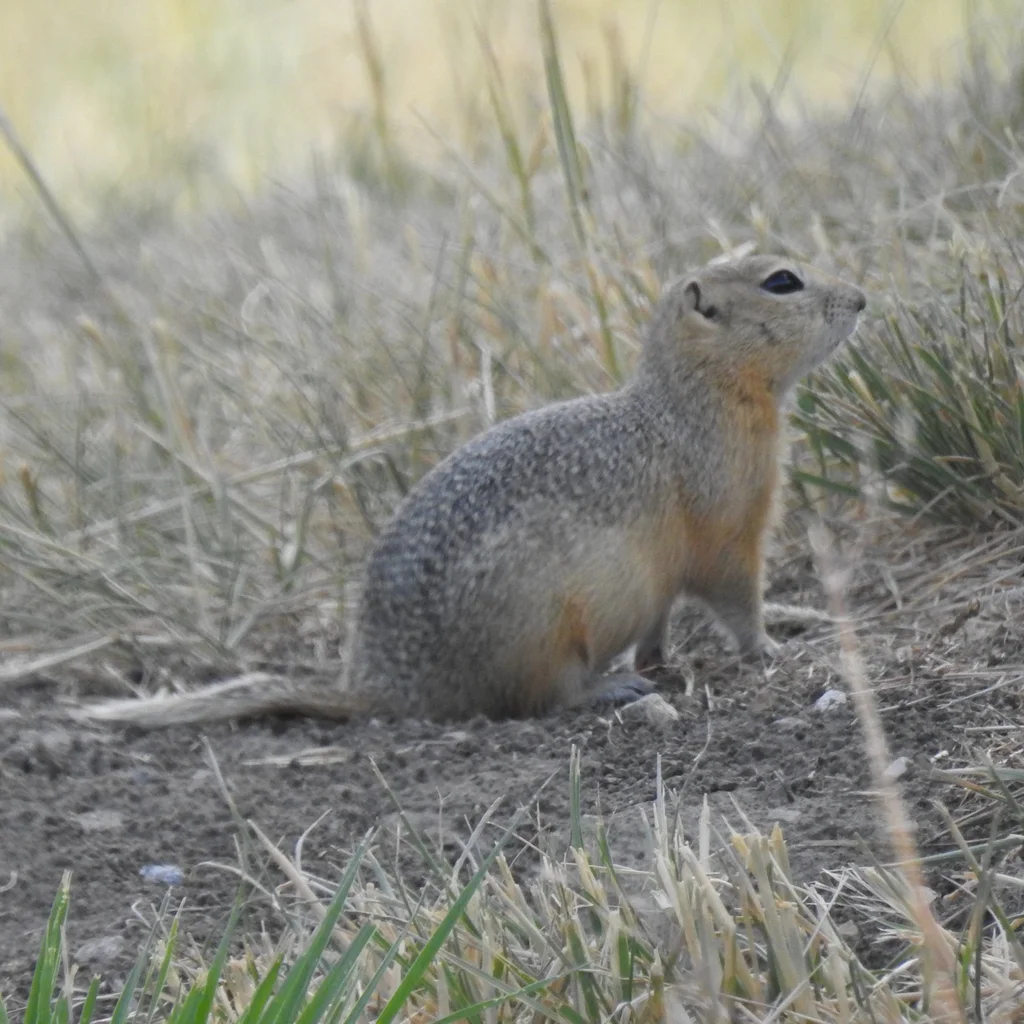
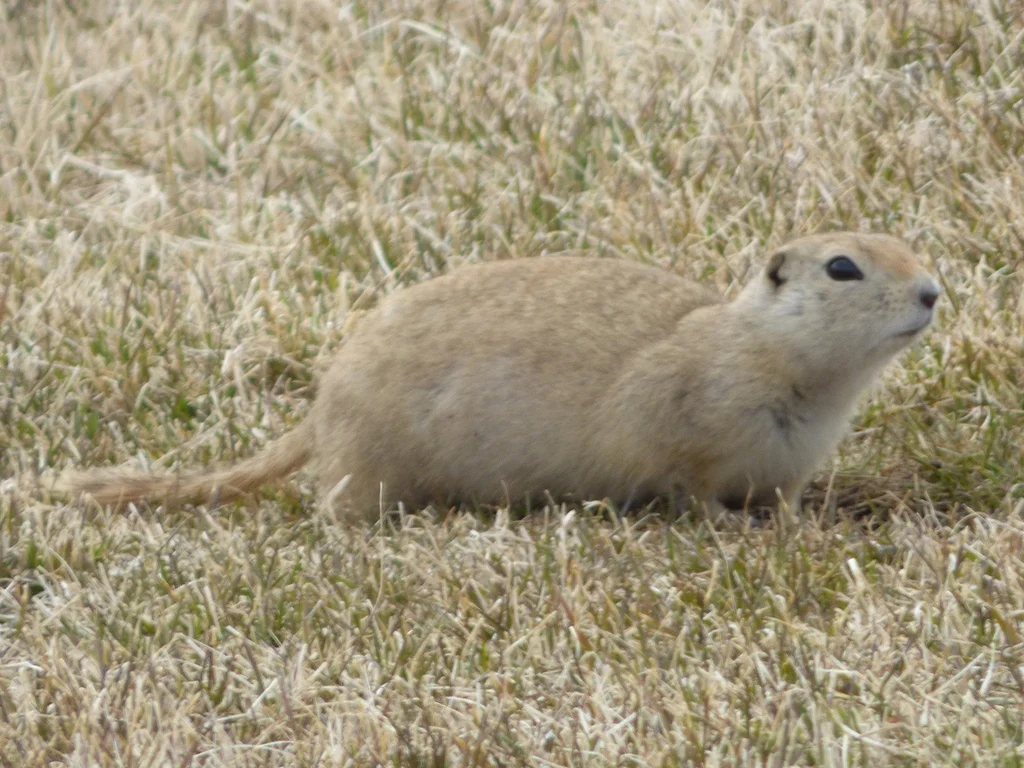
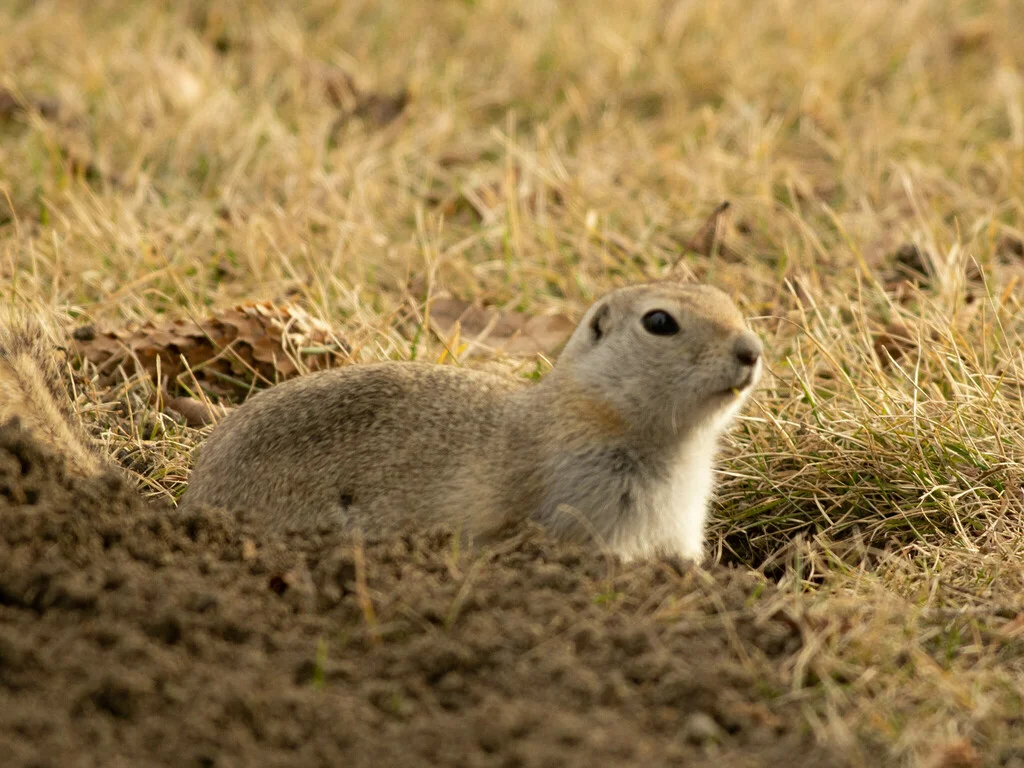

Where Richardson's Ground Squirrel Are Found
Hover over states to see their names. Green regions indicate where richardson's ground squirrel have been reported.
Richardson’s Ground Squirrel Identification Guide
Physical Characteristics
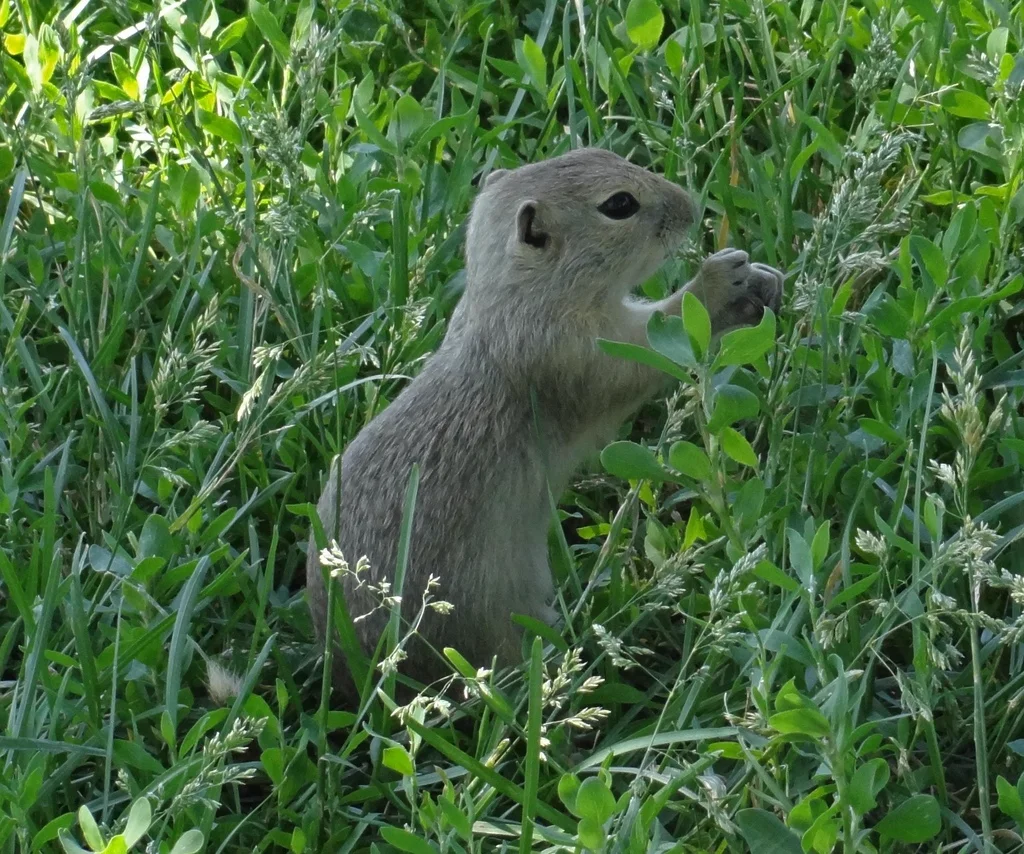
Richardson’s ground squirrel (Urocitellus richardsonii) is a medium-sized burrowing rodent found across the northern Great Plains. These animals have earned several common names including flickertail, dakrat, and picket pin due to their distinctive behaviors and appearance.
Key features for identification:
- Body length: 7 to 9 inches (not including tail)
- Tail length: 2 to 4 inches
- Total length: About 11 inches from nose to tail tip
- Weight: 11 to 18 ounces, varying by season and sex
- Color: Grayish-brown to yellowish-brown on top, often with a speckled pattern
- Belly: Lighter shade, usually white or cream
- Tail: Short and not very bushy, constantly trembling when alert
- Ears: Very small, appearing almost like holes in the head
Males are approximately 25% heavier than females. Both sexes gain significant weight before hibernation. The fur is short and dense with a light pinkish or cinnamon buff color on the back, becoming darker cinnamon on the face and legs.
Distinguishing from Similar Species
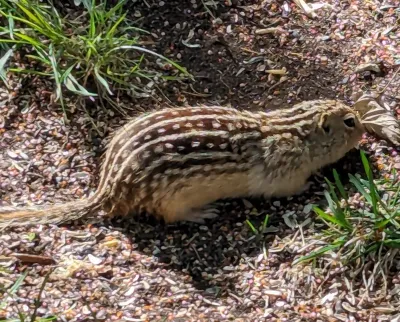
Richardson’s Ground Squirrel vs. Thirteen-Lined Ground Squirrel: The most common confusion occurs with thirteen-lined ground squirrels. Key differences:
- Thirteen-lined ground squirrels have distinctive stripes with spots running down their backs
- Richardson’s ground squirrels have uniform coloring without stripes
- Richardson’s are generally larger and stockier
Richardson’s Ground Squirrel vs. Prairie Dogs: While both live in prairie habitats:
- Prairie dogs are larger and stockier with shorter tails
- Prairie dogs live in large interconnected colonial towns
- Richardson’s ground squirrels maintain individual burrow systems
- Richardson’s have the distinctive tail-flicking behavior that gave them the flickertail name
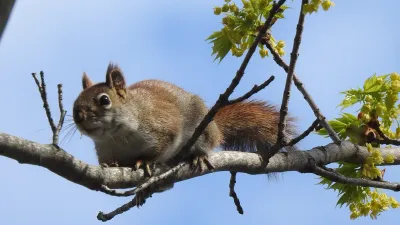
Richardson’s Ground Squirrel vs. Tree Squirrels: These ground squirrels differ from tree squirrels like eastern gray squirrels in several ways:
- Much shorter, less fluffy tails
- Smaller ears
- Always retreat to burrows when frightened rather than climbing
- Stockier body proportions
Richardson’s Ground Squirrel Behavior and Biology
Habitat Preferences
Richardson’s ground squirrels are native to the short grass prairies of the northern Great Plains. They thrive in areas with:
- Native prairie grasslands
- Agricultural field edges and pastures
- Roadsides and rights-of-way
- Golf courses and cemeteries
- Parks and recreational areas
- Areas with sandy or loamy soils
These squirrels prefer short vegetation that allows them to watch for predators. They avoid wet areas with heavy clay soils and dense vegetation. Human-modified landscapes with moderate amounts of grassland (around 30%) often provide suitable habitat.
Burrow Systems
Richardson’s ground squirrels are accomplished diggers. Their burrow systems can be quite extensive:
- Tunnels can extend up to 30 meters (100 feet) in length
- Burrows typically have multiple entrances
- Systems include nest chambers, food storage areas, and hibernation chambers
- Main tunnels usually run 1 to 2 feet below the surface
- Hibernation chambers are dug deeper for insulation
Unlike some other ground squirrels, they often excavate soil mounds at burrow entrances. These mounds can be 1 to 2 feet wide and several inches tall.
Daily Activity Patterns
These ground squirrels are strictly diurnal, meaning they are only active during daylight hours. Their behavior is more like prairie dogs than typical ground squirrels.
- Most active in early morning and late afternoon
- Retreat to burrows during the hottest part of the day
- Often seen standing upright on their hind legs, scanning for predators
- The tail constantly trembles or flickers when they are alert
- They use a variety of alarm calls to warn colony members of approaching predators
When threatened, they give a sharp whistle and dash to the nearest burrow entrance. Their keen eyesight and hearing help them detect predators early.
Hibernation
Richardson’s ground squirrels are true hibernators with one of the longest hibernation periods of any mammal. They spend roughly 84% of their lives underground.
- Hibernation begins: August to October (males enter first)
- Hibernation ends: Late March to early May (males emerge first)
- Duration: Approximately 7 to 8 months
- Body temperature: Drops dramatically during deep hibernation
- Heart rate and breathing: Slow to minimal levels
Adult males enter hibernation earliest, sometimes as early as late June or July after the breeding season. Females follow in late summer after weaning their young. Juveniles are the last to enter hibernation, needing time to build up fat reserves.
The staggered emergence timing means the colony as a whole is active for about 7 months, even though individual squirrels are above ground for only 3 to 4 months.
Diet
Richardson’s ground squirrels are primarily herbivorous, with about 90% of their diet coming from plants:
Plant Foods:
- Leaves, stems, and flowers
- Seeds and grains
- Grasses and clover
- Agricultural crops (wheat, barley, oats)
- Garden vegetables
- Roots and bulbs
Animal Foods (about 10% of diet):
- Insects, especially grasshoppers
- Occasional carrion
- Small invertebrates
They use cheek pouches to carry food back to their burrows for storage. Building adequate fat reserves before hibernation is critical for survival.
Reproduction
Mating occurs shortly after emergence from hibernation in spring.
- Breeding season: 3 to 5 days after females emerge in spring
- Gestation: About 22 to 23 days
- Litter size: 4 to 7 pups on average, can range from 2 to 13
- Litters per year: One
- At birth: Pups are hairless and blind
- Eyes open: Around 3 weeks
- Weaning: About 25 days old
- Emerge from burrow: 26 to 33 days old
- Sexual maturity: Females can breed at 11 months (their first spring)
Young squirrels must gain enough weight during their first summer to survive their first hibernation. Those that do not build adequate fat reserves rarely survive.
Property Damage and Concerns
Types of Damage
Richardson’s ground squirrels can cause significant damage to both residential and agricultural properties:
Structural Damage:
- Burrows undermine sidewalks, driveways, and patios
- Tunneling can weaken building foundations
- Damage to irrigation systems and drainage infrastructure
- Erosion problems caused by extensive tunneling
Agricultural Damage:
- Consumption of grain crops including wheat, barley, and oats
- Damage to hay and forage crops
- Eating of garden vegetables and ornamental plants
- Crop losses can be substantial in heavily infested areas
Safety Hazards:
- Burrow holes create tripping hazards in lawns and fields
- Horses and livestock can step in holes and injure legs
- Problematic on golf courses, athletic fields, and parks
Disease Concerns
Richardson’s ground squirrels can carry diseases that affect humans and pets:
- Sylvatic plague: Transmitted by infected fleas, especially in western regions
- Tularemia: A bacterial infection that can spread through direct contact
- Various parasites: Including fleas, ticks, and mites
Public health officials in some areas monitor ground squirrel populations for plague. Avoid direct contact with these animals, dead or alive, and do not handle them without proper protection.
If you experience flu-like symptoms after potential exposure to ground squirrels or their fleas, consult a healthcare provider.
Management Approaches
Since Richardson’s ground squirrels are wildlife, management requires different approaches than typical household pest control. Unlike California ground squirrels, which are active for longer stretches, the short window when Richardson’s ground squirrels are above ground limits when control can be applied. Several strategies can help reduce their numbers and the damage they cause:
Habitat Modification
Making your property less appealing can discourage ground squirrels:
- Allow grass to grow taller in non-manicured areas (they prefer short grass)
- Remove brush piles and debris that provide cover
- Eliminate easily accessible food sources
- Reduce irrigation that creates lush vegetation
Exclusion
Physical barriers can protect specific areas:
- Hardware cloth fencing with small mesh (1/2 inch or smaller)
- Buried fencing extending 12 to 18 inches underground
- Fencing height of at least 18 to 24 inches above ground
- Works well for gardens and small areas but impractical for large properties
Professional Wildlife Control
For significant infestations, licensed wildlife control professionals can provide:
- Assessment of population size and damage extent
- Legal control methods appropriate for your area
- Long-term management plans
- Guidance on habitat modification
Different jurisdictions have varying regulations regarding ground squirrel control. Some areas consider them agricultural pests with few restrictions, while others may have specific rules. Always check local and state regulations before attempting any control measures.
Timing Considerations
Control efforts are most effective when timed properly:
- Spring: After emergence but before breeding
- Early summer: When populations are visible and active
- Avoid late summer/fall: Squirrels are preparing for hibernation and may be less responsive to control efforts
Geographic Distribution
Richardson’s ground squirrels inhabit the northern Great Plains of North America. Their range includes:
United States:
- Montana (most of the state)
- North Dakota (widespread)
- South Dakota (northern portions)
- Minnesota (western edge)
- Wyoming (eastern portions)
- Colorado (northeastern corner)
- Nebraska (northern edge)
Canada:
- Southern Alberta
- Southern Saskatchewan
- Southern Manitoba
The species is most abundant in Alberta and Saskatchewan, where they are considered significant agricultural pests. In the United States, they are most common in Montana and North Dakota.
Ecological Role
Despite the damage they can cause, Richardson’s ground squirrels play important ecological roles:
- Prey species: They are a major food source for many predators including ferruginous hawks, golden eagles, badgers, coyotes, and swift foxes
- Soil aeration: Their burrowing activity helps aerate prairie soils
- Habitat creation: Abandoned burrows provide shelter for other wildlife including burrowing owls, snakes, and insects
- Seed dispersal: They help spread seeds of prairie plants
In balanced ecosystems, predators help keep ground squirrel populations in check. The decline of predators in some areas has contributed to population increases. Franklin’s ground squirrels, which overlap with Richardson’s ground squirrels in parts of the Dakotas and Manitoba, prefer taller vegetation and are generally more secretive.
References
- Richardson’s Ground Squirrel - Animal Diversity Web
- Richardson’s Ground Squirrel - U.S. Fish & Wildlife Service
- Richardson’s Ground Squirrel - Montana Field Guide
- Richardson’s Ground Squirrel - Animalia.bio
- Richardson’s Ground Squirrel Habitat Study - Canadian Journal of Zoology
- Richardson’s Ground Squirrel - Minnesota DNR Rare Species Guide
Other Rodents
Explore other species in the rodents family
Commonly Confused With
Richardson's Ground Squirrel are often mistaken for these similar pests
Where Richardson's Ground Squirrel Are Found
Hover over states to see their names. Green regions indicate where richardson's ground squirrel have been reported.
Common Questions about Richardson's Ground Squirrel
How can I identify a Richardson's ground squirrel?
+
Richardson's ground squirrels are medium-sized rodents with grayish-brown to yellowish-brown fur and a lighter cream-colored belly. They measure 7 to 9 inches long plus a 2 to 4 inch tail. Unlike striped ground squirrels, they have uniform coloring without stripes. Their tails are shorter and less bushy than tree squirrels, and their ears are very small.
Why are Richardson's ground squirrels called flickertails?
+
They earned this nickname because their tails constantly tremble or flicker when they are alert or nervous. This tail-flicking behavior is a distinctive characteristic that helps identify this species from other ground squirrels.
When are Richardson's ground squirrels active?
+
These squirrels are active for only about 4 months each year, typically from late March or April through August or September. They hibernate for approximately 8 months, making them one of the longest-hibernating mammals. During their active season, they are most active in early morning and late afternoon.
What damage do Richardson's ground squirrels cause?
+
Their burrow systems can undermine sidewalks, driveways, foundations, and agricultural fields. They eat crops, garden vegetables, and ornamental plants. Their holes create tripping hazards for people and livestock, and their burrowing can damage irrigation systems and dikes.
Do Richardson's ground squirrels carry diseases?
+
Yes, they can carry diseases including sylvatic plague transmitted by fleas. In some areas, public health officials monitor ground squirrel populations for plague. They can also host ticks that may carry other diseases. Avoid direct contact with these animals or their burrows.
What is the difference between Richardson's ground squirrels and prairie dogs?
+
Richardson's ground squirrels are smaller than prairie dogs and live in individual burrows rather than interconnected colonial towns. Prairie dogs have shorter tails and stockier bodies. Richardson's ground squirrels also have a distinctive tail-flicking behavior that prairie dogs lack.
Where do Richardson's ground squirrels live?
+
They prefer short grass prairies, pastures, roadsides, and agricultural field edges across the northern Great Plains. Their range extends from southern Alberta, Saskatchewan, and Manitoba in Canada through Montana, North Dakota, South Dakota, Minnesota, and into northern Colorado and Nebraska.
How long do Richardson's ground squirrels live?
+
In the wild, males typically live 1 to 3 years while females can live 2 to 4 years. Their short active season and long hibernation period mean they spend about 84% of their lives underground. Predators including hawks, badgers, and coyotes significantly impact their survival.

With five years of hands-on experience in the pest control industry, George Schulz is a registered technician with the Virginia Pest Management Association and a proud third-generation professional in a family business that's been protecting homes for over 57 years. He manages and trains a team of service pros while also leading internal research efforts—recently spearheading a deep-dive review of thousands of documents on pest control materials to hand-pick the most kid and pet friendly, most effective solutions tailored specifically for homes in the DC metro area.