Rice Rats Identification Guide
Oryzomys palustris
Rice rats are semi-aquatic rodents found in wetlands and marshes across the eastern and southern United States. These nocturnal rodents are excellent swimmers and can carry diseases including hantavirus.
Taxonomy

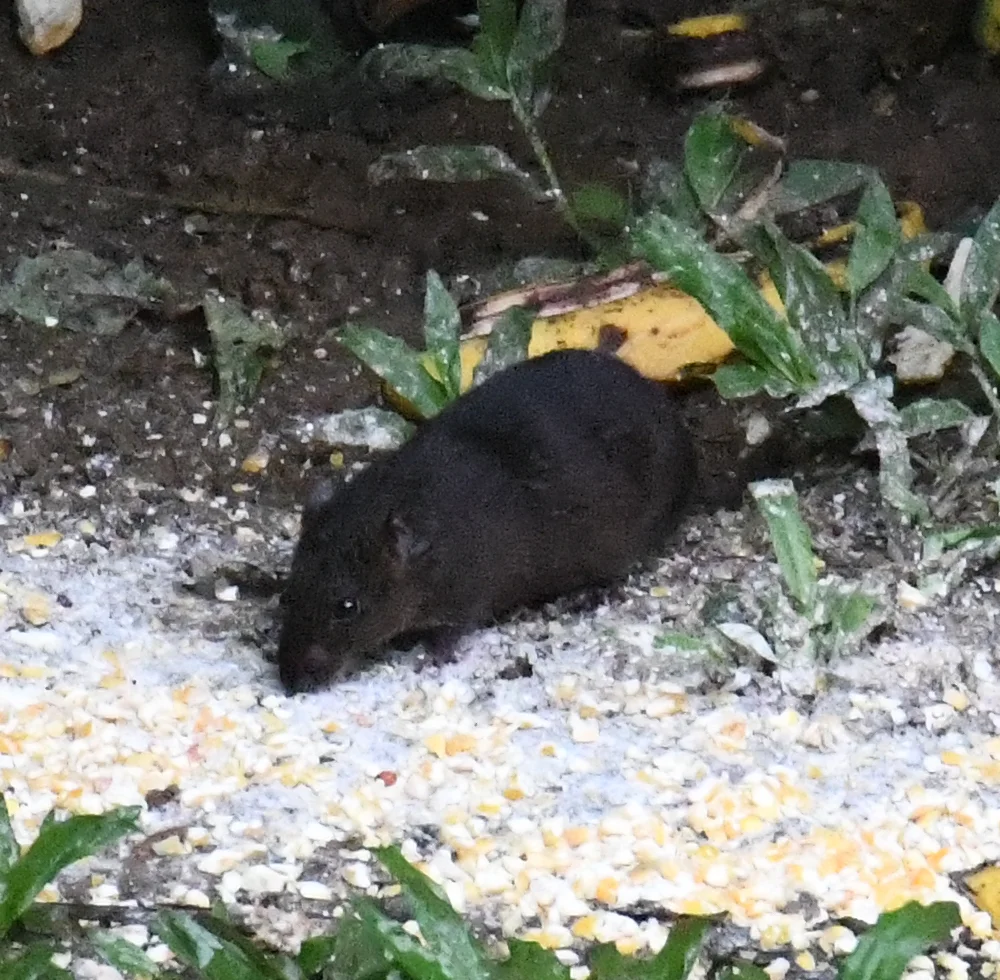
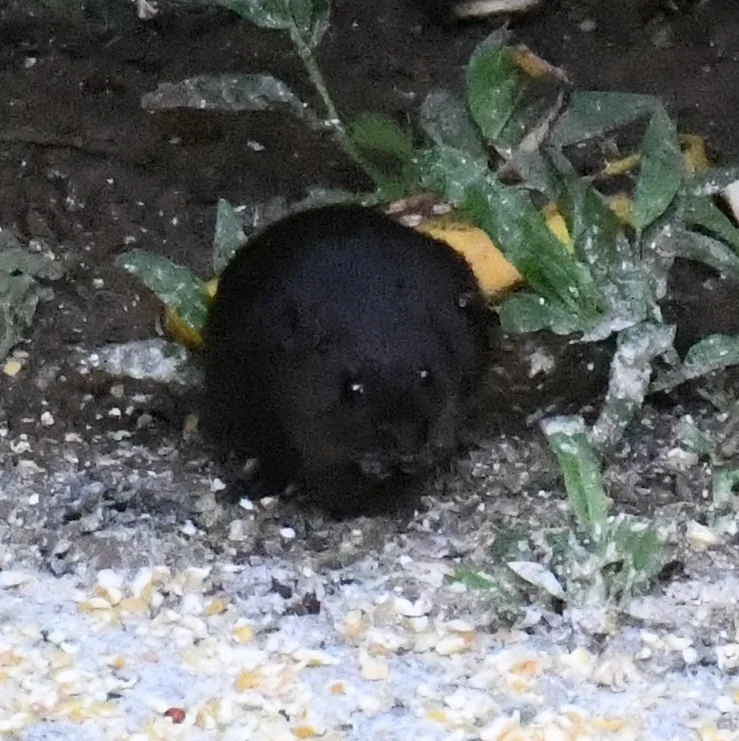
Rice Rats Coloration
Common color patterns to help identify rice rats
Rice Rats
Seasonal Activity
When rice rats are most active throughout the year

Where Rice Rats Are Found
Hover over states to see their names. Green regions indicate where rice rats have been reported.
Rice Rat Identification Guide
Physical Characteristics
Rice rats are medium-sized rodents that measure about 4-5 inches (100-130 mm) in body length, with a tail that is slightly shorter than or equal to the body length. They typically weigh between 40 and 80 grams (about 1.4 to 2.8 ounces). Their fur is soft and dense, ranging from grayish-brown to brownish on the back, with lighter gray to tan coloring on the underside.
One key feature that helps identify rice rats is their partially webbed hind feet, which are adapted for their semi-aquatic lifestyle. Their ears are small and rounded, often difficult to see due to fur coverage. The tail is usually bicolored, darker on top and lighter underneath. Their skull is relatively large and flattened compared to other similar-sized rodents.
Common Species
The most common rice rat in North America is the Marsh Rice Rat (Oryzomys palustris), also called the Northeastern Marsh Rice Rat. There are several subspecies:
- Swamp Rice Rat (Oryzomys palustris palustris) - Found throughout much of the species’ range
- Silver Rice Rat (Oryzomys palustris natator) - A subspecies found in the Florida Keys that is federally listed as endangered
- Northwestern Marsh Rice Rat (Oryzomys texensis) - Recently recognized as a separate species, found in Texas and surrounding areas
Rice Rat Behavior and Biology
Rice rats are primarily nocturnal and remain active year-round. They are excellent swimmers, thanks to their partially webbed feet and water-repellent fur. During the day, they rest in nests made of grasses and plant material, positioned above flood level in dense vegetation.
Habitat Preferences
These rodents thrive in wetland environments including salt marshes, freshwater marshes, swamps, and areas with dense reeds and sedges. They construct runways through marsh vegetation and burrow into levees and embankments. Rice rats are rarely found far from water and require moist habitats with abundant plant cover.
Diet and Feeding A related species, Pack Rats, shares similar characteristics.
Rice rats are omnivores with a varied diet that changes with seasonal availability. They primarily eat: A related species, Thirteen-Lined Ground Squirrel, shares similar characteristics.
- Seeds and leaves of marsh grasses and aquatic plants
- Insects, snails, and crabs
- Small fish and other aquatic invertebrates
- Occasionally bird eggs and small mammals A related species, Bushy-Tailed Woodrat, shares similar characteristics.
Reproduction
Rice rats are prolific breeders. Mating occurs throughout spring and summer, with females producing 1-5 litters per year. Each litter contains 2-10 offspring, with an average of 3-5 pups. The gestation period is approximately three weeks. Young rice rats reach sexual maturity in about two months. In the wild, most rice rats live less than one year due to predation.
Social Behavior
Rice rats are generally solitary creatures but may display social behavior during breeding season or in areas with high population density. They communicate through squeaks and ultrasonic vocalizations, especially when interacting with other rats or when threatened.
Health Concerns
Rice rats pose a significant health risk because they can carry Bayou orthohantavirus, one of the viruses that causes hantavirus pulmonary syndrome (HPS). HPS is a severe respiratory illness with a mortality rate of approximately 35%.
How Hantavirus Spreads
The virus is present in infected rodent urine, droppings, and saliva. Humans typically become infected by:
- Breathing in contaminated dust when rodent droppings or nesting materials are disturbed
- Direct contact with rodent waste followed by touching the mouth or nose
- Rodent bites (rare)
Symptoms of Hantavirus
Early symptoms appear 1-8 weeks after exposure and include fever, headache, muscle aches, nausea, and fatigue. These can progress to severe respiratory distress. If you suspect exposure to hantavirus, seek medical attention immediately.
Treatment Methods for Rice Rats
Because rice rats prefer wetland habitats and rarely enter homes, control efforts typically focus on habitat modification and exclusion rather than direct elimination. Effective strategies may include:
- Habitat modification - Reducing standing water, trimming dense vegetation, and eliminating overgrown areas near structures can make properties less attractive to rice rats. Our ultimate guide to rodent control covers additional prevention strategies
- Exclusion - Sealing gaps in outbuildings, sheds, and storage areas can prevent rodents from nesting in structures near wetland areas
- Sanitation - Removing potential food sources such as pet food, birdseed, and accessible garbage reduces attraction
- Trapping - Snap traps and live traps placed along runways or near water sources can help reduce populations when necessary
Safe Cleanup Procedures
If you find evidence of rice rat activity, follow CDC guidelines for cleaning up rodent droppings:
- Ventilate the area for 30 minutes before cleaning
- Wear rubber gloves and a face mask
- Spray droppings with a bleach solution (1 part bleach to 10 parts water) and let soak for 5 minutes
- Wipe up with paper towels and dispose of in sealed plastic bags
- Never sweep or vacuum rodent droppings, as this can release virus particles into the air
Ecological Importance
Despite the health risks they pose, rice rats play an important role in wetland ecosystems. Other semi-aquatic rodents like muskrats share similar wetland habitats, while cotton rats occupy nearby grassland areas. Rice rats serve as prey for many larger predators including hawks, owls, snakes, and larger mammals. Their presence can indicate healthy marsh habitat, making them valuable indicator species for ecologists studying wetland environments.
References
- Marsh Rice Rat - U.S. Fish & Wildlife Service - Federal species information and conservation status
- About Hantavirus - CDC - Disease information and prevention guidelines
- Hantavirus Prevention - CDC - Safe cleanup procedures and exposure prevention
- Marsh Rice Rat - Chesapeake Bay Program - Regional species information and habitat details
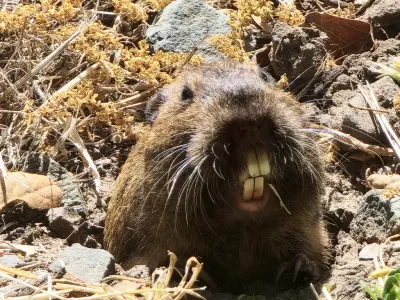
Other Rodents
Explore other species in the rodents family


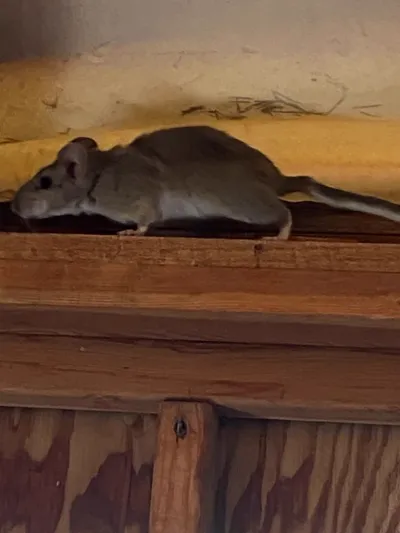


Commonly Confused With
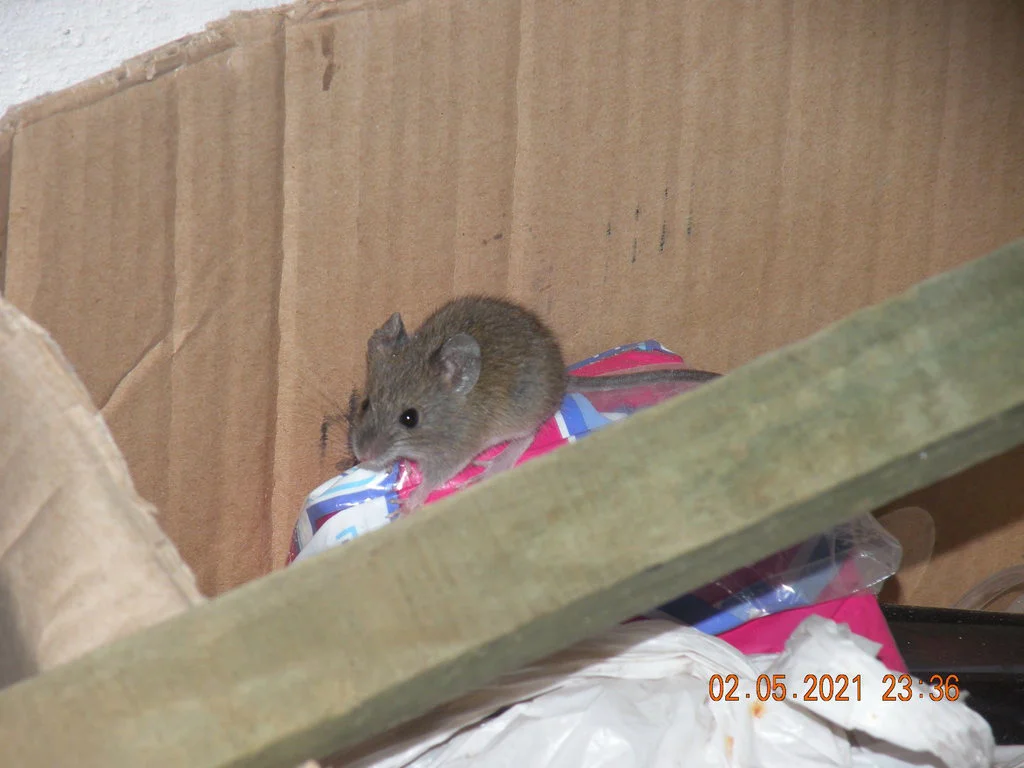
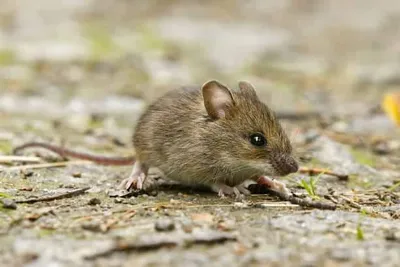
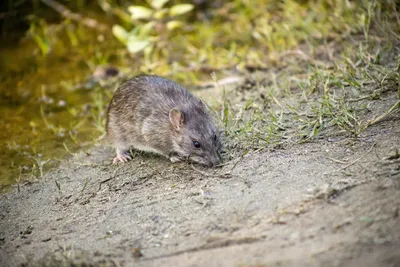
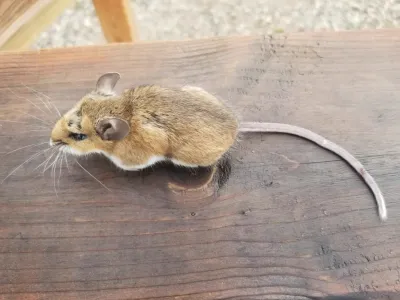
Rice Rats are often mistaken for these similar pests
Where Rice Rats Are Found
Hover over states to see their names. Green regions indicate where rice rats have been reported.
Common Questions about Rice Rats
What do rice rats look like?
+
Rice rats are medium-sized rodents, about 4-5 inches long with an equally long tail. They have grayish-brown fur on top with lighter undersides, small rounded ears, and partially webbed hind feet adapted for swimming.
Where do rice rats live?
+
Rice rats prefer wetland habitats including marshes, swamps, and areas with dense vegetation near water. They are found primarily in the eastern and southern United States, from New Jersey south to Florida and west to Texas.
Are rice rats dangerous to humans?
+
Yes, rice rats can carry Bayou virus, a type of hantavirus that can cause hantavirus pulmonary syndrome in humans. Avoid direct contact with these rodents or their droppings, urine, or nesting materials.
What do rice rats eat?
+
Rice rats are omnivores that eat seeds, leaves of aquatic plants, insects, snails, small fish, and occasionally bird eggs. Their diet varies based on seasonal availability.
How do I know if I have rice rats on my property?
+
Signs of rice rat activity include runways through marsh vegetation, small droppings near water sources, and gnaw marks on plant material. They are most active at night and are excellent swimmers.
Do rice rats come into homes?
+
Rice rats rarely enter homes since they prefer wetland habitats. However, properties near marshes or with standing water may occasionally see these rodents in outbuildings or storage areas. If you are seeing [rats](/pests/rodents/rats/) or [mice](/pests/rodents/mice/) inside your home, you are likely dealing with a different species.
How quickly do rice rats reproduce?
+
Female rice rats can produce 1-5 litters per year, with each litter containing 2-10 offspring. The gestation period is about three weeks, and young reach maturity in about two months.

With five years of hands-on experience in the pest control industry, George Schulz is a registered technician with the Virginia Pest Management Association and a proud third-generation professional in a family business that's been protecting homes for over 57 years. He manages and trains a team of service pros while also leading internal research efforts—recently spearheading a deep-dive review of thousands of documents on pest control materials to hand-pick the most kid and pet friendly, most effective solutions tailored specifically for homes in the DC metro area.