American Red Squirrel Identification Guide
Tamiasciurus hudsonicus
The American red squirrel is a small, territorial tree squirrel known for its reddish fur and vocal nature. While they primarily inhabit coniferous forests, they can become nuisance animals when they enter attics, damage siding, or raid bird feeders.
Taxonomy
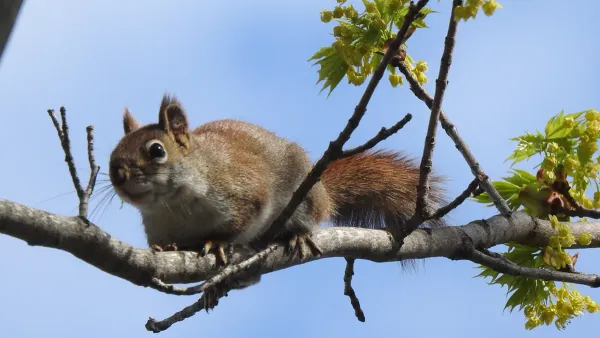
American Red Squirrel Coloration
Common color patterns to help identify american red squirrel
American Red Squirrel
Seasonal Activity
When american red squirrel are most active throughout the year

Where American Red Squirrel Are Found
Hover over states to see their names. Green regions indicate where american red squirrel have been reported.
American Red Squirrel Identification Guide
Physical Characteristics
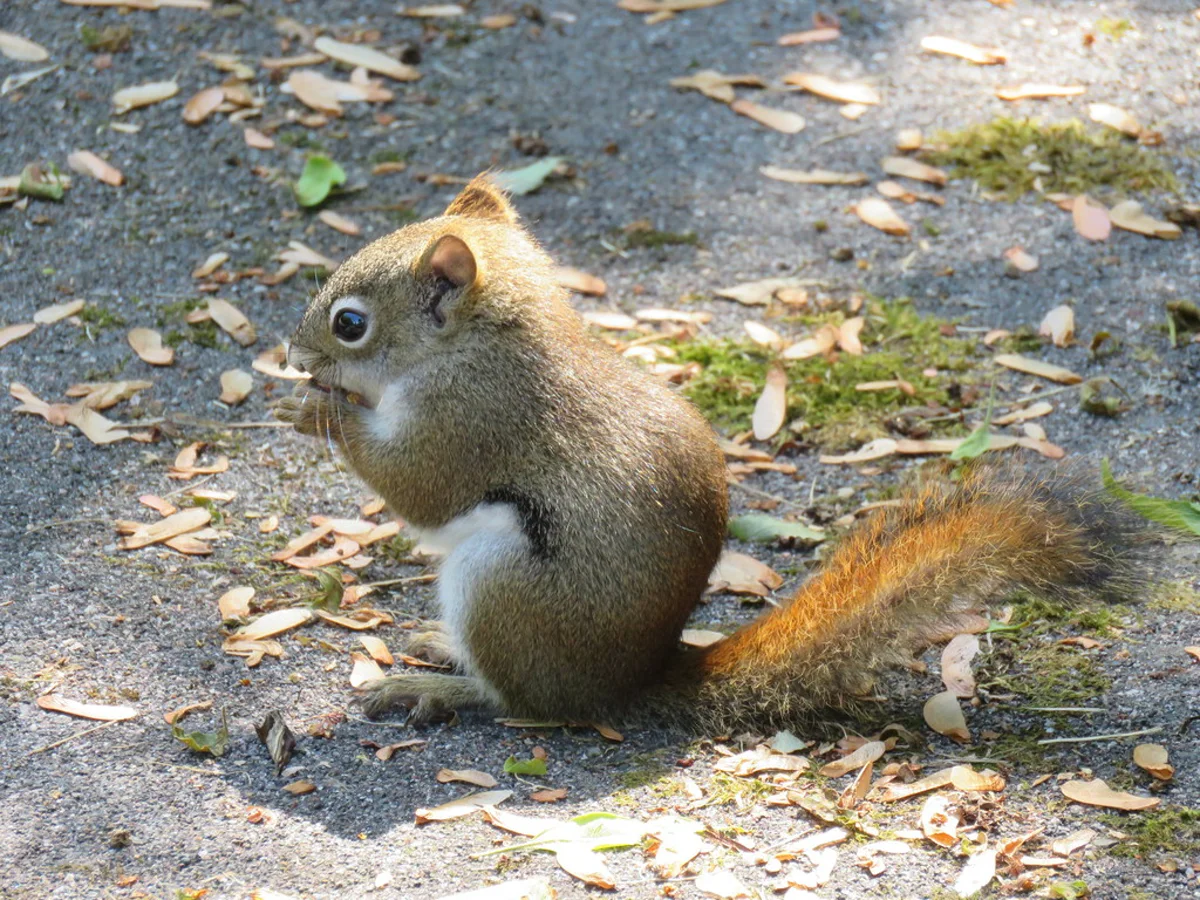
The American red squirrel is a small tree squirrel. It measures 11 to 14 inches in total length, with a tail of 4 to 6 inches. They weigh between 7 and 9 ounces. This makes them less than one-third the size of the eastern gray squirrel. Their most noticeable feature is their reddish to rust-brown back fur, which gives them their common name.
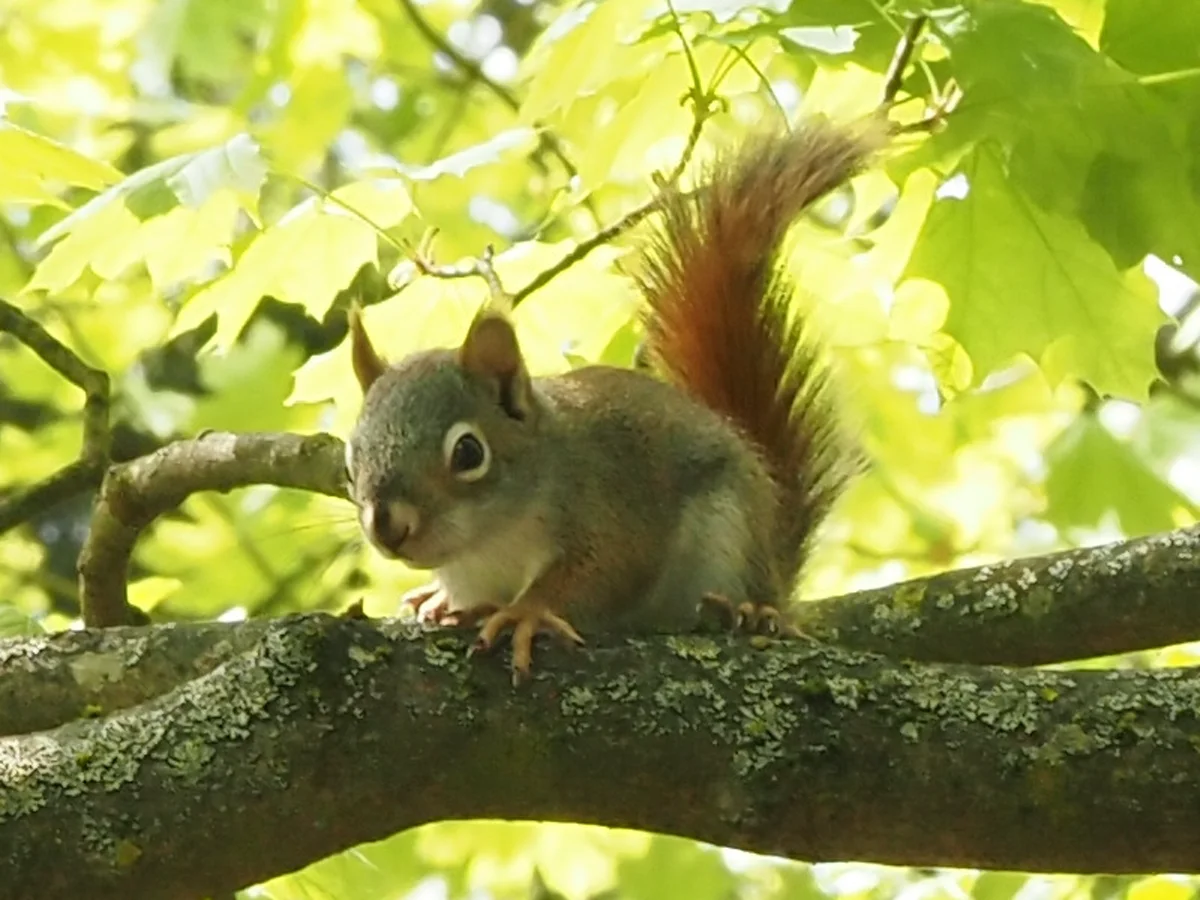
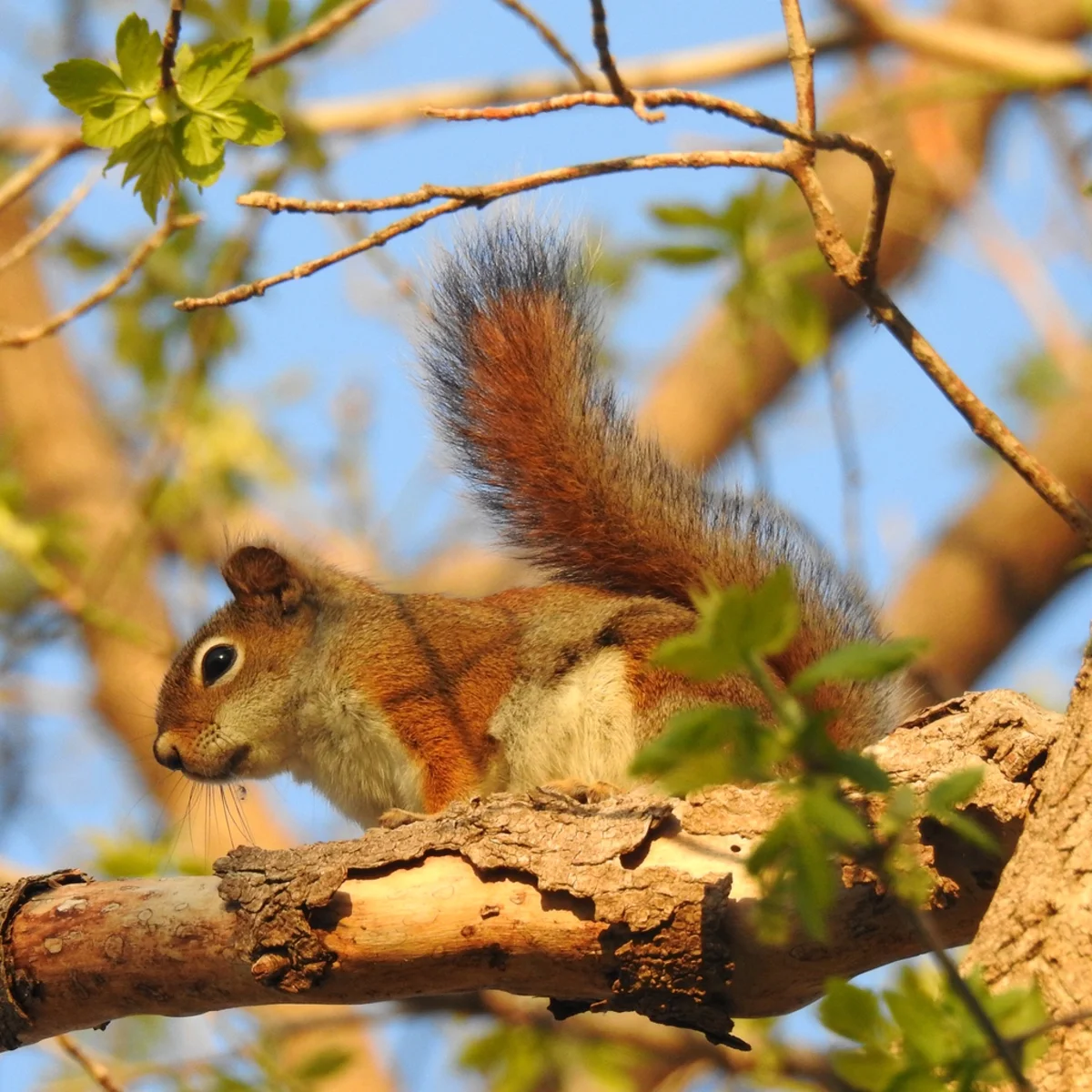
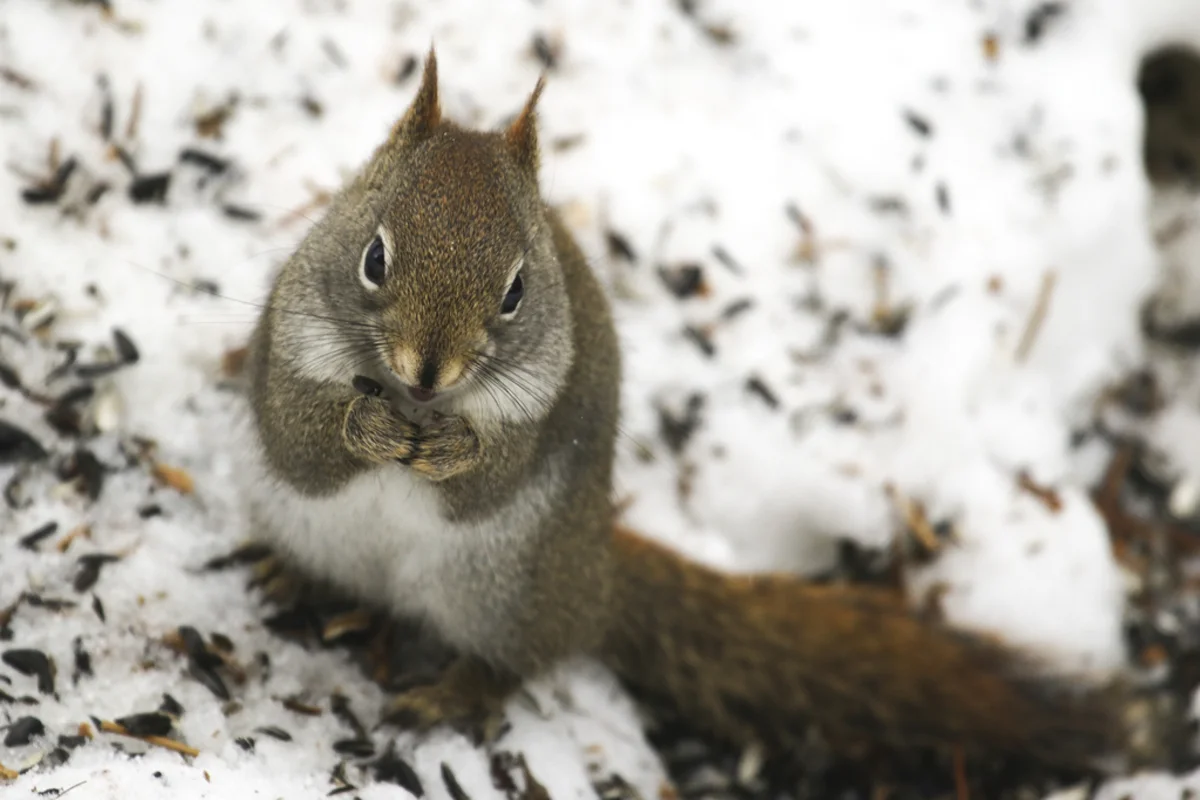
A key way to identify red squirrels is by their white or cream-colored belly. A dark stripe runs along their sides, separating the reddish back from the white belly. This stripe is easiest to see during summer months. Red squirrels also have a white ring around their large, dark eyes. During winter, they grow small tufts of fur on their ears.
Their bushy tail is smaller and less fluffy than that of gray squirrels. The tail is usually reddish-brown to rusty-red with some black banding. Red squirrels use their tails for balance when climbing and to signal other squirrels.
How to Tell Red Squirrels from Similar Species
You can tell red squirrels apart from other squirrels by these features:
- Size: Much smaller than gray squirrels and fox squirrels
- Color: Reddish-brown back with a white belly
- Side stripe: A dark line between the back and belly
- White eye ring: A white circle around each eye, visible all year
- Ear tufts: Small tufts of fur on the ears during winter
- Loud calls: Red squirrels are much noisier than other squirrels
Color Differences by Region
Red squirrels look slightly different depending on where they live. Those in the Pacific Northwest may appear more grayish. Those in the Rocky Mountains often have brighter red tones. Their fur also changes with the seasons. Winter coats are thicker and may show more gray coloring.
American Red Squirrel Behavior and Biology
Where Red Squirrels Live
American red squirrels live across much of North America. Their range stretches from Alaska through Canada and into the northern United States. They are found throughout the Rocky Mountains, Appalachian Mountains, and the Great Lakes region.
Red squirrels prefer forests with pine, spruce, fir, and hemlock trees. However, they can also live in forests with oak, walnut, and hickory trees. They have adapted well to suburban areas, parks, and neighborhoods where food is available.
Territorial Behavior
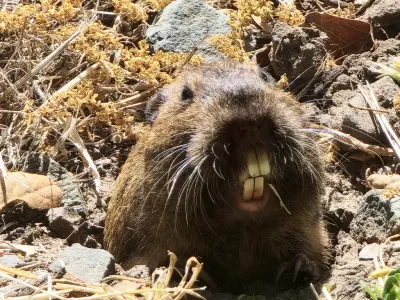
Red squirrels are very territorial. Each squirrel defends an area of about half an acre to one acre. They guard this territory all year long, centered around their food storage pile called a midden. They protect their territory by making loud calls, chasing intruders, and sometimes fighting. Homeowners dealing with American Red Squirrel may also encounter Rodent, which can appear in similar environments.
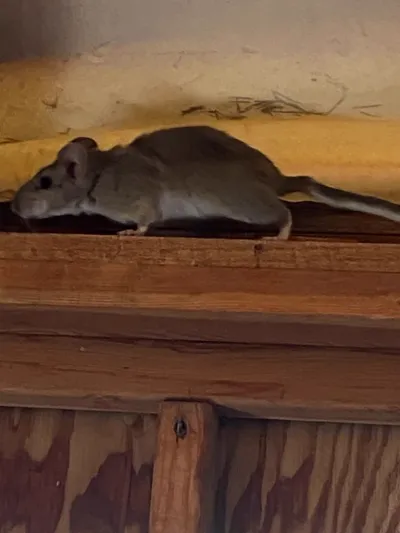
Red squirrels are among the noisiest forest animals. They make loud chattering, screeching, and growling sounds. They also have a sharp “bark” call used to warn intruders and announce their presence. A related species, Pack Rats, shares similar characteristics.
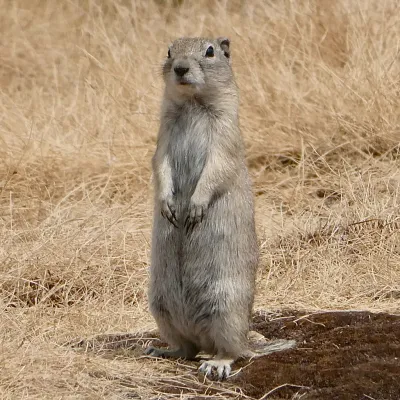
What Red Squirrels Eat A related species, Thirteen-Lined Ground Squirrel, shares similar characteristics.
Red squirrels mostly eat seeds. Conifer seeds make up more than half of their diet. They are experts at getting seeds out of pinecones. You can often find piles of stripped pinecone pieces under trees where they feed.
Red squirrels eat many foods, including:
- Spruce, pine, and fir seeds
- Acorns and hickory nuts
- Maple seeds and buds
- Mushrooms and fungi
- Berries and fruits
- Tree bark and sap
- Bird eggs and baby birds (sometimes)
Red squirrels are known for storing large amounts of food. They create food piles called middens that can contain thousands of pinecones. These food stores build up over many years. A single midden can hold over a bushel of stored food. Red squirrels guard these food stores fiercely all year.
Breeding and Life Cycle
Red squirrels breed once or twice per year, depending on how much food is available. Mating happens in late winter or early spring. A second breeding season may occur in late summer if food is plentiful. Females are pregnant for about 35 days before giving birth to 2 to 7 babies.
Baby red squirrels are born without fur and cannot see. They weigh less than half an ounce at birth. They grow quickly, opening their eyes at about 4 weeks old. They start leaving the nest at 6 to 7 weeks. Young squirrels stop nursing at about 8 weeks. They may stay near their mother for several more weeks before finding their own territory.
In the wild, red squirrels usually live 3 to 5 years. Some have lived over 8 years. Their predators include hawks, owls, martens, fishers, bobcats, foxes, and house cats.
Signs of Red Squirrel Activity
Spotting red squirrel activity early can help prevent property damage. Look for these signs:
- Loud calls: Chattering, scolding, and alarm calls during the day
- Pinecone piles: Heaps of stripped pinecone pieces under trees
- Chew marks: Signs of gnawing on siding, trim, soffits, and tree bark
- Small holes: Entry holes about 1.5 to 2 inches wide in rooflines or soffits
- Food scraps: Nutshells, seed pieces, or mushroom bits near your home
- Daytime sounds: Running or scratching noises in walls or the attic during the day
- Nesting material: Shredded bark, leaves, and moss near possible entry points
Property Damage Concerns
Red squirrels are smaller than gray squirrels, but like other rodents they can still cause serious damage. Their constant need to gnaw and find shelter drives much of this damage.
Structural Damage
Red squirrels have strong teeth that never stop growing. They must gnaw constantly to wear their teeth down. They can chew through:
- Wood siding and trim
- Fascia boards and soffits
- Plastic vent covers
- Weatherstripping and caulk
- Shingles and roofing materials
Electrical Hazards
Like other rodents, red squirrels may chew on electrical wiring. This creates fire hazards. Their small size lets them reach tight spaces where wiring runs, similar to northern flying squirrels and southern flying squirrels that also target attic wiring at night.
Insulation Damage
Red squirrels nesting in attics damage insulation. They compress it and soil it with urine, droppings, and food scraps. When they store food indoors, it can attract insects and other pests.
Garden and Landscape Damage
Red squirrels can hurt trees by stripping bark to get sap. This is common on maple trees in spring. They also empty bird feeders and may damage garden plants.
Wildlife Management Approaches
Red squirrels are classified as wildlife in most states and provinces. Managing them requires different methods than typical pest control. The best strategies focus on keeping them out and making your property less attractive to them.
Keeping Red Squirrels Out
- Seal all entry points with hardware cloth or metal flashing
- Install chimney caps with proper mesh screening
- Cover attic vents with hardware cloth (1/4-inch mesh or smaller)
- Fix damaged soffits, fascia, and roofing right away
- Use metal flashing to protect wooden areas they might chew
Making Your Property Less Attractive
- Trim tree branches at least 8 feet from the roofline
- Remove bird feeders or switch to squirrel-proof designs
- Clean up fallen seeds, nuts, and fruit often
- Remove brush piles near the foundation
- Consider removing trees that touch your home or provide easy roof access
Professional Wildlife Control
If red squirrels have already moved into your home, a professional wildlife control company can help. For general guidance on keeping rodents out, see our tips to keep mice out mice of your home. They use humane methods like live traps and one-way doors that let squirrels out but not back in. This work often requires permits and must follow state and local wildlife laws. Red squirrels are very territorial, so removing one without sealing entry points often just lets another move in.
References
Other Rodents
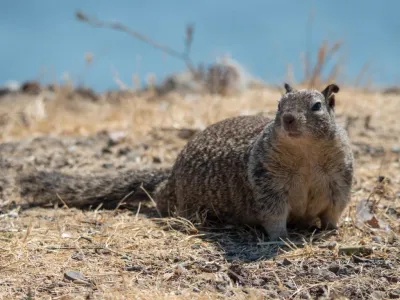
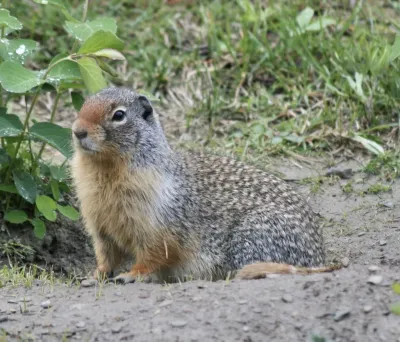
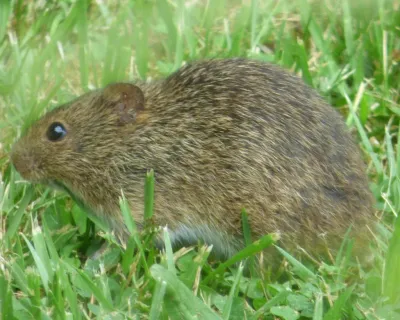
Explore other species in the rodents family
Commonly Confused With
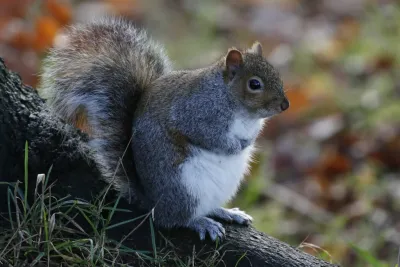
American Red Squirrel are often mistaken for these similar pests
Where American Red Squirrel Are Found
Hover over states to see their names. Green regions indicate where american red squirrel have been reported.
Common Questions about American Red Squirrel
How can I tell a red squirrel from a gray squirrel?
+
Red squirrels are much smaller than gray squirrels. They measure 11 to 14 inches long, while gray squirrels are 16 to 20 inches. Red squirrels have reddish or rust-colored fur on their backs, a white belly, and a white ring around each eye. They also have small ear tufts in winter and are much louder than gray squirrels.
Are red squirrels aggressive?
+
Red squirrels are very territorial. They will chase away other squirrels, birds, and even larger animals from their food stores. They make loud chattering calls and scold anything that comes too close. However, they usually stay away from people.
Do red squirrels cause property damage?
+
Yes, red squirrels can damage homes. They chew on siding, trim boards, and roofing to get inside. Once in, they may chew on wires, damage insulation, and build nests. When they store food indoors, it can draw in bugs and other pests.
What do red squirrels eat?
+
Red squirrels mostly eat seeds from pine and spruce cones. They also eat nuts, acorns, berries, mushrooms, tree bark, sap, and sometimes bird eggs and small birds. They store huge amounts of food in piles called middens.
When are red squirrels most active?
+
Red squirrels are active during the day. They are busiest in the early morning and late afternoon. They do not hibernate and stay active all winter, eating from their stored food supplies.
Where do red squirrels build nests?
+
Red squirrels build nests called dreys in tree branches, usually in pine or spruce trees. They also use holes in trees, old woodpecker holes, and burrows in the ground. When they move into homes, they prefer attics, soffits, and wall spaces.
How do I keep red squirrels out of my attic?
+
To keep red squirrels out, seal entry points with hardware cloth or metal flashing. Trim tree branches at least 8 feet from the roof. Install chimney caps and vent covers. Keep trees from touching your home. If you already have squirrels inside, you will likely need professional wildlife control.

With five years of hands-on experience in the pest control industry, George Schulz is a registered technician with the Virginia Pest Management Association and a proud third-generation professional in a family business that's been protecting homes for over 57 years. He manages and trains a team of service pros while also leading internal research efforts—recently spearheading a deep-dive review of thousands of documents on pest control materials to hand-pick the most kid and pet friendly, most effective solutions tailored specifically for homes in the DC metro area.