Prairie Vole Identification Guide
Microtus ochrogaster
Prairie voles are small, stocky rodents found throughout the central grasslands of North America. Known for their distinctive yellowish belly and elaborate tunnel systems, these voles can cause significant damage to lawns, gardens, and agricultural fields.
Taxonomy
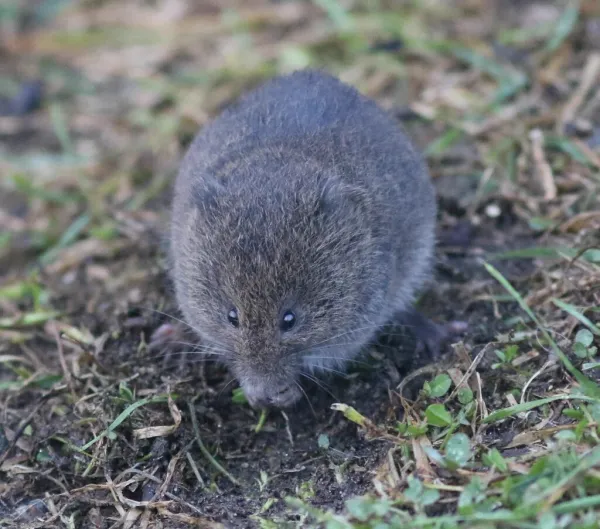
Prairie Vole Coloration
Common color patterns to help identify prairie vole
Prairie Vole
Seasonal Activity
When prairie vole are most active throughout the year

Where Prairie Vole Are Found
Hover over states to see their names. Green regions indicate where prairie vole have been reported.
Prairie Vole Identification Guide
Physical Characteristics
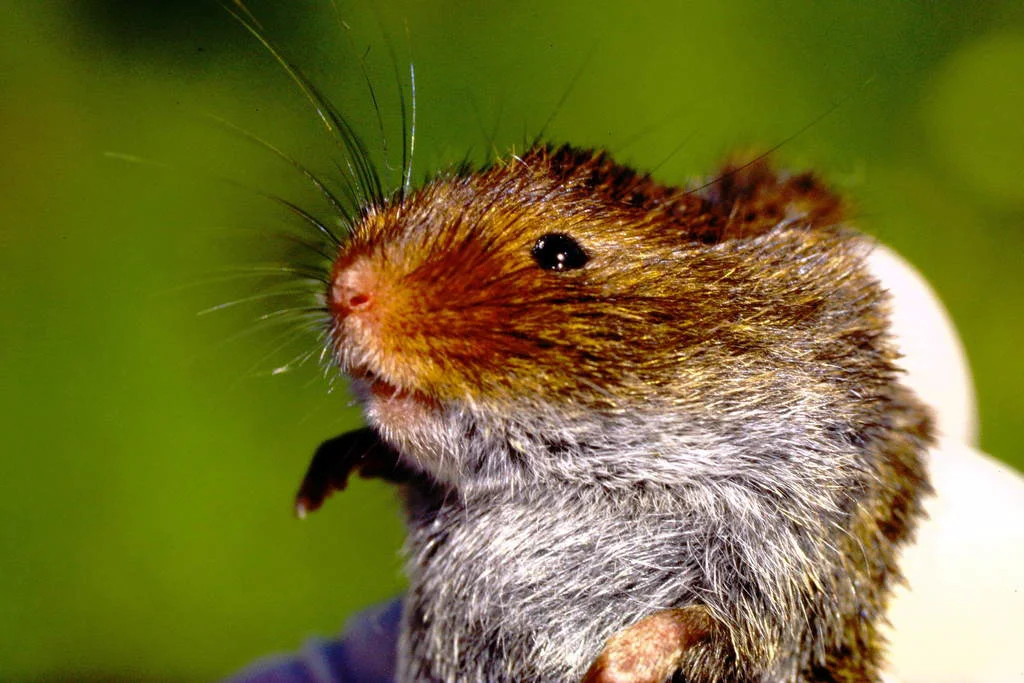
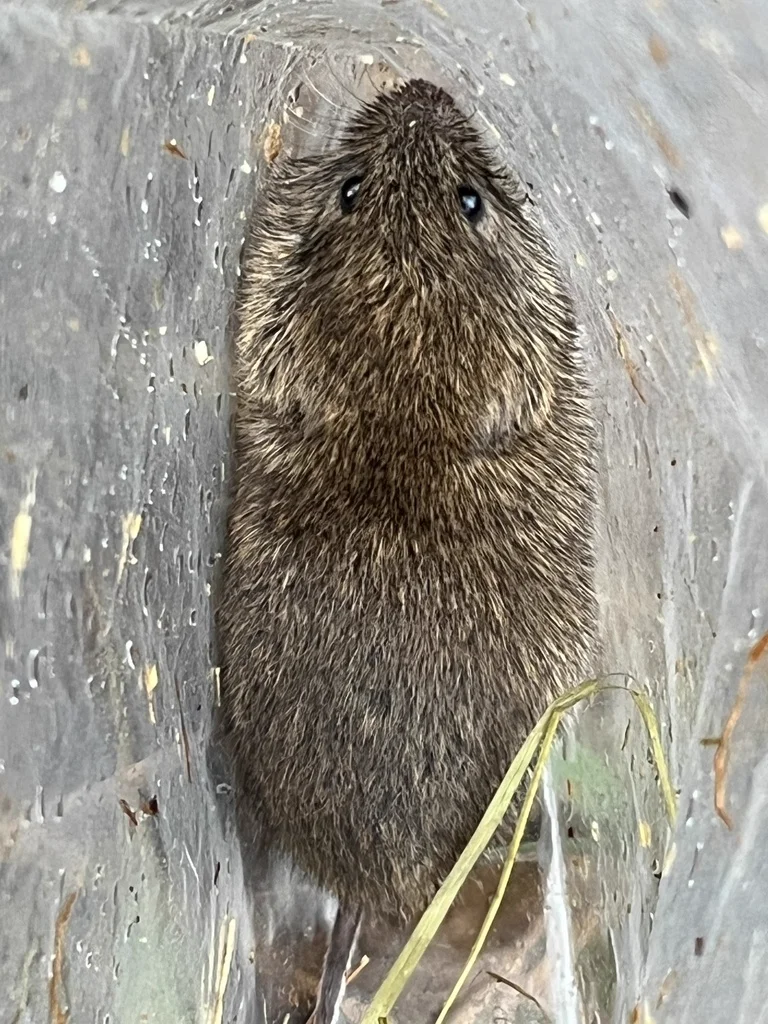
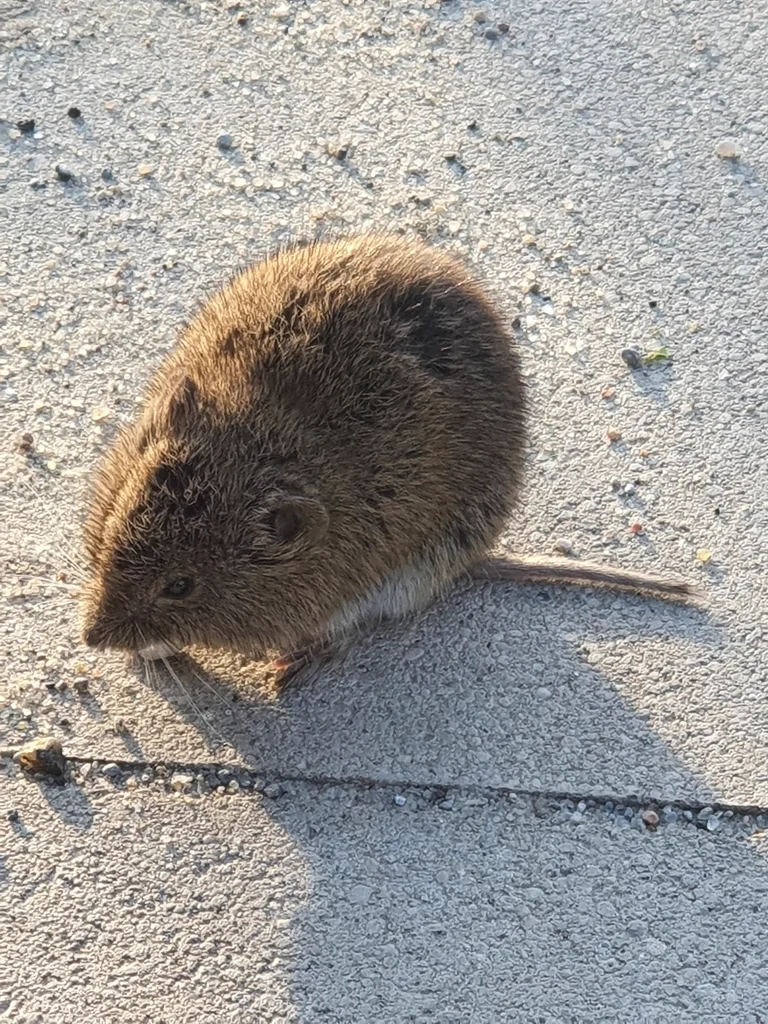
Prairie voles are small, chunky rodents that measure 5 to 7 inches long, including their short tail. Their fur has a mixed “salt-and-pepper” look on top, with dark brown to black hairs tipped with brownish-yellow. The belly is yellowish, golden, or reddish, which helps tell them apart from other vole types.
These voles have short, round ears that are often hidden by fur. They also have small dark eyes and a blunt nose. Their tail is short, only about one-third of their body length (1 to 2 inches). The tail is darker on top and lighter underneath. Adult prairie voles weigh between 1 and 2.5 ounces.
Common Vole Species in North America
The prairie vole (Microtus ochrogaster) is one of several vole species in North America:
- Prairie Vole (Microtus ochrogaster). Has a yellowish belly and likes dry grasslands.
- Meadow Vole (Microtus pennsylvanicus). Similar but prefers wetter areas with taller plants.
- Pine Vole (Microtus pinetorum). Smaller with reddish-brown fur. Lives mostly underground.
- Woodland Vole (Microtus pinetorum). Lives in forests with large underground tunnel systems.
Prairie Vole Behavior and Biology
Habitat and Distribution
Prairie voles live in the central grasslands of North America. Their range goes from northeastern New Mexico to northern Alabama and western West Virginia. They also extend northwest into central Alberta, Canada. You can find them in prairies, pastures, empty fields, weedy roadsides, and sometimes farm fields with alfalfa or soybeans.
When meadow voles live in the same area, prairie voles usually take the drier spots with shorter plants. They like places with thick ground cover, which gives them protection and plenty of food.
Social Structure and Behavior
Prairie voles are unusual because they form lifelong mating pairs. This is rare in rodents. Scientists have studied them to learn how animals form social bonds.
These voles live in three main ways: as mated pairs, as single females, or in groups. Pairing happens more often in warmer months. Both parents help raise their young. The voles talk to each other using chirps and whistles. A related species, Pack Rats, shares similar characteristics.
Prairie voles are most active at dawn and dusk. In winter, they move around more during the day. In summer, they are more active at night. They build runway systems both above and below ground to connect their burrows and feeding spots.
Reproduction and Life Cycle
Prairie voles breed all year, except in very bad weather. Most breeding happens from May through October. Females are pregnant for about 21 days. They give birth to 3-4 hairless babies in grass-lined nests inside their burrows.
Baby voles grow quickly:
- Day 5: They start crawling
- Day 12: They begin eating solid food
- Weeks 2-3: They stop nursing
- Day 24: They shed their first coat
- Days 30-40: Females can breed
- Days 35-45: Males can breed
Prairie vole numbers go up and down in 2-4 year cycles. In the wild, most voles live less than one year. Voles in captivity can live up to 3 years.
Diet
Prairie voles mostly eat plants. They like the soft parts of grasses near the ground, tubers, roots, and seeds. They eat bluegrasses, clovers, dandelions, goldenrods, alfalfa, and mosses. They store food underground to eat later. This is important in winter when they also chew on tree bark. When they can find them, they also eat insects.
Signs of Prairie Vole Activity
Here are the main signs that prairie voles are in your yard:
- Surface Runways: Narrow paths (1-2 inches wide) through grass that connect burrow holes
- Burrow Entrances: Small holes about 1.5 inches wide, usually at the base of plants
- Grass Clippings: Small piles of cut grass stems near the runways
- Gnaw Marks: Chewed plant stems, roots, and bark close to the ground
- Droppings: Small, greenish-brown pellets along the runways
- Girdled Trees: Bark stripped from the base of young trees and shrubs, mostly in winter
Prairie vole surface runways are different from the raised ridges left by moles, which tunnel underground to hunt for grubs and earthworms rather than feeding on plants.
Control Methods for Prairie Voles
Good vole control uses several methods together. These include changing the habitat, keeping voles out, and reducing the population.
Habitat Changes
Making your yard less appealing to voles can help keep them away:
- Mow Often: Keep grass short so voles have less cover
- Clear Ground Cover: Remove mulch, leaf litter, and thick plants from around trees and gardens
- Remove Food Sources: Pick up fallen fruit and protect garden vegetables
- Till the Soil: This breaks up tunnel systems and destroys nests
Keeping Voles Out
You can protect plants and areas from vole damage:
- Wire Guards: Put 1/4-inch mesh cylinders around tree trunks, buried 6 inches deep
- Gravel Barriers: Make 3-inch gravel trenches around garden beds to stop tunneling
- Raised Beds: Put hardware cloth under raised garden beds to block burrowing
Reducing the Population
When habitat changes are not enough, other control methods may help:
- Trapping: Snap traps or live traps placed across runways can lower vole numbers
- Rodent Baits: Commercial vole baits in tamper-proof stations along active runways
- Wildlife Management: Some property owners create habitat for hawks, owls, snakes, and foxes, which prey on voles
Prevention Tips
To keep voles away long-term:
- Keep a bare zone of 3-4 feet around buildings and plants you want to protect
- Remove brush piles and debris that give voles shelter
- Watch for early signs of voles, especially in fall when they look for winter shelter. Our mouse vs vole guide can help you confirm what you are seeing. If damage is occurring underground, you may have pine voles instead
- Put protective guards on young trees before winter
References
Other Rodents
Explore other species in the rodents family

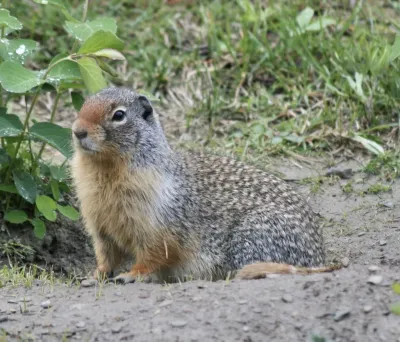
Commonly Confused With
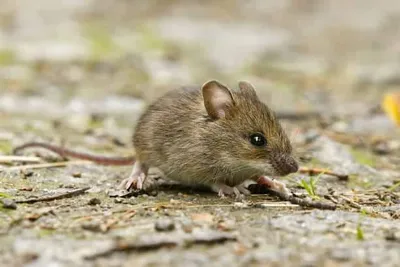
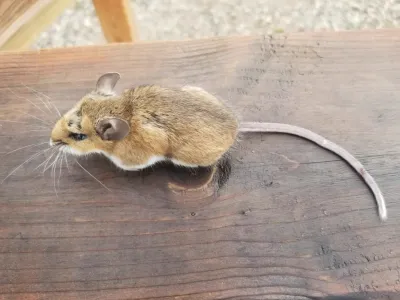
Prairie Vole are often mistaken for these similar pests
Where Prairie Vole Are Found
Hover over states to see their names. Green regions indicate where prairie vole have been reported.
Common Questions about Prairie Vole
How can I tell if I have prairie voles in my yard?
+
Look for surface runways (1-2 inch wide paths through grass), small burrow entrances, and irregular patches of dead grass. Unlike moles, voles create visible trails above ground and their damage appears as chewed vegetation rather than raised tunnels.
What is the difference between a prairie vole and a mouse?
+
Prairie voles have shorter tails, smaller ears hidden by fur, chunky bodies, and a yellow belly. Mice have longer tails, bigger ears that stick out, and skinnier bodies.
Do prairie voles carry diseases?
+
Yes, prairie voles can carry diseases like hantavirus and tularemia. They may also have fleas and ticks that spread other illnesses. Do not touch voles or their droppings.
What do prairie voles eat?
+
Prairie voles mostly eat plants like grasses, seeds, roots, and bulbs. In winter, they also chew on tree bark. They sometimes eat insects too.
How fast do prairie voles reproduce?
+
Prairie voles breed year-round when conditions are good. Females have 3-4 babies per litter after about 3 weeks of pregnancy. Young voles can breed at just 30-45 days old, so populations can grow fast.
Are prairie voles active during the day or night?
+
Prairie voles are most active at dawn and dusk. You may see them at any time though. In winter, they move around more during the day. In summer, they are more active at night.

With five years of hands-on experience in the pest control industry, George Schulz is a registered technician with the Virginia Pest Management Association and a proud third-generation professional in a family business that's been protecting homes for over 57 years. He manages and trains a team of service pros while also leading internal research efforts—recently spearheading a deep-dive review of thousands of documents on pest control materials to hand-pick the most kid and pet friendly, most effective solutions tailored specifically for homes in the DC metro area.