Plains Pocket Gopher Identification Guide
Geomys bursarius
Plains pocket gophers are burrowing rodents that create extensive tunnel systems underground. Known for their distinctive fan-shaped soil mounds, these solitary animals can cause significant damage to lawns, gardens, and agricultural areas across the central United States.
Taxonomy
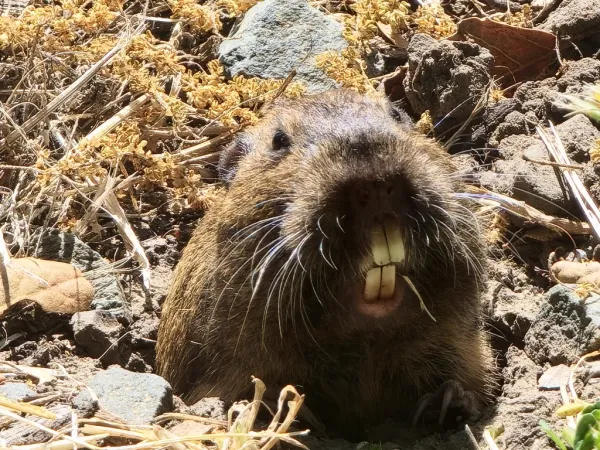
Plains Pocket Gopher Coloration
Common color patterns to help identify plains pocket gopher
Plains Pocket Gopher
Seasonal Activity
When plains pocket gopher are most active throughout the year

Where Plains Pocket Gopher Are Found
Hover over states to see their names. Green regions indicate where plains pocket gopher have been reported.
Plains Pocket Gopher Identification Guide
Physical Characteristics
Plains pocket gophers are rodents that live almost all of their lives underground. Adults measure 7 to 14 inches long, including their short tail. They weigh 4 to 16 ounces. Males are larger than females.
Their most obvious feature is their large, orange-yellow front teeth. These teeth are always showing, even when the mouth is closed. The lips close behind the teeth, not in front. This lets gophers dig with their teeth without getting dirt in their mouths. Their front claws are long and strong for digging.
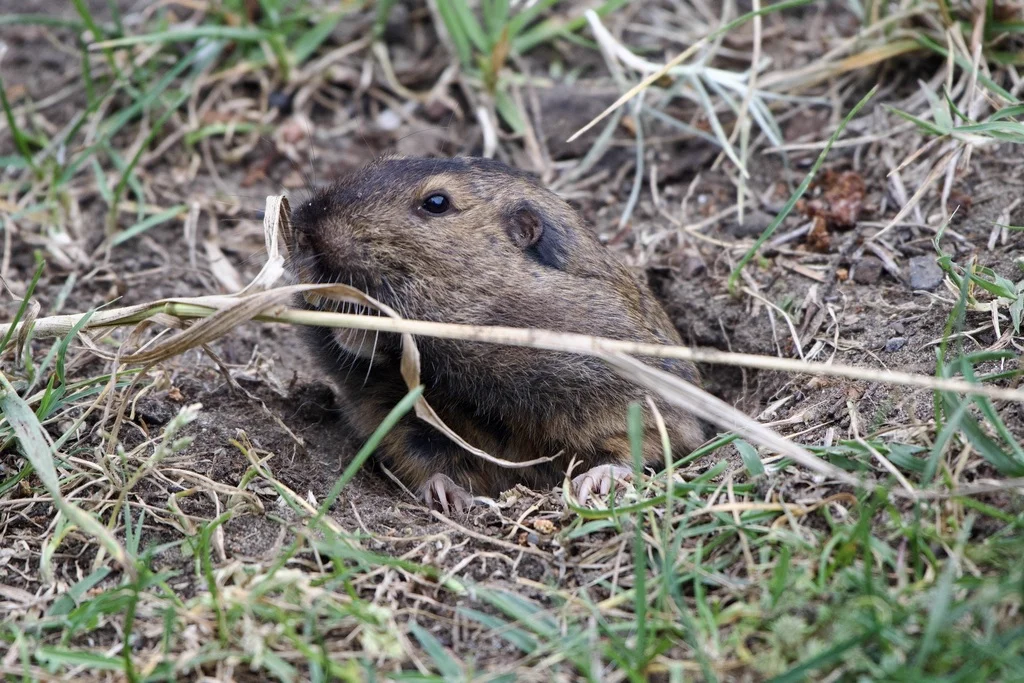
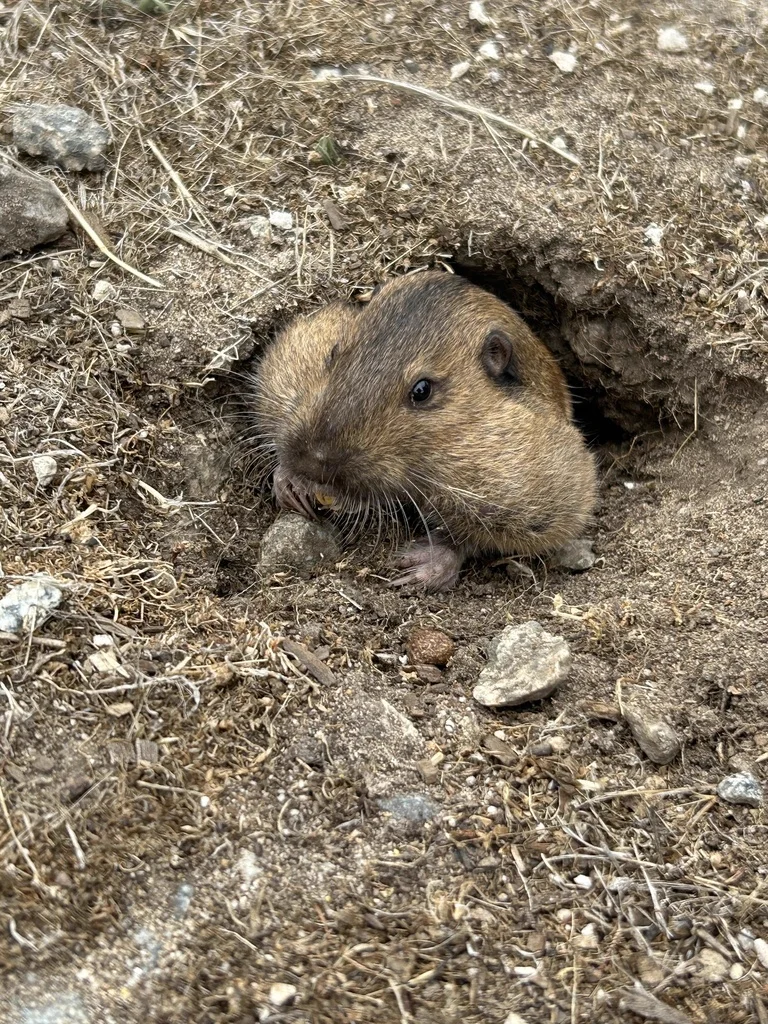
Pocket gophers have small eyes and ears. They do not need good vision or hearing since they live underground. Their fur is brown to tan and often matches the local soil color. They have fur-lined pouches on each side of their face. These pouches give them their name.
Common Species
The plains pocket gopher (Geomys bursarius) is the most common species in the central United States. Several types exist across its range:
- Geomys bursarius major: Found in the northern Great Plains from Nebraska to Manitoba
- Geomys bursarius bursarius: Found in Texas and Oklahoma
- Geomys bursarius illinoensis: Found in Illinois and Indiana
Other pocket gopher species in North America include the Botta’s pocket gopher (Thomomys bottae) in the western states. The southeastern pocket gopher (Geomys pinetis) lives in the Southeast.
Plains Pocket Gopher Behavior and Biology
Underground Lifestyle
Plains pocket gophers live almost all of their lives below ground. A single gopher digs a tunnel system that can stretch hundreds of feet. The tunnels have multiple levels. Main tunnels run 4 to 12 inches below the surface. Deeper chambers are used for nesting and storing food.
Gophers dig by loosening soil with their front teeth and claws. They push the soil backward with their hind feet and body. When enough dirt piles up, they turn around and push it to the surface. This creates the mounds you see in yards. One gopher may create one to three mounds per day.
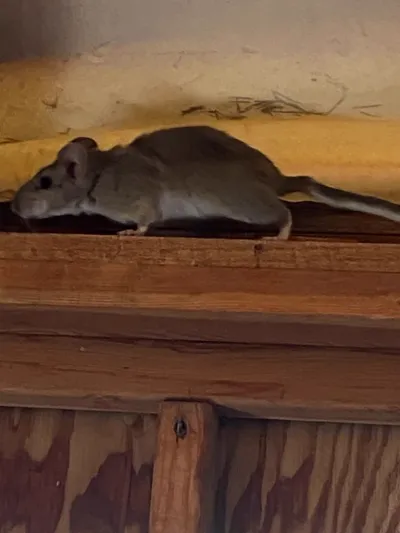
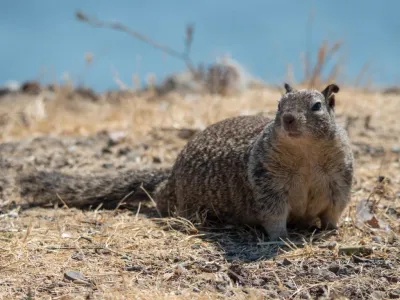
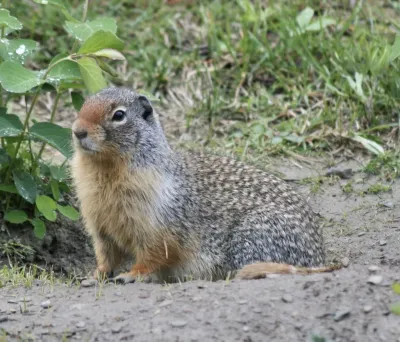
Solitary Nature A related species, Pack Rats, shares similar characteristics.
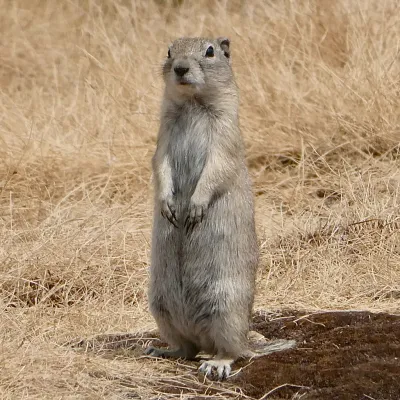
Pocket gophers live alone except during mating season. They defend their tunnels against other gophers. When two gophers meet, they often fight. These fights can be fatal. Males only enter female tunnels during the spring breeding season. A related species, Thirteen-Lined Ground Squirrel, shares similar characteristics.
Reproduction A related species, Mice, shares similar characteristics.
Females have one to two litters per year, usually in spring. Each litter has three to four young on average. It can range from one to eight. Young gophers stay with their mother for about five weeks. Then they leave to dig their own tunnels. They can reproduce at about one year of age.
Diet and Feeding
Pocket gophers eat only plants. They mostly eat roots and tubers they find while digging. They also pull whole plants down into their tunnels from below. In warm months, they may come out briefly to cut plants near their burrow openings. They carry food back underground in their cheek pouches.
Signs of Pocket Gopher Activity
Spotting pocket gopher damage is easy once you know what to look for:
-
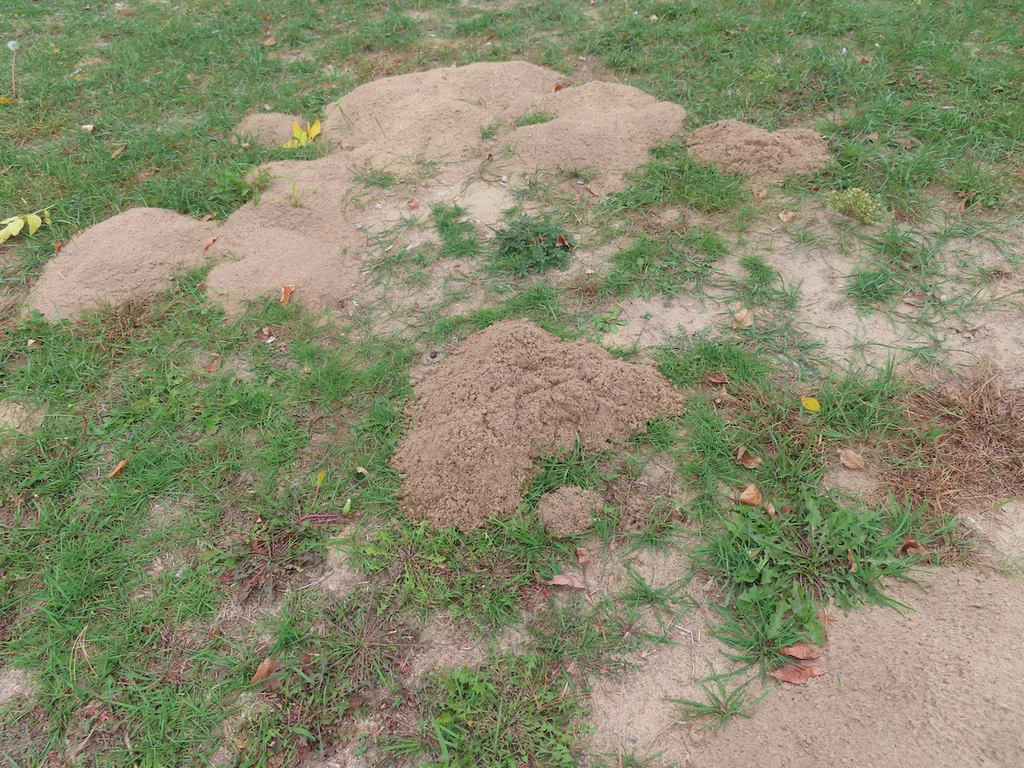
Fan-shaped mounds: Fresh soil pushed to the surface forms crescent or fan-shaped mounds. They are usually 12 to 18 inches across. A soil plug marks where the tunnel meets the surface.
-
Plugged tunnel openings: Gophers seal their tunnel entrances with soil plugs. This keeps the tunnels at the right temperature and humidity. It also keeps predators out.
-
Dying or missing plants: Plants may wilt or vanish as gophers eat the roots. Sometimes whole plants get pulled underground.
-
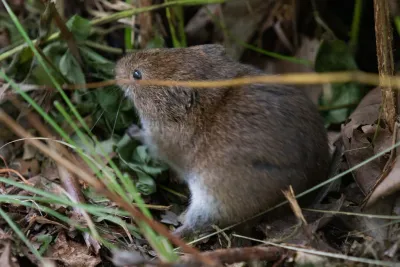
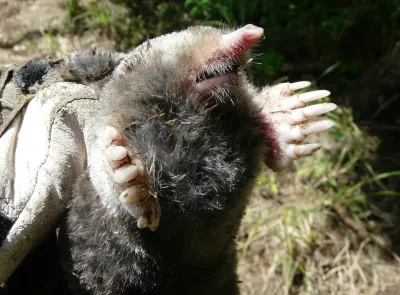
Surface ridges: Shallow feeding tunnels can create visible ridges across lawns. Moles cause this more often than gophers. Surface runways through grass are more likely from meadow voles than gophers.
-
Damaged pipes and cables: Gophers chew through plastic pipes and underground cables they find while digging. This chewing behavior is common among rodents, from house mice gnawing wires indoors to gophers destroying underground infrastructure.
Treatment Methods for Pocket Gophers
Gophers spend almost no time above ground. This makes control challenging. Several methods can work:
Trapping
Trapping is one of the most reliable methods. Box traps or pincer-style traps go directly in the main tunnel. Finding the main tunnel is key. Gophers avoid blocked side tunnels. Pest control experts probe the soil near fresh mounds to find the main runway.
Exclusion
Underground wire barriers can protect gardens and specific areas. The barrier must go at least 2 feet deep. It should also extend 6 inches above ground. Raised beds with wire mesh bottoms work well too.
Habitat Changes
Reducing water and removing plants gophers like can help. These changes make your yard less appealing. Packed soil or gravel fill makes digging harder.
Fumigation
Fumigants can be put into the tunnel system. This can reach gophers through their whole burrow. Gophers can detect changes in air quality quickly. They may seal off tunnels to escape. Fumigation works best when done by trained professionals.
Baiting
Bait placed in main tunnels can control gophers. It must be used carefully to protect other animals. Placing bait deep in active tunnels is important for success.
Ecological Role
Pocket gophers cause problems in yards and gardens. But they play useful roles in wild areas. Their digging loosens soil and mixes nutrients into deeper layers. It also helps water soak into the ground. Old burrows give shelter to snakes, toads, and bugs. Hawks, owls, coyotes, and snakes eat gophers as prey.
References
Other Rodents
Explore other species in the rodents family
Commonly Confused With
Plains Pocket Gopher are often mistaken for these similar pests
Where Plains Pocket Gopher Are Found
Hover over states to see their names. Green regions indicate where plains pocket gopher have been reported.
Common Questions about Plains Pocket Gopher
How do I know if I have pocket gophers in my yard?
+
The most obvious sign is fan-shaped or crescent-shaped mounds of fresh soil, typically 12-18 inches in diameter. Unlike mole hills which are cone-shaped, gopher mounds are flat with a visible plug on one side where the tunnel was sealed. You may also notice damaged plants that seem to be pulled down from below.
What do pocket gophers eat?
+
Pocket gophers are herbivores that primarily eat plant roots, tubers, and bulbs they encounter while tunneling. They also pull entire plants down into their tunnels from below. They favor alfalfa, dandelions, carrots, potatoes, and the roots of trees and shrubs.
Why are they called pocket gophers?
+
They have external fur-lined cheek pouches, or pockets, on either side of their face. These pouches are used to carry food back to their underground storage chambers. The pouches can be turned inside out for cleaning.
Are pocket gophers the same as groundhogs?
+
No, they are different animals. Groundhogs (woodchucks) are much larger, weighing 5-14 pounds, and belong to the squirrel family. Pocket gophers are smaller, typically under 1 pound, and belong to the family Geomyidae. Groundhogs are often seen above ground while pocket gophers rarely emerge.
Do pocket gophers hibernate?
+
No, pocket gophers remain active year-round. They do not hibernate but may dig deeper tunnels during winter to stay below the frost line. Their activity is often less visible in winter as they push soil into snow-filled tunnels rather than creating surface mounds.
How much damage can one pocket gopher cause?
+
A single pocket gopher can create 200-300 soil mounds per year and dig tunnels covering up to 2,000 square feet. They can damage irrigation lines, underground cables, and structural foundations. Their tunneling can also cause soil erosion and redirect water flow.
What attracts pocket gophers to my property?
+
Pocket gophers are attracted to areas with loose, well-drained soil that is easy to dig. Properties with gardens, lawns, or agricultural crops provide abundant food sources. Irrigated landscapes are particularly appealing because the soil stays soft and plant roots are plentiful.

With five years of hands-on experience in the pest control industry, George Schulz is a registered technician with the Virginia Pest Management Association and a proud third-generation professional in a family business that's been protecting homes for over 57 years. He manages and trains a team of service pros while also leading internal research efforts—recently spearheading a deep-dive review of thousands of documents on pest control materials to hand-pick the most kid and pet friendly, most effective solutions tailored specifically for homes in the DC metro area.