Pine Vole Identification Guide
Microtus pinetorum
The pine vole, also known as the woodland vole, is a small, fossorial rodent found throughout eastern North America. Adapted for underground living, pine voles primarily damage plants from below the soil surface, making them a significant concern for orchards, gardens, and landscaping.
Taxonomy
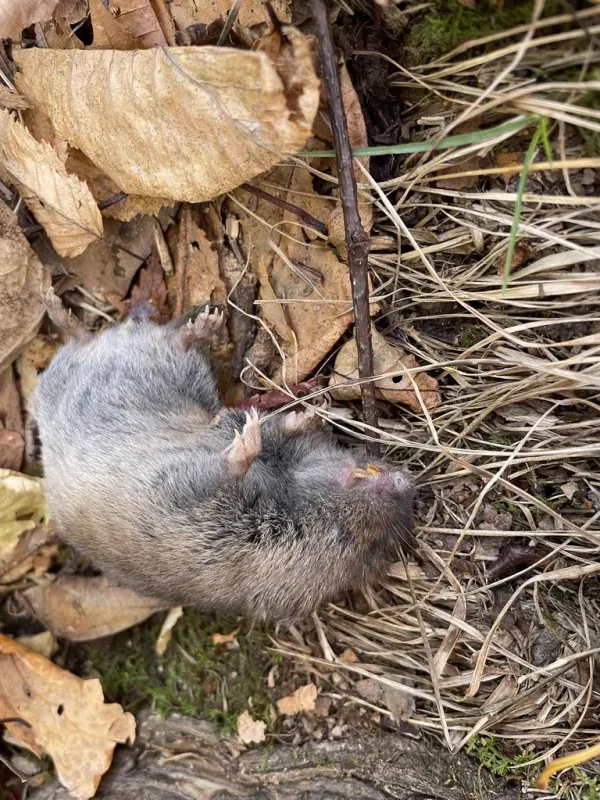
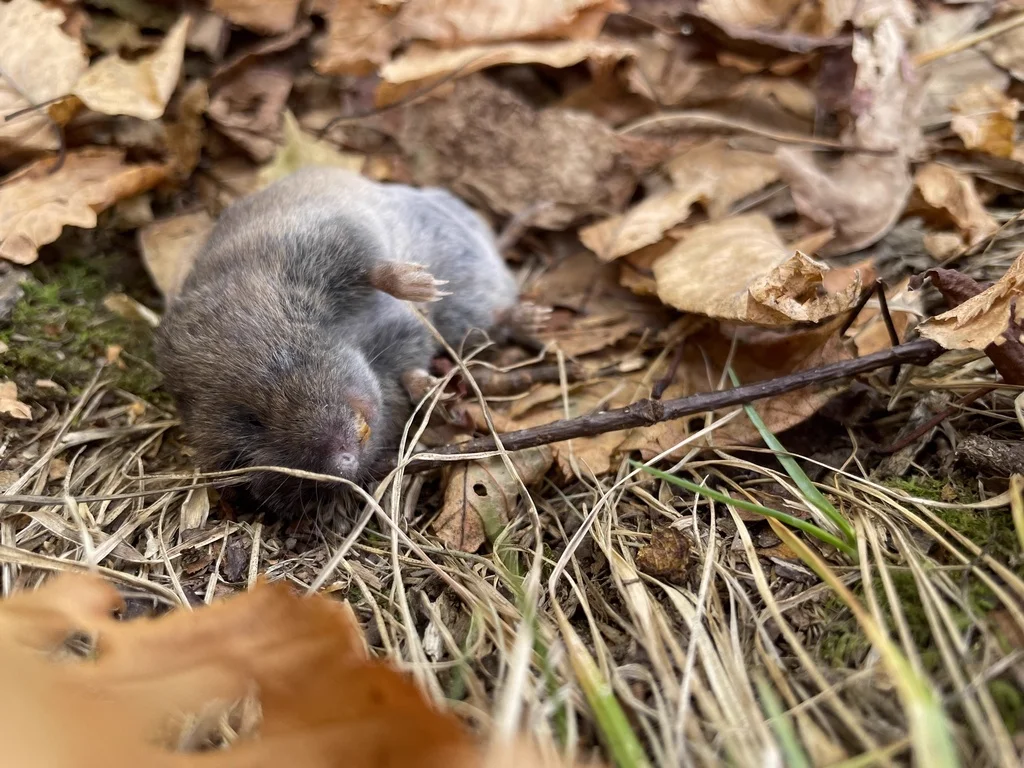
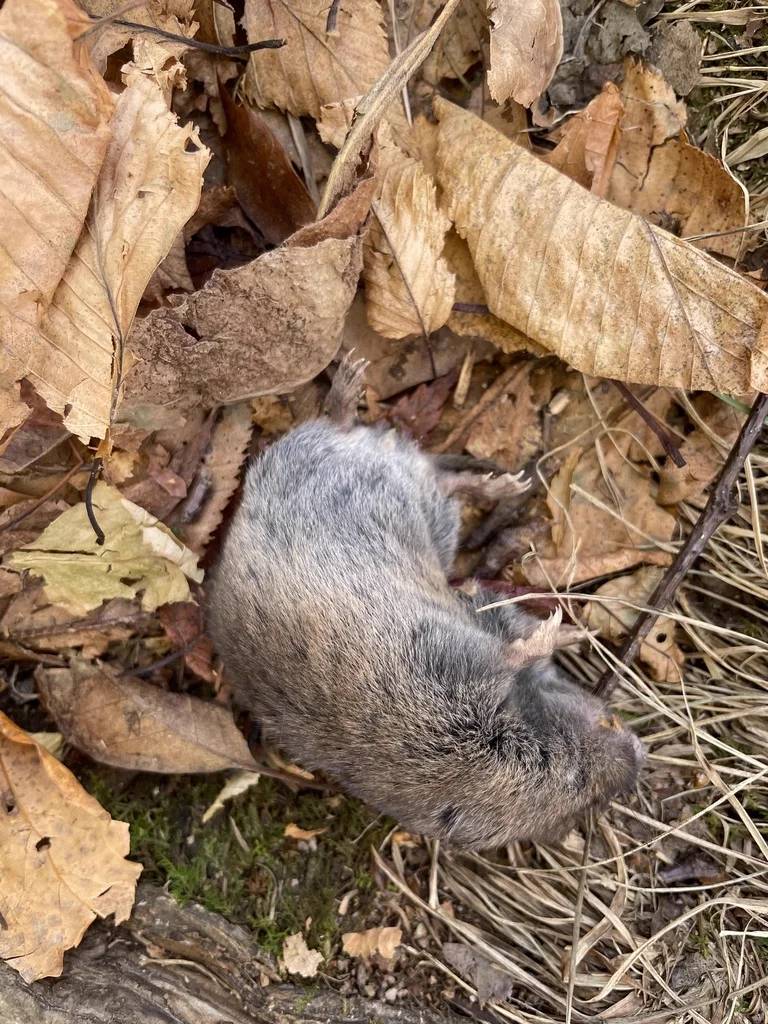
Pine Vole Coloration
Common color patterns to help identify pine vole
Pine Vole
Seasonal Activity
When pine vole are most active throughout the year

Where Pine Vole Are Found
Hover over states to see their names. Green regions indicate where pine vole have been reported.
Pine Vole Identification Guide
Physical Characteristics
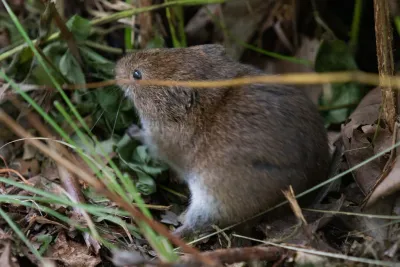
The pine vole (Microtus pinetorum), also called the woodland vole, is a small rodent built for life underground. Adults measure 3.25 to 4.75 inches in body length. Their tails are very short, only 0.5 to 1.5 inches long. They weigh between 0.5 to 1.3 ounces (14-37 grams).
Key identification features include:
- Short tail making up less than 20% of body length
- Soft, dense auburn fur on the back, ranging from chestnut to reddish-brown
- Silvery or whitish belly
- Small ears almost buried in the fur
- Small, sunken eyes
- Slim, tube-shaped body for moving through tunnels
- Strong feet with large front claws for digging
- Smooth coat without the long guard hairs found in other voles
The fur is softer and finer than that of the meadow vole. Pine voles also lack the yellowish tint sometimes seen in meadow vole coats.
Distinguishing Pine Voles from Similar Rodents
Pine voles can be confused with other small rodents. Here are the key differences:
Pine Vole vs. Meadow Vole: Meadow voles are larger (5-7 inches total) with longer tails and coarser fur. They create visible surface runways and damage plants above ground. Pine voles have softer fur, shorter tails, and damage plants from below ground.
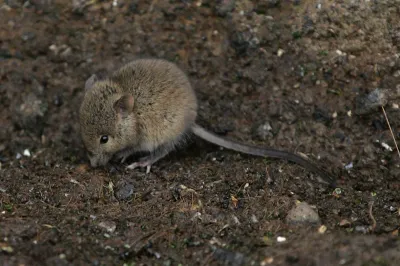
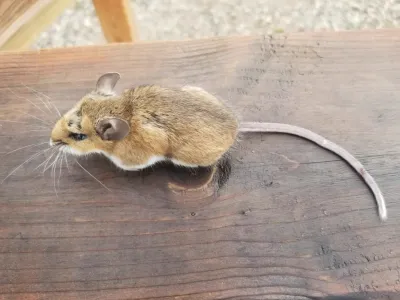
Pine Vole vs. House Mouse: House mice have pointed snouts, large ears, and long scaly tails. They are gray or brown and prefer living indoors. Pine voles have blunt snouts, hidden ears, and very short furry tails.
Pine Vole vs. Mole: Moles are not rodents. They have long snouts, tiny eyes, and large paddle-shaped front feet for digging. Moles eat insects and worms, while pine voles eat plants. Mole tunnels create raised ridges. Pine vole tunnels are too shallow to see from above.
Pine Vole Behavior and Biology
Habitat Preferences
Pine voles live across the eastern United States. Their range extends from New England south to Florida and west to Nebraska, Kansas, Oklahoma, and Texas. Small populations also exist in southeastern Ontario and southwestern Quebec in Canada.
Despite their name, pine voles do not prefer pine forests. They favor deciduous forests and areas with:
- Thick leaf litter and ground cover
- Moist, loose, friable soils ideal for burrowing
- Orchards and vineyards
- Gardens and landscaped areas
- Old fallen logs and dense vegetation
- Heavy mulch beds
They thrive in beech-maple forests where soil supports their tunnel systems. Pine voles prefer loam, peat moss, or gravelly soils but avoid very dry conditions.
Burrowing and Tunnel Systems
Pine voles spend most of their time underground. They build and live in complex tunnel networks.
Pine vole tunnel characteristics:
- Usually 1 to 3 inches deep in the soil
- Approximately 1 to 1.5 inches wide
- Shallower near the tree drip line, deeper toward trunks
- Connect feeding areas, nesting chambers, and food caches
- Extend from tree bases outward to the drip line in orchards
Unlike meadow voles that travel on the surface, pine voles rarely go above ground. Their tunnels protect them from predators and give them access to plant roots and bark.
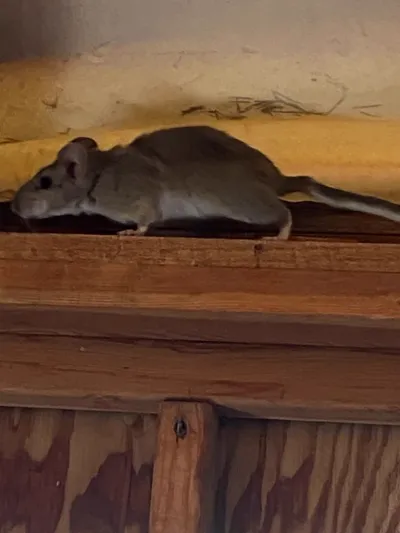
Activity Patterns A related species, Pack Rats, shares similar characteristics.
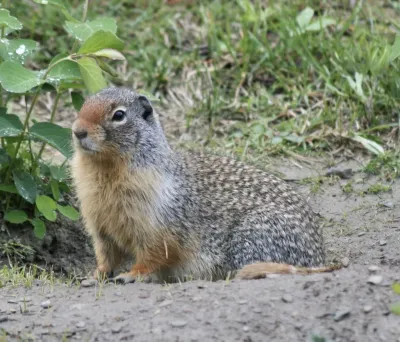
Pine voles are active year-round and do not hibernate. They stay busy in their tunnels through all seasons. They are active both day and night. A related species, Thirteen-Lined Ground Squirrel, shares similar characteristics.
During winter, pine voles keep feeding underground. When snow covers the ground, they may travel on the surface under the snow where predators cannot see them. This winter activity can lead to bark damage on the lower parts of trees.
Diet and Feeding
Pine voles are herbivores with a diet focused on underground plant parts:
- Roots and tubers
- Bark from the base of trees and shrubs
- Bulbs
- Seeds and fallen fruits
- Subterranean fungi
- Grasses and forbs (seasonal)
- Insects (occasionally)
Because roots and tubers contain water, pine voles rarely need to drink.
Their diet changes with the seasons. In summer, they eat more grasses and green plants. In fall, fruits and seeds become important. In winter, they rely on roots, bark, and stored food.
Food Caching
Pine voles store food in their tunnels, especially for winter. They keep seeds, tubers, and other plant materials near their nests. This hoarding helps them survive when fresh food is hard to find.
Reproduction
Pine voles breed more slowly than meadow voles:
- Breeding season: February through November
- Litters per year: 1-4 (usually 2-3)
- Pups per litter: 2-4 on average
- Pregnancy length: About 21 days
- Maturity: Several weeks of age
Males and females look nearly the same. Pine vole numbers stay fairly stable, unlike the boom-and-bust cycles of meadow voles.
Social Behavior
Pine voles are somewhat social for rodents. Adults keep small home ranges that overlap with other voles. In forests, there are usually 15-25 voles per hectare (about 6-10 per acre).
They communicate through chattering and chirping sounds, usually when alarmed or fighting. Scent marking also helps them communicate.
Signs of Pine Vole Activity
Pine voles live underground, so finding them can be hard. Look for these signs:
Declining Plant Health
Trees or shrubs that grow slowly, look off-color, or seem unhealthy without clear reasons may have root damage from pine voles.
Spongy Soil
The soil near tree bases may feel soft or spongy due to underlying tunnel networks.
Burrow Openings
Small holes approximately 1 to 1.5 inches in diameter near the base of trees or in mulched areas. These openings are smaller and less numerous than meadow vole holes.
Root and Bark Damage
When soil is pulled back from tree trunks, damage may be visible on roots and the bark below the soil line. Look for gnaw marks and girdled areas.
Small Droppings
Pine vole droppings are small and dark, typically found near burrow openings or within tunnel systems.
Damage Caused by Pine Voles
Pine voles cause major damage, especially in orchards:
Orchard Damage
Pine voles cost apple growers about $50 million per year in the United States. They chew through roots and bark on the lower trunks of fruit trees underground. Trees often die before the damage is found. Orchards with heavy ground cover or mulch have the worst problems.
Landscape Plants
Ornamental trees and shrubs suffer similar damage. Young, newly planted trees are at the highest risk. By the time plants look sick, root damage is often already severe.
Gardens
Pine voles eat root vegetables, bulbs, and tubers directly. They also damage other plants at the root level, causing plants to decline for no clear reason.
Lawn Damage
While less visible than meadow vole damage, pine voles can create small patches of dead grass where their tunnels have damaged root systems.
Control Methods for Pine Voles
Good pine vole control means targeting their underground lifestyle:
Habitat Modification
Removing conditions that pine voles like is the first step:
- Remove mulch from within 3 feet of tree trunks
- Maintain vegetation-free zones around orchard trees
- Clear heavy leaf litter from around valuable plants
- Reduce ground cover plantings near trees and shrubs
- Mow regularly to reduce cover that connects to tunneled areas
Exclusion
Physical barriers can protect individual plants:
- Hardware cloth cylinders (1/4-inch mesh or smaller) around tree trunks, buried 6 inches deep
- Tree guards that go below ground level
- Hardware cloth bottoms on raised garden beds
Trapping
Snap traps can reduce local populations:
- Use standard mouse-sized snap traps
- Locate active tunnels and place traps within them, perpendicular to the tunnel
- Bait with peanut butter, oatmeal mixture, or apple slices
- Cover traps with a bent shingle or box to exclude non-target animals
- Check traps regularly
Trapping works for small areas but takes too much time for large orchards.
Rodenticides
For bad infestations, rodenticides like chlorophacinone or diphacinone (Ramik Green) can be used following label directions. These products go in active tunnels where pine voles will find them. Professional application helps place baits correctly and protects other animals.
Prevention Tips
Reduce conditions that attract pine voles to your property:
- Limit mulch depth to 2-3 inches and keep it away from tree trunks
- Remove fallen fruit and debris from orchard floors
- Install tree guards on young trees at planting time
- Maintain clear zones around the base of valuable trees
- Monitor regularly for early signs of tunnel activity or plant decline
- Avoid overwatering that keeps soil consistently moist
Finding problems early gives the best results. Pine vole damage is often severe by the time you notice it. For help telling voles from other small rodents, read our mouse vs vole comparison guide. Other vole species include prairie voles, which prefer drier grasslands.
References
- Microtus pinetorum - Animal Diversity Web
- Woodland Vole - Wikipedia
- Common Pine Vole - Virginia DWR
- Voles - Penn State Extension
- Orchard Wildlife - Integrated Management of Voles in Orchards - Penn State Extension
- How to Manage Vole Damage - University of Minnesota Extension
- Woodland Vole COSEWIC Assessment - Canada.ca
Other Rodents
Explore other species in the rodents family

Commonly Confused With
Pine Vole are often mistaken for these similar pests
Where Pine Vole Are Found
Hover over states to see their names. Green regions indicate where pine vole have been reported.
Common Questions about Pine Vole
What is the difference between a pine vole and a meadow vole?
+
Pine voles are smaller than meadow voles and have shorter tails (less than 1 inch versus 1.5-2.5 inches). Pine voles have softer, auburn-colored fur and spend most of their time underground, while meadow voles have coarser brown fur and create visible surface runways through grass. Pine vole damage occurs below ground to roots, while meadow voles damage stems and bark above ground.
What damage do pine voles cause?
+
Pine voles primarily damage plants from underground by gnawing on roots and girdling the bark at the base of trees below the soil line. This damage is often not discovered until trees begin to look sickly, grow slowly, or die. They are especially destructive in orchards, causing an estimated $50 million in annual losses to apple growers.
Where do pine voles live?
+
Pine voles live in deciduous forests, orchards, and areas with thick leaf litter and loose, moist soil. Despite their name, they are not particularly associated with pine forests. They spend most of their time in shallow underground tunnel systems, typically 1-3 inches deep, rarely venturing to the surface.
How do I know if I have pine voles?
+
Pine vole presence can be difficult to detect since they live underground. Signs include trees that appear unhealthy or grow poorly without obvious cause, spongy soil near tree bases from tunnel systems, small (1-1.5 inch) burrow openings near trees, and eventually visible root and bark damage when soil is pulled back from tree trunks.
Are pine voles active year-round?
+
Yes, pine voles are active throughout the year. They do not hibernate. During winter, they continue tunneling and feeding underground. In snowy conditions, they may also travel above ground under the snow cover where they are protected from predators.
Do pine voles come inside homes?
+
Pine voles very rarely enter homes. They are highly adapted to underground living and strongly prefer outdoor habitats with deep leaf litter and loose soil. House mice are much more likely to be found indoors.
How fast do pine voles reproduce?
+
Pine voles have moderate reproduction rates compared to other voles. Females can have 1-4 litters per year with 2-4 pups per litter. They breed from February through November. Pine vole populations are relatively stable compared to the dramatic boom-and-bust cycles seen in meadow voles.
What attracts pine voles to my yard?
+
Pine voles are attracted to areas with thick leaf litter, mulch, and loose, moist soil that supports their tunneling lifestyle. Fruit trees, ornamental plantings, gardens with root vegetables, and heavy mulch beds near plants all draw pine voles to a property.

With five years of hands-on experience in the pest control industry, George Schulz is a registered technician with the Virginia Pest Management Association and a proud third-generation professional in a family business that's been protecting homes for over 57 years. He manages and trains a team of service pros while also leading internal research efforts—recently spearheading a deep-dive review of thousands of documents on pest control materials to hand-pick the most kid and pet friendly, most effective solutions tailored specifically for homes in the DC metro area.