Pack Rats Identification Guide
Neotoma spp.
Pack rats, also called woodrats, are medium-sized rodents known for their habit of collecting objects and building large stick nests called middens. They can cause significant damage when they invade homes, garages, and vehicles.
Taxonomy

Pack Rats Coloration
Common color patterns to help identify pack rats
Pack Rats
Seasonal Activity
When pack rats are most active throughout the year

Where Pack Rats Are Found
Hover over states to see their names. Green regions indicate where pack rats have been reported.
Pack Rat Identification Guide
Physical Characteristics
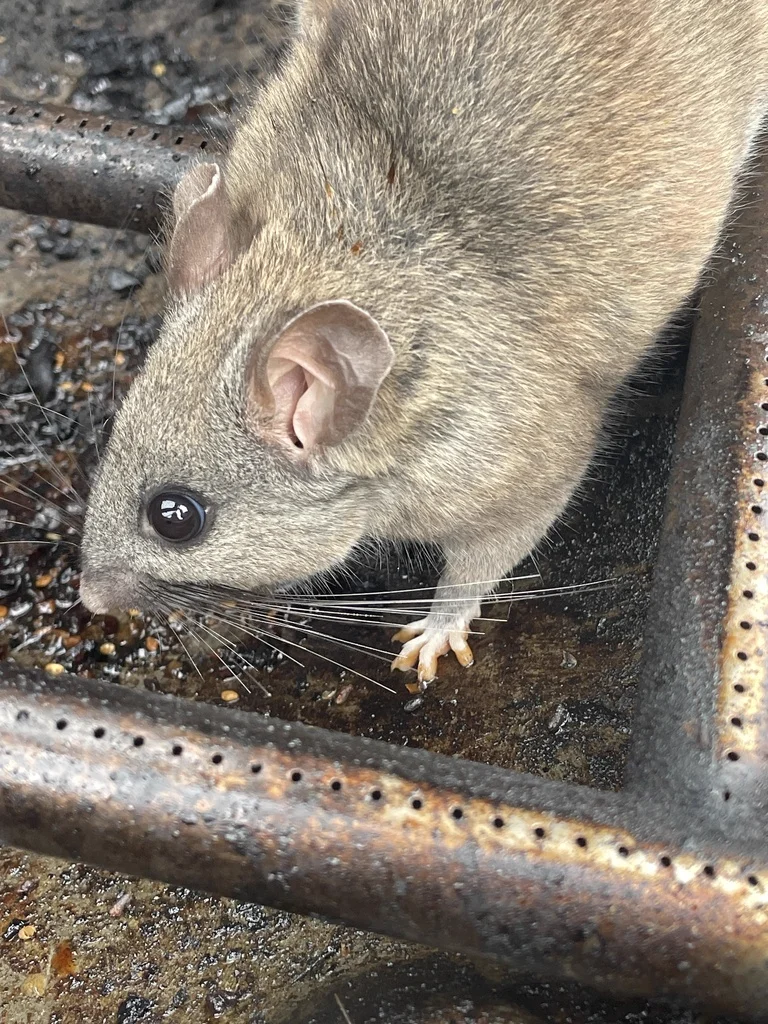
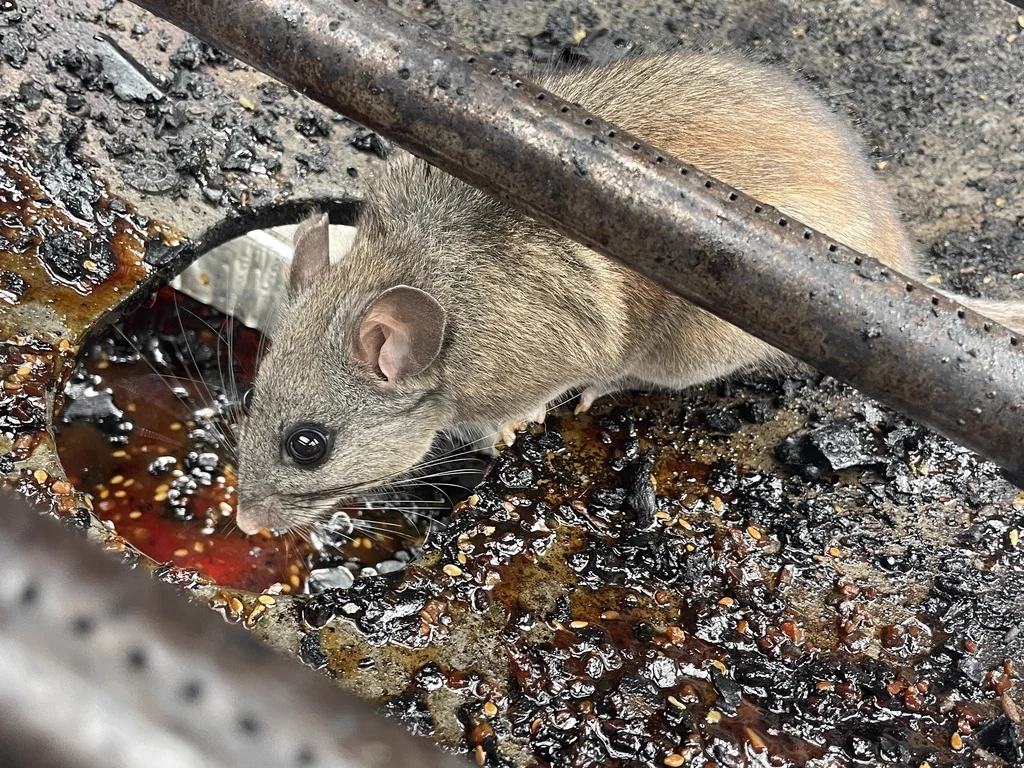
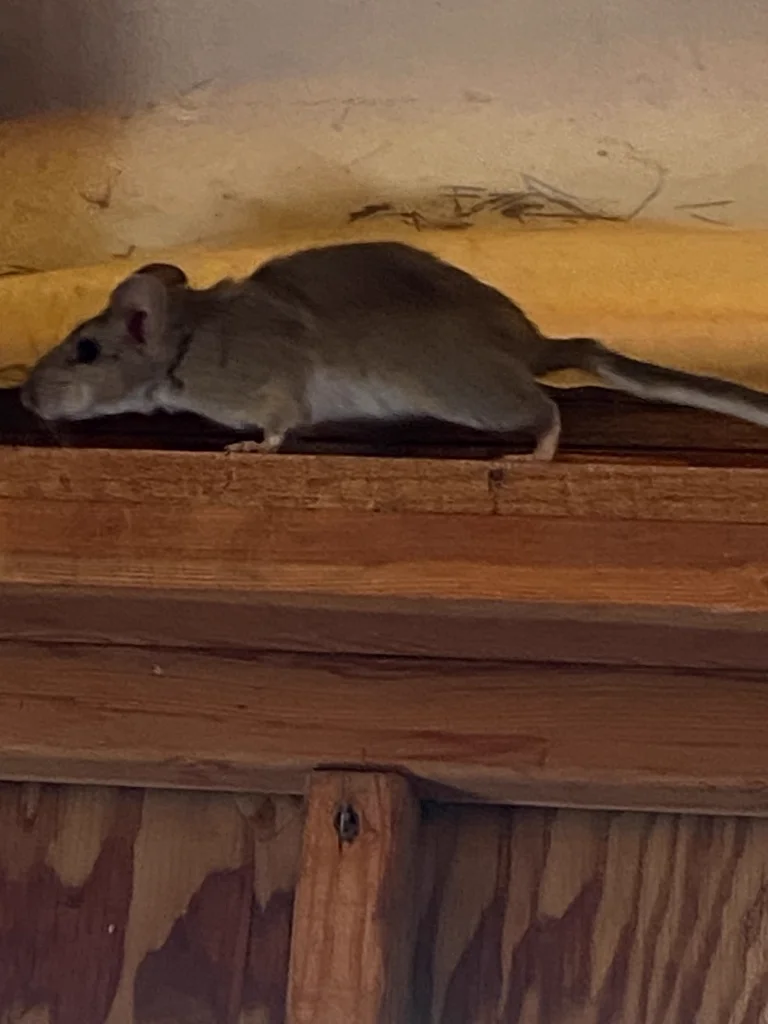
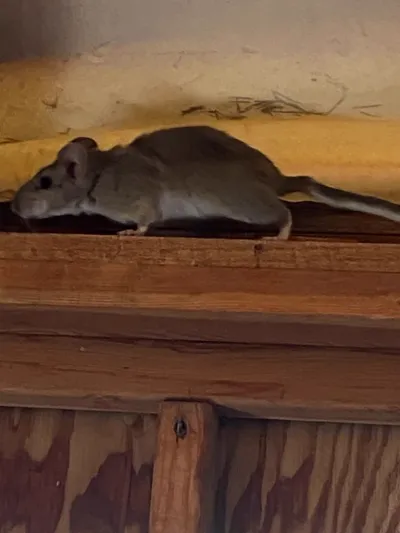
Pack rats, also known as woodrats, are medium-sized rodents. Their bodies measure 6 to 8 inches long. Their tails add another 5 to 8 inches. They weigh between 7 and 14 ounces. This makes them about the same size as Norway rats, but they look quite different. Pack rats have soft, dense fur. Their backs are grayish-brown while their bellies are lighter cream or white.
The best way to identify a pack rat is by its large, rounded ears and big dark eyes. These features give them an almost cute look compared to common rats. Their tails are covered with fur, not scaly like Norway or roof rat tails. Pack rats also have long whiskers and white or light-colored feet. These traits help tell them apart from other rodent species.
Common Species
About 20 species of pack rats live throughout North America. Each has adapted to its own regional habitat.
-
Desert Woodrat (Neotoma lepida): Common in southwestern deserts. This species builds nests from cactus joints and desert plants.
-
Bushy-tailed Woodrat (Neotoma cinerea): Found in rocky areas of the western mountains. Has a fluffy tail and prefers cliff dwellings and rock crevices.
-
Dusky-footed Woodrat (Neotoma fuscipes): Native to California and Oregon. Known for building large stick houses that can reach 6 feet tall.
-
White-throated Woodrat (Neotoma albigula): Common in the southwestern U.S. and Mexico. Has a white throat and chest.
-
Eastern Woodrat (Neotoma floridana): Also called the Allegheny woodrat. Found in the eastern United States but becoming rare in some areas. Homeowners dealing with Pack Rats may also encounter Rodent, which can appear in similar environments.
Pack Rat Behavior and Biology
Pack rats are active at night and live alone. This differs from Norway rats and roof rats, which live in groups. Pack rats are excellent climbers. They can reach trees and upper levels of buildings with ease. Their name comes from their collecting habit. Pack rats gather all kinds of objects to add to their nests. These include sticks, bones, bottle caps, jewelry, coins, and shiny items.
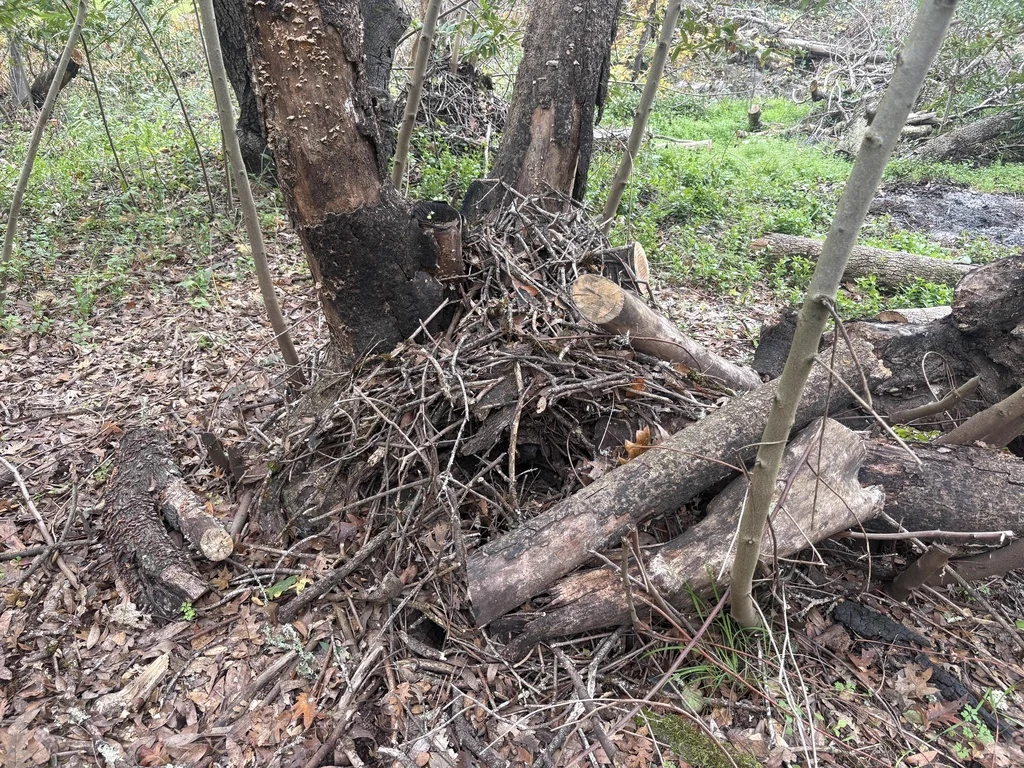
Their nests are called middens. Middens are large structures made of sticks, cactus pads, rocks, and collected debris. These nests can grow quite large over time as new pack rats add to them. Some middens are thousands of years old. Scientists study them to learn about past climates and plants. A single midden may have several chambers for sleeping, food storage, and waste.
Pack rats eat plants. Their diet includes leaves, seeds, fruits, nuts, bark, and cactus. They really like prickly pear cacti in desert regions. Pack rats store food in their middens to eat later. This habit adds to the size of their nests over time.
Pack rats breed mainly in spring and summer. In some areas, they can breed year-round. Females have 1 to 4 litters per year with 1 to 4 young per litter. Pack rats can breed at about 2 to 3 months old. They live about 2 to 3 years in the wild.
Health Risks
Pack rats can carry diseases that affect humans. If you think you may have been exposed to a rodent-borne illness, consult a doctor for medical advice. Common diseases include:
-
Hantavirus: Spread through contact with infected droppings, urine, or saliva. This can cause Hantavirus Pulmonary Syndrome, a serious lung disease.
-
Plague: Pack rats and their fleas can carry the bacteria that causes plague. This is most common in the southwestern United States.
-
Tularemia: A bacterial infection spread through contact with infected rodents or their parasites.
-
Parasites: Pack rats carry fleas, ticks, and mites. These pests can bite humans and pets and may spread other diseases.
When cleaning areas with pack rat droppings, do not sweep or vacuum. This can stir up dust that may carry germs. Wear gloves and follow CDC guidelines for cleaning up after rodents.
Treatment Methods for Pack Rats
Getting rid of pack rats takes a mix of removal, sealing entry points, and changing the habitat. Here are the methods that work best.
Trapping: Snap traps and live traps work well for pack rats. Pack rats are wary of new objects, so traps may need to sit unset for several days before the rodent will go near them. Peanut butter, nuts, or fruit make good bait.
Sealing Entry Points: Blocking the ways pack rats get in is key for long-term control. Pack rats can squeeze through holes as small as 1 inch. Common entry points include gaps around pipes, vents, roof lines, and foundation cracks. Steel wool, hardware cloth, and metal flashing are good materials for sealing gaps.
Clearing the Habitat: Taking away hiding spots makes your property less appealing to pack rats. Clear brush piles, woodpiles, and thick plants near buildings. Store firewood at least 20 feet from your home and keep it off the ground to reduce nesting spots.
Nest Removal: Getting rid of existing pack rat nests takes away their shelter. This discourages them from coming back. Wear gloves and a mask when removing nests to avoid disease exposure.
Vehicle Protection: For cars and trucks stored outside, try placing mothballs or peppermint oil near the engine. Use hardware cloth to block openings. Run the vehicle often. Some people use ultrasonic devices, but they may not work well.
Bait Stations: Rodent bait in tamper-proof stations can work for heavy problems. However, poisoned rodents can harm predators that eat them. This method has trade-offs to consider.
Prevention Tips
These steps can help keep pack rats away from your property:
For more on rodent prevention, see our ultimate guide to mice and rat prevention mice.
- Store pet food in sealed metal containers and bring pet dishes inside at night
- Remove fallen fruit from around fruit trees
- Keep garbage in sealed containers
- Trim plants away from building foundations
- Seal gaps and cracks around your home
- Store vehicles in enclosed garages when possible
- Remove woodpiles and debris near structures
- Install tight-fitting screens on vents and chimneys
References
- Internet Center for Wildlife Damage Management: Woodrats - Resource on woodrat biology and control methods
- University of California Pest Notes: Woodrats - Guidelines for woodrat control
- CDC: How to Clean Up After Rodents - Proper cleanup procedures for rodent-contaminated areas
- Arizona Cooperative Extension: Woodrats - Regional guide to pack rat control in the Southwest
Other Rodents
Explore other species in the rodents family





Commonly Confused With
Pack Rats are often mistaken for these similar pests


Where Pack Rats Are Found
Hover over states to see their names. Green regions indicate where pack rats have been reported.
Common Questions about Pack Rats
What is the difference between a pack rat and a regular rat?
+
Pack rats have bushier, fur-covered tails unlike the scaly tails of Norway and roof rats. They also have larger ears, bigger eyes, and softer fur. Pack rats are solitary and build elaborate stick nests, while common rats live in colonies and prefer burrows or wall voids.
Why are they called pack rats?
+
Pack rats earn their name from their compulsive collecting behavior. They gather shiny objects, bones, sticks, and various items to build their nests. They often drop one item to pick up another, earning them the nickname 'trade rats.'
Are pack rats dangerous?
+
Pack rats can transmit diseases including hantavirus, plague, and tularemia through their droppings, urine, and parasites like fleas and ticks. They also cause significant property damage by gnawing on wires, hoses, and building materials.
How do I know if I have pack rats?
+
Signs include large stick nests (middens) near your home, chewed wires or hoses in vehicles or equipment, droppings that are larger than mouse droppings, and missing small objects that pack rats may have collected.
What attracts pack rats to my property?
+
Pack rats are attracted to shelter, food sources like pet food or birdseed, and nesting materials. Dense vegetation, woodpiles, and cluttered areas provide ideal habitat. Vehicles, sheds, and outbuildings offer protection from predators.
Can pack rats damage my car?
+
Yes, pack rats frequently nest in vehicle engine compartments where they chew on wires, hoses, and insulation. This can cause expensive repairs and even fire hazards. Parking in enclosed garages and using deterrents can help prevent damage.

With five years of hands-on experience in the pest control industry, George Schulz is a registered technician with the Virginia Pest Management Association and a proud third-generation professional in a family business that's been protecting homes for over 57 years. He manages and trains a team of service pros while also leading internal research efforts—recently spearheading a deep-dive review of thousands of documents on pest control materials to hand-pick the most kid and pet friendly, most effective solutions tailored specifically for homes in the DC metro area.