Northern Short-Tailed Shrew Identification Guide
Blarina brevicauda
The Northern Short-Tailed Shrew is one of the few venomous mammals in North America. Often mistaken for mice, these small insectivores are highly active predators that may occasionally enter homes, particularly basements and garages, seeking food or shelter.
Taxonomy
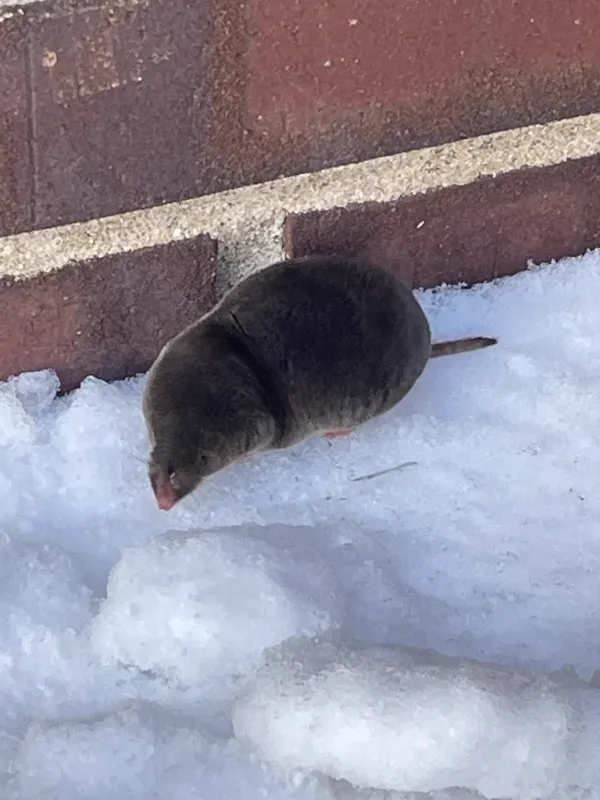
Northern Short-Tailed Shrew Coloration
Common color patterns to help identify northern short-tailed shrew
Northern Short-Tailed Shrew
Seasonal Activity
When northern short-tailed shrew are most active throughout the year

Where Northern Short-Tailed Shrew Are Found
Hover over states to see their names. Green regions indicate where northern short-tailed shrew have been reported.
Northern Short-Tailed Shrew Identification Guide
Physical Characteristics
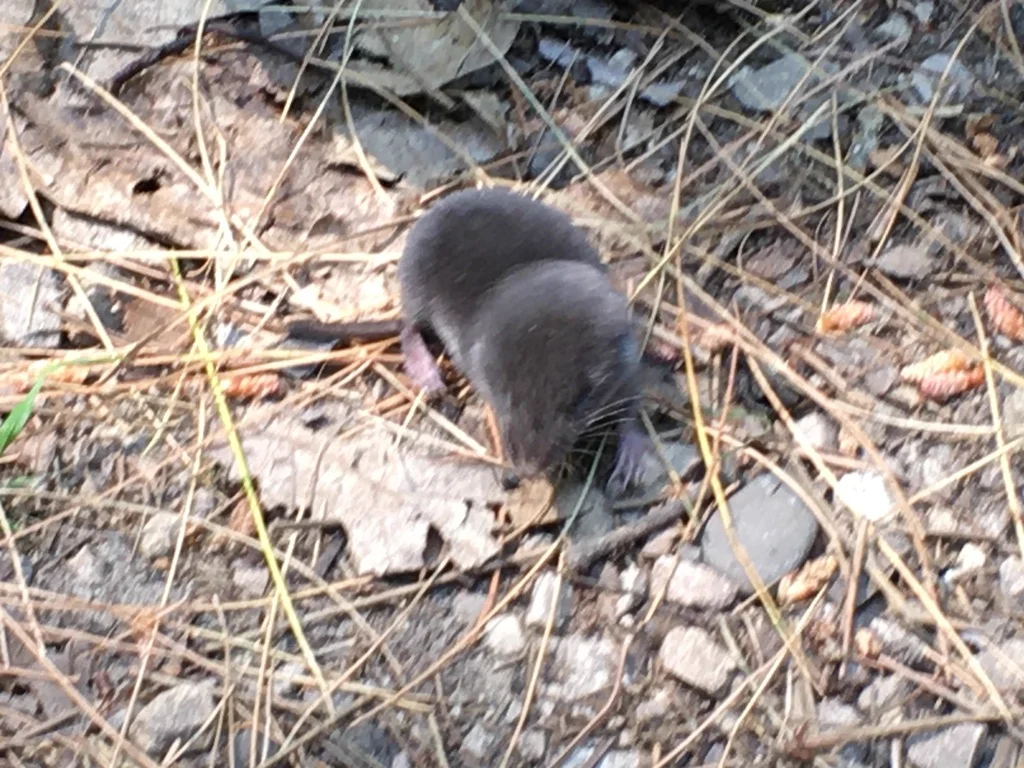
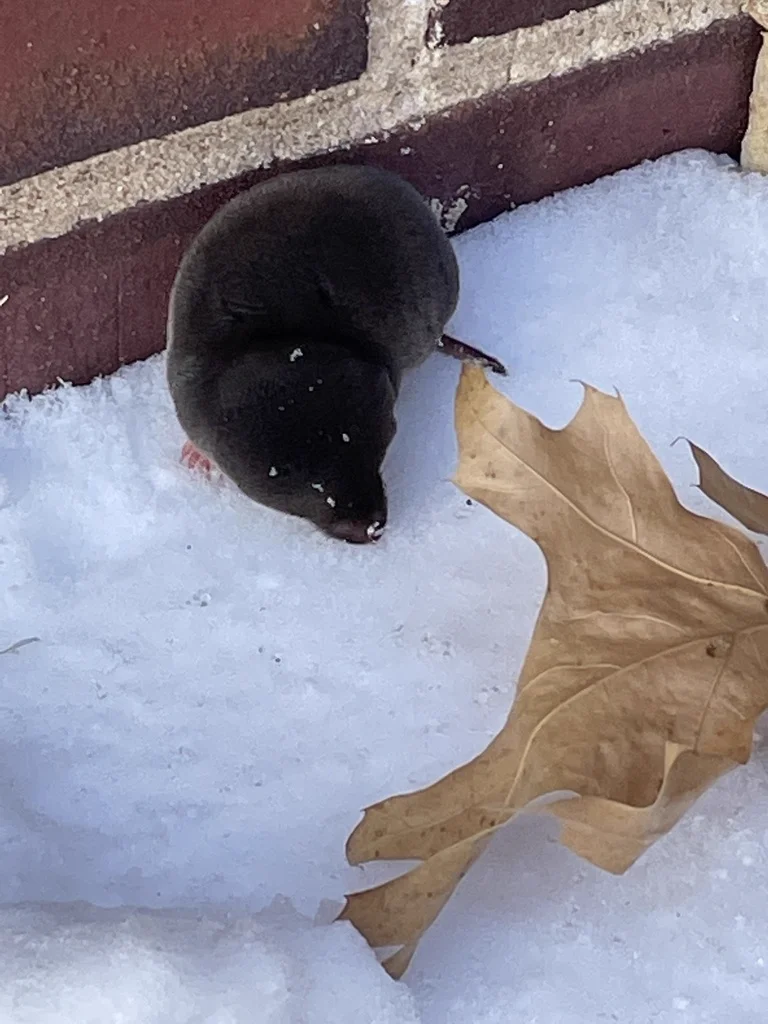
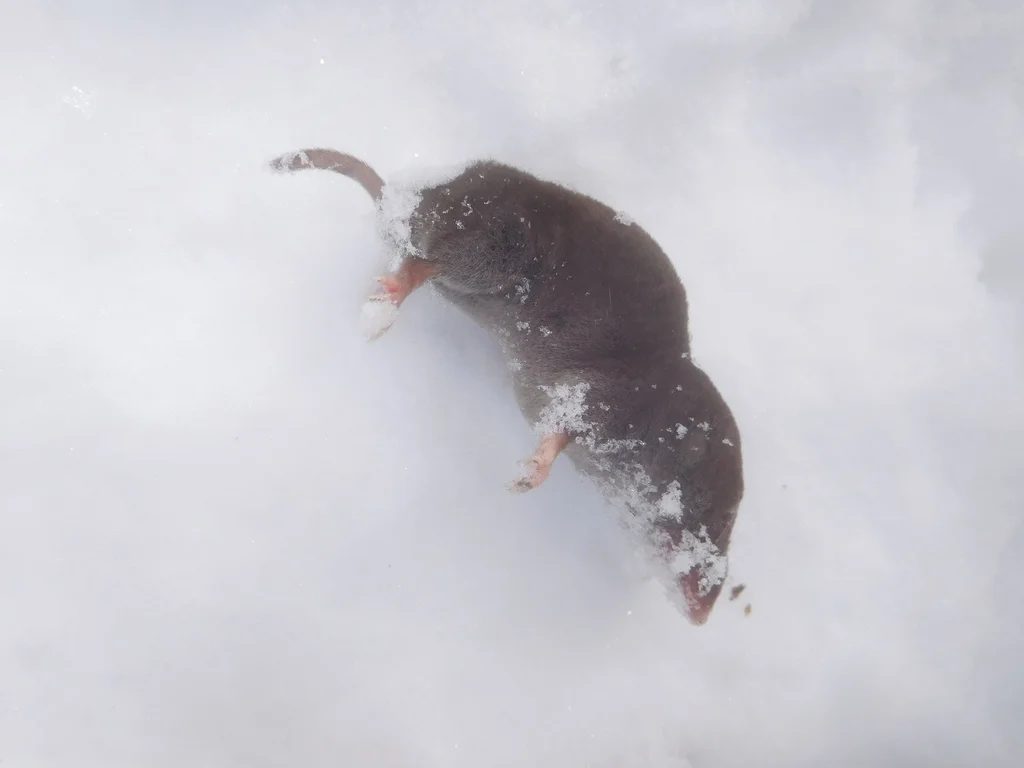
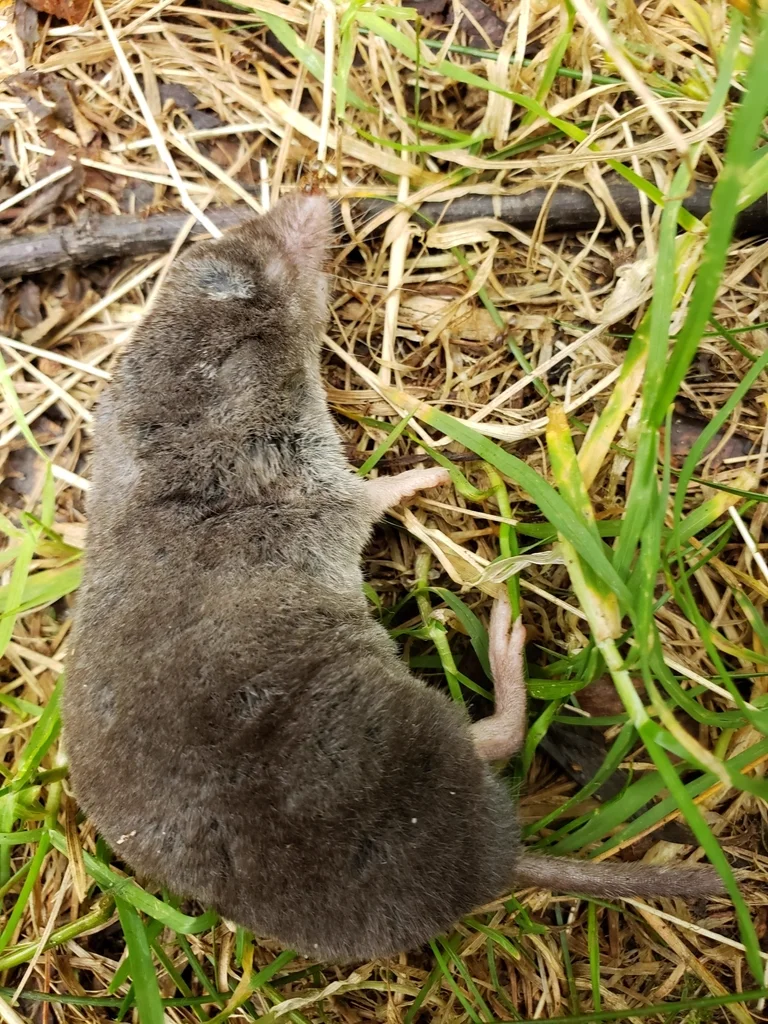
The Northern Short-Tailed Shrew is the largest shrew species in North America, measuring 108 to 140 mm (about 4 to 5.5 inches) in total length. Despite their size among shrews, they remain small compared to mice. Their most distinctive features include a long, pointed snout and tiny eyes that are nearly hidden within their thick, velvety fur.
Their fur is dense and soft, typically appearing slate gray to brownish-black on the back with slightly lighter gray underparts. The tail is notably short, measuring only 18 to 32 mm and representing less than 25% of the animal’s total length. This short tail is one of the easiest ways to distinguish shrews from mice, which have tails nearly as long as their bodies.
Northern Short-Tailed Shrews weigh between 15 and 30 grams. Males are slightly larger than females. The species molts twice yearly, developing a longer, darker winter coat in October and November, then returning to a shorter, paler summer coat between February and July.
How to Tell Shrews from Mice
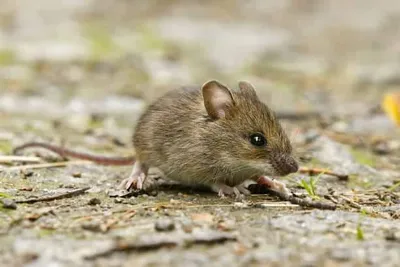
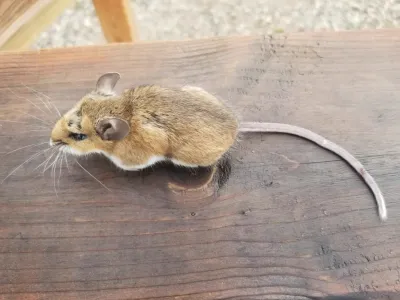
Homeowners often mistake shrews for mice, but several key differences make identification straightforward:
- Snout: Shrews have elongated, pointed snouts; mice have blunt, rounded faces
- Eyes: Shrew eyes are tiny and barely visible; mouse eyes are large and prominent
- Ears: Shrew ears are small and often hidden in fur; mouse ears are large and obvious
- Tail: Shrew tails are very short; mouse tails are long, often equal to body length
- Fur: Shrew fur is dense and velvety; mouse fur is coarser
- Teeth: Shrews have red-tipped teeth (from iron deposits); mice have orange-yellow incisors
Common Shrew Species in North America
- Northern Short-Tailed Shrew (Blarina brevicauda) - The largest and most common shrew in the eastern United States
- Southern Short-Tailed Shrew (Blarina carolinensis) - Smaller and found in southeastern states
- Least Shrew (Cryptotis parva) - Much smaller at about 3 inches, brown in color
- Cinereus Shrew (Sorex cinereus) - Also called the masked shrew, more brownish with a longer tail
Northern Short-Tailed Shrew Behavior and Biology
Venomous Saliva
The Northern Short-Tailed Shrew is one of the few venomous mammals in the world. Their saliva contains a toxin released from glands at the base of their lower front teeth. This venom can paralyze and kill prey as large as or larger than the shrew itself. For humans, a bite causes pain and swelling at the bite site but is not serious unless you have an allergic reaction.
Activity and Metabolism
These shrews have an extremely high metabolism and must eat almost constantly to survive. They consume approximately three times their body weight in food daily. This drives them to be active both day and night throughout the year, with peak activity in early and late afternoon.
Their diet consists mainly of earthworms, snails, slugs, beetles, centipedes, and spiders. They also eat small animals like mice, including deer mice and house mice, as well as salamanders and frogs. To prepare for winter, Northern Short-Tailed Shrews store food underground, keeping paralyzed but still living snails and insects in underground pantries.
Habitat and Tunneling
Northern Short-Tailed Shrews spend much of their time in tunnel systems beneath leaf litter, soil, and snow. They build nests up to 8 inches across underground or beneath logs, lining them with shredded leaves or fur from their prey. These nests are kept clean, with waste placed in separate areas away from the nest.
They do best in damp areas with thick plant cover, including hardwood and evergreen forests, brushy fields, marshes, and gardens. You can typically find 5 to 30 shrews per hectare (about 2.5 acres), though good habitat can support many more.
Social Behavior
Northern Short-Tailed Shrews live alone and fiercely guard their territory. They mark their territory with scent and will fight off intruders with loud squeaks and physical attacks. They communicate through high-pitched sounds and may use a basic form of echolocation to find their way through dark tunnels.
Reproduction
Breeding occurs from early spring through fall. Females can produce two to three litters per year, with 5 to 7 young per litter. Gestation lasts about 21 days. Young shrews grow rapidly and reach sexual maturity in about 6 weeks. Despite this reproductive potential, shrew populations are typically limited by food availability and predation from owls, hawks, snakes, and house cats.
Managing Shrews Around Your Home
Why Shrews Enter Buildings
Unlike mice, shrews do not enter homes seeking stored food or nesting materials. While they are classified alongside rodents on this site for convenience, shrews are actually insectivores more closely related to moles and hedgehogs. They may wander inside while pursuing prey, especially if your home has insect problems. In cold weather, shrews sometimes seek shelter in basements, garages, crawl spaces, and sheds. They are more common indoors in rural and suburban areas adjacent to fields and woodlands.
Exclusion Methods
The most effective long-term solution is preventing entry:
- Seal foundation gaps: Close openings larger than 6mm (1/4 inch) around the foundation
- Install door sweeps: Ensure exterior doors have tight-fitting sweeps
- Repair screens: Fix any tears or gaps in window and vent screens
- Address moisture: Reduce damp conditions in basements and crawl spaces that attract both shrews and their prey
Reducing Prey Populations
Because shrews follow food sources, reducing insect and invertebrate populations around your home can make the area less attractive:
- Clear leaf litter and debris from foundation areas
- Keep grass trimmed near the house
- Address any pest issues that might attract shrews indoors
Humane Removal
If a shrew is found inside, it can often be guided out an open door or captured using a container and released outdoors. Live traps designed for mice can also work, though shrews require more frequent checking due to their high metabolism. Unlike mice, shrews rarely become established populations inside homes. If you are finding small animals inside your house, check our guide on field mice vs house mice to determine what species you may be dealing with.
References
Other Rodents
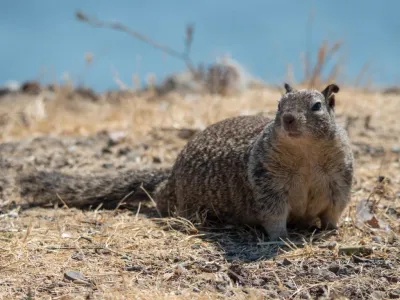
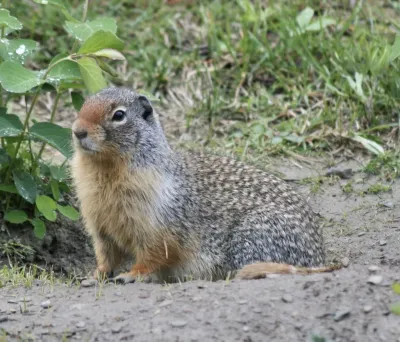
Explore other species in the rodents family
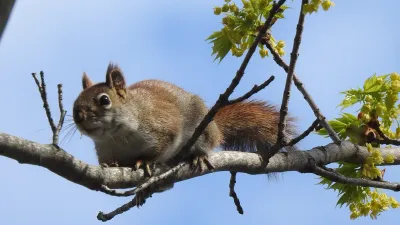

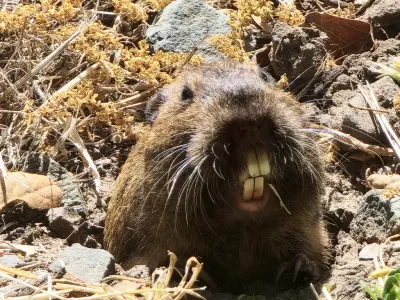
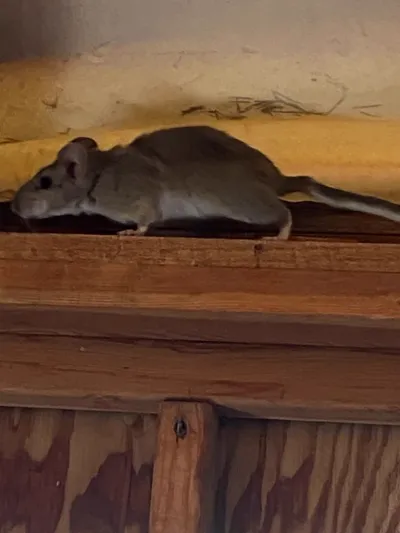
Commonly Confused With
Northern Short-Tailed Shrew are often mistaken for these similar pests
Where Northern Short-Tailed Shrew Are Found
Hover over states to see their names. Green regions indicate where northern short-tailed shrew have been reported.
Common Questions about Northern Short-Tailed Shrew
Are Northern Short-Tailed Shrews dangerous?
+
Northern Short-Tailed Shrews are one of the few venomous mammals. Their saliva contains a toxin that can paralyze small prey. While a bite may cause localized pain and swelling in humans, it is not dangerous. They rarely bite unless handled directly.
How can I tell the difference between a shrew and a mouse?
+
Shrews have long, pointed snouts, tiny eyes nearly hidden in fur, and very short tails (less than 25% of body length). Mice have larger, visible eyes, prominent rounded ears, and tails often as long as their bodies. Shrews are also smaller and have velvety, dense fur.
Why are shrews in my house?
+
Shrews may enter homes accidentally while hunting for insects, or they may seek shelter in basements, garages, or crawl spaces during cold weather. Unlike mice, they do not seek food stored in homes.
Do shrews cause property damage?
+
No. Shrews do not gnaw on structures, wires, or stored goods like rodents do. They are insectivores focused on eating invertebrates and small animals, not household materials.
What do Northern Short-Tailed Shrews eat?
+
They are voracious predators that eat insects, earthworms, snails, slugs, centipedes, spiders, and even small mice or salamanders. They must eat frequently due to their extremely high metabolism.
How do I get rid of shrews in my house?
+
Shrews can be excluded by sealing entry points around foundations, doors, and windows. Since they follow prey, reducing insect populations around your home can also discourage them. Live traps can be used for removal.
Are shrews rodents?
+
No. Despite their mouse-like appearance, shrews are not rodents. They belong to the order Eulipotyphla and are more closely related to moles and hedgehogs than to mice or rats.

With five years of hands-on experience in the pest control industry, George Schulz is a registered technician with the Virginia Pest Management Association and a proud third-generation professional in a family business that's been protecting homes for over 57 years. He manages and trains a team of service pros while also leading internal research efforts—recently spearheading a deep-dive review of thousands of documents on pest control materials to hand-pick the most kid and pet friendly, most effective solutions tailored specifically for homes in the DC metro area.