Northern Flying Squirrel Identification Guide
Glaucomys sabrinus
The Northern Flying Squirrel is a nocturnal, gliding mammal native to North American forests. While they rarely enter homes, these small squirrels can occasionally take up residence in attics, causing noise disturbances and potential property damage.
Taxonomy
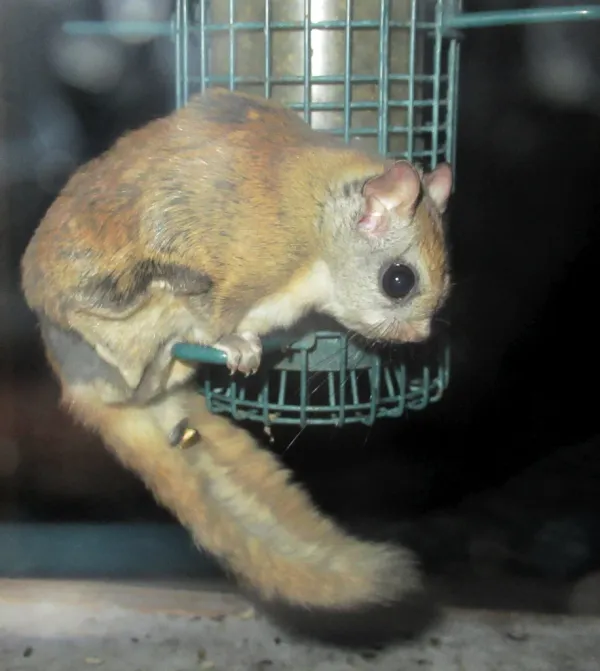
Northern Flying Squirrel Coloration
Common color patterns to help identify northern flying squirrel
Northern Flying Squirrel
Seasonal Activity
When northern flying squirrel are most active throughout the year
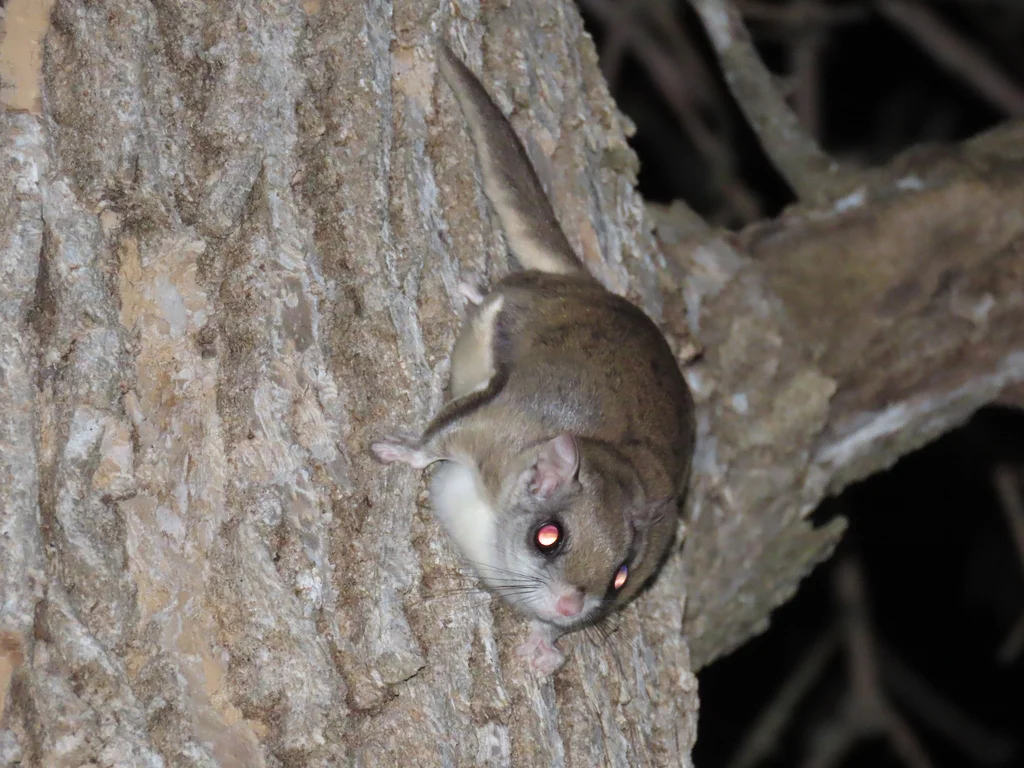
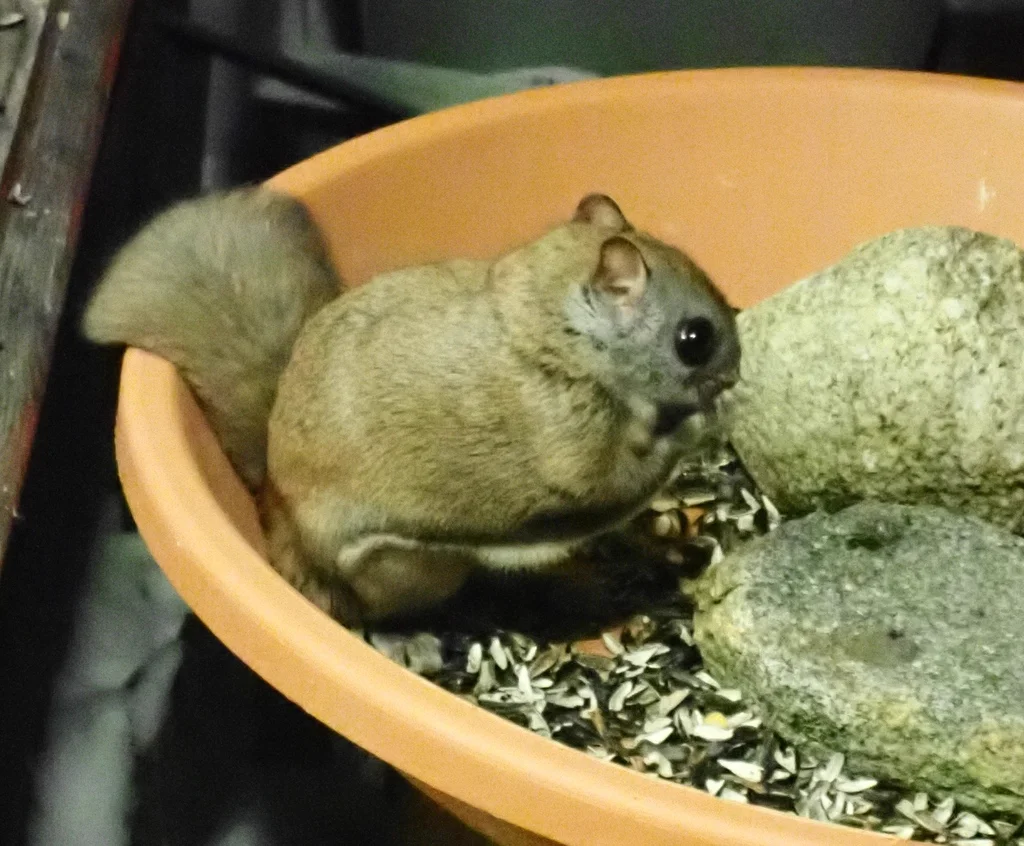
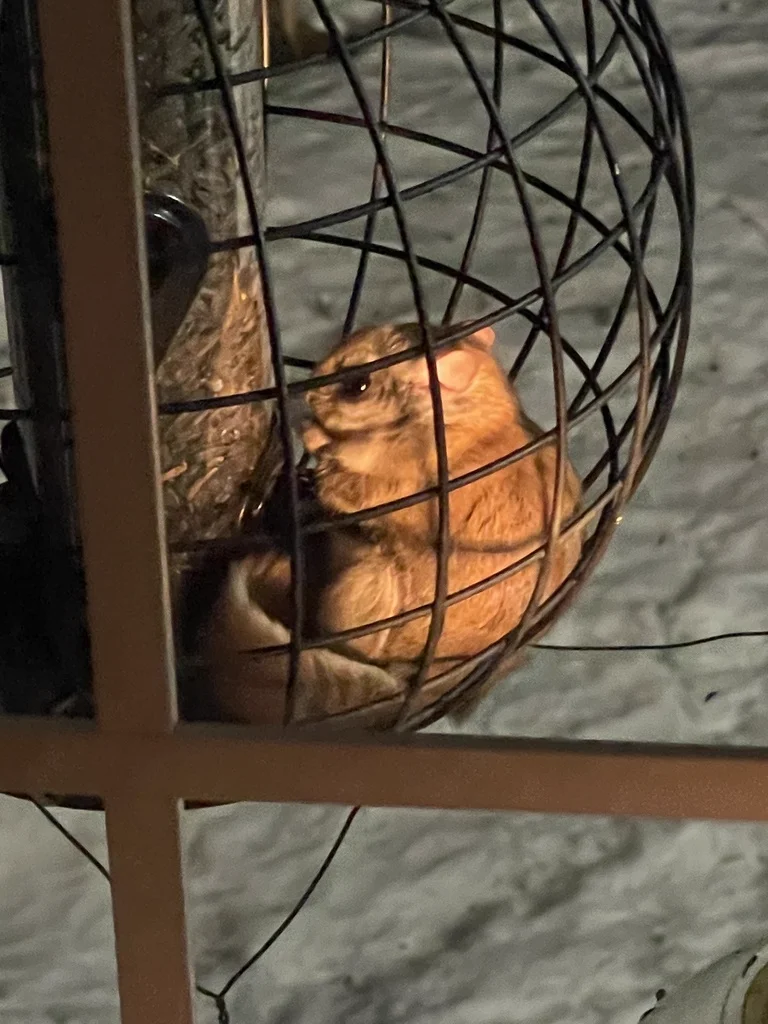

Where Northern Flying Squirrel Are Found
Hover over states to see their names. Green regions indicate where northern flying squirrel have been reported.
Northern Flying Squirrel Identification Guide
Physical Characteristics
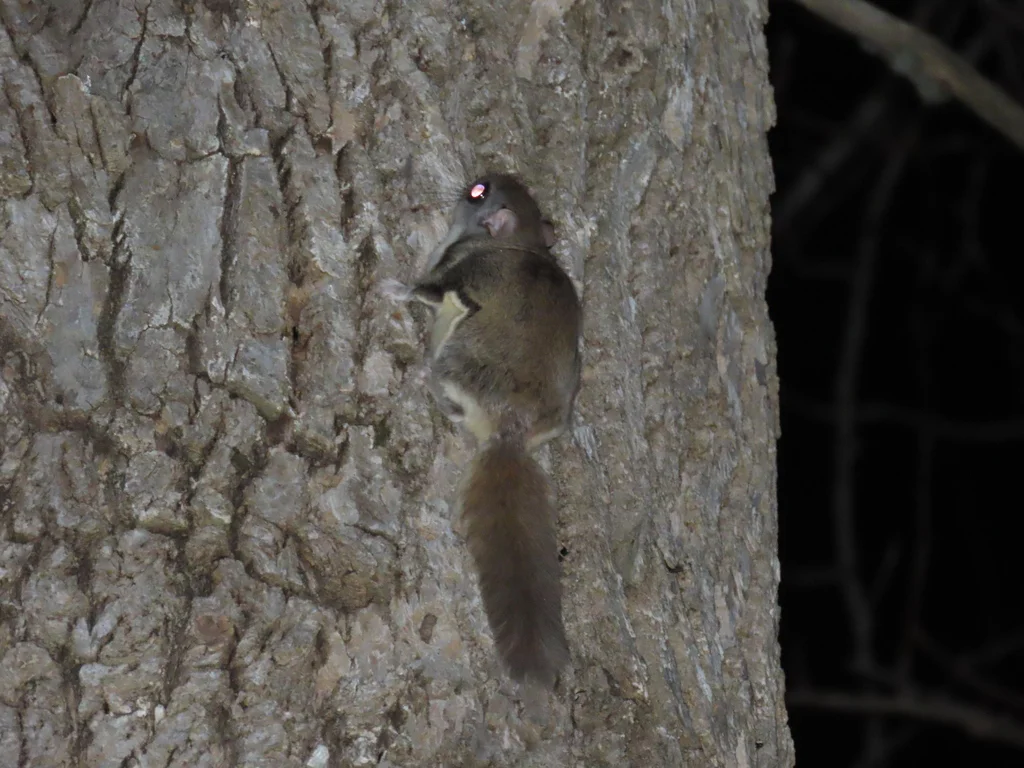
The northern flying squirrel is a small mammal that is active at night. It measures 10 to 12 inches long, including a flat tail of 4 to 6 inches. Adults weigh between 2 and 4 ounces. This makes them much smaller than the common gray squirrel. Their fur is soft and thick. The back is cinnamon-brown to grayish-brown, while the belly is creamy white.
The most notable feature of flying squirrels is the patagium. This is a loose flap of furry skin that runs from the front leg to the back leg on each side. When the squirrel spreads its legs, this flap opens up like a parachute. This lets the squirrel glide from tree to tree. A small rod of cartilage at each wrist helps control the gliding membrane.
Northern flying squirrels have large, dark eyes that help them see at night. Their ears are small and rounded compared to other squirrels. The flat tail works like a rudder to help steer during glides.
Distinguishing Flying Squirrels from Other Species
Several characteristics help identify northern flying squirrels:
- Size: Much smaller than gray squirrels, about the size of chipmunks
- Eyes: Very large, black eyes built for seeing at night
- Patagium: Loose skin flap visible along the sides when resting
- Tail: Flat instead of round, with a feathery look
- Behavior: Only active at night. Rarely seen in daylight.
- Movement: Can glide from tree to tree with good control
Related Species
- Northern Flying Squirrel (Glaucomys sabrinus): Found in northern and mountain regions
- Southern Flying Squirrel (Glaucomys volans): A smaller species in eastern forests
- Humboldt’s Flying Squirrel (Glaucomys oregonensis): Lives along the Pacific coast
Northern Flying Squirrel Behavior and Biology
Habitat and Distribution
Northern flying squirrels live in evergreen and mixed forests across northern North America. Their range extends from Alaska through Canada and into the northern United States. They prefer older forests with dead standing trees that offer good nesting spots. In the eastern U.S., they live at higher elevations in the Appalachian Mountains. Western populations can be found from sea level to mountain forests.
These squirrels spend most of their lives in trees. They nest in tree holes, old woodpecker cavities, and sometimes nest boxes. In winter, many flying squirrels may share one nest to stay warm. Groups of up to 50 have been found sharing a single cavity.
Nocturnal Gliding Behavior
Northern flying squirrels only come out at night to look for food. Despite their name, they do not truly fly. Instead, they glide using their patagium. A glide starts when the squirrel jumps from a high spot. It spreads its legs to open the membrane and steers toward a landing spot on another tree.
Most glides cover 20 to 65 feet, but some have been recorded at over 150 feet. While gliding, flying squirrels can make sharp turns and control their path very well. They usually land on tree trunks facing up. Then they quickly move to the other side of the tree to hide from predators.
Diet and Foraging
Northern flying squirrels eat many types of food. Their diet changes with the seasons:
- Tree nuts, acorns, and seeds
- Various fungi and truffles, which they eat often
- Lichens, especially in winter
- Berries and fruit
- Tree buds and sap
- Insects and other invertebrates
- Bird eggs and baby birds on rare occasions
Flying squirrels help spread fungi through the forest. They eat these underground fungi and spread the spores in their droppings.
Reproduction and Social Behavior
Breeding occurs in late winter to early spring. Females give birth to 2 to 5 young after about 40 days of pregnancy. In some areas, they may have a second litter in summer. Baby flying squirrels are born without fur and cannot see. They stay in the nest for about 40 days before leaving.
Northern flying squirrels are more social than most squirrels. They make soft chirping sounds to communicate. Their home ranges often overlap with other flying squirrels. In cold weather, they gather in shared nests. This group nesting helps them survive winter without going into hibernation.
Signs of Flying Squirrel Activity
Here are the common signs that flying squirrels may be around your home:
- Nighttime noises: Scratching or thumping sounds in attics or walls after dark
- Droppings: Small, dark pellets like mouse droppings but a bit larger
- Gnaw marks: Signs of chewing on wood, stored items, or wiring
- Entry holes: Small gaps in soffits, eaves, or roof areas that are 1.5 inches or larger
- Nesting materials: Piles of shredded insulation, leaves, bark, or moss
- Visual sightings: Brief glimpses of gliding shapes at dusk or with lights on outside
Property Concerns
Northern flying squirrels rarely cause major damage. But when they get into buildings, they can still create problems:
Noise Disturbance
Flying squirrels are most active at night when you are trying to sleep. Their running and jumping in attics can cause major noise problems. This is especially true just after sunset and before dawn when they are most active.
Insulation and Structural Damage
Flying squirrels nesting in attics can compress and dirty insulation with urine and droppings. They may also chew on wood in your home. However, they cause less damage than larger rodents like gray squirrels or fox squirrels.
Electrical Hazards
Like all rodents, flying squirrels may chew on electrical wires. Their small size means they cause damage less often than bigger rodents. However, chewed wiring is still a fire risk that needs attention.
Parasite Introduction
Flying squirrels can carry pests like fleas, ticks, mites, and lice. When squirrels nest in your home, these pests may spread into your living space. This can affect both pets and people. If you suspect a flea issue from wildlife, read our guide on how to get rid of fleas in your house.
Wildlife Management Approaches
Northern flying squirrels are classified as wildlife rodents, not pests. This means you must use humane methods to remove them. Most areas do not allow lethal control without special permits.
Exclusion Strategies
Preventing entry is the most effective long-term solution:
- Inspect rooflines, soffits, and fascia for gaps or damage
- Cover entry points with hardware cloth or metal flashing
- Cap chimneys and cover attic vents with appropriate screening
- Seal gaps around utility penetrations
- Trim tree branches at least 8 to 10 feet from the roofline to reduce gliding access
Habitat Modification
Removing things that attract flying squirrels can help keep them away:
- Remove or secure bird feeders, especially those accessible at night
- Clear fallen nuts and seeds from around the home
- Eliminate potential food sources near structures
- Keep trees trimmed so branches do not connect to the roof
Professional Wildlife Services
If flying squirrels are already living in your home, a wildlife control expert can help. They offer services like:
- Humane live trapping and relocation
- One-way doors that let squirrels leave but not come back
- Complete inspection and sealing of entry points
- Cleanup and cleaning of nesting areas
Wildlife control for flying squirrels often requires permits. You must follow state and local regulations. Flying squirrels are fast and social animals, so you need to find and seal all entry points for exclusion to work.
References
Other Rodents
Explore other species in the rodents family
Commonly Confused With
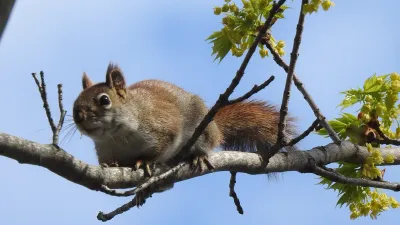
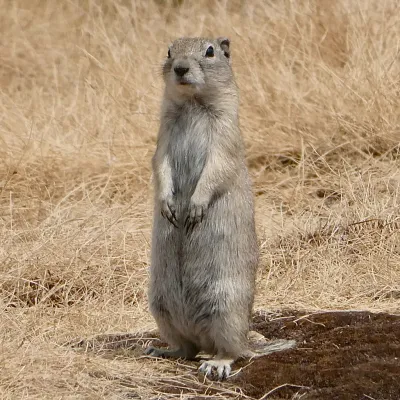
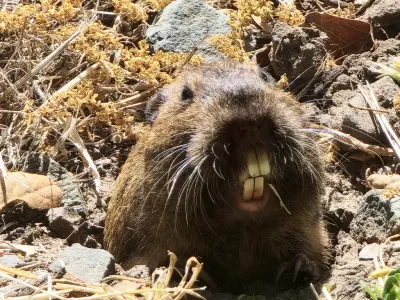
Northern Flying Squirrel are often mistaken for these similar pests
Where Northern Flying Squirrel Are Found
Hover over states to see their names. Green regions indicate where northern flying squirrel have been reported.
Common Questions about Northern Flying Squirrel
Can northern flying squirrels actually fly?
+
No, northern flying squirrels cannot truly fly. Instead, they glide using a special membrane called a patagium that stretches between their front and back legs. When extended, this membrane acts like a parachute, allowing them to glide distances of 65 feet or more between trees.
How do I know if flying squirrels are in my attic?
+
Signs of flying squirrels include scratching, scurrying, or thumping noises in your attic primarily at night (they are nocturnal). You may also find small droppings similar to mouse droppings, gnaw marks on wood or wiring, and nesting materials like shredded insulation or leaves.
Are northern flying squirrels dangerous?
+
Northern flying squirrels are generally not aggressive toward humans and rarely bite unless handled. However, like all wild rodents, they can carry parasites such as fleas, ticks, and mites. Their presence in attics can also create fire hazards if they chew on electrical wiring.
What time of year are flying squirrels most active?
+
Northern flying squirrels are active year-round and do not hibernate. However, they may be more noticeable during fall and winter when they seek shelter in warmer locations like attics. During extreme cold, they may share nests with other flying squirrels to conserve body heat.
How do flying squirrels get into houses?
+
Flying squirrels typically enter homes through gaps in soffits, uncapped chimneys, damaged roof vents, loose fascia boards, or construction gaps. Their small size allows them to squeeze through openings as small as 1.5 inches in diameter.
What do northern flying squirrels eat?
+
Northern flying squirrels have an omnivorous diet that includes nuts, seeds, berries, fungi, lichens, tree sap, insects, bird eggs, and occasionally carrion. They are particularly fond of fungi and are important dispersers of mycorrhizal fungal spores in forest ecosystems.
How can I tell the difference between a flying squirrel and a regular squirrel?
+
Northern flying squirrels are noticeably smaller than gray squirrels and have several distinctive features: large, prominent eyes adapted for night vision, a loose fold of skin (patagium) connecting their front and back legs, a flattened tail, and silky, cinnamon-brown fur. They are also strictly nocturnal, unlike most other squirrels.

With five years of hands-on experience in the pest control industry, George Schulz is a registered technician with the Virginia Pest Management Association and a proud third-generation professional in a family business that's been protecting homes for over 57 years. He manages and trains a team of service pros while also leading internal research efforts—recently spearheading a deep-dive review of thousands of documents on pest control materials to hand-pick the most kid and pet friendly, most effective solutions tailored specifically for homes in the DC metro area.