Meadow Jumping Mouse Identification Guide
Zapus hudsonius
The meadow jumping mouse is a distinctive North American rodent known for its exceptionally long hind legs and tail. These small, nocturnal mammals can leap up to three feet when startled and hibernate for six to eight months each year, making them one of the longest-sleeping mammals on the continent.
Taxonomy
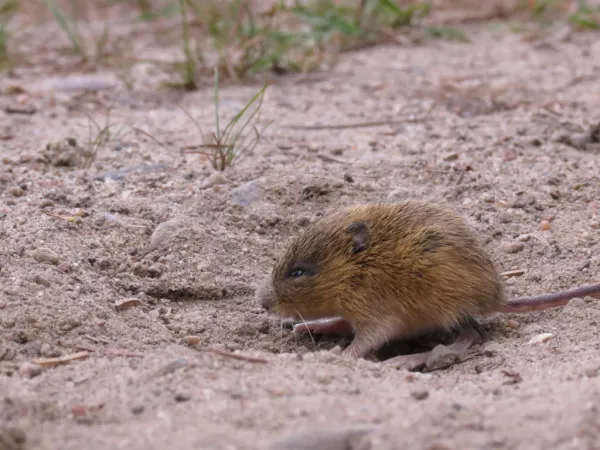
Meadow Jumping Mouse Coloration
Common color patterns to help identify meadow jumping mouse
Meadow Jumping Mouse
Seasonal Activity
When meadow jumping mouse are most active throughout the year
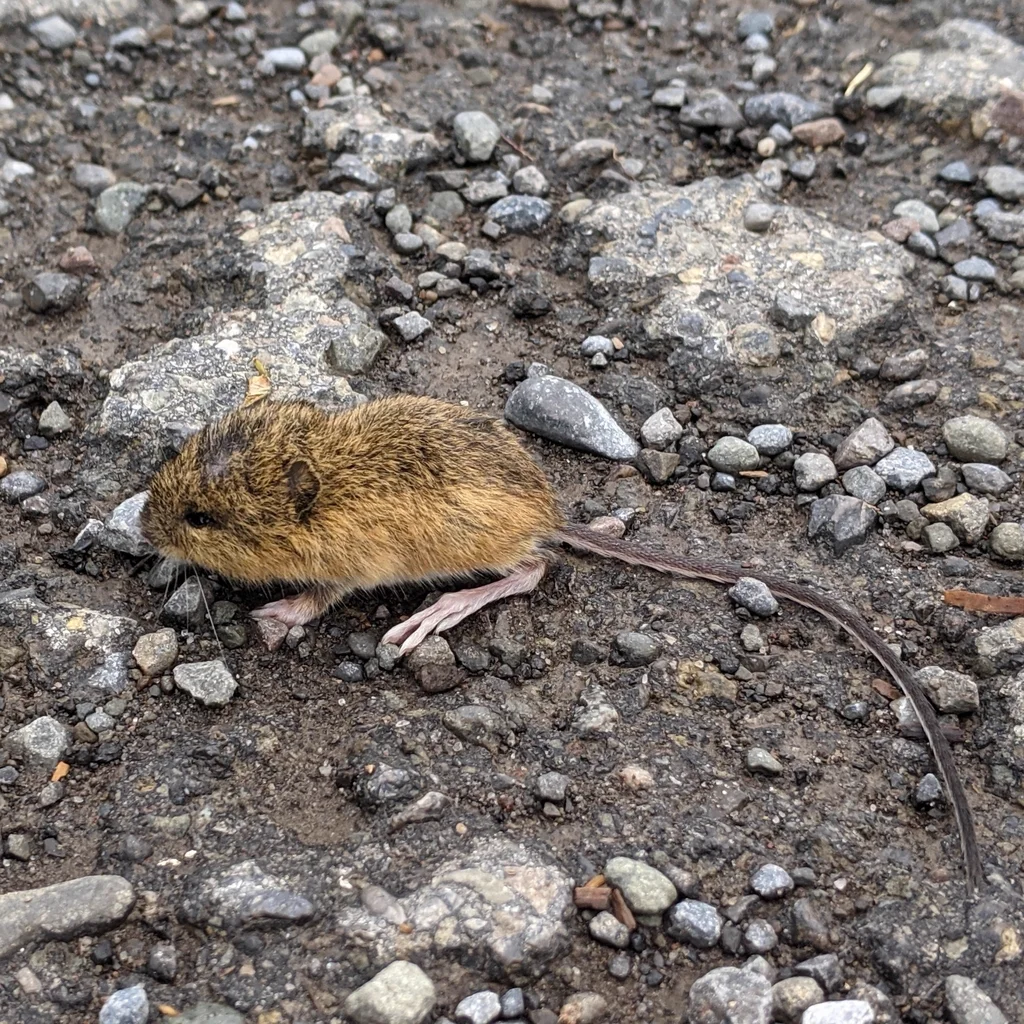
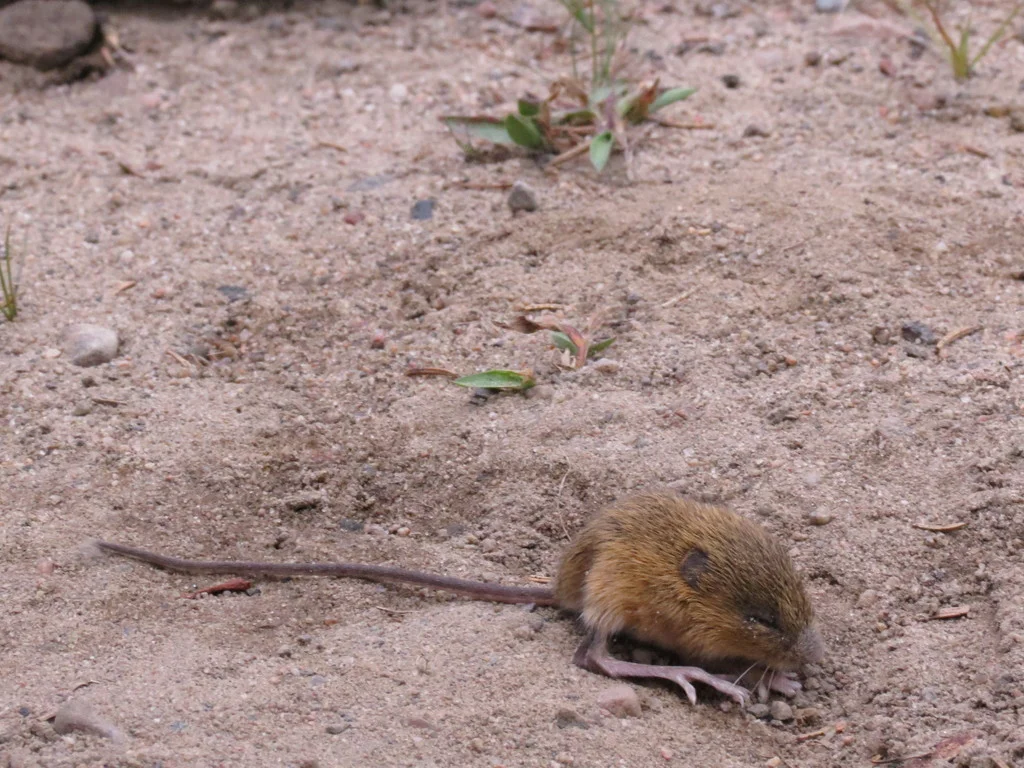
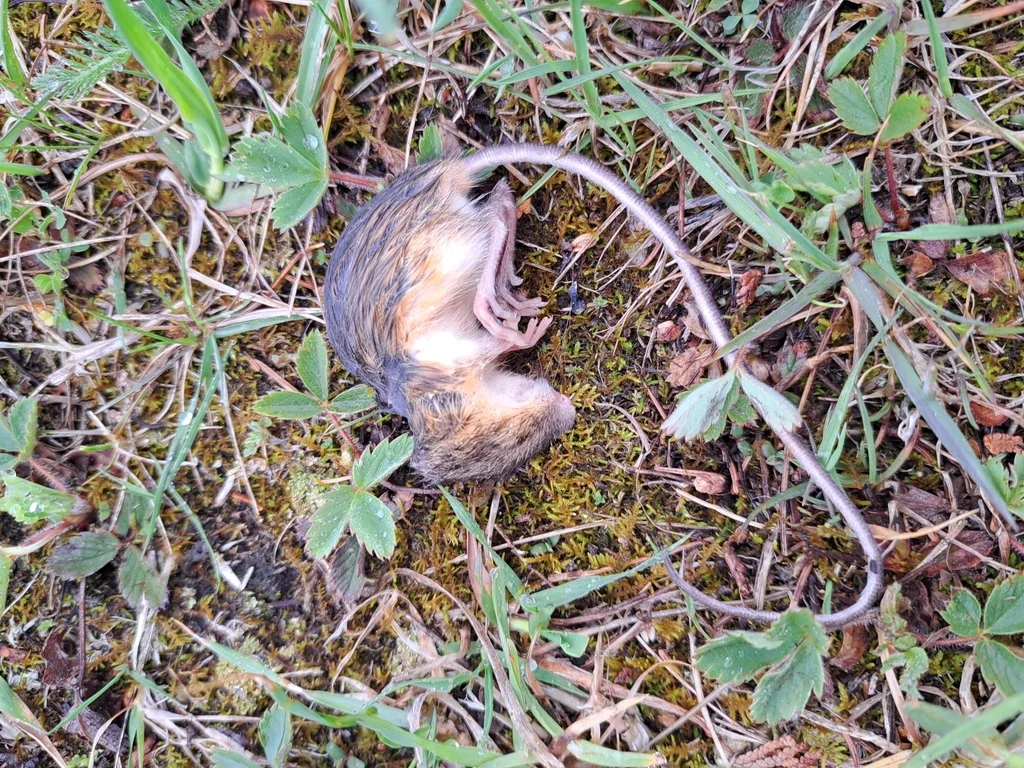

Where Meadow Jumping Mouse Are Found
Hover over states to see their names. Green regions indicate where meadow jumping mouse have been reported.
Meadow Jumping Mouse Identification Guide
Physical Characteristics
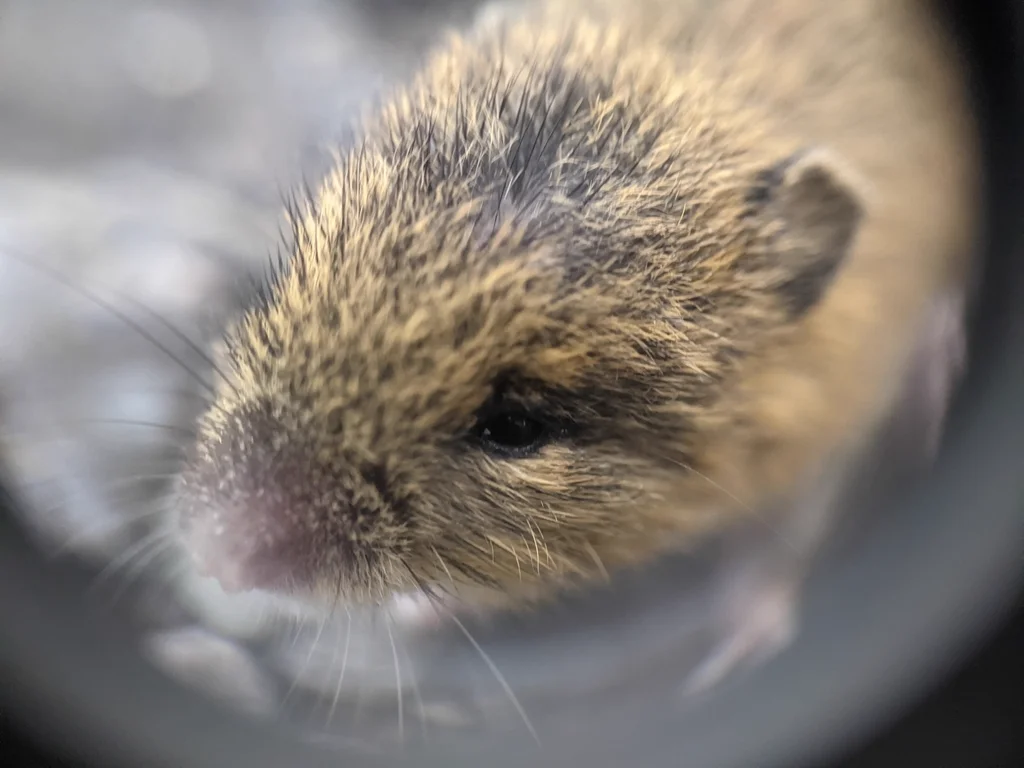
The meadow jumping mouse (Zapus hudsonius) is a small rodent with several distinctive features that set it apart from common house mice and other small mammals. Adults measure 7 to 9.5 inches in total length, with the tail accounting for more than half of this measurement (4 to 6.5 inches). They weigh between 11 and 25 grams during summer months, though they may nearly double their weight to 35 grams or more before entering hibernation.
Key identifying features include:
- Elongated hind feet measuring 28-35 mm (over an inch long)
- Very long, bicolored tail that is sparsely haired and darker on top
- Yellowish-brown or olive-brown dorsal fur with darker streaks
- White or cream-colored underside sometimes with yellowish tints
- Small, rounded head with relatively large ears
- Small, dark eyes positioned on the sides of the head
- Short front legs contrasting with powerful hind legs
The overall appearance gives the meadow jumping mouse a somewhat kangaroo-like silhouette, distinguishing it immediately from the more uniformly proportioned house mouse.
Distinguishing from Similar Species
Meadow jumping mice can be confused with several other small rodents:
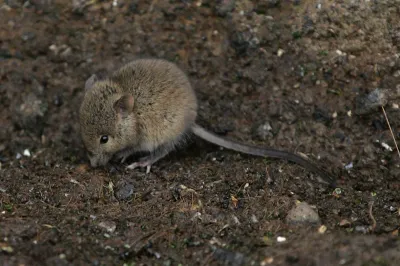
Meadow Jumping Mouse vs. House Mouse: House mice are smaller with uniformly colored tails, small hind feet, and grayish-brown fur. House mice have larger ears relative to their head size and lack the distinctive jumping ability of meadow jumping mice.
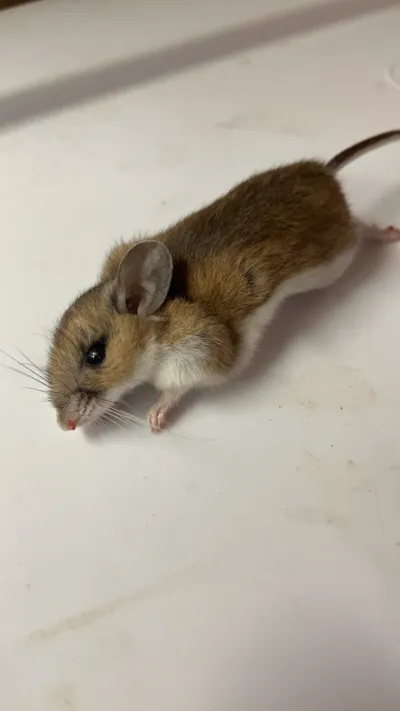
Meadow Jumping Mouse vs. Deer Mouse: Deer mice have large, prominent eyes, distinctly bicolored fur with bright white undersides, and white-tipped tails. Their hind feet are much shorter than those of jumping mice.
Meadow Jumping Mouse vs. Woodland Jumping Mouse: The closely related woodland jumping mouse (Napaeozapus insignis) has a white-tipped tail and brighter coloration. Woodland jumping mice prefer forested habitats, while meadow jumping mice favor open grasslands.
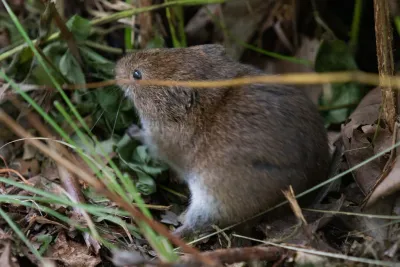
Meadow Jumping Mouse vs. Meadow Vole: Voles are stockier with much shorter tails, small ears partially hidden in fur, and small eyes. Voles create surface runway systems and are active year-round, while jumping mice hibernate.
Meadow Jumping Mouse Behavior and Biology
Habitat Preferences
The meadow jumping mouse has the widest geographic range of any jumping mouse species in North America. Its range extends from the Atlantic coast westward to the Great Plains, and from the arctic tree line in Alaska and Canada south to Georgia, Alabama, Arizona, and New Mexico.
These mice strongly prefer moist, grassy habitats including:
- Meadows and grasslands with thick vegetation
- Stream banks and pond margins
- Marshes, bogs, and wetland edges
- Thick vegetation along fences and field borders
- Moist areas with dense herbaceous ground cover
- Grassy clearings within forest edges
Meadow jumping mice avoid heavily wooded areas and dry habitats. They are most abundant where humidity is high and ground-level vegetation provides protective cover. Grassy fields and areas bordering water sources typically support the highest populations.
Activity Patterns
Meadow jumping mice are primarily nocturnal, though they occasionally venture out during daylight hours in quiet areas. Their activity is greatest during the warm months from May through September, as they spend more than half the year in hibernation.
Normal movement consists of short hops of 2.5 to 6 inches along the ground or through vole runways and grass tunnels. When startled or fleeing from predators, they can execute powerful leaps of 2 to 3 feet. This jumping ability serves as their primary defense mechanism.
These mice are excellent swimmers and capable diggers. They are relatively nomadic compared to other small rodents and may travel up to 1 kilometer in search of suitable moist habitat. They are solitary animals but are not aggressive toward others of their species when they encounter each other.
Nesting and Shelter
During the active season, meadow jumping mice construct summer nests from woven grass and plant materials. These nests are typically placed: A related species, Pack Rats, shares similar characteristics.
- In dense grass clumps
- Under logs or brush piles
- In shallow burrows
- Within protective vegetation
Hibernation nests are more substantial structures built underground. These nests are constructed of grass and leaves and located in burrows 0.3 to 0.9 meters (1 to 3 feet) below the soil surface. The depth helps insulate the hibernating mouse from freezing temperatures.
Hibernation
Meadow jumping mice are remarkable for their extended hibernation period, one of the longest among North American mammals. Key hibernation facts include:
- Entry into hibernation: Late September to early October
- Emergence from hibernation: Late April to May
- Duration: Approximately 6 to 8 months
- Body temperature during torpor: Can drop as low as 2 degrees Celsius
- Weight loss during hibernation: May lose 30-40% of pre-hibernation body weight
Hibernation timing depends largely on fat reserves rather than being synchronized across the population. Individuals that have accumulated sufficient fat stores enter hibernation earlier. Juveniles typically enter hibernation later than adults because they need more time to build adequate fat reserves.
If a meadow jumping mouse fails to accumulate enough body fat before winter, it may not survive hibernation. This makes the late summer and early fall feeding period critical for survival.
Diet and Feeding
Meadow jumping mice are omnivores with a diet that varies seasonally:
Primary foods include:
- Seeds, especially grass seeds
- Berries and small fruits
- Fungal fruiting bodies (mushrooms)
- Insects and other invertebrates
Seasonal variation:
- Spring: After emerging from hibernation, up to 50% of their diet may be animal matter (beetles, caterpillars, insect larvae) when seeds are scarce
- Summer: Primarily seeds and berries as they become available
- Fall: Heavy seed consumption to build fat reserves for hibernation
When feeding on grass seeds, meadow jumping mice often cut grass stems into sections to reach the seed heads. This behavior can leave small piles of grass debris with empty seed casings on the ground surface.
Reproduction
Breeding occurs shortly after emergence from hibernation, typically in late April or May. Males emerge from hibernation slightly before females and are ready to mate when females appear. Reproductive characteristics include:
- Breeding season: May through August
- Gestation period: Approximately 18-21 days (may extend to 25 days for nursing females)
- Litter size: 2 to 9 young, averaging 5-6
- Litters per year: 2 to 3 possible
- Eyes open: Around 3-4 weeks of age
- Weaning: 4 weeks after birth
- Sexual maturity: Not until the following spring after first hibernation
Young meadow jumping mice are born blind and hairless. They develop rapidly and are capable of jumping by the time they are weaned. Most juveniles born late in the season face challenges accumulating enough fat to survive their first hibernation.
Communication
Meadow jumping mice are relatively quiet animals. Adults may produce:
- Clucking sounds
- Tooth chattering
- Tail drumming on the ground
Young mice squeak, particularly when separated from their mother. These mice likely rely heavily on scent communication, using their keen sense of smell to detect other mice and locate food sources.
Signs of Meadow Jumping Mouse Activity
Meadow jumping mice leave few obvious signs compared to other rodents:
Tracks
In soft soil or mud, look for distinctive tracks showing the elongated hind feet. The long tail often leaves a drag mark between footprints.
Grass Cuttings
Small piles of cut grass stems with empty seed casings near the base of plants may indicate feeding activity.
Burrow Entrances
Small holes in moist, grassy areas, particularly in late summer and fall as mice prepare hibernation chambers.
Sightings
Unlike many nocturnal rodents, meadow jumping mice may occasionally be seen hopping through grass during twilight hours, especially in undisturbed meadows near water.
Ecological Role
Meadow jumping mice play important roles in their ecosystems:
As Prey
These mice are an important food source for many predators including:
- Owls (especially barn owls and great horned owls)
- Hawks
- Snakes
- Weasels and mink
- Foxes and coyotes
- Domestic and feral cats
Seed Dispersal
By caching and transporting seeds, meadow jumping mice contribute to plant dispersal and forest regeneration.
Soil Aeration
Their burrowing activities help aerate soil and improve water infiltration in grassland habitats.
Control Considerations
Meadow jumping mice rarely require control measures because they:
- Seldom enter buildings or homes
- Prefer undeveloped, moist habitats away from human dwellings
- Cause minimal damage to gardens or crops
- Hibernate during the months when other rodents are most problematic indoors
Habitat Management
If meadow jumping mice are present in unwanted areas, habitat modification can discourage them:
- Reduce dense grass and vegetation
- Improve drainage to eliminate moist areas
- Remove brush piles and ground cover near structures
- Maintain mowed buffer zones around buildings
Exclusion
Standard rodent exclusion methods work for the rare jumping mouse that approaches a structure:
- Seal gaps larger than 1/4 inch around foundations
- Install door sweeps on exterior doors
- Screen vents and utility openings
When to Contact Professionals
If you observe small rodents in or around your home and are unsure whether they are meadow jumping mice or potentially problematic species like house mice or deer mice, a professional inspection can help identify the species and determine whether treatment is needed. Our guide on mouse vs vole identification can also help you narrow down what you are seeing.
Conservation Status
The common meadow jumping mouse (Zapus hudsonius) is widespread and not currently threatened. However, two subspecies have protected status:
New Mexico Meadow Jumping Mouse (Zapus hudsonius luteus): Listed as endangered under the federal Endangered Species Act in 2014. This subspecies is found only in a limited range in New Mexico, Arizona, and Colorado, where habitat loss and degradation have significantly reduced populations.
Preble’s Meadow Jumping Mouse (Zapus hudsonius preblei): Listed as threatened under the Endangered Species Act. This subspecies occurs along the Colorado Front Range and into southeastern Wyoming, where urban development has impacted its riparian habitat.
Conservation efforts for these subspecies focus on protecting and restoring the moist meadow and riparian habitats they require.
References
- Zapus hudsonius - Animal Diversity Web
- Meadow Jumping Mouse - Wikipedia
- Meadow Jumping Mouse - SUNY ESF Adirondack Ecological Center
- Preble’s Meadow Jumping Mouse - U.S. Fish & Wildlife Service
- New Mexican Meadow Jumping Mouse - U.S. Fish & Wildlife Service
- Meadow Jumping Mouse - Tennessee Wildlife Resources Agency
Other Rodents
Explore other species in the rodents family
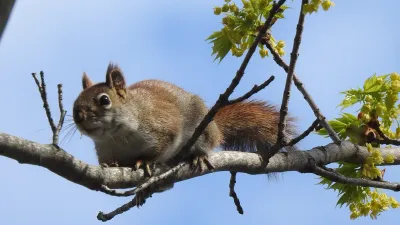

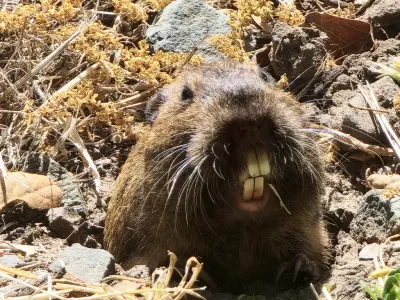
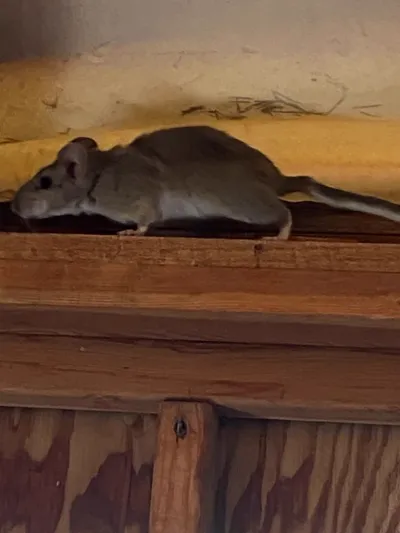

Commonly Confused With
Meadow Jumping Mouse are often mistaken for these similar pests
Where Meadow Jumping Mouse Are Found
Hover over states to see their names. Green regions indicate where meadow jumping mouse have been reported.
Common Questions about Meadow Jumping Mouse
How do I identify a meadow jumping mouse?
+
Meadow jumping mice have yellowish-brown fur on their back with white or cream undersides. Their most distinctive features are their extremely long hind feet (28-35 mm) and long bicolored tails that are longer than their body. They have small heads with relatively large ears and small dark eyes. Adults measure 7 to 9.5 inches total length including the tail.
Why are they called jumping mice?
+
Meadow jumping mice have greatly enlarged hind legs and feet adapted for leaping. When startled or fleeing predators, they can jump 2 to 3 feet in a single bound. Under laboratory conditions, some individuals have been recorded jumping slightly over 3 feet. However, their normal movement is short hops of 2.5 to 6 inches.
How long do meadow jumping mice hibernate?
+
Meadow jumping mice are among the longest-hibernating mammals in North America. They typically hibernate for 6 to 8 months, from late September or early October through late April or May. During hibernation, their body temperature can drop as low as 2 degrees Celsius (about 36 degrees Fahrenheit).
Do meadow jumping mice enter homes?
+
Meadow jumping mice rarely enter homes or buildings. They prefer moist grassland habitats near streams, ponds, and marshes. Unlike house mice that thrive in human dwellings, jumping mice avoid heavily developed areas and are seldom considered household pests.
Are meadow jumping mice harmful?
+
Meadow jumping mice pose minimal risk to humans or property. They do not typically invade homes, damage structures, or contaminate food supplies. In agricultural settings, they may occasionally feed on seeds and grains, but their impact is generally negligible compared to other rodent species.
What do meadow jumping mice eat?
+
Meadow jumping mice are omnivores. They primarily eat seeds, especially grass seeds, but also consume berries, fruits, fungi, and insects. In spring after emerging from hibernation, about half their diet may consist of animal foods like beetles, caterpillars, and other invertebrates.
Where do meadow jumping mice live?
+
Meadow jumping mice prefer moist, grassy habitats with dense herbaceous cover. They are commonly found in meadows, marshes, stream banks, pond edges, and wet fields. They generally avoid heavily wooded areas and prefer locations with high humidity and thick ground vegetation.
Are any meadow jumping mouse species endangered?
+
While the common meadow jumping mouse (Zapus hudsonius) is not threatened, two subspecies are protected. The New Mexico meadow jumping mouse (Zapus hudsonius luteus) was listed as endangered in 2014, and the Preble's meadow jumping mouse (Zapus hudsonius preblei) is listed as threatened under the Endangered Species Act.

With five years of hands-on experience in the pest control industry, George Schulz is a registered technician with the Virginia Pest Management Association and a proud third-generation professional in a family business that's been protecting homes for over 57 years. He manages and trains a team of service pros while also leading internal research efforts—recently spearheading a deep-dive review of thousands of documents on pest control materials to hand-pick the most kid and pet friendly, most effective solutions tailored specifically for homes in the DC metro area.