Marsh Rice Rats Identification Guide
Oryzomys palustris
Marsh rice rats are semi-aquatic rodents found in wetlands, salt marshes, and swamps across the southeastern United States. These nocturnal swimmers are a primary host for Bayou virus, a hantavirus that can cause serious illness in humans.
Taxonomy
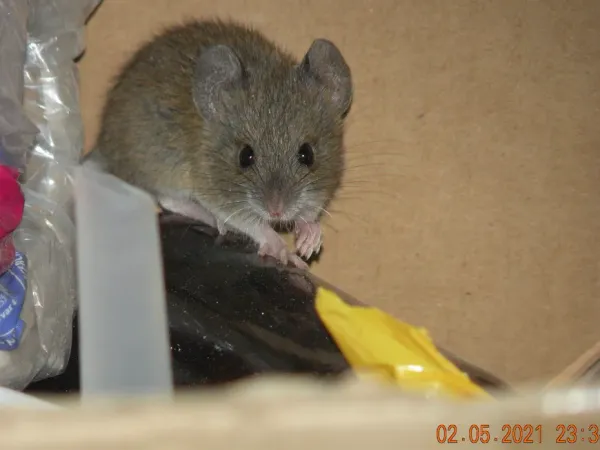
Marsh Rice Rats Coloration
Common color patterns to help identify marsh rice rats
Marsh Rice Rats
Seasonal Activity
When marsh rice rats are most active throughout the year
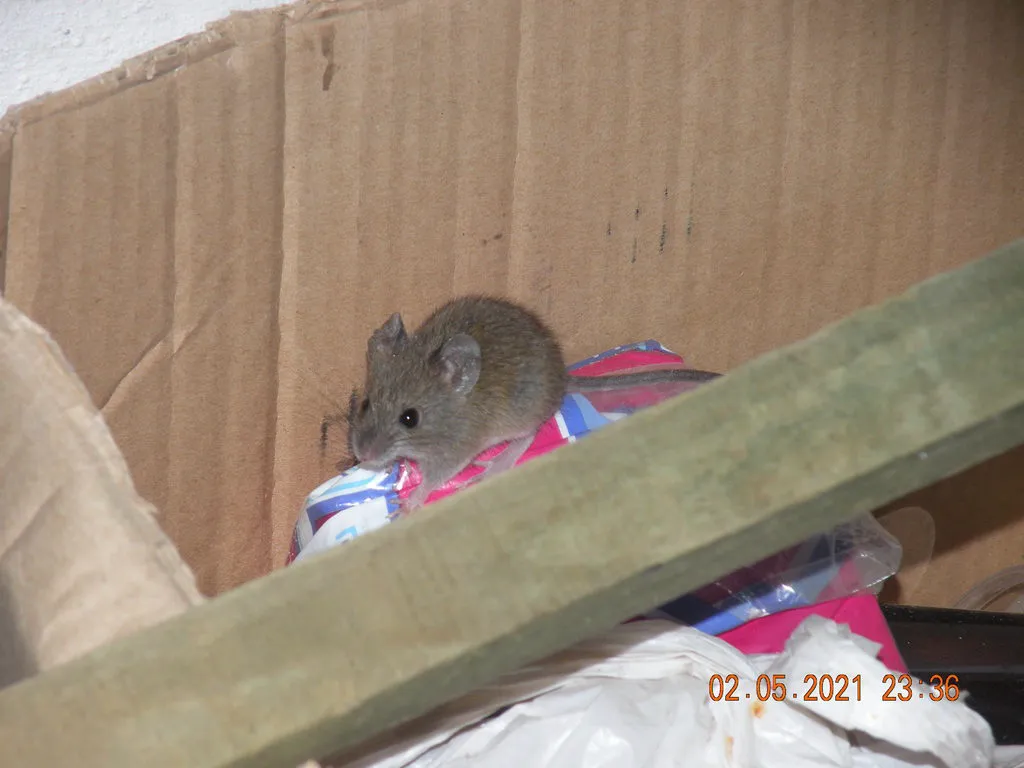
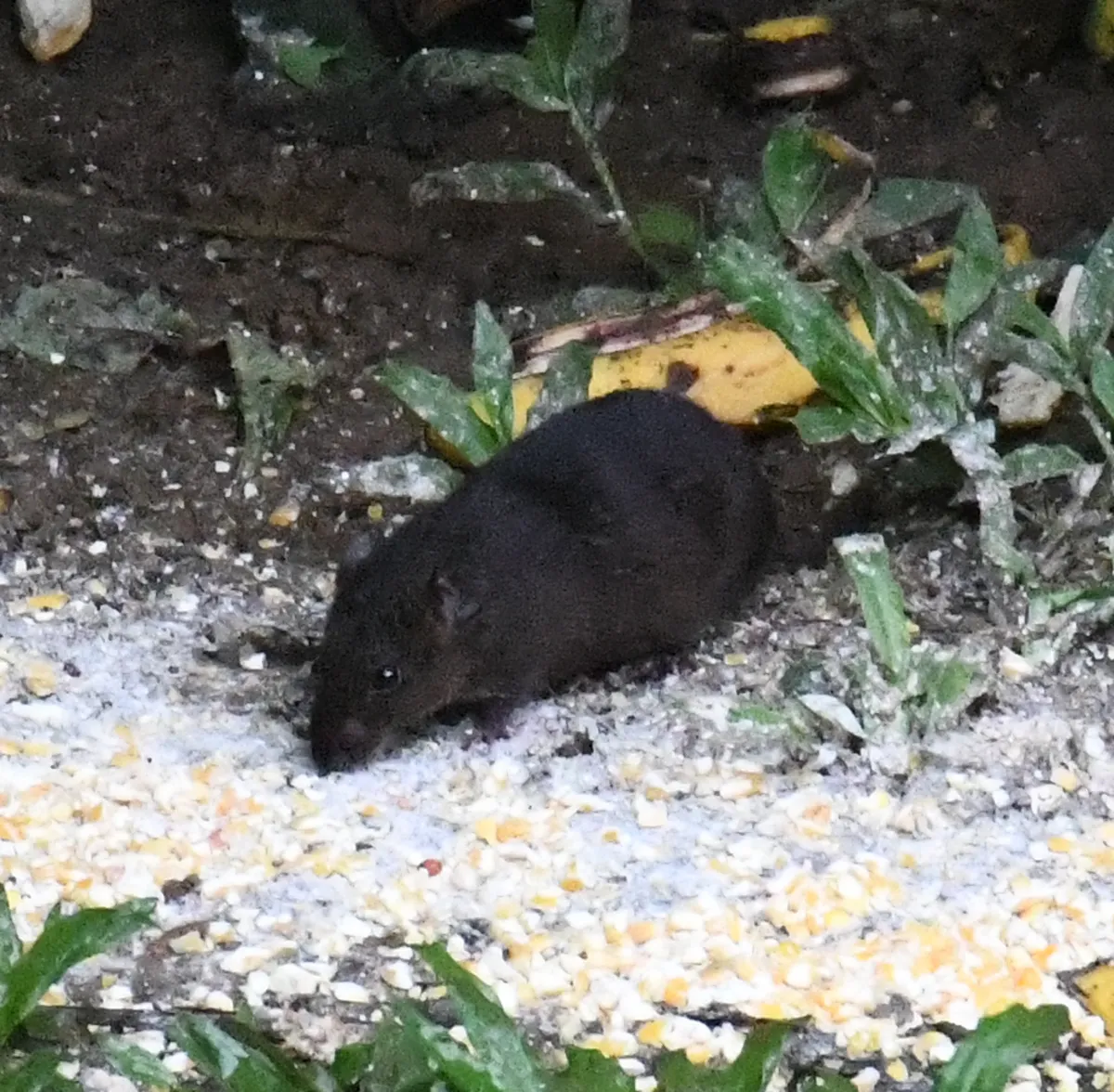
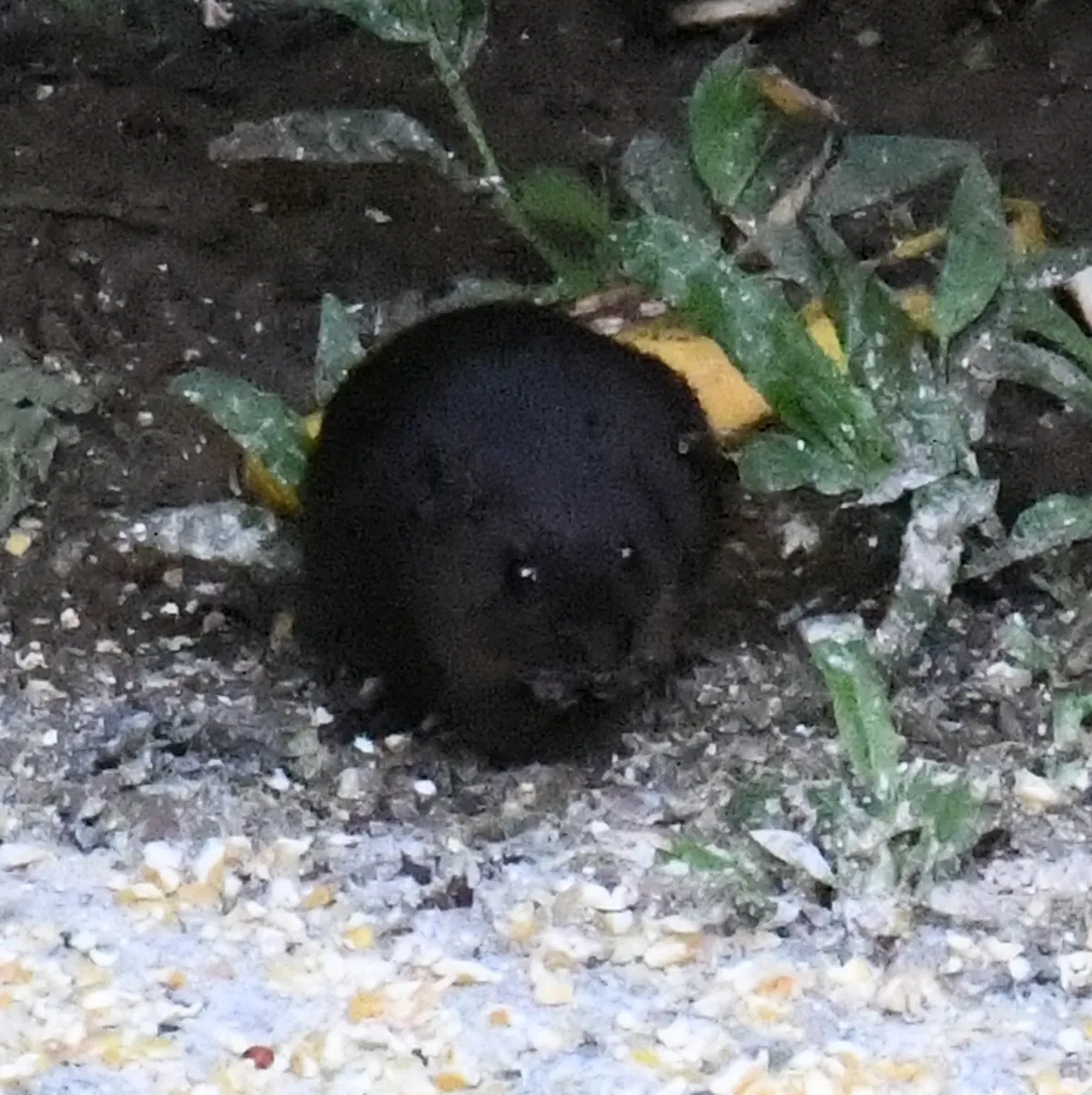

Where Marsh Rice Rats Are Found
Hover over states to see their names. Green regions indicate where marsh rice rats have been reported.
Marsh Rice Rat Identification Guide
Physical Characteristics
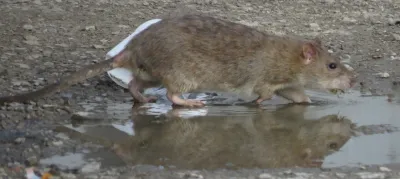
The marsh rice rat (Oryzomys palustris) is a medium-sized rodent that lives in and around water. You can find it across the eastern and southern United States. Adults are 226 to 305 mm long from nose to tail tip. The tail is about half of the total length. They weigh 45 to 80 grams, so they are much smaller than Norway rats or roof rats.
Their fur is gray to grayish-brown on top with lighter cream or white bellies. In Florida, some have more reddish-brown fur. They have dense, soft underfur that repels water. Their back feet are partly webbed to help them swim. These features make them easy to tell apart from other rodents.
Compared to cotton rats, marsh rice rats look sleeker. They have a longer, thinner tail and a smaller body.
Common Species
- Northeastern Marsh Rice Rat (Oryzomys palustris), the most common species across the southeastern U.S. and along the Atlantic coast
- Northwestern Marsh Rice Rat (Oryzomys texensis), a separate species in Texas and nearby areas
- Coues’s Rice Rat (Oryzomys couesi), found in southern Texas and Mexico
Marsh Rice Rat Behavior and Biology
Marsh rice rats are active at night. They spend most of their time looking for food in and near water. They are strong swimmers that can go more than 33 feet underwater. When scared, they run to the water instead of hiding in a burrow.
Habitat Preferences
These rodents stick close to wet areas. They live in salt marshes, freshwater marshes, and swamps along the Atlantic and Gulf coasts. In inland areas, they can also live in wet meadows and along rivers. They are among the most common mammals in coastal tidal marshes. Their range runs from New Jersey south to Florida and west to Texas.
Nesting and Social Behavior
Marsh rice rats build small, grapefruit-sized nests from woven grasses. They place nests on raised ground under debris, near shrubs, in short burrows, or up in thick marsh plants. Building nests above the ground helps them stay dry during floods. They sometimes reuse old nests from marsh wrens, blackbirds, and muskrats. They often live alongside hispid cotton rats and meadow voles.
Diet
Marsh rice rats eat both plants and animals in roughly equal amounts. Their diet changes with the seasons. Common foods include:
- Seeds and leaves of grasses and water plants
- Insects, snails, and fiddler crabs
- Small fish and shellfish
- Bird eggs and chicks, mainly from marsh wrens
Reproduction and Lifespan
Marsh rice rats can breed year-round, but they are most active from May through September. Females have several litters per year. Each litter has 1 to 6 pups, with about 5 being typical. Pregnancy lasts 21 to 28 days. Newborns weigh only 3 to 4 grams and are born blind and nearly hairless. Even though they breed fast, most wild marsh rice rats only live about 7 months. Owls, snakes, and other predators keep their numbers in check.
Health Risks Associated with Marsh Rice Rats
The biggest worry with marsh rice rats is that they carry Bayou orthohantavirus (BAYV). This hantavirus can lead to hantavirus pulmonary syndrome (HPS). HPS is a serious lung illness with a death rate of about 40%. Most human cases have been found in Louisiana and Texas.
People can catch this virus by:
- Breathing in dust from areas with rodent urine, droppings, or nest material
- Touching rodent waste or dirty surfaces, then touching their face
- Being bitten by an infected rodent (rare)
If you find rodent droppings or nest material near your home, do not sweep or vacuum them. Doing so can spread virus particles into the air. Spray the area with a bleach or disinfectant solution first, then wipe it up.
This information is for educational purposes only. If you believe you have been exposed to hantavirus or are feeling unwell, please consult a doctor right away.
Treatment Methods for Marsh Rice Rats
Marsh rice rats strongly prefer wetland habitats and rarely enter homes. Control efforts usually focus on keeping them out and changing the habitat around your property rather than heavy trapping. Effective methods include:
- Sealing entry points on garages, sheds, and outbuildings near wetland areas
- Clearing debris like brush piles, tall grass, and thick plants right next to buildings
- Setting snap traps or live traps along pathways and near water for targeted removal
- Removing food sources that could draw rodents closer to structures
- Proper cleanup of any droppings or nesting materials, using wet methods and gloves to reduce the risk of hantavirus exposure
If your property borders a marsh or wetland and you keep seeing rodent activity, a professional pest control or wildlife management company can help create a plan for your specific situation.
References
Other Rodents
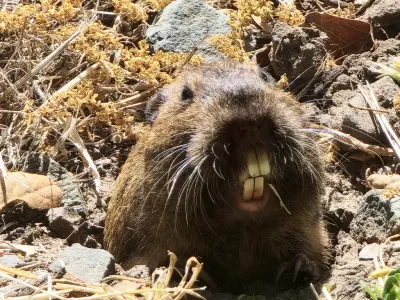
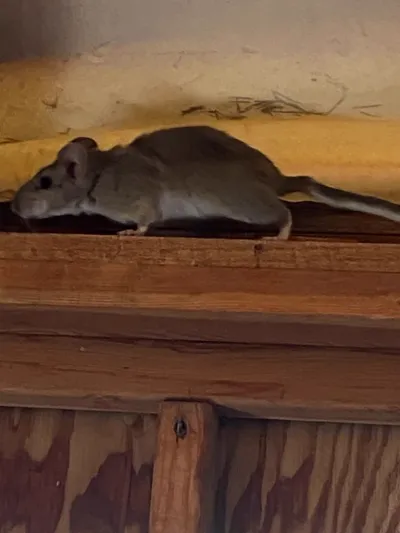
Explore other species in the rodents family




Commonly Confused With
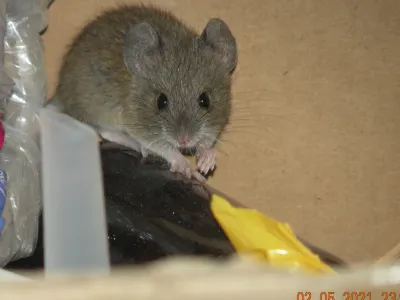
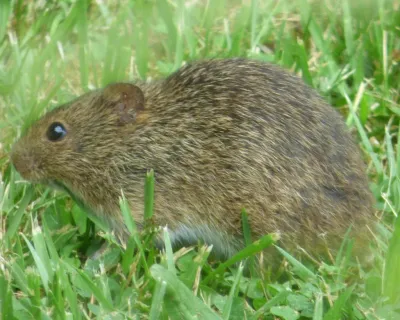
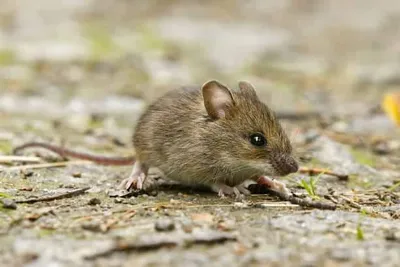
Marsh Rice Rats are often mistaken for these similar pests
Where Marsh Rice Rats Are Found
Hover over states to see their names. Green regions indicate where marsh rice rats have been reported.
Common Questions about Marsh Rice Rats
Are marsh rice rats dangerous to humans?
+
Marsh rice rats are the primary host for Bayou virus, a hantavirus that can cause hantavirus pulmonary syndrome (HPS) in humans. HPS is a serious and potentially fatal respiratory illness. Transmission occurs through contact with rodent urine, droppings, or saliva, or by breathing in dust contaminated with these materials.
How do I know if I have marsh rice rats on my property?
+
Look for small, grapefruit-sized nests made of woven grasses and sedges near water sources. You may also notice gnaw marks, droppings, or runway trails through dense vegetation near wetland areas. Marsh rice rats are nocturnal, so sightings during the day are uncommon.
What is the difference between marsh rice rats and regular rats?
+
Marsh rice rats are smaller than Norway rats and roof rats, typically weighing only 45 to 80 grams compared to 200 to 500 grams for common rats. They have dense, water-repellent underfur and partially webbed hind feet adapted for swimming. Unlike common rats, marsh rice rats strongly prefer wetland habitats.
Do marsh rice rats come inside homes?
+
Marsh rice rats rarely invade homes. They strongly prefer wetland habitats such as salt marshes, freshwater marshes, and swamps. However, properties adjacent to these habitats may occasionally see marsh rice rats in garages, sheds, or outbuildings, especially during flooding events.
What do marsh rice rats eat?
+
Marsh rice rats are omnivores that eat roughly equal amounts of plant and animal matter. Their diet includes seeds, grasses, aquatic plants, insects, snails, fiddler crabs, small fish, and even bird eggs. They are considered a notable predator of marsh wren eggs and nestlings.
How fast do marsh rice rats reproduce?
+
Marsh rice rats can breed year-round, though activity peaks during summer months. Females produce several litters per year, with each litter containing 1 to 6 pups. The gestation period is approximately 21 to 28 days, and young rats can reach sexual maturity quickly, allowing populations to grow rapidly under favorable conditions.

With five years of hands-on experience in the pest control industry, George Schulz is a registered technician with the Virginia Pest Management Association and a proud third-generation professional in a family business that's been protecting homes for over 57 years. He manages and trains a team of service pros while also leading internal research efforts—recently spearheading a deep-dive review of thousands of documents on pest control materials to hand-pick the most kid and pet friendly, most effective solutions tailored specifically for homes in the DC metro area.