Fox Squirrel Identification Guide
Sciurus niger
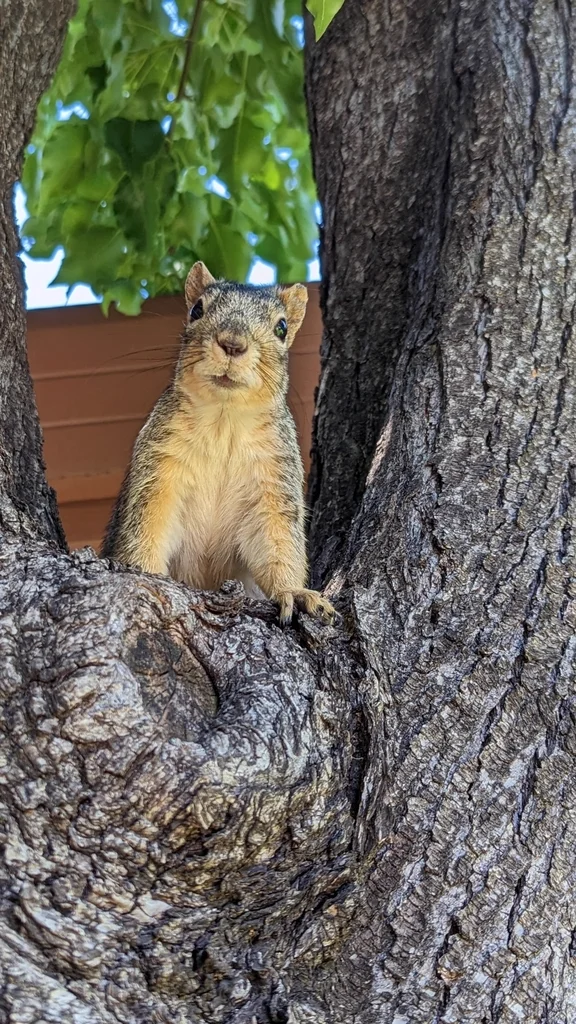
The fox squirrel is North America's largest tree squirrel. Its fur color ranges from gray and rust to solid black. These rodents do well in open woods and suburban yards. They can become pests when they nest in buildings or damage property.
Taxonomy
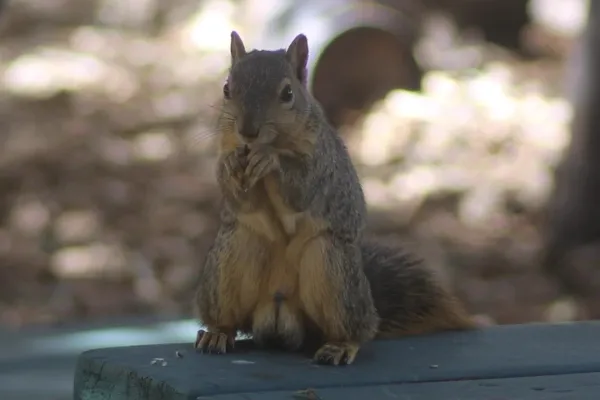
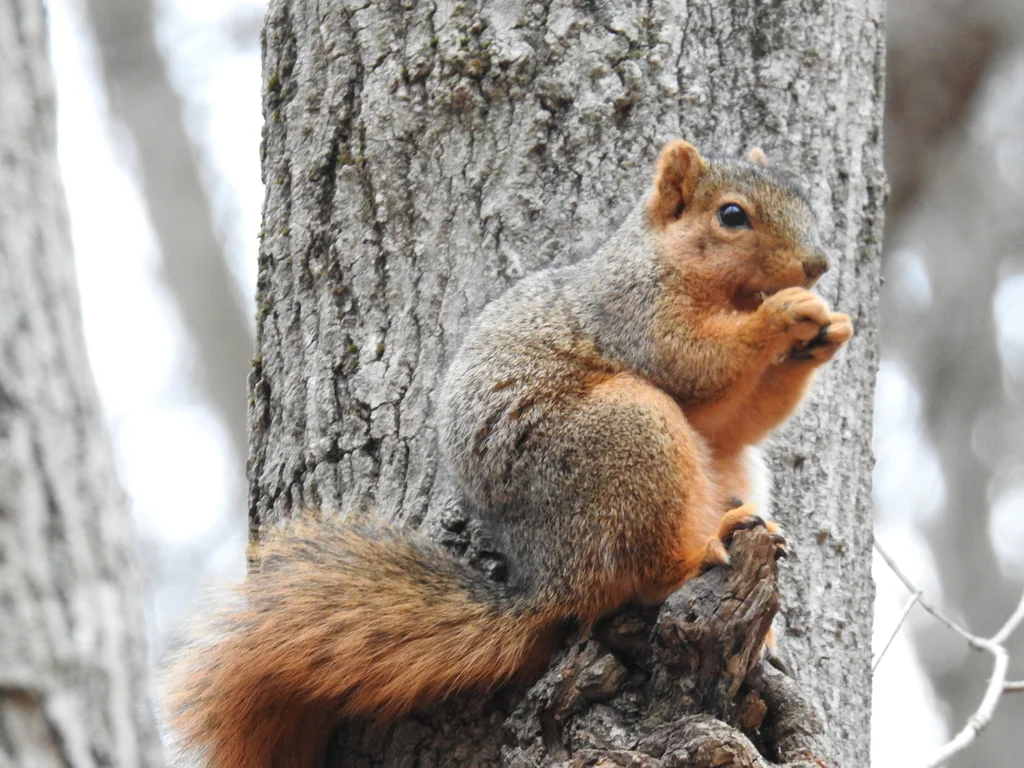
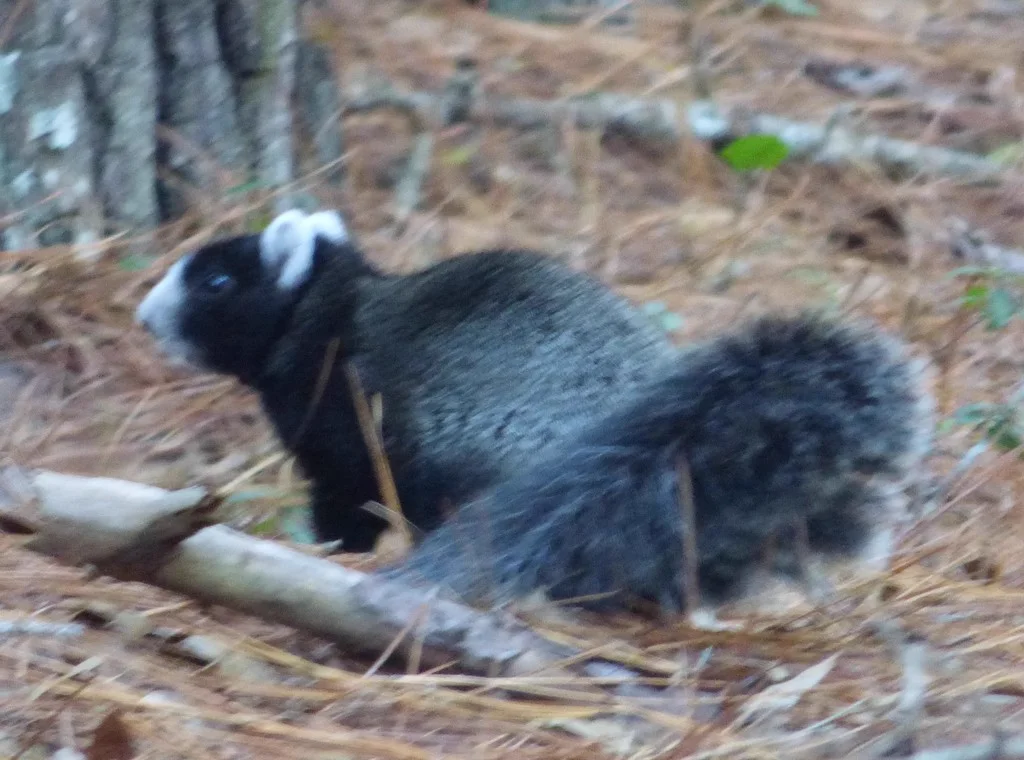
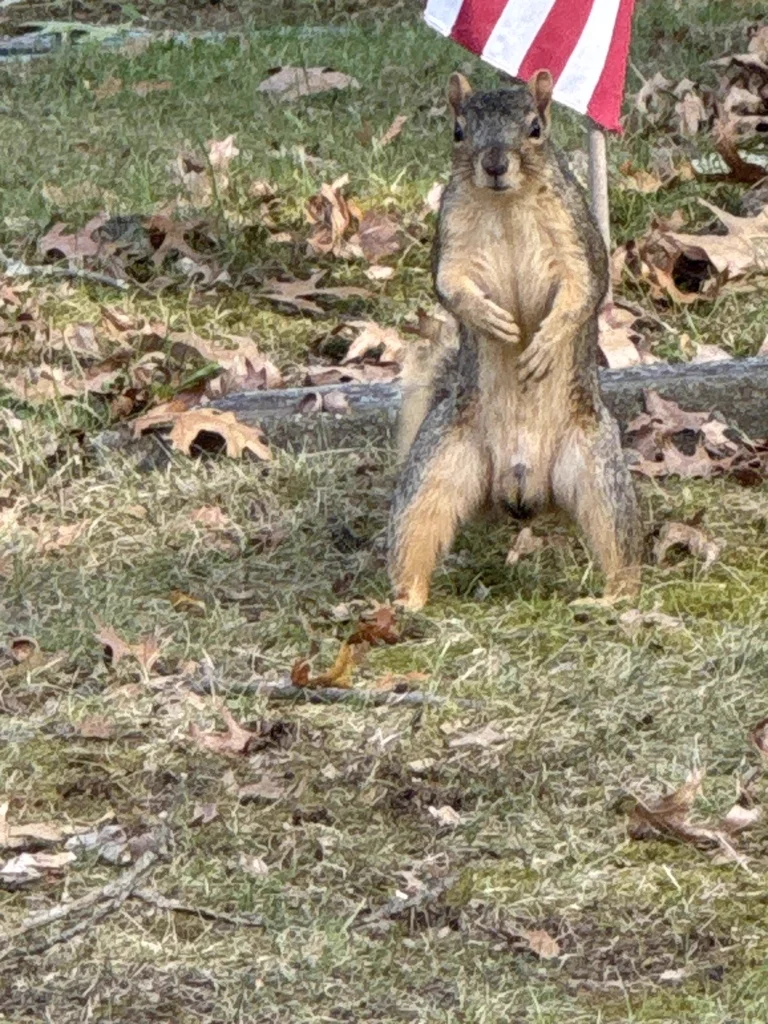
Fox Squirrel Coloration
Common color patterns to help identify fox squirrel
Fox Squirrel
Seasonal Activity
When fox squirrel are most active throughout the year

Where Fox Squirrel Are Found
Hover over states to see their names. Green regions indicate where fox squirrel have been reported.
Fox Squirrel Identification Guide
Physical Characteristics
The fox squirrel is North America’s largest tree squirrel. Adults measure 20 to 30 inches long from nose to tail tip. The body is 10 to 15 inches long. The bushy tail adds another 10 to 15 inches. They weigh between 1 and 2.5 pounds. Males and females are about the same size.
Fox squirrels have a stocky build. Their strong hind legs help them climb and jump. Their ears are small and may grow tufts in winter. The long, bushy tail helps with balance and staying warm.
Color Variations
Fox squirrels come in many colors depending on where they live:
- Northeast: Gray on top with yellow or orange bellies
- Western areas: Gray on top with rusty bellies and feet
- Southeast: Often all black with a white stripe on the face and white tail tip
- Mixed regions: Blends of gray, tan, orange, and brown
This color range can make them hard to identify. However, their large size always sets them apart from other tree squirrels.
Unique Identification Feature
Fox squirrels have an unusual trait. Their bones glow pink under UV light. This happens because of a genetic condition that builds up a glowing compound in their bones, teeth, and urine. This makes fox squirrel remains easy to identify.
Related Species in North America
- Eastern Fox Squirrel (Sciurus niger): The main species covered here, found across eastern and central North America
- Mexican Fox Squirrel (Sciurus nayaritensis): Lives in mountain forests of Arizona and Mexico
- Eastern Gray Squirrel (Sciurus carolinensis): Smaller and faster, often confused with fox squirrels
- Western Gray Squirrel (Sciurus griseus): Pacific coast species with silver-gray fur
Fox Squirrel Behavior and Biology
Habitat Preferences
Fox squirrels like open areas with scattered trees. They prefer places where trees are spread out and the ground is clear. This is different from gray squirrels, which like dense forests. Fox squirrels do best in small groups of oak and hickory trees near open fields.
Common habitats include:
- Oak and hickory woods with open ground
- Suburban yards with big shade trees
- Parks and cemeteries with mature trees
- Forest edges and fence rows
- Pecan groves and farm areas
Fox squirrels handle being near people very well. They thrive in suburban and city settings. They often use homes for food and shelter. They may nest in buildings just as easily as tree holes.
Diet and Foraging Behavior
Fox squirrels eat many types of food depending on the season.
Main foods:
- Acorns, hickory nuts, walnuts, and pecans
- Tree seeds, buds, and flowers
- Mushrooms
- Berries and fruits
Other foods:
- Bird eggs and baby birds
- Insects and bugs
- Sometimes small animals or dead animals
Fox squirrels bury nuts for winter. They hide thousands of nuts each fall and find them later by smell. They only find about 25 to 50 percent of what they bury. The nuts they forget often grow into new trees.
Social Behavior and Communication
Fox squirrels usually live alone except during mating season. They may share nests in very cold weather. They talk to each other in several ways:
- Sounds: Barking, chattering, screaming, and high-pitched whines
- Scent: Marking areas with special glands to claim territory
- Body moves: Flicking their tail, stomping feet, and raising their tail in warning
Reproduction and Life Cycle
Fox squirrels can mate year-round. Peak breeding happens in December and June. Females are pregnant for about 44 to 45 days. They have 2 to 3 babies on average.
Baby fox squirrels are born without fur and cannot see. They weigh only about half an ounce. They grow slowly:
- Eyes open at 4 to 5 weeks
- Start eating solid food at 7 to 8 weeks
- Leave the nest at 10 to 12 weeks
- Can breed at 8 months (females) or 10 to 11 months (males)
Wild fox squirrels can live 8 to 18 years. However, most die in their first year from predators. Pet fox squirrels have lived up to 18 years.
Signs of Fox Squirrel Activity
Spotting fox squirrels early can help prevent damage to your home:
- Daytime noises: Scratching or thumping sounds during morning and afternoon
- Entry holes: Chewed openings in soffits or roof edges, bigger than mouse holes
- Droppings: Oval pellets about half an inch long
- Nest materials: Piles of leaves, bark, and torn insulation
- Chew marks: Signs of gnawing on wood, wires, or stored items
- Bird feeder damage: Bent or broken feeders and empty seed
Property Damage Concerns
Fox squirrels can cause serious damage to homes.
Electrical and Fire Risks
Fox squirrels must chew to keep their teeth worn down. They often chew on wires. This can strip insulation and create fire hazards. Damaged wires can spark and cause house fires.
Structural Damage
Their strong teeth can chew through:
- Wood siding and trim
- Aluminum and soffit panels
- Plastic vent covers
- Roof materials near entry points
Health Concerns
Fox squirrel nests dirty insulation with urine and droppings. This creates odors and reduces how well insulation works. Squirrels may also bring in:
Please note this is general information and not medical advice. Consult a doctor if you have health concerns.
Wildlife Management Approaches
Fox squirrels are classified as rodents and count as wildlife in most states. Managing them is different from regular pest control. Rules vary by state. Some states protect fox squirrels. Others allow hunting or trapping at certain times.
Exclusion Methods
The best long-term fix is keeping them out:
- Seal entry points with hardware cloth or metal
- Add chimney caps and strong vent covers
- Fix damaged soffits and roofing right away
- Cut tree branches back 8 to 10 feet from the roof
Making Your Yard Less Appealing
You can make your property less attractive to squirrels:
- Use squirrel-proof bird feeders or remove them for a while
- Clean up fallen nuts, fruits, and seeds
- Use tight lids on garbage cans
- Clear brush piles near your foundation
Professional Wildlife Control
If fox squirrels are already inside your home, wildlife control experts can help. They use live traps and one-way doors for humane removal. This work often needs permits and must follow state rules. The exclusion techniques are similar to those used for rats in attics, focusing on sealing entry points and removing access routes. Southern flying squirrels also target attics but are nocturnal, so noise at night may indicate a different species.
References
Other Rodents
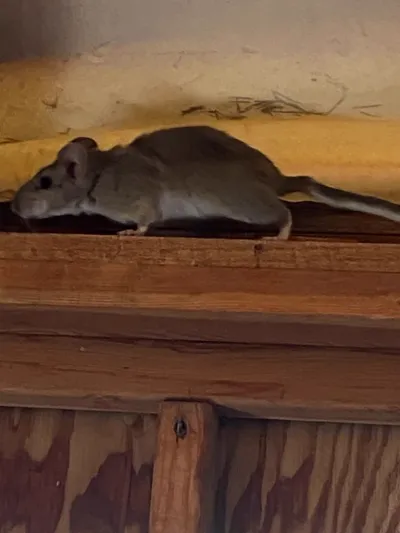
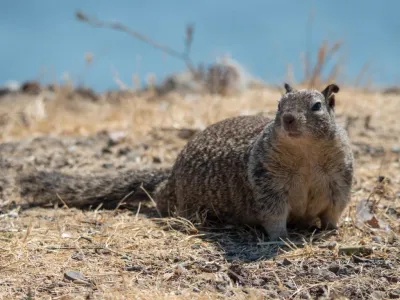
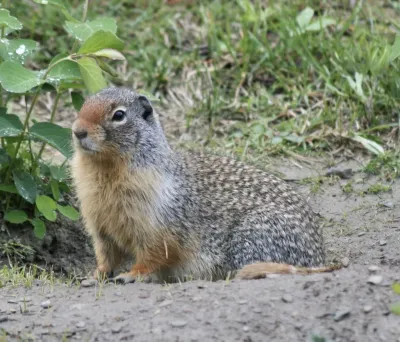
Explore other species in the rodents family
Commonly Confused With
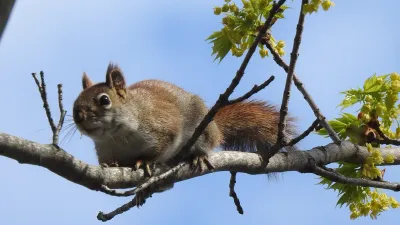
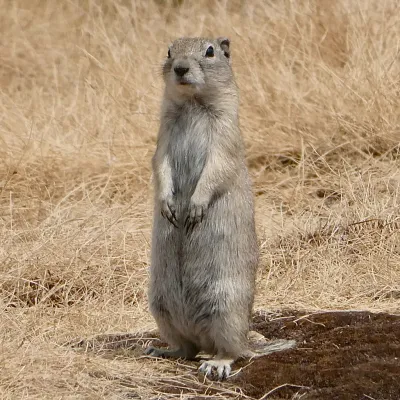
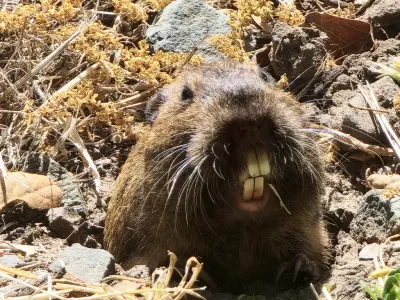
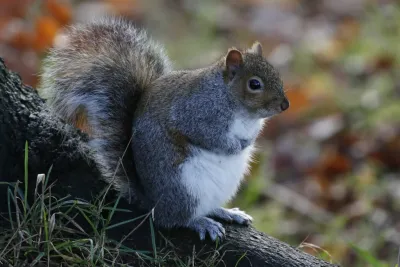
Fox Squirrel are often mistaken for these similar pests
Where Fox Squirrel Are Found
Hover over states to see their names. Green regions indicate where fox squirrel have been reported.
Common Questions about Fox Squirrel
How can I tell a fox squirrel from a gray squirrel?
+
Fox squirrels are bigger than gray squirrels. They measure 20 to 30 inches long, while gray squirrels are only 17 to 20 inches. Fox squirrels often have rusty or yellow bellies. Gray squirrels have white bellies. Fox squirrels are also slower and spend more time on the ground.
Are fox squirrels dangerous to my home?
+
Yes, fox squirrels can damage your home. They chew on wires, which creates fire risks. They ruin insulation and ductwork. They chew through wood and siding to get inside. They can also bring fleas and ticks into your home. Their large size means they cause more damage than smaller squirrels.
Why are some fox squirrels black?
+
Black fox squirrels have extra dark pigment in their fur. This is a genetic trait. Black fox squirrels are most common in the Southeast. In some areas, black ones are more common than gray and rusty ones.
When are fox squirrels most active?
+
Fox squirrels are active during the day. They are busiest in early morning and late afternoon. They do not hibernate. However, they may stay in their nests during bad winter storms.
What time of year do fox squirrels have babies?
+
Fox squirrels can have babies any time of year. Most breeding happens in December and June. Females are pregnant for about 44 to 45 days. They usually have 2 to 3 babies per litter. Babies are born without fur and stay in the nest for about 12 weeks.
How do fox squirrels get into houses?
+
Fox squirrels get in through gaps in soffits, broken vents, open chimneys, and loose boards. Their strong teeth can chew through wood and even metal. They like attics because these spaces feel like tree holes to them. [Red squirrels](/pests/rodents/red-squirrels/) enter homes through similar routes but are much smaller.
Do fox squirrels carry diseases?
+
Fox squirrels can carry some diseases. However, people rarely catch diseases from them. The bigger worry is that squirrels can bring fleas, ticks, and mites into your home. These pests may cause health problems for you and your pets.

With five years of hands-on experience in the pest control industry, George Schulz is a registered technician with the Virginia Pest Management Association and a proud third-generation professional in a family business that's been protecting homes for over 57 years. He manages and trains a team of service pros while also leading internal research efforts—recently spearheading a deep-dive review of thousands of documents on pest control materials to hand-pick the most kid and pet friendly, most effective solutions tailored specifically for homes in the DC metro area.