Eastern Gray Squirrel Identification Guide
Sciurus carolinensis
The Eastern Gray Squirrel is one of North America's most common and recognizable wildlife species. While they play important roles in forest ecosystems, they can become nuisance animals when they enter attics, chew on wiring, or raid bird feeders.
Taxonomy
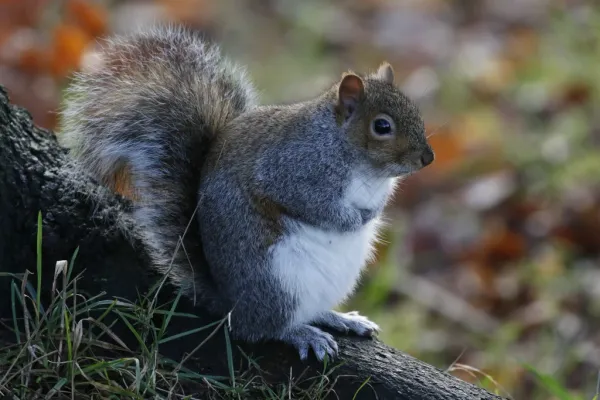
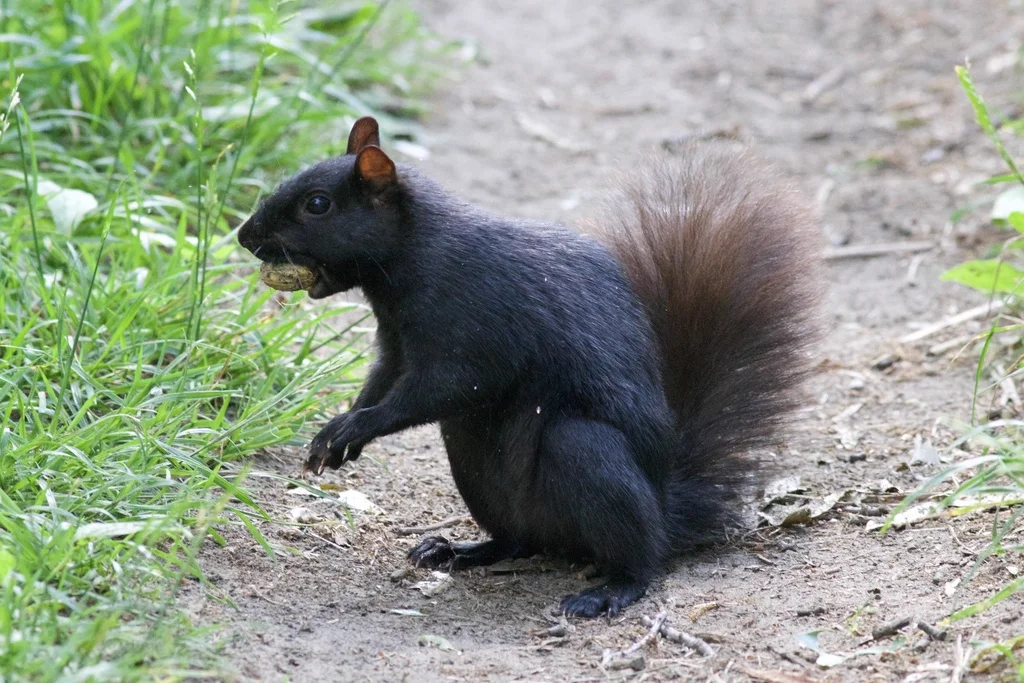
Eastern Gray Squirrel Coloration
Common color patterns to help identify eastern gray squirrel
Eastern Gray Squirrel
Seasonal Activity
When eastern gray squirrel are most active throughout the year

Where Eastern Gray Squirrel Are Found
Hover over states to see their names. Green regions indicate where eastern gray squirrel have been reported.
Eastern Gray Squirrel Identification Guide
Physical Characteristics
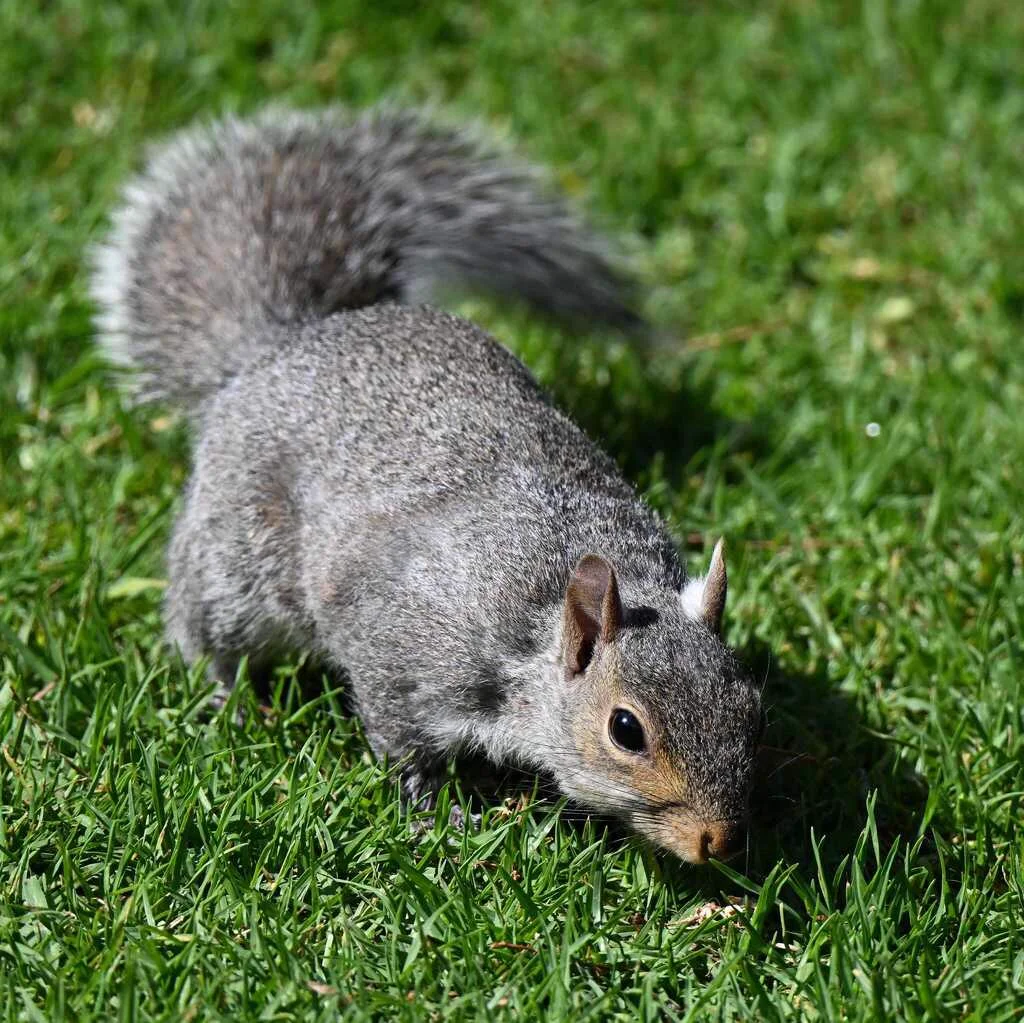
The eastern gray squirrel is a medium-sized tree squirrel with a body length of 9 to 12 inches, plus a bushy tail adding another 7 to 10 inches. Despite their name, their fur can range from silver-gray to brownish-gray on the back, with a lighter, often white or cream-colored belly. They have large, prominent eyes, small rounded ears, and powerful hind legs adapted for jumping between trees.
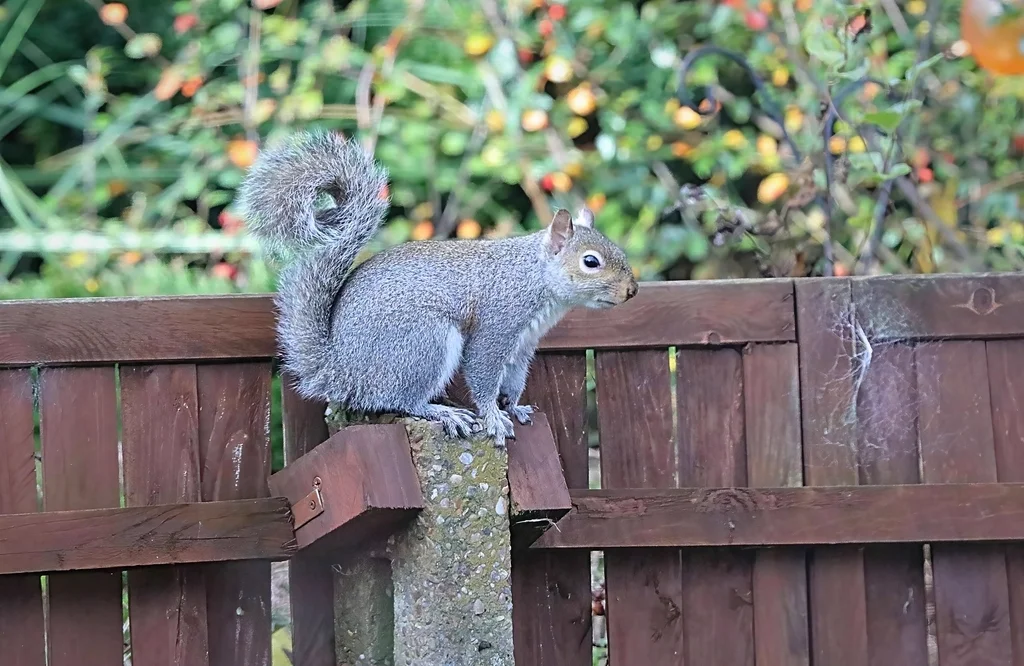
One of the most distinctive features is their large, bushy tail, which serves multiple purposes: balance while climbing, warmth during cold weather, and communication with other squirrels. Their front paws have four digits while their hind paws have five, all equipped with sharp claws ideal for gripping bark.
Color Variations
Eastern gray squirrels exhibit several color morphs:
- Gray morph: The most common coloration, featuring silver-gray fur with brownish tones
- Black morph: A melanistic variant that appears entirely black, common in certain urban areas
- White morph: Rare individuals with white fur but normal-colored eyes (not true albinos)
- Albino: Very rare, featuring white fur and pink eyes
The black color morph is particularly common in areas like Washington DC, parts of Ontario, and several midwestern cities. This variation is genetic and both color forms can occur in the same litter.
Common Species in North America
- Eastern Gray Squirrel (Sciurus carolinensis) - The most widespread and adaptable species
- Western Gray Squirrel (Sciurus griseus) - Found along the Pacific coast
- Fox Squirrel (Sciurus niger) - Larger species with reddish-brown coloring
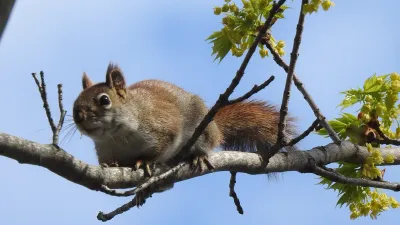
- Red Squirrel (Tamiasciurus hudsonicus) - Smaller species with reddish fur
Eastern Gray Squirrel Behavior and Biology
Habitat and Range
Eastern gray squirrels thrive in both forested areas and urban environments. Their natural habitat includes hardwood and mixed forests with abundant nut-producing trees like oaks, hickories, and walnuts. They have adapted remarkably well to suburban and urban settings, making use of parks, yards, and buildings throughout eastern and central North America.
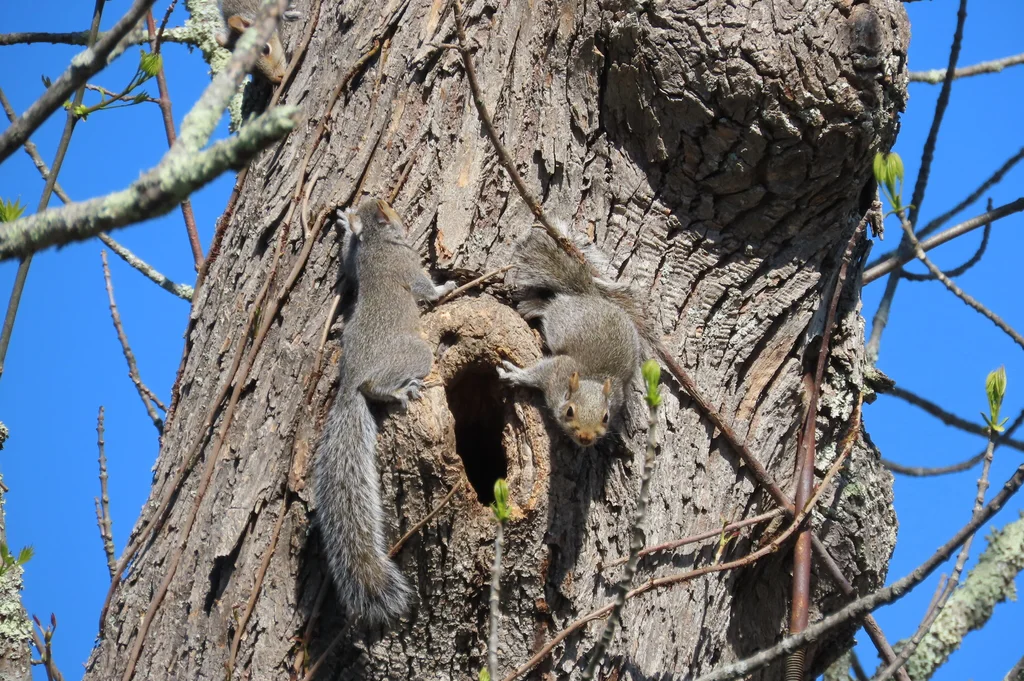
These adaptable rodents build two types of nests: dreys (leaf nests constructed in tree branches) and cavity nests (located in tree hollows or, problematically, in attics and wall voids). They may maintain several nests within their home range of 1 to 7 acres. A related species, Pack Rats, shares similar characteristics. Homeowners dealing with Eastern Gray Squirrel may also encounter Rodent, which can appear in similar environments.
Diet and Foraging A related species, Thirteen-Lined Ground Squirrel, shares similar characteristics.
Eastern gray squirrels are primarily herbivores with an opportunistic diet including:
- Tree nuts (acorns, hickory nuts, walnuts, pecans)
- Tree seeds and buds
- Fungi and mushrooms
- Berries and fruits
- Bird eggs and nestlings (occasionally)
- Insects (occasionally)
They are well known for their food caching behavior, burying thousands of nuts each fall. While they relocate many cached nuts using their keen sense of smell, forgotten caches often germinate, making squirrels important agents of forest regeneration.
Reproduction and Lifespan
Eastern gray squirrels breed twice yearly, producing litters of 2 to 6 young after a 44-day gestation period. Young squirrels are born hairless and blind, remaining in the nest for about 10 weeks before venturing out. They typically become independent at 12 weeks but may stay near their mother through their first winter.
In the wild, eastern gray squirrels live an average of 6 years, though many do not survive their first year due to predation. In protected urban environments, some individuals have lived over 12 years.
Signs of Squirrel Activity Around Your Home
Recognizing squirrel activity early can help prevent more serious problems:
- Daytime noises: Scratching, scurrying, or thumping sounds in attics or walls during daylight hours
- Visible entry points: Gnawed holes in soffits, fascia boards, or roof edges
- Droppings: Oval-shaped droppings about 3/8 inch long, larger than mouse droppings
- Gnaw marks: Evidence of chewing on wood trim, wiring, or stored items
- Nesting materials: Shredded insulation, leaves, or other debris
- Damaged bird feeders: Bent perches, chewed plastic, or empty feeders
Property Damage Concerns
While squirrels may seem harmless, they can cause substantial damage to homes:
Electrical Hazards
Squirrels gnaw on electrical wiring to wear down their continuously growing teeth. Damaged wiring creates serious fire hazards and can cause power outages. The Insurance Information Institute notes that rodent damage to wiring causes a significant number of house fires annually. Similar concerns apply to southern flying squirrels and northern flying squirrels, which are nocturnal and may go undetected in attics for longer periods.
Structural Damage
Their powerful teeth can gnaw through wood, aluminum, and even soft metals. Common damage includes:
- Enlarged entry holes in soffits and fascia
- Damaged roof vents and flashing
- Compromised weatherproofing
Insulation and HVAC Damage
Squirrels nesting in attics compress and contaminate insulation with urine and droppings, reducing its effectiveness. They may also damage ductwork and HVAC components.
Wildlife Management Approaches
Eastern gray squirrels are classified as wildlife in most jurisdictions, and their management typically requires different approaches than traditional pest control. Effective strategies focus on exclusion and habitat modification:
Exclusion Methods
- Seal entry points with hardware cloth or metal flashing
- Install chimney caps and vent covers
- Trim tree branches at least 6 to 8 feet from the roofline
- Repair damaged soffits, fascia, and roofing promptly
Habitat Modification
- Use squirrel-proof bird feeders or eliminate feeders temporarily
- Remove fallen nuts and fruit from the yard
- Secure garbage containers
- Clear brush piles near the foundation
Professional Wildlife Control
For squirrels already inside structures, professional wildlife control operators can provide humane removal using live traps and one-way exclusion doors. This work often requires permits and must comply with state and local wildlife regulations. For tips on keeping rodents out of your home, see our guide on how to keep mice out mice, as many of the same exclusion principles apply to squirrels.
References
Other Rodents
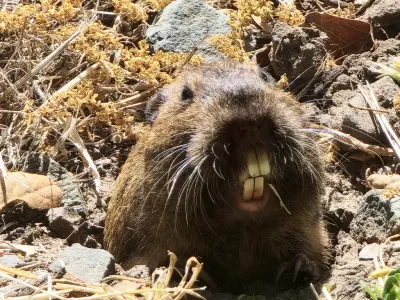
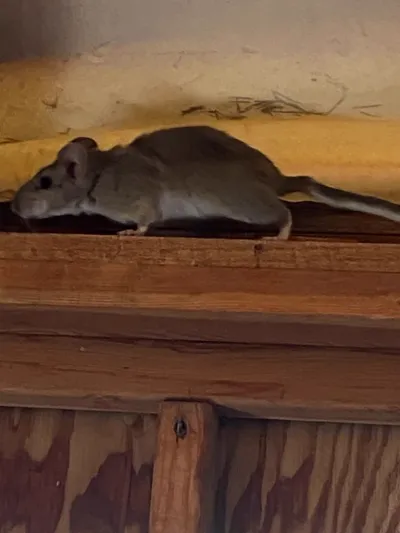
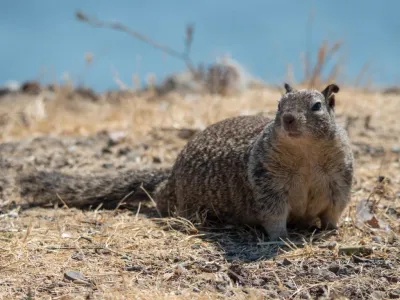
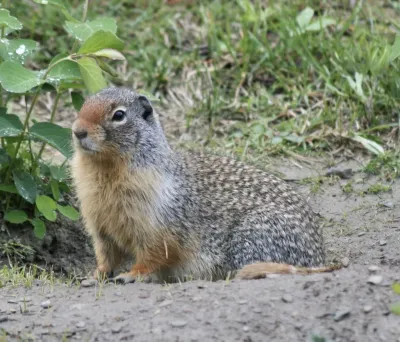
Explore other species in the rodents family

Commonly Confused With
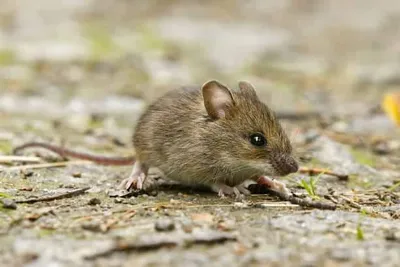
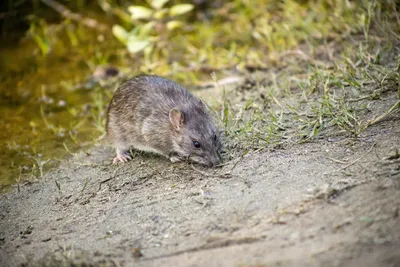
Eastern Gray Squirrel are often mistaken for these similar pests
Where Eastern Gray Squirrel Are Found
Hover over states to see their names. Green regions indicate where eastern gray squirrel have been reported.
Common Questions about Eastern Gray Squirrel
How do I know if squirrels are in my attic?
+
Signs of squirrels in your attic include scratching or scurrying noises during daylight hours (especially early morning and late afternoon), gnaw marks on wood or wiring, droppings larger than mouse droppings, and visible entry holes along the roofline or soffits.
Are squirrels dangerous to my home?
+
Yes, squirrels can cause significant property damage. They gnaw on electrical wiring which creates fire hazards, damage insulation, chew through wood and siding to create entry points, and can introduce parasites like fleas and ticks into your home.
When are squirrels most active?
+
Eastern gray squirrels are diurnal, meaning they are most active during daylight hours. Peak activity occurs in the early morning and late afternoon. They do not hibernate but may be less active during severe winter weather.
Why do some gray squirrels look black?
+
Black squirrels are actually a melanistic color variant of the eastern gray squirrel, not a separate species. This genetic variation is more common in certain regions, particularly in northern parts of their range and urban areas like Washington DC.
How do squirrels get into houses?
+
Squirrels enter homes through gaps in soffits, damaged roof vents, uncapped chimneys, loose fascia boards, and construction gaps. They can gnaw through wood and soft metals to enlarge small openings. Their strong teeth and climbing ability give them access to most areas of a home's exterior.
Do squirrels carry diseases?
+
While squirrels can carry diseases like leptospirosis, salmonella, and rabies (rarely), direct disease transmission to humans is uncommon. However, they can introduce parasites such as fleas, ticks, and mites into homes, which may pose health concerns.
What time of year do squirrels have babies?
+
Eastern gray squirrels typically have two breeding seasons: late winter (December to February) and late spring to early summer (May to June). Babies are born about 44 days later, so you may notice increased attic activity in spring and late summer when females are nesting.

With five years of hands-on experience in the pest control industry, George Schulz is a registered technician with the Virginia Pest Management Association and a proud third-generation professional in a family business that's been protecting homes for over 57 years. He manages and trains a team of service pros while also leading internal research efforts—recently spearheading a deep-dive review of thousands of documents on pest control materials to hand-pick the most kid and pet friendly, most effective solutions tailored specifically for homes in the DC metro area.