Eastern Chipmunk Identification Guide
Tamias striatus
The Eastern Chipmunk is a small, striped rodent commonly found throughout eastern North America. While often considered charming backyard visitors, chipmunks can become nuisances when they burrow near foundations or raid gardens and bird feeders.
Taxonomy
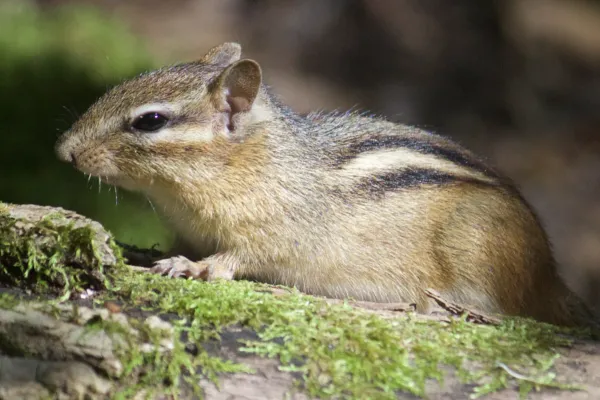
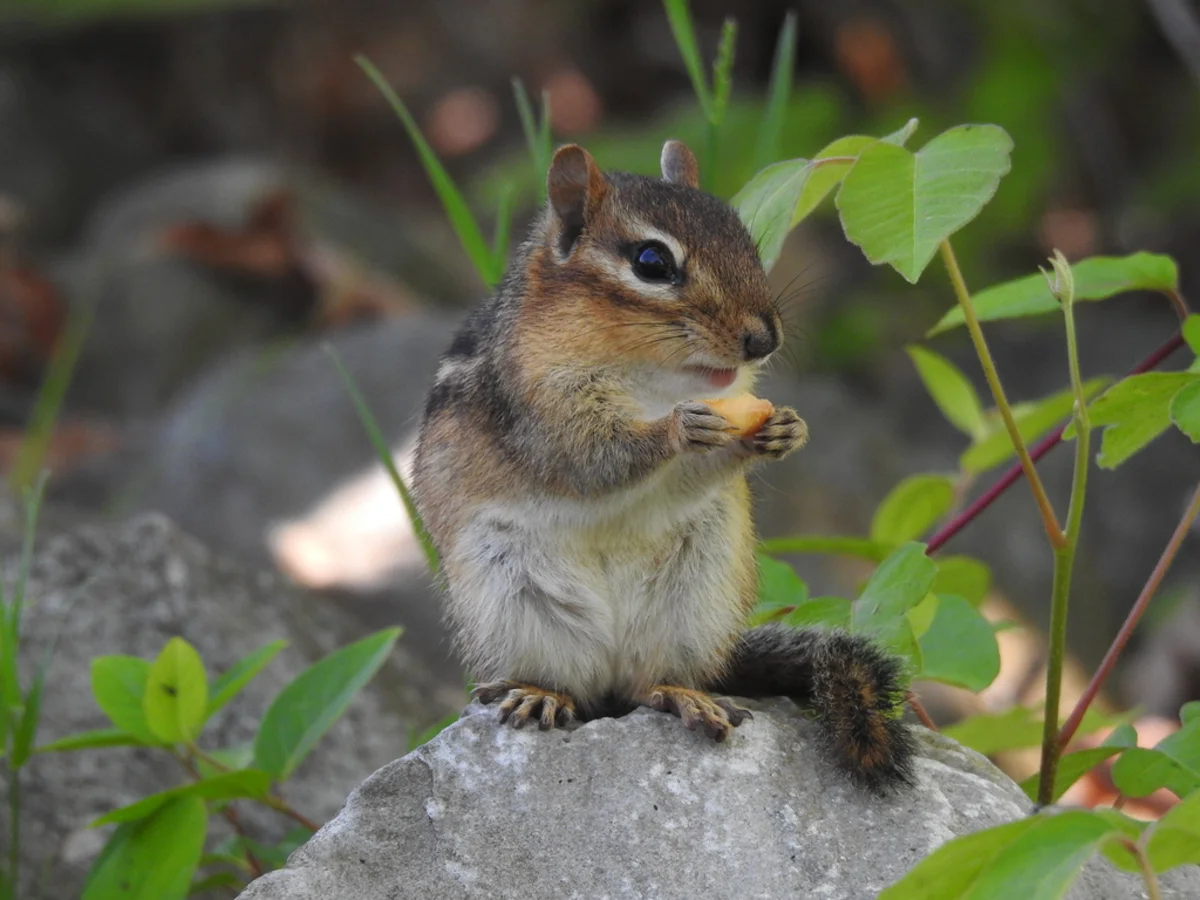
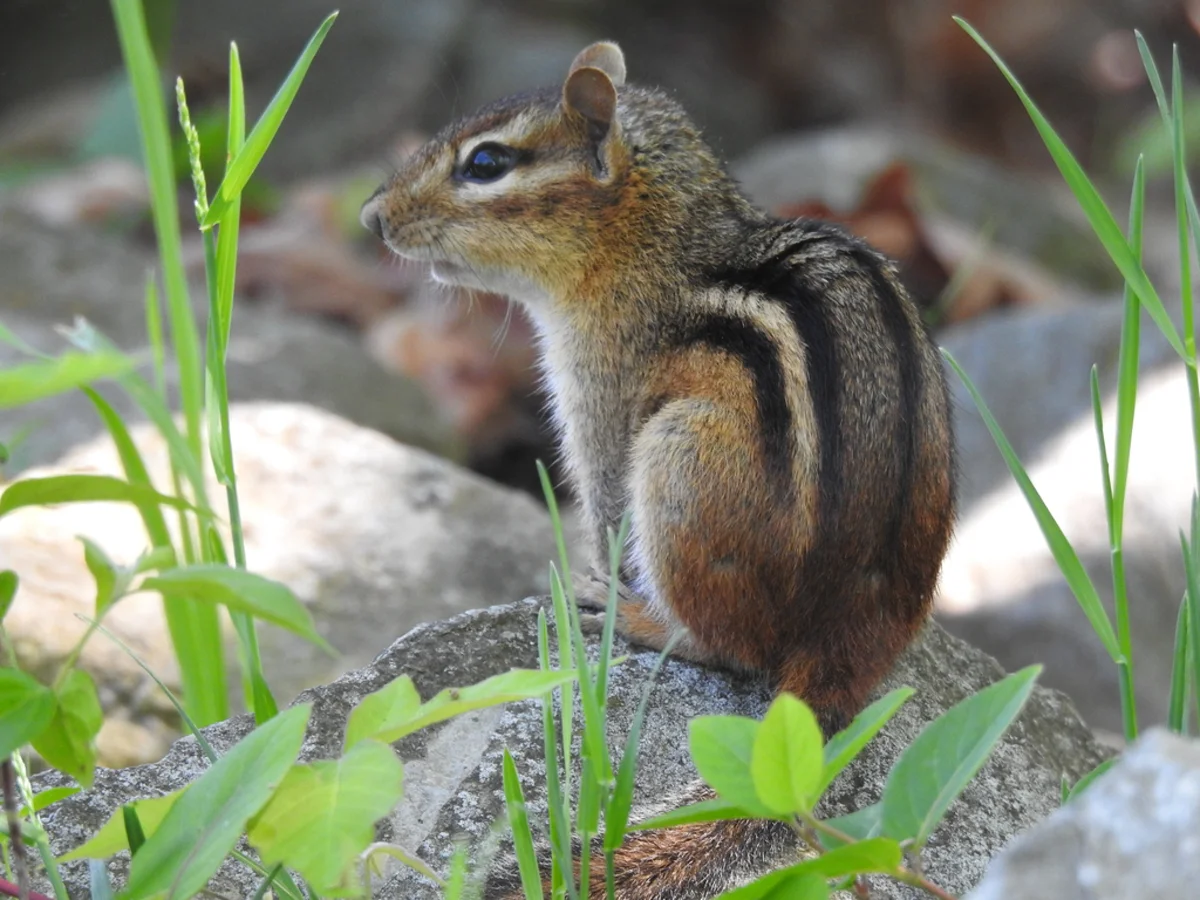
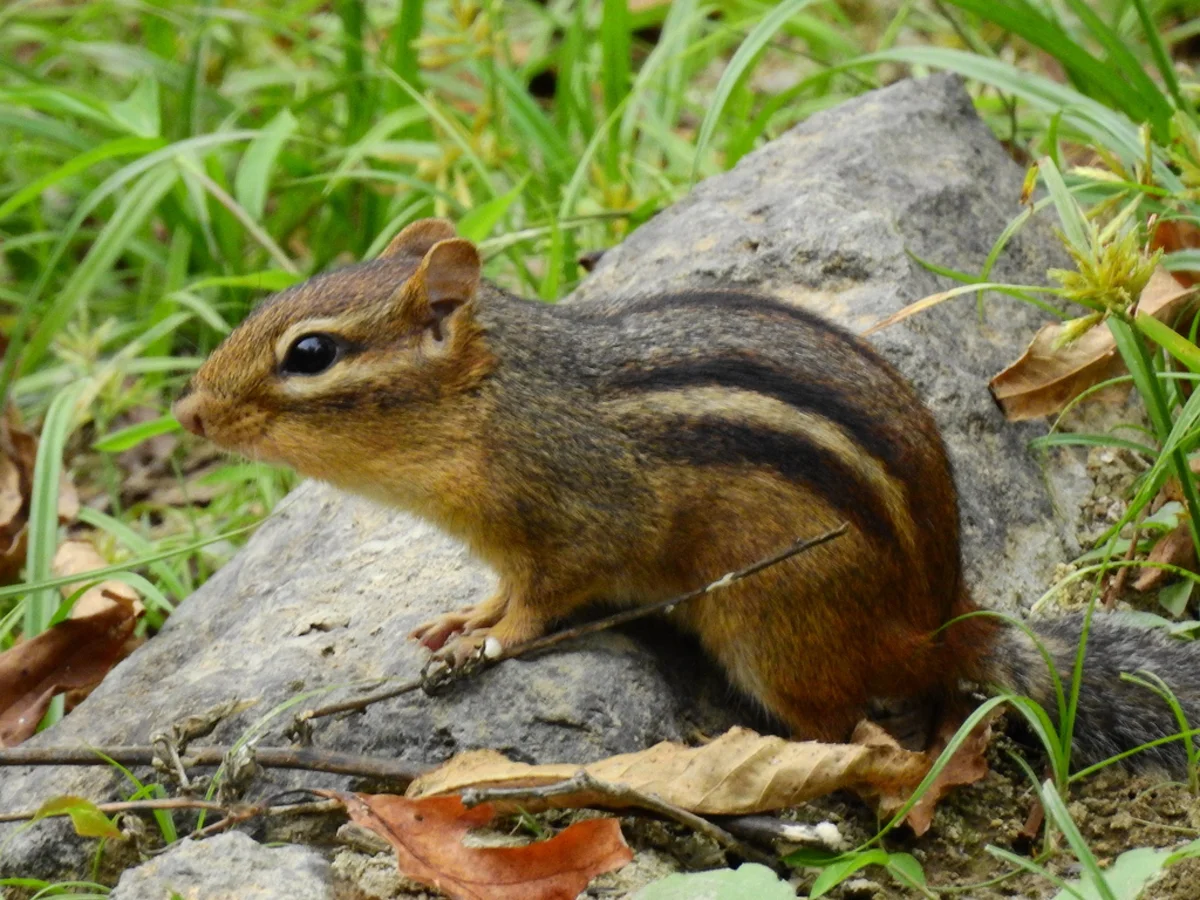
Eastern Chipmunk Coloration
Common color patterns to help identify eastern chipmunk
Eastern Chipmunk
Seasonal Activity
When eastern chipmunk are most active throughout the year

Where Eastern Chipmunk Are Found
Hover over states to see their names. Green regions indicate where eastern chipmunk have been reported.
Eastern Chipmunk Identification Guide
Physical Characteristics
The Eastern Chipmunk is a small rodent that lives on the ground. Adults measure 5 to 6.5 inches long, plus a 3 to 4 inch tail. They weigh between 2.5 and 5 ounces.
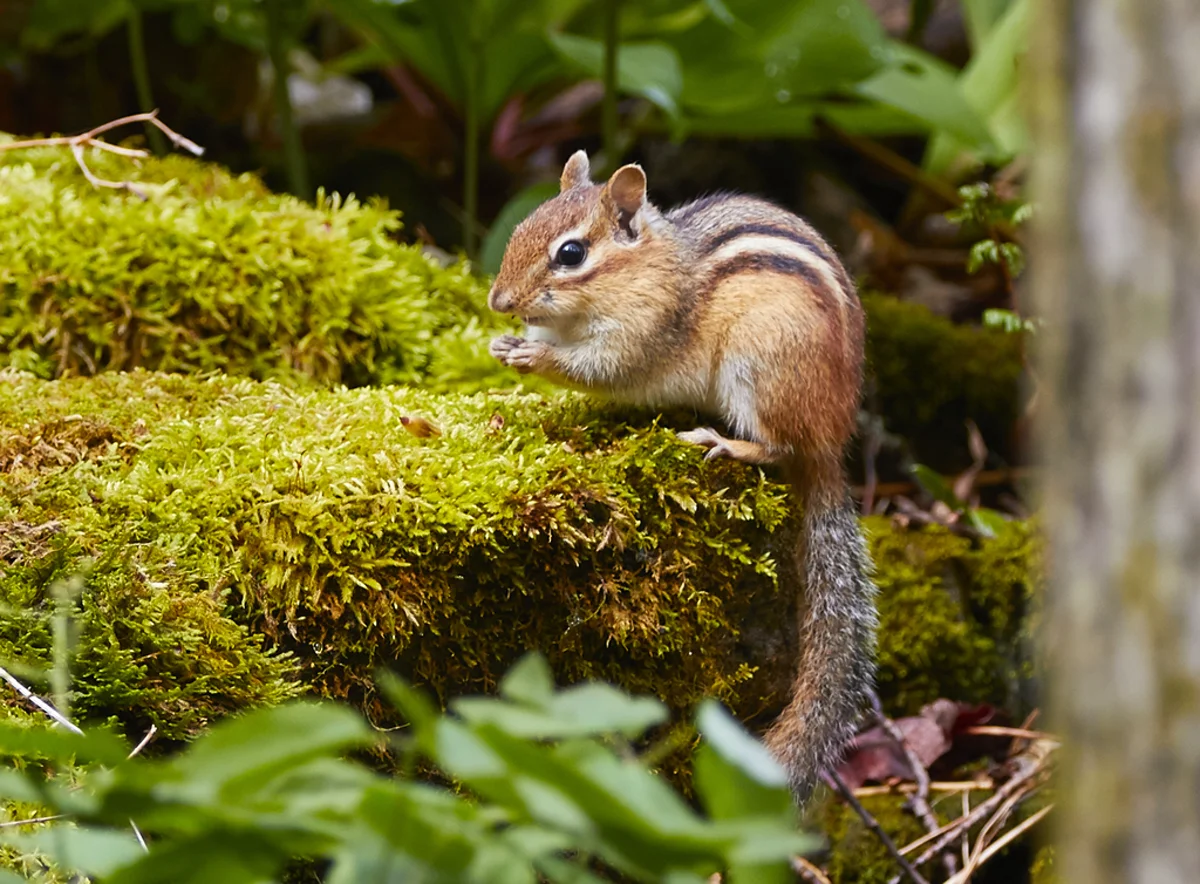
You can spot them by the five dark stripes on their back. These dark brown or black stripes alternate with lighter tan or cream stripes. They also have two light stripes on each side of their face that run above and below the eyes.
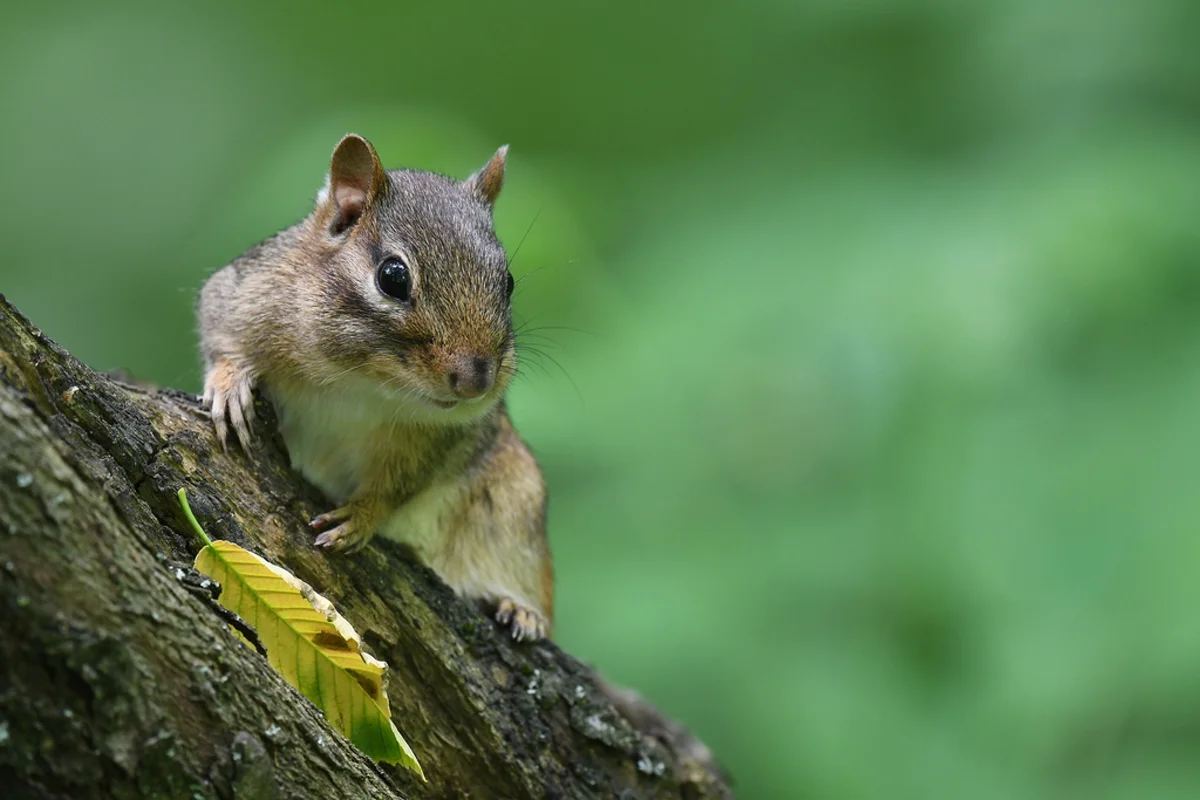
Eastern Chipmunks have reddish-brown fur on their sides and a white belly. Their ears are rounded, and their eyes are large and dark. Their tails are flat and not as bushy as a gray squirrel’s tail. They have sharp claws for digging, with four toes on the front paws and five on the back.
Distinguishing Features
- Facial stripes: Light stripes with dark borders on each side of the face
- Back stripes: Five dark stripes from shoulder to rump
- Cheek pouches: Can stretch to three times the size of their head when full of food
- Tail: Flat tail held upright when running
Eastern Chipmunk Behavior and Biology
Eastern Chipmunks live alone. Each one defends its own burrow from other chipmunks. They are most active during the day, with peak activity in early morning and late afternoon. They spend most of their time on the ground but can climb trees when needed.
Burrowing Habits
Chipmunks are skilled diggers. They create tunnel systems that can extend 20 to 30 feet long at depths of 2 to 3 feet. Inside, they have a main nesting area lined with leaves. They also have separate rooms for storing food and multiple ways in and out.
Chipmunks work hard to hide their burrow openings. They scatter the dirt they dig up away from the entrance so predators cannot find them.
Diet and Food Storage A related species, Pack Rats, shares similar characteristics.
Eastern Chipmunks collect and store large amounts of food. They gather seeds, nuts, acorns, and berries during warm months. They store this food in their burrows for winter. A single chipmunk may store up to 8 pounds of food. A related species, Thirteen-Lined Ground Squirrel, shares similar characteristics.
Their cheek pouches can expand to hold lots of food. This lets them carry large amounts back to their burrow with each trip.
Reproduction
Chipmunks breed twice per year. The first time is in early spring, from March to April. The second is in early summer, from June to July. After about 31 days, females give birth to 2 to 8 babies. The young are born blind and without fur. They stay in the burrow for about 6 weeks before coming out. By the next spring, they can have their own young.
Winter Torpor
Eastern Chipmunks do not truly hibernate. Instead, they enter a deep sleep called torpor. Their body temperature and heart rate drop a lot. But they wake up every few days to eat from their stored food. On mild winter days, they may come out briefly to look for food. They become fully active again in early spring.
Common Concerns with Chipmunks
Burrowing Damage
The biggest problem with chipmunks is the damage from their digging. When they dig near foundations, sidewalks, patios, or retaining walls, the tunnels can weaken these structures. This can lead to settling or cracks. Their tunnel networks can also change how water drains in your yard.
Garden and Landscape Damage
Chipmunks can be a problem for gardeners. They dig up flower bulbs, eat seeds before they sprout, and munch on ripe fruits and vegetables. They love tulip bulbs, sunflower seeds, and strawberries. Their digging can also disturb newly planted areas.
Bird Feeder Raids
Chipmunks often empty bird feeders. They are good climbers when food is involved. They can quickly use up all the seed. Their cheek pouches let them carry away a lot of food with each visit.
Management Approaches for Chipmunks
Chipmunks are wildlife, not traditional pests like insects or mice. The related least chipmunk is found in the western United States. Many states have rules about trapping or moving them. Before taking action, check your local wildlife laws.
Habitat Modification
You can make your yard less appealing to chipmunks. Remove rock piles, woodpiles, and brush piles near your foundation. Keep plants trimmed and clear ground cover near buildings. This takes away the hiding spots chipmunks like for their burrow openings.
Exclusion Methods
Wire mesh or hardware cloth can protect plants and bulbs. Bury mesh around garden beds to stop chipmunks from digging up bulbs. Baffles on bird feeder poles may help reduce raids, but determined chipmunks often find ways around them.
Professional Wildlife Control
For ongoing chipmunk problems, especially when digging threatens structures, call a licensed wildlife control professional. They can check the situation, use proper trapping methods where legal, and suggest ways to prevent future problems.
Health Considerations
Chipmunks are not aggressive, but they can bite if trapped or picked up. Like all wild rodents, they may carry ticks and fleas. If wildlife introduces fleas into your home, see our guide on how to get rid of fleas. Eastern Chipmunks can carry ticks that spread Lyme disease, though they are less of a concern than white-footed mice. It is best to watch chipmunks from a distance and not touch them. If you have health concerns after contact with wildlife, talk to a doctor.
References
Other Rodents
Explore other species in the rodents family

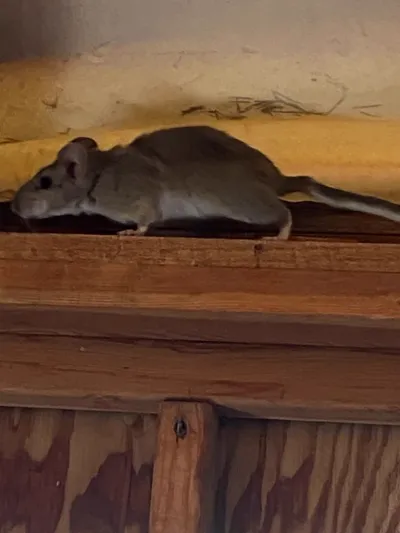
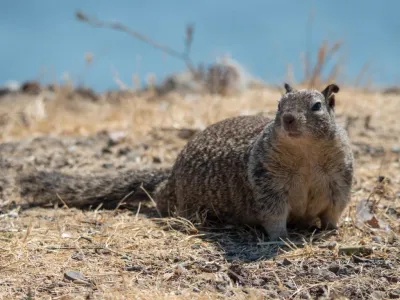
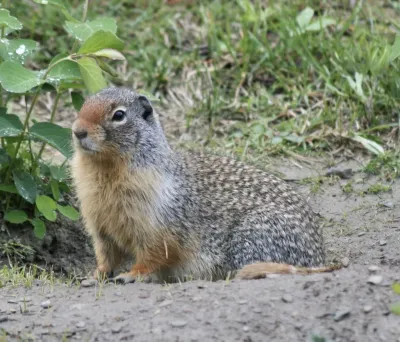
Commonly Confused With
Eastern Chipmunk are often mistaken for these similar pests
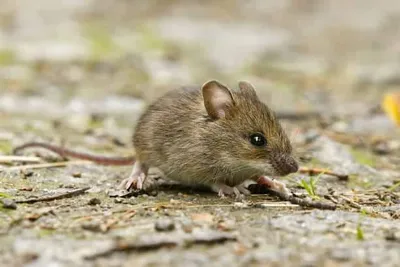
Where Eastern Chipmunk Are Found
Hover over states to see their names. Green regions indicate where eastern chipmunk have been reported.
Common Questions about Eastern Chipmunk
Are Eastern Chipmunks dangerous?
+
Eastern Chipmunks are not aggressive toward humans and rarely bite unless handled. However, they can carry parasites like ticks and fleas, and their burrows near foundations can cause structural concerns over time.
What do Eastern Chipmunks eat?
+
Chipmunks are omnivores that primarily eat nuts, seeds, berries, and fruits. They also consume insects, bird eggs, and small frogs. They are known for stuffing their expandable cheek pouches with food to store in their burrows.
Do chipmunks hibernate?
+
Eastern Chipmunks enter a state called torpor during winter rather than true hibernation. They wake periodically to eat from their stored food caches. Activity drops significantly from late fall through early spring.
How can I tell a chipmunk from a squirrel?
+
Chipmunks are smaller than most squirrels and have distinctive stripes running down their backs and faces. Tree squirrels lack these facial stripes and have bushier tails. Chipmunks also spend more time on the ground.
Why are chipmunks digging in my yard?
+
Chipmunks dig extensive burrow systems for shelter and food storage. These burrows can extend 20-30 feet underground with multiple entrances. They prefer areas near cover like rock walls, woodpiles, or dense shrubs.
Can chipmunks damage my home?
+
While chipmunks rarely enter homes, their burrowing near foundations, patios, and retaining walls can cause settling and structural issues over time. They may also damage gardens and raid bird feeders.
Do pest control companies handle chipmunk problems?
+
Chipmunk control typically falls under wildlife management rather than traditional pest control. Many areas have regulations about trapping and relocating wildlife. Contacting a licensed wildlife control operator is usually the best approach.

With five years of hands-on experience in the pest control industry, George Schulz is a registered technician with the Virginia Pest Management Association and a proud third-generation professional in a family business that's been protecting homes for over 57 years. He manages and trains a team of service pros while also leading internal research efforts—recently spearheading a deep-dive review of thousands of documents on pest control materials to hand-pick the most kid and pet friendly, most effective solutions tailored specifically for homes in the DC metro area.