Desert Woodrats Identification Guide
Neotoma lepida
Desert woodrats are small to medium-sized rodents native to the arid regions of western North America. Known for building elaborate stick nests called middens, they can become problematic when they move into homes, sheds, or vehicles.
Taxonomy

Desert Woodrats Coloration
Common color patterns to help identify desert woodrats
Desert Woodrats
Seasonal Activity
When desert woodrats are most active throughout the year


Where Desert Woodrats Are Found
Hover over states to see their names. Green regions indicate where desert woodrats have been reported.
Desert Woodrat Identification Guide
Physical Characteristics
Desert woodrats are fairly small members of the pack rat family. They measure 11 to 15 inches long from nose to tail tip. The tail makes up about half of this length. Adults weigh 4 to 12 ounces. Males tend to be larger than females. They are about the same size as a common house rat but look quite different.
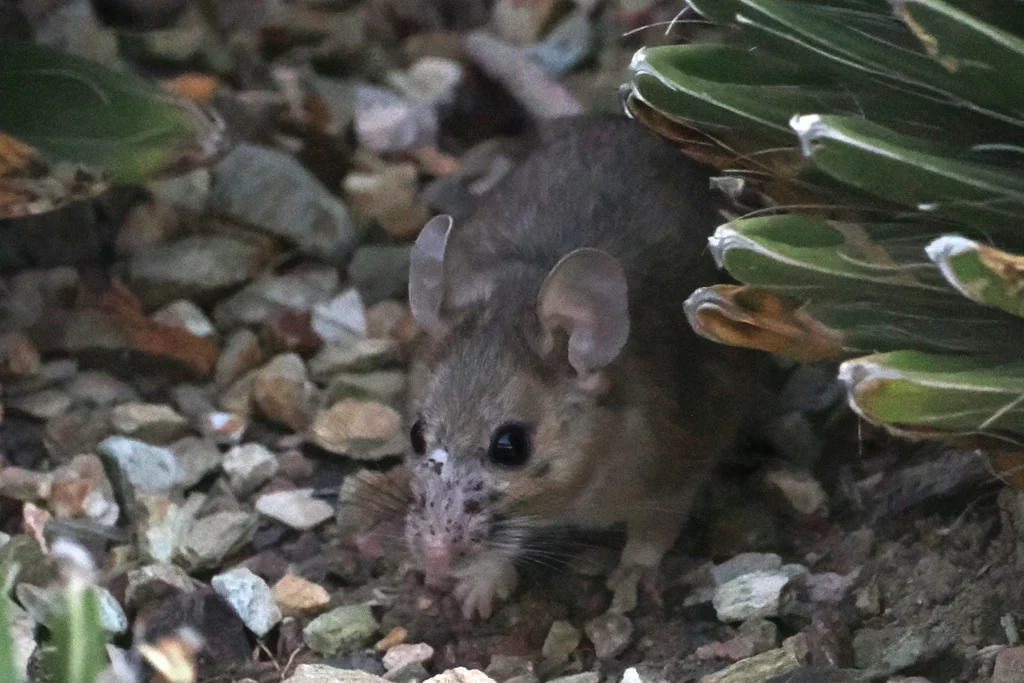
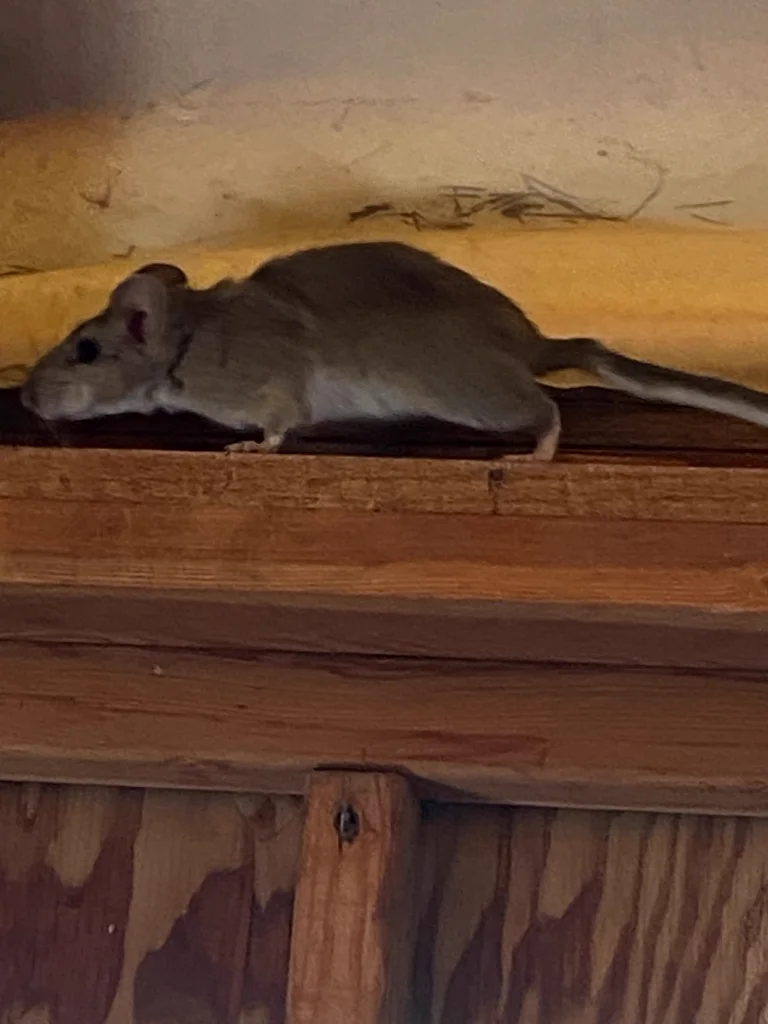
Desert woodrat fur color varies between animals. It can range from pale gray to cinnamon to nearly black on top. The belly and feet are always white. The throat fur has a gray base. Their tail has two colors and is covered with more hair than the scaly tails of Norway and roof rats. This furry tail is one of the best ways to tell woodrats apart from common pest rats.
Desert woodrats have a narrow snout, large rounded ears, and big dark eyes. These features give them a cuter look than typical rats. Their ears are nearly as long as their hind feet. Long whiskers help them move around at night. These traits help homeowners tell woodrats apart from other rodent species.
Related Species
Several woodrat species live throughout North America. Each has adapted to its regional habitat.
-
Desert Woodrat (Neotoma lepida): The focus of this page. Found in dry regions from Oregon to Mexico. Smaller than most other woodrat species.
-
San Diego Desert Woodrat (Neotoma lepida intermedia): A subspecies found in coastal areas of southern California. Listed as a species of concern.
-
White-throated Woodrat (Neotoma albigula): Overlaps with desert woodrats in the Southwest. Has a fully white throat.
-
Bushy-tailed Woodrat (Neotoma cinerea): Found in rocky mountain areas. Has a bushier tail and prefers cooler places.
Desert Woodrat Behavior and Biology
Desert woodrats are most active at night. They may also come out at dawn and dusk. Unlike Norway rats and house mice that live in groups, desert woodrats live alone. They are very territorial. They defend their space and food sources against other woodrats and competing species.
These rodents are famous for building large houses called middens. A midden serves many purposes. Woodrats use them for nesting, food storage, and hiding from predators. The structures can have up to six entrances and eight rooms inside. Typical middens reach 14 inches high and about 39 inches across at the base. Some grow much larger over time as new generations add to them.
Desert woodrats often build their houses against rock crevices, at the base of cacti, or in low tree branches. They prefer rocky areas with many cracks where they can escape predators quickly. In desert regions, they often pile cholla cactus joints at their nest entrances. This creates a spiny barrier that keeps snakes and other threats away.
Desert woodrats play an important role in their habitat. The materials they collect and the waste around their middens add nutrients to the soil. This helps plants grow better in the area around their nests.
Desert woodrats breed mainly in spring and summer. Females give birth to up to five young after 30 to 36 days of pregnancy. Newborns weigh about one-third of an ounce and are born blind. Their eyes open after about ten days. Young woodrats can start breeding at 2 to 3 months old. Adults usually live 2 to 3 years in the wild.
Health Concerns
Desert woodrats can carry diseases that affect humans. If you think you have been exposed to a rodent illness, talk to a doctor. This is not medical advice. Common health concerns include:
-
Hantavirus: Spread through contact with infected droppings, urine, or nesting materials. Can cause a serious lung illness.
-
Plague: Desert woodrats and their fleas can carry plague bacteria. This is more common in the Southwest.
-
Parasites: Fleas, ticks, and mites on woodrats can bite humans and pets. These pests may spread other diseases.
When cleaning areas with woodrat droppings or nesting material, do not sweep or vacuum. This can stir up dust that may carry germs. Wear gloves and use a mask. Follow CDC guidelines for cleaning up after rodents.
Treatment Methods for Desert Woodrats
Getting rid of desert woodrats takes a mix of removal, sealing entry points, and changing their habitat. These methods are commonly used for woodrat control.
Trapping: Snap traps and live traps work well for catching woodrats. These rodents are cautious around new objects. Traps may need to sit in place unset for several days before the woodrat will go near them. Good baits include peanut butter, nuts, seeds, and dried fruit.
Exclusion: Sealing entry points keeps woodrats out of buildings. They can squeeze through holes as small as 1 inch wide. Check for gaps around pipes, vents, foundation cracks, and roof lines. Steel wool, hardware cloth, and metal flashing work well for blocking access.
Habitat Changes: Removing shelter and food sources makes your property less appealing to woodrats. Clear brush piles and thick plants near buildings. Store firewood at least 20 feet from structures. Pick up fallen fruit and keep pet food in sealed containers.
Nest Removal: Getting rid of existing woodrat nests takes away their shelter. This makes them less likely to return. Wear gloves and a mask when handling nesting materials to avoid disease exposure.
Vehicle Protection: Desert woodrats often nest in parked vehicles, especially those stored outside in rural areas. Keep vehicles in enclosed garages when you can. Some people use peppermint oil or mothballs near the engine to keep them away. Running your vehicle often may also help stop nesting.
Prevention Tips
These practices can help keep desert woodrats away from your property:
- Seal all gaps and cracks around building foundations, walls, and roof lines
- Install tight-fitting screens on vents and chimney openings
- Store food in sealed metal or glass containers
- Remove bird feeders or use designs that limit spillage
- Keep garbage in containers with secure lids
- Trim vegetation back from building walls
- Clear rock piles and debris from near structures
- Store vehicles in enclosed garages when possible
- Remove cactus and dense brush that provides cover near buildings
References
- Animal Diversity Web: Neotoma lepida - Comprehensive species information from the University of Michigan
- U.S. Fish & Wildlife Service: Desert Woodrat - Federal species profile and conservation status
- Utah Field Guide: Neotoma lepida - Regional identification guide
- CDC: How to Clean Up After Rodents - Proper cleanup procedures for rodent-contaminated areas
- California Department of Fish and Wildlife: Desert Woodrat Life History - Detailed life history information
Other Rodents
Explore other species in the rodents family





Commonly Confused With
Desert Woodrats are often mistaken for these similar pests


Where Desert Woodrats Are Found
Hover over states to see their names. Green regions indicate where desert woodrats have been reported.
Common Questions about Desert Woodrats
What does a desert woodrat look like?
+
Desert woodrats are relatively small pack rats with pale gray to cinnamon-colored fur on top and white underparts. They have large rounded ears nearly as long as their hind feet, prominent dark eyes, long whiskers, and a bicolored tail that is hairy rather than scaly. Adults measure 11 to 15 inches total length including the tail.
Where do desert woodrats live?
+
Desert woodrats inhabit arid regions of the western United States and Mexico. They prefer rocky areas with crevices, Joshua tree woodlands, creosote bush scrub, juniper-sagebrush areas, and desert slopes with scattered cacti and yucca. They build their nests at the base of cacti, in rock crevices, or in low tree branches.
Are desert woodrats dangerous?
+
Desert woodrats can carry diseases including hantavirus and plague through their droppings, urine, and fleas. They also cause property damage by gnawing on wires, hoses, and building materials. When cleaning areas contaminated by woodrats, wear protective equipment and avoid stirring up dust.
What do desert woodrats eat?
+
Desert woodrats are herbivores that feed on buds, fruits, bark, leaves, and young shoots of desert plants. Their diet includes cactus pads and fruits, mesquite beans, juniper, creosote bush, sagebrush, and other available vegetation. They cache food in their middens for later consumption.
How do I know if I have desert woodrats?
+
Signs of desert woodrats include stick nests (middens) built against rocks, cacti, or building foundations. You may also notice gnaw marks on plants and structures, droppings larger than mouse droppings, and missing or collected small objects. In vehicles, look for nesting material and chewed wires in the engine compartment.
What is a woodrat midden?
+
A midden is the elaborate nest structure built by woodrats from sticks, cactus joints, rocks, and collected debris. Desert woodrat middens can reach 14 inches high and 39 inches across, with multiple entrances and internal chambers for sleeping and food storage. Some middens are used for generations and can be hundreds of years old.

With five years of hands-on experience in the pest control industry, George Schulz is a registered technician with the Virginia Pest Management Association and a proud third-generation professional in a family business that's been protecting homes for over 57 years. He manages and trains a team of service pros while also leading internal research efforts—recently spearheading a deep-dive review of thousands of documents on pest control materials to hand-pick the most kid and pet friendly, most effective solutions tailored specifically for homes in the DC metro area.