Bushy-Tailed Woodrat Identification Guide
Neotoma cinerea
The bushy-tailed woodrat, also known as the packrat, is a large rodent native to western North America. Known for their distinctive squirrel-like tails and habit of collecting objects, these rodents can become problematic when they invade cabins, sheds, and vehicles.
Taxonomy
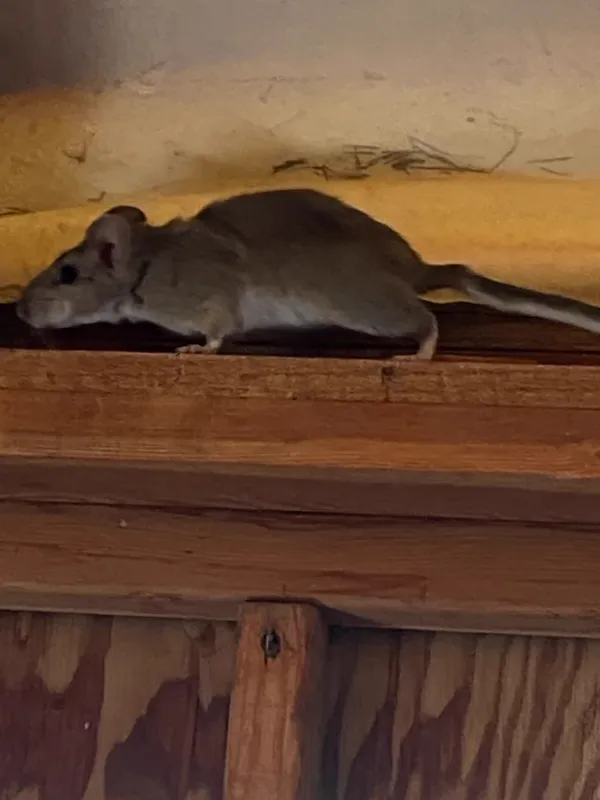
Bushy-Tailed Woodrat Coloration
Common color patterns to help identify bushy-tailed woodrat
Bushy-Tailed Woodrat
Seasonal Activity
When bushy-tailed woodrat are most active throughout the year
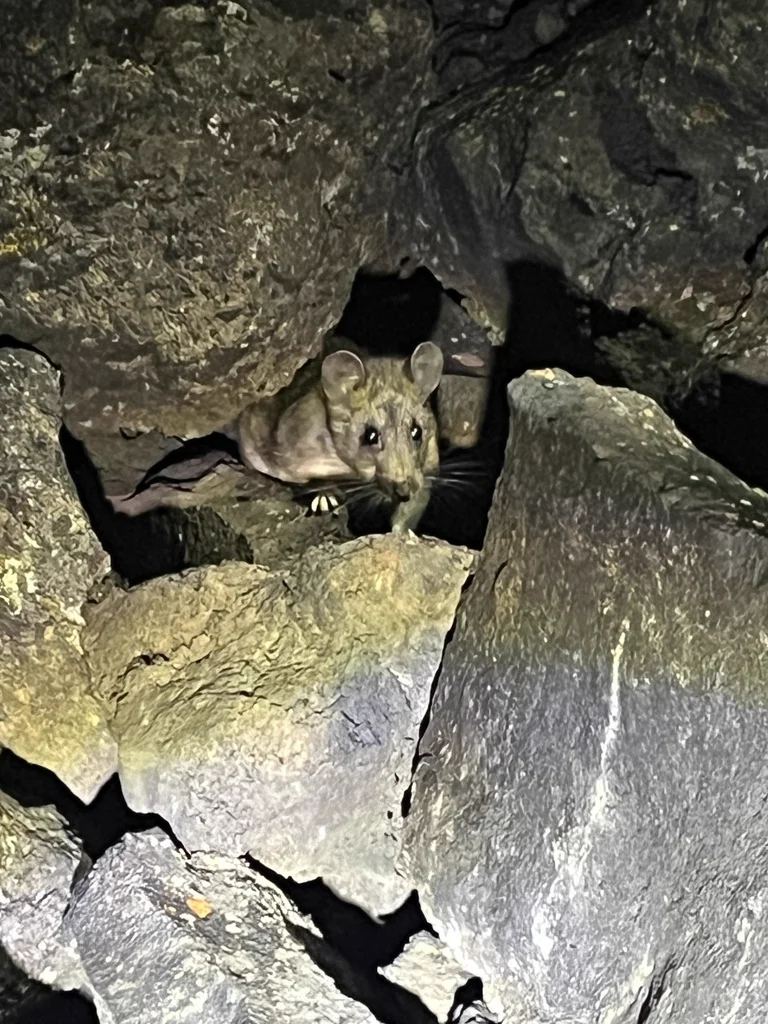

Where Bushy-Tailed Woodrat Are Found
Hover over states to see their names. Green regions indicate where bushy-tailed woodrat have been reported.
Bushy-Tailed Woodrat Identification Guide
Physical Characteristics
The bushy-tailed woodrat is the largest woodrat species in North America. Adults measure 11 to 18 inches in total length, including their distinctive tail. Males are noticeably larger than females, weighing 300 to 600 grams compared to 250 to 350 grams for females. This size difference becomes more pronounced in northern populations where individuals grow larger overall.
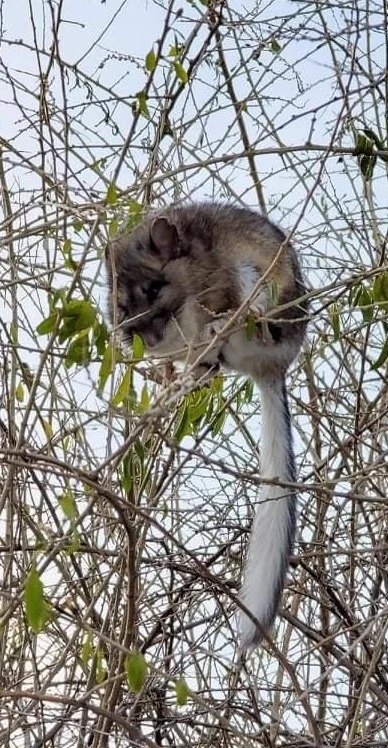
The most recognizable feature is their bushy, squirrel-like tail. Unlike the scaly tails of Norway rats and roof rats, the bushy-tailed woodrat’s tail is flattened and covered with long fur from base to tip. They use this tail for balance while climbing and for warmth in cold weather. Their overall coloring is grayish-brown to lead gray on the back with white, pinkish, or buff coloring on the feet, ears, and belly.
These woodrats have large, rounded ears that are nearly hairless and prominent dark eyes. Their long whiskers and sharp claws make them excellent climbers. Together with their soft fur and gentle appearance, these features make bushy-tailed woodrats easy to distinguish from common rats found around homes.
Geographic Distribution
Bushy-tailed woodrats inhabit western North America from the Yukon and Northwest Territories south through British Columbia, Alberta, and Saskatchewan. In the United States, they range from Washington and Oregon east to the Dakotas and south through the Rocky Mountains to Arizona and New Mexico. Small populations exist in northern Baja California, Mexico.
These rodents thrive at elevations from sea level to over 14,000 feet. They become increasingly restricted to higher elevations toward the southern end of their range. In mountainous areas, they are common residents of rocky terrain throughout their distribution.
Bushy-Tailed Woodrat Behavior and Biology
Bushy-tailed woodrats are primarily nocturnal, though they occasionally emerge during daylight. They remain active throughout the year and do not hibernate, even in harsh mountain winters. They are solitary animals with strong territorial behavior. Males are especially aggressive toward other males, while females may tolerate nearby females but still maintain distinct territories.
These woodrats are the original “pack rats” and show the most pronounced collecting behavior of any woodrat species. They have a strong preference for shiny objects and will drop whatever they are carrying to pick up something more appealing. This habit has led to them being called “trade rats.” Collected items are incorporated into their nests or cached throughout their territory.
Nest Building and Middens
Bushy-tailed woodrats construct elaborate nests called middens. These structures are built in natural crevices, rock outcrops, cliff faces, or man-made structures when available. Middens consist of sticks, plant material, bones, and collected objects cemented together with crystallized urine. This urine-cement helps preserve the structure and can make middens last for thousands of years.
Scientists study ancient middens to learn about past climates and vegetation. The preserved plant material provides a record of what grew in an area centuries or millennia ago. Individual middens may contain multiple chambers for sleeping, food storage, and waste.
In forests, bushy-tailed woodrats sometimes build nests as high as 50 feet up in trees. They also readily occupy abandoned buildings, mines, cabins, and outbuildings. Their adaptability to human structures can bring them into conflict with property owners in rural and mountainous areas. For tips on keeping rodents out of your home, see our ultimate guide to rodent control.
Diet and Feeding
Bushy-tailed woodrats are herbivores. They prefer green vegetation including leaves, needles, and shoots from various plants. They also consume twigs, bark, fruits, nuts, seeds, and mushrooms. In drier habitats, they eat succulent plants and cactus. One study in Idaho found grasses, cactus, vetch, sagebrush, and mustard plants in their diet, along with occasional arthropods.
These woodrats get all the water they need from their food and do not need to drink. They build food caches within their middens to sustain them through winter months when fresh vegetation is scarce. This caching behavior adds to the size and complexity of their nests over time.
Reproduction
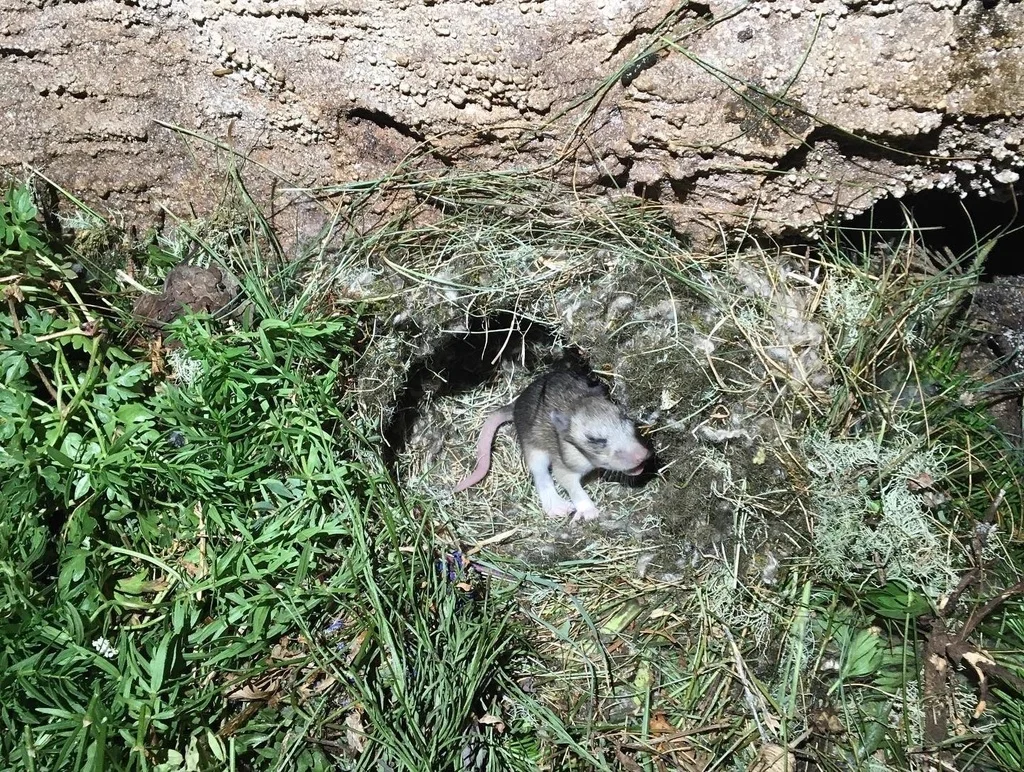
Breeding occurs primarily in spring and summer, though timing varies by location. Females produce one to two litters per year with two to six young per litter. Gestation lasts about 27 to 32 days. Young woodrats are born blind and helpless but develop quickly. They are weaned at about four weeks and reach adult size by fall of their first year.
Bushy-tailed woodrats typically live two to three years in the wild. Predators include spotted owls, great horned owls, hawks, bobcats, coyotes, foxes, weasels, martens, and snakes. In fact, bushy-tailed woodrats are one of the primary food sources for northern spotted owls throughout much of their range. Other woodrat species include desert woodrats in the Southwest and dusky-footed woodrats along the Pacific coast.
Health Concerns
Bushy-tailed woodrats can carry diseases that affect humans. Their droppings, urine, and parasites pose potential health risks. If you suspect exposure to rodent-borne illness, consult a healthcare provider.
Hantavirus: Like other rodents, bushy-tailed woodrats can carry hantaviruses that cause Hantavirus Pulmonary Syndrome in humans. The virus spreads through contact with infected droppings, urine, or saliva, or by breathing dust contaminated with these materials.
Parasites: These woodrats host fleas, ticks, and mites that can bite humans and pets. Some parasites may transmit additional diseases. Their nesting material can harbor large numbers of parasites even after the woodrat has left.
Contamination: Urine and droppings contaminate surfaces and stored food. The distinctive white urine stains that mark their territory can cover large areas of rock faces and building walls over time.
When cleaning areas contaminated by woodrats, avoid sweeping or vacuuming dry droppings. This can aerosolize particles that carry pathogens. Wet down materials with a disinfectant solution before cleaning and wear appropriate protective equipment. Follow CDC guidelines for cleaning up after rodents.
Treatment Methods for Bushy-Tailed Woodrats
Managing bushy-tailed woodrat problems requires a combination of exclusion, habitat modification, and removal techniques. These methods work best when applied together as part of an integrated approach.
Exclusion: Sealing entry points prevents woodrats from accessing structures. These rodents can squeeze through openings as small as one inch. Focus on gaps around pipes, vents, roof lines, foundation cracks, and where utilities enter buildings. Steel wool, hardware cloth, sheet metal, and cement are effective materials for blocking access.
Trapping: Snap traps and live traps can reduce woodrat populations around structures. Woodrats are curious but cautious about new objects. Traps may need to sit unset for several days before woodrats will approach them. Effective baits include peanut butter, nuts, seeds, and dried fruit. Place traps along walls and runways where droppings or urine stains indicate activity.
Habitat Modification: Removing attractive habitat features discourages woodrats from establishing near structures. Clear brush piles, rock piles, and dense vegetation within 100 feet of buildings. Store firewood away from structures and off the ground. Remove potential food sources including bird seed, pet food, and fallen fruit.
Nest Removal: Eliminating existing middens takes away shelter and discourages woodrats from returning. Wear gloves, long sleeves, and a respirator when removing nests due to disease risks. Dispose of nest materials in sealed bags. Treat the area with disinfectant after removal.
Vehicle Protection: In areas where woodrats damage vehicles, park in enclosed garages when possible. Inspect engine compartments regularly for nesting material. Some people use deterrents like mothballs, peppermint oil, or commercial rodent repellents, though effectiveness varies. Running vehicles regularly and using hardware cloth to block openings can also help.
Prevention Tips
These steps help prevent bushy-tailed woodrat problems around rural properties and mountain cabins:
- Seal all openings larger than one inch around foundations, rooflines, and utility entrances
- Install tight-fitting screens on vents, chimneys, and other openings
- Store food in sealed metal or glass containers
- Keep pet food in rodent-proof containers and do not leave food bowls outside overnight
- Remove bird feeders or use rodent-proof designs
- Clear vegetation, brush piles, and rock piles near structures
- Store firewood at least 20 feet from buildings and elevate it off the ground
- Inspect vehicles regularly if parked outdoors, especially engine compartments
- Remove existing nests and treat areas with disinfectant
- Repair any water leaks that could provide moisture
References
- Animal Diversity Web: Neotoma cinerea - Comprehensive species account from the University of Michigan
- U.S. Forest Service Fire Effects Information: Bushy-tailed Woodrat - Detailed information on habitat, ecology, and range
- National Park Service: Bushy-tailed Woodrat - Species overview from Jewel Cave National Monument
- CDC: Cleaning Up After Rodents - Guidelines for safely cleaning rodent-contaminated areas
- Montana Field Guide: Bushy-tailed Woodrat - Regional information on identification and habitat
Other Rodents
Explore other species in the rodents family

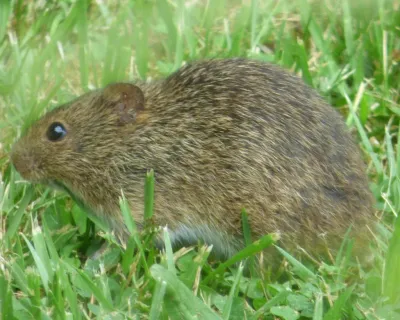
Commonly Confused With
Bushy-Tailed Woodrat are often mistaken for these similar pests
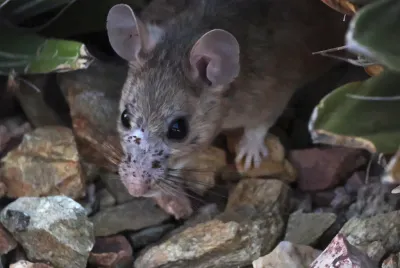
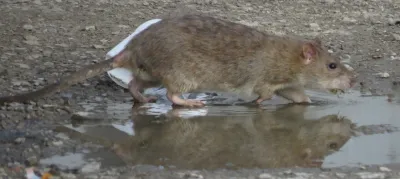
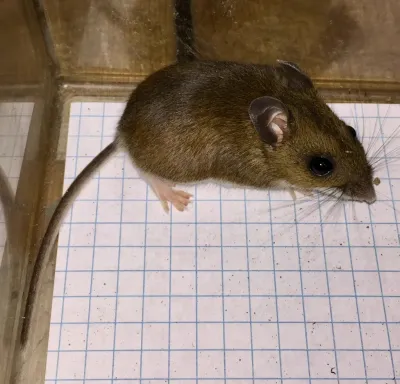
Where Bushy-Tailed Woodrat Are Found
Hover over states to see their names. Green regions indicate where bushy-tailed woodrat have been reported.
Common Questions about Bushy-Tailed Woodrat
What is the difference between a bushy-tailed woodrat and a regular rat?
+
Bushy-tailed woodrats have distinctive squirrel-like tails covered in long fur, unlike the scaly tails of Norway and roof rats. They also have larger ears, bigger eyes, and softer fur. These woodrats are solitary and build elaborate stick nests called middens, while common rats live in colonies and prefer burrows.
Why are bushy-tailed woodrats called packrats?
+
They are the original 'packrat' species known for their compulsive collecting behavior. They gather shiny objects, bones, sticks, and various items to add to their nests. They often drop one item to pick up a more appealing object, earning them the nickname 'trade rats.'
Are bushy-tailed woodrats dangerous?
+
While not aggressive, bushy-tailed woodrats can carry diseases and parasites including fleas and ticks. Their urine and droppings can contaminate food and surfaces. They also cause significant property damage by gnawing on wires, hoses, and building materials in structures and vehicles.
Where do bushy-tailed woodrats live?
+
These woodrats prefer rocky habitats including cliff faces, talus slopes, rock outcrops, and canyons. They readily adapt to abandoned buildings, cabins, mines, and outbuildings. They range from sea level to over 14,000 feet elevation in western North America.
What do bushy-tailed woodrats eat?
+
They are herbivores that prefer green vegetation including leaves, needles, and shoots. They also eat twigs, fruits, nuts, seeds, mushrooms, and some cactus in drier regions. They get all their water from food and do not need to drink.
How can I tell if I have bushy-tailed woodrats?
+
Look for large stick nests (middens) in rocky areas or structures, white urine stains on rocks or walls, droppings larger than mouse droppings, and evidence of collected objects in one area. You may also hear hind foot drumming sounds at night.

With five years of hands-on experience in the pest control industry, George Schulz is a registered technician with the Virginia Pest Management Association and a proud third-generation professional in a family business that's been protecting homes for over 57 years. He manages and trains a team of service pros while also leading internal research efforts—recently spearheading a deep-dive review of thousands of documents on pest control materials to hand-pick the most kid and pet friendly, most effective solutions tailored specifically for homes in the DC metro area.