Botta's Pocket Gopher Identification Guide
Thomomys bottae
Botta's pocket gopher is the most widespread pocket gopher species in North America. Also known as the valley pocket gopher, this medium-sized burrowing rodent creates extensive tunnel systems that can damage lawns, gardens, and agricultural land throughout western North America.
Taxonomy
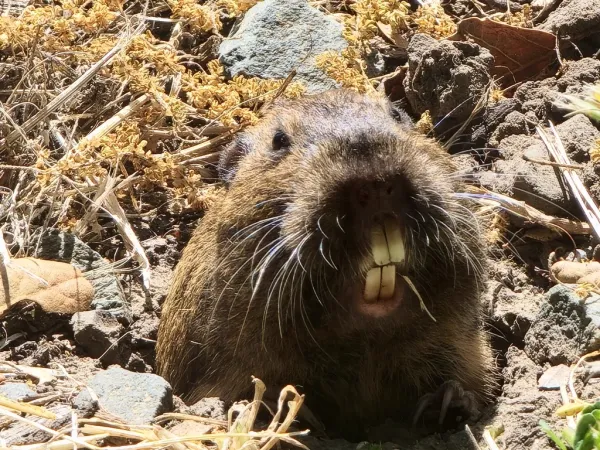
Botta's Pocket Gopher Coloration
Common color patterns to help identify botta's pocket gopher
Botta's Pocket Gopher
Seasonal Activity
When botta's pocket gopher are most active throughout the year
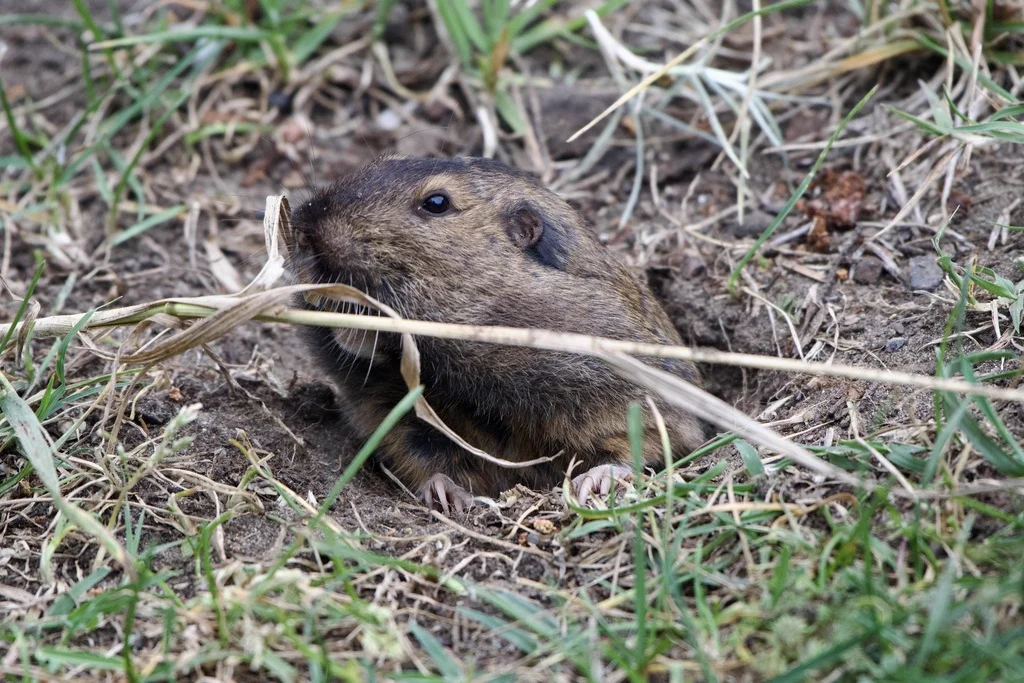
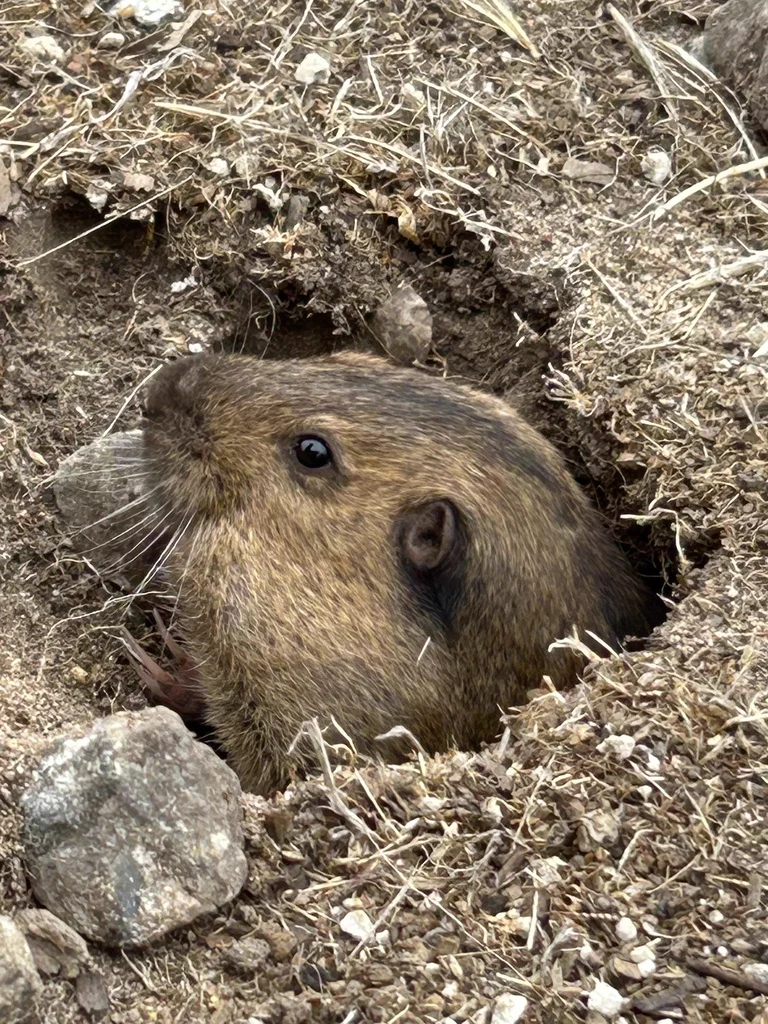
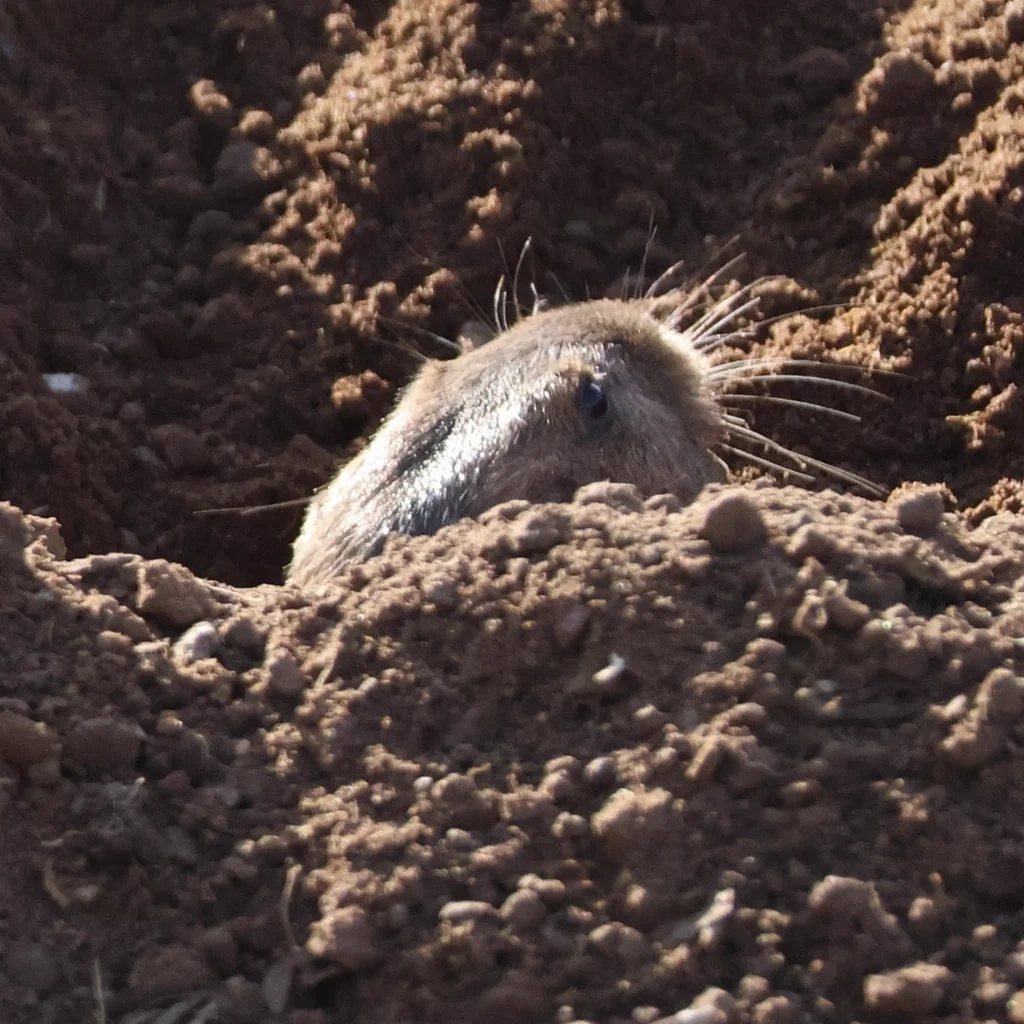

Where Botta's Pocket Gopher Are Found
Hover over states to see their names. Green regions indicate where botta's pocket gopher have been reported.
Botta’s Pocket Gopher Identification Guide
Physical Characteristics
Botta’s pocket gophers are medium-sized rodents. They measure 6 to 11 inches long, including a short tail of about 2 to 2.5 inches. Males weigh 160 to 250 grams. Females are smaller at 120 to 200 grams. Males keep growing throughout their lives.
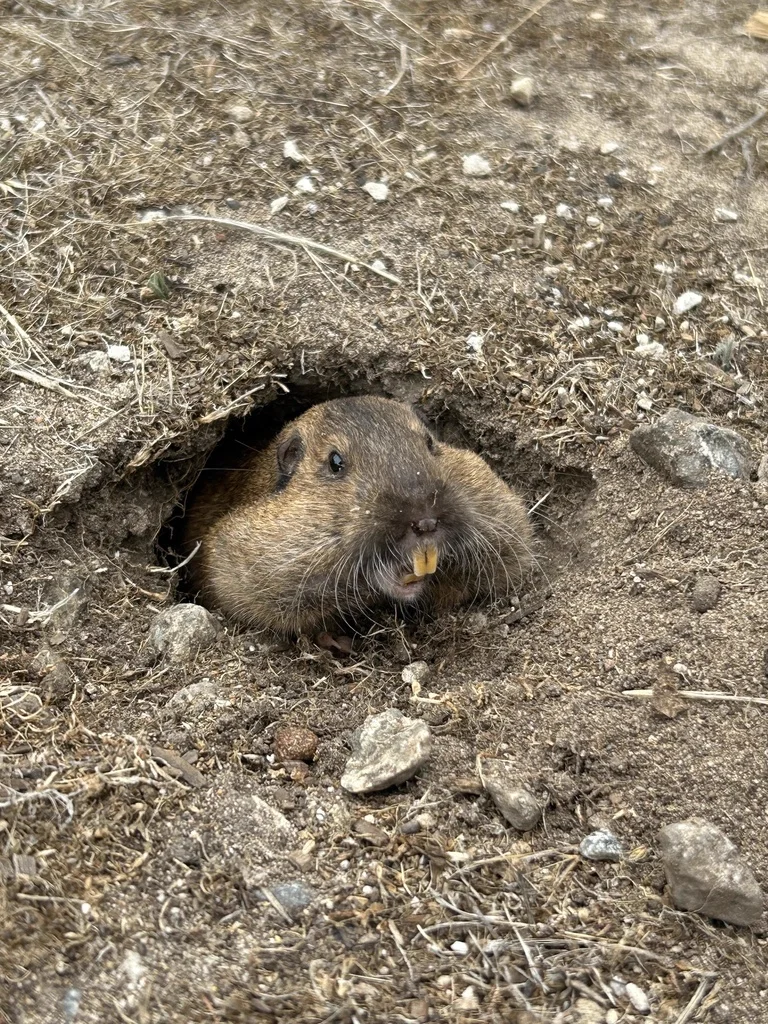
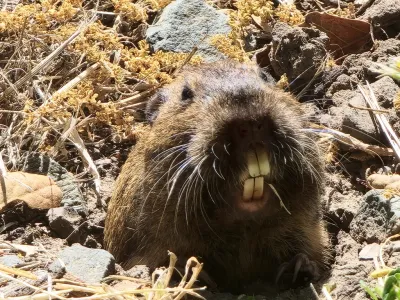
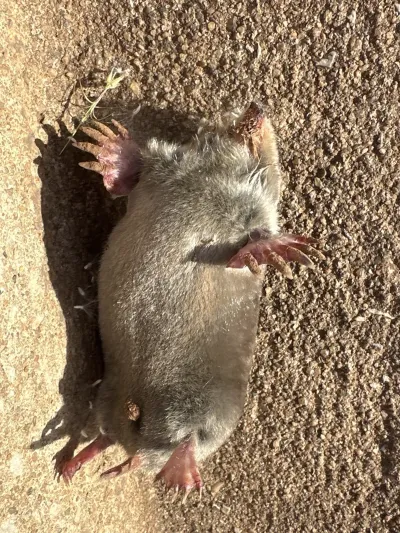
These gophers have smooth, short, soft fur. Their color varies based on local soil. Coats range from gray to brown to nearly black. Some show reddish-brown or pale gray coloring. White patches on the belly are common. Their fur matches the soil around them, which helps them hide.
Botta’s pocket gophers have small eyes and ears suited for life underground. Their large, yellow-orange front teeth are visible even when the mouth is closed. They also have fur-lined cheek pouches that extend from the mouth to the shoulders. These pouches carry food to storage areas underground.
Distinguishing Botta’s from Other Pocket Gophers
Several features help tell Botta’s pocket gophers apart from related species:
- Single groove on each upper front tooth. Plains pocket gophers have two grooves.
- Medium body size. They are smaller than plains pocket gophers.
- Tooth-digging ability. They have larger teeth with thicker enamel than claw-digging species.
- Variable coloring that matches local soil colors.
- Wide habitat range from deserts to mountain meadows.
The species name honors Paul-Emile Botta. He was a French naturalist who collected mammals in California in 1827 and 1828. About 195 subspecies exist, showing great variety across their range. For a broader overview of all species in this family, see our pocket gopher guide.
Botta’s Pocket Gopher Behavior and Biology
Habitat and Distribution
Botta’s pocket gophers have the widest range of any pocket gopher in North America. They live from southern Oregon and central Colorado south through California, Arizona, Nevada, New Mexico, Utah, and Texas. Their range extends into much of Mexico, including Baja California. They live at elevations from sea level up to 13,800 feet.
These gophers adapt to many habitats. They live in loose sands, silts, and tightly packed clays. Their homes range from dry deserts to high mountain meadows. They live in woodlands, scrubland, farms, and suburban yards. Only rocky terrain, empty deserts, and major rivers limit where they can live.
They dig mostly with their teeth rather than their claws. Their front teeth have a thicker layer of enamel than claw-digging gophers. This lets them break through hard, packed soil.
Tunneling and Burrow Systems
Botta’s pocket gophers create large tunnel networks underground. One gopher may build up to 300 soil mounds per year. They move more than 4 tons of soil in that time. Their burrow systems include:
- Main tunnels about 3 inches wide at depths of 6 to 12 inches
- Deep chambers up to 5 or 6 feet down for nesting and food storage
- Total tunnel length of up to 200 yards in one system
- Fan-shaped mounds where they push dirt to the surface
Moles create raised ridges on the surface. Pocket gophers are different. They push soil out through side tunnels to form mounds. Then they seal these openings with soil plugs. You can see a round dip on one side of each mound. A related species, Pack Rats, shares similar characteristics. Homeowners dealing with Botta may also encounter Rodent, which can appear in similar environments.
Daily Activity Patterns
Botta’s pocket gophers are active about nine hours each day. They spend most of this time feeding in their burrows. They can be active day or night. They are mostly quiet but make clicking sounds, soft hisses, and squeaks.
These gophers are territorial and live alone except during breeding season. Each gopher has its own tunnel system. They will fight to defend it from other gophers. Usually only one gopher lives in each tunnel system, unless a female has babies.
Diet and Feeding
Botta’s pocket gophers only eat plants. Their diet includes:
- Shoots and grasses as main food sources
- Roots, tubers, and bulbs, especially in winter
- Plants near tunnel entrances
These gophers do not drink water. They get all the moisture they need from the plants they eat. They often dig under plants, bite off the roots, and pull the whole plant into their tunnel. Underground, they cut plants into small pieces and stuff them into their cheek pouches.
Reproduction and Lifecycle
Where food is plentiful, Botta’s pocket gophers breed year-round. In colder areas, they breed mainly in spring. Females are pregnant for only 18 days. They give birth to 3 to 4 babies on average, but litters can range from 1 to 12.
Newborns are hairless, blind, and about 2 inches long. Key stages of growth:
- Eyes and ears open at 26 days
- Weaning at 36 to 40 days
- Leave the mother at 60 days
- Adult fur at 100 days
- Ready to breed at about one year
In irrigated farm areas, especially in southern California, females may have up to three litters per year. Each litter averages five to six young.
Signs of Botta’s Pocket Gopher Activity
Finding gophers early helps reduce damage to your yard. Look for these signs:
- Fresh soil mounds that are fan-shaped, usually 12 to 18 inches wide
- Plugged holes on one side of each mound where tunnels were sealed
- Wilting or dying plants that may vanish as gophers eat roots from below
- Soft spots in lawns that sink when you step on them
- Chewed irrigation lines and cables
- Bark damage on trees at or below ground level
Control Methods for Botta’s Pocket Gophers
Controlling Botta’s pocket gophers takes patience. Using more than one method often works best.
Trapping
Trapping is one of the best ways to control gophers. It works well for homeowners with small problems. To trap gophers, find the main tunnel. It is usually 6 to 12 inches from a fresh mound. Set traps in both directions inside the tunnel. Common traps include box traps, cinch traps, and black hole traps.
You can trap gophers any time of year. Spring and fall are often best when activity is highest. Check traps daily for best results.
Exclusion Methods
Physical barriers can protect plants and garden areas:
- Underground wire mesh. Use galvanized hardware cloth with 1/2-inch holes. Bury it at least 2 feet deep around raised beds.
- Gopher baskets. These are wire mesh containers you install when planting trees and shrubs.
- Hardware cloth barriers. Line the bottom and sides of garden beds with wire mesh.
These methods work best for protecting valuable plants, not entire yards.
Habitat Modification
Making your property less attractive to gophers can reduce activity:
- Remove dense vegetation that provides cover near the surface
- Maintain firm, well-compacted soil where feasible
- Flood irrigation may temporarily drive gophers from an area
What Does Not Work
Some common home remedies do not work well:
- Ultrasonic devices and vibrating stakes. No scientific proof supports these.
- Mothballs, chewing gum, or flooding tunnels. These rarely work and may cause harm.
- Mouse or rat poison. Gophers eat plants, not grain-based baits. Products designed for Norway rats or mice will not attract gophers.
Professional Wildlife Control
For big problems or large properties, you may need professional help. Licensed wildlife control operators can check your property, choose the right methods, and set up a control plan.
References
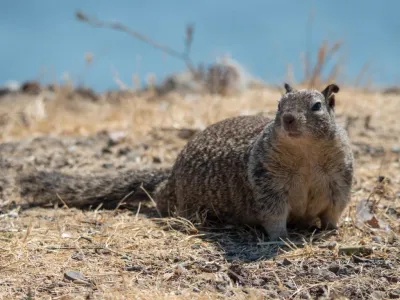
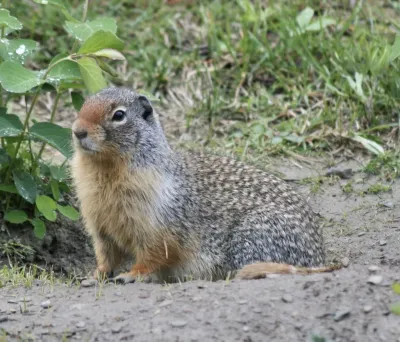
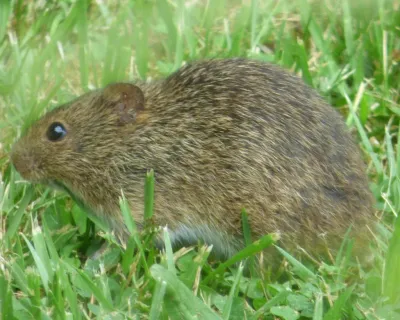
Other Rodents
Explore other species in the rodents family
Commonly Confused With
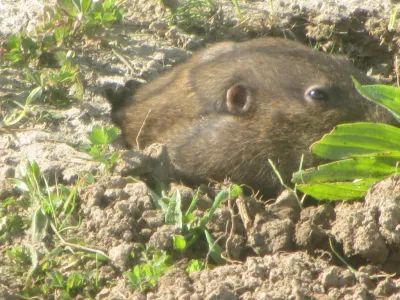
Botta's Pocket Gopher are often mistaken for these similar pests
Where Botta's Pocket Gopher Are Found
Hover over states to see their names. Green regions indicate where botta's pocket gopher have been reported.
Common Questions about Botta's Pocket Gopher
How can I identify Botta's pocket gopher?
+
Botta's pocket gophers have smooth, short fur that varies from gray to brown to nearly black, often matching local soil color. They have small eyes, tiny ears, and large yellowish-orange front teeth. Their most distinctive feature is the fur-lined cheek pouches extending from their mouth to their shoulders.
What is the difference between Botta's pocket gopher and other gophers?
+
Botta's pocket gophers are generally smaller than plains pocket gophers and have a single groove on each upper incisor, while plains pocket gophers have two grooves. Botta's also dig primarily with their teeth rather than their claws, allowing them to thrive in a wider variety of soil types.
Where do Botta's pocket gophers live?
+
Botta's pocket gophers range from southern Oregon and central Colorado south through California, Arizona, New Mexico, and Texas into Mexico. They inhabit elevations from sea level up to 13,800 feet and adapt to woodlands, chaparral, scrubland, agricultural land, and residential areas.
What damage do Botta's pocket gophers cause?
+
A single Botta's pocket gopher can create up to 300 soil mounds per year while moving over 4 tons of soil. They eat plant roots, damage irrigation systems, cut through underground cables, and can undermine walkways and foundations with their tunnel systems.
Do Botta's pocket gophers hibernate?
+
No, Botta's pocket gophers remain active year-round. They spend about nine hours each day active in their burrows, primarily feeding. Activity is not restricted to day or night, though they may be more active during cooler parts of the day in hot weather.
How many young do Botta's pocket gophers have?
+
Botta's pocket gophers typically have 3 to 4 young per litter, though litters can range from 1 to 12. In irrigated areas with abundant food, they may breed year-round and produce two to three litters per year. Young become independent after about 60 days.
Why are Botta's pocket gophers so widespread?
+
Botta's pocket gophers are highly adaptable and can burrow into many soil types, from loose sands to tightly packed clays. They dig primarily with their large teeth (which have extra-thick enamel) rather than their claws, allowing them to excavate harder soils than claw-digging gophers.

With five years of hands-on experience in the pest control industry, George Schulz is a registered technician with the Virginia Pest Management Association and a proud third-generation professional in a family business that's been protecting homes for over 57 years. He manages and trains a team of service pros while also leading internal research efforts—recently spearheading a deep-dive review of thousands of documents on pest control materials to hand-pick the most kid and pet friendly, most effective solutions tailored specifically for homes in the DC metro area.