Western Conifer Seed Bug Identification Guide
Leptoglossus occidentalis
The western conifer seed bug is a large, brownish insect that commonly invades homes in fall seeking shelter for winter. Often mistaken for stink bugs, these pests are harmless but can be a nuisance when they appear indoors in large numbers.
Taxonomy
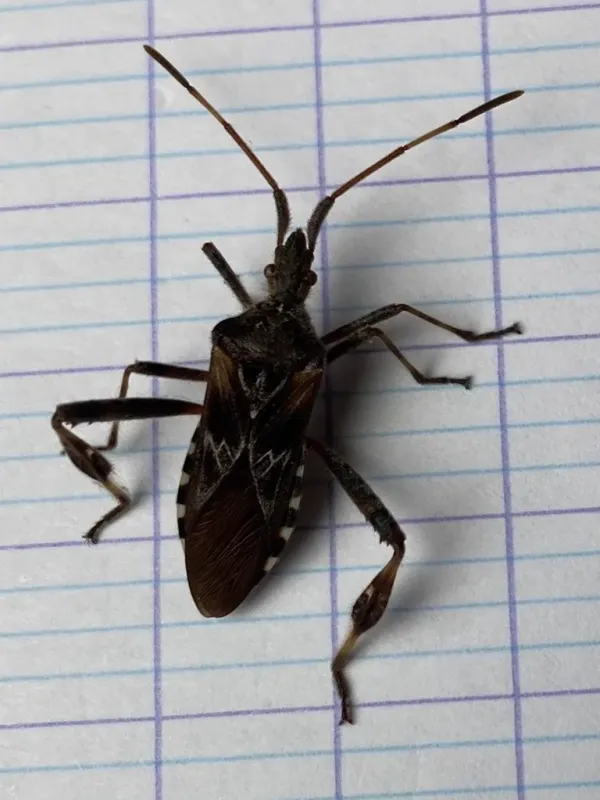
Western Conifer Seed Bug Coloration
Common color patterns to help identify western conifer seed bug
Western Conifer Seed Bug
Seasonal Activity
When western conifer seed bug are most active throughout the year
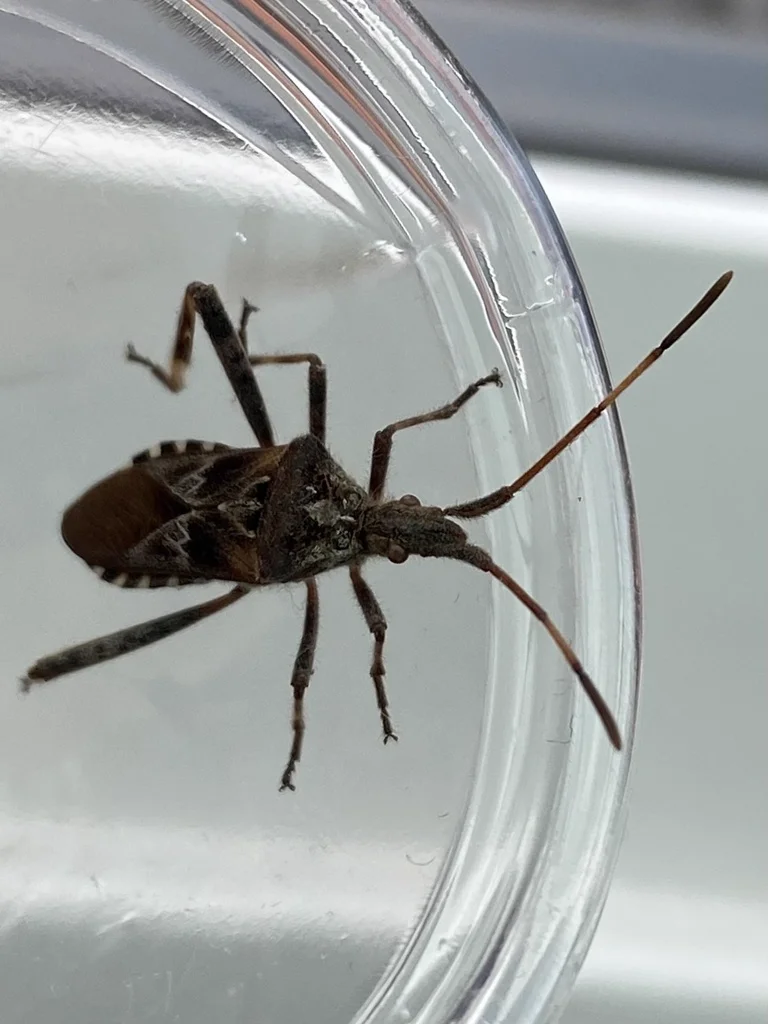
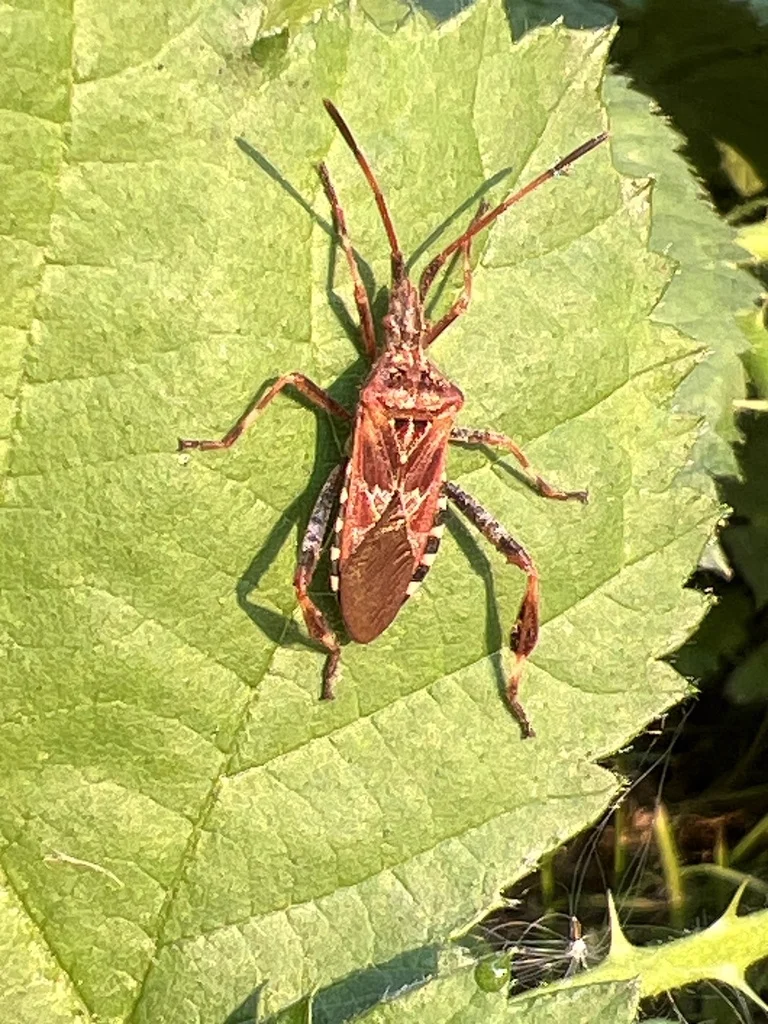
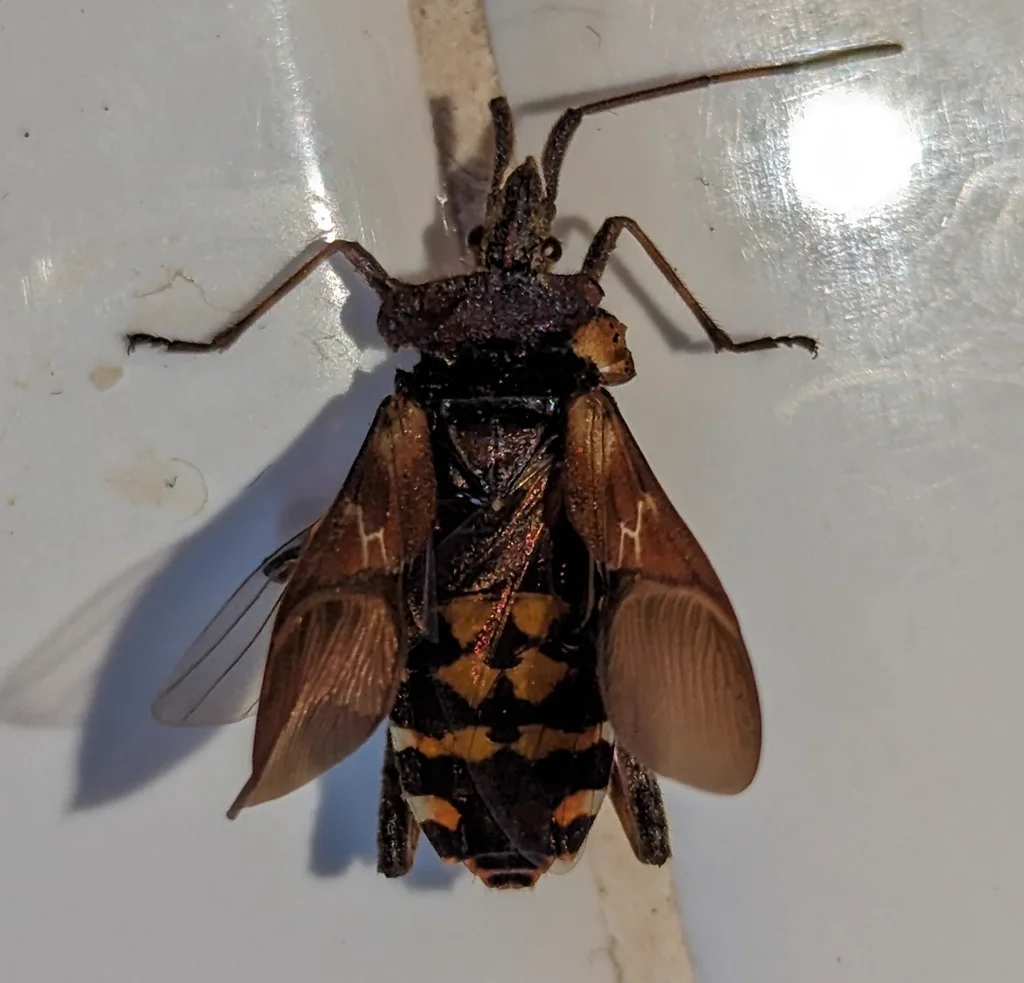


Where Western Conifer Seed Bug Are Found
Hover over states to see their names. Green regions indicate where western conifer seed bug have been reported.
Western Conifer Seed Bug Identification Guide
Physical Characteristics
The western conifer seed bug is a large insect, about 3/4 inch long. It has a long, narrow body with shades of reddish-brown to grayish-brown. A white zigzag pattern runs across the center of its wings. When the wings open, you can see yellow and black stripes on the belly.
The easiest way to spot this bug is by its hind legs. They have a flat, leaf-like shape, which is why some people call it a “leaf-footed bug.” It also has long antennae that are almost as long as its body. Males are a bit smaller than females. When flying, these bugs make a loud buzzing sound.
Life Stages
Young bugs (called nymphs) hatch from eggs laid on pine needles. At first, they are bright orange or red with dark legs. As they grow, they get darker and start to grow wings. By late summer, they become adults and feed on seeds before looking for a place to spend the winter.
Similar Species
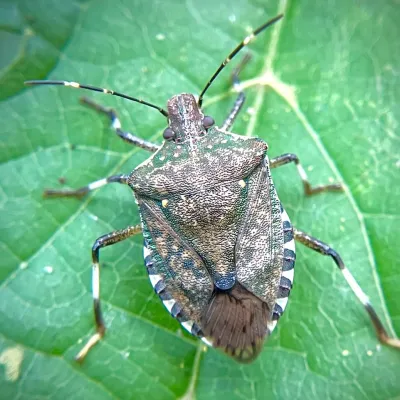
Many people mix up western conifer seed bugs with stink bugs because they look alike. But stink bugs are wider and shaped like a shield. Western conifer seed bugs are longer and thinner. The flat, leaf-shaped back legs are the best way to tell them apart.
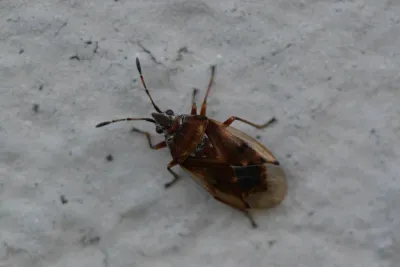
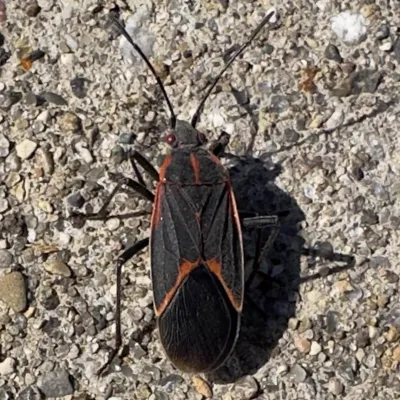
Western Conifer Seed Bug Behavior and Biology A related species, Boxelder Bug Nymphs, shares similar characteristics.
These bugs come from western North America. They used to live only west of the Rocky Mountains, from California to British Columbia. But over the years, they have spread across most of the United States and into eastern Canada. They have even shown up in Europe. A related species, Stilt Bugs, shares similar characteristics.
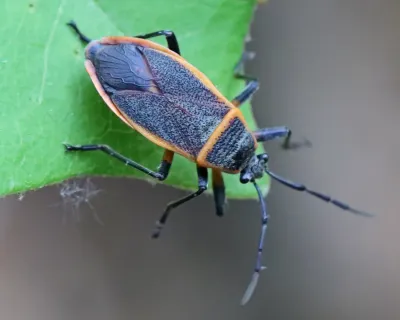
Feeding Habits A related species, Birch Catkin Bugs, shares similar characteristics.
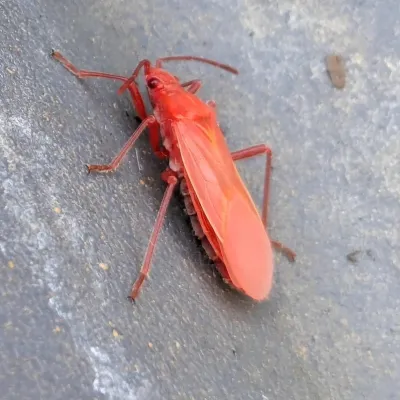
Western conifer seed bugs use their needle-like mouths to drink sap from pine cones. They feed on many types of pine and spruce trees, including Douglas-fir and ponderosa pine. This feeding can hurt the seeds inside the cones. While they can be a problem for tree farms, they rarely cause harm in home yards. A related species, Red-Shouldered Bugs, shares similar characteristics.
Overwintering Behavior A related species, Four-Lined Plant Bug, shares similar characteristics.
When the weather gets cold in fall, these bugs look for warm places to spend the winter. Like other fall invading pests, they gather on the sunny sides of buildings and then find ways inside. They sneak in through gaps around windows, doors, pipes, and siding. A related species, Tarnished Plant Bug, shares similar characteristics.
Once inside, they go into a rest state (like hibernation) and stay quiet through winter. They do not eat or lay eggs indoors. On warm winter days, they may wake up and fly toward windows or lights. This often surprises people who did not know they were there. In spring, they try to go back outside.
Life Cycle
These bugs have one generation per year. Adults survive the winter and come out in late spring to mate. Females lay small, barrel-shaped eggs on pine needles. One female can lay up to 80 eggs in a season. The young bugs grow through five stages over summer and become adults by late summer. Most adults live about 10 to 12 months.
How We Treat for Western Conifer Seed Bugs
We treat western conifer seed bugs the same way we treat stink bugs and other bugs that come inside for winter. The goal is to stop them before they get in.
-
Fall Barrier Treatment: Before cold weather arrives (usually in October), we apply dust treatments around the outside of your home. We treat areas like weep holes, behind siding, and around windows and doors. This creates a barrier that keeps bugs out. We also treat the ground around your home with a repellent product for extra protection.
-
Entry Point Check: We look at your home to find gaps and cracks where bugs can get in. We may suggest sealing cracks around windows, adding door sweeps, fixing torn screens, or fixing moisture problems that attract pests.
-
Indoor Treatment: If bugs have already gotten inside, we treat the spots where they hide. This includes areas around windows, door frames, and baseboards. In bad cases, we may need to treat inside wall spaces.
-
Timing Matters: Fall treatment before the first frost is key. We schedule our visits when these bugs are actively looking for shelter.
The best way to deal with bugs you find inside is to vacuum them up. Use a shop vac or a vacuum you can empty outside. Avoid crushing them, as this can release a mild smell.
References
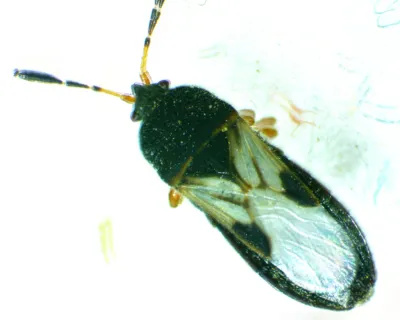
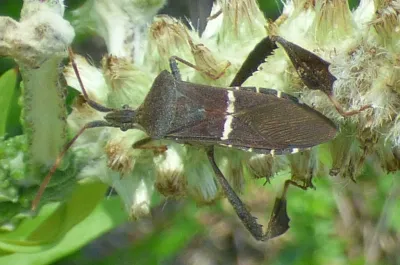
Other Plant Bugs
Explore other species in the plant bugs family
Commonly Confused With
Western Conifer Seed Bug are often mistaken for these similar pests
Where Western Conifer Seed Bug Are Found
Hover over states to see their names. Green regions indicate where western conifer seed bug have been reported.
Common Questions about Western Conifer Seed Bug
Are western conifer seed bugs harmful?
+
No, western conifer seed bugs do not bite, sting, or transmit diseases to humans. They do not damage household materials, contaminate food, or cause structural damage. Their main nuisance factor is their unexpected indoor appearance and ability to fly toward lights or windows.
Why do western conifer seed bugs come into my house?
+
Western conifer seed bugs enter homes in the fall seeking warmth and shelter for the winter. They are attracted to the sunny, warm sides of buildings and enter through gaps around windows, doors, siding, and other small openings. Once inside, they do not reproduce and will become inactive until spring.
How can I tell a western conifer seed bug from a stink bug?
+
Western conifer seed bugs are larger (up to 3/4 inch) and more elongated than stink bugs. Their most distinctive feature is the leaf-shaped expansion on their hind legs. They also have a white zigzag pattern across their wings and long antennae. While they can release a mild pine-like scent when disturbed, it is much less pungent than a stink bug's odor.
What is the best way to remove western conifer seed bugs?
+
Vacuum them up using a shop vac or a dedicated vacuum, as this prevents releasing their mild defensive odor. You can also sweep them into soapy water. Avoid crushing them, as this can cause a slight smell and potential staining.
How can I prevent western conifer seed bugs from entering my home?
+
Seal cracks and gaps around windows, doors, and the foundation before fall arrives. Install door sweeps and repair damaged screens. Exterior treatments applied in early fall before the first frost create a barrier that deters entry.
Do western conifer seed bugs damage trees?
+
Western conifer seed bugs feed on the sap of developing conifer cones and seeds. While they can cause some damage to seed crops in commercial tree farms and nurseries, they are considered a minor pest and do not typically harm mature, healthy trees in residential landscapes.

With five years of hands-on experience in the pest control industry, George Schulz is a registered technician with the Virginia Pest Management Association and a proud third-generation professional in a family business that's been protecting homes for over 57 years. He manages and trains a team of service pros while also leading internal research efforts—recently spearheading a deep-dive review of thousands of documents on pest control materials to hand-pick the most kid and pet friendly, most effective solutions tailored specifically for homes in the DC metro area.