Stilt Bugs Identification Guide
Berytidae
Stilt bugs are thin insects with very long legs and antennae. These plant feeders live throughout North America and sometimes enter homes or greenhouses by accident.
Taxonomy
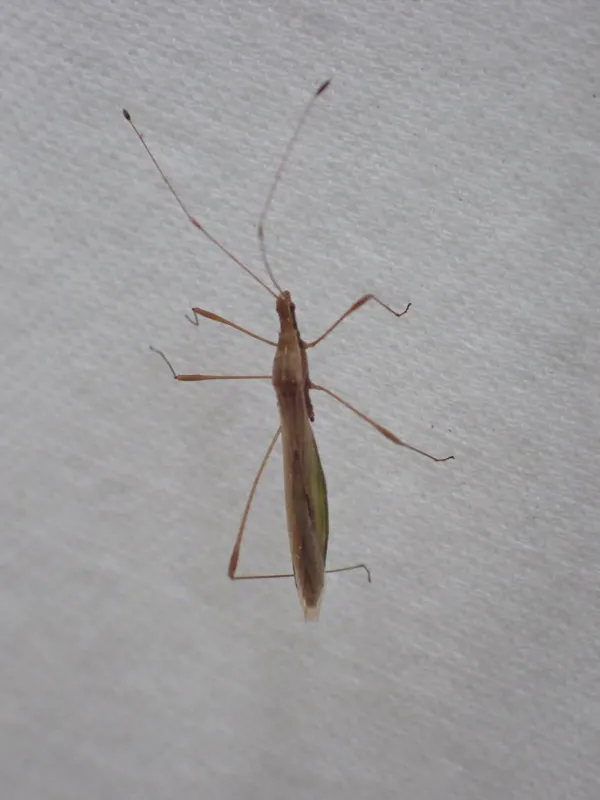
Stilt Bugs Coloration
Common color patterns to help identify stilt bugs
Stilt Bugs
Seasonal Activity
When stilt bugs are most active throughout the year

Where Stilt Bugs Are Found
Hover over states to see their names. Green regions indicate where stilt bugs have been reported.
Stilt Bug Identification Guide
Physical Characteristics
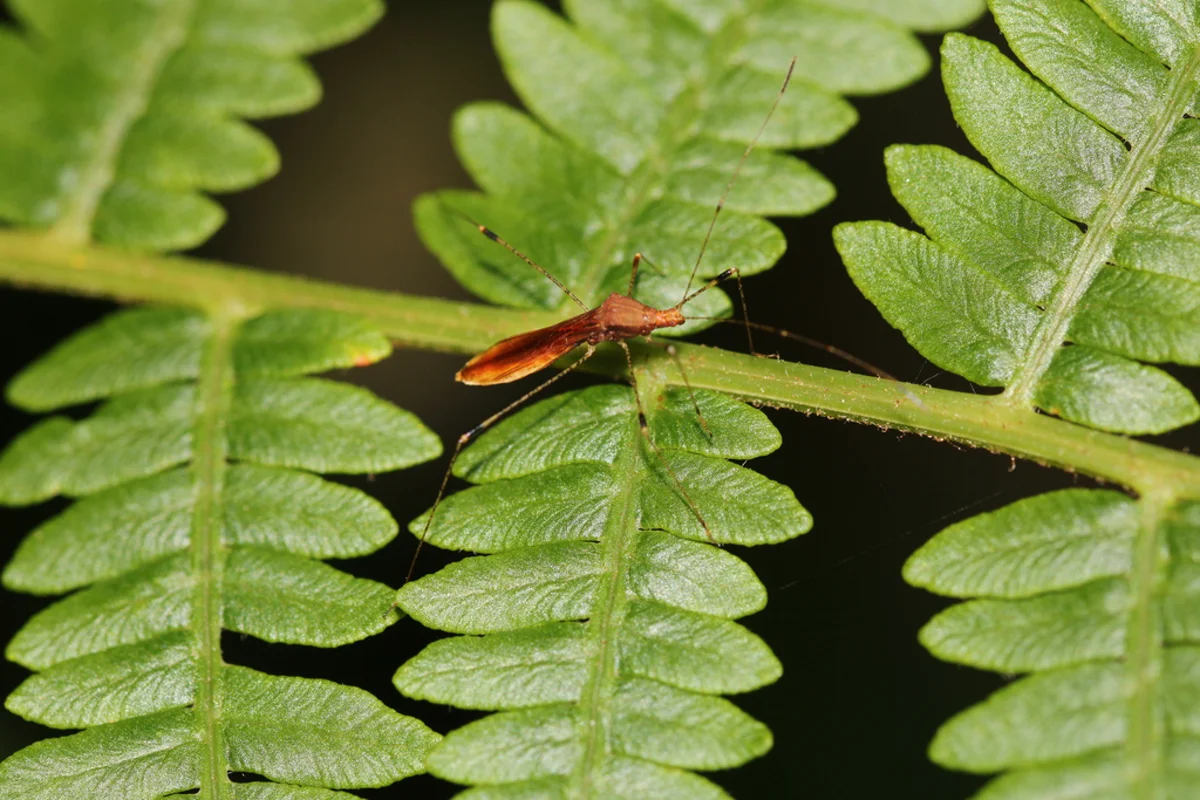
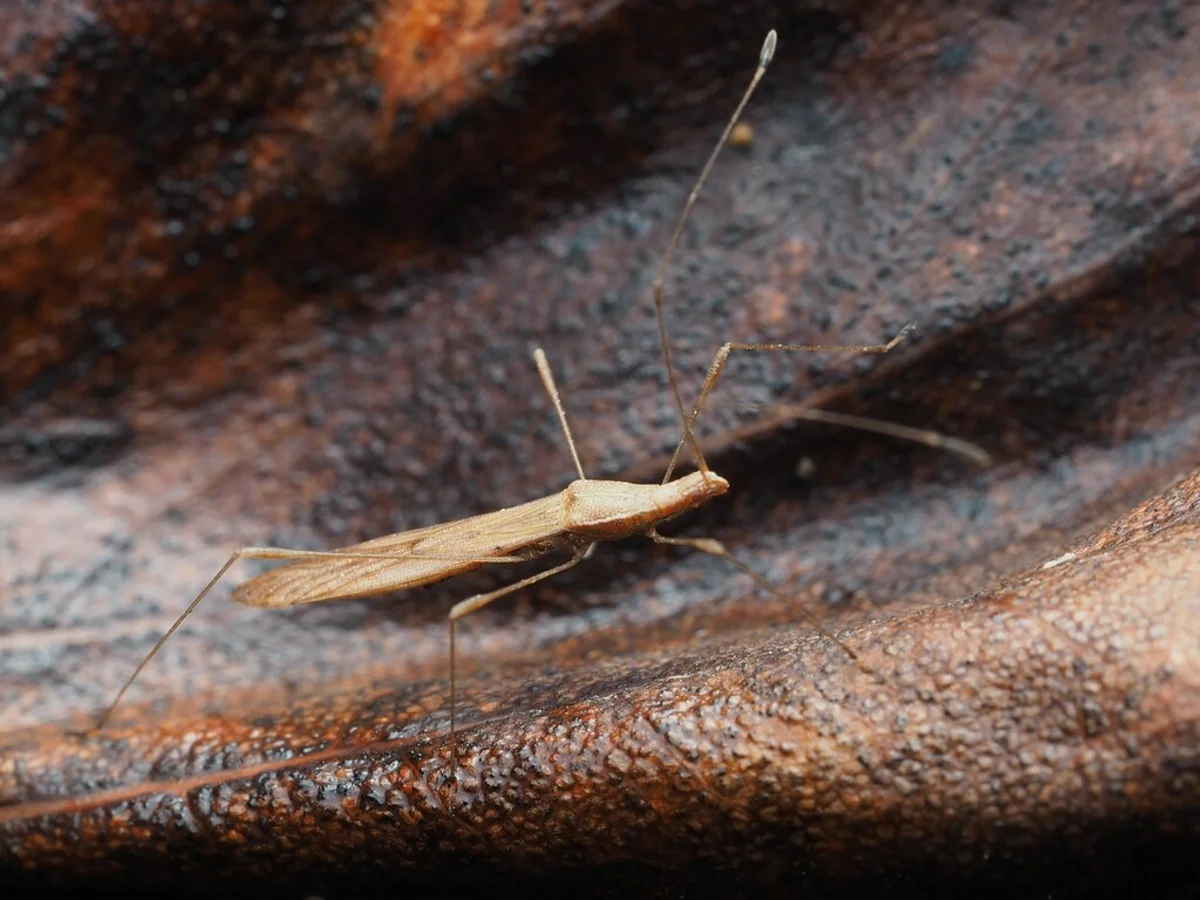
Stilt bugs are easy to spot thanks to their unusual shape. These slender bugs measure between 5 and 9 millimeters long. Their most striking feature is their very long, thin legs and antennae. Their bodies are long and narrow, giving them a stick-like look that helps them hide among plant stems.
Most stilt bugs are light brown to tan in color. Some may appear yellowish or reddish-brown. You can tell them apart from similar insects by the small knob at the tip of each antenna. Their antennae often reach about half the length of their body.
The long front legs point forward, which can make them look like extra antennae. These legs help stilt bugs walk across sticky plant surfaces that would trap other insects. They use their long legs like poles to lift themselves off sticky plant hairs.
Common Species in North America
Several stilt bug species live throughout North America:
Spined Stilt Bug (Jalysus wickhami): The most common species. Found from Canada south through Mexico. Adults are brown to brick-red and about 6-7 mm long. They like plants with sticky hairs, such as tomatoes, potatoes, and tobacco.
Jalysus spinosus: Similar to the spined stilt bug but mostly found on grasses in eastern North America.
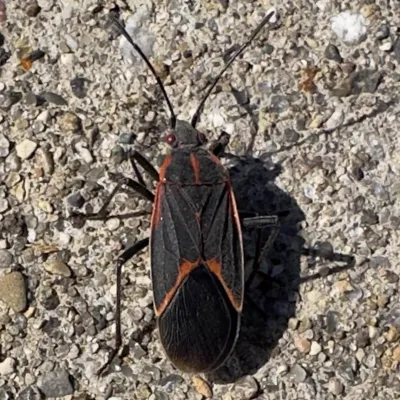
Neides muticus: A widespread species found across much of North America on various plants and grasses. A related species, Boxelder Bug Nymphs, shares similar characteristics.
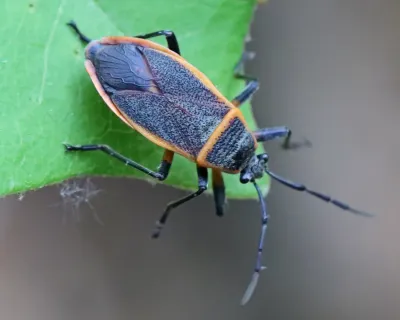
Stilt Bug Behavior and Biology A related species, Birch Catkin Bugs, shares similar characteristics.
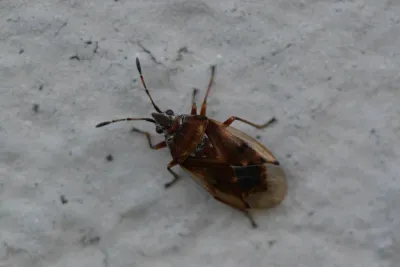
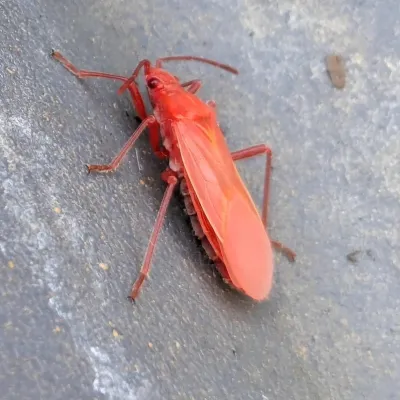
Feeding Habits A related species, Red-Shouldered Bugs, shares similar characteristics.
Stilt bugs are part of the broader plant bug group. They mainly feed on plant sap. They use their beak to pierce plant tissue and suck fluids from stems, leaves, flowers, and fruits. Some stilt bugs also eat small insects like aphids, mites, and insect eggs. A related species, Four-Lined Plant Bug, shares similar characteristics.
Stilt bugs that eat both plants and insects tend to live longer and lay more eggs. A single spined stilt bug can eat up to 2,000 budworm eggs over its lifetime.
Lifecycle and Reproduction
Stilt bugs go through several stages as they grow. Young stilt bugs, called nymphs, look like small adults but without fully formed wings. They molt several times before reaching adulthood. There is no cocoon or pupal stage.
Nymphs are usually yellowish-green and smaller than adults. They still have the long legs that make this insect family easy to spot. Females lay eggs on plant surfaces in sheltered spots. The whole life cycle from egg to adult takes several weeks in warm weather. Multiple generations can occur each year.
Habitat Preferences
Stilt bugs live in many outdoor settings. You can find them in gardens, farm fields, meadows, and forest edges. They prefer plants with leaves and are often found on:
- Tomato and potato plants
- Tobacco crops
- Weedy plants with hairy or sticky surfaces
- Grasses
- Garden flowers
Their long legs let them walk on sticky plant surfaces that trap other insects. Unlike stink bugs and other true bugs that sometimes invade homes in fall, stilt bugs only enter by accident.
Treatment Methods for Stilt Bugs
Stilt bugs rarely need control since they cause little damage and cannot breed indoors. When they become a nuisance, these methods can help:
-
Physical removal: Catch stilt bugs found indoors and put them back outside. Sweep them onto a piece of paper and release them in the yard.
-
Exclusion: Make sure window screens have no holes. Seal gaps around doors and windows to keep bugs out. This helps if your home is near gardens with lots of stilt bugs.
-
Reduce outdoor lighting: Stilt bugs may come to lights at night. Yellow bulbs attract fewer insects and can cut down the number near your doors.
-
Habitat management: In greenhouses where stilt bugs damage tomato crops, remove weedy plants from around the building to reduce their numbers.
-
Targeted applications: In rare cases where stilt bugs cause crop damage in greenhouses, insecticidal soaps or horticultural oils can help control them.
References
Other Plant Bugs
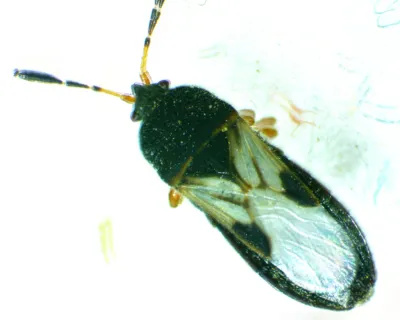
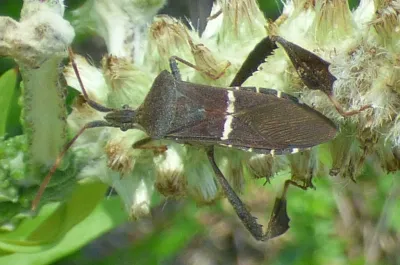
Explore other species in the plant bugs family
Commonly Confused With
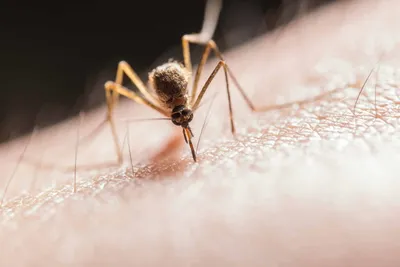
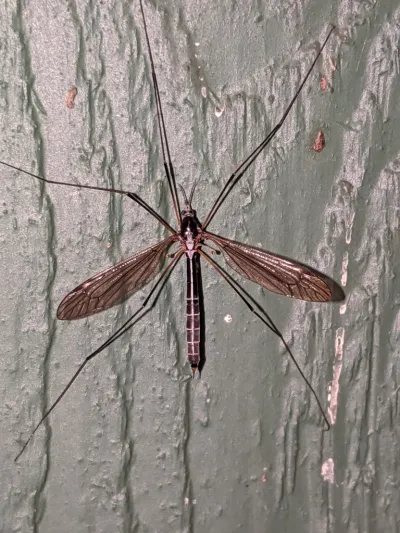
Stilt Bugs are often mistaken for these similar pests
Where Stilt Bugs Are Found
Hover over states to see their names. Green regions indicate where stilt bugs have been reported.
Common Questions about Stilt Bugs
What are stilt bugs?
+
Stilt bugs are thin insects named for their very long legs. They feed on plants and are found across North America. Some people call them thread bugs because of their delicate shape.
Are stilt bugs harmful to humans?
+
No, stilt bugs do not bite, sting, or spread diseases. They pose no threat to people or pets. At most, they are a minor nuisance when they wander indoors.
Do stilt bugs damage plants?
+
Stilt bugs feed on plant sap but rarely harm garden plants. In greenhouses, they can sometimes damage tomato flowers and fruit. Outdoor populations rarely cause problems.
Why do stilt bugs come inside my house?
+
Stilt bugs enter homes by accident through open doors or windows. Lights at night may attract them. They cannot live or breed indoors.
How can I tell stilt bugs apart from mosquitoes?
+
Both have long legs, but stilt bugs have a longer, thinner body. Look for small knobs at the tips of their antennae. Unlike mosquitoes, stilt bugs do not have a long beak for biting.
What time of year are stilt bugs most active?
+
Stilt bugs are most active from late spring through early fall. They are busiest in summer and rarely seen in winter.
Can stilt bugs fly?
+
Yes, stilt bugs have wings and can fly, but they are not strong fliers. They usually walk on plants with their long, stilted legs.

With five years of hands-on experience in the pest control industry, George Schulz is a registered technician with the Virginia Pest Management Association and a proud third-generation professional in a family business that's been protecting homes for over 57 years. He manages and trains a team of service pros while also leading internal research efforts—recently spearheading a deep-dive review of thousands of documents on pest control materials to hand-pick the most kid and pet friendly, most effective solutions tailored specifically for homes in the DC metro area.